healthmaghub
  • HOME
  • BLOG
  • REVIEWS
  • TOOLS
No Result
View All Result
  • HOME
  • BLOG
  • REVIEWS
  • TOOLS
No Result
View All Result
HealthNews
No Result
View All Result

Massage for Hair Growth: Evidence-Based Techniques for Thicker, Healthier Hair

by Natalie Kim
July 23, 2026
Reading Time: 27 mins read
0

Hair thinning affects millions worldwide, driving many to seek natural solutions before turning to medical interventions. Massage for hair growth has emerged as a simple yet potentially effective approach backed by preliminary scientific research. This non-invasive technique may stimulate blood circulation to hair follicles and reduce stress-related hair loss.

The concept centers on mechanical stimulation of the scalp. When you massage your scalp consistently, you may increase blood flow to hair follicles, potentially delivering more nutrients and oxygen to support healthy hair growth. Research suggests regular scalp massage might also help reduce tension and stress hormones that contribute to hair thinning.

Understanding proper techniques, ideal frequency, and complementary approaches can help you maximize potential benefits. This comprehensive guide explores evidence-based scalp massage methods, optimal oils to enhance results, and realistic expectations for this natural hair care strategy.

Understanding Hair Growth and Scalp Health

detailed diagram of hair follicle anatomy showing scalp layers

Hair growth occurs in distinct phases within follicles embedded beneath your scalp surface. The anagen phase represents active growth, lasting two to seven years. During this period, cells in the hair root divide rapidly, pushing the hair shaft upward through the skin.

Blood circulation plays a vital role in this process. Nutrients reach hair follicles through tiny blood vessels called capillaries. Adequate blood flow ensures follicles receive essential vitamins, minerals, and oxygen needed for healthy hair production.

Scalp health directly impacts hair growth potential. A healthy scalp maintains proper pH balance, adequate moisture levels, and minimal inflammation. When scalp conditions deteriorate through stress, poor nutrition, or inadequate care, hair growth may slow or stop prematurely.

Key Insight: The average scalp contains approximately 100,000 hair follicles. Each follicle operates independently, cycling through growth phases at different times. This natural variation explains why you continuously shed hair while new strands emerge.

The Role of Blood Circulation in Hair Health

Enhanced circulation to the scalp may support hair follicle function in several ways. Improved blood flow potentially delivers more nutrients directly to follicle cells. This increased nutrient availability might support the energy-intensive process of hair production.

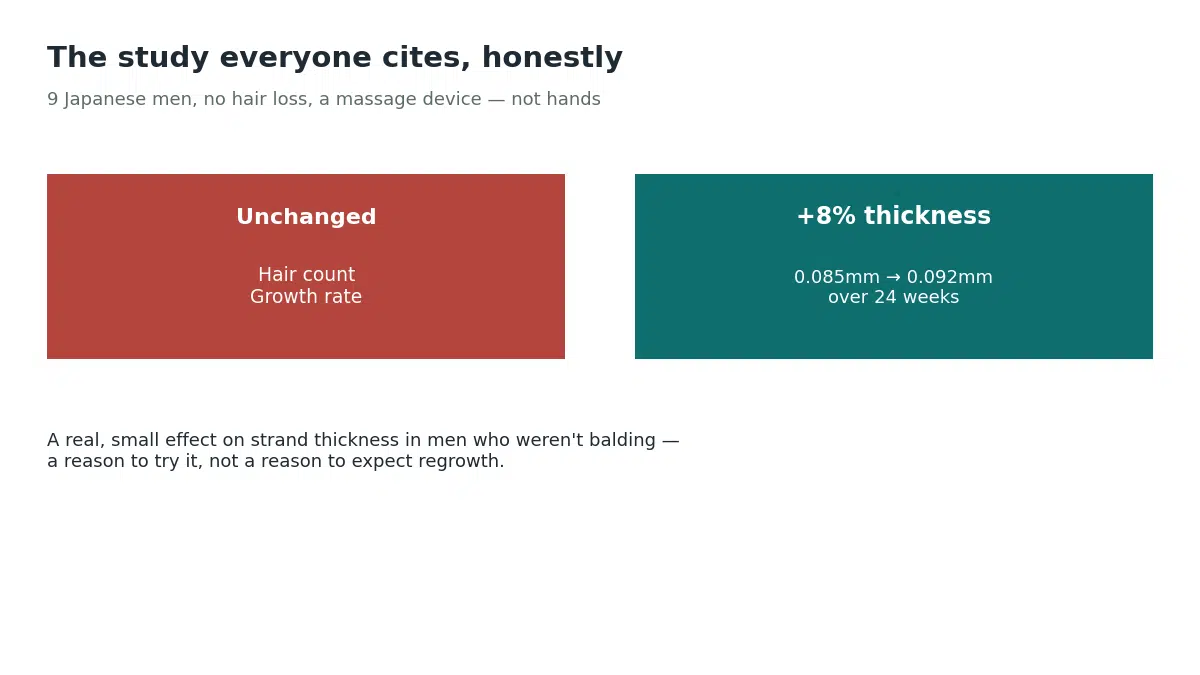
Research published in Eplasty found that standardized scalp massage increased hair thickness in healthy men. Participants who received daily four-minute massages showed measurable improvements after 24 weeks. The mechanical stretching forces appeared to affect gene expression in dermal papilla cells within follicles.

Stress, Tension, and Hair Loss Connection

Chronic stress contributes to various forms of hair loss. Telogen effluvium, a condition where stress pushes hair follicles into a resting phase prematurely, can result in noticeable thinning. Stress hormones like cortisol may disrupt the normal hair growth cycle.

Scalp tension from chronic muscle contraction might restrict blood flow to follicles. This reduced circulation could limit nutrient delivery, potentially affecting hair health over time. Regular massage may help counteract these effects by promoting relaxation and reducing physical tension.

The Science Behind Scalp Massage for Hair Growth

Scientific investigation into scalp massage effects on hair growth remains limited but promising. A 2016 study published in Eplasty examined nine healthy men who received daily standardized scalp massages for 24 weeks. Results showed increased hair thickness, though hair growth rate remained unchanged.

The mechanical stretching forces applied during massage appear to affect dermal papilla cells. These specialized cells at the base of each follicle play crucial roles in hair formation and growth regulation. Mechanical stimulation may activate cellular pathways that influence follicle function.

Mechanisms of Action

Several biological mechanisms might explain potential benefits of scalp massage. Increased blood flow to the scalp delivers oxygen and nutrients more efficiently to follicles. This enhanced circulation could support the metabolic demands of actively growing hair.

Mechanical stimulation may also reduce scalp tension and inflammation. Chronic inflammation around follicles can disrupt normal growth cycles. By promoting relaxation and potentially decreasing inflammatory markers, massage might create a more favorable environment for hair growth.

Research Findings

  • Daily four-minute massages increased hair thickness over 24 weeks
  • Mechanical stretching affected gene expression in follicle cells
  • Participants reported improved scalp sensation and relaxation
  • No adverse effects were documented during study periods

Limitations of Current Evidence

Current research has notable limitations. Most studies involve small sample sizes and relatively short durations. Long-term effects and optimal massage protocols remain unclear. Individual responses may vary based on genetics, overall health, and underlying causes of hair concerns.

Scalp massage should not replace proven medical treatments for conditions like androgenetic alopecia or alopecia areata. While massage may complement other therapies, individuals experiencing significant hair loss should consult healthcare providers for proper diagnosis and treatment.

Important Note: According to the National Institutes of Health, multiple factors influence hair growth including genetics, hormones, nutrition, and overall health. Scalp massage represents one potential supportive practice rather than a standalone solution for medical hair loss conditions.

Proven Techniques to Massage Scalp for Hair Growth

Effective scalp massage combines proper technique with consistent application. The goal involves applying gentle pressure across all scalp areas without causing discomfort. Correct hand positioning and movement patterns maximize potential benefits while ensuring a relaxing experience.

Most techniques focus on circular motions using fingertips rather than nails. This approach stimulates the scalp without scratching or irritating the skin. Pressure should feel firm yet comfortable, similar to the sensation during a professional shampoo at a salon.

Basic Scalp Massage Technique

Begin by positioning your fingertips on your scalp near the hairline. Spread fingers evenly to cover maximum surface area. Apply moderate pressure and move fingertips in small circular motions, keeping fingers in contact with the scalp throughout.

Work systematically across your entire scalp. Move from the front hairline toward the crown, then from the crown to the back of your head. Include the sides above your ears and the lower regions near your neck. Each area should receive attention for optimal coverage.

Frontal Zone Massage

Place fingertips along your hairline. Use circular motions working from temples toward the center of your forehead. This area often holds tension from facial expressions and stress.

Crown Region Technique

Center both hands on the top of your head. Apply pressure while moving fingers in opposing circular patterns. The crown area benefits from extra attention as it’s prone to thinning.

Back and Sides Method

Massage the area above and behind your ears using fingertips. Continue down to where your skull meets your neck. These zones often accumulate significant tension throughout the day.

Advanced Massage Methods

Once comfortable with basic techniques, you can incorporate variations for enhanced stimulation. The lifting technique involves grasping small sections of hair near the roots and gently pulling upward. This creates mild traction that may further stimulate follicles.

Knuckling provides a different sensation using the flat part of your knuckles. Make gentle fists and use a rolling motion across your scalp surface. This method covers larger areas quickly while maintaining consistent pressure.

Percussion Technique

Use fingertips to create a light tapping or drumming sensation across your scalp. This rhythmic stimulation increases blood circulation through gentle impacts. Maintain a steady, comfortable pace without excessive force.

Move systematically from front to back, ensuring even coverage. The percussion method works well as a finishing technique after circular massage. Many find this approach particularly invigorating and refreshing.

Compression Method

Place your entire palm flat against your scalp. Apply steady pressure for several seconds before releasing. Move to adjacent areas and repeat. This technique affects deeper scalp tissues and may enhance relaxation.

The compression approach differs from circular massage by using sustained pressure rather than movement. Alternating between compression and circular techniques provides varied stimulation that may optimize results.

Duration and Frequency Guidelines

Research suggests effectiveness with sessions lasting four to five minutes daily. Consistency matters more than duration for each session. Regular scalp massage performed several times a week may yield better results than occasional longer sessions.

You can perform massage at any convenient time. Many incorporate it into shower routines, applying technique while shampooing. Others prefer dedicated sessions before bed, finding the practice promotes relaxation and better sleep quality.

Timing Recommendation: Consider massaging your scalp for five minutes before shampooing. This pre-wash massage may help loosen debris and distribute natural oils. Follow with gentle massage during shampooing for additional stimulation.

Best Oils to Enhance Your Scalp Massage for Hair Growth

Incorporating oils into your massage routine may enhance both the experience and potential benefits. Oils provide lubrication that allows fingers to glide smoothly across the scalp without pulling hair. Many oils also contain beneficial compounds that may support scalp health independently.

Two categories of oils serve different purposes. Carrier oils provide the base, offering moisture and protective properties. Essential oils contain concentrated plant compounds that may stimulate circulation or provide antimicrobial benefits. Always dilute essential oils in carrier oils before scalp application.

Top Carrier Oils for Scalp Massage

Coconut oil remains among the most popular choices for scalp massage. Its molecular structure allows penetration into hair shafts, potentially reducing protein loss. The oil’s antimicrobial properties may also support scalp health by addressing fungal or bacterial concerns.

Apply coconut oil in its liquid state for easier distribution. Warm solid coconut oil between your palms until melted. The oil absorbs well and leaves minimal greasy residue when used in appropriate amounts. Many prefer leaving it on for 30 minutes to several hours before washing.

Oil Type Primary Benefits Best For Application Notes
Coconut Oil Moisturizing, antimicrobial, protein retention All hair types, dry scalp Warm before use, can leave overnight
Jojoba Oil Mimics natural sebum, balancing Oily scalp, sebum regulation Lightweight, absorbs quickly
Argan Oil Vitamin E, antioxidants, shine enhancement Damaged hair, frizz control Small amount needed, non-greasy
Castor Oil Thick consistency, ricinoleic acid content Thinning areas, eyebrows Mix with lighter oil, heavy texture
Sweet Almond Oil Vitamin E, magnesium, omega fatty acids Sensitive scalp, inflammation Gentle, hypoallergenic option

Jojoba oil closely resembles the natural sebum your scalp produces. This similarity makes it particularly effective for regulating oil production. Those with oily scalps often find jojoba helps balance sebum levels rather than adding excess grease.

Argan oil provides rich antioxidant content, particularly vitamin E. These compounds may protect hair and scalp from oxidative stress caused by environmental factors. The oil’s light texture absorbs readily without leaving heavy residue.

Essential Oils for Enhanced Circulation

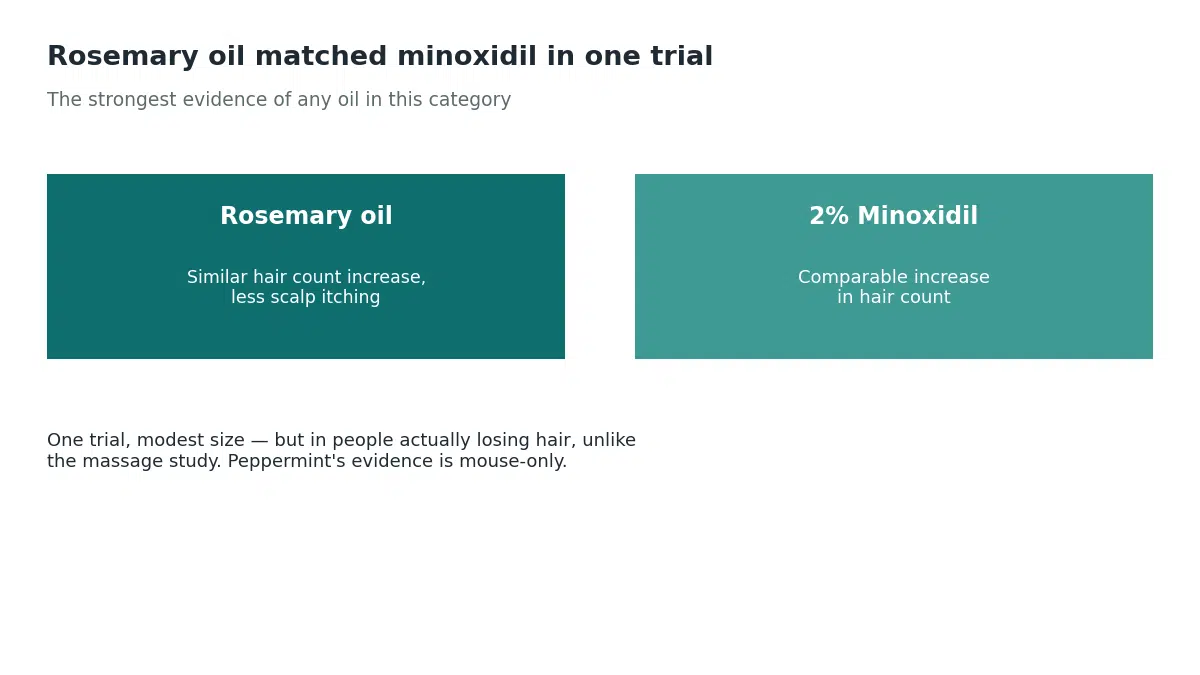
Rosemary essential oil has received attention for potential hair growth benefits. A study compared rosemary oil to minoxidil 2% solution over six months. Results showed comparable effectiveness in promoting hair growth, with rosemary causing less scalp itching.

The oil may improve circulation when massaged into the scalp. Its active compounds might also provide anti-inflammatory benefits. Always dilute rosemary oil properly – typically three to five drops per tablespoon of carrier oil.

Peppermint essential oil creates a cooling, tingling sensation that many find invigorating. Research in mice demonstrated increased hair follicle count and depth after peppermint oil application. The menthol content may enhance blood circulation to the scalp.

Safety Warning: Never apply undiluted essential oils directly to your scalp. These concentrated substances can cause severe irritation, burning, or allergic reactions. Always dilute in carrier oils and perform a patch test on your inner arm before full scalp application.

Oil Application Techniques

Effective oil application enhances massage benefits. Start with a small amount – approximately one tablespoon for shoulder-length hair. You can always add more if needed. Excess oil requires more thorough washing and may leave residue.

Section your hair for even distribution. Apply oil directly to your scalp using fingertips or a dropper bottle. Work through one section at a time before beginning the massage process. This systematic approach ensures complete coverage.

Pre-Wash Oil Treatment

Apply oil to dry hair and scalp before showering. Massage thoroughly for five to ten minutes using circular motions. Leave the oil on for an additional 20-30 minutes to allow absorption.

Cover your hair with a shower cap to prevent oil transfer to clothing or furniture. Some prefer leaving oil treatments overnight for maximum penetration. Use an old pillowcase to protect bedding from oil stains.

Quick Daily Oil Massage

For daily routines, use smaller oil quantities. Apply a few drops to fingertips and work through the scalp systematically. This lighter application provides massage benefits without requiring extensive washing.

Focus on areas prone to thinning or concern. The crown, hairline, and temples often benefit from targeted attention. A brief three to five-minute session fits easily into morning or evening routines.

Creating an Effective Daily Massage Routine

Consistency drives results with scalp massage. Establishing a sustainable routine increases adherence and potentially enhances outcomes. The most effective routine fits naturally into your existing schedule without creating burden or requiring significant time investment.

Consider your personal preferences and lifestyle constraints. Morning routines might incorporate brief massage during showering. Evening sessions could serve as relaxing rituals before bed. Choose timing that feels natural and sustainable long-term.

Building Your Personalized Routine

Start with realistic frequency goals. Begin with three sessions weekly if daily practice seems overwhelming. As massage becomes habitual, gradually increase frequency. Regular scalp stimulation several times weekly may produce better results than sporadic intensive sessions.

Track your routine initially to establish the habit. Use a simple calendar or phone app to mark completed sessions. Visible progress tracking often reinforces motivation during the early weeks of habit formation.

Morning Routine Option

  • Perform massage during shower while shampooing
  • Takes advantage of warm water for relaxation
  • Cleanses away any oil residue immediately
  • Energizing start to your day
  • Easy to remember as part of existing routine

Evening Routine Option

  • Dedicated session without time pressure
  • Can incorporate oil treatments with overnight absorption
  • Promotes relaxation before sleep
  • Reduces accumulated tension from the day
  • Becomes calming bedtime ritual

Weekly Deep Treatment Protocol

Supplement daily massage with weekly intensive treatments. Set aside 30-45 minutes for comprehensive scalp care. Apply generous oil quantities and massage for 10-15 minutes. Allow extended absorption time before washing.

These deeper sessions provide opportunity for additional hair care practices. Consider applying nourishing hair masks to lengths and ends while oil penetrates your scalp. This efficient approach addresses multiple hair health aspects simultaneously.

Routine Integration Tip: Link your massage practice to existing habits using “habit stacking.” For example: “After I finish my morning coffee, I will massage my scalp for five minutes.” This psychological technique leverages established behaviors to build new habits more effectively.

Adjusting Based on Results

Monitor your scalp and hair condition over weeks and months. Note any changes in hair texture, scalp sensation, or overall hair health. Adjustments may be necessary based on individual response and lifestyle changes.

Some individuals notice improved scalp health within weeks. Hair growth changes typically require months to become apparent due to the hair growth cycle. Maintain realistic expectations and focus on scalp health improvements as initial indicators of progress.

Combining Scalp Massage with Other Hair Growth Treatments

Scalp massage often works best as part of comprehensive hair care strategy. Combining massage with proven treatments may enhance overall results. Several evidence-based approaches complement massage practice for those seeking maximum impact.

Medical treatments like minoxidil or finasteride address hair loss through specific biological mechanisms. Adding scalp massage to these regimens may provide complementary benefits. Always consult healthcare providers before combining treatments, especially if using prescription medications.

Nutritional Support for Hair Health

Adequate nutrition forms the foundation for healthy hair growth. No amount of external stimulation can compensate for nutritional deficiencies. Ensure sufficient intake of protein, iron, vitamin D, biotin, and omega-3 fatty acids.

Protein provides building blocks for hair structure. Each strand consists primarily of keratin, a protein your body synthesizes from dietary protein sources. Insufficient protein intake may result in weakened, brittle hair or slowed growth.

Key Nutrients for Hair Growth

  • Iron: Essential for oxygen transport to follicles; deficiency common in hair loss
  • Vitamin D: May play role in follicle cycling; deficiency linked to hair disorders
  • Biotin: B-vitamin supporting keratin production; deficiency rare but impactful
  • Zinc: Supports protein synthesis and immune function; excess causes hair loss
  • Omega-3s: Anti-inflammatory properties may benefit scalp health
  • Vitamin E: Antioxidant protection for follicle cells
nutrient-rich foods that support hair growth

Topical Treatments and Massage Synergy

Minoxidil, an FDA-approved topical treatment, may benefit from enhanced absorption through massage. The medication works by prolonging the growth phase of hair follicles. Improved circulation from massage might facilitate better product penetration.

Apply minoxidil according to package directions, then wait for complete drying before performing massage. This approach prevents medication dilution while still allowing massage benefits. Consult your healthcare provider about optimal timing between application and massage.

Red Light Therapy Integration

Laser therapy devices use low-level light to potentially stimulate follicles. Some research suggests red light wavelengths may enhance cellular energy production in follicle cells. These devices have received FDA clearance for treating certain types of hair loss.

You can perform scalp massage before or after light therapy sessions. The combined mechanical and light stimulation may provide complementary benefits. Many users incorporate both into weekly routines for comprehensive approach.

Microneedling and Massage Combination

Microneedling involves creating tiny punctures in the scalp using specialized devices. This controlled injury may trigger healing responses that stimulate hair growth. Research suggests microneedling combined with minoxidil produces superior results compared to minoxidil alone.

Schedule massage sessions on days you don’t perform microneedling. The scalp needs recovery time after microneedling procedures. Gentle massage 24-48 hours after microneedling may support healing without causing irritation.

Important: Always follow device instructions and sanitation protocols when using microneedling tools. Improper technique or unsterilized equipment can cause infection or scarring. Consider professional treatments rather than at-home devices for optimal safety and results.

Realistic Expectations and Timeline for Results

timeline showing hair growth progress over months

Understanding realistic timelines prevents disappointment and supports consistent practice. Hair growth occurs slowly under normal circumstances. The average rate measures approximately half an inch per month, though individual variation exists.

Visible changes from scalp massage typically require months rather than weeks. Early benefits may include improved scalp sensation, reduced tension, and enhanced overall scalp health. These improvements often precede measurable changes in hair density or growth rate.

What to Expect in the First Month

Initial weeks focus on establishing routine and technique comfort. You might notice your scalp feels more relaxed or less tight. Some report tingling sensations or increased awareness of their scalp, indicating improved circulation.

Hair shedding patterns may temporarily increase. This phenomenon, sometimes called “shedding phase,” can occur as massage potentially pushes resting hairs into the shedding stage. This temporary increase doesn’t indicate harm and typically resolves within weeks.

Three to Six Month Markers

Measurable improvements in hair characteristics may emerge between three and six months of consistent practice. The research showing increased hair thickness used a 24-week timeline. This extended duration reflects the time required for follicle changes to manifest in visible hair.

Track progress through regular photography in consistent lighting. Monthly photos help document subtle changes that daily observation might miss. Measure specific areas prone to thinning for objective assessment.

Timeline Expected Changes What to Monitor
Weeks 1-4 Improved scalp sensation, reduced tension, potential temporary shedding Scalp comfort, routine consistency, technique comfort
Months 2-3 Stabilized shedding patterns, possible improvement in scalp health Overall scalp condition, oil production balance, inflammation reduction
Months 4-6 Potential changes in hair texture or thickness Hair diameter, density in thinning areas, baby hair growth
Months 6-12 Maximum visible improvements in responsive individuals Overall hair volume, length retention, continued scalp health

Individual Variation Factors

Results vary significantly based on multiple factors. Underlying cause of hair concerns plays the largest role. Genetic hair loss conditions like androgenetic alopecia may show limited response to massage alone. Stress-related or temporary hair loss might respond more favorably.

Age influences hair growth capacity. Younger individuals typically demonstrate more robust follicle function. Overall health status, including hormonal balance and nutritional status, significantly impacts potential for improvement.

Research Context: The 2016 study showing increased hair thickness involved healthy men without diagnosed hair loss conditions. Results in individuals with medical hair loss conditions may differ. Scalp massage should complement, not replace, evidence-based medical treatments for diagnosed conditions.

When to Seek Professional Evaluation

Certain situations warrant professional medical evaluation. Sudden or rapid hair loss exceeding normal shedding requires assessment. Patchy hair loss, scalp pain, or accompanying symptoms like skin changes need medical attention.

A dermatologist can diagnose underlying conditions affecting hair growth. Blood tests might reveal nutritional deficiencies or hormonal imbalances. Professional evaluation ensures appropriate treatment for medical conditions that massage alone cannot address.

Common Mistakes to Avoid When Massaging Your Scalp

Proper technique maximizes benefits while preventing potential problems. Several common errors can reduce effectiveness or cause scalp irritation. Awareness of these mistakes helps you avoid setbacks in your massage practice.

Excessive enthusiasm often leads to the most frequent problems. Applying too much pressure or massaging too aggressively can irritate the scalp rather than stimulate it beneficially. Remember that gentle, consistent stimulation typically produces better results than forceful manipulation.

Pressure and Technique Errors

Using nails instead of fingertip pads represents a common mistake. Nails can scratch or damage the scalp surface, creating micro-injuries that may introduce infection risk. Always use the soft pads of your fingers for massage movements.

Applying excessive force doesn’t enhance benefits. Moderate, comfortable pressure that feels pleasant works as effectively as strong pressure. The goal involves stimulation, not deep tissue manipulation. If your scalp feels sore after massage, reduce pressure in subsequent sessions.

Effective Practices

  • Gentle, consistent pressure throughout massage
  • Using fingertip pads rather than nails
  • Systematic coverage of entire scalp
  • Appropriate session duration (4-10 minutes)
  • Regular, consistent practice schedule
  • Proper oil dilution when using essential oils

Common Mistakes

  • Excessive pressure causing scalp soreness
  • Using nails, creating scratches or irritation
  • Focusing only on problem areas, neglecting full scalp
  • Inconsistent practice with long gaps
  • Applying undiluted essential oils directly
  • Over-washing hair to remove oils frequently

Oil Application Mistakes

Using excessive oil quantities creates unnecessary cleanup challenges. Start with small amounts and add more if needed. Removing heavy oil buildup requires repeated shampooing, which can strip natural oils and dry out hair.

Failing to dilute essential oils properly poses safety risks. Concentrated essential oils can cause chemical burns, severe irritation, or allergic reactions. Always follow recommended dilution ratios – typically 2-3% concentration for scalp application.

Frequency and Consistency Issues

Irregular practice undermines potential benefits. Occasional intensive massage sessions provide less benefit than regular moderate sessions. Aim for consistency rather than perfection. Three quality sessions weekly surpass sporadic daily attempts.

Conversely, excessive frequency doesn’t accelerate results. Over-manipulation might irritate sensitive scalps. Most research suggests daily sessions of several minutes provide adequate stimulation. More isn’t necessarily better with scalp massage.

Hygiene Note: Ensure your hands are clean before massaging your scalp. Dirty hands can transfer bacteria or debris to your scalp, potentially causing issues. This simple precaution prevents introducing contaminants during your wellness practice.

Unrealistic Expectation Pitfalls

Expecting dramatic results within weeks sets up disappointment. Hair growth changes require months to become visible. Focus on process benefits like relaxation and improved scalp health rather than fixating on rapid hair transformation.

Viewing massage as a cure-all for serious hair loss conditions creates false hope. Medical conditions like severe androgenetic alopecia require proven medical interventions. Massage serves as a complementary practice, not a replacement for necessary medical treatment.

Special Considerations for Different Hair Types and Conditions

Hair type and scalp characteristics influence optimal massage approaches. Texture, density, and specific scalp conditions may require technique modifications. Personalizing your practice based on individual factors enhances effectiveness and comfort.

Curly and textured hair types benefit from careful handling during massage. These hair types are more prone to tangling and breakage. Section hair carefully before applying oils and use extra gentleness to prevent unnecessary manipulation of fragile strands.

Adapting Technique for Textured Hair

Natural, curly, and coily hair types require specific considerations. These textures typically have drier scalps because natural oils travel less easily down curved hair shafts. Moisture-rich oils like coconut, olive, or shea butter work particularly well.

Apply oil to sectioned hair, working directly on the scalp. Use firm but gentle pressure with fingertips, taking care not to disturb curl patterns excessively. Many with textured hair prefer massaging during pre-wash treatments to minimize manipulation of styled hair.

Fine or Thinning Hair

Fine hair requires lighter oil formulations to avoid weighing down strands. Jojoba and argan oils provide beneficial properties without heavy residue. Use minimal quantities and focus application on the scalp rather than hair lengths.

Gentle pressure becomes especially important with thinning hair. Avoid pulling or tugging that might stress weakened follicles. Brief, consistent sessions work better than aggressive manipulation for delicate hair situations.

Thick or Dense Hair

Dense hair may require more thorough sectioning for effective scalp access. Divide hair into multiple sections to ensure massage reaches the entire scalp surface. A fine-toothed comb or fingers can create clean partings.

Heavier oils work well with thick hair that can handle richer formulations. Castor oil blends or coconut oil provide deep conditioning without being overwhelmed by hair volume. Extend massage time slightly to ensure adequate coverage.

Managing Specific Scalp Conditions

Sensitive or reactive scalps require extra caution. Patch test new oils on a small area before full application. Choose fragrance-free, hypoallergenic carrier oils like sweet almond or grapeseed. Avoid essential oils entirely if you have known sensitivities.

Dry, flaky scalps benefit from moisturizing oil treatments combined with gentle massage. The mechanical action helps loosen flakes while oil provides hydration. However, certain flaking conditions like seborrheic dermatitis or psoriasis require medical treatment beyond simple massage.

Oily scalps present unique challenges. Excessive oil production might seem to contradict adding more oil. However, jojoba oil may help regulate sebum production by mimicking natural scalp oils. Use sparingly and focus on massage technique rather than heavy oil application.

Post-Chemical Treatment Considerations

Recently relaxed, colored, or chemically treated hair requires gentler handling. Wait at least one week after chemical processes before introducing intensive massage routines. The scalp may be more sensitive during this recovery period.

Choose nourishing, protective oils that support scalp healing. Avoid essential oils immediately after chemical treatments to prevent potential irritation. As the scalp recovers, gradually introduce your regular massage routine with careful attention to comfort levels.

Medical Scalp Conditions: Active scalp infections, open wounds, or diagnosed conditions like severe psoriasis or eczema require professional medical treatment. Consult a dermatologist before beginning massage routines if you have diagnosed scalp conditions. Inappropriate massage might worsen certain conditions.

The Stress Reduction Connection: How Massage Supports Hair Health

Chronic stress significantly impacts hair health through multiple pathways. Elevated cortisol levels can push hair follicles into resting phases prematurely. This stress-induced shift may result in noticeable hair shedding months after the stressful period.

Scalp massage offers stress reduction benefits beyond direct follicle stimulation. The practice activates relaxation responses in the nervous system. This reduce stress effect may indirectly support hair health by lowering stress hormones that interfere with normal growth cycles.

Understanding Stress-Related Hair Loss

Telogen effluvium represents the most common form of stress-related hair loss. This condition occurs when significant stress pushes large numbers of follicles into the telogen (resting) phase simultaneously. Two to three months later, affected hairs shed, often causing alarming but usually temporary thinning.

The delayed timeline between stress and shedding confuses many individuals. Hair that sheds today reflects the follicle state from months earlier. Understanding this lag helps identify stress triggers and implement appropriate interventions.

Stress Impact Mechanisms

Chronic stress affects hair through several biological pathways. Elevated cortisol may directly impact follicle cycling. Stress-induced inflammation might create an unfavorable environment for hair growth. Blood vessel constriction during stress responses could reduce nutrient delivery to follicles.

Additionally, stress often triggers behaviors that harm hair health. Trichotillomania, compulsive hair pulling, represents an extreme stress response. Less severe habits like excessive hair touching, tight hairstyling, or neglected hair care routines also stem from stress.

The gut-brain-skin axis suggests stress affects nutrient absorption and utilization. Even with adequate dietary intake, chronic stress might impair the body’s ability to deliver nutrients to hair follicles effectively.

Massage as Stress Management Tool

Regular scalp massage may help manage stress through activated parasympathetic nervous system responses. This “rest and digest” mode counteracts the “fight or flight” stress response. Even brief massage sessions can trigger measurable relaxation.

The ritualistic aspect of consistent massage practice provides additional stress benefits. Creating dedicated self-care time signals to your mind and body that relaxation is prioritized. This intentional pause in demanding schedules supports overall stress management efforts.

Research Note: A study published in the Journal of Physical Therapy Science found that scalp massage significantly decreased heart rate and blood pressure in participants. These physiological changes indicate activated relaxation responses that may benefit overall health beyond hair concerns.

Combining Massage with Other Stress Reduction Techniques

Integrating scalp massage with comprehensive stress management amplifies benefits. Deep breathing during massage enhances relaxation effects. Progressive muscle relaxation techniques complement scalp-focused work by addressing body-wide tension.

Mindfulness practice during massage creates a meditative experience. Focus attention on physical sensations, the movement of your hands, and the release of tension. This present-moment awareness provides mental health benefits alongside physical relaxation.

Holistic Approach: While scalp massage may help manage stress, comprehensive stress reduction requires multiple strategies. Regular exercise, adequate sleep, social connection, and professional support when needed all contribute to stress management. View massage as one valuable tool within a broader wellness approach.

Professional Scalp Massage vs. Self-Massage: Understanding the Differences

Both professional and self-administered scalp massage offer distinct advantages. Understanding the differences helps you decide which approach best suits your goals, budget, and lifestyle. Many find a combination strategy optimal, with regular self-massage supplemented by occasional professional sessions.

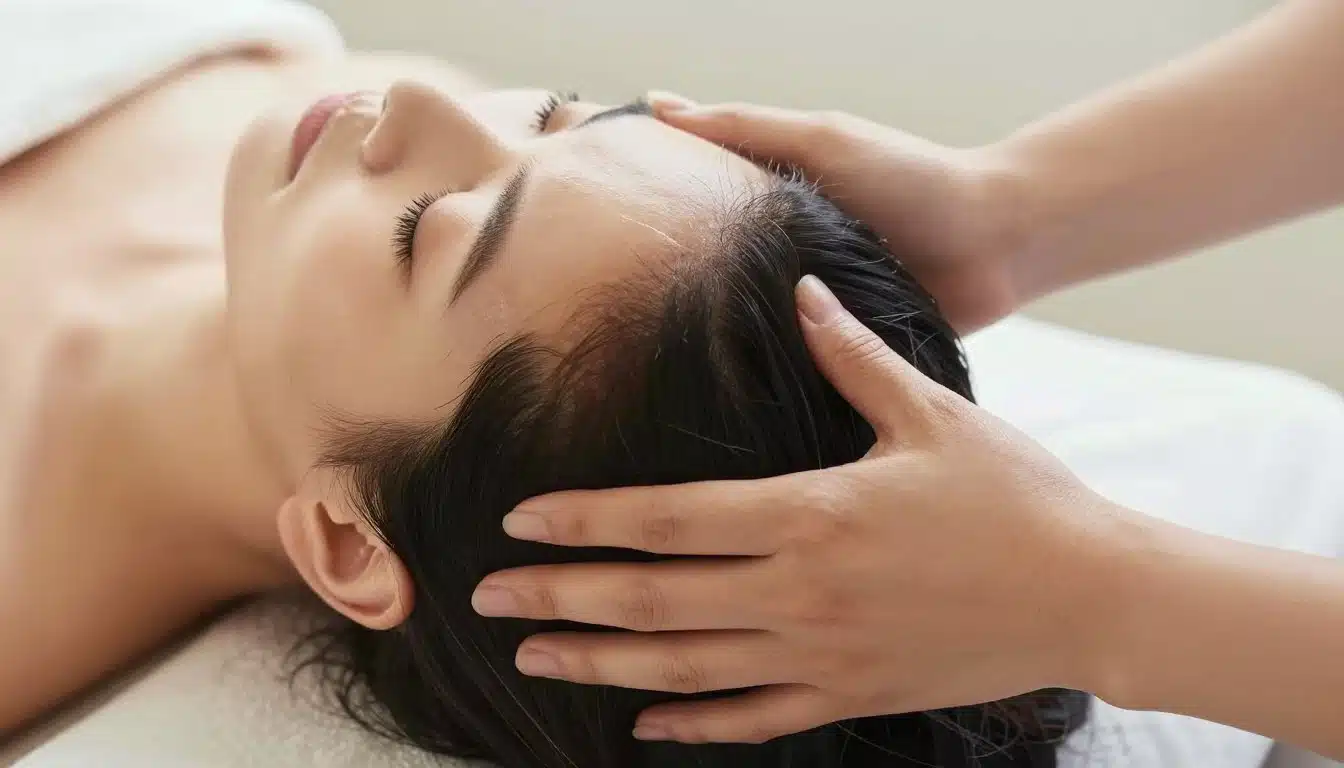
Professional massage provides expertise and complete relaxation. Trained practitioners understand anatomy, optimal pressure points, and advanced techniques. The experience allows total relaxation since you don’t perform the work yourself.

Benefits of Professional Treatment

Licensed massage therapists or experienced hairstylists bring technical knowledge to scalp work. They identify areas of particular tension and adjust pressure appropriately. Professional training includes understanding contraindications and proper technique for various scalp conditions.

The professional setting enhances relaxation benefits. Controlled environment, appropriate music, and aromatherapy create optimal conditions for stress reduction. This complete sensory experience may provide superior relaxation compared to home practice.

Enhanced Relaxation

Professional settings provide complete relaxation without effort. You can fully surrender to the experience while trained hands work systematically across your scalp. This passive reception allows deeper stress release.

Expert Technique

Trained professionals employ advanced methods beyond basic circular massage. They understand trigger points, lymphatic drainage techniques, and personalized approaches based on individual scalp characteristics and concerns.

Professional Assessment

Experienced practitioners can identify scalp issues requiring attention. They may notice signs of conditions like seborrheic dermatitis or folliculitis that warrant medical evaluation, providing valuable early detection.

Advantages of Self-Massage

Self-administered massage offers unmatched convenience and cost-effectiveness. You control frequency, duration, and technique based on personal preference. No appointment scheduling or travel time limits your practice.

The ability to provide immediate attention when needed proves valuable. Stress-induced scalp tension can be addressed the moment it’s noticed. This responsive approach may prevent tension buildup that weekly professional sessions might miss.

Cost Comparison

Professional scalp massage typically costs $30-$100 per session depending on location and practitioner. Weekly sessions represent significant ongoing expense. Self-massage requires minimal investment beyond optional oils or tools.

Initial oil purchases might cost $10-$50 for quality products lasting months. Optional massage tools like silicone scalp brushes cost $5-$20. These one-time investments enable unlimited practice without recurring fees.

Flexibility and Control

Self-massage adapts perfectly to your schedule and preferences. Practice at optimal times for your circadian rhythm and daily routine. Adjust pressure, focus areas, and duration based on immediate needs and comfort levels.

You develop intimate understanding of your own scalp over time. This personal knowledge allows precise targeting of problem areas and recognition of subtle changes that might escape professional notice during infrequent visits.

Combining Both Approaches

Many find optimal results through strategic combination. Daily self-massage provides consistent stimulation while monthly professional sessions offer deep relaxation and expert assessment. This hybrid approach balances cost, convenience, and comprehensive care.

Professional sessions can teach improved technique for home practice. Observe how practitioners move their hands, apply pressure, and navigate your scalp. Ask questions about methods you can replicate independently.

Tools and Accessories to Enhance Your Scalp Massage Practice

Various tools can complement manual massage techniques. These accessories range from simple silicone massagers to sophisticated electronic devices. While not essential, certain tools may enhance your practice or provide alternatives when hand fatigue occurs.

Understanding tool options helps you make informed choices. Some accessories offer genuine benefits while others provide minimal advantage over skilled manual technique. Consider your specific needs, budget, and preferences when evaluating tools.

Manual Massage Tools

Silicone scalp massagers feature flexible bristles or nubs that glide across the scalp. These handheld tools provide consistent pressure and may reach the scalp more easily through thick hair. Many users find them particularly useful during shampooing.

The gentle, consistent pressure from silicone tools reduces hand fatigue during extended massage sessions. Bristles create uniform stimulation across large areas efficiently. These affordable options typically cost $5-$15 and last for years with proper care.

Tool Type Benefits Drawbacks Price Range
Silicone Scalp Massager Affordable, durable, easy to clean, reduces hand fatigue Less precise than fingers, one-size-fits-all approach $5-$15
Wooden Massage Brush Natural materials, combines brushing with massage, eco-friendly Harder to clean, may tangle fine hair, rigid pressure $10-$30
Metal Head Massager Unique tingling sensation, extremely durable, compact Limited scalp contact, novelty versus therapeutic benefit $3-$10
Electric Scalp Massager Automated massage, consistent pressure, reduced effort Higher cost, requires charging/batteries, less control $20-$100
Jade or Rose Quartz Roller Cooling sensation, dual-purpose for face and scalp, calming ritual Limited scalp accessibility, fragile, primarily cosmetic benefit $15-$50

Electronic Massage Devices

Battery-operated or rechargeable electric massagers provide automated stimulation. Multiple vibration speeds and rotating nodes create varied sensations. These devices eliminate hand effort, though they cost significantly more than manual tools.

Quality varies considerably among electric massagers. Higher-end devices offer better build quality, quieter motors, and more sophisticated massage patterns. Research reviews carefully before investing in electronic options to ensure durability and effectiveness.

Applicator Bottles for Oil Distribution

Specialized applicator bottles with nozzle tips facilitate precise oil application directly to the scalp. These containers allow targeted delivery to specific areas without excessive waste. The nozzle design helps separate hair, ensuring oil reaches the scalp surface.

DIY alternatives work equally well. Clean squeeze bottles with pointed tips serve the same purpose. Fill with your preferred oil blend for convenient, mess-free application during massage routines.

Do You Really Need Tools?

Your hands remain the most versatile and effective massage tool. Fingers provide precise pressure control, immediate feedback about scalp response, and complete coverage without cost. Many successfully maintain effective practices using hands alone.

Tools serve best as supplements rather than replacements for manual technique. They offer variety, reduce hand fatigue during longer sessions, and may make the practice feel more special. Choose tools that genuinely enhance your experience rather than cluttering your routine.

Selection Tip: Start with basic manual technique before investing in tools. After establishing consistent practice for several weeks, evaluate whether specific tools might address limitations you’ve identified. This approach prevents unnecessary purchases that gather dust unused.

Frequently Asked Questions About Massage for Hair Growth

How often should I massage my scalp for optimal hair growth?

Research suggests daily sessions of four to five minutes may provide optimal results. However, consistency matters more than perfection. If daily practice feels overwhelming, aim for at least three to four times weekly. The study showing increased hair thickness used daily four-minute massages over 24 weeks, but individual schedules vary.

Quality trumps quantity with scalp massage. A focused five-minute session with proper technique surpasses a distracted 15-minute session. Find a sustainable frequency that fits your lifestyle to support long-term adherence.

Can scalp massage cause hair loss or damage?

Properly performed scalp massage should not cause hair loss or damage. Gentle technique using appropriate pressure stimulates without harming follicles or breaking hair strands. However, excessive force, using nails instead of fingertips, or aggressive manipulation can potentially damage hair.

Some individuals notice temporary increased shedding when beginning massage routines. This phenomenon typically reflects the normal hair cycle rather than damage. Massage may push hairs already in the resting phase to shed slightly earlier, making room for new growth. This temporary effect usually resolves within weeks.

What is the best time of day to perform scalp massage?

No specific time provides universally superior results. The best time is whenever you can consistently incorporate massage into your routine. Morning sessions might energize you for the day ahead, while evening practice can promote relaxation before sleep.

Many find shower time convenient for scalp massage. The warm water enhances relaxation and allows immediate cleansing of any oils used. Others prefer dedicated sessions before bed, finding the ritual helps transition to restful sleep. Experiment to discover what works best for your schedule and preferences.

Do I need to use oil for scalp massage, or can I massage a dry scalp?

Both dry and oil-enhanced massage provide benefits. Oils offer lubrication for smoother finger movement and may contribute independent scalp health benefits. However, effective massage can be performed on dry scalp without any products.

Dry massage works particularly well for quick sessions or when you don’t want to wash hair afterward. Oil treatments suit longer, more intensive sessions when you have time for proper washing. Consider alternating between dry and oil-enhanced sessions based on your schedule and needs.

How long before I see results from regular scalp massage?

Visible changes in hair characteristics typically require three to six months of consistent practice. The study demonstrating increased hair thickness used a 24-week timeline. Individual response varies based on genetics, overall health, and underlying causes of hair concerns.

Early benefits often include improved scalp health, reduced tension, and better overall scalp sensation. These improvements may precede measurable changes in hair density or growth rate. Focus on scalp health improvements during initial months while waiting for potential hair changes to manifest.

Can scalp massage help with pattern baldness or genetic hair loss?

Current evidence doesn’t support scalp massage as an effective standalone treatment for androgenetic alopecia (pattern baldness). This genetic condition involves hormonal factors that massage alone cannot address. However, massage may provide complementary benefits when combined with proven medical treatments like minoxidil or finasteride.

Scalp massage might support overall scalp health and potentially enhance absorption or effectiveness of topical treatments. Individuals with genetic hair loss should consult dermatologists for evidence-based treatment plans rather than relying solely on massage.

Which essential oils work best for promoting hair growth during scalp massage?

Rosemary and peppermint essential oils have the most research support for potential hair growth benefits. A study found rosemary oil comparable to minoxidil 2% for promoting hair growth over six months. Peppermint oil increased follicle count and depth in animal studies.

Other oils with traditional use include lavender, cedarwood, and thyme. However, research supporting these remains limited. Always dilute essential oils properly in carrier oils (typically 2-3% concentration) and perform patch tests before full scalp application to prevent adverse reactions.

Is it better to massage in the direction of hair growth or against it?

The direction of massage movement appears less important than consistency and technique quality. Most practitioners recommend circular motions that naturally move in multiple directions. This approach provides comprehensive scalp coverage without focusing rigidly on specific directional patterns.

Focus on covering your entire scalp systematically rather than worrying about precise direction. The mechanical stimulation and increased blood flow occur regardless of specific movement direction. Comfort and thoroughness matter more than following strict directional rules.

Can I combine scalp massage with other hair growth treatments?

Yes, scalp massage generally complements other hair growth approaches safely. Many combine massage with topical treatments like minoxidil, oral medications, nutritional supplements, or red light therapy. The enhanced circulation from massage might even support better absorption of topical treatments.

However, timing matters for some combinations. Allow topical medications to dry completely before massaging to prevent dilution or uneven distribution. If using microneedling devices, avoid massage for 24-48 hours afterward to allow scalp recovery. Consult healthcare providers about optimal protocols when combining multiple treatments.

What pressure level should I use during scalp massage?

Apply moderate, comfortable pressure – firm enough to feel the massage affecting deeper scalp tissues but gentle enough to remain pleasant. The sensation should feel similar to a professional shampoo at a salon. Your scalp shouldn’t feel sore afterward.

Start with lighter pressure and gradually increase until you find the optimal level. Individual sensitivity varies, so adjust based on personal comfort. Remember that gentle, consistent stimulation typically provides better results than forceful manipulation.

Does scalp massage work for everyone, or are some people non-responders?

Response to scalp massage varies significantly between individuals. Genetics, overall health status, age, and underlying causes of hair concerns all influence potential benefits. Those experiencing stress-related or temporary hair loss might respond more favorably than individuals with genetic pattern baldness.

Current research involves small sample sizes, making it difficult to predict individual response accurately. The practice offers low risk and potential benefits for overall scalp health even if dramatic hair growth changes don’t occur. Approach with realistic expectations rather than viewing it as guaranteed solution.

Should I massage my entire scalp or focus only on thinning areas?

Massage your entire scalp for comprehensive benefits. While you might spend slightly more time on areas of concern, complete coverage ensures overall scalp health and prevents neglecting potentially important regions. The entire scalp benefits from improved circulation and reduced tension.

Focusing exclusively on thinning spots might cause you to miss contributing factors elsewhere. Scalp health represents an interconnected system where conditions in one area can affect others. Systematic, complete coverage provides the most thorough approach.

Can I perform scalp massage while my hair is wet or only when dry?

Both wet and dry massage work effectively. Wet massage scalp during shampooing provides convenient integration into existing routines. The warm water and presence of cleansing products can enhance the experience. However, wet hair is more fragile and prone to breakage.

Use extra gentleness when massaging wet hair to prevent mechanical damage. Dry massage allows fuller pressure application without breakage concerns. Consider alternating between wet shower sessions and dry pre-wash treatments for variety and comprehensive care.

Are professional scalp massage devices worth the investment?

The value of specialized devices depends on individual circumstances and budget. Manual technique using your hands provides excellent results without cost. Devices may offer convenience, reduce hand fatigue, or make the practice feel more special, but they’re not essential for effectiveness.

If considering devices, start with affordable manual tools like silicone massagers ($5-$15) before investing in expensive electronic options. Ensure you maintain consistent practice with basic technique before adding tools. The most sophisticated device provides no benefit if used inconsistently.

How do I know if I’m applying the right amount of pressure during massage?

Appropriate pressure feels firm yet comfortable throughout the massage. Your scalp should feel pleasantly stimulated without pain, tenderness, or discomfort. If your scalp feels sore or sensitive after massage, you likely used excessive force.

Start lighter than you think necessary and gradually increase pressure until you feel the massage affecting deeper tissues. The sensation should remain in the “feels good” range rather than approaching pain. When in doubt, err on the side of gentler pressure for safety and comfort.

Can children or teenagers benefit from scalp massage for hair health?

Scalp massage offers benefits for all ages, including children and teenagers. The practice may help establish healthy hair care habits early. For children experiencing stress-related hair issues or simply wanting to promote hair health, gentle massage provides safe, non-invasive support.

Adapt technique for children’s smaller heads and ensure age-appropriate pressure. Make the experience enjoyable to encourage positive associations with self-care practices. Teenagers might particularly appreciate learning self-massage skills they can maintain independently.

What should I do if I experience scalp pain or discomfort during massage?

Immediate discomfort indicates excessive pressure or potentially underlying scalp conditions requiring attention. Stop the massage immediately and reduce pressure significantly in subsequent sessions. Pain should never accompany proper scalp massage technique.

If pain persists with gentle technique, consult a dermatologist. Underlying conditions like scalp inflammation, infection, or neurological issues might cause pain during touch. Professional evaluation ensures appropriate diagnosis and treatment of any medical concerns.

Does the water temperature during shower massage matter?

Warm (not hot) water provides optimal conditions for shower massage. Comfortable warmth promotes relaxation and may enhance blood circulation to the scalp. However, excessively hot water can strip natural oils, potentially drying your scalp and hair.

Finish hair washing with cooler water to seal hair cuticles and potentially improve blood circulation through temperature contrast. The brief cool rinse also adds invigoration to your routine. Avoid extremely cold water that might cause discomfort or scalp tension.

Taking Action: Your Path Forward with Scalp Massage

person confidently beginning their scalp massage journey

Massage for hair growth represents an accessible, low-risk approach that may support healthier hair when practiced consistently. While not a miracle cure for serious hair loss conditions, the technique offers potential benefits for scalp health, stress reduction, and possibly enhanced hair characteristics over time.

The key to success lies in realistic expectations and sustainable practice. Begin with simple techniques, gradually refining your approach based on personal response. Focus on the immediate benefits of improved scalp sensation and relaxation while allowing time for potential hair changes to develop.

Remember that hair growth involves multiple factors beyond mechanical stimulation alone. Comprehensive care addressing nutrition, stress management, overall health, and appropriate medical treatment for diagnosed conditions provides the best foundation for optimal hair health.

Starting Point: Begin today with a simple five-minute massage using basic circular motion technique. Perform this practice three times this week, then gradually increase frequency as the habit establishes. Track your experience in a journal, noting scalp sensations and any changes over coming months.

Whether you incorporate oils, invest in tools, or keep your practice simple, consistency matters most. Find an approach that feels sustainable for your lifestyle and preferences. The most effective routine is one you’ll actually maintain long-term.

Consider scalp massage part of holistic self-care rather than isolated hair growth strategy. The stress reduction and relaxation benefits alone justify the practice. Any hair improvements become welcome bonuses rather than make-or-break outcomes.

Medical Disclaimer

Important Medical Information: This article provides general information about scalp massage for hair growth and should not replace professional medical advice, diagnosis, or treatment. Always consult qualified healthcare providers regarding medical conditions or health concerns.

The information presented here comes from current research and general wellness principles, but individual results vary significantly. Scalp massage should not replace proven medical treatments for diagnosed hair loss conditions like androgenetic alopecia, alopecia areata, or other medical causes of hair loss.

If you experience sudden hair loss, patchy baldness, scalp pain, skin changes, or other concerning symptoms, seek professional medical evaluation promptly. These symptoms may indicate underlying health conditions requiring appropriate diagnosis and treatment.

Before starting any new health or wellness practice, especially if you have existing medical conditions, take medications, or have known allergies, consult your healthcare provider. This precaution ensures new practices align with your overall health management plan.

External links to medical resources like the National Institutes of Health or other authoritative sources provide additional information but do not constitute endorsement of specific treatments or recommendations. Always verify health information with qualified professionals.

Related Posts

Can Ashwagandha Cause Weight Loss?
BLOG

Can Ashwagandha Cause Weight Loss?

July 23, 2026
Best High Fiber Foods for Pregnancy
BLOG

Best High Fiber Foods for Pregnancy for Healthy Moms

July 23, 2026
Food Sources of Tyrosine
BLOG

Food Sources of Tyrosine: Your Complete Guide to This Essential Amino Acid

July 23, 2026
Which Is the Best Tea for Weight Loss?
BLOG

Which Is the Best Tea for Weight Loss? Science-Backed Guide to 12 Effective Teas

July 22, 2026
Best Breakfast Cereals for Diabetics
BLOG

Best Breakfast Cereals for Diabetics: Smart Choices for Blood Sugar Control

July 22, 2026
Should Diabetics Eat Banana?
BLOG

Should Diabetics Eat Banana? A Complete Guide to Blood Sugar and Fruit

July 22, 2026
Natural Remedies for Nose Congestion
BLOG

Natural Remedies for Nose Congestion: Proven Solutions for Clear Breathing

July 22, 2026
freshly brewed green tea in transparent cup showing golden-green color with pH testing strip
BLOG

Is Green Tea Acidic? Understanding pH Levels and Health Implications

July 22, 2026
ProDentim Reviews: What Real Users Are Saying About This Oral Health Supplement
REVIEWS

ProDentim Reviews: What Real Users Are Saying About This Oral Health Supplement

July 24, 2026
How to Get Rid of Fat Neck
BLOG

How to Get Rid of Fat Neck: Complete Solutions Guide

July 22, 2026
Load More

Leave a Reply Cancel reply

Your email address will not be published. Required fields are marked *

I agree to the Terms & Conditions and Privacy Policy.

Our Mission

At HealthMagHub, our mission is to empower individuals and families to make informed health decisions by providing accurate, evidence-based, and easy-to-understand health information. We are committed to delivering high-quality content across a wide range of topics, including nutrition, fitness, weight management, men’s and women’s health, mental wellness, healthy aging, disease prevention, and in-depth health product reviews. Every article is carefully researched, fact-checked, and written with our readers’ well-being in mind. Our goal is to simplify complex health topics, promote healthier lifestyles, and build a trusted resource where people can confidently find reliable guidance, practical wellness tips, and the latest insights to support a healthier, happier life.

Can Ashwagandha Cause Weight Loss?
BLOG

Can Ashwagandha Cause Weight Loss?

by Jenna Castillo
July 23, 2026
0

Affiliate Disclosure: This article contains affiliate links. We may earn a commission from purchases made through these links at no...

Read moreDetails
Best High Fiber Foods for Pregnancy

Best High Fiber Foods for Pregnancy for Healthy Moms

July 23, 2026
Food Sources of Tyrosine

Food Sources of Tyrosine: Your Complete Guide to This Essential Amino Acid

July 23, 2026
Which Is the Best Tea for Weight Loss?

Which Is the Best Tea for Weight Loss? Science-Backed Guide to 12 Effective Teas

July 22, 2026
Best Breakfast Cereals for Diabetics

Best Breakfast Cereals for Diabetics: Smart Choices for Blood Sugar Control

July 22, 2026

Categories

  • BLOG
  • Brain Health
  • General Fitness
  • Hearing Health
  • Joint Health
  • Men's Health
  • Neuropathy Help
  • Oral Health
  • Prostate Health
  • REVIEWS
  • Skin Health
  • Toenail Fungus Help
  • Weight Loss
  • HOME
  • ABOUT
  • PRIVACY POLICY
  • Terms & Conditions
  • Affiliate Disclosure
  • Medical Disclaimer
  • Contact Us
  • SUBMIT YOUR REVIEW

© 2026 HealthMagHub. Trusted Health. Smarter Living. All Rights Reserved.

No Result
View All Result
  • HOME
  • BLOG
  • REVIEWS
  • TOOLS

© 2026 HealthMagHub. Trusted Health. Smarter Living. All Rights Reserved.

This website uses cookies. By continuing to use this website you are giving consent to cookies being used. Visit our Privacy and Cookie Policy.