healthmaghub
  • HOME
  • BLOG
  • REVIEWS
  • TOOLS
No Result
View All Result
  • HOME
  • BLOG
  • REVIEWS
  • TOOLS
No Result
View All Result
HealthNews
No Result
View All Result

Snacks With High Protein: Complete Guide to Nutritious Options

by Owen Bradley
July 22, 2026
Reading Time: 23 mins read
0
Finding satisfying snacks with high protein can transform your eating habits and energy levels throughout the day. Protein-rich options help maintain stable blood sugar, support muscle recovery, and keep hunger at bay between meals. Whether you’re managing weight, building muscle, or simply seeking healthier choices, understanding your options makes a significant difference.

Many people struggle to meet their daily protein needs through meals alone. Strategic snacking fills nutritional gaps while providing sustained energy. The right high-protein snacks deliver essential amino acids your body needs for countless functions, from tissue repair to hormone production.

This comprehensive guide explores over 20 protein-packed snack options with detailed nutritional information. You’ll discover portable choices for busy schedules, budget-friendly options, and creative combinations that satisfy various dietary preferences. Making informed decisions about your snacks supports overall wellness and helps you reach your health goals.

Understanding Your Protein Requirements

Determining how much protein your body needs depends on multiple factors. Your activity level, age, weight, and health goals all influence optimal intake. The general recommendation suggests consuming approximately 0.8 grams protein per kilogram body weight for sedentary adults. Active individuals and athletes often require significantly more.

Distributing protein intake throughout the day optimizes muscle protein synthesis. Rather than consuming most protein at dinner, spacing it across meals and snacks maintains steady amino acid availability. This approach supports better muscle maintenance and can improve satiety compared to irregular protein consumption.

How Protein Supports Your Body

Protein serves as the building block for virtually every cell in your body. Beyond muscle development, it creates enzymes, hormones, and antibodies that keep your immune system functioning. Adequate protein intake supports skin health, hair strength, and bone density as you age.

Protein Distribution Matters: Research suggests consuming 20-30 grams protein per meal and 10-15 grams in snacks may optimize muscle protein synthesis better than consuming the same total amount concentrated in fewer eating occasions.

  • Builds and repairs muscle tissue after physical activity
  • Creates enzymes that facilitate thousands of chemical reactions
  • Produces hormones that regulate body processes
  • Transports nutrients throughout your bloodstream
  • Supports immune function through antibody production
  • Maintains healthy skin, hair, and nail structure

Calculating Your Personal Protein Goals

Athletes and highly active individuals may need 1.2 to 2.0 grams protein per kilogram body weight daily. Someone weighing 70 kilograms (154 pounds) who exercises regularly might target 84-140 grams of protein daily. Breaking this into meals and snacks makes the goal more achievable.

Activity-Based Protein Needs

  • Sedentary adults: 0.8g per kg body weight
  • Recreational exercisers: 1.0-1.2g per kg
  • Endurance athletes: 1.2-1.4g per kg
  • Strength athletes: 1.6-2.0g per kg

Special Considerations

  • Older adults may need higher amounts
  • Weight loss goals may require increased protein
  • Pregnancy and nursing increase requirements
  • Recovery from injury demands additional protein

Benefits of Choosing Snacks With High Protein

Incorporating protein-rich snacks into your daily routine offers numerous advantages beyond simple nutrition. These benefits extend to weight management, energy stability, and long-term health outcomes. Understanding these advantages helps motivate better snacking choices.

Enhanced Satiety and Appetite Control

Protein triggers the release of satiety hormones that signal fullness to your brain. This effect helps keep you satisfied longer compared to carbohydrate-only snacks. A snack delivers lasting satisfaction when it contains adequate protein, reducing the likelihood of overeating at subsequent meals.

Studies indicate protein’s thermic effect—the energy required to digest it—exceeds that of carbohydrates and fats. Your body burns more calories per serving when processing protein, contributing slightly to daily energy expenditure. While modest, this effect accumulates over time with consistent high-protein choices.

Blood Sugar Stability Throughout the Day

Pairing protein with carbohydrates slows glucose absorption into your bloodstream. This moderation prevents the dramatic spikes and crashes associated with high-carb, low-protein snacks. Stable blood sugar levels maintain consistent energy and mental clarity between meals.

Consider Timing: Consuming protein-rich snacks 2-3 hours after meals and 1-2 hours before your next meal optimizes blood sugar stability and prevents excessive hunger that can lead to poor food choices.

Muscle Preservation and Recovery

Regular protein intake throughout the day supports muscle maintenance, especially during weight loss or aging. Without adequate protein, your body may break down muscle tissue for amino acids. Strategic high-protein snacking provides the raw materials your muscles need for repair and growth.

  • Prevents muscle loss during calorie restriction
  • Accelerates recovery after workouts or physical labor
  • Supports muscle protein synthesis between meals
  • Maintains strength and functional capacity with aging
  • Enhances adaptation to resistance training

20+ Best High-Protein Snack Options

The following comprehensive list provides diverse protein sources suitable for various preferences and dietary needs. Each option includes approximate nutritional values to help you make informed choices that align with your goals.

Dairy-Based Protein Snacks

Assortment of dairy-based high protein snacks including Greek yogurt, cottage cheese, and string cheese

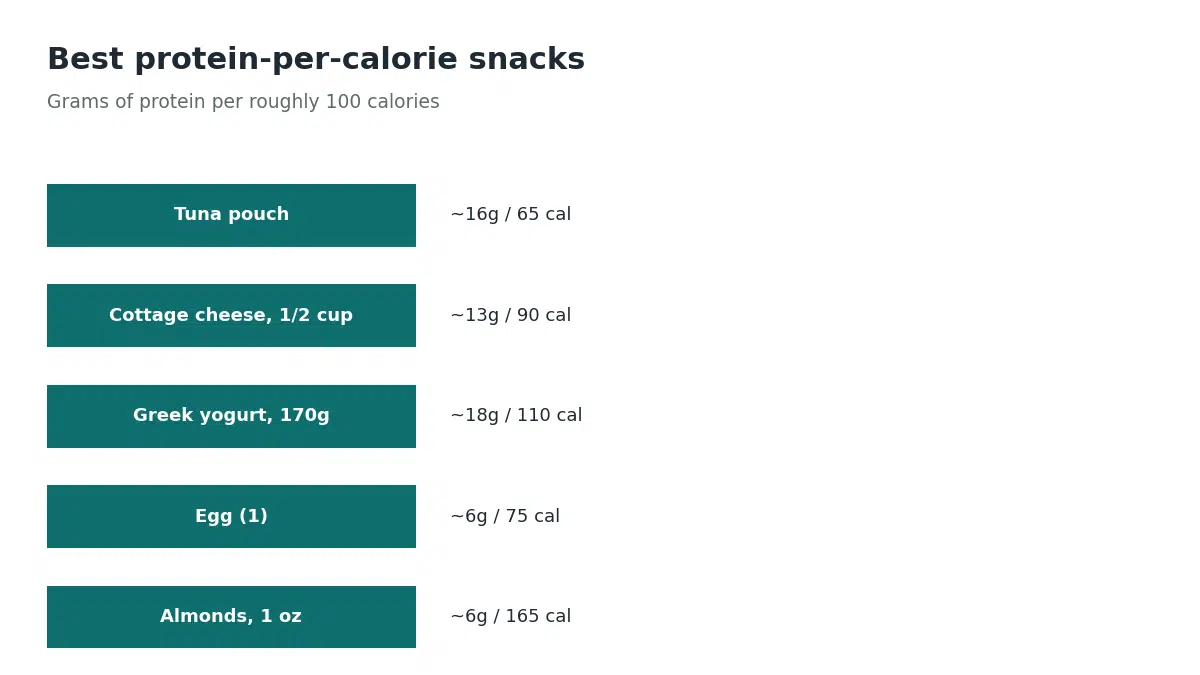
Greek yogurt stands as one of the most versatile high-protein dairy options available. A standard 6-ounce serving typically provides 15-20 grams protein, depending on the brand and fat content. Choose plain varieties to avoid added sugars, then customize with fresh fruit, nuts, or a drizzle of honey for natural sweetness.

Cottage cheese delivers impressive protein density with approximately 14 grams in a half-cup serving. This mild-flavored cheese works well both sweet and savory. Mix with berries and cinnamon for a sweet treat, or add cherry tomatoes and black pepper for a savory option.

Dairy Snack Serving Size Protein Content Approximate Calories Additional Benefits
Greek Yogurt (plain, nonfat) 6 ounces (170g) 17-20g 100-120 Probiotics, calcium, versatile base
Cottage Cheese (low-fat) 1/2 cup (113g) 12-14g 80-90 Calcium, phosphorus, casein protein
String Cheese 1 stick (28g) 6-8g 80 Portable, calcium, individually wrapped
Cheddar Cheese Cubes 1 ounce (28g) 7g 110-115 Calcium, vitamin A, satisfying
Ricotta Cheese 1/2 cup (124g) 14g 170-180 Calcium, versatile for sweet/savory

String cheese provides exceptional portability for busy schedules. Each stick offers 6-8 grams protein with minimal preparation required. Keep several in your bag for convenient snacking during travel or between appointments.

Egg-Based Protein Options

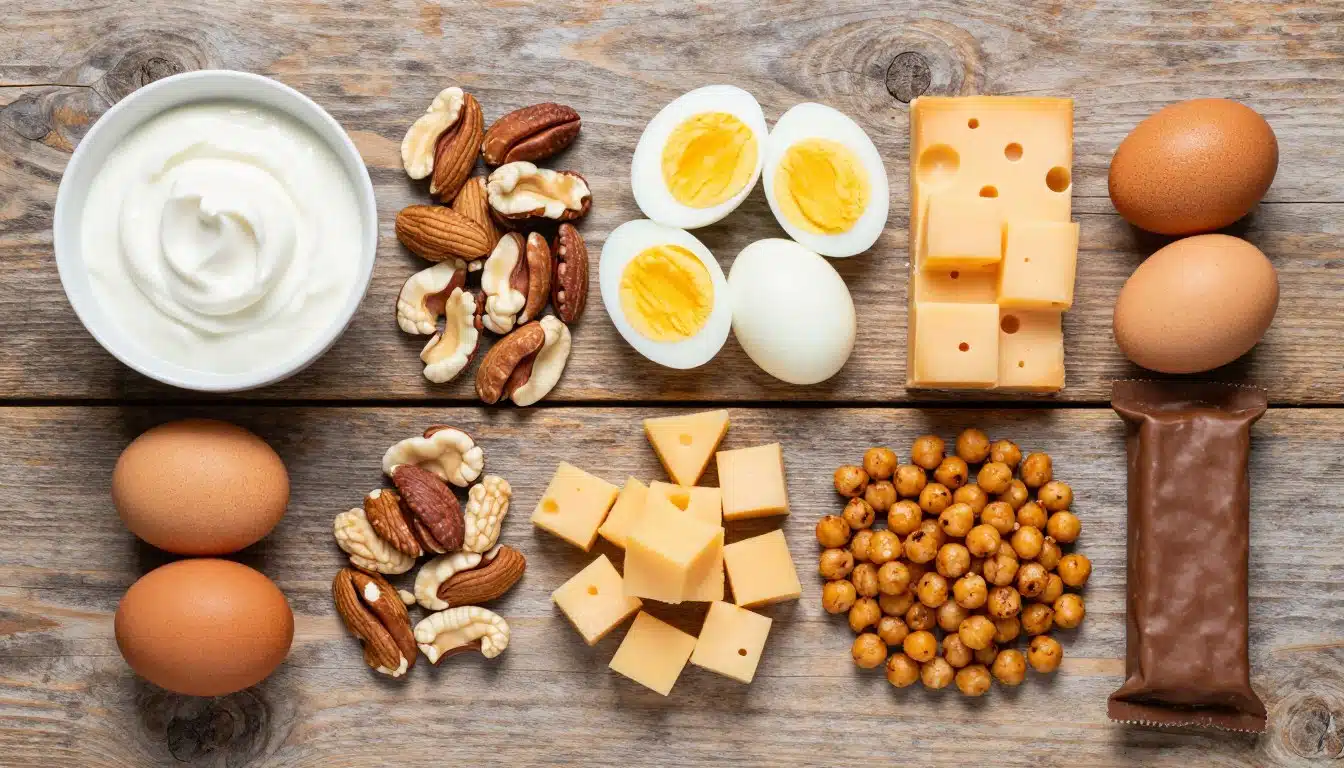
Hard-boiled eggs rank among the most complete protein sources available. A single large egg contains approximately 6 grams protein with all essential amino acids your body cannot produce independently. Preparing a batch at the beginning of your week ensures ready-to-eat snacks throughout busy days.

Egg-based snacks provide exceptional nutrition density relative to their calorie content. Beyond protein, eggs supply vitamins D and B12, selenium, and choline—nutrients many people consume in inadequate amounts. The yolk contains most of these nutrients along with healthy fats that enhance satiety.

  • Hard-boiled eggs: 6g protein per large egg, approximately 70-80 calories
  • Egg muffins (baked egg cups): 12-15g protein per 2-muffin serving, around 150-180 calories
  • Deviled eggs: 6g protein per half egg, roughly 60-70 calories depending on filling
  • Scrambled egg wrap: 18-20g protein in a whole wheat tortilla with 2 eggs, about 250 calories

Season hard-boiled eggs with sea salt, paprika, or everything bagel seasoning for variety without adding significant calories. This simple customization prevents taste fatigue when eating them regularly.

Nut and Seed Combinations

Nuts and seeds provide concentrated protein along with beneficial fats and fiber. While calorie-dense, they offer exceptional nutrition and portability. A small handful typically delivers 5-7 grams protein along with heart-healthy unsaturated fats that support cardiovascular health.

Portion control matters with nuts due to their calorie density. Pre-portioning into small containers or bags prevents mindless overeating. Aim for approximately one ounce (a small handful) as a standard serving size.

Higher Protein Nuts

  • Almonds: 6g protein per ounce, 164 calories
  • Peanuts: 7g protein per ounce, 161 calories
  • Pistachios: 6g protein per ounce, 159 calories
  • Cashews: 5g protein per ounce, 157 calories

Protein-Rich Seeds

  • Pumpkin seeds: 9g protein per ounce, 180 calories
  • Sunflower seeds: 6g protein per ounce, 165 calories
  • Hemp seeds: 10g protein per 3 tablespoons, 166 calories
  • Chia seeds: 5g protein per ounce, 138 calories

Creating custom trail mixes allows you to combine nuts, seeds, and other ingredients for personalized nutrition. Mix almonds, pumpkin seeds, and a small amount of dark chocolate chips for a satisfying blend that balances protein, healthy fats, and a touch of sweetness.

Legume-Based Snack Ideas

Roasted chickpeas transform ordinary legumes into crispy, flavorful snacks packed protein and fiber. A half-cup serving provides approximately 7 grams protein and 6 grams fiber, supporting both satiety and digestive health. Season with various spices before roasting for diverse flavor profiles.

Edamame (young soybeans) offers another excellent legume option. One cup of shelled edamame contains about 17 grams of complete protein—unusual for plant-based protein sources. Steam and sprinkle with sea salt for a simple, satisfying snack that requires minimal preparation.

Legume Snack Preparation Method Protein & Fiber Calories Per Serving
Roasted Chickpeas Toss with olive oil and spices, roast at 400°F for 30-40 minutes 7g protein, 6g fiber (1/2 cup) 120-140
Edamame (steamed) Steam pods 5 minutes, sprinkle with salt 17g protein, 8g fiber (1 cup shelled) 190
Black Bean Dip Blend black beans with garlic, lime, cumin 8g protein, 7g fiber (1/2 cup) 110-130
Hummus with Vegetables Pair prepared hummus with carrot sticks, peppers 6g protein, 5g fiber (1/4 cup hummus + veggies) 150-170

Hummus serves as a versatile dip that pairs well with raw vegetables for additional nutrients and crunch. Choose chickpea-based varieties for the highest protein content. Pairing hummus with bell peppers, carrots, or cucumber creates a balanced snack with protein, fiber, vitamins, and minerals.

Meat and Seafood Protein Snacks

Lean meats provide concentrated protein with minimal carbohydrates. Turkey roll-ups offer quick assembly—simply wrap deli turkey around vegetables or a thin spread of cream cheese. Three ounces of turkey breast delivers approximately 25 grams protein for under 200 calories.

Jerky made from beef, turkey, or salmon provides portable protein that doesn’t require refrigeration. Select brands with minimal added sugars and reasonable sodium levels. Quality jerky typically provides 9-12 grams of protein per ounce with approximately 70-80 calories.

  • Turkey or chicken roll-ups: 15-20g protein for 2-3 slices, around 100-120 calories
  • Beef jerky: 9g protein per ounce, approximately 70-80 calories
  • Smoked salmon: 16g protein per 3-ounce serving, about 120 calories
  • Tuna packets (plain): 16g protein per 2.6-ounce pouch, roughly 60-70 calories
  • Chicken breast strips (grilled): 26g protein per 3 ounces, around 130 calories

Preparing grilled chicken breast in advance provides protein-rich additions to various snacks. Slice and refrigerate cooked chicken to add to salads, wraps, or eat plain with your favorite seasonings throughout the week.

Protein Bars and Powder Options

Commercial protein bars offer convenience when whole food options aren’t available. Quality varies significantly between brands. Look for bars providing at least 15 grams of protein, less than 10 grams of added sugar, and recognizable ingredients. Some bars deliver 20+ grams protein per bar in approximately 200 calories.

Protein powder mixed into smoothies creates customizable high-protein beverages. Whey, casein, and plant-based powders each offer unique benefits. A typical scoop provides 20-30 grams of protein that you can blend with fruit, vegetables, and healthy fats like nut butter or avocado.

Reading Protein Bar Labels: Check that protein content is at least double the sugar content. Bars with 15g protein and 7g sugar balance nutrition better than those with 10g protein and 15g sugar, even if total calories are similar.

Creative High-Protein Combinations

Creative protein snack combinations featuring apple slices with nut butter and cheese

Combining different protein sources with complementary foods creates satisfying snacks with complex nutrition profiles. Apple slices paired with almond butter provide protein, fiber, and healthy fats in one serving. Two tablespoons of almond butter add 7 grams of protein to the natural fiber in the apple.

Whole grain crackers topped with cheese create a balanced snack delivering protein, complex carbohydrates, and calcium. Choose crackers with at least 3 grams fiber per serving and pair with an ounce of cheese for approximately 7-8 grams of protein total.

Sweet Protein Combinations

  • Greek yogurt + berries + granola
  • Cottage cheese + pineapple + hemp seeds
  • Apple slices + peanut butter
  • Banana + almond butter + chia seeds

Savory Protein Pairings

  • Whole grain crackers + hummus
  • Vegetables + ranch made with Greek yogurt
  • Turkey roll-ups + cucumber slices
  • Hard-boiled eggs + cherry tomatoes

Power Snack Bowls

  • Cottage cheese + nuts + berries
  • Greek yogurt + protein granola + seeds
  • Tuna + white beans + olive oil
  • Edamame + roasted chickpeas + sea salt

Creating parfaits layers Greek yogurt, fruits, nuts, and seeds for visual appeal and nutritional diversity. These combinations typically deliver 15-25 grams protein depending on portions, along with vitamins, minerals, antioxidants, and fiber for comprehensive nutrition.

How to Choose the Right High-Protein Snacks

Selecting appropriate high-protein snacks involves considering your individual needs, preferences, and lifestyle. The ideal choice balances nutrition, convenience, taste, and cost. Understanding key selection criteria helps you make decisions that support your health goals.

Matching Snacks to Your Goals

Weight loss objectives may favor lower-calorie protein options like Greek yogurt or hard-boiled eggs. Athletes prioritizing muscle gain might choose higher-calorie combinations pairing protein with carbohydrates for recovery. Your specific situation determines which snacks serve you best.

Primary Goal Recommended Snack Types Key Nutritional Focus Example Choices
Weight Loss Low-calorie, high-volume protein options High protein-to-calorie ratio, filling fiber Greek yogurt, cottage cheese, vegetables with hummus
Muscle Building Higher calorie protein with carbs 20+ grams protein, recovery carbohydrates Protein shakes, turkey sandwiches, Greek yogurt parfaits
Energy Maintenance Balanced macronutrient combinations Protein, healthy fats, complex carbs Nuts with fruit, cheese with crackers, trail mix
Blood Sugar Control Low carb high protein snacks Minimal simple sugars, high protein and fat String cheese, hard-boiled eggs, nuts, meat roll-ups

Considering Dietary Restrictions

Many high-protein snack ideas accommodate various dietary patterns. Vegetarians can focus on dairy, eggs, legumes, nuts, and seeds. Vegans find adequate options through plant-based protein sources like legumes, tofu, tempeh, nuts, and seeds combined strategically.

Lactose intolerance or dairy allergies necessitate non-dairy protein choices. Fortunately, numerous alternatives exist including nuts, seeds, legumes, and plant-based protein powders. Those avoiding gluten can easily find suitable options since most high-protein whole foods are naturally gluten-free.

Balancing Convenience and Nutrition

Portable protein snacks become essential for busy lifestyles. Individually wrapped string cheese, pre-portioned nuts, protein bars, and jerky require no preparation or refrigeration. These options prevent resorting to less nutritious convenience foods when hunger strikes unexpectedly.

  • Prepare snacks in advance during less hectic times
  • Keep shelf-stable options in your car, office, or bag
  • Invest in small containers for portioning homemade snacks
  • Choose whole food options over processed when possible
  • Read labels to verify protein content and ingredient quality
  • Balance convenience with nutritional value

Meal prepping protein snacks for the week saves time and ensures healthy options remain available. Boil a dozen eggs, portion nuts into bags, or prepare roasted chickpeas on Sunday for grab-and-go convenience throughout your busy week.

Meal Prep and Planning for Protein Snacks

Strategic planning ensures you always have healthy protein snacks available when hunger strikes. Dedicating time to preparation prevents reaching for less nutritious convenient options. A systematic approach makes healthy snacking effortless rather than an additional burden.

Weekly Preparation Strategies

Designate a specific time each week for snack preparation. Sunday afternoon works well for many people. During this session, prepare multiple snack types to provide variety throughout the week. Batch preparation takes less total time than preparing items individually each day.

  • Inventory Current Supplies: Check your refrigerator and pantry to identify what you already have and what needs replenishing before shopping.
  • Plan Your Snack Menu: Select 4-6 different protein snack types to rotate through the week, ensuring variety and preventing taste fatigue.
  • Create a Shopping List: List all ingredients needed for your planned snacks, organizing by store section for efficient shopping.
  • Batch Cook Proteins: Boil eggs, grill chicken breast, or prepare other cooked protein sources in larger quantities at once.
  • Portion Individual Servings: Divide nuts, seeds, and other snacks into single-serving containers or bags immediately after purchasing.
  • Prepare Fresh Components: Wash and cut vegetables, portion fruits, and prepare any other fresh elements that need readying.
  • Organize Storage: Arrange prepared snacks in your refrigerator or pantry where they’re easily visible and accessible.

Smart Storage Solutions

Proper storage extends the freshness of prepared snacks. Glass containers work well for refrigerated items like hard-boiled eggs or cottage cheese portions. Small resealable bags efficiently portion nuts and seeds for grab-and-go convenience without taking much space.

Visibility Matters: Store prepared snacks at eye level in clear containers. When healthy options are immediately visible and accessible, you’re more likely to choose them over less nutritious alternatives hidden behind them.

Budget-Friendly Protein Snacking

High-protein snacking doesn’t require expensive specialty products. Buying larger quantities of staples like eggs, dried beans, and bulk nuts typically costs less per serving than individually packaged items. Preparing snacks yourself almost always proves more economical than purchasing pre-made versions.

Cost-Effective Protein Sources

  • Eggs: approximately $0.20-0.40 per egg
  • Dried beans/lentils: $0.30-0.50 per serving
  • Peanut butter: $0.25-0.40 per 2-tablespoon serving
  • Canned tuna: $0.75-1.25 per serving
  • Bulk nuts: $0.50-0.80 per ounce when purchased in bulk

Money-Saving Tips

  • Buy plain Greek yogurt and add your own toppings
  • Purchase large cheese blocks and cube them yourself
  • Make your own trail mix from bulk ingredients
  • Cook dried beans instead of buying canned
  • Prepare your own roasted chickpeas at home

Comparing unit prices helps identify the best values. A large container of plain Greek yogurt costs significantly less per serving than individual flavored cups. Similarly, block cheese typically offers better value than pre-sliced or individually wrapped portions.

Optimal Timing and Portions for Protein Snacks

When and how much you eat matters as much as what you choose. Strategic timing optimizes energy levels, supports workout recovery, and prevents excessive hunger that leads to overeating. Understanding appropriate portions prevents consuming more calories than your body needs.

Best Times for Protein Snacking

Mid-morning and mid-afternoon typically represent ideal snack times for most people. These windows fall approximately 2-3 hours after breakfast and lunch when blood sugar begins declining. A well-timed protein snack maintains energy and prevents arriving at your next meal overly hungry.

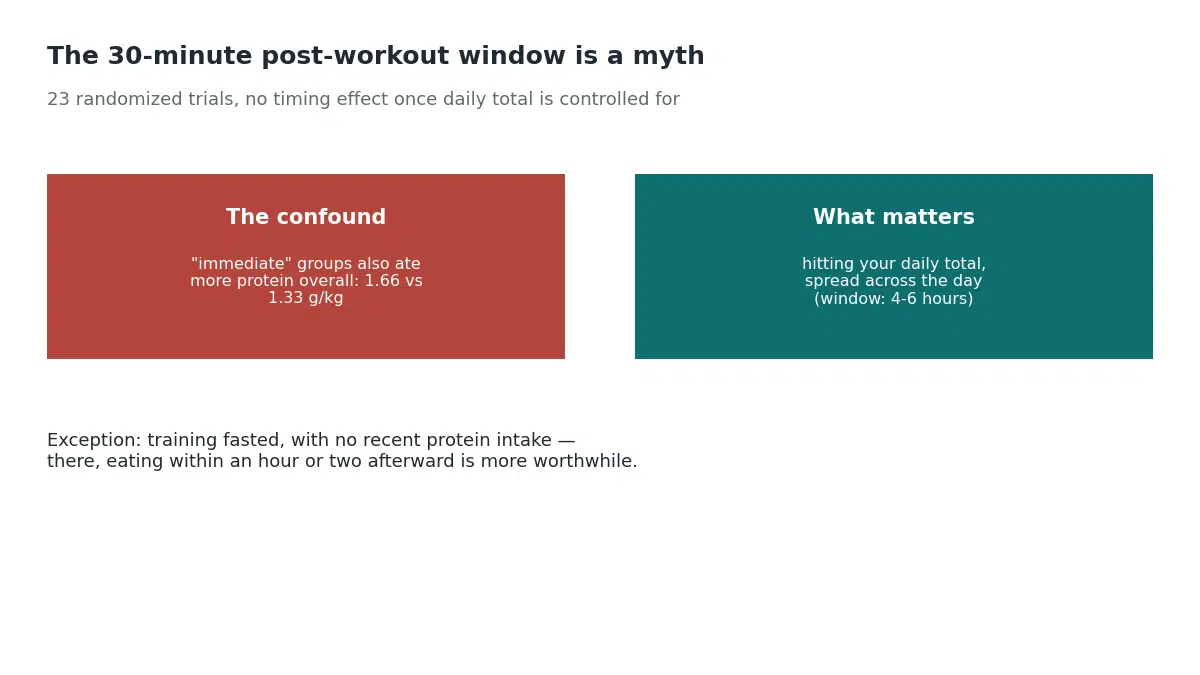
Post-workout nutrition represents another crucial snacking opportunity. Consuming protein within 30-60 minutes after exercise supports muscle recovery and adaptation. Aim for 15-25 grams protein combined with some carbohydrates to replenish glycogen stores and facilitate muscle repair.

Understanding Appropriate Portions

Snack portions should be smaller than meals but substantial enough to provide satiety until your next eating occasion. Generally, snacks containing 150-250 calories with 10-20 grams of protein work well for most adults. Your individual needs vary based on activity level and total daily calorie requirements.

Snack Type Recommended Portion Protein Provided When to Choose
Smaller Protein Snack 100-150 calories, 5-10g protein Light protein boost Short time until next meal, lower activity day
Standard Protein Snack 150-200 calories, 10-15g protein Moderate satiety Typical between-meal hunger, moderate activity
Larger Protein Snack 200-300 calories, 15-25g protein Substantial satisfaction Post-workout, longer gap before next meal, high activity

Pre-Portioning for Success

Creating individual portions immediately after purchasing foods prevents overeating. Divide large containers of nuts, seeds, or dried fruit into single servings using small bags or containers. This strategy eliminates the temptation to consume more than intended when snacking directly from large packages.

  • Use measuring cups or a food scale initially to learn appropriate portions
  • Invest in small containers perfect for single snack servings
  • Portion snacks immediately after shopping, not when hungry
  • Keep pre-portioned options visible and accessible
  • Practice mindful eating rather than snacking while distracted

High-Protein Snacks for Athletes and Active Individuals

Athlete preparing protein shake after workout with healthy snack ingredients

Athletes and highly active individuals have elevated protein requirements compared to sedentary populations. Strategic snacking helps meet these increased needs while supporting training adaptations and recovery. Protein snacks for athletes should often include carbohydrates to replenish glycogen stores depleted during exercise.

Pre-Workout Protein Considerations

Consuming protein 1-2 hours before training primes your body with available amino acids during exercise. Keep pre-workout snacks relatively light to avoid digestive discomfort during activity. Options like Greek yogurt with fruit or a small protein shake provide easily digestible nutrition without causing stomach upset.

Post-Workout Recovery Snacks

The post-exercise window presents a prime opportunity for protein consumption. Your muscles become particularly receptive to nutrients immediately following training. Aim for 20-30 grams protein combined with carbohydrates in a 3:1 or 4:1 carb-to-protein ratio for optimal recovery.

Quick Post-Workout Options

  • Protein shake with banana
  • Chocolate milk (quick carbs + protein)
  • Greek yogurt with granola and berries
  • Turkey sandwich on whole grain bread

During-Activity Snacks

  • Protein-enhanced energy bars
  • Dried fruit with nuts
  • Homemade energy bites
  • Protein gel packets (for endurance events)

Pre-Training Fuel

  • String cheese with whole grain crackers
  • Hard-boiled eggs with toast
  • Small protein smoothie
  • Cottage cheese with pineapple

Protein Distribution for Athletes

Research suggests distributing protein evenly across the day optimizes muscle protein synthesis better than consuming most protein in one or two large meals. Athletes should target 20-30 grams protein every 3-4 hours, including strategic snacks between meals.

Hydration Reminder: Don’t forget fluid intake alongside protein snacks, especially around training. Adequate hydration supports protein metabolism and overall performance. Athletes should monitor urine color and drink consistently throughout the day.

Special Dietary Considerations for High-Protein Snacking

Individual circumstances often require modifications to standard protein snack recommendations. Age, medical conditions, and specific dietary patterns all influence optimal choices. Understanding how to adapt protein snacking to your situation ensures you receive maximum benefits.

Plant-Based and Vegan Protein Options

Those following plant-based protein diets can achieve adequate intake through strategic food combinations. While some plant proteins lack certain essential amino acids, combining complementary sources throughout the day provides complete amino acid profiles. Fortunately, several plant foods offer impressive protein content.

Plant-Based Snack Protein Content Complete Protein? Complementary Pairing
Edamame (1 cup) 17g Yes Standalone or with whole grains
Pumpkin seeds (1 oz) 9g No Combine with whole grain crackers
Almond butter (2 tbsp) 7g No Pair with whole grain bread
Hemp seeds (3 tbsp) 10g Yes Add to smoothies or yogurt alternatives
Roasted chickpeas (1/2 cup) 7g No Combine with tahini or seeds

Managing Food Allergies and Intolerances

Common allergens like dairy, eggs, and tree nuts appear frequently in high-protein snacks. Those with allergies must carefully select alternatives that meet their nutritional needs while avoiding problematic ingredients. Fortunately, numerous allergen-free protein sources exist.

  • Dairy-free: Focus on legumes, seeds, nut-free alternatives, and plant-based protein powders
  • Egg-free: Emphasize dairy (if tolerated), legumes, nuts, seeds, and meat-based options
  • Nut-free: Utilize seeds, legumes, dairy, eggs, and soy-based products
  • Gluten-free: Most whole-food protein sources are naturally gluten-free; check processed items
  • Soy-free: Choose dairy, eggs, other legumes, nuts, seeds, and animal proteins

Considerations for Older Adults

Aging often brings decreased appetite and reduced protein absorption efficiency. Older adults may need higher protein intake per kilogram body weight to maintain muscle mass and strength. Aim for 1.0-1.2 grams protein per kilogram body weight, distributed evenly across meals and snacks.

Choosing easily digestible protein sources becomes increasingly important with age. Soft options like Greek yogurt, cottage cheese, eggs, and smooth nut butters may be better tolerated than tough meats or hard nuts. Protein-fortified foods can help older adults meet needs without dramatically increasing food volume.

Common Mistakes With High-Protein Snacking

Even with good intentions, people often make errors that diminish the benefits of protein snacking. Recognizing these common pitfalls helps you avoid them and maximize the advantages of your nutritional choices.

Neglecting Other Nutrients

Focusing exclusively on protein while ignoring fiber, vitamins, and minerals creates nutritional imbalances. The most beneficial snacks combine protein with other nutrients. Pairing protein sources with fruits, vegetables, or whole grains provides more comprehensive nutrition than protein alone.

Unbalanced Approach

  • Protein bar with minimal fiber or micronutrients
  • Plain protein shake without added fruits or vegetables
  • Processed meat without accompanying produce
  • Cheese alone without whole grains or produce

Balanced Alternative

  • Protein bar plus an apple for added fiber
  • Smoothie with protein powder, spinach, and berries
  • Turkey roll-ups with vegetable sticks
  • Cheese with whole grain crackers and tomatoes

Overlooking Portion Sizes

Even nutritious snacks contribute excess calories when portions grow too large. Nuts, nut butters, and cheese provide excellent nutrition but pack calories densely. Consuming mindlessly from large containers often results in eating significantly more than intended.

Relying Too Heavily on Processed Options

While protein bars and shakes offer convenience, depending on them exclusively means missing nutrients found in whole foods. Processed options sometimes contain added sugars, artificial ingredients, and higher sodium levels than whole food alternatives. Balance convenient processed items with minimally processed whole food snacks.

Label Reading Essential: Many products marketed as high-protein contain disappointing amounts. Always check the nutrition panel rather than trusting front-of-package claims. Some “protein” bars contain only 5-7 grams while others deliver 20+.

Ignoring Individual Needs

Copying someone else’s protein intake without considering your own requirements can lead to consuming too much or too little. A 120-pound sedentary person needs significantly less protein than a 200-pound athlete. Calculate your individual needs based on your body weight, activity level, and goals.

Frequently Asked Questions About Snacks With High Protein

How much protein should a snack contain?

An effective high-protein snack typically contains 10-20 grams protein, depending on your individual needs and when you’re eating it. Smaller snacks with 5-10 grams work when you need a light option before your next meal arrives soon. Larger snacks approaching 20-25 grams suit post-workout recovery or longer gaps between meals.

Your body can only utilize a certain amount of protein at once for muscle protein synthesis. Research suggests 20-30 grams maximizes this response for most people. Snacks falling below this range still provide valuable nutrition and satiety benefits even if they don’t fully optimize muscle building.

What are the best portable high-protein snacks?

The most convenient portable protein snacks include individually wrapped string cheese, protein bars, jerky, pre-portioned nuts or seeds, and hard-boiled eggs if you have access to refrigeration. These options require no preparation and travel well in bags, purses, or vehicle compartments.

Shelf-stable choices like jerky, nuts, and protein bars withstand temperature variations better than refrigerated items. If you have access to cooling, add options like Greek yogurt cups, cottage cheese containers, and turkey roll-ups. Investing in a small insulated bag with ice packs expands your portable options significantly.

Can I eat too much protein from snacks?

While protein toxicity is rare in healthy individuals, consuming excessive amounts offers no additional benefits and may crowd out other important nutrients. Most adults can safely consume up to 2.0 grams protein per kilogram body weight daily. Beyond this amount, extra protein simply provides expensive calories your body converts to energy or stores as fat.

More importantly, filling up on protein snacks might mean inadequate intake of fruits, vegetables, whole grains, and healthy fats. Balance remains key. Snacks should complement meals rather than replace them. If you’re consistently too full from snacks to eat balanced meals, you’re likely snacking too much or too close to mealtimes.

Are high-protein snacks good for weight loss?

Protein snacks for weight loss can be highly effective because protein increases satiety and has a higher thermic effect than carbohydrates or fats. This means your body burns more calories digesting protein, and you feel satisfied longer, potentially reducing overall calorie intake throughout the day.

However, weight loss ultimately depends on creating a calorie deficit. High-protein snacks support this goal by reducing hunger and preserving muscle mass during calorie restriction, but they must fit within your total daily calorie budget. Choose lower-calorie options like Greek yogurt, hard-boiled eggs, or vegetables with hummus rather than calorie-dense nuts when prioritizing weight loss.

What are good high-protein snacks for vegetarians?

Vegetarians have numerous excellent options including Greek yogurt, cottage cheese, eggs, nuts, seeds, legumes, and soy products. Dairy and egg-based snacks provide complete proteins with all essential amino acids. String cheese, hard-boiled eggs, and Greek yogurt parfaits are particularly convenient.

Plant-based protein options include edamame, roasted chickpeas, hummus with vegetables, nut butters with fruit, and trail mixes combining nuts and seeds. While individual plant proteins may lack certain amino acids, combining different sources throughout the day ensures adequate intake of all essential amino acids your body needs.

How do high-protein snacks help with muscle building?

Protein provides amino acids necessary for muscle protein synthesis—the process your body uses to repair and build muscle tissue. Strategic snacking maintains elevated amino acid levels in your bloodstream throughout the day, supporting continuous muscle maintenance and growth rather than limiting synthesis to meal times only.

Post-workout protein snacks are particularly important. Consuming 20-30 grams protein within an hour after resistance training maximizes the muscle-building response to your workout. Regular protein intake between meals prevents your body from breaking down existing muscle tissue for amino acids during periods when dietary protein isn’t available.

What’s the difference between complete and incomplete proteins?

Complete proteins contain all nine essential amino acids your body cannot produce and must obtain from food. Animal-based protein sources like eggs, dairy, meat, and fish are complete proteins. Among plant foods, soy, quinoa, and hemp seeds also provide complete protein profiles.

Incomplete proteins lack adequate amounts of one or more essential amino acids. Most plant proteins fall into this category, including beans, lentils, nuts, and grains. However, you don’t need complete protein at every snack or meal. Consuming varied protein sources throughout the day ensures you receive all essential amino acids in adequate amounts.

Can kids eat high-protein snacks?

Children can absolutely benefit from protein-rich snacks, though their portion sizes and total protein needs differ from adults. Growing children need protein for development, but they also require adequate carbohydrates, fats, vitamins, and minerals. Focus on balanced snacks rather than protein-only options.

Kid-friendly high-protein snacks include string cheese, Greek yogurt with fruit, hard-boiled eggs, peanut butter with apple slices, and small smoothies. Avoid choking hazards like whole nuts for young children. Children’s protein needs range from 0.95-1.0 grams protein per kilogram body weight, which most meet easily through a balanced diet including strategic snacks.

Are protein bars as good as whole food protein snacks?

Quality protein bars can provide comparable protein amounts to whole foods, but they often lack the complete nutrition profile of minimally processed options. Many contain added sugars, artificial ingredients, and higher sodium levels. However, they excel in convenience and portability when whole food options aren’t practical.

The best approach balances both. Use whole food snacks like Greek yogurt, nuts, and eggs as your primary choices, reserving protein bars for situations where preparation or refrigeration isn’t available. When selecting bars, choose options with at least 15 grams protein, minimal added sugars, and recognizable ingredients to maximize nutritional value.

What are the best low-carb high-protein snacks?

Low carb high protein snacks focus primarily on animal products and certain plant foods. Top options include hard-boiled eggs, string cheese, turkey roll-ups with cream cheese, beef or turkey jerky, and cheese sticks. These deliver substantial protein with minimal carbohydrates, supporting stable blood sugar levels.

Other excellent low-carb choices include celery with almond butter (watch portions on the nut butter), cucumber slices with tuna salad, or a small portion of full-fat Greek yogurt. Avoid low-fat dairy when following low-carb approaches, as manufacturers often add sugar to compensate for flavor lost when removing fat.

How can I make high-protein snacks more interesting?

Variety prevents taste fatigue and ensures diverse nutrient intake. Rotate between different protein sources throughout the week rather than eating the same snack daily. Experiment with seasonings—try everything bagel seasoning on hard-boiled eggs, cinnamon in Greek yogurt, or curry powder on roasted chickpeas.

Create combinations that provide different textures and flavors. Pair creamy with crunchy (cottage cheese with nuts), sweet with savory (apple slices with cheese), or smooth with crispy (hummus with vegetables). Building parfaits, making homemade protein energy bites, or assembling snack boxes with multiple components adds visual appeal and keeps snacking enjoyable.

Should I eat protein snacks before bed?

Consuming a small protein-rich snack before bed can be beneficial, especially for athletes or those building muscle. Slow-digesting proteins like casein (found in cottage cheese) provide steady amino acid release throughout the night, supporting muscle protein synthesis during sleep when you’re fasting for extended periods.

Keep evening snacks relatively small—around 100-200 calories with 10-15 grams protein. Good options include a small serving of cottage cheese, Greek yogurt, or a handful of nuts. Avoid large portions close to bedtime as they may interfere with sleep quality. The benefit of nighttime protein appears most significant for those with demanding training schedules rather than sedentary individuals.

What high-protein snacks are good for diabetics?

People managing diabetes benefit from protein snacks that minimize impact on blood sugar levels. Excellent choices include hard-boiled eggs, cheese, nuts, seeds, plain Greek yogurt, and vegetables with hummus. These options provide protein without significant simple carbohydrates that spike glucose rapidly.

When combining protein with carbohydrates, choose high-fiber, complex carb sources that digest more slowly. Pair cheese with whole grain crackers rather than refined crackers, or combine nut butter with apple slices instead of white bread. Always monitor your individual blood sugar response to different snacks, as reactions vary between people. Consult with your healthcare provider or dietitian for personalized recommendations.

Are there any risks to high-protein diets?

For healthy individuals, high-protein diets within reasonable ranges (up to 2.0 grams protein per kilogram body weight) appear safe according to current research from institutions like Harvard Health. However, people with kidney disease should exercise caution and consult healthcare providers before significantly increasing protein intake.

Potential concerns include consuming too much protein at the expense of other nutrients. Extremely high protein intake may displace fruits, vegetables, and whole grains, leading to inadequate fiber, vitamins, and minerals. Balance remains essential. Focus on meeting protein needs within a varied, nutrient-dense diet rather than maximizing protein at all costs.

What’s the best protein source for post-workout snacks?

Fast-absorbing proteins work best immediately after exercise when your muscles are primed for nutrient uptake. Whey protein powder in shakes digests rapidly, delivering amino acids quickly. Greek yogurt also absorbs relatively fast while providing additional nutrients. Aim for 20-30 grams protein combined with carbohydrates for optimal recovery.

If whole food options appeal more than shakes, try Greek yogurt with fruit and granola, chocolate milk, or a turkey sandwich on whole grain bread. The specific source matters less than consuming adequate total protein relatively soon after training. Consistency in post-workout nutrition produces better results than obsessing over minor differences between protein types.

Can I get enough protein from snacks alone?

While theoretically possible, meeting all protein needs exclusively through snacks isn’t ideal or practical. Snacks should complement balanced meals rather than replace them. Meals provide opportunities for consuming larger protein portions along with diverse vegetables, grains, and other nutrients that support overall health.

A better approach distributes protein across both meals and snacks. For someone needing 100 grams protein daily, aim for 25-30 grams at each of three meals plus 10-15 grams in one or two snacks. This distribution optimizes muscle protein synthesis while ensuring adequate intake of all nutrients, not just protein. Balanced meals paired with strategic snacks creates the most sustainable, nutritious eating pattern.

How do I calculate protein needs for my specific goals?

Start by converting your weight to kilograms (divide pounds by 2.2). Multiply this by your activity-based protein factor: 0.8 for sedentary, 1.0-1.2 for moderately active, 1.2-1.4 for endurance athletes, or 1.6-2.0 for strength athletes. A 150-pound (68kg) recreational exerciser needs approximately 68-82 grams protein daily.

Adjust upward if you’re in a calorie deficit for weight loss, as higher protein helps preserve muscle mass. The Mayo Clinic provides additional guidance on protein requirements for various situations. Once you know your daily target, divide it among meals and snacks—typically 3-4 eating occasions with 20-30 grams each creates an effective distribution pattern.

What should I look for when buying protein bars?

Prioritize bars with at least 15 grams protein per bar and no more than half that amount in added sugars. Check that protein appears high on the ingredient list. Avoid bars where sugar, corn syrup, or other sweeteners dominate the first few ingredients. Look for fiber content of at least 3-5 grams to support digestive health and satiety.

Consider the protein source—whey and casein digest at different rates, while plant proteins may combine pea, rice, or hemp. Recognize that “natural” or “organic” labels don’t automatically indicate superior nutrition. Compare the actual macronutrient content and ingredient quality. Bars with shorter ingredient lists featuring recognizable foods generally offer better overall nutrition than those with long lists of additives and artificial ingredients.

Making High-Protein Snacking Work for You

Happy person enjoying a variety of healthy high-protein snacks

Incorporating snacks with high protein into your daily routine supports numerous health goals from weight management to muscle building. The key lies in selecting options that match your preferences, lifestyle, and nutritional requirements. With over 20 different choices available, finding satisfying snacks that deliver adequate protein becomes entirely achievable.

Strategic planning makes healthy snacking effortless rather than burdensome. Preparing protein-rich options in advance ensures you always have nutritious choices available when hunger strikes. This preparation prevents defaulting to less healthy convenience foods that undermine your wellness objectives.

Remember that balance matters more than perfection. Combining protein with fiber, healthy fats, vitamins, and minerals creates more complete nutrition than focusing on protein alone. Variety prevents taste fatigue while ensuring you receive diverse nutrients from different food sources.

Your individual needs determine ideal protein amounts and snack timing. Consider your activity level, health goals, and any dietary restrictions when making selections. What works perfectly for an athlete training daily differs from what serves a sedentary office worker best, and that’s completely normal.

Start by incorporating one or two high-protein snack ideas into your routine. As these become habits, gradually expand your repertoire. Small, consistent changes prove more sustainable than dramatic overhauls that feel overwhelming and difficult to maintain long-term.

Medical Disclaimer

Important Health Information

The information presented in this article serves educational purposes only and should not replace professional medical advice, diagnosis, or treatment from qualified healthcare providers. Always consult licensed physicians, registered dietitians, or other appropriate health professionals before making significant dietary changes or starting new nutrition programs.

Individual nutritional needs vary considerably based on age, gender, activity level, health status, and specific medical conditions. The general protein recommendations and snack suggestions provided may not suit everyone’s circumstances. People with kidney disease, liver disease, or other medical conditions affecting protein metabolism should seek personalized guidance from their healthcare team before altering protein intake.

Nutritional values listed represent approximate averages. Actual nutrient content varies between brands, preparation methods, and specific products. Always verify nutritional information on product labels for the most accurate data relevant to items you purchase and consume.

Food allergies and intolerances can cause serious health reactions. If you have known allergies or suspect food sensitivities, work with appropriate medical professionals to identify safe food choices. The snack suggestions in this article include common allergens like dairy, eggs, nuts, soy, and shellfish.

Pregnant or nursing women have unique nutritional requirements. While protein remains important during these periods, specific needs differ from general recommendations. Consult your obstetrician or prenatal nutritionist for guidance tailored to your pregnancy or breastfeeding journey.

Research on nutrition and protein requirements continues evolving as new studies emerge. The information presented reflects current scientific understanding but may change as additional evidence becomes available. Stay informed through reputable health organizations and medical professionals.

HealthMagHub does not endorse specific products, brands, or commercial entities mentioned in this article. Product examples serve illustrative purposes only. No commercial relationships exist between HealthMagHub and food manufacturers or retailers discussed.

If you experience adverse reactions, digestive discomfort, allergic responses, or unexpected symptoms after consuming any foods mentioned, discontinue use immediately and consult healthcare providers. Individual responses to foods and dietary patterns vary significantly.

This article does not establish a healthcare provider-patient relationship. For personalized nutrition planning, medical nutrition therapy, or treatment of health conditions, consult qualified local professionals who can evaluate your unique situation, conduct appropriate assessments, and provide individualized recommendations.

Extreme dietary changes without professional supervision may cause unintended health consequences. Gradual modifications guided by qualified professionals typically produce safer, more sustainable results than dramatic dietary overhauls undertaken independently.

Related Posts

Can Ashwagandha Cause Weight Loss?
BLOG

Can Ashwagandha Cause Weight Loss?

July 23, 2026
Best High Fiber Foods for Pregnancy
BLOG

Best High Fiber Foods for Pregnancy for Healthy Moms

July 23, 2026
Food Sources of Tyrosine
BLOG

Food Sources of Tyrosine: Your Complete Guide to This Essential Amino Acid

July 23, 2026
Which Is the Best Tea for Weight Loss?
BLOG

Which Is the Best Tea for Weight Loss? Science-Backed Guide to 12 Effective Teas

July 22, 2026
Best Breakfast Cereals for Diabetics
BLOG

Best Breakfast Cereals for Diabetics: Smart Choices for Blood Sugar Control

July 22, 2026
Should Diabetics Eat Banana?
BLOG

Should Diabetics Eat Banana? A Complete Guide to Blood Sugar and Fruit

July 22, 2026
Natural Remedies for Nose Congestion
BLOG

Natural Remedies for Nose Congestion: Proven Solutions for Clear Breathing

July 22, 2026
freshly brewed green tea in transparent cup showing golden-green color with pH testing strip
BLOG

Is Green Tea Acidic? Understanding pH Levels and Health Implications

July 22, 2026
ProDentim Reviews: What Real Users Are Saying About This Oral Health Supplement
REVIEWS

ProDentim Reviews: What Real Users Are Saying About This Oral Health Supplement

July 24, 2026
How to Get Rid of Fat Neck
BLOG

How to Get Rid of Fat Neck: Complete Solutions Guide

July 22, 2026
Load More

Leave a Reply Cancel reply

Your email address will not be published. Required fields are marked *

I agree to the Terms & Conditions and Privacy Policy.

Our Mission

At HealthMagHub, our mission is to empower individuals and families to make informed health decisions by providing accurate, evidence-based, and easy-to-understand health information. We are committed to delivering high-quality content across a wide range of topics, including nutrition, fitness, weight management, men’s and women’s health, mental wellness, healthy aging, disease prevention, and in-depth health product reviews. Every article is carefully researched, fact-checked, and written with our readers’ well-being in mind. Our goal is to simplify complex health topics, promote healthier lifestyles, and build a trusted resource where people can confidently find reliable guidance, practical wellness tips, and the latest insights to support a healthier, happier life.

Can Ashwagandha Cause Weight Loss?
BLOG

Can Ashwagandha Cause Weight Loss?

by Jenna Castillo
July 23, 2026
0

Affiliate Disclosure: This article contains affiliate links. We may earn a commission from purchases made through these links at no...

Read moreDetails
Best High Fiber Foods for Pregnancy

Best High Fiber Foods for Pregnancy for Healthy Moms

July 23, 2026
Food Sources of Tyrosine

Food Sources of Tyrosine: Your Complete Guide to This Essential Amino Acid

July 23, 2026
Which Is the Best Tea for Weight Loss?

Which Is the Best Tea for Weight Loss? Science-Backed Guide to 12 Effective Teas

July 22, 2026
Best Breakfast Cereals for Diabetics

Best Breakfast Cereals for Diabetics: Smart Choices for Blood Sugar Control

July 22, 2026

Categories

  • BLOG
  • Brain Health
  • General Fitness
  • Hearing Health
  • Joint Health
  • Men's Health
  • Neuropathy Help
  • Oral Health
  • Prostate Health
  • REVIEWS
  • Skin Health
  • Toenail Fungus Help
  • Weight Loss
  • HOME
  • ABOUT
  • PRIVACY POLICY
  • Terms & Conditions
  • Affiliate Disclosure
  • Medical Disclaimer
  • Contact Us
  • SUBMIT YOUR REVIEW

© 2026 HealthMagHub. Trusted Health. Smarter Living. All Rights Reserved.

No Result
View All Result
  • HOME
  • BLOG
  • REVIEWS
  • TOOLS

© 2026 HealthMagHub. Trusted Health. Smarter Living. All Rights Reserved.

This website uses cookies. By continuing to use this website you are giving consent to cookies being used. Visit our Privacy and Cookie Policy.