healthmaghub
  • HOME
  • BLOG
  • REVIEWS
  • TOOLS
No Result
View All Result
  • HOME
  • BLOG
  • REVIEWS
  • TOOLS
No Result
View All Result
HealthNews
No Result
View All Result

Food Sources of Tyrosine: Your Complete Guide to This Essential Amino Acid

by Owen Bradley
July 23, 2026
Reading Time: 13 mins read
0
Food with sources of tyrosine play a crucial role in supporting brain function, stress response, and overall mental performance. This amino acid serves as a building block for neurotransmitters that regulate mood, focus, and energy levels throughout your day.

Your body can produce tyrosine from another amino acid called phenylalanine. However, getting adequate amounts from dietary sources ensures optimal levels for cognitive function and metabolic processes.

This evidence-based guide examines the top tyrosine rich food options, daily intake recommendations, and practical strategies for incorporating these protein sources into your meals. Whether you seek better mental clarity, improved stress resilience, or enhanced athletic performance, understanding tyrosine food sources provides a foundation for natural optimization.

What Is Tyrosine and Why Does Your Body Need It

The Science Behind This Amino Acid

Tyrosine is a non-essential amino acid that your body synthesizes from phenylalanine. The term “non-essential” means your body can produce it internally, though dietary intake remains important for maintaining adequate levels.

This amino acid serves as a precursor for several critical molecules. Your body converts tyrosine into neurotransmitters including dopamine, norepinephrine, and epinephrine, all of which regulate mood, alertness, and stress response.

Beyond neurotransmitter production, tyrosine contributes to thyroid hormone synthesis. These hormones control metabolism, body temperature, and energy production throughout your cells.

How Tyrosine Supports Brain Chemistry

Dopamine production depends heavily on tyrosine availability. This neurotransmitter influences motivation, reward processing, and movement control within your brain.

Norepinephrine and epinephrine, also synthesized from tyrosine, regulate your stress response. These molecules increase alertness and focus during challenging situations.

Research from the National Institutes of Health demonstrates that tyrosine supplementation may improve cognitive performance during stressful conditions. The amino acid appears to prevent depletion of brain neurotransmitters under demanding circumstances.

The Thyroid Connection

Your thyroid gland requires tyrosine to produce thyroxine (T4) and triiodothyronine (T3). These hormones regulate metabolic rate, affecting how efficiently your body uses energy.

Iodine combines with tyrosine molecules to create functional thyroid hormones. Without adequate tyrosine, your thyroid cannot maintain optimal hormone production regardless of iodine status.

People with thyroid conditions should discuss tyrosine intake with healthcare providers. While dietary sources generally pose no risk, high-dose supplements may interact with thyroid medications.

Physical Performance and Recovery

Athletes and physically active individuals may benefit from adequate tyrosine intake. The amino acid supports catecholamine production, which influences exercise performance and recovery.

During intense physical stress, your body depletes neurotransmitter reserves. Sufficient tyrosine availability helps maintain mental focus and physical coordination during extended training sessions.

Studies suggest that tyrosine may help preserve cognitive function during sleep deprivation and extreme environmental conditions. These benefits interest military and emergency response personnel facing demanding situations.

How Much Tyrosine Do You Need Per Day

daily protein portions showing tyrosine content measurements

Standard Intake Recommendations

No official recommended dietary allowance (RDA) exists specifically for tyrosine. However, nutrition experts suggest combined phenylalanine and tyrosine intake of approximately 14 milligrams per kilogram of body weight per day.

For a 150-pound (68 kg) adult, this translates to roughly 950 milligrams daily. A 200-pound (91 kg) person would need approximately 1,275 milligrams per day.

Most people consuming adequate protein easily meet these requirements through normal dietary intake. Protein-rich foods naturally provide both tyrosine and its precursor phenylalanine.

Factors That Increase Tyrosine Needs

Certain conditions and circumstances may elevate tyrosine requirements beyond baseline levels. Understanding these factors helps you adjust intake accordingly.

  • Chronic stress depletes neurotransmitter reserves, potentially increasing tyrosine needs
  • Intense physical training demands higher amino acid availability for recovery and performance
  • Sleep deprivation may benefit from increased tyrosine to maintain cognitive function
  • Phenylketonuria (PKU) prevents phenylalanine conversion to tyrosine, making tyrosine an essential amino acid for affected individuals
  • Some medications that affect neurotransmitter metabolism may increase tyrosine requirements

Calculating Your Personal Needs

To estimate your daily tyrosine requirement, multiply your body weight in kilograms by 14 milligrams. Convert pounds to kilograms by dividing by 2.2.

Example calculation for a 165-pound person: 165 ÷ 2.2 = 75 kg, then 75 × 14 = 1,050 mg tyrosine daily.

This calculation provides a baseline estimate. Individual needs vary based on activity level, stress exposure, and overall health status.

Important Note: These recommendations apply to healthy adults. Pregnant women, children, and individuals with medical conditions should consult healthcare providers before significantly modifying protein or amino acid intake.

The Best Food Sources of Tyrosine by Category

Tyrosine concentrates in protein-rich foods across animal and plant sources. The following categories provide the highest amounts of this amino acid per serving.

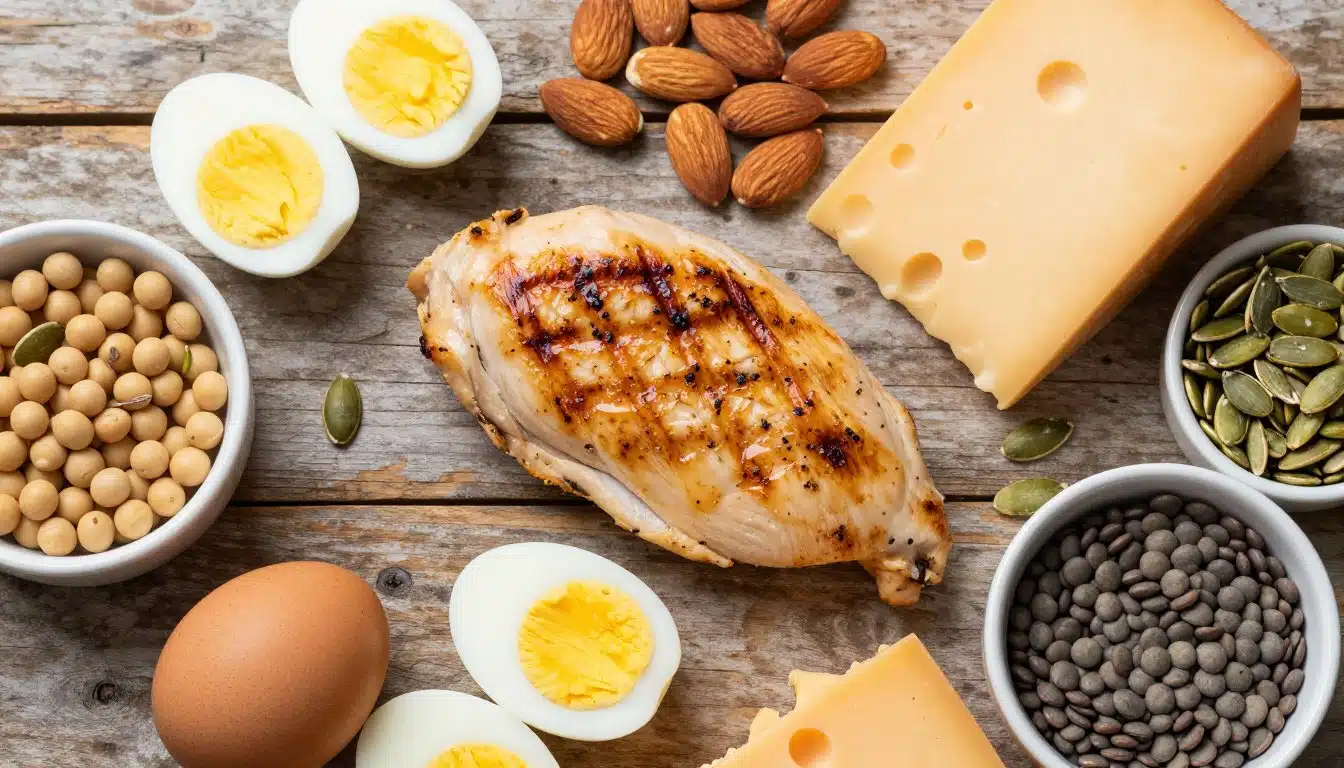
categorized display of tyrosine-rich protein sources including meat, dairy and plant proteins

Animal Protein Sources

Meat, poultry, and fish deliver concentrated tyrosine along with complete protein profiles. These sources provide all essential amino acids your body cannot synthesize.

Chicken breast stands out as an excellent choice, offering approximately 1,155 milligrams of tyrosine per 3-ounce cooked serving. This lean protein source supports muscle maintenance while delivering substantial amino acid content.

Turkey provides similar benefits with roughly 1,100 milligrams per 3-ounce portion. Both poultry options deliver high-quality protein with minimal fat when prepared without skin.

Beef contains approximately 900 milligrams of tyrosine per 3-ounce serving, varying by cut and fat content. Leaner cuts provide more protein and amino acids per calorie.

Fish like salmon, tuna, and cod supply 700-900 milligrams per 3-ounce serving. These options add omega-3 fatty acids alongside tyrosine for comprehensive nutritional benefits.

Dairy Products and Eggs

Dairy products rank among the richest dietary sources of tyrosine. The protein content in milk, cheese, and yogurt translates to substantial amino acid availability.

Parmesan cheese leads dairy options with approximately 1,200 milligrams of tyrosine per 3-ounce serving. Other aged hard cheeses like cheddar and Swiss provide 800-1,000 milligrams per similar portion.

Greek yogurt delivers roughly 250 milligrams per cup, making it an accessible daily source. Regular yogurt provides slightly less at approximately 175 milligrams per cup.

Whole milk contains about 125 milligrams per cup. While lower in concentration than cheese, milk’s versatility makes it easy to consume multiple servings throughout the day.

Eggs provide approximately 250 milligrams of tyrosine per large egg. The amino acid concentrates in egg whites, though whole eggs deliver additional nutrients including healthy fats.

Plant-Based Protein Options

Plant proteins offer viable tyrosine sources for vegetarian and vegan diets. While generally lower in concentration than animal products, strategic combinations provide adequate intake.

Soybeans and soy products lead plant sources. Firm tofu contains approximately 700 milligrams per cup, while tempeh provides roughly 900 milligrams per cup.

Edamame delivers about 500 milligrams per cup of cooked beans. This whole-food soy source adds fiber and phytonutrients alongside protein.

Lentils supply approximately 500 milligrams per cooked cup. These legumes combine tyrosine with complex carbohydrates and substantial fiber content.

Chickpeas and other beans provide 300-400 milligrams per cooked cup. While lower than lentils, their versatility supports regular consumption.

According to Mayo Clinic, plant-based eaters can meet all amino acid needs through varied protein intake throughout the day.

Nuts and Seeds

Nuts and seeds pack concentrated nutrition including healthy fats, minerals, and amino acids. Their portability makes them convenient snack options for increasing tyrosine intake.

Pumpkin seeds rank highest among seeds with approximately 1,000 milligrams of tyrosine per cup. This impressive concentration makes them an efficient tyrosine source.

Almonds provide roughly 500 milligrams per cup. Their widespread availability and mild flavor support regular consumption.

Sunflower seeds deliver approximately 450 milligrams per cup. These seeds add vitamin E and selenium alongside tyrosine.

Sesame seeds contain about 400 milligrams per quarter cup. Tahini, made from ground sesame seeds, concentrates this amino acid content further.

Cashews and pistachios offer 300-400 milligrams per cup. While lower than pumpkin seeds or almonds, they contribute to overall daily intake.

Complete Ranking: Food Highest in Tyrosine

This comprehensive table ranks foods by tyrosine content per standard serving. Use this reference to identify the most efficient sources for your dietary preferences.

Food Item Serving Size Tyrosine (mg) Protein (g) Category
Parmesan Cheese 3 oz (85g) 1,200 30 Dairy
Chicken Breast 3 oz (85g) 1,155 26 Poultry
Turkey Breast 3 oz (85g) 1,100 25 Poultry
Pumpkin Seeds 1 cup (64g) 1,000 12 Seeds
Lean Beef 3 oz (85g) 900 22 Meat
Tempeh 1 cup (166g) 900 31 Soy
Salmon 3 oz (85g) 850 22 Fish
Cheddar Cheese 3 oz (85g) 800 21 Dairy
Firm Tofu 1 cup (252g) 700 20 Soy
Tuna 3 oz (85g) 675 22 Fish
Lentils (cooked) 1 cup (198g) 500 18 Legumes
Edamame 1 cup (155g) 500 17 Soy
Almonds 1 cup (143g) 500 30 Nuts
Black Beans (cooked) 1 cup (172g) 400 15 Legumes
Greek Yogurt 1 cup (227g) 250 20 Dairy
Eggs (whole) 1 large (50g) 250 6 Eggs

Reading This Table: Tyrosine content varies based on preparation method, specific variety, and serving size. Values represent approximate averages from USDA nutrition data. Cooked weights apply to foods requiring preparation.

top ten highest tyrosine foods arranged by content level

Food Sources vs Tyrosine Supplements: What Works Better

The Case for Food-Based Tyrosine

Whole food sources provide tyrosine alongside complete nutritional profiles. You receive vitamins, minerals, healthy fats, and other amino acids that work synergistically.

Protein-rich foods offer satiety benefits that isolated supplements cannot match. This satisfaction helps regulate appetite and supports healthy eating patterns.

Your body absorbs nutrients from whole foods within their natural matrix. This context may enhance bioavailability compared to isolated compounds in supplement form.

Food sources carry minimal risk of excessive intake. The amounts present in normal dietary portions stay well within safe ranges for healthy individuals.

When Supplements May Help

Certain situations may warrant tyrosine supplementation under medical guidance. These circumstances typically involve specific health conditions or extreme demands.

People with phenylketonuria (PKU) require tyrosine supplementation because they cannot convert phenylalanine to tyrosine. For these individuals, tyrosine becomes an essential amino acid.

Research from Harvard Health suggests supplements may benefit people facing acute stress, sleep deprivation, or extreme environmental conditions. Effects appear modest and situation-specific.

Athletes sometimes use tyrosine supplements before competition. Evidence remains mixed regarding performance enhancement in well-nourished individuals.

Potential Supplement Concerns

High-dose tyrosine supplements may cause side effects including nausea, headache, and digestive discomfort. These reactions typically occur with doses exceeding 150 milligrams per kilogram of body weight.

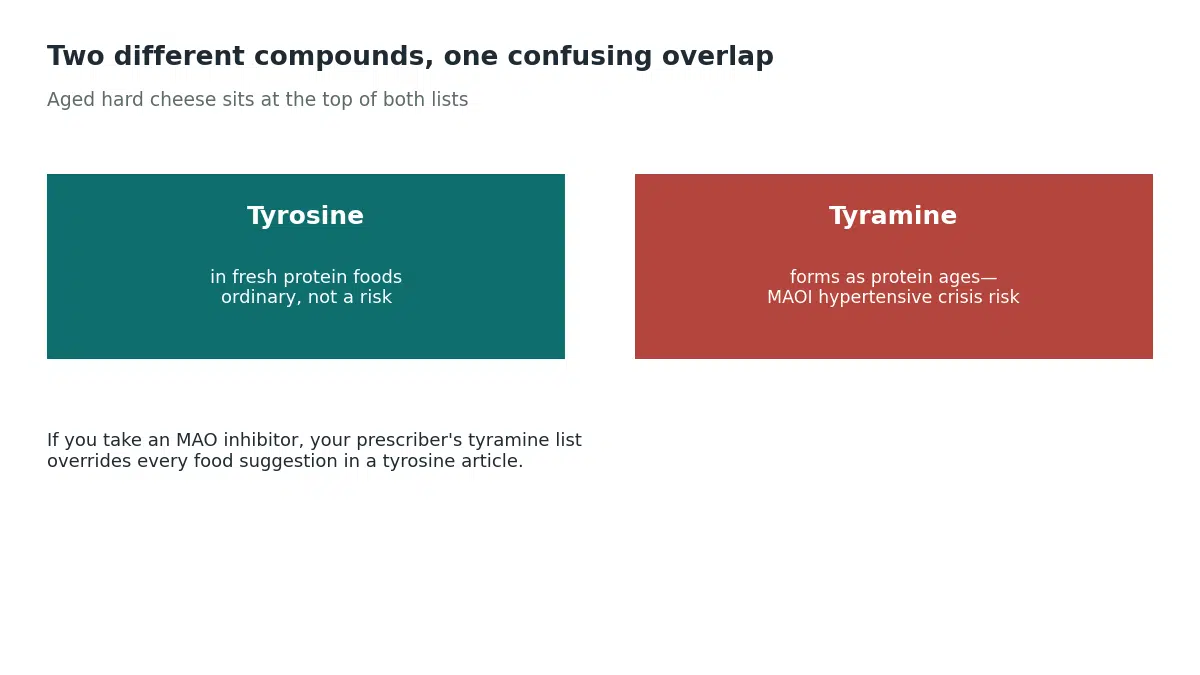
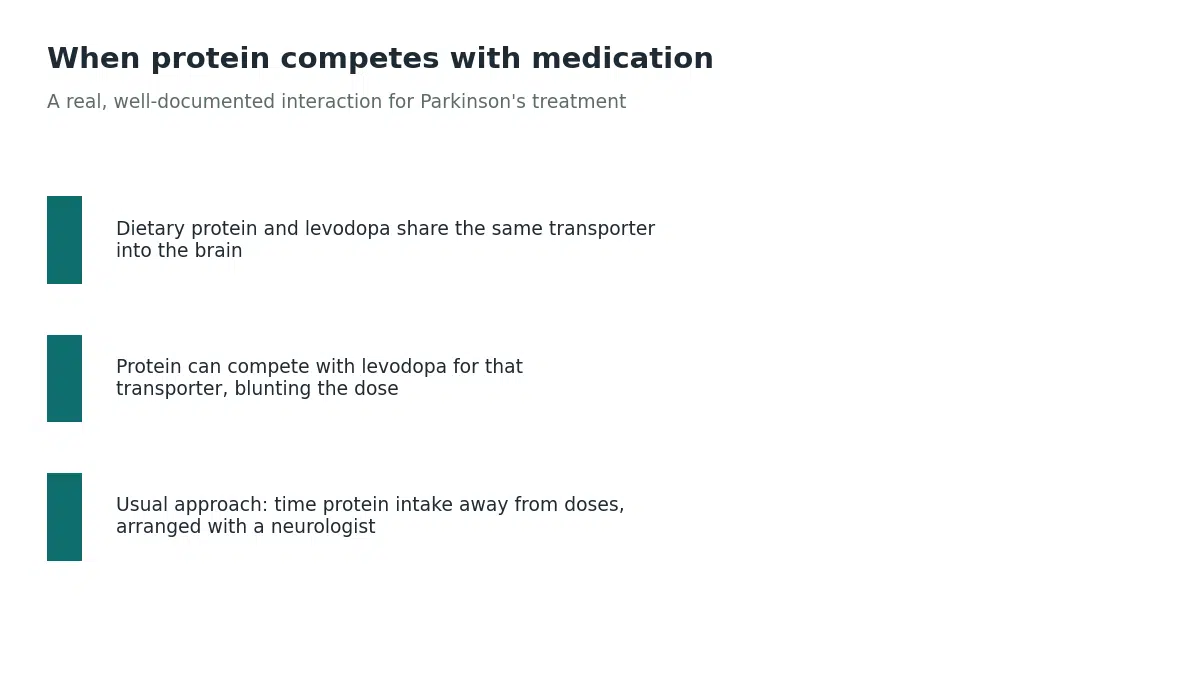
Interactions with medications pose another consideration. Tyrosine may interfere with thyroid medications, MAO inhibitors, and levodopa used for Parkinson’s disease.

The supplement industry faces less regulation than pharmaceutical products. Quality, purity, and accurate labeling vary significantly between manufacturers.

Food Source Advantages

  • Complete nutritional profile with vitamins and minerals
  • Natural amino acid ratios optimized by evolution
  • Enhanced satiety and appetite regulation
  • Minimal risk of excessive intake
  • Additional health benefits from whole foods
  • Cost-effective compared to supplements

Supplement Considerations

  • Precise dosing for specific purposes
  • Convenient for travel or limited food access
  • May benefit specific medical conditions
  • Requires careful timing and dosing
  • Potential medication interactions
  • Variable quality between products

Medical Guidance Required: Never start tyrosine supplements without consulting a healthcare provider, especially if you take medications, have thyroid conditions, or experience mental health disorders. Supplements may cause serious interactions in these situations.

Practical Meal Planning with Foods Containing Tyrosine

Building Tyrosine-Rich Meals

Creating meals that deliver adequate tyrosine requires strategic protein inclusion at each eating occasion. Focus on incorporating diverse sources throughout your day rather than relying on single foods.

Breakfast options might include Greek yogurt with almonds, eggs with cheese, or a smoothie containing protein powder and pumpkin seeds. These combinations provide 300-500 milligrams of tyrosine to start your day.

Lunch built around chicken breast, turkey, tuna, or tofu ensures substantial amino acid intake. A 4-ounce serving of these proteins delivers 600-900 milligrams alongside other essential nutrients.

Dinner featuring beef, salmon, or tempeh with a side of lentils or beans creates another significant tyrosine contribution. This meal structure typically provides 800-1,200 milligrams.

Sample Daily Meal Plan

This example demonstrates how to easily exceed 2,000 milligrams of tyrosine through normal eating patterns. Adjust portions based on your individual calorie and protein needs.

Breakfast (550 mg)

  • 1 cup Greek yogurt: 250 mg
  • 2 tablespoons almonds: 50 mg
  • 2 whole eggs: 500 mg

Lunch (1,200 mg)

  • 4 oz grilled chicken: 1,000 mg
  • 1 oz cheddar cheese: 200 mg
  • Mixed green salad

Snack (300 mg)

  • ¼ cup pumpkin seeds: 250 mg
  • 1 cup whole milk: 125 mg

Dinner (950 mg)

  • 4 oz salmon: 850 mg
  • ½ cup lentils: 250 mg
  • Roasted vegetables

Total daily tyrosine: approximately 3,000 milligrams. This amount significantly exceeds minimum requirements while remaining well within safe intake ranges.

Vegetarian and Vegan Strategies

Plant-based eaters can achieve adequate tyrosine intake through intentional protein variety. The key involves combining different sources throughout the day.

Soy products provide the highest plant-based tyrosine concentrations. Incorporating tofu, tempeh, or edamame daily ensures substantial amino acid intake.

Legumes including lentils, chickpeas, and black beans contribute meaningful amounts. A cup of cooked legumes at lunch and dinner supplies approximately 1,000 milligrams total.

Nuts and seeds, particularly pumpkin seeds and almonds, offer concentrated tyrosine. Small portions throughout the day add up significantly without excessive calories.

According to research published by the National Institutes of Health, properly planned plant-based diets provide all essential amino acids including adequate tyrosine and phenylalanine.

Who Needs More Tyrosine and When

Athletes and Physical Performance

People engaged in intense physical training may require higher tyrosine intake to support neurotransmitter production. Exercise depletes catecholamines, particularly during prolonged or high-intensity sessions.

Endurance athletes facing multi-hour training sessions might benefit from pre-exercise protein intake containing tyrosine. This strategy helps maintain focus and coordination as workouts progress.

Strength athletes should prioritize overall protein intake, which naturally provides adequate tyrosine. Consuming 0.7-1.0 grams of protein per pound of body weight typically ensures sufficient amino acid availability.

Stress and Mental Demands

Chronic stress increases catecholamine turnover in your brain. This elevated demand may deplete tyrosine pools faster than normal dietary intake can replenish.

People facing intense cognitive demands—students during exams, professionals meeting deadlines, or anyone in high-pressure situations—may benefit from ensuring adequate tyrosine intake.

Research suggests that tyrosine status affects cognitive performance under stress more than baseline conditions. Well-nourished individuals show smaller effects than those with marginal intake.

Sleep Deprivation and Shift Work

Sleep restriction impairs neurotransmitter function and cognitive performance. Some research indicates tyrosine may help preserve mental function during short-term sleep loss.

Shift workers experiencing irregular sleep patterns might prioritize protein-rich foods containing tyrosine during waking hours. This approach supports alertness and decision-making capacity.

Long-term sleep deprivation requires addressing the underlying sleep issue rather than relying on nutritional interventions. Tyrosine cannot substitute for adequate rest.

Thyroid Health Considerations

Your thyroid gland requires both tyrosine and iodine to produce thyroid hormones. Adequate intake of both nutrients supports optimal thyroid function.

People with hypothyroidism should ensure sufficient tyrosine through dietary sources. However, supplements require medical supervision due to potential medication interactions.

Those taking thyroid replacement hormones must maintain consistent tyrosine intake. Dramatic changes in protein consumption might affect medication efficacy and require dose adjustments.

Age-Related Needs

Older adults may require attention to tyrosine intake for several reasons. Age-related decreases in stomach acid can impair protein digestion and amino acid absorption.

Seniors often consume less total protein than younger adults. This reduced intake may inadvertently limit tyrosine availability for neurotransmitter and thyroid hormone production.

Maintaining adequate protein intake becomes particularly important for preserving muscle mass, cognitive function, and metabolic health throughout aging.

Timing Your Protein Intake for Optimal Results

Does Timing Matter for Tyrosine

Your body maintains amino acid pools that remain relatively stable throughout the day. This buffer system means precise timing matters less than total daily intake for most people.

However, some research suggests strategic timing may enhance specific outcomes. Consuming tyrosine-rich protein before mentally or physically demanding tasks might support performance.

Athletes often consume protein within two hours post-exercise to support recovery. This practice ensures amino acid availability when muscles most actively synthesize new proteins.

Morning vs Evening Protein

Morning protein intake may support alertness and focus throughout your day. The amino acids become available as your brain initiates neurotransmitter production.

Evening protein consumption supports overnight recovery and muscle protein synthesis during sleep. Your body continues metabolic processes throughout rest periods.

Distributing protein across multiple meals appears more important than concentrating intake at specific times. Aim for 20-40 grams per meal rather than loading one eating occasion.

Pre-Workout Considerations

Consuming protein 1-2 hours before exercise provides amino acids during and after training. This timing supports both performance and recovery processes.

Fast-digesting proteins like whey or lean poultry may work better pre-workout than slower options. They deliver amino acids without causing digestive discomfort during activity.

Individual tolerance varies significantly. Experiment with timing and protein types to identify what supports your performance without causing gastrointestinal issues.

Frequently Asked Questions About Tyrosine Food Sources

Can you get enough tyrosine from a vegetarian diet?

Yes, vegetarian diets can easily provide adequate tyrosine through dairy, eggs, soy products, legumes, nuts, and seeds. A cup of Greek yogurt, serving of tempeh, and handful of pumpkin seeds throughout the day delivers over 1,500 milligrams.

Vegans should emphasize soy products, lentils, beans, nuts, and seeds to ensure sufficient intake. Variety remains key for meeting all amino acid requirements through plant sources.

What foods are highest in tyrosine per calorie?

Chicken breast, turkey, and white fish provide the most tyrosine per calorie. These lean proteins deliver 300-400 milligrams of tyrosine per 100 calories.

For comparison, nuts and seeds offer excellent tyrosine content but with higher calorie density due to fat content. Choose based on your overall calorie and macronutrient goals.

Does cooking affect tyrosine content in foods?

Cooking minimally affects tyrosine content in most foods. Heat does not destroy amino acids the way it can degrade certain vitamins.

However, cooking methods that cause protein loss (like boiling where liquid is discarded) reduce total amino acid content. Grilling, baking, and roasting preserve protein and tyrosine effectively.

How quickly does dietary tyrosine affect brain chemistry?

Tyrosine from food reaches peak blood levels approximately 1-2 hours after consumption. Brain uptake occurs within this timeframe, potentially influencing neurotransmitter synthesis.

However, noticeable effects on mood or cognition vary individually and depend on baseline status. Well-nourished people may experience minimal acute changes, while those with marginal intake might notice more pronounced effects.

Can you consume too much tyrosine from food?

Excessive tyrosine intake from whole foods rarely occurs in healthy individuals. Your body regulates amino acid metabolism efficiently when consuming normal dietary amounts.

Supplements pose greater risk for overconsumption. Very high doses (over 150 mg per kg body weight) may cause side effects. Stick to food sources unless a healthcare provider recommends supplementation.

Do you need more tyrosine when taking antidepressants?

Antidepressant medications work through various mechanisms that may or may not interact with tyrosine metabolism. MAO inhibitors specifically require dietary modifications including potential tyrosine restriction.

Always discuss nutritional changes with your prescribing physician before modifying diet while taking psychiatric medications. Self-supplementation can cause dangerous interactions.

Are there any foods that block tyrosine absorption?

Large amounts of other amino acids can compete with tyrosine for absorption across the intestinal wall and blood-brain barrier. However, this competition occurs within normal mixed meals and generally does not cause deficiency.

Consuming protein from varied sources throughout the day ensures balanced amino acid ratios that support optimal absorption of all essential and non-essential amino acids.

Should athletes take tyrosine supplements or focus on food?

Most athletes meet tyrosine needs through higher protein intake required to support training and recovery. Consuming 0.7-1.0 grams of protein per pound of body weight provides ample tyrosine.

Research on tyrosine supplements for athletic performance shows mixed results. Food sources offer additional nutrients that support overall health and performance, making them the preferred first approach.

Making Food Sources of Tyrosine Work for You

balanced healthy lifestyle incorporating tyrosine-rich foods naturally

Food sources of tyrosine provide this important amino acid within complete nutritional packages that support overall health. Protein-rich foods deliver tyrosine alongside other essential nutrients your body needs for optimal function.

Most people consuming adequate protein easily meet tyrosine requirements through normal dietary patterns. Focusing on diverse protein sources—animal or plant-based—ensures sufficient intake without requiring supplements or meticulous tracking.

The evidence supporting tyrosine’s role in neurotransmitter production and thyroid function is well-established. While dramatic effects from increased intake remain limited in well-nourished individuals, ensuring adequacy supports baseline cognitive and metabolic processes.

Strategic meal planning that incorporates tyrosine-rich foods at each eating occasion maintains steady amino acid availability. This approach proves more sustainable than relying on isolated supplements or single food sources.

Individual needs vary based on activity level, stress exposure, age, and health status. Athletes, people under chronic stress, and those with certain medical conditions may benefit from particular attention to tyrosine intake.

The practical approach involves building meals around quality protein sources, varying your choices throughout the week, and ensuring adequate total protein intake. This strategy naturally optimizes tyrosine availability while supporting comprehensive nutritional needs.

Medical Disclaimer

Important Medical Information: This article provides educational information about tyrosine food sources and should not replace professional medical advice, diagnosis, or treatment.

Always consult your physician or qualified healthcare provider before making significant dietary changes, especially if you have existing health conditions, take medications, are pregnant or nursing, or have concerns about amino acid metabolism.

Tyrosine may interact with certain medications including thyroid hormones, MAO inhibitors, and levodopa. Never start tyrosine supplementation without medical supervision if you take any medications or have diagnosed health conditions.

People with phenylketonuria (PKU), hyperthyroidism, melanoma, or other specific conditions require specialized dietary guidance regarding tyrosine intake. Work with your healthcare team to determine appropriate intake levels.

Individual nutritional needs vary significantly based on age, sex, activity level, health status, and genetic factors. The general recommendations in this article may not apply to your specific situation.

If you experience adverse reactions, unusual symptoms, or concerning changes after modifying your diet, discontinue changes and consult a healthcare professional immediately.

This information reflects current nutritional science understanding but research continues to evolve. Recommendations may change as new evidence emerges.

Related Posts

Can Ashwagandha Cause Weight Loss?
BLOG

Can Ashwagandha Cause Weight Loss?

July 23, 2026
Best High Fiber Foods for Pregnancy
BLOG

Best High Fiber Foods for Pregnancy for Healthy Moms

July 23, 2026
Which Is the Best Tea for Weight Loss?
BLOG

Which Is the Best Tea for Weight Loss? Science-Backed Guide to 12 Effective Teas

July 22, 2026
Best Breakfast Cereals for Diabetics
BLOG

Best Breakfast Cereals for Diabetics: Smart Choices for Blood Sugar Control

July 22, 2026
Should Diabetics Eat Banana?
BLOG

Should Diabetics Eat Banana? A Complete Guide to Blood Sugar and Fruit

July 22, 2026
Natural Remedies for Nose Congestion
BLOG

Natural Remedies for Nose Congestion: Proven Solutions for Clear Breathing

July 22, 2026
freshly brewed green tea in transparent cup showing golden-green color with pH testing strip
BLOG

Is Green Tea Acidic? Understanding pH Levels and Health Implications

July 22, 2026
ProDentim Reviews: What Real Users Are Saying About This Oral Health Supplement
REVIEWS

ProDentim Reviews: What Real Users Are Saying About This Oral Health Supplement

July 24, 2026
How to Get Rid of Fat Neck
BLOG

How to Get Rid of Fat Neck: Complete Solutions Guide

July 22, 2026
Massage for Hair Growth
BLOG

Massage for Hair Growth: Evidence-Based Techniques for Thicker, Healthier Hair

July 23, 2026
Load More

Leave a Reply Cancel reply

Your email address will not be published. Required fields are marked *

I agree to the Terms & Conditions and Privacy Policy.

Our Mission

At HealthMagHub, our mission is to empower individuals and families to make informed health decisions by providing accurate, evidence-based, and easy-to-understand health information. We are committed to delivering high-quality content across a wide range of topics, including nutrition, fitness, weight management, men’s and women’s health, mental wellness, healthy aging, disease prevention, and in-depth health product reviews. Every article is carefully researched, fact-checked, and written with our readers’ well-being in mind. Our goal is to simplify complex health topics, promote healthier lifestyles, and build a trusted resource where people can confidently find reliable guidance, practical wellness tips, and the latest insights to support a healthier, happier life.

Can Ashwagandha Cause Weight Loss?
BLOG

Can Ashwagandha Cause Weight Loss?

by Jenna Castillo
July 23, 2026
0

Affiliate Disclosure: This article contains affiliate links. We may earn a commission from purchases made through these links at no...

Read moreDetails
Best High Fiber Foods for Pregnancy

Best High Fiber Foods for Pregnancy for Healthy Moms

July 23, 2026
Food Sources of Tyrosine

Food Sources of Tyrosine: Your Complete Guide to This Essential Amino Acid

July 23, 2026
Which Is the Best Tea for Weight Loss?

Which Is the Best Tea for Weight Loss? Science-Backed Guide to 12 Effective Teas

July 22, 2026
Best Breakfast Cereals for Diabetics

Best Breakfast Cereals for Diabetics: Smart Choices for Blood Sugar Control

July 22, 2026

Categories

  • BLOG
  • Brain Health
  • General Fitness
  • Hearing Health
  • Joint Health
  • Men's Health
  • Neuropathy Help
  • Oral Health
  • Prostate Health
  • REVIEWS
  • Skin Health
  • Toenail Fungus Help
  • Weight Loss
  • HOME
  • ABOUT
  • PRIVACY POLICY
  • Terms & Conditions
  • Affiliate Disclosure
  • Medical Disclaimer
  • Contact Us
  • SUBMIT YOUR REVIEW

© 2026 HealthMagHub. Trusted Health. Smarter Living. All Rights Reserved.

No Result
View All Result
  • HOME
  • BLOG
  • REVIEWS
  • TOOLS

© 2026 HealthMagHub. Trusted Health. Smarter Living. All Rights Reserved.

This website uses cookies. By continuing to use this website you are giving consent to cookies being used. Visit our Privacy and Cookie Policy.