People with diabetes need cereals that provide steady energy without dramatic impacts on blood glucose. The right breakfast cereal combines adequate fiber, moderate protein, and controlled carbohydrate content. These elements work together to slow digestion and support better blood sugar management.
This comprehensive guide examines cereals specifically suited for diabetes management, breaking down nutrition facts, ingredient quality, and practical preparation tips. Whether you have type 2 diabetes, prediabetes, or simply want to make healthier morning choices, understanding which cereals support your health goals empowers better decision-making.
Quick Navigation: Looking for our top recommendation? Scroll to our #1 pick for the best overall cereal for blood sugar control, or use the comparison table to find options that match your specific dietary needs and taste preferences.
Why Breakfast Choices Matter for Blood Sugar Management
The morning meal sets metabolic patterns for the entire day. After an overnight fast, your body is particularly sensitive to incoming nutrients, making breakfast composition critically important for people with diabetes.
Research from the Mayo Clinic demonstrates that balanced morning meals can improve insulin sensitivity throughout the day. Conversely, high-sugar breakfasts trigger rapid glucose elevation followed by compensatory insulin surges that leave you hungry and fatigued within hours.
How Different Breakfast Cereals Affect Blood Sugar
Not all cereals impact glucose identically. The glycemic response depends on several factors including fiber content, processing methods, and accompanying foods consumed with the cereal.
Cereals That Spike Blood Sugar
- Refined grain cereals with minimal fiber
- Products containing added sugars or sweeteners
- Highly processed flakes and puffs
- Cereals with dried fruit as primary ingredient
- Low-protein, high-carbohydrate varieties
Cereals That Support Stable Glucose
- Whole grain options with 5+ grams fiber per serving
- Cereals combining protein from nuts or seeds
- Minimally processed oatmeal and bran varieties
- Products with no added sugar
- High-fiber cereals under 20g carbs per serving
The Role of Portion Control and Meal Composition
Even the healthiest cereal can elevate blood sugar excessively if portion sizes aren’t controlled. A standard serving typically measures between ½ to ¾ cup, though many people pour significantly more.
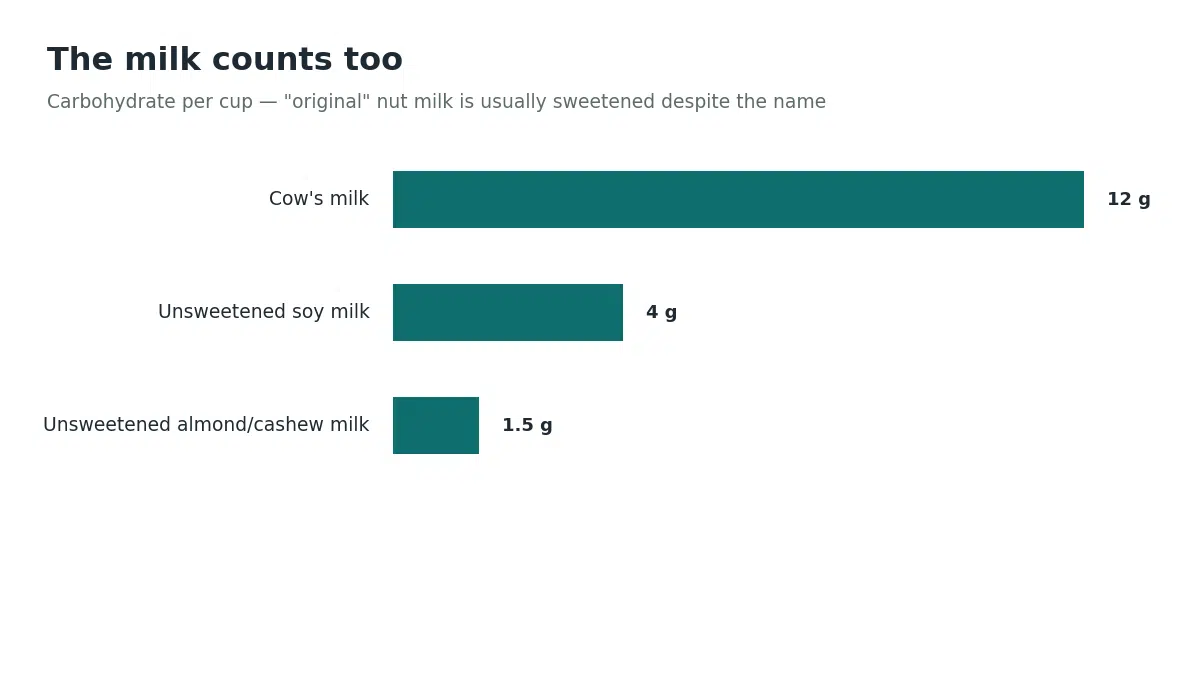
Pairing cereal with protein sources—such as Greek yogurt, nuts, or a side of eggs—further moderates glucose response. The milk or milk alternative you choose also matters; unsweetened almond milk contains fewer carbs than regular cow’s milk.
Pro Tip: Measure your cereal portions for one week to calibrate what an appropriate serving looks like in your usual bowl. Most people significantly underestimate portion sizes, inadvertently consuming double the intended carbs.
What to Look for in the Best Breakfast Cereals for Diabetics

Selecting appropriate cereals requires understanding key nutritional criteria. The American Diabetes Association recommends focusing on specific metrics when evaluating breakfast options.
Essential Nutritional Criteria
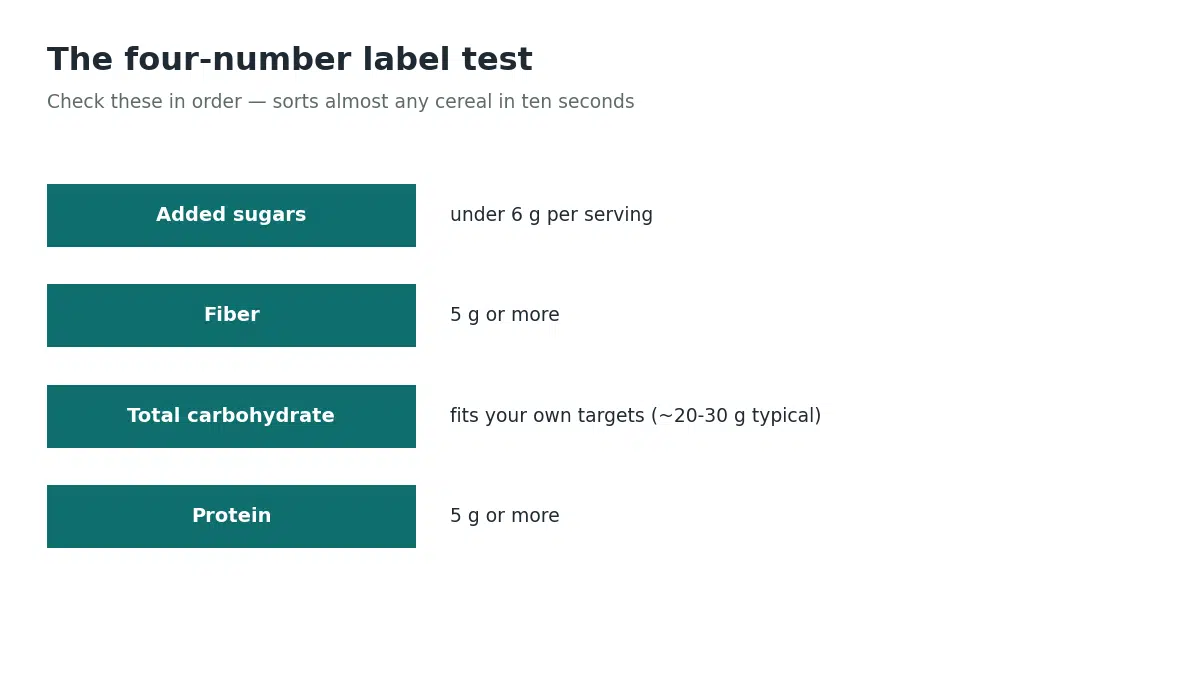
Three primary factors determine whether a cereal supports or undermines blood sugar control: fiber content, total carbohydrate load, and protein availability.
| Nutritional Factor | Target Range | Why It Matters |
| Dietary Fiber | At least 5g per serving | Slows digestion and glucose absorption, promotes satiety, supports digestive health |
| Total Carbohydrates | 20-30g per serving | Limits glucose load while providing adequate energy for morning activities |
| Added Sugars | Less than 6g per serving | Minimizes rapid blood sugar spikes from simple sugars |
| Protein | At least 5g per serving | Stabilizes glucose response, increases meal satisfaction, supports muscle maintenance |
| Whole Grains | First ingredient | Provides complex carbohydrates that digest more slowly than refined grains |
Reading Cereal Labels Effectively
Nutrition labels reveal crucial information, but manufacturers sometimes use confusing terminology. Understanding how to interpret these labels helps you make informed choices.
- Check serving size first—many cereals list unrealistically small portions
- Calculate net carbs by subtracting fiber from total carbohydrates
- Distinguish between natural and added sugars in ingredient lists
- Look for whole grain stamps, but verify by reading ingredient lists
- Identify hidden sweeteners like maltose, dextrose, or fruit juice concentrate
- Compare similar products—nutrition quality varies significantly between brands
Ingredient Quality and Processing
The degree of processing affects how quickly your body breaks down cereal. Intact whole grains digest more slowly than pulverized flour-based products, even when both list “whole grain” on the package.
Watch Out For: Marketing terms like “natural,” “wholesome,” or “heart-healthy” don’t guarantee a cereal is appropriate for diabetes management. Always verify claims by examining the actual nutrition facts and ingredient list rather than relying on front-of-package marketing.
Top 8 Best Breakfast Cereals for Diabetics
Based on nutritional criteria, ingredient quality, availability, and user reviews, these cereals represent the best options for people managing diabetes. Each recommendation includes specific nutrition information to help you make informed decisions.
Affiliate Disclosure: This article contains affiliate links. If you purchase products through these links, HealthMagHub may earn a commission at no additional cost to you. This helps us continue providing valuable health information.
1. Fiber One Original Bran Cereal
Fiber One Original delivers an impressive 14 grams of fiber per half-cup serving—more than half the daily recommendation. This exceptional fiber content significantly slows glucose absorption, making it an outstanding choice for blood sugar control.
With only 25 grams of total carbohydrates and 0 grams of sugar, this cereal provides steady energy without causing spikes. The net carb count (total carbs minus fiber) is just 11 grams per serving.
Nutritional Highlights
- 14g fiber per serving
- 25g total carbohydrates
- 0g added sugars
- 4g protein
- 60 calories per serving
Best For
- Maximum fiber intake
- Constipation concerns
- Weight management goals
- Tight blood sugar control
- Budget-conscious shoppers
The texture is crunchy with a mild wheaty flavor. Many users mix it with other cereals or add berries and nuts for enhanced taste and additional nutrition.
2. Kashi GO Original Cereal
Kashi GO stands out for its protein content—12 grams per 1.5 cup serving. This substantial protein amount, combined with 13 grams of fiber, creates excellent satiety and blood sugar stability.
The cereal contains a blend of whole grains including hard red wheat, oats, rye, and triticale, plus seeds and soy protein. At 33 grams total carbohydrates, the net carb content is 20 grams when fiber is subtracted.
Nutritional Highlights
- 12g protein per serving
- 13g fiber per serving
- 33g total carbohydrates
- 6g sugar (from honey)
- 180 calories per serving
Best For
- Active individuals needing sustained energy
- Those struggling with mid-morning hunger
- Plant-based protein seekers
- Cereal lovers wanting heartier texture
- Post-workout breakfast option
The crunchy clusters provide satisfying texture. While it contains 6 grams of sugar from honey, the high fiber and protein content mitigate glucose impact significantly.
3. Bob’s Red Mill Organic Old Fashioned Rolled Oats
While not a traditional boxed cereal, oatmeal deserves inclusion as one of the best breakfast options for diabetes. Bob’s Red Mill Organic Rolled Oats provide whole grain goodness with minimal processing.
A half-cup dry serving contains 4 grams of fiber, 5 grams of protein, and 27 grams of carbohydrates. The soluble fiber beta-glucan specifically helps moderate blood sugar response.
Nutritional Highlights
- 4g fiber per serving
- 5g protein per serving
- 27g total carbohydrates
- 0g added sugars
- 150 calories per serving
Best For
- Customizable flavor preferences
- Hot breakfast lovers
- Overnight oats preparation
- Budget-friendly bulk buying
- Clean ingredient seekers
Preparation versatility is a major advantage. Cook with water or almond milk, top with nuts, seeds, cinnamon, or a small amount of fruit to create a personalized diabetes-friendly meal.
4. Nature’s Path Flax Plus Multibran Flakes
Nature’s Path Flax Plus combines multiple sources of fiber including flax seeds, wheat bran, and oat bran. This cereal provides 7 grams of fiber per ¾ cup serving.
The inclusion of flax seeds adds omega-3 fatty acids and additional protein. With 24 grams total carbohydrates and only 4 grams of sugar, it offers balanced nutrition for diabetes management.
Nutritional Highlights
- 7g fiber per serving
- 4g protein per serving
- 24g total carbohydrates
- 4g sugar
- 100 calories per serving
Best For
- Organic product preference
- Omega-3 fatty acid intake
- Non-GMO verified products
- Digestive health support
- Environmental consciousness
The flakes maintain crunch well in milk without becoming immediately soggy. The flavor is mildly nutty from the flax seeds, making it pleasant without added sweeteners.
5. Post Shredded Wheat Original
Post Shredded Wheat contains exactly one ingredient: 100% whole grain wheat. This simplicity ensures no hidden sugars or unnecessary additives. Each biscuit provides pure whole grain nutrition.
Two biscuits contain 6 grams of fiber, 5 grams of protein, and 38 grams of carbohydrates. While the total carb count is higher, the absence of added sugar and high fiber content create a moderate glycemic response.
Nutritional Highlights
- 6g fiber per 2 biscuits
- 5g protein per serving
- 38g total carbohydrates
- 0g added sugars
- 150 calories per serving
Best For
- Minimal ingredient preference
- Traditional cereal taste
- Allergy-friendly needs
- Family-friendly option
- Long shelf stability
The texture is distinctive—dense woven wheat biscuits that soften in milk. Many people add their own toppings like berries, nuts, or cinnamon to enhance flavor while controlling added ingredients.
6. Cascadian Farm Organic Purely O’s
For those who enjoy classic O-shaped cereals, Cascadian Farm offers an organic option without the excessive sugar found in many similar products. Made from whole grain oats, this cereal provides familiar comfort with better nutrition.
One cup contains 3 grams of fiber, 3 grams of protein, and 19 grams of carbohydrates. With only 1 gram of sugar, it’s among the lowest-sugar O-style cereals available.
Nutritional Highlights
- 3g fiber per serving
- 3g protein per serving
- 19g total carbohydrates
- 1g sugar
- 100 calories per serving
Best For
- Transitioning from sugary O’s
- Kid-friendly healthier option
- Quick breakfast needs
- Organic certification preference
- Mild flavor preference
The taste is lightly sweet from the oats themselves rather than added sugar. This makes it an excellent transition cereal for those accustomed to sweeter varieties.
7. Three Wishes Grain-Free Cereal
Three Wishes takes a different approach by eliminating grains entirely. Made from chickpeas, tapioca, and pea protein, this cereal offers a low-carb alternative to traditional grain-based options.
One serving provides 8 grams of protein, 3 grams of fiber, and only 8 grams of net carbs. This exceptionally low carbohydrate profile makes it suitable for those following stricter carb restrictions.
Nutritional Highlights
- 8g protein per serving
- 3g fiber per serving
- 8g net carbohydrates
- 1g sugar
- 110 calories per serving
Best For
- Low-carb diet followers
- Gluten-free requirements
- Grain-free preferences
- Higher protein needs
- Legume-based nutrition
Available in several flavors including Unsweetened, Cinnamon, and Cocoa, Three Wishes provides variety while maintaining low sugar content across all varieties. The texture resembles puffed cereal with satisfying crunch.
8. Ezekiel 4:9 Sprouted Whole Grain Cereal
Ezekiel cereal uses sprouted grains and legumes, which may improve nutrient availability and reduce glycemic impact compared to non-sprouted counterparts. The combination of sprouted wheat, barley, millet, lentils, and soybeans creates complete protein.
A half-cup serving delivers 6 grams of fiber, 8 grams of protein, and 40 grams of total carbohydrates. While the carb count is higher, the sprouted grain process and high protein content support better blood sugar control than expected.
Nutritional Highlights
- 8g protein per serving
- 6g fiber per serving
- 40g total carbohydrates
- 0g added sugars
- 190 calories per serving
Best For
- Sprouted grain benefits
- Complete plant protein source
- Organic certification
- Vegan protein needs
- Unique grain combinations
The flavor is hearty and slightly sweet from the grains themselves. Many users find the texture pleasantly chewy, especially when eaten with almond milk or yogurt.
Best Breakfast Cereals for Diabetics: Quick Comparison
This comparison table highlights key nutritional factors to help you quickly identify which cereals best match your specific dietary goals and diabetes management needs.
| Cereal Brand | Fiber (g) | Protein (g) | Total Carbs (g) | Sugar (g) | Net Carbs (g) | Best For |
| Fiber One Original | 14 | 4 | 25 | 0 | 11 | Maximum fiber, lowest net carbs |
| Kashi GO Original | 13 | 12 | 33 | 6 | 20 | Highest protein, sustained energy |
| Bob’s Red Mill Oats | 4 | 5 | 27 | 0 | 23 | Customization, budget value |
| Nature’s Path Flax Plus | 7 | 4 | 24 | 4 | 17 | Omega-3s, organic certification |
| Post Shredded Wheat | 6 | 5 | 38 | 0 | 32 | Single ingredient, traditional taste |
| Cascadian Farm O’s | 3 | 3 | 19 | 1 | 16 | Kid-friendly, low sugar |
| Three Wishes | 3 | 8 | 11 | 1 | 8 | Lowest carbs, grain-free |
| Ezekiel 4:9 | 6 | 8 | 40 | 0 | 34 | Sprouted grains, complete protein |
How to Use This Table: Prioritize cereals with high fiber (5g+) and protein (5g+) while keeping net carbs below 25g per serving for optimal blood sugar control. Net carbs = Total carbs – Fiber.
Breakfast Cereals People with Diabetes Should Avoid
Understanding which cereals to avoid is equally important as knowing the best options. Many popular breakfast cereals contain problematic amounts of sugar and refined carbohydrates that can sabotage blood sugar control.
Common Problematic Cereal Types
Certain cereal categories consistently rank poorly for diabetes management due to their nutritional composition and processing methods.
- Frosted or honey-coated cereals containing 12+ grams of sugar per serving
- Chocolate or candy-flavored varieties with minimal fiber
- Granolas with added sweeteners, dried fruit, and chocolate
- Puffed rice or corn cereals lacking substantial fiber or protein
- Instant flavored oatmeal packets with added sugars
- Cereal bars marketed as healthy but containing syrup binders
- Crunchy nut clusters held together with honey or sugar syrups
Misleading “Healthy” Claims
Many cereals use marketing language suggesting health benefits while containing problematic ingredients. Being able to identify these tactics helps you avoid poor choices.
Marketing Red Flags: Terms like “natural,” “wholesome goodness,” “made with real fruit,” or “contains whole grains” don’t guarantee appropriate nutrition for diabetes. Always verify claims by checking actual sugar content, fiber amounts, and ingredient lists rather than relying on front-of-package marketing statements.
Why These Cereals Cause Problems
High-sugar, low-fiber cereals create rapid glucose elevation followed by subsequent crashes. This pattern increases hunger, promotes overeating later in the day, and makes blood sugar control more difficult.
According to research from Mayo Clinic, choosing cereals with inadequate fiber and excessive simple sugars can lead to poor long-term glycemic control and increased risk of diabetes-related complications.
Tips for Eating Cereal with Diabetes
Even the healthiest cereal can affect blood sugar negatively if preparation and portion control aren’t managed properly. These strategies help maximize the benefits of diabetes-friendly cereals.
Portion Control Strategies
Most people significantly underestimate cereal portions, inadvertently consuming two to three times the listed serving size. Proper measurement ensures accurate carb counting and appropriate glucose response.
Measuring Techniques
- Use measuring cups for accurate portions initially
- Mark your usual bowl at correct fill level
- Weigh cereal with a kitchen scale for precision
- Choose smaller bowls to make portions appear larger
- Pre-portion servings in containers for convenience
Visual Guidelines
- One serving = approximately one tennis ball volume
- Fill only bottom third of standard cereal bowl
- Leave space for milk without overflowing
- Compare to your closed fist size
- Photograph correct portion as reference
Milk and Milk Alternative Choices
The liquid you add to cereal contributes additional carbohydrates and affects the meal’s overall glycemic impact. Selecting appropriate milk options supports better blood sugar control.
| Milk Type | Carbs per Cup | Protein per Cup | Diabetes Suitability |
| Unsweetened Almond Milk | 1-2g | 1g | Excellent – minimal carb impact |
| Unsweetened Cashew Milk | 2g | 1g | Excellent – creamy with low carbs |
| Unsweetened Soy Milk | 4g | 7g | Excellent – high protein benefit |
| Unsweetened Coconut Milk | 1g | 0g | Good – lowest carbs but no protein |
| Skim Milk | 12g | 8g | Moderate – higher carbs, good protein |
| Whole Milk | 12g | 8g | Moderate – fat slows absorption |
| Oat Milk | 16g | 3g | Poor – high carb content |
| Sweetened Varieties (Any) | 20+g | Varies | Avoid – added sugars spike glucose |
Strategic Additions for Better Blood Sugar Control
Enhancing cereal with specific additions can further improve the glycemic response while adding flavor and nutrition.
Protein Boosters
- Greek yogurt (plain, unsweetened)
- Cottage cheese mixed in
- Protein powder sprinkled on top
- Hemp seeds for complete protein
- Hard-boiled egg on the side
Healthy Fats
- Chopped nuts (almonds, walnuts)
- Chia seeds or flax seeds
- Nut butter drizzle
- Pumpkin seeds
- Sunflower seeds
Low-Sugar Flavoring
- Cinnamon (helps blood sugar naturally)
- Vanilla extract
- Small amount of fresh berries
- Unsweetened cocoa powder
- Nutmeg or cardamom
Timing and Meal Composition
When you eat cereal matters for blood sugar control. Consuming cereal as part of a balanced meal rather than alone helps moderate glucose response.
- Eat breakfast within 1-2 hours of waking for better metabolic response
- Pair cereal with a protein source like eggs or Greek yogurt
- Include healthy fat from nuts or nut butter
- Monitor blood sugar 2 hours after eating to assess individual response
- Adjust portions based on your personal glucose readings
- Consider eating cereal after physical activity when insulin sensitivity is higher
Personalization Matters: Individual blood sugar responses vary significantly. What works well for one person may affect another differently. Use a glucose meter to track how specific cereals and portions affect your personal levels, then adjust accordingly.
Frequently Asked Questions About Breakfast Cereals for Diabetics
Can people with diabetes eat cereal every day?
Yes, people with diabetes can eat cereal daily if they choose appropriate varieties and control portions. Select cereals with high fiber (5g+), adequate protein (5g+), and low added sugar (under 6g). Rotate between different healthy options to ensure nutritional variety and prevent breakfast monotony.
The key is monitoring how specific cereals affect your individual blood sugar levels. Check glucose 2 hours after eating to identify which cereals work best for your body. Some people may need to limit breakfast cereal to a few times weekly, alternating with eggs, yogurt, or other low-carb breakfast options.
What is the best cereal for type 2 diabetes?
Fiber One Original ranks as the best cereal for type 2 diabetes due to its exceptional 14 grams of fiber, zero added sugars, and only 11 grams net carbs per serving. This combination provides maximum blood sugar stability while delivering substantial satiety.
For those who prefer higher protein, Kashi GO Original offers 12 grams of protein with 13 grams of fiber, making it excellent for sustained energy. Three Wishes provides the lowest net carbohydrate option at just 8 grams for those following stricter carb restrictions. The best choice depends on your specific nutritional goals, taste preferences, and individual glucose response.
Is oatmeal better than cereal for diabetics?
Plain oatmeal (steel-cut or rolled oats) generally ranks among the best breakfast choices for diabetes due to its high soluble fiber content, particularly beta-glucan, which specifically helps moderate blood sugar response. Oatmeal offers customization advantages—you control all additions and avoid hidden sugars found in many packaged cereals.
However, some high-fiber, low-sugar cereals like Fiber One Original actually contain more fiber than oatmeal with fewer net carbs. Instant flavored oatmeal packets typically contain added sugars and should be avoided. The “better” option depends on preparation—plain oatmeal with nuts and cinnamon beats sugary boxed cereal, but high-quality bran cereal may outperform sweetened oatmeal.
How much cereal can a diabetic eat?
Appropriate cereal portions for people with diabetes typically range from ½ to ¾ cup depending on the specific product’s carbohydrate content. Always check the serving size on the nutrition label, as it varies significantly between brands—some list ½ cup servings while others use 1 cup measurements.
Total carbohydrate intake per meal matters more than volume. Aim for 30-45 grams total carbs per breakfast, including cereal, milk, and any additions. A ¾ cup serving of high-fiber cereal (20-25g carbs) plus ½ cup unsweetened almond milk (1g carbs) and 2 tablespoons nuts (4g carbs) totals approximately 30 grams—appropriate for most people. Consult your healthcare provider or diabetes educator for personalized recommendations based on your medication, activity level, and blood sugar goals.
Does almond milk raise blood sugar?
Unsweetened almond milk has minimal impact on blood sugar due to its very low carbohydrate content—typically just 1-2 grams per cup. This makes it an excellent choice for people with diabetes compared to regular cow’s milk, which contains approximately 12 grams of carbs per cup from naturally occurring lactose sugar.
However, sweetened or flavored almond milk varieties contain added sugars that can significantly raise glucose levels. Always choose unsweetened versions and check labels carefully—some brands labeled “original” contain added sweeteners. The “unsweetened” designation ensures minimal carbohydrate content appropriate for diabetes management.
What breakfast cereal has the lowest sugar?
Several cereals contain zero added sugars: Fiber One Original, Post Shredded Wheat, plain rolled oats, and Ezekiel 4:9 Sprouted Grain Cereal all list 0 grams of sugar on their nutrition labels. These options provide the lowest possible sugar content while still offering whole grain nutrition.
Among flavored or more processed options, Cascadian Farm Purely O’s and Three Wishes Unsweetened varieties contain just 1 gram of sugar per serving. When evaluating sugar content, distinguish between naturally occurring sugars from whole grains and added sugars listed in the ingredients. Cereals with no ingredients beyond whole grains ensure you’re getting only the minimal natural sugars present in the grain itself.
Can diabetics eat granola?
Most commercial granolas are inappropriate for diabetes management due to high sugar content and calorie density. Traditional granola often contains 12-20 grams of sugar per serving from added honey, maple syrup, or dried fruit, plus 30-40 grams of carbohydrates in small portion sizes.
However, some brands specifically formulate low-sugar granolas appropriate for people with diabetes. Look for varieties with under 6 grams of sugar, at least 5 grams of fiber, and some protein from nuts or seeds. Better yet, make homemade granola where you control ingredients, using minimal sweeteners, emphasizing nuts and seeds, and avoiding dried fruit. Treat even low-sugar granola as an occasional option rather than a daily staple, and measure portions carefully as the calorie density can lead to overeating.
Is Cheerios good for diabetics?
Original Cheerios contains moderate nutrition for diabetes—3 grams of fiber, 3 grams of protein, and 20 grams of carbohydrates with 2 grams of sugar per 1-cup serving. While not the best choice, it’s significantly better than many sugary cereals. The whole grain oat base provides some blood sugar benefit.
However, other options offer superior nutrition for diabetes management. Cheerios’ relatively low fiber and protein content provides less satiety and glucose control than higher-fiber alternatives. Flavored Cheerios varieties (Honey Nut, Frosted, etc.) contain significantly more sugar and should be avoided. If you enjoy Cheerios, stick with the original version, measure portions carefully, and consider mixing it with a higher-fiber cereal like Fiber One to improve the overall nutrition profile.
What is the best milk for diabetics to drink?
Unsweetened almond milk ranks as the best overall milk choice for diabetes due to its minimal carbohydrate content (1-2g per cup) and low calorie count. Unsweetened soy milk offers a close second, providing more protein (7g per cup) with still-low carbs (4g per cup).
If you prefer dairy milk, choose lower-fat varieties and account for the 12 grams of carbohydrates per cup in your meal planning. Some research suggests the fat in whole milk may actually slow carbohydrate absorption slightly compared to skim, though both contain identical carb amounts. Avoid any sweetened or flavored milk varieties—chocolate, strawberry, vanilla, or “original” nut milks often contain substantial added sugars. Always verify nutrition labels and select products labeled “unsweetened.”
Can diabetics eat cereal at night?
People with diabetes can eat cereal at night, but timing and selection matter. Eating high-carbohydrate foods close to bedtime may cause elevated blood sugar during sleep, particularly if insulin or medication timing doesn’t account for the late carb intake.
If you enjoy evening cereal, choose high-fiber, low-sugar varieties and keep portions small—perhaps ½ cup rather than ¾ cup. Pair with protein like Greek yogurt to further moderate glucose response. Some people experience better overnight glucose control with evening protein and fat rather than carbohydrates. Monitor your blood sugar before bed and upon waking to assess how evening cereal affects your individual levels. If you notice morning glucose elevation, consider alternative evening snacks like nuts, cheese, or nut butter with vegetables.
How can I make regular cereal healthier for diabetes?
Transform regular cereal into a more diabetes-friendly meal by reducing portion sizes and adding protein, fiber, and healthy fat. Use ½ cup of your preferred cereal mixed with ½ cup of a high-fiber variety like Fiber One to improve the overall nutrition profile while maintaining familiar taste.
Add 2 tablespoons of chopped nuts or seeds for protein, fat, and crunch. Top with ¼ cup fresh berries instead of dried fruit to add natural sweetness with minimal sugar impact. Use unsweetened almond milk instead of regular milk to reduce carbs. Consider adding a dollop of plain Greek yogurt for extra protein and creaminess. These modifications significantly improve blood sugar response while making the meal more satisfying and nutritionally complete.
Is Special K cereal OK for diabetics?
Special K Original provides mediocre nutrition for diabetes—it contains only 3 grams of fiber, 7 grams of protein, and 23 grams of carbohydrates with 4 grams of sugar per 1-cup serving. While the protein content is reasonable, the low fiber means less blood sugar stability compared to better options.
Special K isn’t the worst choice, but numerous cereals offer superior nutrition for diabetes management. Flavored Special K varieties (Red Berries, Chocolatey Delight, etc.) contain significantly more sugar and should be avoided. If you enjoy Special K’s taste and texture, consider mixing it half-and-half with a higher-fiber cereal to improve the nutrition profile. Better alternatives include Kashi GO for similar protein with much higher fiber, or Nature’s Path Flax Plus for comparable carbs with more fiber and healthier fat from flax seeds.
What should I eat with cereal to lower blood sugar impact?
Pairing cereal with protein and healthy fat significantly reduces its impact on blood sugar levels. Add these companions to moderate glucose response: 2-3 tablespoons of nuts (almonds, walnuts, or pecans), a tablespoon of nut butter on the side, 2 tablespoons of seeds (chia, flax, or hemp), or ½ cup of plain Greek yogurt mixed in.
For more substantial protein, eat cereal alongside a hard-boiled egg, scrambled eggs, or a small serving of cottage cheese. The protein and fat slow carbohydrate digestion and absorption, creating a more gradual glucose rise rather than a sharp spike. Some people find that eating protein first, then consuming cereal afterward, produces the best blood sugar results. Experiment with different combinations while monitoring your glucose response to identify what works best for your body.
Are corn flakes bad for diabetics?
Plain corn flakes rank poorly for diabetes due to their high glycemic index and minimal fiber content. A typical serving contains only 1 gram of fiber, 2 grams of protein, and 24 grams of carbohydrates—a profile that causes rapid blood sugar elevation without much satiety.
The processing method used to create corn flakes breaks down the grain structure, making it digest very quickly and spike glucose more dramatically than whole grain alternatives. Frosted corn flakes add 12+ grams of sugar, making them even more problematic. If you enjoy corn-based cereals, choose whole grain corn varieties with higher fiber content, or mix a small amount of corn flakes with a high-fiber cereal like bran flakes. However, better alternatives exist specifically formulated for blood sugar control.
Do I need to avoid all breakfast cereals if I have diabetes?
No, you don’t need to avoid all breakfast cereals with diabetes. Many cereals can fit appropriately into a diabetes meal plan when chosen carefully and consumed in controlled portions. The key is selecting high-fiber, low-sugar varieties and pairing them with protein and healthy fat.
Focus on cereals containing at least 5 grams of fiber, under 6 grams of sugar, and reasonable carbohydrate amounts (20-30g per serving). Avoid the misconception that all cereal is off-limits—this unnecessarily restricts choices and may make meal planning more difficult. The recommendations in this guide represent cereals specifically suitable for diabetes management. Rather than elimination, focus on smart selection and portion control. If cereal consistently causes problematic blood sugar responses despite choosing quality options, discuss alternatives with your healthcare team, but many people with diabetes successfully include appropriate cereals in their eating plans.
What cereals does the American Diabetes Association recommend?
The American Diabetes Association recommends choosing cereals that contain whole grains, provide at least 3-5 grams of fiber per serving, and contain minimal added sugars (less than 6 grams per serving). They emphasize reading nutrition labels carefully and comparing products to find options meeting these criteria.
Rather than endorsing specific brands, the ADA provides guidelines: select cereals listing whole grains as the first ingredient, aim for higher fiber content, watch portion sizes carefully, and consider net carbohydrates (total carbs minus fiber). They also recommend pairing cereal with protein sources and choosing unsweetened or low-fat milk alternatives. The cereals highlighted in this article align with ADA guidelines, providing practical product examples that meet their recommended nutritional standards for diabetes management.
Making Informed Breakfast Choices for Better Blood Sugar Control

Selecting the best breakfast cereals for diabetics requires understanding nutritional fundamentals, reading labels carefully, and recognizing how different ingredients affect blood sugar. The right cereal choices support stable glucose levels throughout the morning while providing satisfying taste and adequate nutrition.
High-fiber, low-sugar cereals like Fiber One Original, Kashi GO, and Nature’s Path Flax Plus represent excellent options that combine whole grains with beneficial protein and fiber. When paired with appropriate milk alternatives, reasonable portions, and strategic additions like nuts or seeds, these cereals fit comfortably into effective diabetes management plans.
Remember that individual responses vary significantly. What works perfectly for one person may affect another differently based on medication, activity level, and metabolic factors. Use glucose monitoring to identify which cereals and preparations produce optimal results for your unique situation.
Rather than viewing breakfast cereal as forbidden, embrace the many diabetes-friendly varieties now available. These options provide convenience, nutrition, and satisfaction while supporting your blood sugar goals. With informed selection and mindful preparation, cereal can remain an enjoyable part of your morning routine.
Medical Disclaimer
Important Health Information
The information provided in this article serves educational purposes only and does not constitute medical advice, diagnosis, or treatment recommendations. Always consult qualified healthcare professionals, registered dietitians, and certified diabetes educators before making significant dietary changes or adjusting your diabetes management plan.
Individual nutritional needs, medication regimens, and blood sugar responses vary considerably among people with diabetes. The cereal recommendations and nutritional guidelines presented here represent general suggestions that may not suit every individual’s specific circumstances, health conditions, or treatment protocols.
Blood sugar responses to foods differ based on factors including type of diabetes, medications, activity level, stress, sleep quality, other foods consumed, and individual metabolic characteristics. What works well for one person may produce different results for another.
This article contains affiliate links to products sold through third-party retailers. HealthMagHub may earn commissions from purchases made through these links at no additional cost to you. These affiliate relationships do not influence the objectivity of nutritional information or product recommendations, which are based on established diabetes nutrition guidelines and product nutrition facts.
Product formulations, nutrition information, and availability may change over time. Always verify current nutrition facts on actual product packaging rather than relying solely on information presented in this article. Manufacturers occasionally reformulate products, which may alter their suitability for diabetes management.
If you experience persistent difficulty controlling blood sugar levels, develop new symptoms, or have concerns about your diabetes management, seek evaluation from your healthcare team promptly. Do not discontinue prescribed medications or treatments based on information in this article without consulting your healthcare provider.
Nutritional recommendations align with general guidelines from organizations including the American Diabetes Association, Mayo Clinic, and Academy of Nutrition and Dietetics. However, these guidelines evolve as new research emerges, and individual applications should be personalized by qualified healthcare professionals familiar with your complete medical history.
HealthMagHub is not responsible for adverse effects, complications, or outcomes related to dietary choices made based on this article. Always prioritize professional medical guidance over general educational content when making health-related decisions.