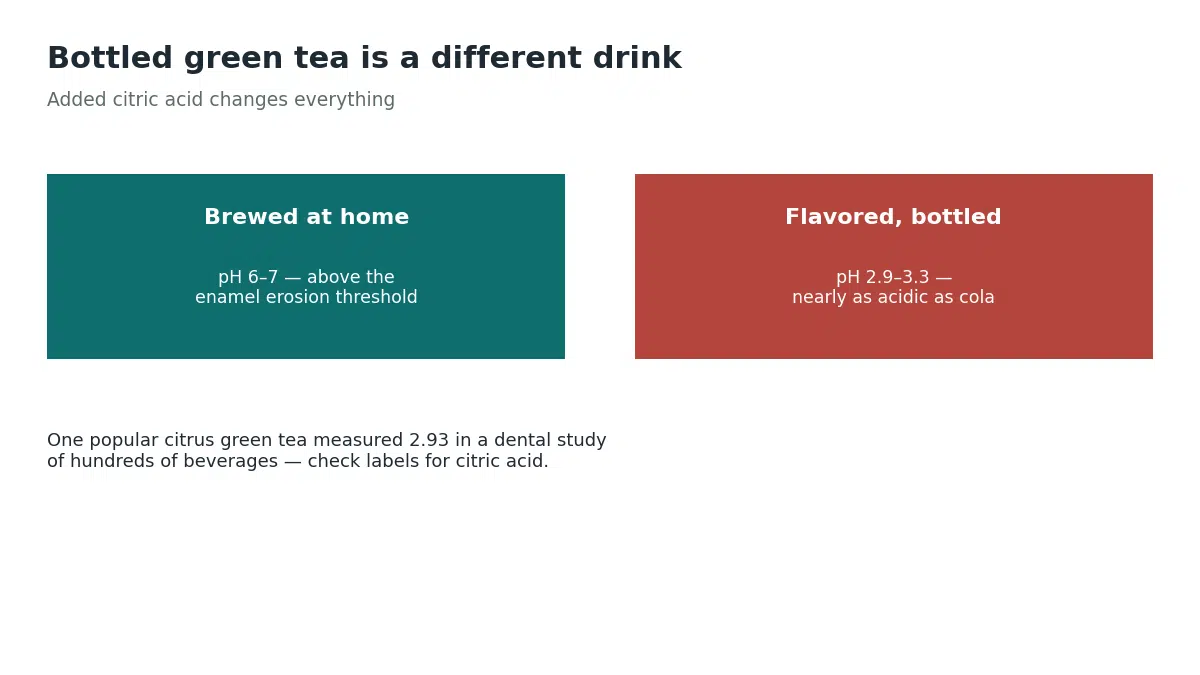
Is green tea acidic? This question matters more than you might think, especially if you deal with digestive concerns or worry about dental health. Green tea sits on the acidic side of the pH scale, typically ranging between 7 and 10 on the pH spectrum. Understanding this acidity helps you make informed choices about consumption timing and preparation methods.
The pH level of your beverage affects everything from stomach comfort to tooth enamel. Green tea contains natural compounds that create mild acidity, yet this same acidity contributes to many of its celebrated health properties. The relationship between acidity and benefits creates an interesting balance worth exploring.
This comprehensive guide examines the science behind green tea’s pH levels, compares it with other popular drinks, and provides practical strategies for enjoying tea while minimizing potential acidic effects. Whether you experience acid reflux or simply want to optimize your tea consumption, evidence-based information helps you navigate these choices confidently.
Understanding pH Levels and What Makes Green Tea Acidic

The pH scale measures how acidic or alkaline a substance is, ranging from 0 to 14. Pure water sits at neutral 7, while anything below 7 is acidic and above 7 is alkaline. Green tea typically measures between pH 7 and 10, depending on brewing methods and tea variety.
This mild acidity comes from natural compounds in tea leaves. Catechins, amino acids, and polyphenols all contribute to the final pH level. The oxidation process during tea production also plays a role in determining acidity levels.
Chemical Components Affecting Tea Acidity
Several organic acids naturally occur in tea leaves. These include citric acid, malic acid, and oxalic acid. When hot water extracts these compounds during brewing, they lower the pH of your tea.
Catechins, the powerful antioxidants in green tea, also influence acidity. These compounds provide many health benefits but add to the acidic nature. The concentration of catechins varies by tea type and brewing duration.
pH Reality Check: While green tea is technically acidic, its pH of 7-10 makes it one of the least acidic beverages you can choose. This mild acidity rarely causes problems for most people, unlike highly acidic drinks such as soda or orange juice.
Factors That Influence Green Tea pH
Brewing temperature significantly affects final acidity levels. Hotter water extracts more acidic compounds from tea leaves. Steeping time also matters – longer brewing typically produces more acidic tea.
The quality and age of tea leaves impact pH as well. Fresher, higher-quality leaves often yield less acidic brews. Storage conditions and processing methods create variation even within the same tea type.
Variables Increasing Acidity
- Water temperature above 185°F (85°C)
- Steeping duration longer than 3-4 minutes
- Using more tea leaves per cup
- Older or lower-quality tea leaves
- Adding acidic ingredients like lemon
Variables Decreasing Acidity
- Lower brewing temperatures around 160-175°F
- Shorter steeping times under 2 minutes
- Using fewer leaves per serving
- Fresh, premium-grade tea
- Adding alkaline ingredients like milk
Is Green Tea Acidic Compared to Other Beverages?
Comparing green tea to other common drinks provides helpful context. While technically acidic, green tea ranks as considerably less acidic than many popular beverages. This comparison helps you understand where tea fits in your overall dietary choices.
Coffee typically measures between pH 4.85 and 5.10, making it more acidic than green tea. Black tea usually falls between pH 4.9 and 5.5, also showing higher acidity. Understanding these differences matters for those managing digestive conditions.
Green Tea Versus Common Drinks
Soda ranks among the most acidic beverages, with cola measuring around pH 2.5. Orange juice sits at approximately pH 3.5. These highly acidic drinks pose greater risks to dental enamel and digestive comfort than tea.
Plain water maintains neutral pH around 7. Herbal teas vary widely depending on ingredients, ranging from pH 6 to 7. Green tea’s position between these extremes makes it a moderate choice for most people.
| Beverage | Average pH Range | Acidity Level | Digestive Impact |
| Lemon Juice | 2.0 – 2.6 | Highly Acidic | May trigger reflux |
| Cola Soda | 2.5 – 2.7 | Highly Acidic | Irritating for sensitive stomachs |
| Orange Juice | 3.3 – 4.2 | Very Acidic | Common reflux trigger |
| Black Tea | 4.9 – 5.5 | Moderately Acidic | Generally well-tolerated |
| Coffee | 4.85 – 5.10 | Moderately Acidic | May cause discomfort for some |
| Green Tea | 7.0 – 10.0 | Mildly Acidic to Neutral | Typically gentle on digestion |
| Herbal Tea | 6.0 – 7.0 | Nearly Neutral | Usually very gentle |
| Pure Water | 6.5 – 7.5 | Neutral | No acidic effect |
Why pH Differences Matter for Your Health
Your stomach naturally maintains highly acidic conditions around pH 1.5 to 3.5. This strong acidity helps digest food and kill harmful bacteria. Beverages you consume can temporarily affect stomach pH levels.
Highly acidic drinks may overwhelm the stomach’s natural balance in sensitive individuals. This can lead to discomfort, acid reflux, or irritation. Green tea’s milder acidity makes it a gentler option for many people.
Dental Health Note: According to research published by the National Institutes of Health, beverages with pH below 5.5 can begin eroding tooth enamel over time. Green tea’s higher pH makes it significantly less erosive than most other popular beverages including soda, sports drinks, and citrus juices.
Green Tea and Acid Reflux: What You Need to Know

Acid reflux occurs when stomach acid flows backward into the esophagus. This creates burning sensations and discomfort many know as heartburn. Understanding how beverages affect this condition helps you make better choices.
Green tea affects different people differently regarding reflux. Some individuals tolerate it well, while others experience increased symptoms. The caffeine content and natural compounds both play roles in individual responses.
How Green Tea May Affect Reflux Symptoms
Caffeine can relax the lower esophageal sphincter, the muscle preventing acid backflow. This relaxation might allow more acid reflux episodes in susceptible individuals. Green tea contains less caffeine than coffee but still provides a modest amount.
The catechins in green tea may actually help protect the digestive system lining. These antioxidants demonstrate anti-inflammatory properties that could benefit overall digestive health. This creates a complex relationship between tea consumption and reflux management.
Potential Reflux Triggers in Green Tea
Caffeine content, though lower than coffee, can still relax esophageal muscles. This relaxation potentially increases reflux episodes in sensitive individuals. Drinking large volumes quickly may also contribute to symptoms.
Temperature matters significantly. Very hot beverages may irritate the esophageal lining directly. The combination of heat and acidity could amplify discomfort for those with existing reflux conditions.
Tannins, compounds giving tea its characteristic astringency, might irritate sensitive digestive tissues. Individual sensitivity to these compounds varies widely among tea drinkers.
Protective Factors in Green Tea
Anti-inflammatory catechins may help soothe digestive irritation. These compounds protect cells from oxidative damage throughout the digestive tract. Regular, moderate consumption might support overall gut health.
The mild acidity compared to other beverages makes green tea a safer choice than soda or juice. Its pH level rarely overwhelms stomach acid balance in the way highly acidic drinks do.
Theanine, an amino acid in green tea, promotes relaxation without sedation. This calming effect might indirectly help manage stress-related digestive issues.
Best Practices for Reflux-Prone Individuals
Timing your tea consumption strategically reduces reflux risk. Avoid drinking green tea immediately before lying down or going to bed. Allow at least two to three hours between your last cup and bedtime.
Drink smaller amounts throughout the day rather than large quantities at once. This approach prevents overwhelming your digestive system. Sipping slowly rather than gulping also helps minimize symptoms.
Practical Tip: If you experience reflux, try brewing your green tea at lower temperatures (around 160°F) for shorter times (1-2 minutes). This method extracts fewer acidic compounds while still providing beneficial catechins and a pleasant flavor. You can also try consuming green tea with a small amount of food to buffer its effects.
Helpful Strategies
- Brew at lower temperatures around 160-170°F
- Steep for shorter durations under 2 minutes
- Drink between meals rather than on empty stomach
- Choose decaffeinated green tea varieties
- Consume at room temperature instead of hot
- Limit intake to 1-2 cups daily initially
Practices to Avoid
- Drinking very hot tea that irritates tissues
- Consuming large amounts on empty stomach
- Adding lemon or other acidic ingredients
- Drinking within 2-3 hours of bedtime
- Using extremely strong brewing concentrations
- Combining with other reflux triggers like spicy foods
Green Tea Acidity and Dental Health Protection

Tooth enamel, the hard outer layer protecting your teeth, can erode when exposed to acidic substances. This erosion occurs when pH drops below 5.5 for extended periods. Understanding how beverages affect enamel helps preserve long-term dental health.
Green tea ranks favorably compared to many other beverages regarding dental safety. Its pH typically stays well above the critical erosion threshold. This makes it a tooth-friendly choice when consumed properly.
Protective Compounds in Green Tea
Green tea contains fluoride naturally absorbed by tea plants from soil. This fluoride strengthens tooth enamel and helps prevent decay. The amount varies by growing region but contributes to dental protection.
Catechins demonstrate antibacterial properties against oral bacteria responsible for cavities. Research suggests regular green tea consumption may help reduce cavity formation. These polyphenols also combat bacteria causing bad breath.
Enamel Protection
The mild acidity of green tea poses minimal erosion risk compared to soda or juice. Its pH stays comfortably above the danger zone for enamel degradation.
Fluoride content strengthens enamel structure naturally. Regular exposure to these modest fluoride levels supports remineralization processes.
Cavity Prevention
Antibacterial catechins fight Streptococcus mutans, primary bacteria causing tooth decay. These compounds inhibit bacterial growth and acid production in the mouth.
Polyphenols interfere with bacterial adhesion to tooth surfaces. This makes it harder for harmful bacteria to colonize and form plaque.
Staining Considerations
Tannins in green tea can cause surface staining over time. This staining affects appearance but doesn’t damage tooth structure.
Proper oral hygiene easily removes surface stains. Regular brushing and professional cleanings maintain bright smiles despite tea consumption.
Smart Consumption Practices for Dental Health
Avoid sipping green tea constantly throughout the day. Prolonged exposure, even to mild acidity, gives teeth less recovery time. Drinking your tea within a shorter window protects enamel better.
Rinse your mouth with water after finishing tea. This simple step neutralizes residual acidity and removes tannins before they stain. Wait at least 30 minutes before brushing to avoid abrading softened enamel.
Dental Care Warning: Never brush teeth immediately after consuming acidic beverages, including green tea. Acidic exposure temporarily softens enamel, and brushing during this vulnerable period can cause microscopic damage. Wait 30-60 minutes to allow saliva to naturally remineralize and reharden enamel before brushing.
Health Benefits of Green Tea Beyond Acidity Concerns
Despite questions about acidity, green tea delivers remarkable health benefits supported by extensive research. The same compounds contributing to mild acidity also provide powerful protective effects throughout your body.
Catechins, particularly epigallocatechin gallate (EGCG), demonstrate potent antioxidant activity. These compounds neutralize harmful free radicals that damage cells. This protection extends to virtually every organ system.
Cardiovascular and Metabolic Support
Regular green tea consumption associates with reduced cardiovascular disease risk. Studies show improved cholesterol profiles and better blood vessel function. The anti-inflammatory effects support heart health through multiple pathways.
Green tea may assist weight management efforts by slightly boosting metabolism. Catechins and caffeine work synergistically to increase energy expenditure. These effects remain modest but may contribute to overall health strategies.
Research-Backed Benefits
Cognitive function may improve with regular green tea consumption. The combination of caffeine and L-theanine enhances focus while promoting calmness. This unique effect distinguishes tea from other caffeinated beverages.
According to research published in the Journal of the American Medical Association, green tea consumption correlates with reduced mortality risk. Participants drinking three or more cups daily showed lower rates of cardiovascular disease and stroke.
Immune system function receives support from tea polyphenols. These compounds enhance various immune responses while providing antimicrobial protection. Regular consumption may help reduce infection frequency.
Blood sugar regulation improves in some studies involving green tea. The catechins may enhance insulin sensitivity and glucose metabolism. These effects could benefit those managing diabetes or metabolic syndrome.
Antioxidant Power and Cellular Protection
Green tea ranks among the richest dietary sources of antioxidants. These compounds protect DNA from oxidative damage that contributes to aging and disease. The EGCG content particularly demonstrates powerful protective effects.
Skin health benefits both internally and externally from green tea compounds. Topical application shows promise for sun damage protection. Internal consumption may reduce signs of aging through antioxidant mechanisms.
Antioxidant Comparison: Green tea contains higher concentrations of beneficial catechins than black tea due to minimal oxidation during processing. A single cup provides antioxidant capacity equivalent to several servings of fruits or vegetables, making it an efficient way to boost your antioxidant intake.
Brewing Methods to Reduce Green Tea Acidity
How you prepare green tea significantly impacts its final acidity level. Simple adjustments to brewing technique create a gentler, less acidic beverage without sacrificing flavor or benefits. These methods give you control over your tea’s characteristics.
Water temperature plays the most crucial role in determining extraction levels. Lower temperatures extract fewer acidic compounds while still releasing beneficial catechins. This creates a sweeter, smoother tea with reduced acidity.
Optimal Temperature and Steeping Guidelines
The ideal water temperature for green tea ranges between 160°F and 175°F (71-79°C). This temperature extracts pleasant flavors and healthy compounds while minimizing acidity. Boiling water creates harsh, overly acidic tea.
Steeping duration should stay between one and three minutes for most green teas. Shorter steeping times produce lighter, less acidic brews. Longer steeping extracts more compounds, increasing both bitterness and acidity.
| Tea Type | Water Temperature | Steeping Time | Resulting Acidity |
| Delicate Japanese Green (Gyokuro) | 140-160°F (60-71°C) | 1-2 minutes | Very Low |
| Sencha | 160-170°F (71-77°C) | 1-2 minutes | Low |
| Chinese Green (Dragonwell) | 170-180°F (77-82°C) | 2-3 minutes | Low to Moderate |
| Matcha | 160-175°F (71-79°C) | N/A (whisked) | Low |
| Standard Green Tea Bags | 170-185°F (77-85°C) | 2-3 minutes | Moderate |
Additional Techniques for Gentler Tea
Using more tea leaves for shorter steeping produces better flavor with less acidity. This approach extracts compounds more efficiently without over-extraction. Two teaspoons per cup steeped for just one minute often works beautifully.
Cold brewing creates the least acidic green tea possible. Steep tea leaves in cold water in your refrigerator for 6-12 hours. This slow extraction produces smooth, naturally sweet tea with minimal acidity.
Quick Acidity Reduction Tips
- Let boiling water cool for 3-4 minutes before pouring
- Use a kitchen thermometer for precision initially
- Set a timer to avoid accidental over-steeping
- Remove leaves or bag promptly when time expires
- Experiment with multiple shorter infusions from same leaves
Ingredients That Buffer Acidity
- Small amount of milk or non-dairy alternative
- Pinch of baking soda (barely noticeable amount)
- Natural sweeteners like honey
- Alkaline water instead of tap water
- Fresh mint leaves added during steeping
Water Quality Matters
The water you use affects final tea acidity and flavor. Hard water with high mineral content can create more alkaline tea. Filtered water typically produces the cleanest, most consistent results.
Avoid distilled water for brewing tea. The complete absence of minerals creates flat-tasting tea and may actually increase acidity perception. Spring water or filtered tap water provide ideal mineral balance for brewing.
Best Practices for Drinking Green Tea Safely
Maximizing green tea benefits while minimizing potential issues requires thoughtful consumption patterns. Strategic timing, appropriate quantities, and smart pairing with foods optimize your experience. These practices suit both newcomers and experienced tea drinkers.
Starting slowly allows your body to adjust to green tea compounds. Begin with one cup daily and gradually increase if desired. This gradual approach helps identify any sensitivity issues before they become problematic.
Timing Your Tea Consumption
Morning and early afternoon represent ideal times for green tea consumption. The modest caffeine content provides gentle energy without disrupting sleep. Avoid drinking within 4-6 hours of bedtime if you’re caffeine-sensitive.
Consuming green tea between meals rather than with meals may optimize nutrient absorption. Some compounds in tea can interfere with iron absorption from plant foods. Spacing tea an hour before or after meals minimizes this interaction.
Optimal Timing
- Morning: 30 minutes after breakfast for sustained energy
- Mid-morning: Around 10 AM as a healthy beverage break
- Early afternoon: Between 2-3 PM for afternoon alertness
- Between meals: At least 1 hour before or after eating
Times to Avoid
- Immediately upon waking on completely empty stomach
- During meals, especially iron-rich plant-based foods
- Within 4-6 hours of your intended bedtime
- When already feeling jittery or anxious
Appropriate Daily Amounts
Most research suggests 3-5 cups daily provides optimal benefits for healthy adults. This amount delivers substantial catechins without excessive caffeine. Individual tolerance varies based on body weight, sensitivity, and overall health.
Each cup contains roughly 25-50mg of caffeine depending on brewing strength. The recommended daily caffeine limit sits around 400mg for most adults. Green tea’s moderate caffeine content allows multiple cups without exceeding safe limits.
Moderation Matters: While green tea offers numerous benefits, more isn’t always better. Excessive consumption (over 8-10 cups daily) may lead to caffeine-related side effects, digestive discomfort, or interference with mineral absorption. Listen to your body and adjust intake based on how you feel.
Pairing Green Tea with Foods
Light, neutral foods pair beautifully with green tea without overwhelming its delicate flavor. Whole grains, nuts, and mild fruits complement tea’s natural taste. These combinations also help buffer any acidic effects on your stomach.
Avoid pairing green tea with very spicy or heavily acidic foods if you’re prone to digestion issues. The combination might amplify discomfort. Similarly, calcium-rich foods consumed simultaneously may reduce catechin absorption slightly.
Special Considerations: When to Limit Green Tea Intake
Certain situations call for modified green tea consumption or consultation with healthcare providers. Understanding these circumstances helps you make safe, informed decisions. Individual health conditions significantly impact how your body responds to tea.
Pregnancy and breastfeeding require careful consideration of caffeine intake. While moderate green tea consumption generally appears safe, limiting caffeine to 200mg daily represents current guidance. This translates to roughly 4 cups of green tea maximum.
Medical Conditions Affecting Tea Tolerance
Severe acid reflux or gastroesophageal reflux disease (GERD) may worsen with green tea in some individuals. The caffeine and mild acidity could trigger symptoms. Monitoring your response carefully helps determine personal tolerance.
Anxiety disorders sometimes intensify with caffeine consumption. Green tea’s lower caffeine content compared to coffee makes it better tolerated by many. However, sensitive individuals might still experience increased anxiety or restlessness.
Conditions Requiring Caution
- Severe GERD or chronic acid reflux
- Anxiety disorders or panic disorder
- Insomnia or sleep disorders
- Heart arrhythmias or irregular heartbeat
- Anemia, particularly iron-deficiency anemia
- Kidney disorders or kidney stones
- Liver disease or impaired liver function
- Osteoporosis or low bone density
Medication Interactions
- Blood thinners (warfarin) due to vitamin K content
- Stimulant medications that amplify caffeine effects
- Some antibiotics that interact with caffeine
- Blood pressure medications
- Certain antidepressants and MAO inhibitors
- Chemotherapy drugs
- Liver medications
- Beta-blockers
Age-Related Considerations
Children generally should avoid caffeinated beverages or consume them in very limited amounts. No established safe caffeine level exists for children. If parents choose to offer green tea, decaffeinated versions and minimal quantities make sense.
Older adults may metabolize caffeine more slowly, leading to prolonged effects. Reduced intake or switching to decaffeinated varieties helps maintain benefits without sleep disruption. Bone health concerns also warrant attention, as excessive caffeine may affect calcium absorption.
Important: Always consult your healthcare provider before adding green tea to your routine if you take medications or have chronic health conditions. Even natural beverages can interact with medications or affect disease management. Your doctor can provide personalized guidance based on your complete health picture.
Different Types of Green Tea and Their Acidity Levels
Not all green teas behave identically regarding acidity. Processing methods, growing regions, and harvesting times create significant variation. Understanding these differences helps you select options matching your preferences and sensitivities.
Japanese green teas typically undergo steam processing, while Chinese varieties often use pan-firing. These different methods affect final flavor profiles and acidity levels. Steamed teas generally taste grassier and show slightly lower acidity.
Japanese Green Tea Varieties
Sencha represents the most common Japanese green tea. Its moderate acidity and fresh, grassy flavor make it versatile. Steaming during processing preserves bright green color and creates relatively gentle acidity.
Gyokuro, a shade-grown premium tea, develops complex sweetness with minimal bitterness. The shading process increases amino acid content while reducing catechins slightly. This results in naturally lower acidity and exceptional smoothness.
Matcha, powdered green tea whisked into water, delivers concentrated nutrients. Since you consume the entire leaf, catechin intake increases substantially. Despite this concentration, proper preparation creates smooth, less acidic results.
Chinese Green Tea Varieties
Dragonwell (Longjing) features pan-fired leaves producing distinctive flat shapes. The gentle roasting creates sweet, nutty notes with moderate acidity. This processing method tends toward slightly higher acidity than steamed Japanese teas.
Gunpowder tea gets its name from tightly rolled leaves resembling pellets. The rolling and light firing create robust flavor with moderate acidity. This tea withstands longer steeping better than delicate varieties.
Bi Luo Chun offers delicate, fruity notes with natural sweetness. Early spring harvest and minimal processing result in lower acidity. The tender young leaves produce gentler tea overall.

Sencha
Popular Japanese steamed green tea with moderate acidity. Offers grassy, slightly sweet flavor. Suitable for most people when brewed properly at 160-170°F.

Matcha
Concentrated powdered tea delivering maximum nutrients. Smooth, umami-rich flavor with low perceived acidity despite concentration. Best prepared with water at 160-175°F.

Dragonwell
Chinese pan-fired tea with sweet, nutty notes. Moderate acidity balanced by natural sweetness. Tolerates slightly higher brewing temperatures around 170-180°F.
Factors Beyond Tea Type
Growing conditions significantly influence tea characteristics. High-altitude teas often develop more complex flavors with lower acidity. Soil composition affects mineral content and overall pH levels.
Harvest timing matters tremendously. First flush spring teas typically show gentler acidity than later harvests. Young leaves and buds contain different compound ratios than mature leaves.
Quality Indicator: Premium, carefully processed green teas generally demonstrate better balance and lower acidity than budget varieties. Higher quality often means more careful processing that preserves desirable compounds while minimizing harsh characteristics. Investing in better tea frequently improves your experience, especially if acidity concerns you.
Combining Green Tea with Foods for Optimal Digestion
Strategic food pairing optimizes both digestion and nutrient absorption when drinking green tea. Certain foods buffer acidity while others enhance beneficial compound uptake. Understanding these interactions creates more comfortable, effective consumption.
Protein and healthy fats help buffer tea’s acidic effects on your stomach. A small handful of nuts, piece of cheese, or whole grain cracker with nut butter provides protection. These foods slow gastric emptying, reducing reflux risk.
Best Food Pairings for Green Tea
Whole grains pair excellently with green tea. The complex carbohydrates provide sustained energy complementing tea’s modest caffeine. Oatmeal, whole grain toast, or rice crackers make ideal companions.
Mild fruits like bananas, melons, and pears complement green tea’s delicate flavor. These less acidic fruits don’t overwhelm tea’s subtle notes. Their natural sweetness balances any bitterness from catechins.
Foods That Complement Green Tea

Foods to Avoid Combining
Iron-rich plant foods like spinach and legumes shouldn’t be consumed simultaneously with green tea. The tannins bind to non-heme iron, reducing absorption. Space tea consumption at least an hour away from iron-rich meals.
Very spicy foods combined with green tea may increase digestive discomfort for sensitive individuals. The combination of spice and tea’s natural compounds could irritate your stomach lining. Enjoy these separately for better tolerance.
Absorption Tip: Adding a small amount of healthy fat to your snack when drinking green tea may actually enhance absorption of fat-soluble antioxidants. A few almonds, slice of avocado, or dash of milk provides enough fat to optimize catechin uptake without causing digestive issues.
Meal Timing Strategies
Drinking green tea 30 minutes after meals allows initial digestion to begin without interference. This timing prevents dilution of digestive enzymes while still providing tea’s benefits. The food in your stomach buffers any acidic effects.
If consuming tea between meals, include a small, protein-rich snack. This prevents tea from hitting an empty stomach while providing sustained energy. A small portion prevents excessive fullness before your next meal.
Green Tea’s Effect on Body pH Balance
Your body maintains remarkably stable internal pH levels regardless of dietary intake. Blood pH stays tightly controlled between 7.35 and 7.45. Sophisticated buffering systems immediately counteract any pH changes from food or drinks.
The concept of “alkaline” diets creating alkaline body conditions lacks scientific support. Your kidneys and lungs regulate pH constantly. Drinking acidic or alkaline beverages doesn’t significantly alter blood or tissue pH.
Understanding Body pH Regulation
Your kidneys filter blood continuously, adjusting electrolyte balance to maintain pH. They excrete excess acids through urine, which explains why urine pH varies based on diet. This variation reflects successful pH regulation, not body acidity.
Respiratory rate also affects pH through carbon dioxide elimination. Faster breathing removes more CO2, shifting pH slightly more alkaline. Slower breathing has the opposite effect. These systems work automatically without conscious control.
Scientific Reality: According to the National Institutes of Health, no evidence supports the idea that acidic foods create acidic body conditions or that alkaline foods prevent disease. Your body’s pH regulation systems are extremely effective. Focus on overall dietary quality rather than individual food pH levels for optimal health.
Local Effects Versus Systemic pH
While green tea doesn’t affect overall body pH, it does influence local environments. The mouth, esophagus, and stomach experience direct contact with tea’s acidity. These local effects matter for dental health and digestive comfort.
Stomach pH naturally ranges between 1.5 and 3.5, far more acidic than any beverage. Adding tea barely affects this strong acidity. However, the volume and timing of consumption influence how your stomach handles the added liquid.
What Really Matters for Health
Rather than worrying about food pH, focus on nutrient density and overall diet quality. Green tea contributes valuable antioxidants, polyphenols, and hydration. These tangible benefits matter far more than theoretical pH effects.
A balanced diet including varied plant foods, adequate protein, and healthy fats supports all body systems. Green tea fits beautifully within this framework as a nutritious beverage choice. Its mild acidity poses no threat to body pH balance.
Common Myths About Green Tea Acidity
Misinformation about green tea acidity circulates widely online and in casual conversation. Separating fact from fiction helps you make informed decisions based on actual evidence. Many common beliefs about tea lack scientific support.
Understanding the truth behind popular myths prevents unnecessary worry. Green tea’s reputation as a health beverage rests on solid research. Misconceptions shouldn’t prevent you from enjoying legitimate benefits.
Myth: Green Tea Causes Stomach Ulcers
This myth confuses correlation with causation. Green tea doesn’t cause ulcers. Helicobacter pylori bacteria and certain medications cause most ulcers. Research actually suggests green tea catechins may help inhibit H. pylori growth.
If existing ulcers cause sensitivity, any acidic beverage might trigger discomfort. This represents symptom aggravation, not causation. Treating the underlying ulcer resolves the sensitivity.
Myth: Adding Lemon Makes Green Tea Alkaline
Adding lemon to green tea actually increases acidity rather than reducing it. Lemon juice has pH around 2-3, much more acidic than tea. This combination tastes pleasant to many but definitely doesn’t create alkaline tea.
The confusion stems from lemon’s metabolic effect after digestion. While lemon juice itself is acidic, its metabolism produces alkaline byproducts. However, this doesn’t change the immediate acidic impact on teeth or stomach.
Myth: Green Tea Leaches Calcium from Bones
Moderate green tea consumption doesn’t harm bone health. While excessive caffeine intake may slightly increase calcium excretion, green tea’s modest caffeine content poses minimal risk. Studies show regular tea drinkers maintain healthy bone density.
Some research suggests tea polyphenols may actually benefit bone health through anti-inflammatory effects. The fluoride content also supports skeletal structure. Adequate calcium intake from other sources easily compensates for any minor losses.
Facts About Green Tea
- Mildly acidic with pH between 7-10
- Less acidic than coffee, soda, or juice
- Contains beneficial catechins and antioxidants
- Generally well-tolerated by most people
- May help inhibit cavity-causing bacteria
- Doesn’t significantly affect body pH balance
- Supports cardiovascular and metabolic health
Common Misconceptions
- Causes stomach ulcers (false – bacteria cause ulcers)
- Makes body acidic (false – body regulates pH)
- Harms bones significantly (false with moderate intake)
- Should be avoided completely with reflux (individual tolerance varies)
- Adding lemon reduces acidity (false – increases it)
- More expensive means less acidic (price doesn’t determine pH)
- All green teas have identical acidity (false – varieties differ)
Myth: You Must Drink Green Tea on Empty Stomach
No evidence supports this claim as optimal practice. In fact, drinking green tea on a completely empty stomach may increase nausea or discomfort in sensitive individuals. Consuming tea with or shortly after food often improves tolerance.
The myth possibly originates from traditional practices or misunderstanding of nutrient absorption. While certain nutrients absorb better without food, green tea catechins don’t require empty stomach conditions for effectiveness.
Frequently Asked Questions About Green Tea Acidity
Is green tea acidic or alkaline?
Green tea is mildly acidic, with pH levels typically ranging between 7 and 10 on the pH scale. This places it on the lower end of the acidity spectrum compared to many other beverages. The exact pH depends on factors like brewing temperature, steeping time, and tea variety.
Despite being acidic, green tea is significantly less acidic than coffee, soda, or citrus juices. Its mild acidity rarely causes problems for most people and contributes to many of tea’s characteristic flavor notes.
Can I drink green tea if I have acid reflux?
Many people with acid reflux tolerate green tea well, but individual responses vary. Green tea’s mild acidity and caffeine content may trigger symptoms in some individuals while causing no issues for others. The key is monitoring your personal response.
If you have reflux, try brewing at lower temperatures (160-170°F) for shorter times (1-2 minutes) to reduce acidity. Drink between meals rather than on an empty stomach, and avoid consuming within 2-3 hours of bedtime. Start with small amounts to assess tolerance.
Is green tea bad for your teeth?
Green tea is generally safe for dental health when consumed properly. Its pH stays well above 5.5, the threshold where enamel erosion begins. The fluoride content may actually strengthen teeth and help prevent cavities.
Tannins in green tea can cause surface staining over time, but this doesn’t damage tooth structure. Regular brushing and professional cleanings manage staining effectively. Rinse with water after drinking and wait 30 minutes before brushing to protect temporarily softened enamel.
Which is less acidic, green tea or black tea?
Green tea is less acidic than black tea. Green tea typically measures pH 7-10, while black tea ranges from pH 4.9-5.5. This difference results from processing methods – black tea undergoes oxidation that increases acidity.
If you’re sensitive to acidic beverages, green tea usually provides better tolerance. The minimal processing preserves more natural compounds while creating gentler acidity. However, both teas remain less acidic than coffee or most fruit juices.
Does adding milk to green tea reduce acidity?
Yes, adding milk or non-dairy alternatives to green tea can help neutralize some acidity. Milk proteins and fats buffer acidic compounds, creating a less acidic beverage. This practice also adds creaminess that some people enjoy.
However, some evidence suggests dairy may reduce catechin absorption slightly. If you drink tea primarily for antioxidants, this trade-off matters. For those prioritizing digestive comfort over maximum nutrient uptake, milk represents a reasonable choice.
Can green tea cause stomach upset?
Green tea can cause stomach upset in some individuals, particularly when consumed on an empty stomach or in large quantities. The tannins and caffeine may irritate sensitive digestive systems. However, most people tolerate moderate amounts without issues.
To minimize upset, drink green tea with or after food, start with small amounts, and brew at lower temperatures. If problems persist despite these adjustments, consider decaffeinated varieties or consult a healthcare provider about underlying digestive conditions.
What is the best time to drink green tea?
The best time to drink green tea depends on individual goals and caffeine sensitivity. Morning or early afternoon typically works well, providing gentle energy without disrupting sleep. Consuming tea between meals rather than with meals optimizes nutrient absorption.
Avoid drinking within 4-6 hours of bedtime if you’re caffeine-sensitive. Also, space tea consumption at least one hour away from iron-rich plant foods to prevent absorption interference. The ideal timing balances personal schedule, health goals, and digestive comfort.
How many cups of green tea should I drink per day?
Most research suggests 3-5 cups daily provides optimal benefits for healthy adults. This amount delivers substantial catechins and antioxidants without excessive caffeine. Individual tolerance varies based on body weight, caffeine sensitivity, and overall health status.
Start with 1-2 cups daily and gradually increase if desired. More than 8-10 cups daily may cause caffeine-related side effects or digestive discomfort. Listen to your body and adjust intake based on how you feel. Moderation provides benefits without risks.
Does cold-brewed green tea have less acid?
Yes, cold-brewed green tea typically has lower acidity than hot-brewed tea. The cold brewing process extracts fewer acidic compounds while still releasing beneficial catechins. This creates smooth, naturally sweet tea with minimal bitterness.
To cold brew, steep tea leaves in cold water in your refrigerator for 6-12 hours. This slow extraction produces the gentlest possible green tea. Cold brewing represents an excellent option for those with acidity sensitivity or who prefer mellower flavor.
Is green tea safe during pregnancy?
Moderate green tea consumption generally appears safe during pregnancy, but limiting caffeine intake matters. Current guidelines suggest keeping total daily caffeine under 200mg during pregnancy. This translates to roughly 3-4 cups of green tea maximum.
Green tea also contains compounds that may interfere with folate absorption when consumed in very large amounts. Discuss your tea consumption with your healthcare provider to ensure it fits within your overall prenatal nutrition plan. They can provide personalized guidance.
Can green tea help with weight loss?
Green tea may support weight loss efforts through modest metabolic effects. The combination of catechins and caffeine can slightly increase energy expenditure and fat oxidation. However, these effects remain small and work best alongside healthy eating and regular exercise.
Don’t expect dramatic results from tea alone. View green tea as one component of comprehensive lifestyle changes rather than a magic solution. The hydration and appetite-moderating effects may help more than direct metabolic impacts for most people.
Does green tea interfere with iron absorption?
Green tea can reduce non-heme iron absorption (the type found in plant foods) when consumed simultaneously with iron-rich meals. Tannins bind to iron, making it less available for absorption. This primarily concerns those at risk for iron deficiency.
To minimize interference, drink green tea at least one hour before or after iron-rich meals. This spacing allows iron absorption to proceed normally. If you have iron-deficiency anemia, discuss tea consumption timing with your healthcare provider.
Is matcha more or less acidic than regular green tea?
Matcha has similar acidity to regular green tea, though you consume the entire powdered leaf rather than just an infusion. The pH remains in the same mildly acidic range. However, proper preparation with lower temperature water creates smooth, less acidic results.
Matcha provides more concentrated nutrients, including catechins, since you ingest the whole leaf. This concentration doesn’t significantly increase perceived acidity when prepared correctly. The umami-rich flavor profile often masks any acidic notes.
Should I avoid green tea if I take medications?
Green tea can interact with certain medications, so discussing consumption with your healthcare provider makes sense. It may affect blood thinners, some antibiotics, blood pressure medications, and other drugs. The caffeine and vitamin K content primarily drive these interactions.
Don’t stop drinking tea or taking medications without medical guidance. Your doctor can advise whether you need to modify tea consumption, adjust medication timing, or avoid tea entirely. Many people safely enjoy tea while taking medications with proper management.
Can I drink green tea on an empty stomach?
While some people tolerate green tea on an empty stomach fine, others experience nausea or discomfort. The tannins and caffeine may irritate an empty digestive system. Individual tolerance varies significantly.
If you want to try morning tea before eating, start with small amounts of gently brewed tea. Having even a small snack with your tea often prevents discomfort. Listen to your body – if empty-stomach consumption causes problems, simply enjoy tea with or after meals instead.
Does green tea quality affect its acidity?
Higher-quality green tea often demonstrates better flavor balance and potentially lower perceived acidity. Premium teas typically come from better growing conditions and more careful processing. These factors influence the final pH and overall taste profile.
Fresh, well-stored tea generally produces less acidic brews than old or poorly stored leaves. While price doesn’t directly determine pH, investing in better tea frequently improves your experience. The smoother, more balanced flavor of quality tea may reduce acidity concerns.
Making Informed Decisions About Green Tea Consumption
Is green tea acidic? Yes, but its mild acidity rarely causes problems for most people. Understanding the science behind tea acidity empowers you to enjoy this ancient beverage confidently. The numerous health benefits far outweigh concerns for the vast majority of tea drinkers.
Green tea’s position on the pH scale makes it one of the gentler beverage choices available. Compared to soda, juice, or even coffee, green tea presents minimal acidity challenges. Simple brewing adjustments further reduce acidity for those with sensitivity.
Individual response varies based on personal health status, digestive sensitivity, and consumption patterns. Monitoring how your body responds helps you find the optimal approach. Most people discover they can enjoy 3-5 cups daily without any issues.
Key Takeaway: Green tea’s mild acidity should not prevent most people from enjoying its remarkable health benefits. By using proper brewing techniques, timing consumption thoughtfully, and listening to your body’s signals, you can incorporate this nutritious beverage into a balanced lifestyle. The antioxidants, catechins, and other beneficial compounds make green tea a valuable addition to health-conscious routines.
Remember that overall dietary patterns matter more than individual food or beverage pH levels. Green tea fits beautifully within balanced, nutrient-rich eating approaches. Its contribution to hydration, antioxidant intake, and gentle energy makes it a smart choice.
For those with specific medical conditions or concerns, consulting healthcare providers ensures personalized guidance. Your doctor can help integrate green tea into your health management plan safely. Most medical professionals recognize tea’s benefits and support moderate consumption.
Medical Disclaimer
Important Medical Information: This article provides general information about green tea acidity and related health topics. It should not replace professional medical advice, diagnosis, or treatment. Always consult qualified healthcare providers regarding medical conditions or health concerns.
Individual responses to green tea vary significantly based on personal health status, medications, and underlying conditions. Information presented here comes from current research and nutrition science principles, but results differ among individuals. What works well for one person may not suit another.
If you experience persistent digestive discomfort, severe acid reflux, dental problems, or other concerning symptoms related to beverage consumption, seek professional medical evaluation promptly. These symptoms may indicate underlying conditions requiring appropriate diagnosis and treatment.
Before significantly changing your diet or beverage consumption patterns, especially if you have existing medical conditions, take medications, or are pregnant or breastfeeding, consult your healthcare provider. This precaution ensures new dietary practices align with your overall health management plan.
References to research studies and authoritative health organizations like the National Institutes of Health provide additional context but do not constitute medical advice. Always verify health information with qualified professionals who understand your complete medical history.
This article does not diagnose, treat, cure, or prevent any disease or health condition. The information serves educational purposes to help readers make informed decisions in consultation with their healthcare providers.