
Many people enjoy grapes as a convenient snack without realizing their significant health contributions. The compounds found in these fruits have been studied extensively for their protective effects on cardiovascular function, cellular health, and metabolic processes.
This comprehensive guide explores the science-backed advantages of adding green grapes to your regular diet. You’ll discover their complete nutritional profile, specific health benefits, and practical ways to incorporate them into meals and snacks throughout your day.
Nutritional Profile of Green Grapes
Green grapes contain an impressive array of nutrients despite their small size. A standard serving provides essential vitamins, minerals, and beneficial plant compounds. Understanding this nutritional composition helps explain why grapes contribute positively to overall health.
The natural sugars in grapes provide quick energy, while their fiber content supports digestive function. These fruits also deliver meaningful amounts of vitamin C, vitamin K, and potassium. The combination of nutrients works synergistically to support various bodily systems.
Beyond basic vitamins and minerals, grapes contain powerful antioxidant compounds. These phytonutrients give grapes their protective qualities and contribute to many of their health-promoting effects.
Macronutrient and Micronutrient Breakdown
| Nutrient | Amount Per Cup (151g) | Daily Value Percentage | Primary Function |
| Calories | 104 | 5% | Energy provision |
| Carbohydrates | 27g | 9% | Primary energy source |
| Natural Sugars | 23g | – | Quick energy |
| Fiber | 1.4g | 5% | Digestive health |
| Vitamin C | 4.8mg | 5% | Immune support, antioxidant |
| Vitamin K | 22mcg | 18% | Blood clotting, bone health |
| Potassium | 288mg | 6% | Blood pressure regulation |
| Copper | 0.2mg | 10% | Iron metabolism |
Powerful Antioxidant Compounds
The antioxidants in green grapes deserve special attention for their protective properties. These compounds help neutralize harmful free radicals that can damage cells throughout your body. Grapes contain several categories of antioxidant molecules.
Polyphenols represent the primary antioxidant group in grapes. These plant compounds have been extensively studied for their health-promoting effects. The specific types found in grapes include flavonoids, phenolic acids, and resveratrol.

Flavonoids
Grapes contain quercetin, catechins, and other flavonoid molecules. These compounds support cardiovascular function and may help reduce inflammation throughout the body.
- Quercetin supports immune function
- Catechins promote heart health
- Anthocyanins provide anti-inflammatory effects
- Kaempferol supports cellular protection
Resveratrol
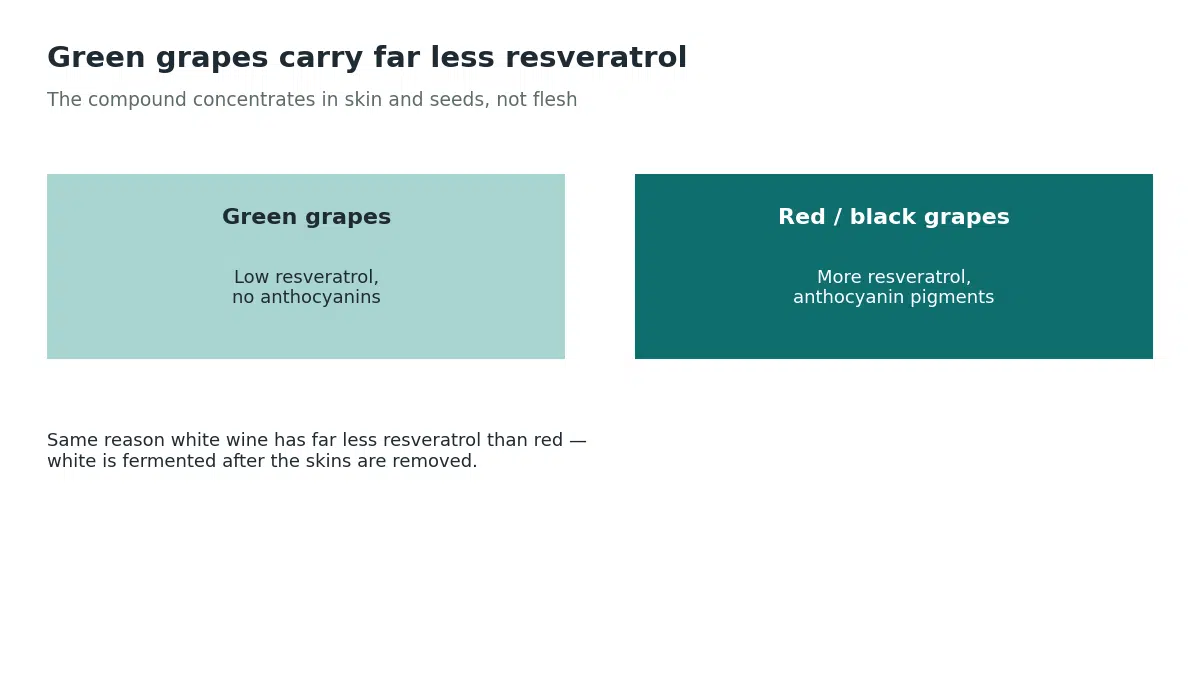
This powerful antioxidant has gained significant research attention. While red grapes contain higher concentrations, green varieties still provide meaningful amounts of this beneficial compound.
- May support heart health
- Shows potential neuroprotective properties
- Associated with longevity research
- Demonstrates anti-inflammatory activity
Vitamin and Mineral Highlights
Beyond antioxidants, the vitamin and mineral content of grapes supports numerous physiological processes. Vitamin K plays an essential role in blood clotting and bone metabolism. A single cup of grapes provides nearly one-fifth of your daily vitamin K needs.
Potassium content makes grapes particularly valuable for cardiovascular wellness. This mineral helps regulate fluid balance and supports healthy blood pressure levels. The natural copper found in grapes aids iron absorption and red blood cell formation.
The vitamin C in grapes, while modest compared to citrus fruits, still contributes to immune system function and collagen synthesis. Combined with other nutrients, it enhances the overall nutritional value of this fruit.
Green Grapes Benefits for Heart Health
The cardiovascular advantages of eating grapes have been documented in multiple research studies. The combination of potassium, polyphenols, and fiber works together to support heart function. These nutrients may help maintain healthy circulation and protect blood vessels from damage.
Grapes also contain compounds that may influence cholesterol metabolism. The antioxidant properties help protect LDL cholesterol from oxidation, a process linked to arterial plaque formation. Regular grape consumption may support overall cardiovascular wellness as part of a balanced diet.
The anti-inflammatory effects of grape compounds contribute to heart protection as well. Chronic inflammation plays a role in many cardiovascular conditions, and dietary antioxidants may help moderate inflammatory processes.
Blood Pressure Support
One of the most significant green grapes benefits relates to blood pressure regulation. The potassium content helps balance sodium’s effects in your body. This mineral supports proper vascular function and may contribute to maintaining healthy blood pressure levels.
Research suggests that diets rich in potassium-containing fruits like grapes are associated with better cardiovascular outcomes. The Harvard Health Publishing notes that adequate potassium intake supports healthy blood pressure management.
- Potassium counterbalances sodium effects
- Supports healthy vascular relaxation
- May help maintain optimal blood pressure
- Works synergistically with other nutrients
- Part of heart-healthy dietary patterns
Cholesterol and Arterial Health
The polyphenolic compounds in grapes may influence lipid profiles beneficially. Studies have examined how grape consumption affects various cholesterol markers. While results vary, some research indicates potential improvements in the ratio of HDL to LDL cholesterol.
Antioxidants help protect arterial walls from oxidative damage. This protection may reduce the risk of atherosclerosis development over time. The flavonoids in grapes support endothelial function, which is crucial for maintaining healthy blood vessel flexibility.
Research Insight: Multiple studies have investigated grape polyphenols and cardiovascular markers. While promising, researchers emphasize that grapes should be part of an overall heart-healthy dietary pattern rather than viewed as a standalone intervention.
Antioxidant Power and Immune System Support
The antioxidant capacity of green grapes extends beyond cardiovascular protection. These compounds help defend cells throughout your body against oxidative stress. This type of cellular damage accumulates from normal metabolism, environmental exposures, and aging processes.
By neutralizing free radicals, grape antioxidants may help preserve cellular integrity. This protective effect touches multiple organ systems and biological processes. The immune-supporting properties of grapes stem partly from this antioxidant activity.
Vitamin C content, though modest, contributes to immune function as well. This vitamin supports various immune cell activities and helps maintain the integrity of skin and mucous membranes that serve as barriers against pathogens.
Reducing Oxidative Stress
Oxidative stress occurs when free radical production exceeds your body’s antioxidant defenses. This imbalance can contribute to cellular aging and various health concerns. The compounds in grapes help tip the balance back toward antioxidant protection.
Research has measured the antioxidant capacity of various fruits, and grapes consistently rank well. The combination of multiple antioxidant types provides broader protection than any single compound alone. This synergistic effect amplifies the overall benefit.
How Antioxidants Work
- Neutralize unstable free radical molecules
- Prevent chain reactions of cellular damage
- Support cellular repair mechanisms
- Protect DNA from oxidative modifications
- Maintain mitochondrial function
- Preserve cell membrane integrity

Supporting Immune Function
The immune system benefits from grape consumption through multiple mechanisms. Vitamin C supports the production and function of various immune cells. The antioxidants help protect immune cells themselves from oxidative damage during their pathogen-fighting activities.
Some research suggests that grape polyphenols may modulate immune responses. They appear to support balanced immune function without overstimulating inflammatory pathways. This balanced effect promotes optimal immune performance.
- Vitamin C supports white blood cell function
- Antioxidants protect immune cell integrity
- Polyphenols may help modulate inflammation
- Nutrients support barrier function in skin and mucous membranes
- May enhance recovery from minor infections
Incorporating Grapes for Immune Support
While grapes provide immune-supporting nutrients, they work best as part of a varied diet rich in different fruits and vegetables. No single food can optimize immune function alone. Combine grape intake with other colorful produce, adequate sleep, stress management, and regular physical activity for comprehensive immune wellness.
Green Grapes Benefits for Weight Management
Many people wonder whether grapes fit into weight-conscious eating plans. Despite containing natural sugars, grapes offer several properties that may support healthy weight management. Their water content, fiber, and nutrient density contribute to satiety.
The key lies in portion awareness and how grapes fit within your overall caloric intake. A cup of grapes provides around 104 calories with substantial volume, making them a relatively low-energy-density snack. This characteristic means you can eat a satisfying portion without excessive calorie consumption.
Research on specific grape compounds has also explored potential metabolic effects. Some studies suggest that certain polyphenols may influence fat metabolism and glucose regulation, though more research is needed to fully understand these mechanisms.
Satiety and Portion Control
The combination of water and fiber in grapes contributes to feelings of fullness. While the fiber content isn’t as high as some other fruits, it still adds to the overall satiety factor. The act of eating grapes individually can also slow consumption compared to processed snacks.
Choosing whole grapes over grape juice provides advantages for weight management. Whole fruit requires chewing and takes longer to consume, which may enhance satiety signals. The juice lacks fiber and concentrates sugars into a smaller volume.
Grapes vs. Processed Snacks
Comparing grapes to typical snack foods reveals their advantages. They provide more nutrients per calorie and better support feelings of satisfaction.
- Lower calorie density than chips or cookies
- Natural sweetness satisfies cravings
- Water content adds volume
- Vitamins and minerals provide nutrition
Mindful Eating with Grapes
Eating grapes mindfully can enhance their satisfaction factor and support portion awareness.
- Eat slowly, one grape at a time
- Pre-portion servings to avoid overeating
- Combine with protein for balanced snacks
- Use as dessert alternative
Metabolic Effects of Grape Compounds
Emerging research has investigated how grape polyphenols might influence metabolic processes. Some laboratory and animal studies suggest potential effects on fat cell formation and glucose metabolism. However, human studies show mixed results.
The resveratrol in grapes has been studied for potential metabolic benefits. While laboratory research shows promise, the amounts used in studies often exceed what you’d obtain from normal grape consumption. More research is needed to understand practical applications.
What we know with confidence is that replacing high-calorie processed snacks with nutrient-dense whole fruits like grapes supports overall dietary quality. This pattern is associated with better weight management outcomes over time.
Digestive Health and Gut Support
The fiber content in grapes, while modest, contributes to digestive regularity. Dietary fiber adds bulk to stool and supports the movement of food through your digestive tract. This helps maintain comfortable, regular bowel function.
Beyond fiber, grapes contain compounds that may beneficially influence gut bacteria composition. Emerging research on the gut microbiome suggests that polyphenols from fruits can serve as fuel for beneficial bacterial species. This prebiotic-like effect may support overall gut health.
The water content in grapes also aids digestion, similar to other water-rich produce like cucumbers. Adequate hydration supports the digestive process and helps fiber function optimally. Eating water-rich fruits contributes to your overall fluid intake throughout the day.
Fiber and Regularity
A cup of grapes provides about 1.4 grams of fiber. While this represents only about 5% of daily fiber needs, every contribution counts toward meeting recommendations. The fiber in grapes is primarily insoluble, which adds bulk and supports transit time.
- Supports regular bowel movements
- Adds bulk to digestive contents
- May help prevent constipation
- Works best as part of high-fiber diet
- Combine with adequate water intake
Polyphenols and Gut Microbiome
Recent research has revealed that gut bacteria can metabolize grape polyphenols. This process produces compounds that may benefit both the bacteria and your health. The interaction between dietary polyphenols and gut microbiota represents an exciting area of nutritional science.
Some bacterial species preferentially thrive when polyphenol-rich foods are consumed regularly. These beneficial bacteria support gut barrier function and produce short-chain fatty acids that nourish intestinal cells. While research continues, early findings suggest grapes may support a healthy gut ecosystem.
Skin Health and Cognitive Function
The nutrients in grapes extend their benefits to skin health and cognitive function. Antioxidants help protect skin cells from environmental damage, including sun exposure and pollution. Vitamin C supports collagen production, which maintains skin structure and elasticity.
Emerging research has also explored how grape compounds might support brain health. The antioxidant and anti-inflammatory properties could theoretically protect neurons from age-related decline. While research continues, some studies show promising associations.
Supporting Skin Vitality
Several mechanisms may explain how eating grapes supports skin health. The antioxidants help neutralize free radicals generated by UV exposure. While this doesn’t replace sunscreen, dietary antioxidants provide internal protection that complements external sun protection.
Vitamin C participates in collagen synthesis, the protein that gives skin its firmness and structure. Adequate vitamin C intake supports skin repair processes and may help maintain youthful appearance. The hydration from water-rich fruits also benefits skin moisture from within.
Antioxidant Skin Protection
- Helps neutralize UV-generated free radicals
- May reduce oxidative skin damage
- Supports cellular repair mechanisms
- Works alongside topical protection
Nutrient Support for Skin
- Vitamin C aids collagen formation
- Copper supports elastin production
- Water content contributes to hydration
- Vitamins support skin cell turnover
Potential Cognitive Benefits
Research on grapes and brain health has examined several potential mechanisms. The polyphenols may cross the blood-brain barrier and exert protective effects on neural tissue. Animal studies have shown promising results regarding memory and cognitive function.
Human studies remain limited but suggest potential benefits. Some research indicates that regular consumption of polyphenol-rich fruits, including grapes, associates with better cognitive aging outcomes. The Mayo Clinic recommends diverse fruit intake as part of a brain-healthy diet.
- Antioxidants may protect neurons from oxidative damage
- Anti-inflammatory effects could benefit brain tissue
- Some studies suggest improved memory function
- May support healthy cognitive aging
- Works best within overall healthy lifestyle
Understanding Grapes and Blood Sugar
One common concern about eating grapes involves their natural sugar content. Grapes contain glucose and fructose that provide their sweet taste. Understanding how these sugars affect your body helps you incorporate grapes appropriately into your diet.
The glycemic index (GI) of grapes is moderate, typically ranging from 43 to 53 depending on variety. This means they cause a moderate rise in blood sugar compared to pure glucose. The presence of fiber and other nutrients slows sugar absorption compared to refined sweets.
For most people, grapes fit well into a balanced eating pattern. Those managing diabetes or prediabetes should consider portion sizes and how grapes fit within their overall carbohydrate intake for meals and snacks.
Natural Sugars vs. Added Sugars
The sugars in grapes differ fundamentally from added sugars in processed foods. Whole grapes come packaged with fiber, vitamins, minerals, and beneficial plant compounds. This nutrient matrix affects how your body processes the sugars.
When you eat whole grapes, the fiber slows digestion and sugar absorption. This leads to a more gradual blood sugar rise compared to refined sugars. The accompanying nutrients also provide health value beyond just calories.
| Comparison Factor | Whole Grapes | Grape Juice | Candy/Soda |
| Fiber Content | Present (1.4g per cup) | Minimal or none | None |
| Vitamin & Mineral Content | Substantial | Some vitamins remain | None (unless fortified) |
| Antioxidant Content | High polyphenols | Moderate (processing reduces) | None |
| Sugar Absorption Rate | Moderate (fiber slows) | Fast (no fiber) | Very fast |
| Satiety Factor | Good (fiber + volume) | Low (liquid calories) | Very low |
Portion Guidance for Blood Sugar Management
If you’re monitoring blood sugar levels, mindful portioning helps you enjoy grapes without problematic glucose spikes. A standard serving of one cup contains about 23 grams of carbohydrates. This amount fits within most meal plans when balanced with protein and healthy fats.
Pairing grapes with protein sources can further moderate blood sugar response. The protein slows stomach emptying and reduces the glycemic impact. Try grapes with cheese, nuts, or yogurt for balanced snacks.
- Stick to recommended serving sizes (1 cup or about 16-20 grapes)
- Pair with protein to moderate blood sugar response
- Avoid grape juice, which concentrates sugars without fiber
- Time grape consumption with meals rather than alone on empty stomach
- Monitor personal blood sugar response to determine best intake
- Consult healthcare provider for individualized guidance
Green Grapes vs. Other Grape Varieties

Understanding how green grapes compare to red and black varieties helps you make informed choices. While all grapes provide health benefits, some nutritional differences exist. Color variations reflect different antioxidant compositions.
Red and black grapes contain anthocyanins, the pigments responsible for their darker colors. These compounds provide additional antioxidant benefits beyond what’s found in green varieties. However, green grapes still offer substantial polyphenol content and other beneficial nutrients.
The choice between grape varieties often comes down to personal taste preference and availability. All colors contribute positively to dietary quality. Rotating between varieties provides exposure to different beneficial compounds.
Nutritional Comparison
| Component | Green Grapes | Red Grapes | Black Grapes |
| Calories (per cup) | 104 | 104 | 112 |
| Total Antioxidant Content | Moderate-High | High | Very High |
| Anthocyanins | Minimal | Moderate | High |
| Resveratrol | Present (lower) | Present (higher) | Present (highest) |
| Vitamin K | 22mcg | 22mcg | 22mcg |
| Sweetness Level | Sweet-tart | Very sweet | Very sweet |
| Skin Thickness | Thin | Medium | Thicker |
Choosing Based on Your Needs
Your personal health goals and taste preferences should guide grape variety selection. If maximizing antioxidant intake is a priority, darker varieties offer advantages. For those who prefer milder sweetness, green grapes may be more appealing.
Green grapes often have thinner skins, making them easier to eat for some people. They also tend to be slightly less sweet than red varieties, which may appeal to those monitoring sugar intake. The lighter flavor pairs well with savory dishes and cheese platters.
Benefits of Green Grapes
- Lighter, refreshing flavor
- Thinner, easier-to-eat skins
- Versatile for sweet and savory uses
- Still provide substantial polyphenols
- Often more widely available
Benefits of Red/Black Grapes
- Higher anthocyanin content
- More resveratrol per serving
- Greater total antioxidant capacity
- Sweeter flavor profile
- Additional cardiovascular research support
How to Incorporate Green Grapes Into Your Diet
Adding more grapes to your eating routine requires minimal effort. These versatile fruits work in numerous contexts throughout the day. Simple preparation and storage strategies make it easy to enjoy them regularly.
Grapes serve equally well as standalone snacks or recipe ingredients. Their natural sweetness and pleasant texture complement both sweet and savory preparations. Creative incorporation increases dietary variety while providing consistent nutritional benefits.
Simple Serving Ideas
The easiest way to enjoy grapes is washing and eating them fresh. This simple approach requires no preparation beyond rinsing. Keep washed grapes visible in your refrigerator to encourage snacking on them instead of less nutritious options.
Quick Snack Ideas
- Freeze for refreshing frozen treats
- Pair with cheese for balanced snacks
- Add to yogurt or cottage cheese
- Combine with nuts for trail mix
- Thread on skewers with other fruit
Meal Integration
- Toss into green salads for sweetness
- Add to chicken or tuna salad
- Blend into smoothies with greens
- Roast with vegetables for dinner sides
- Include in grain bowls and Buddha bowls
Creative Recipe Applications
Beyond basic snacking, grapes add interest to numerous dishes. Their sweet-tart flavor complements savory ingredients surprisingly well. Experimenting with grapes in cooking expands your culinary repertoire.
- Breakfast Enhancement: Add halved grapes to oatmeal, whole grain cereal, or breakfast quinoa for natural sweetness and nutrition.
- Salad Additions: Toss grapes into mixed green salads, grain salads, or chicken salad for bursts of juicy flavor and visual appeal.
- Smoothie Ingredient: Blend frozen grapes with leafy greens, banana, and plant milk for refreshing, naturally sweet smoothies.
- Savory Dishes: Roast grapes with Brussels sprouts or add to chicken dishes for sophisticated sweet-savory contrast.
- Dessert Component: Use grapes in fruit salads, as pie filling, or frozen as healthy ice pop alternatives.
- Cheese Accompaniment: Serve alongside cheese boards for classic pairing that enhances both flavors.
Selection and Storage Tips
Choosing high-quality grapes ensures the best flavor and nutritional value. Look for firm grapes attached securely to green, pliable stems. Avoid bunches with extensive browning or shriveled fruit.
Proper storage extends freshness and maintains nutrient content. Grapes keep best when refrigerated and unwashed until consumption. The cool temperature slows deterioration and preserves texture.
- Select bunches with green, flexible stems
- Choose firm grapes without wrinkles or soft spots
- Avoid bunches with many loose grapes
- Store unwashed in refrigerator in original bag or ventilated container
- Wash only before eating to prevent premature moisture deterioration
- Use within one week for optimal freshness and flavor
- Remove damaged grapes promptly to prevent spreading deterioration
Storage Hack: Freezing grapes provides a refreshing treat and prevents waste when you can’t finish them fresh. Simply wash, dry thoroughly, and freeze on a baking sheet before transferring to freezer bags. Frozen grapes work perfectly in smoothies or as cooling snacks on hot days.
Potential Concerns and Considerations
While grapes offer numerous health benefits, some individuals should exercise awareness regarding certain aspects. Understanding potential concerns helps you make informed decisions about grape consumption. Most people can enjoy grapes without issues when eaten in appropriate amounts.
Sugar Content Awareness
The natural sugar content in grapes warrants consideration for certain populations. People with diabetes or prediabetes should monitor portion sizes and track how grapes affect their blood glucose. The carbohydrates in grapes count toward daily totals in meal planning.
Those following very low-carbohydrate or ketogenic diets may need to limit grape intake significantly. The carbohydrate content doesn’t fit easily within strict low-carb parameters. However, for most balanced eating patterns, moderate grape consumption fits appropriately.
- Monitor portion sizes if managing blood sugar
- Count carbohydrates toward meal totals
- Pair with protein to moderate glucose response
- Choose whole grapes over juice to maximize fiber
- Consult healthcare provider for personalized guidance
Pesticide Residue Considerations
Conventionally grown grapes may contain pesticide residues. The Environmental Working Group frequently lists grapes among produce items with higher pesticide detection rates. This doesn’t necessarily mean grapes are unsafe, but it raises awareness.
Thorough washing reduces surface residues significantly. Running water alone removes much residue. For those concerned, choosing organic grapes eliminates synthetic pesticide exposure. However, organic options cost more and aren’t always available.
Washing Guidance: Rinse grapes thoroughly under running water just before eating. Gently rub the surface of each grape to help remove residues. Avoid soaps or produce washes, which aren’t necessary and may leave unwanted residue. Pat dry with clean towels or allow to air dry.
Allergies and Sensitivities
Grape allergies exist but remain relatively uncommon. Symptoms may include itching, swelling, or digestive discomfort. Some individuals with oral allergy syndrome may react to grapes if they have related pollen allergies.
Additionally, some people experience digestive sensitivity to the natural sugars in grapes, particularly when consuming large quantities. The fructose content may cause bloating or discomfort in sensitive individuals. Moderation usually prevents these issues.
Interaction with Medications
Grapes contain vitamin K, which plays a role in blood clotting. People taking anticoagulant medications like warfarin should maintain consistent vitamin K intake. Sudden increases or decreases can affect medication effectiveness.
While the vitamin K in one cup of grapes (22mcg) is moderate, consistency matters more than absolute amount. If you take blood-thinning medications, discuss fruit intake patterns with your healthcare provider to maintain stable therapeutic effects.
Frequently Asked Questions About Green Grapes Benefits
What are the main health benefits of eating green grapes?
Green grapes benefits include cardiovascular support through potassium and polyphenols, antioxidant protection from various plant compounds, immune system support from vitamin C, and digestive health promotion from fiber content. The combination of nutrients supports multiple body systems simultaneously.
These small fruits also provide hydration, natural energy from carbohydrates, and beneficial effects on skin health. The antioxidants may help protect against cellular damage and support healthy aging processes.
How many green grapes should I eat per day?
A standard serving of grapes is one cup, which contains approximately 16-20 individual grapes. This amount provides health benefits while fitting within balanced dietary patterns. Most people can comfortably consume 1-2 cups daily as part of varied fruit intake.
Your individual needs may vary based on overall caloric requirements, activity level, and health goals. Those managing blood sugar should work with healthcare providers to determine appropriate portion sizes within their meal plans.
Are green grapes good for weight loss?
Grapes can support weight management efforts when consumed in appropriate portions. Their water content and fiber contribute to satiety, while their nutrient density provides vitamins and minerals with relatively few calories. One cup contains about 104 calories.
The key is using grapes to replace higher-calorie snacks rather than adding them on top of existing intake. They work particularly well as dessert alternatives or crunchy snack substitutes. Pairing with protein sources like nuts or cheese enhances satisfaction.
Do green grapes help lower blood pressure?
Green grapes contain potassium, a mineral that supports healthy blood pressure levels by counterbalancing sodium effects. The polyphenols in grapes may also support vascular health and proper blood vessel function. However, grapes alone cannot treat high blood pressure.
For blood pressure management, grapes work best as part of a comprehensive approach including overall dietary patterns (like DASH or Mediterranean diets), regular physical activity, stress management, and appropriate medications if prescribed.
Are green grapes high in sugar?
One cup of grapes contains approximately 23 grams of natural sugar. While this amount is significant, it comes packaged with fiber, vitamins, minerals, and beneficial plant compounds. The natural sugars in whole fruit affect your body differently than added sugars in processed foods.
The fiber in whole grapes slows sugar absorption, leading to more moderate blood glucose responses compared to fruit juice or refined sweets. For most people, this amount fits appropriately within balanced eating patterns. Those with diabetes should monitor portions and blood glucose response.
What is the difference between green and red grapes nutritionally?
The primary nutritional difference lies in antioxidant composition. Red and black grapes contain anthocyanins, pigments that provide additional antioxidant benefits beyond what’s found in green varieties. Red grapes also typically contain higher resveratrol levels.
However, green grapes still provide substantial polyphenols and other beneficial compounds. The basic vitamin, mineral, and fiber content remains similar across colors. All grape varieties contribute positively to dietary quality, so choose based on taste preference and variety rotation.
Can diabetics eat green grapes?
People with diabetes can include grapes in their meal plans with appropriate portion awareness. The key is counting the carbohydrates (about 27g per cup) toward meal totals and monitoring how grapes affect individual blood sugar levels.
Pairing grapes with protein sources helps moderate glucose response. Choosing whole grapes over juice provides fiber that slows sugar absorption. Work with a registered dietitian or diabetes educator to determine how grapes fit within your personalized eating plan.
Are green grapes good for your skin?
The antioxidants in grapes may help protect skin cells from environmental damage, including UV exposure and pollution. Vitamin C supports collagen production, which maintains skin structure and elasticity. The hydration from water-rich fruit also benefits skin moisture.
While dietary factors contribute to skin health, they work best combined with topical sun protection, gentle skincare routines, adequate sleep, and hydration. No single food provides complete skin benefits alone.
Do green grapes contain antioxidants?
Yes, green grapes contain substantial amounts of various antioxidant compounds. These include flavonoids like quercetin and catechins, phenolic acids, and even some resveratrol. While darker grapes contain higher total antioxidant capacity, green varieties still provide meaningful amounts.
These antioxidants help neutralize free radicals and reduce oxidative stress throughout your body. The combination of multiple antioxidant types provides broader protection than any single compound alone.
Should I eat grapes with or without the skin?
Eating grapes with their skin provides maximum nutritional benefits. The skin contains concentrated amounts of fiber, antioxidants, and other beneficial plant compounds. Most of the polyphenol content resides in or near the skin.
Green grape skins are typically thin and easy to eat. Washing thoroughly removes surface residues while preserving nutrients. Only remove skins if you have difficulty with texture or specific digestive sensitivities to grape skins.
Can green grapes help with constipation?
The fiber and water content in grapes may support digestive regularity. While grapes contain modest fiber (1.4g per cup), they contribute to overall daily fiber intake. The high water content also aids digestion and helps fiber function optimally.
For best results with constipation, consume grapes as part of a high-fiber diet including various fruits, vegetables, whole grains, and legumes. Adequate hydration and regular physical activity also support healthy bowel function.
Are frozen grapes as healthy as fresh grapes?
Frozen grapes retain most of their nutritional value. Freezing preserves vitamins, minerals, and antioxidant compounds effectively. Some minor nutrient losses may occur, but frozen grapes remain highly nutritious and provide the same primary benefits as fresh.
Freezing actually offers advantages by preventing waste and providing refreshing treats. The texture changes when frozen, becoming firmer and more ice-like. This makes frozen grapes perfect for smoothies, cooling snacks, or replacing ice cubes in beverages.
Do green grapes have vitamin C?
Yes, green grapes contain vitamin C, though in moderate amounts compared to citrus fruits. One cup provides approximately 4.8mg, which represents about 5% of daily needs. While not a primary vitamin C source, grapes contribute to overall intake.
The vitamin C in grapes works synergistically with other antioxidants to provide protective effects. Combined with vitamin C from other fruits and vegetables throughout your day, grapes help you meet daily requirements for this essential nutrient.
Can eating too many grapes be harmful?
Consuming excessive amounts of grapes can lead to digestive discomfort, including bloating or diarrhea, due to their natural sugar and fiber content. Very high intake also adds substantial calories and carbohydrates that may interfere with weight management or blood sugar control.
For most people, 1-2 cups daily fits appropriately within balanced eating patterns. Listen to your body’s signals and maintain variety by rotating different fruits rather than relying exclusively on grapes. Moderation provides benefits without potential negative effects.
Are grapes good for heart health?
Grapes support heart health through multiple mechanisms. The potassium content helps maintain healthy blood pressure. Polyphenol antioxidants may protect blood vessels and support healthy cholesterol metabolism. The anti-inflammatory properties contribute to cardiovascular protection.
Research suggests that regular consumption of polyphenol-rich fruits like grapes associates with reduced risk of cardiovascular events. However, grapes work best as part of overall heart-healthy dietary patterns including varied fruits, vegetables, whole grains, and healthy fats.
Do grapes help boost immunity?
The vitamin C and antioxidants in grapes support immune system function. Vitamin C aids the production and activity of various immune cells. The antioxidants help protect immune cells from oxidative damage during their pathogen-fighting activities.
While grapes contribute to immune wellness, no single food can optimize immune function alone. Comprehensive immune support requires varied nutrient-dense foods, adequate sleep, stress management, regular physical activity, and healthy lifestyle habits.
What is the best time to eat grapes?
You can enjoy grapes at any time that fits your eating schedule and preferences. They work well as breakfast additions, mid-morning or afternoon snacks, dessert alternatives, or meal components. The natural sugars provide quick energy, making them particularly suitable before or after physical activity.
For blood sugar management, consuming grapes with meals or paired with protein sources helps moderate glucose response. Avoid eating large quantities on an empty stomach if you experience digestive sensitivity. Ultimately, the best time is whenever they fit comfortably within your balanced eating pattern.
Are organic grapes worth the extra cost?
Organic grapes eliminate exposure to synthetic pesticides, which may be important for some consumers. Conventionally grown grapes often show detectable pesticide residues, though within regulated safety limits. Thorough washing significantly reduces surface residues on conventional grapes.
The decision depends on your budget, priorities, and access. If cost is a concern, thoroughly washing conventional grapes provides a reasonable compromise. The health benefits of eating grapes generally outweigh concerns about residues for most people. Choose organic when budget allows and it aligns with your values.
Can children eat green grapes safely?
Grapes provide excellent nutrition for children, but they present a choking hazard for young kids. For children under age 4-5, cut grapes lengthwise into halves or quarters to reduce choking risk. Always supervise young children during eating.
Once children can safely eat whole grapes, they make nutritious snacks that most kids enjoy. The natural sweetness appeals to young palates while providing vitamins, minerals, and beneficial plant compounds. Grapes can help children develop preferences for whole fruits over processed sweets.
Making Green Grapes Part of Your Healthy Lifestyle

Understanding green grapes benefits empowers you to make informed dietary choices that support your wellness goals. These nutrient-dense fruits offer impressive health advantages packaged in convenient, naturally sweet portions. From cardiovascular support to antioxidant protection, grapes contribute positively to multiple aspects of health.
The versatility of grapes makes them easy to incorporate into daily eating patterns. Whether enjoyed as simple snacks, added to meals, or used in creative recipes, they provide consistent nutritional value. Their pleasant taste makes healthful eating more enjoyable and sustainable long-term.
Remember that grapes work best as part of varied, balanced dietary patterns. No single food provides complete nutrition or guarantees health outcomes. Combine regular grape consumption with diverse fruits, vegetables, whole grains, lean proteins, and healthy fats for comprehensive wellness support.
The research on grape compounds continues to reveal promising health connections. While science expands our understanding, you can confidently include grapes in your diet knowing they offer established nutritional benefits. Simple additions like these contribute to the larger picture of healthy living.
Consider exploring the full range of nutrition and wellness topics to build your knowledge foundation. Small, consistent dietary improvements accumulate over time to create meaningful health impacts. Your journey toward optimal wellness benefits from evidence-based information and practical strategies.
Medical Disclaimer
Important Health Information
The content provided in this article is intended for educational and informational purposes only. It should not be considered a substitute for professional medical advice, diagnosis, or treatment. Always consult with qualified healthcare providers regarding questions about medical conditions, dietary changes, or health concerns.
Individual nutritional needs vary based on age, health status, activity level, and other factors. The general information presented here may not apply to your specific situation. Before making significant dietary changes, especially if you have diabetes, kidney disease, cardiovascular conditions, or take medications, seek personalized guidance from registered dietitians or physicians.
While research supports various health benefits associated with grape consumption, individual results may differ. The studies referenced represent current scientific understanding, which continues to evolve. No food or dietary pattern can guarantee specific health outcomes or prevent disease.
If you experience adverse reactions after consuming grapes, including allergic symptoms or digestive distress, discontinue consumption and consult healthcare professionals. Pregnant or breastfeeding women should discuss dietary choices with their healthcare providers.
HealthMagHub does not endorse specific products, brands, or commercial interests. Information presented aims to educate readers about nutrition science and healthy eating principles. Reliance on any information provided is solely at your own discretion and risk.
This article does not create a doctor-patient or nutritionist-client relationship. For personalized nutrition counseling or medical treatment, establish relationships with qualified local healthcare professionals who can assess your individual circumstances.