healthmaghub
  • HOME
  • BLOG
  • REVIEWS
  • TOOLS
No Result
View All Result
  • HOME
  • BLOG
  • REVIEWS
  • TOOLS
No Result
View All Result
HealthNews
No Result
View All Result

Does Vaseline Expire? Everything You Need to Know About Petroleum Jelly Shelf Life

by Natalie Kim
July 21, 2026
Reading Time: 14 mins read
0
You reach into your medicine cabinet and find that jar of vaseline you bought years ago. The question immediately hits you: does Vaseline expire? This common concern affects millions who rely on this versatile skin care staple for everything from healing dry skin to protecting minor cuts.

Understanding whether your vaseline has gone bad matters for both safety and effectiveness. While petroleum jelly enjoys remarkable stability compared to other care products, several factors influence its usable life.

This comprehensive guide examines the shelf life of Vaseline, signs of expiration, proper storage methods, and safety considerations for using this household essential.

Understanding Vaseline and Its Composition

petroleum jelly molecular structure and ingredients

Vaseline consists of a mixture of mineral oils and waxes derived from petroleum. This semi-solid substance creates an effective barrier on the skin surface, preventing moisture loss and protecting against environmental irritants.

The refining process removes impurities and colors from crude oil, leaving behind the translucent, odorless substance we recognize. Major brands like Vaseline undergo multiple purification stages to ensure safety and consistency.

Why Vaseline Lasts So Long

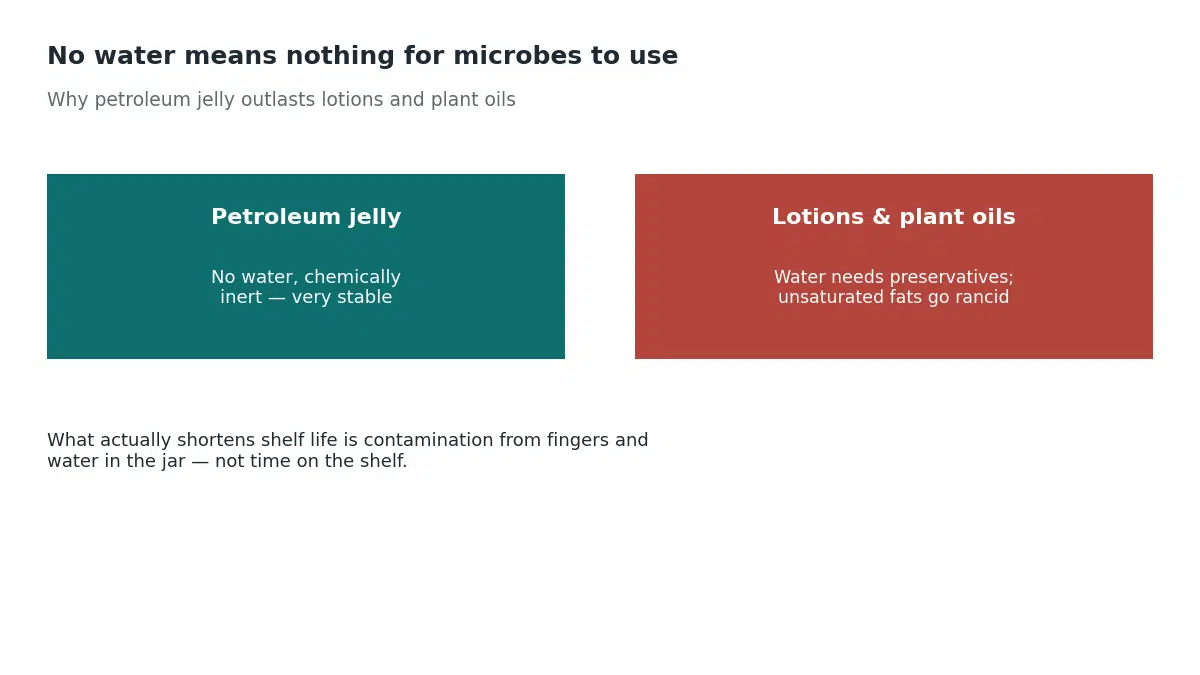
The chemical stability of petroleum gives jelly products exceptional longevity. Unlike organic moisturizers containing plant oils or botanical extracts, mineral-based formulas resist oxidation and microbial growth.

This simple composition means fewer ingredients that can degrade over time. Water-free formulations prevent bacteria proliferation that affects lotion and cream products.

Stability Factors

Several elements contribute to vaseline’s impressive shelf life and resistance to degradation.

  • Mineral-based composition resists oxidation
  • No water content prevents bacterial growth
  • Minimal ingredient complexity reduces breakdown
  • Chemical inertness maintains consistency

Comparison to Other Products

Vaseline outlasts most skincare products due to its unique formulation characteristics.

  • Lotions expire within 1-2 years typically
  • Natural oils oxidize within 6-12 months
  • Creams with preservatives last 2-3 years
  • Petroleum jelly remains stable 3+ years

Manufacturing Standards

Quality production processes ensure petroleum jelly meets safety and longevity standards.

  • Multiple purification stages remove contaminants
  • Sterile packaging prevents initial contamination
  • Quality control testing verifies stability
  • USP-grade certification ensures purity

Storage Impact

Proper storage significantly extends the usable life of petroleum jelly products.

  • Cool temperatures slow any degradation
  • Sealed containers prevent contamination
  • Dark storage protects from light exposure
  • Dry conditions prevent moisture introduction

Does Vaseline Expire? Decoding Expiration Dates

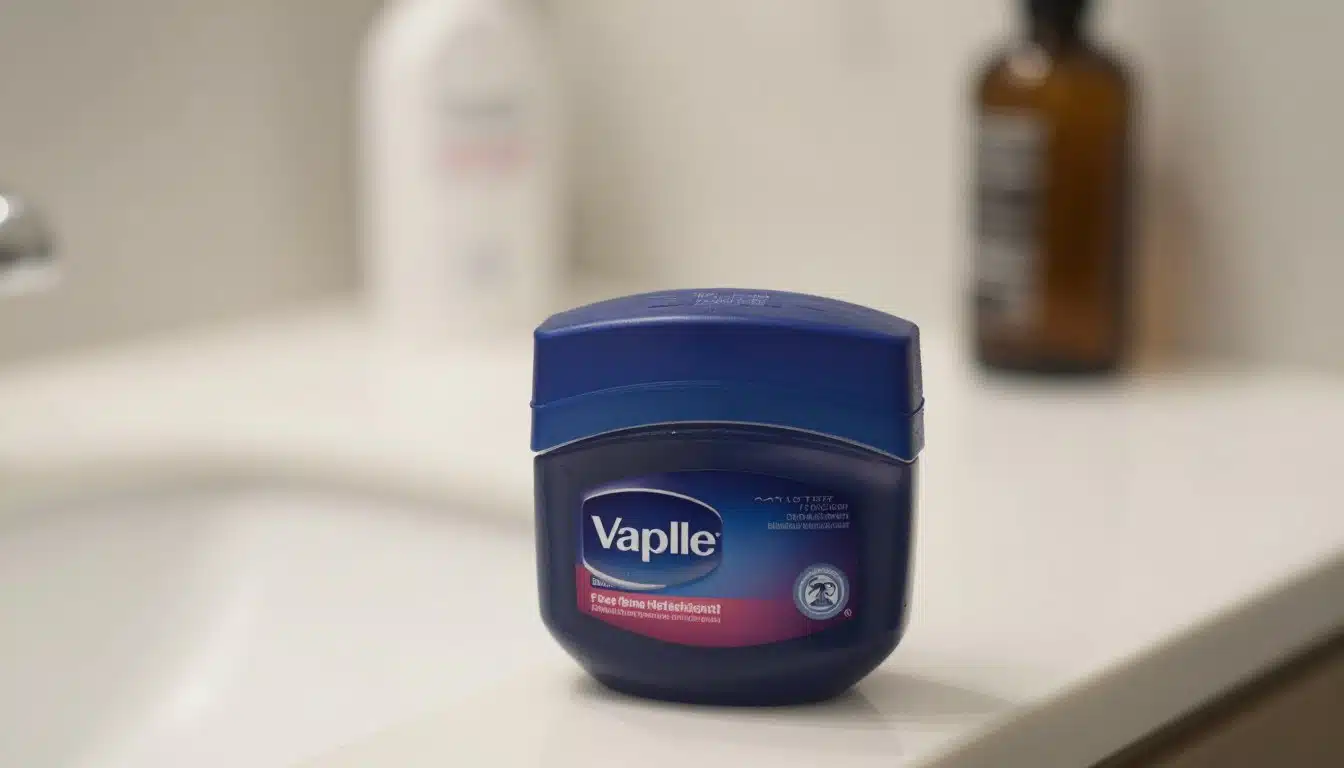
Vaseline jar with expiration date highlighted

Most Vaseline products display an expiration date or manufacturing date on the packaging. However, these dates don’t always tell the complete story about actual usability.

The typical shelf life ranges from three to five years from the manufacturing date. Some manufacturers print “best by” dates, while others include expiry date information directly on containers.

Shelf Life vs. Expiration Date

Shelf life indicates how long a product maintains optimal quality under proper storage. Expiration date marks when manufacturers can no longer guarantee full effectiveness.

For petroleum jelly, these timeframes often extend beyond printed dates when stored correctly. The product doesn’t suddenly become unsafe the day after the listed expiration date.

Storage Condition Expected Shelf Life Quality Retention Safety Considerations
Sealed, cool location 5+ years Excellent Safe throughout period
Opened, proper storage 3-4 years Very good Safe with clean use
Opened, warm environment 2-3 years Good Monitor for changes
High temperature exposure 1-2 years Fair Check before each use
Contaminated container Variable Poor Discard if contaminated

How to Tell If Your Vaseline Has Expired

Visual and textural changes signal that vaseline may have degraded. Recognizing these signs helps you determine when replacement becomes necessary.

Using expired Vaseline poses minimal health risks in most cases, but effectiveness diminishes. Fresh product provides superior skin protection and moisture retention.

Visual Indicators of Degradation

Color changes represent the most obvious sign of petroleum breakdown. Fresh Vaseline appears clear or slightly translucent, while aged product may develop yellow or brown tones.

Separation within the jar indicates chemical changes. Look for liquid pooling at the surface or crystalline formations throughout the substance.

  • Yellowing or darkening of normally clear jelly
  • Visible separation or liquid formation
  • Crystallization or grainy texture development
  • Surface film or crust formation
  • Unusual cloudiness throughout the product
  • Mold growth (rare but possible with contamination)

Smell and Texture Changes

Fresh petroleum jelly has virtually no odor. Development of rancid, chemical, or off-putting smells suggests degradation or contamination.

Texture alterations affect performance. Hardening, excessive liquidity, or grittiness indicate the product has passed its prime.

Safe to Use Signs

  • Clear or slightly translucent appearance
  • Smooth, consistent texture throughout
  • No detectable odor
  • Proper semi-solid consistency
  • Even color distribution
  • Clean container with no contamination

Discard Immediately Signs

  • Dark brown or black discoloration
  • Strong chemical or rancid smell
  • Visible mold or bacterial growth
  • Extreme hardening or liquefaction
  • Foreign particles or debris present
  • Container damage allowing contamination

Contamination Risk Factors

Introduction of bacteria occurs when fingers contact the product directly. This represents the primary contamination pathway for petroleum jelly.

Water exposure creates another concern. Moisture allows microbial growth even in typically stable products.

Proper Storage to Extend Vaseline Shelf Life

proper Vaseline storage setup

Optimal storage conditions dramatically extend usable life. Temperature control, light protection, and contamination prevention form the foundation of effective petroleum jelly preservation.

Keep containers tightly sealed between uses. Air exposure accelerates oxidation, though petroleum resists this better than organic oils.

Ideal Storage Conditions

Room temperature or slightly cooler environments work best. Avoid high temperatures that can alter texture and potentially degrade the product.

Store away from direct sunlight and heat sources. Bathroom medicine cabinets often experience temperature fluctuations that may shorten shelf life.

Storage Temperature Guidelines: Maintain petroleum jelly between 59°F and 86°F (15°C to 30°C) for optimal longevity. Extreme heat above 95°F (35°C) can cause separation, while freezing temperatures may alter consistency temporarily.

Preventing Contamination

Use clean applicators rather than fingers when possible. Cotton swabs, clean spatulas, or disposable applicators prevent introducing bacteria into the jar.

Never return unused product to the container. This practice introduces contaminants that compromise the entire batch.

  • Always close lid tightly after each use
  • Keep container away from water sources
  • Use clean, dry hands or tools for application
  • Store in original container when possible
  • Avoid storing in humid bathroom environments long-term
  • Keep away from direct sunlight and heat sources

Is Using Expired Vaseline Safe?

dermatologist examining petroleum jelly safety

Expired Vaseline typically poses minimal health risks when used externally. The main concerns involve reduced effectiveness rather than active harm.

However, certain applications require extra caution. Using degraded product on open wounds, burns, or severely compromised skin increases infection risk.

When Expired Vaseline Remains Safe

For intact skin applications, slightly expired petroleum jelly usually causes no problems. Minor dry skin relief and basic moisture protection continue functioning past printed dates.

Chapped lips, rough elbows, and similar dry patches generally tolerate older product without issue. The barrier function persists even as optimal freshness declines.

Situations Requiring Fresh Product

Sensitive skin benefits from fresh petroleum jelly. Degraded product may contain oxidation byproducts that irritate reactive skin types.

Medical applications demand current products. Never use expired Vaseline on surgical sites, serious burns, or deep wounds.

  • Infant care and diaper rash treatment
  • Post-surgical wound protection
  • Burn treatment and healing support
  • Eczema or psoriasis management
  • Facial skin care for acne-prone individuals
  • Any application on broken or infected skin

Lower Risk Uses

These applications tolerate slightly expired petroleum jelly with minimal concern for most people.

  • Moisturizing intact dry skin on body
  • Protecting hands during outdoor work
  • Lubricating household items
  • Removing makeup from healthy skin
  • Softening rough heels and elbows

Higher Risk Uses

These situations demand fresh petroleum jelly to ensure safety and optimal therapeutic benefit.

  • Treating infant skin conditions
  • Managing facial skin care routines
  • Applying to open wounds or cuts
  • Supporting medical healing processes
  • Caring for sensitive or compromised skin

Allergic Reactions and Sensitivities

True allergic reactions to pure petroleum jelly remain extremely rare. Most reported sensitivities involve added fragrances or other ingredients in specialized formulations.

Degraded product may increase sensitivity risk. Oxidation creates compounds that weren’t present in fresh jelly, potentially triggering reactions in susceptible individuals.

Shelf Life Variations Across Vaseline Products

various Vaseline product types displayed

Not all Vaseline products share identical longevity. Formulations containing additional ingredients expire faster than pure petroleum jelly.

Lotion and cream versions with water content require preservatives and have shorter shelf lives. These typically last 2-3 years compared to pure jelly’s longer duration.

Pure Petroleum Jelly vs. Enhanced Formulas

Original Vaseline petroleum jelly without additives maintains stability longest. The single-ingredient composition resists degradation remarkably well.

Scented varieties, tinted products, and formulas with vitamins or other additives expire sooner. These components oxidize or break down faster than base petroleum.

Product Type Typical Shelf Life Key Ingredients Storage Notes
Pure petroleum jelly 3-5 years 100% petrolatum Most stable formulation
Vaseline Intensive Care lotion 2-3 years Water, petrolatum, glycerin Keep sealed, refrigerate after opening
Lip Therapy products 2-3 years Petrolatum, flavors, colors Avoid heat exposure
Healing Jelly varieties 3-4 years Petrolatum plus vitamins/aloe Monitor for ingredient separation
Clinical Care formulas 2-3 years Complex multi-ingredient blends Follow package directions closely

Travel-Size and Multi-Use Containers

Smaller containers used frequently may experience more contamination. Each opening introduces potential bacteria and air exposure.

Consider dedicating specific jars to particular uses. Separate containers for hands, face, and body prevent cross-contamination and extend individual product life.

Tips to Make Your Vaseline Last Longer

Strategic practices help maximize petroleum jelly longevity. Small habit changes significantly impact product preservation.

Purchase appropriately sized containers for your usage patterns. Large jars sitting partially used for years face greater contamination risk than smaller sizes replaced regularly.

Smart Purchasing Practices

Check manufacturing dates before purchase when possible. Fresher product provides more usable time before quality concerns arise.

Avoid bulk purchases unless you use significant quantities. While economical initially, excessive stock may expire before consumption.

  • Record purchase date directly on container with permanent marker for easy reference
  • Buy sizes matching your consumption rate – smaller jars for occasional users, larger for regular applications
  • Inspect packaging integrity before purchase to ensure proper sealing
  • Choose plain formulations over scented varieties for longest shelf life
  • Store backup containers in cool, dark location until needed
  • Rotate stock using oldest products first when maintaining multiple containers

Application Hygiene

Maintain clean application tools dedicated to petroleum jelly use. Cotton swabs, small spatulas, or cosmetic applicators prevent contamination.

Wash hands thoroughly before touching product if direct contact becomes necessary. This simple step prevents bacterial transfer.

Brand Differences in Petroleum Jelly Shelf Life

While Vaseline dominates the market, numerous brands produce petroleum jelly. Quality and shelf life vary based on purification processes and ingredient purity.

USP-grade (United States Pharmacopeia) petroleum jelly meets strict purity standards. These pharmaceutical-grade products typically offer consistent quality across brands.

Name Brand vs. Generic Options

Major brands like Vaseline undergo rigorous testing and quality control. This ensures consistent product stability and predictable shelf life.

Generic petroleum jelly meeting USP standards performs comparably. Price differences often reflect marketing rather than actual quality variations.

Specialty and Medical-Grade Products

Medical-grade petroleum jelly used in healthcare settings maintains highest purity standards. These formulations justify premium pricing through superior refinement.

Specialty skincare products blending petroleum jelly with therapeutic ingredients serve specific needs. Their shelf life depends on additional components rather than base petroleum.

Disposal and Environmental Considerations

proper petroleum jelly disposal methods

Expired petroleum jelly requires proper disposal. While not hazardous waste, petroleum-based products shouldn’t enter water systems.

Most containers accept regular trash disposal. Scrape remaining product into trash before recycling appropriate packaging materials.

Recycling Petroleum Jelly Containers

Glass jars typically qualify for standard recycling after thorough cleaning. Remove residual product completely before placing in recycling bins.

Plastic containers vary by local recycling program. Check packaging for recycling symbols and verify acceptance with your municipality.

Reducing Product Waste

Purchase only quantities you’ll reasonably consume. This reduces waste from expired products while ensuring freshest skin care effectiveness.

Share excess product with family or friends before expiration. Fresh Vaseline transferred to clean containers makes practical gifts.

Creative Uses for Aging Petroleum Jelly

Even when no longer ideal for skin care, aging petroleum jelly serves numerous household purposes. These applications make use of older product before disposal becomes necessary.

Never apply product unsuitable for skin contact to your body. Reserve questionable jelly exclusively for non-skin applications.

Household and Workshop Applications

Lubricating hinges, tools, and mechanical parts represents perfect use for aging petroleum jelly. The barrier properties continue functioning effectively.

Protecting metal surfaces from rust and corrosion extends tool life. Apply thin layers to prevent oxidation during storage.

  • Lubricating door hinges and drawer slides
  • Protecting garden tools from rust
  • Conditioning leather goods and shoes
  • Removing stuck rings from fingers
  • Preventing battery terminal corrosion
  • Easing installation of light bulbs
  • Protecting outdoor light fixtures
  • Conditioning baseball gloves

Common Myths About Vaseline Expiration

Misinformation about petroleum jelly shelf life circulates widely. Separating fact from fiction helps make informed decisions about product use and safety.

Understanding the science behind petroleum stability clarifies which concerns merit attention and which represent unfounded worries.

Myth: Petroleum Jelly Never Expires

While remarkably stable, petroleum jelly does eventually degrade. Oxidation occurs slowly over years, and contamination risks increase with time and use.

The truth: Properly stored pure petroleum jelly maintains quality for many years but doesn’t remain optimal indefinitely.

Myth: Expired Vaseline Causes Skin Damage

Panic about using slightly expired product often exceeds actual risk. Degraded petroleum jelly rarely causes active harm to intact skin.

The truth: Effectiveness diminishes before safety becomes a concern for most applications. Reduced moisture barrier function represents the primary issue rather than toxicity.

“The chemical stability of properly refined petroleum jelly makes it one of the most enduring skincare products available. While we recommend respecting expiration dates, the actual degradation process occurs gradually, and slightly aged product typically maintains safety for non-medical applications.”

Myth: All Petroleum Jelly Products Are Identical

Purification quality varies significantly across brands and grades. Medical-grade products undergo more rigorous refinement than industrial petroleum jelly.

The truth: USP-grade certification ensures minimum purity standards, but processing differences create quality variations affecting both performance and shelf life.

What Dermatologists Say About Vaseline Shelf Life

dermatologist consultation about skincare products

Medical professionals recognize petroleum jelly as a safe, effective moisturizer for various skin conditions. Dermatologists routinely recommend it for dry skin, minor wounds, and barrier protection.

Healthcare providers emphasize using fresh product for medical applications. While aged Vaseline may work for cosmetic purposes, therapeutic uses demand optimal quality.

Clinical Applications and Freshness Standards

Hospitals and medical facilities maintain strict product rotation protocols. This ensures patients receive petroleum jelly at peak effectiveness for wound care and skin protection.

Home medical applications should follow similar standards. Replace products used for wound care, post-surgical recovery, or managing chronic skin conditions regularly.

According to research published by the National Institutes of Health, petroleum jelly demonstrates excellent barrier properties that support skin healing when applied correctly with proper hygiene practices.

Professional Storage Recommendations

Medical-grade petroleum jelly storage follows pharmaceutical standards. Temperature-controlled environments and contamination prevention protocols ensure product integrity.

Home users benefit from adopting simplified versions of these practices. Cool, dry storage with attention to contamination prevention maintains product quality effectively.

Petroleum Jelly vs. Alternative Moisturizers

Many moisturizers compete with petroleum jelly for skin care applications. Each offers distinct advantages regarding texture, absorption, and shelf life.

Natural alternatives appeal to consumers seeking plant-based options. However, these typically expire faster than mineral-based products.

Natural Oils and Butters

Coconut oil, shea butter, and similar natural moisturizers provide rich hydration. These organic options oxidize relatively quickly, requiring replacement every 6-12 months.

The shelf life disadvantage accompanies benefits like vitamins and fatty acids. Choose based on priorities balancing longevity against additional nutrients.

Petroleum Jelly Benefits

  • Exceptional shelf life (3-5 years)
  • Hypoallergenic and fragrance-free
  • Superior moisture barrier function
  • Minimal contamination risk
  • Cost-effective per application
  • Temperature stable formulation

Natural Alternative Benefits

  • Plant-based ingredient sourcing
  • Contains vitamins and antioxidants
  • Absorbs into skin more readily
  • Pleasant natural fragrances
  • Supports sustainable agriculture
  • May provide additional skin benefits

Petroleum Jelly Limitations

  • Petroleum-derived ingredient base
  • May feel heavy or greasy
  • Doesn’t absorb into skin
  • No additional nutritive value
  • Can stain clothing if overapplied
  • Not suitable for all skin types

Lotion and Cream Formulations

Water-based lotions absorb quickly and feel lighter on skin. These convenience factors trade against shorter shelf life and preservative requirements.

Cream products balance absorption with moisturizing power. Most contain preservatives extending life to 2-3 years but still expire faster than pure petroleum jelly.

Frequently Asked Questions About Vaseline Expiration

Does Vaseline expire if unopened?

Unopened Vaseline typically lasts 3-5 years from manufacturing when stored properly. The sealed container prevents contamination and air exposure, maintaining optimal quality throughout this period. Check the expiration date printed on packaging for manufacturer recommendations specific to your product.

How long does Vaseline last after opening?

Opened petroleum jelly remains effective for 3-4 years when handled with clean applicators and stored correctly. Contamination from fingers or dirty tools shortens this timeframe. Always close the lid tightly and keep the jar away from moisture to maximize shelf life.

Can you use 10 year old Vaseline?

Vaseline that’s 10 years old may still appear normal but has likely degraded beyond optimal effectiveness. While not necessarily dangerous for intact skin, such aged product shouldn’t be used for medical purposes, on sensitive skin, or for facial applications. Household uses represent safer options for very old petroleum jelly.

What happens if you use expired petroleum jelly?

Using expired petroleum jelly on intact skin typically causes no immediate harm. The primary effect involves reduced moisture barrier effectiveness rather than active skin damage. However, degraded product may irritate sensitive skin or compromise healing when applied to wounds. Discard jelly showing discoloration, odor, or texture changes.

Does petroleum jelly go bad if left in heat?

High temperatures can alter petroleum jelly consistency and potentially accelerate degradation. Heat exposure may cause separation or liquefaction, though the product often returns to normal texture when cooled. Repeated heating cycles reduce shelf life more significantly than single exposure incidents. Store petroleum products away from heat sources for longest durability.

How can you tell if Vaseline has gone bad?

Signs of spoiled Vaseline include yellowing or darkening color, unusual odors, separation into layers, crystalline or grainy texture, and visible mold (rare). Fresh petroleum jelly appears clear or translucent, has no smell, and maintains smooth, even consistency. Discard product showing any abnormal characteristics.

Is it safe to use Vaseline on baby skin?

Fresh, pure petroleum jelly is generally safe for baby skin and commonly used for diaper rash prevention. However, only use current, unexpired product on infants. Babies’ delicate skin deserves the freshest, most pure formulations available. Consult your pediatrician about specific skin care recommendations for your child.

Does Vaseline prevent moisture loss effectively?

Petroleum jelly creates an effective barrier reducing transepidermal water loss by up to 98%. This occlusive property makes it excellent for sealing in moisture on dry skin. Apply to slightly damp skin after bathing for best results, trapping water against the skin surface.

Can expired Vaseline be recycled or composted?

Expired petroleum jelly itself cannot be composted as it’s a mineral-based product that doesn’t biodegrade. Dispose of old product in regular trash. Clean empty containers thoroughly before recycling if your local program accepts the packaging material type. Glass jars typically recycle more readily than plastic versions.

Should Vaseline be refrigerated to extend shelf life?

Refrigeration isn’t necessary for petroleum jelly and may actually harden the product uncomfortably. Room temperature or slightly cooler storage works best. Keep the jar in a cool, dry location away from direct sunlight and heat sources for optimal shelf life without refrigeration.

Is there a difference between petroleum jelly brands?

Quality varies based on purification standards. USP-grade petroleum jelly from reputable brands meets strict purity requirements regardless of price differences. Generic products meeting these standards perform comparably to name brands. Medical-grade formulations undergo additional refinement justifying higher costs for clinical applications.

Can Vaseline help with eczema and dry skin conditions?

Dermatologists frequently recommend petroleum jelly for managing eczema and dry skin conditions. The occlusive barrier helps retain moisture and protect compromised skin. For therapeutic applications, always use fresh product and apply to clean skin. According to Mayo Clinic guidance, regular moisturizer application significantly improves chronic dry skin management.

What’s the best container size to buy?

Purchase sizes matching your consumption rate. Frequent users benefit from larger containers offering better value, while occasional users should choose smaller jars that will be used within 1-2 years. Consider buying multiple small containers for different locations rather than one large jar used irregularly.

Does Vaseline work as a makeup remover?

Petroleum jelly effectively removes makeup, including waterproof formulations. The oil-based composition dissolves cosmetics gently. However, it may feel heavy on facial skin and requires thorough cleansing afterward. Use only fresh product on your face and follow with a gentle cleanser to remove residue.

Can Vaseline clog pores or cause acne?

Pure petroleum jelly is non-comedogenic and doesn’t directly clog pores. However, the occlusive barrier may trap bacteria and sebum if applied to unclean skin, potentially contributing to breakouts. Those prone to acne should use petroleum jelly sparingly on facial skin and ensure thorough cleansing before application.

How should I dispose of old Vaseline containers?

Scrape remaining product into trash, then clean containers with hot soapy water. Glass jars can typically be recycled after thorough cleaning. Check packaging for recycling symbols and verify acceptance with your local recycling program for plastic containers. Properly cleaned jars may also be repurposed for storage.

Final Thoughts on Vaseline Expiration

Understanding petroleum jelly shelf life helps you make informed decisions about product safety and effectiveness. While Vaseline enjoys exceptional stability compared to most skincare products, it doesn’t last forever.

The key takeaways center on proper storage, contamination prevention, and recognizing degradation signs. Fresh product provides optimal benefits for skin care applications, while aged petroleum jelly can serve household purposes.

Monitor your petroleum jelly for color changes, unusual odors, or texture alterations. When in doubt, replace the product rather than risk reduced effectiveness or potential irritation.

Smart purchasing practices matching container sizes to usage patterns prevent waste while ensuring you always have fresh product available. Regular rotation and proper storage extend shelf life naturally.

Remember that while slightly expired Vaseline rarely poses serious health risks for intact skin, medical applications and sensitive skin care demand fresh formulations. Reserve older product for non-medical household uses when quality becomes questionable.

By following these guidelines, you’ll maximize both the longevity and effectiveness of your petroleum jelly products, ensuring this versatile skin care staple continues serving its many valuable purposes.

Medical Disclaimer

Important Health Information: This article provides general educational information about petroleum jelly shelf life and safety. It does not constitute medical advice and should not replace consultation with qualified healthcare professionals.

Always consult your physician, dermatologist, or other qualified healthcare provider regarding specific skin conditions, medical applications, or concerns about product safety. Individual circumstances vary, and professional medical guidance ensures appropriate care for your unique situation.

If you experience adverse reactions to any skincare product, discontinue use immediately and seek medical attention. This content reflects current understanding and best practices but may not address all individual circumstances or recent developments in dermatological research.

The information presented comes from reputable sources and current scientific understanding, but skincare recommendations evolve as new research emerges. Stay informed through ongoing consultation with healthcare professionals and reliable medical resources.

Related Posts

Can Ashwagandha Cause Weight Loss?
BLOG

Can Ashwagandha Cause Weight Loss?

July 23, 2026
Best High Fiber Foods for Pregnancy
BLOG

Best High Fiber Foods for Pregnancy for Healthy Moms

July 23, 2026
Food Sources of Tyrosine
BLOG

Food Sources of Tyrosine: Your Complete Guide to This Essential Amino Acid

July 23, 2026
Which Is the Best Tea for Weight Loss?
BLOG

Which Is the Best Tea for Weight Loss? Science-Backed Guide to 12 Effective Teas

July 22, 2026
Best Breakfast Cereals for Diabetics
BLOG

Best Breakfast Cereals for Diabetics: Smart Choices for Blood Sugar Control

July 22, 2026
Should Diabetics Eat Banana?
BLOG

Should Diabetics Eat Banana? A Complete Guide to Blood Sugar and Fruit

July 22, 2026
Natural Remedies for Nose Congestion
BLOG

Natural Remedies for Nose Congestion: Proven Solutions for Clear Breathing

July 22, 2026
freshly brewed green tea in transparent cup showing golden-green color with pH testing strip
BLOG

Is Green Tea Acidic? Understanding pH Levels and Health Implications

July 22, 2026
ProDentim Reviews: What Real Users Are Saying About This Oral Health Supplement
REVIEWS

ProDentim Reviews: What Real Users Are Saying About This Oral Health Supplement

July 24, 2026
How to Get Rid of Fat Neck
BLOG

How to Get Rid of Fat Neck: Complete Solutions Guide

July 22, 2026
Load More

Leave a Reply Cancel reply

Your email address will not be published. Required fields are marked *

I agree to the Terms & Conditions and Privacy Policy.

Our Mission

At HealthMagHub, our mission is to empower individuals and families to make informed health decisions by providing accurate, evidence-based, and easy-to-understand health information. We are committed to delivering high-quality content across a wide range of topics, including nutrition, fitness, weight management, men’s and women’s health, mental wellness, healthy aging, disease prevention, and in-depth health product reviews. Every article is carefully researched, fact-checked, and written with our readers’ well-being in mind. Our goal is to simplify complex health topics, promote healthier lifestyles, and build a trusted resource where people can confidently find reliable guidance, practical wellness tips, and the latest insights to support a healthier, happier life.

Can Ashwagandha Cause Weight Loss?
BLOG

Can Ashwagandha Cause Weight Loss?

by Jenna Castillo
July 23, 2026
0

Affiliate Disclosure: This article contains affiliate links. We may earn a commission from purchases made through these links at no...

Read moreDetails
Best High Fiber Foods for Pregnancy

Best High Fiber Foods for Pregnancy for Healthy Moms

July 23, 2026
Food Sources of Tyrosine

Food Sources of Tyrosine: Your Complete Guide to This Essential Amino Acid

July 23, 2026
Which Is the Best Tea for Weight Loss?

Which Is the Best Tea for Weight Loss? Science-Backed Guide to 12 Effective Teas

July 22, 2026
Best Breakfast Cereals for Diabetics

Best Breakfast Cereals for Diabetics: Smart Choices for Blood Sugar Control

July 22, 2026

Categories

  • BLOG
  • Brain Health
  • General Fitness
  • Hearing Health
  • Joint Health
  • Men's Health
  • Neuropathy Help
  • Oral Health
  • Prostate Health
  • REVIEWS
  • Skin Health
  • Toenail Fungus Help
  • Weight Loss
  • HOME
  • ABOUT
  • PRIVACY POLICY
  • Terms & Conditions
  • Affiliate Disclosure
  • Medical Disclaimer
  • Contact Us
  • SUBMIT YOUR REVIEW

© 2026 HealthMagHub. Trusted Health. Smarter Living. All Rights Reserved.

No Result
View All Result
  • HOME
  • BLOG
  • REVIEWS
  • TOOLS

© 2026 HealthMagHub. Trusted Health. Smarter Living. All Rights Reserved.

This website uses cookies. By continuing to use this website you are giving consent to cookies being used. Visit our Privacy and Cookie Policy.