The appearance of white spots or patches affects countless individuals each year. Understanding what these marks mean helps you respond appropriately and seek care when necessary.
Multiple conditions create white patches on your lips and inside your mouth. Some resolve without intervention, while others require professional medical attention and targeted treatment approaches.
Seek Immediate Medical Attention If: Your white patch bleeds easily, grows rapidly, causes severe pain, or accompanies difficulty swallowing. These symptoms may indicate conditions requiring urgent evaluation.
What Causes White Patch on Lips and Mouth Tissue
Various conditions create white discolorations on your lips and oral tissue. Identifying the underlying cause determines the appropriate treatment approach and urgency of medical care.
Common Benign Causes
Many white patches stem from harmless conditions that pose no serious health risks. These typically respond well to conservative management or resolve independently over time.
Fordyce spots represent one of the most frequent benign causes. These tiny yellowish-white bumps appear when sebaceous glands become visible beneath thin lip skin.
These harmless bumps affect approximately 70-80% of adults. They require no treatment unless you find them cosmetically bothersome.
- Fordyce spots: Small yellowish-white bumps caused by visible oil glands
- Milia: Tiny white cysts formed by trapped keratin beneath skin surface
- Canker sores: Painful ulcers that may appear white or yellow in their center
- Minor trauma: Injuries from biting, dental work, or irritation creating temporary white areas
- Cold sores healing stage: Herpes simplex lesions developing white crusts during recovery
Fungal and Bacterial Conditions
Oral thrush creates creamy white patches inside your mouth and on lips. This fungal infection results from Candida yeast overgrowth when your immune system weakens or after antibiotic use.
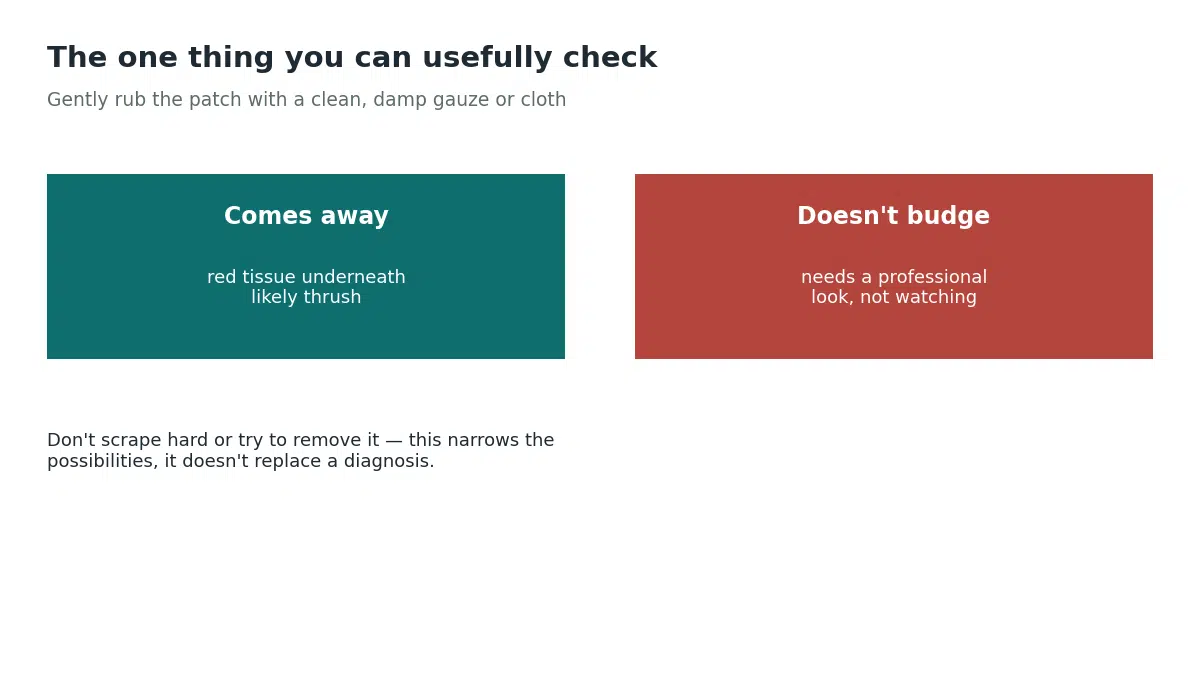
The white patches from thrush wipe away easily, revealing red inflamed tissue underneath. You might notice a cottony feeling in your mouth alongside the visible white spots.
People with compromised immune systems face higher thrush risk. Diabetes, HIV, cancer treatment, and certain medications increase susceptibility to this fungal condition.
Precancerous and Cancerous Conditions
Some white patches signal potentially serious conditions requiring immediate medical evaluation. Early detection significantly improves treatment outcomes for these conditions.
Leukoplakia creates thick white patches that cannot be scraped off. These patches develop in response to chronic irritation from tobacco, alcohol use, or repeated friction against teeth.
While most leukoplakia patches remain benign, a small percentage may become cancerous over time. Medical monitoring becomes essential for anyone diagnosed with this condition.
Oral cancer sometimes manifests as white or red patches that persist beyond two weeks. These patches may feel rough, develop into sores, or cause numbness in surrounding tissue.
Important Distinction: Not all white patches indicate cancer. However, any persistent white patch lasting more than two weeks warrants professional medical evaluation to rule out serious conditions.
Risk Factors That Increase White Patch Development
Certain lifestyle factors and health conditions elevate your likelihood of developing white patches on your lips. Understanding these risk factors helps you take preventive measures and recognize when medical evaluation becomes necessary.
Tobacco and Alcohol Consumption
Chewing tobacco directly irritates oral tissue, creating ideal conditions for leukoplakia development. The constant contact between tobacco and your mouth tissue triggers cellular changes that manifest as white patches.
Smoking cigarettes, cigars, or pipes similarly increases risk. The combination of heat, chemicals, and smoke creates chronic irritation that damages delicate lip and mouth cells.
Alcohol consumption compounds tobacco’s harmful effects. Heavy alcohol use irritates oral tissue and may weaken your immune system’s ability to maintain healthy mouth tissue.
- Smokeless tobacco users show 50 times higher leukoplakia risk compared to non-users
- Combined tobacco and alcohol use creates synergistic damage to oral tissue
- Even former tobacco users maintain elevated risk for several years after quitting
- Electronic cigarettes and vaping products also irritate sensitive mouth tissue
Compromised Immune Function
A weakened immune system struggles to maintain healthy oral tissue and fight off infections like oral thrush. Various conditions and medications affect immune function.
HIV/AIDS patients experience higher rates of oral thrush and other mouth conditions. The virus progressively weakens immune defenses, allowing opportunistic infections to flourish.
Cancer treatment including chemotherapy and radiation therapy temporarily suppresses immune function. Patients undergoing these treatments often develop white patches and oral infections during their treatment course.
Medical Conditions Affecting Immunity
- Diabetes and poor blood sugar control
- Autoimmune disorders
- Organ transplant recipients
- Chronic corticosteroid use
Medications That Weaken Defenses
- Immunosuppressant drugs
- Long-term antibiotic therapy
- Inhaled corticosteroids
- Chemotherapy agents
Chronic Irritation and Dental Issues
Repeated friction against your lips and mouth tissue triggers protective responses that sometimes manifest as white patches. Dental appliances, rough teeth, and habitual behaviors create ongoing irritation.
Ill-fitting dentures rub constantly against gum tissue and inner lip surfaces. This persistent irritation may cause white patches to develop where the denture makes repeated contact.
Sharp tooth edges from chips, breaks, or dental work can chronically irritate adjacent soft tissue. Your body’s attempt to protect these areas may result in thickened white patches.
Recognizing Different Types of White Bumps on Lips
The characteristics of your white patches provide important clues about their underlying cause. Examining specific features helps distinguish between benign conditions and those requiring medical attention.
Appearance and Texture Variations
Different conditions create distinctive appearances. Learning to recognize these patterns helps you communicate effectively with healthcare providers about your symptoms.

White bumps on lips from fordyce spots appear as small, painless, slightly raised dots scattered across your lip surface. These remain consistent in size and don’t change rapidly.
Thrush creates soft, creamy patches that wipe away when you rub them with gauze or a tongue depressor. The underlying tissue appears red and may bleed slightly when the white coating removes.
Leukoplakia produces thick, raised patches with distinct borders. These feel firm or hard to the touch and cannot be wiped away like thrush patches.
| Condition | Appearance | Texture | Pain Level |
| Fordyce Spots | Tiny yellowish-white bumps | Smooth, slightly raised | Painless |
| Oral Thrush | Creamy white patches | Soft, wipeable | Mild discomfort |
| Leukoplakia | Thick white or gray patches | Firm, raised, non-wipeable | Usually painless |
| Oral Lichen Planus | Lacy white lines or patches | Flat or slightly raised | May burn or sting |
| Canker Sore | White or yellow center with red border | Crater-like depression | Very painful |
Associated Symptoms to Monitor
White patches rarely occur in complete isolation. Accompanying symptoms provide valuable diagnostic information about the underlying condition causing your white patches.
Burning sensations often accompany oral thrush and oral lichen planus. You might experience persistent discomfort that intensifies when eating spicy or acidic foods.
Bleeding represents a concerning symptom requiring prompt medical evaluation. White patches that bleed spontaneously or with minimal touch may indicate more serious conditions.
- Numbness: Loss of sensation around the patch area may signal nerve involvement
- Difficulty swallowing: Patches extending into throat create swallowing problems
- Taste changes: Altered taste perception or persistent bad taste
- Swelling: Surrounding tissue inflammation or enlarged lymph nodes
- Persistent pain: Ongoing discomfort lasting beyond normal healing timeframes
Growth Patterns and Timeline
How quickly your white patches appear and whether they change over time offers diagnostic clues. Rapid changes warrant more immediate medical attention than stable, long-standing patches.
Fordyce spots typically remain stable in size and number. While new spots may appear gradually over months or years, individual bumps don’t grow rapidly or change character.
Cancerous or precancerous patches often demonstrate progressive growth. A patch that enlarges noticeably over weeks or develops irregular borders requires professional evaluation.
When to Seek Medical Attention for White Patches
Determining when white patches require professional evaluation can feel challenging. Specific warning signs indicate conditions that need prompt medical assessment rather than watchful waiting.
Urgent Warning Signs
Certain characteristics signal potentially serious conditions requiring immediate healthcare provider evaluation. Don’t delay seeking medical help when these warning signs appear.
Any white patch persisting beyond two weeks deserves medical evaluation. While many benign conditions resolve within this timeframe, patches lasting longer may indicate conditions requiring treatment.
Changes in patch appearance, especially rapid growth or development of irregular borders, warrant immediate attention. These alterations may signal progression toward more serious conditions.
See Your Doctor Immediately If You Experience:
- White patches that bleed spontaneously or with minimal contact
- Rapid patch growth over days or weeks
- Severe pain that interferes with eating or speaking
- Difficulty swallowing or breathing
- Patches accompanied by unexplained weight loss
- Numbness spreading beyond the patch area
- Lumps in your neck or swollen lymph nodes
Routine Medical Evaluation Indicators
Some situations call for medical evaluation within a reasonable timeframe rather than emergency care. Schedule an appointment with your healthcare provider when these circumstances arise.
New white patches appearing after starting medication may represent side effects requiring adjustment. Your doctor can determine whether medication changes would benefit your oral health.
Patches interfering with daily activities like eating, speaking, or oral hygiene merit professional assessment. Even if not medically urgent, quality of life concerns justify seeking treatment options.
- White patches persisting beyond two weeks without improvement
- Recurrent patches that repeatedly return after clearing
- Multiple white areas appearing simultaneously throughout your mouth
- Patches accompanied by persistent hoarseness or throat discomfort
- History of tobacco or heavy alcohol use with any oral changes
- Compromised immune system with new oral symptoms
Preventive Screening Recommendations
Regular dental examinations include oral cancer screening. Your dentist examines all mouth tissue systematically, identifying concerning changes you might miss during self-examination.
Annual or semi-annual dental visits provide opportunities for early detection. Dentists receive training to recognize suspicious patches and refer patients for specialized evaluation when necessary.
People with elevated risk factors benefit from more frequent professional monitoring. Discuss appropriate screening intervals with your healthcare provider based on your individual risk profile.
How Healthcare Providers Diagnose White Lip Patches
Accurate diagnosis requires professional medical evaluation. Healthcare providers employ systematic approaches combining physical examination with diagnostic testing when necessary.
Initial Clinical Examination
Your healthcare provider begins with thorough visual inspection of your lips, mouth, and throat. This examination assesses patch characteristics including size, location, texture, and appearance.
The provider gently palpates patches to assess texture and firmness. Firm, immovable patches raise greater concern than soft, mobile tissue.
A comprehensive medical history provides essential context. Your provider asks about tobacco use, alcohol consumption, immune system status, medications, and symptom duration.
Specialized Diagnostic Tests
When initial examination raises concerns, additional testing clarifies diagnosis. These procedures help distinguish between benign conditions and those requiring aggressive treatment.
Tissue biopsy provides definitive diagnosis for suspicious patches. Your provider removes a small tissue sample for microscopic examination by a pathologist.
The biopsy procedure typically involves local anesthesia to numb the area. Your provider uses a scalpel or punch biopsy tool to obtain the tissue sample, which then goes to a laboratory for analysis.
Biopsy Indications
- Patches persisting beyond three weeks
- Irregular borders or texture changes
- High-risk patients with suspicious lesions
- Patches with concerning clinical features
Other Diagnostic Tests
- Oral brush biopsy for initial screening
- Fungal culture for suspected thrush
- Blood tests assessing immune function
- Imaging studies for deeper tissue evaluation
Pathology Results and Follow-Up
Biopsy results typically return within one to two weeks. The pathologist examines cells under microscopy, identifying normal tissue, inflammation, precancerous changes, or cancer.
Benign findings bring peace of mind but may still require monitoring. Some conditions like oral lichen planus need ongoing management even though they’re not cancerous.
Precancerous findings necessitate close surveillance or preventive treatment. Your provider may recommend removing the affected tissue or scheduling frequent examinations to monitor for changes.
For more information on oral examination procedures, visit the Mayo Clinic’s guide to oral health diagnosis.
Treatment Approaches for White Patches on Lips
Treatment strategies vary dramatically based on the underlying cause of your white patches. Effective management requires accurate diagnosis followed by condition-specific interventions.
Treating Benign Conditions
Many harmless white patches require no active treatment beyond monitoring. However, treatment options exist for those seeking removal for cosmetic reasons or symptom relief.
Fordyce spots typically need no intervention. If you desire removal for appearance concerns, dermatologists offer procedures like laser therapy or electrodesiccation to reduce their visibility.
Canker sores heal independently within one to two weeks. Over-the-counter topical treatments containing benzocaine or hydrogen peroxide may reduce pain and accelerate healing.
- Topical corticosteroids: Reduce inflammation for oral lichen planus
- Protective gels: Create barriers shielding irritated tissue from further trauma
- Vitamin B12 supplements: May help prevent recurrent canker sores in deficient individuals
- Laser treatment: Removes cosmetically bothersome fordyce spots
- Lip moisturizers: Prevent dryness and cracking that worsen some conditions
Antifungal Treatment for Oral Thrush
Oral thrush responds well to antifungal medications. Treatment duration typically spans one to two weeks, though severe cases may require extended therapy.
Topical antifungals applied directly to affected areas work for mild cases. Clotrimazole lozenges dissolve slowly in your mouth, coating patches with medication throughout the day.
Systemic antifungals become necessary for widespread thrush or when topical treatment fails. Fluconazole taken orally treats fungal infections throughout your body, addressing thrush that extends beyond visible patches.
| Medication Type | Administration | Duration | Best For |
| Nystatin oral suspension | Swish and swallow | 7-14 days | Mild to moderate thrush |
| Clotrimazole lozenges | Dissolve in mouth | 7-14 days | Localized patches |
| Fluconazole tablets | Oral tablets | 7-14 days | Severe or recurrent thrush |
| Miconazole gel | Apply to patches | 7-14 days | Isolated lip patches |
Managing Leukoplakia and Precancerous Changes
Leukoplakia management focuses on removing irritating factors and monitoring for progression. Eliminating tobacco and alcohol use represents the most critical intervention.
Some leukoplakia patches disappear completely after removing chronic irritation sources. Your provider monitors remaining patches regularly, performing biopsies if concerning changes develop.
Surgical removal becomes necessary for patches showing dysplasia or atypical cellular changes. Excision eliminates abnormal tissue before it progresses to invasive cancer.
Oral Cancer Treatment
Confirmed oral cancer requires aggressive, multidisciplinary treatment. Oncology teams develop individualized plans based on cancer stage, location, and overall health status.
Surgery removes cancerous tissue along with surrounding margins to ensure complete elimination. Reconstructive procedures may follow extensive tumor removal to restore function and appearance.
Radiation therapy targets remaining cancer cells after surgery. Some patients receive radiation as primary treatment when surgery isn’t feasible or for specific cancer types responding well to radiation.
Chemotherapy uses powerful medications destroying rapidly dividing cancer cells. Oncologists often combine chemotherapy with radiation for advanced oral cancers or when cancer has spread.
Learn more about oral cancer treatment options at the National Cancer Institute.
Home Care Strategies and Prevention Tips
While professional treatment addresses existing white patches, home care measures support healing and prevent new patches from developing. Consistent attention to oral health reduces your risk significantly.
Daily Oral Hygiene Practices
Maintaining excellent oral hygiene creates an environment less conducive to infections and irritation. Simple daily habits protect your lips and mouth tissue effectively. If receding gums are also a concern, our guide to vitamins for gum health covers complementary care.

Brush teeth gently twice daily using soft-bristled brushes. Aggressive brushing damages delicate gum and lip tissue, potentially creating irritation that manifests as white patches.
Choose alcohol-free mouthwashes that won’t dry or irritate your mouth. Many traditional mouthwashes contain high alcohol concentrations that strip away protective moisture from oral tissue.
- Floss daily to remove debris and bacteria between teeth
- Replace toothbrushes every three months or when bristles fray
- Clean tongue gently to reduce bacterial populations
- Rinse mouth thoroughly after eating acidic or sugary foods
- Use fluoride toothpaste supporting overall oral health
Lifestyle Modifications
Certain lifestyle changes dramatically reduce white patch risk. Making these adjustments protects not only your oral health but your overall wellbeing.
Eliminating tobacco products stands as the single most important preventive measure. All tobacco forms—cigarettes, cigars, pipes, and smokeless tobacco—damage oral tissue and increase cancer risk.
Reducing alcohol consumption decreases chronic irritation to mouth tissue. If you drink, limit intake to moderate levels and avoid concentrated spirits that directly contact oral tissue.
Protective Dietary Choices
- Eat colorful fruits and vegetables rich in antioxidants
- Stay well-hydrated throughout the day
- Limit extremely spicy or acidic foods
- Choose soft foods if you have irritated tissue
Habits to Avoid
- Biting or picking at your lips
- Chewing on pens, pencils, or other objects
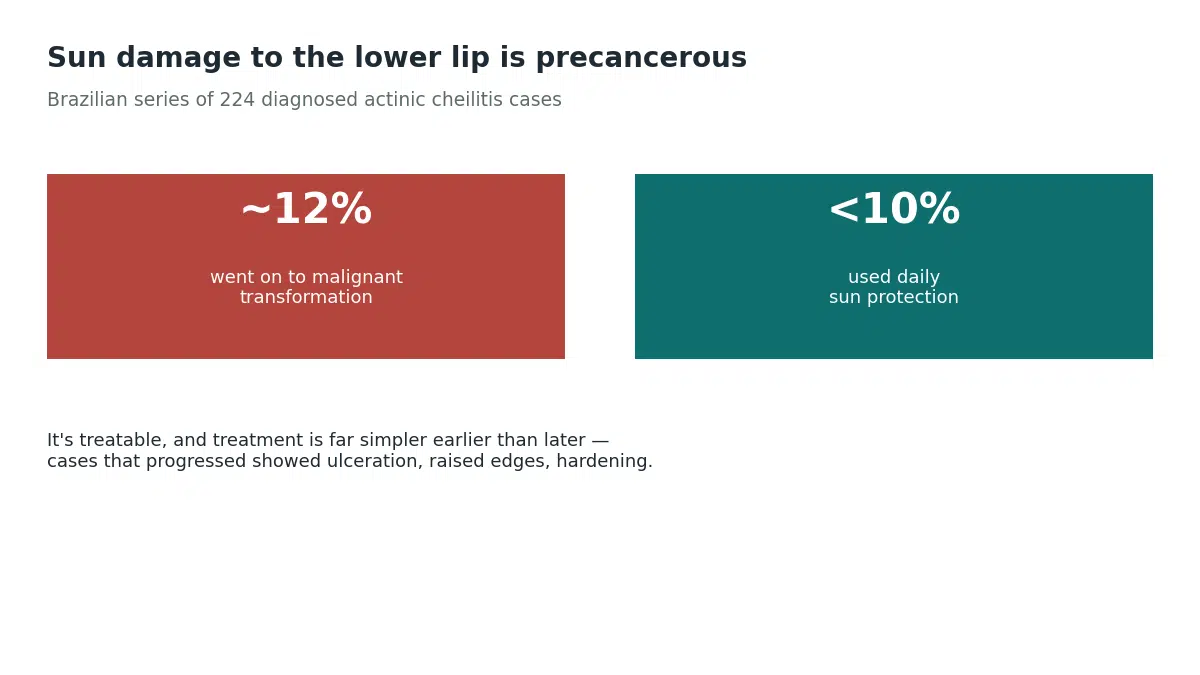
- Prolonged sun exposure without lip protection
- Sharing eating utensils or drinks
Managing Underlying Health Conditions
Controlling systemic health problems reduces white patch risk. Your overall health directly influences oral tissue integrity and infection susceptibility.
Diabetics should maintain tight blood sugar control. Elevated glucose levels impair immune function and create favorable environments for oral infections including thrush.
People taking immunosuppressant medications need heightened oral health vigilance. Discuss with your healthcare provider whether adjustments or additional preventive measures would benefit your situation.
Sun Protection for Lips
Your lips contain minimal melanin compared to surrounding facial skin. This makes them particularly vulnerable to sun damage that can manifest as white patches or precancerous changes.
Apply lip balm with SPF 30 or higher before outdoor activities. Reapply every two hours and after eating or drinking.
Wide-brimmed hats provide additional protection by shading your entire lower face. Combining physical barriers with sunscreen offers optimal protection against harmful UV radiation.
White Patches in Different Groups
Certain populations face unique considerations regarding white patches on lips. Understanding these special circumstances helps tailor prevention and treatment approaches appropriately.
Tobacco Users and Former Smokers
Current and former tobacco users carry significantly elevated risk for developing serious oral conditions. Even after quitting, risk remains elevated for years.
Former smokers should continue regular oral examinations indefinitely. Your tissue retains cellular changes from past tobacco exposure that may progress years after cessation.
Combining tobacco with heavy alcohol consumption creates synergistic damage. These individuals need aggressive screening protocols and immediate evaluation of any oral changes.
Immunocompromised Individuals
People with weakened immune system function develop oral infections more readily. HIV patients, organ transplant recipients, and those undergoing chemotherapy require specialized monitoring.
Preventive antifungal medications may benefit high-risk individuals. Your provider might prescribe prophylactic treatment during periods of severe immune suppression.
Report new oral symptoms promptly rather than waiting to see if they resolve. Early intervention prevents minor issues from progressing into serious complications when immunity is compromised.
Older Adults
Aging affects oral tissue in multiple ways. Decreased saliva production, medication side effects, and accumulated sun exposure all contribute to white patch development in older adults.
Many medications commonly prescribed to seniors cause dry mouth. This condition increases infection risk and makes tissue more vulnerable to irritation and injury.
Regular dental visits become increasingly important with age. Dentists monitor cumulative changes and detect concerning developments early when treatment proves most effective.
Individuals with Dentures or Dental Appliances
Dentures and other dental appliances create friction points where white patches commonly develop. Proper fitting and maintenance reduce this risk significantly.
Have dentures professionally checked and adjusted regularly. Ill-fitting appliances shift during eating and speaking, creating chronic irritation that damages underlying tissue.
Remove dentures overnight to give tissue recovery time. Clean both dentures and your mouth thoroughly before reinsertion each morning.
Understanding Oral Cancer Risk and Prevention
While most white patches don’t indicate cancer, understanding oral cancer helps you recognize warning signs and take preventive action. Early detection dramatically improves survival rates and treatment outcomes.
Oral Cancer Statistics and Risk Profile
Oral cancer affects approximately 54,000 Americans annually. Five-year survival rates reach nearly 85% when detected early but drop significantly for advanced-stage diagnosis.

Men develop oral cancer at twice the rate of women. The gender disparity stems partly from historically higher tobacco and alcohol use among males, though this gap narrows as usage patterns change.
Age represents another significant factor. Most oral cancer patients receive diagnosis after age 55, though increasing numbers of younger individuals develop HPV-related oral cancers.
Key Risk Factors for Oral Cancer: Tobacco use (smoking and smokeless), heavy alcohol consumption, HPV infection (particularly HPV-16), excessive sun exposure to lips, weakened immune system, previous oral cancer diagnosis, family history of head and neck cancers.
Distinguishing Benign from Cancerous Patches
No single characteristic definitively identifies cancerous patches. However, certain features raise suspicion and warrant immediate professional evaluation.
Cancerous patches often feel firm or hard compared to surrounding tissue. They may not move freely when you manipulate them with your finger, suggesting deeper tissue involvement.
Changes in surrounding tissue accompany many oral cancers. You might notice numbness, persistent pain, or difficulty moving your tongue normally.
- Irregular borders: Jagged or poorly defined edges rather than smooth, rounded margins
- Color variation: Mixed white and red areas within the same patch
- Rapid growth: Noticeable size increase over days or weeks
- Ulceration: Central breakdown creating an open sore
- Bleeding tendency: Spontaneous bleeding or bleeding with minimal contact
- Associated lumps: Neck masses from lymph node involvement
HPV-Related Oral Cancer
Human papillomavirus infection, particularly HPV-16, causes increasing numbers of oral cancers. These cancers typically develop in the back of the throat and base of tongue.
HPV-related oral cancers affect younger individuals than traditional tobacco-related cancers. The average age at diagnosis falls in the 50s rather than 60s or 70s.
HPV vaccination prevents infection with cancer-causing strains. While originally developed to prevent cervical cancer, these vaccines also reduce oral cancer risk when administered before HPV exposure.
Self-Examination Guidelines
Monthly self-examinations help you detect changes early. Stand in good lighting with a mirror and systematically examine all visible oral tissue.
Check your lips first, rolling them outward to examine inner surfaces. Look for white or red patches, lumps, sores, or areas that appear different from surrounding tissue.
Examine inside your mouth using a bright flashlight. Check the roof and floor of your mouth, inner cheeks, gums, and tongue on all sides.
- Remove dentures if applicable for complete tissue visualization
- Examine lips thoroughly, including where they meet skin
- Check inner cheeks by pulling them away from teeth
- Inspect gums and the junction where they meet teeth
- Look at roof and floor of mouth completely
- Examine tongue on all surfaces and underneath
- Feel for lumps in your neck on both sides
- Note any sore areas or regions that feel different
Collaborating with Healthcare Providers for Optimal Care
Effective management of white patches requires partnership between you and your healthcare team. Understanding what to expect helps you participate actively in your care.
Choosing the Right Healthcare Provider
Multiple specialists may be involved in diagnosing and treating white patches. Understanding each provider’s role helps you navigate the healthcare system effectively.
Your primary care physician or dentist typically provides initial evaluation. These generalists handle most benign conditions and refer to specialists when necessary.
Oral surgeons and oral medicine specialists manage complex mouth conditions. They perform biopsies, treat precancerous lesions, and coordinate care for serious oral diseases.
- Dentists: Routine screening during regular checkups
- Primary care physicians: Initial evaluation and basic treatment
- Dermatologists: Skin-related conditions affecting lips
- Oral surgeons: Biopsies and surgical treatment
- Oncologists: Cancer treatment and management
- Infectious disease specialists: Complex infections in immunocompromised patients
Preparing for Your Medical Appointment
Thorough preparation maximizes the value of your healthcare visits. Organized information helps providers make accurate diagnoses and create effective treatment plans.
Document when you first noticed your white patches and how they’ve changed. Take clear photographs showing affected areas from multiple angles if possible.
List all medications including over-the-counter products and supplements. Some medications contribute to oral problems or interact with treatments your provider might prescribe.
Information to Bring
- Complete medication list with dosages
- Medical history including past oral problems
- Timeline of symptom development
- Photos documenting patch appearance
Questions to Ask
- What condition is causing my white patches?
- Do I need additional testing or biopsy?
- What treatment options exist?
- What follow-up care will I need?
Following Through with Recommended Care
Treatment success depends heavily on following your provider’s recommendations. Complete prescribed medication courses even if symptoms improve before finishing.
Attend all scheduled follow-up appointments. These visits allow providers to assess treatment response, adjust therapies as needed, and monitor for recurrence.
Report new or worsening symptoms promptly rather than waiting for scheduled appointments. Changes in your condition may necessitate treatment modifications or additional evaluation.
Understanding Treatment Costs and Coverage
Medical costs concern many patients. Understanding coverage and available assistance helps you access necessary care without overwhelming financial burden.
Most health insurance plans cover medically necessary diagnostic procedures including biopsies. Cosmetic treatments for benign conditions like fordyce spots typically aren’t covered.
Discuss costs upfront with providers’ billing departments. Many facilities offer payment plans or sliding-scale fees based on income for uninsured or underinsured patients.
Managing Chronic Oral Conditions
Some conditions causing white patches require long-term management rather than offering quick cures. Understanding how to live with these conditions helps maintain quality of life.
Oral Lichen Planus Management
Oral lichen planus creates chronic white patches that flare periodically. While incurable, effective management controls symptoms and reduces flare frequency.
Topical corticosteroids reduce inflammation during flares. Your provider may prescribe gels, ointments, or adhesive patches applied directly to affected areas.
Identifying and avoiding triggers helps prevent flares. Stress, certain foods, and dental materials may worsen symptoms in susceptible individuals.
- Apply prescribed medications consistently as directed
- Avoid spicy, acidic, or rough-textured foods during flares
- Practice stress management techniques
- Maintain meticulous oral hygiene without irritating affected tissue
- Schedule regular monitoring appointments
- Report significant changes to your healthcare provider
Living After Oral Cancer Treatment
Oral cancer survivors face unique challenges during recovery and long-term follow-up. Comprehensive rehabilitation addresses physical, functional, and emotional needs.
Speech and swallowing therapy helps restore function after surgery or radiation. Therapists teach techniques compensating for anatomical changes from treatment.
Dental rehabilitation becomes crucial for those who underwent extensive surgery. Prosthodontists create custom appliances restoring appearance and function.
Psychological Impact and Support
Chronic oral conditions affect self-esteem and social interactions. Visible changes to your appearance may trigger anxiety or embarrassment.
Support groups connect you with others facing similar challenges. Sharing experiences and coping strategies provides emotional support and practical advice.
Mental health professionals help process diagnosis-related emotions. Therapists specializing in chronic illness provide tools managing anxiety, depression, and body image concerns.
Ongoing Surveillance and Prevention
People with history of precancerous or cancerous patches need lifelong surveillance. Regular examinations detect recurrences or new lesions when most treatable.
Surveillance schedules vary based on original diagnosis severity. Your provider determines appropriate examination frequency for your specific situation.
Continue risk-reduction behaviors indefinitely. Eliminating tobacco and limiting alcohol remain crucial throughout life for preventing new oral problems.
Current Research and Future Directions
Scientific research continuously improves our understanding of oral conditions. Ongoing studies explore better diagnostic methods, innovative treatments, and prevention strategies.
Advances in Early Detection
New technologies enhance providers’ ability to detect suspicious patches earlier. These tools help identify high-risk lesions requiring closer monitoring or intervention.
Fluorescence visualization systems illuminate tissue with special light wavelengths. Abnormal cells reflect light differently than healthy tissue, highlighting areas needing biopsy.
Brush biopsy techniques allow less invasive screening. Providers collect cell samples by brushing suspicious areas rather than cutting tissue for traditional biopsy.
Novel Treatment Approaches
Researchers investigate improved treatment options for oral conditions. These innovations aim to increase effectiveness while minimizing side effects and complications.
Photodynamic therapy uses light-activated drugs destroying abnormal cells. This targeted approach treats precancerous patches while preserving surrounding healthy tissue.
Immunotherapy harnesses your immune system to fight cancer cells. These treatments show promise for certain oral cancers resistant to traditional chemotherapy.
Prevention Research
Scientists study interventions preventing oral cancer development. Understanding prevention mechanisms helps identify at-risk individuals and implement protective strategies.
HPV vaccination research demonstrates effectiveness preventing oral HPV infection. Widespread vaccination programs may significantly reduce future oral cancer rates.
Chemoprevention trials investigate whether certain medications prevent cancer development in high-risk individuals. Drugs showing promise include COX-2 inhibitors and retinoids.
Frequently Asked Questions About White Patches on Lips
What does a white patch on lips indicate?
A white patch on lips can indicate various conditions ranging from harmless to serious. Common causes include fordyce spots (visible oil glands), oral thrush (fungal infection), leukoplakia (precancerous patches), oral lichen planus (autoimmune condition), or in rare cases, oral cancer. The significance depends on characteristics like size, texture, persistence, and accompanying symptoms. Patches lasting more than two weeks warrant medical evaluation to determine the underlying cause and appropriate treatment.
Are white bumps on lips dangerous?
Most white bumps on lips are harmless conditions like fordyce spots or milia that require no treatment. However, some white patches signal potentially serious conditions including leukoplakia or oral cancer. Dangerous patches typically demonstrate certain characteristics: rapid growth, irregular borders, bleeding easily, causing numbness, or persisting beyond two weeks. The only way to definitively determine whether white bumps pose danger is through professional medical evaluation and possibly tissue biopsy.
How can I tell if my white patch is oral cancer?
You cannot definitively diagnose oral cancer without professional medical evaluation and biopsy. However, certain features raise concern: patches that feel firm or hard, demonstrate irregular borders, mix white and red coloration, bleed spontaneously, grow noticeably over weeks, cause persistent numbness, or accompany neck lumps. Cancerous patches often don’t hurt initially, making self-diagnosis unreliable. Any suspicious or persistent white patch requires examination by a healthcare provider who can perform necessary testing.
What causes white patches inside the mouth?
White patches inside mouth tissue develop from multiple causes. Oral thrush (fungal infection) creates soft, wipeable white patches common in people with weakened immune systems. Leukoplakia produces firm white patches from chronic irritation by tobacco or alcohol. Oral lichen planus causes lacy white patterns from autoimmune inflammation. Canker sores develop white centers surrounded by red borders. Friction from dental appliances creates thickened white areas. Less commonly, oral cancer manifests as persistent white or red patches requiring biopsy for diagnosis.
Do white patches on lips go away on their own?
Whether white patches disappear depends entirely on their cause. Canker sores typically heal within two weeks without treatment. Thrush resolves with antifungal medication but rarely clears independently. Fordyce spots persist indefinitely as normal anatomical variations. Leukoplakia may resolve if you eliminate tobacco and alcohol but can persist or progress. Oral cancer never spontaneously disappears and requires aggressive treatment. Any white patch persisting beyond two weeks needs medical evaluation regardless of whether it seems to be improving.
What does oral thrush look like on lips?
Oral thrush appears as creamy white patches resembling cottage cheese on your lips and inside your mouth. These patches wipe away easily with gauze or a tongue depressor, revealing red, inflamed tissue underneath that may bleed slightly. You might experience a cottony feeling in your mouth, altered taste, or burning sensations. Thrush commonly affects people with weakened immune systems, diabetes, or those recently taking antibiotics. The fungal infection responds well to antifungal medications prescribed by healthcare providers.
Can smoking cause white patches on lips?
Yes, tobacco use significantly increases risk for developing white patches on lips and throughout your mouth. Smoking and chewing tobacco cause leukoplakia—thick white patches that cannot be wiped away—through chronic irritation of oral tissue. Smokeless tobacco users often develop white patches exactly where they hold tobacco against their mouth. These patches sometimes progress to oral cancer over time. Quitting all tobacco products represents the most important step for preventing and treating tobacco-related white patches.
What are fordyce spots and are they harmful?
Fordyce spots are small yellowish-white bumps caused by visible sebaceous (oil) glands beneath thin lip skin. These completely harmless anatomical variations affect 70-80% of adults and require no treatment unless you desire removal for cosmetic reasons. Fordyce spots don’t hurt, bleed, or transform into cancer. They typically remain stable in size and number throughout life, though new spots may gradually appear. Dermatologists can reduce their visibility using laser therapy if appearance concerns you.
How is leukoplakia different from other white patches?
Leukoplakia creates thick, white or gray patches with distinct borders that cannot be scraped or wiped away, distinguishing them from thrush. These patches feel firm or leathery compared to surrounding tissue and typically don’t cause pain. Leukoplakia develops from chronic irritation by tobacco, alcohol, or friction, representing your tissue’s attempt to protect itself. While most leukoplakia remains benign, a small percentage develops precancerous changes or progresses to oral cancer over time, necessitating regular medical monitoring and biopsy of suspicious areas.
When should I see a doctor for white patches on my lips?
Seek medical attention immediately if your white patch bleeds easily, grows rapidly, causes severe pain, or accompanies difficulty swallowing. Schedule a routine appointment for patches persisting beyond two weeks, recurring repeatedly, interfering with daily activities, or causing concern. People with risk factors including tobacco use, heavy alcohol consumption, or weakened immune systems should have any new oral changes evaluated promptly. Don’t delay seeking care because patches seem minor—early detection dramatically improves outcomes for serious conditions.
Can stress cause white patches on lips?
Stress doesn’t directly cause white patches but may contribute to conditions that do. High stress levels can trigger canker sore outbreaks in susceptible individuals, and these sores develop white or yellow centers. Stress also weakens your immune system, potentially allowing oral thrush to develop. Additionally, stress-related behaviors like lip biting or teeth grinding create chronic irritation leading to white thickened areas. Managing stress through relaxation techniques, adequate sleep, and healthy coping strategies may reduce frequency of stress-related oral problems.
What is the treatment for white patches on lips?
Treatment depends entirely on the underlying cause. Fordyce spots need no treatment unless desired for cosmetic reasons. Oral thrush requires antifungal medications like nystatin or fluconazole. Leukoplakia management involves eliminating tobacco and alcohol while monitoring for progression. Oral lichen planus responds to topical corticosteroids during flares. Confirmed oral cancer necessitates surgery, radiation, chemotherapy, or combinations thereof. Your healthcare provider determines appropriate treatment after accurate diagnosis through examination and potentially tissue biopsy.
Are white and red patches more concerning than purely white patches?
Yes, patches mixing white and red coloration (white red patches) generally warrant greater concern than uniformly white patches. This mixed appearance, called erythroleukoplakia, shows higher likelihood of containing precancerous or cancerous cells compared to pure white leukoplakia. The red areas indicate increased blood vessel formation and cellular activity associated with abnormal tissue changes. Any patch demonstrating mixed coloration, especially if accompanied by irregular borders, firmness, or rapid growth, requires immediate medical evaluation and likely biopsy to determine appropriate treatment.
Can vitamin deficiencies cause white patches on lips?
Vitamin deficiencies don’t typically cause white patches directly but may contribute to oral health problems. Vitamin B12 deficiency increases susceptibility to recurrent canker sores, which develop white centers. Iron deficiency can cause general oral mucosa changes making tissue more vulnerable to infections like thrush. Vitamin C deficiency affects gum health but doesn’t specifically create white patches. If you suspect nutritional deficiencies contribute to your oral symptoms, discuss testing and appropriate supplementation with your healthcare provider rather than self-treating.
How long does it take for white patches to heal?
Healing time varies dramatically based on the condition causing white patches. Canker sores typically heal within 7-14 days. Oral thrush resolves within 1-2 weeks of starting antifungal treatment. Leukoplakia may improve over several weeks after eliminating tobacco and alcohol, though some patches persist indefinitely. Fordyce spots never “heal” as they represent normal anatomy rather than disease. Patches from chronic conditions like oral lichen planus may flare and subside repeatedly, requiring ongoing management rather than complete healing.
Can I prevent white patches on my lips?
Many white patches can be prevented through lifestyle modifications and good oral hygiene. Eliminate all tobacco products and limit alcohol consumption to dramatically reduce leukoplakia and oral cancer risk. Practice excellent oral hygiene with gentle brushing twice daily and regular flossing. Protect lips from sun damage using SPF 30+ lip balm. Maintain healthy immune function through balanced nutrition, adequate sleep, and stress management. Have dental checkups twice yearly for early problem detection. While you cannot prevent all causes of white patches, these measures significantly reduce your overall risk.
Taking Action for Your Oral Health
Discovering a white patch on lips naturally causes concern, but armed with knowledge, you can respond appropriately. Most white patches stem from benign conditions requiring minimal intervention, yet some signal serious problems demanding immediate attention.

The key lies in recognizing warning signs that distinguish harmless patches from those requiring professional evaluation. Patches persisting beyond two weeks, demonstrating rapid growth, bleeding easily, or causing persistent pain warrant medical attention regardless of other characteristics.
Eliminating tobacco and moderating alcohol consumption represent the most impactful preventive measures. These lifestyle changes dramatically reduce your risk for developing precancerous and cancerous oral conditions.
Regular professional examinations catch problems early when treatment proves most effective. Don’t skip dental appointments or postpone visits when you notice oral changes—early detection saves lives.
Remember that even after successful treatment, continued vigilance remains essential. Former tobacco users and people with history of precancerous patches need ongoing monitoring throughout their lives.
Partner actively with your healthcare providers in managing oral health. Ask questions, follow treatment recommendations consistently, and report new concerns promptly rather than waiting to see if they resolve independently. If your dentist also raises concerns about tooth discoloration, our guide to dental laser whitening and its alternatives may help you plan next steps, and if oral bacteria are part of the picture, see our ProDentim review.
Your lips and mouth deserve the same attentive care you provide other body parts. Small investments in prevention and early intervention yield substantial returns in maintaining oral health and overall wellbeing throughout your life.
Medical Disclaimer: This article provides general educational information about white patches on lips and related oral conditions. It is not intended as medical advice and cannot replace consultation with qualified healthcare professionals. Individual cases vary significantly based on personal health history, risk factors, and specific condition characteristics. Always consult your doctor, dentist, or other qualified healthcare provider before making decisions about your oral health. Never delay seeking professional medical attention because of information you read in this article. If you experience severe symptoms including difficulty breathing, extensive bleeding, or rapid symptom progression, seek emergency medical care immediately. The information presented here represents general guidelines and may not apply to your specific situation.