When your skin starts itching relentlessly, you might reach for whatever medication you have available. Many people ask, does ibuprofen reduce itching, hoping this common pain reliever can bring relief. The answer requires understanding how different medications work in your body.
Ibuprofen belongs to a medication class designed primarily for pain and inflammation. While it excels at these purposes, itching involves different biological mechanisms. This fundamental difference determines whether ibuprofen can actually help your specific situation.
This comprehensive guide explores the science behind itching relief, examines when ibuprofen might provide benefit, identifies better treatment options, and helps you recognize when professional medical care becomes necessary. Understanding these distinctions empowers you to choose the most effective approach for your itchy skin concerns.
Understanding Ibuprofen: What This Medication Actually Does

The Primary Functions of Ibuprofen
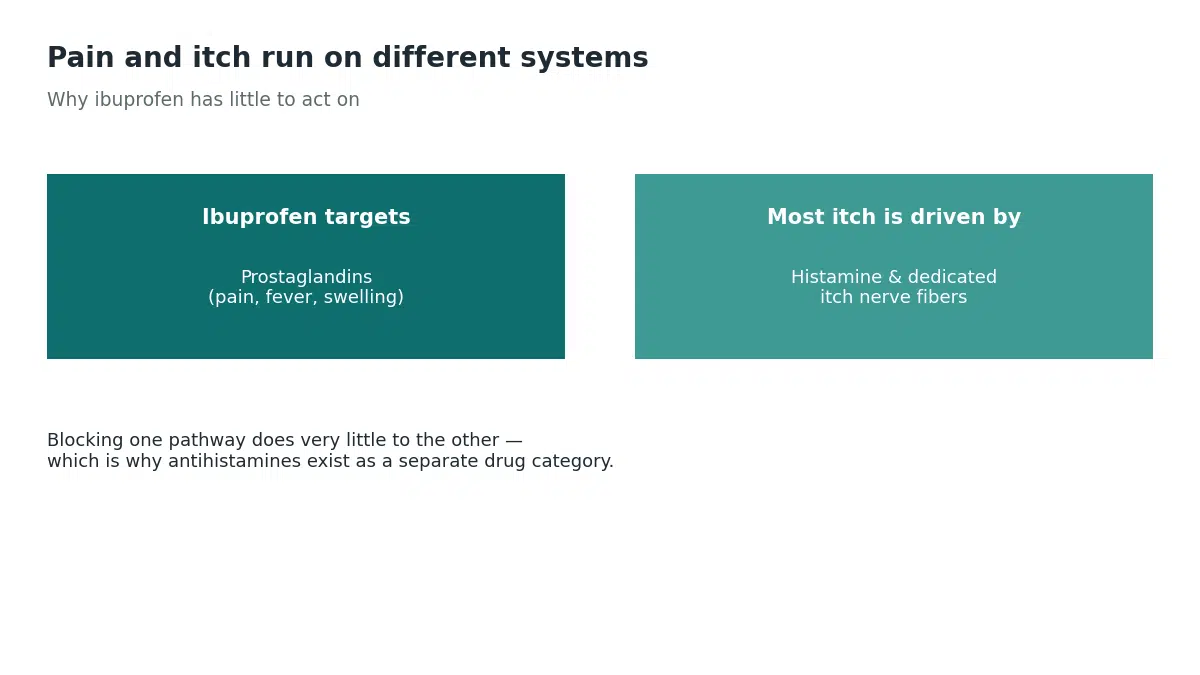
Ibuprofen serves as a nonsteroidal anti-inflammatory drug (NSAID) that targets specific enzymes called cyclooxygenase (COX) enzymes. These enzymes produce prostaglandins—chemical messengers that trigger pain, fever, and inflammation throughout your body.
When you take ibuprofen, it blocks COX-1 and COX-2 enzymes. This blocking action reduces prostaglandin production, which explains why the medication effectively treats conditions like headaches, muscle aches, arthritis, and menstrual cramps.
Why Ibuprofen Isn’t Designed for Itching
The biological pathway causing most itching differs significantly from pain pathways. Itching primarily involves histamine release and activation of specific nerve fibers in your skin. These itch-sensing nerves respond to different chemical signals than pain receptors.
Since ibuprofen targets prostaglandins rather than histamine, it typically fails to address the root cause of most itching sensations. This explains why many people find disappointing results when trying ibuprofen for itching relief.
Key Distinction
Pain and itching may feel related, but they activate different nerve pathways in your nervous system. Medications effective for one sensation may not work for the other. This biological difference is why specialized anti-itch medication exists separately from pain relievers.
What Causes Itching? Understanding the Biology Behind the Sensation

Primary Pathways That Trigger Itching
Your skin contains specialized sensory neurons that detect itch-provoking substances. When these neurons activate, they send signals through your spinal cord to your brain, creating the sensation we recognize as itching.
Common biological triggers include:
- Histamine released during allergic reactions and immune responses
- Inflammatory mediators from conditions like eczema or psoriasis
- Direct nerve stimulation from substances like poison ivy oils
- Dry skin causing barrier dysfunction and nerve exposure
- Chemical irritants that activate itch receptors directly
- Internal conditions affecting bile salts, kidney function, or blood chemistry
Types of Itching: Histamine vs. Non-Histamine
Medical professionals categorize itching into different types based on underlying mechanisms. Histamine-mediated itching responds to antihistamine medications, while non-histamine itching requires different treatment approaches.
Histamine-Driven Itching
- Allergic reactions to foods, medications, or environmental triggers
- Hives appearing as raised, itchy welts
- Insect bites from mosquitoes, fleas, or bedbugs
- Contact with allergens causing localized reaction
Non-Histamine Itching
- Chronic skin conditions like eczema or psoriasis
- Dry skin lacking adequate moisture
- Nerve-related itching from diabetes or shingles
- Systemic conditions involving liver or kidney function
Does Ibuprofen Reduce Itching? Analyzing the Evidence

When Ibuprofen May Provide Indirect Relief
While ibuprofen doesn’t directly stop itching, certain situations involve both inflammation and itching together. In these specific circumstances, reducing inflammation may decrease associated itching as a secondary benefit.
| Condition Type | Inflammation Present | Ibuprofen May Help | Better Alternative |
| Sunburn with itching | Yes – significant tissue damage | Moderate – reduces swelling | Topical aloe + cool compress |
| Inflammatory arthritis with skin involvement | Yes – systemic inflammation | Moderate – addresses root inflammation | Prescription anti-inflammatory |
| Insect stings with swelling | Yes – localized inflammatory response | Limited – minor benefit | Antihistamine + ice |
| Contact dermatitis | Yes – immune-mediated | Limited – secondary benefit only | Topical corticosteroid |
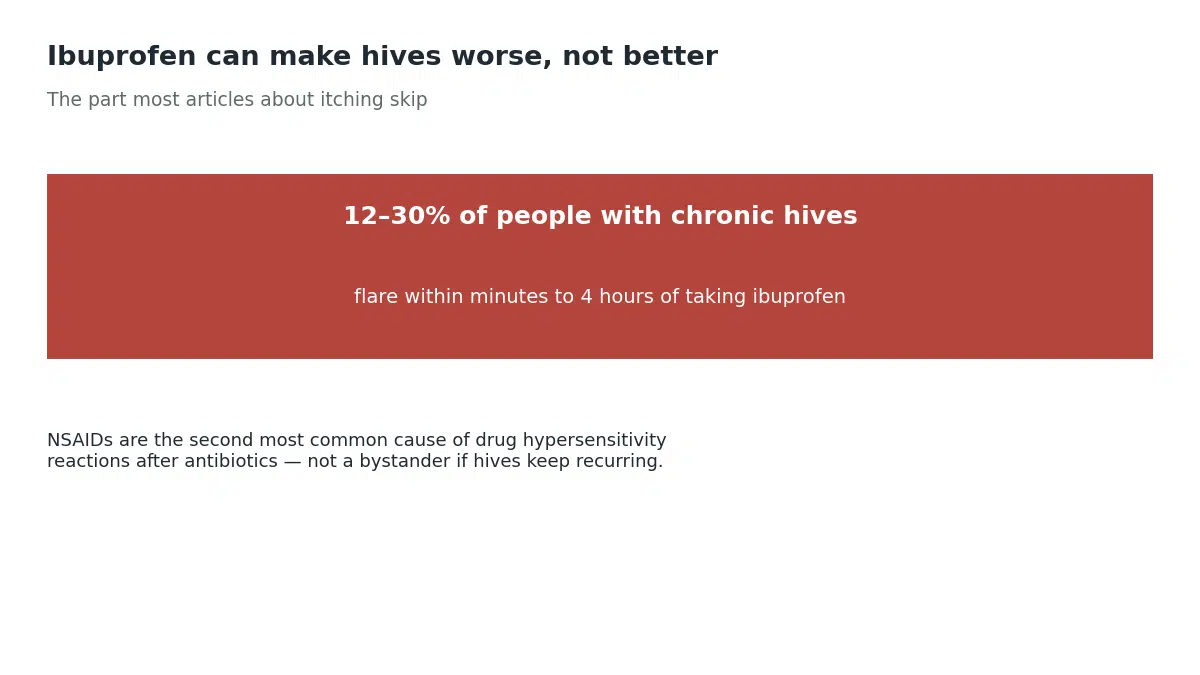
| Allergic hives | Minimal – primarily histamine | No – wrong mechanism | Oral antihistamine |
| Dry skin itching | No – barrier dysfunction | No – ineffective | Intensive moisturizer |
Scientific Research Findings
Medical research consistently shows that antihistamines outperform NSAIDs for typical itching symptoms. A study published by the Mayo Clinic demonstrates that histamine-blocking medications provide significantly better relief for most common causes of itchy skin.
According to the Mayo Clinic, treatment selection should match the underlying cause. While anti-inflammatory medications have their place in managing certain skin conditions, they rarely serve as first-line therapy for itching alone.
When Ibuprofen Won’t Help Your Itching

Common Itching Scenarios Where Ibuprofen Provides No Benefit
Most everyday itching situations involve mechanisms that ibuprofen cannot address. Recognizing these scenarios helps you avoid wasting time with ineffective treatment approaches.
Allergic Reactions
Seasonal allergies, food sensitivities, and environmental triggers release histamine as their primary mechanism. Ibuprofen doesn’t block histamine receptors, making it ineffective for these itchiness causes.
Chronic Skin Conditions
Eczema, chronic hives, and similar persistent conditions require specialized treatments targeting immune dysfunction or barrier repair. Simple anti-inflammatory action proves insufficient for long-term management.
Skin Barrier Problems
Dry skin and barrier dysfunction create itching through nerve exposure and irritation. These situations need moisture restoration and protective creams, not oral anti-inflammatory medications.
Important Recognition
If you’ve tried ibuprofen for itching without improvement after several hours, it’s not the right medication for your situation. Continuing to take it won’t produce better results and may expose you to unnecessary side effects. Consider appropriate alternatives or consult healthcare provider for proper diagnosis.
Better Treatments: What Actually Works for Itching Relief

Antihistamine Medications: The Gold Standard
For most histamine-driven itching, antihistamine like benadryl and similar medications provide targeted relief. These drugs block histamine receptors, directly addressing the root cause of your itchiness.
| Medication Type | Examples | Best For | Drowsiness Risk |
| First-generation antihistamines | Diphenhydramine (Benadryl), hydroxyzine | Acute severe itching, night symptoms | High – useful for sleep |
| Second-generation antihistamines | Cetirizine, loratadine, fexofenadine | Daily management, daytime use | Low – minimal sedation |
| Topical antihistamines | Diphenhydramine cream | Localized bug bites, small area | None – topical application |
Topical Treatments for Targeted Relief
When itching affects specific skin areas, topical applications deliver medication directly where needed. These treatments often work faster and with fewer systemic side effects than oral options.
- Hydrocortisone creams (1% or prescription strength) reduce inflammation in affected area
- Calamine lotion provides cooling sensation and gentle drying effect
- Menthol or pramoxine creams create numbing sensation that interrupts itch signals
- Moisturizing creams with ceramides repair skin barrier and prevent dry skin itching
- Prescription tacrolimus or pimecrolimus for sensitive areas like face
Home Remedies and Self-Care Approaches

Many effective strategies for managing itchy skin don’t require medication at all. These home approaches work particularly well for mild irritation or as supplements to medical treatment.
Immediate Relief Strategies
- Apply cold compress to itching area for 10-15 minutes
- Take lukewarm oatmeal baths to soothe widespread itching
- Use gentle, fragrance-free cleansers to avoid irritation
- Apply moisturizer within 3 minutes after bathing
Prevention Tips
- Keep indoor humidity between 30-50% to prevent itching
- Wear soft, breathable cotton fabrics
- Avoid hot water that strips skin oils
- Trim nails short to minimize scratch damage
Important Safety Information About Ibuprofen Use

Who Should Avoid Ibuprofen
Even when considering ibuprofen for inflammation-related conditions, certain individuals face elevated risks. Understanding these contraindications protects your health.
High-Risk Groups
People with stomach ulcers, cardiovascular disease, kidney problems, or those taking blood thinners should consult healthcare provider before using ibuprofen. Pregnant women, especially in the third trimester, should avoid NSAIDs unless specifically directed by their obstetrician. Adults over 65 require lower doses and closer monitoring.
Potential Side Effects and Drug Interactions
Ibuprofen carries risks even for healthy adults when used improperly. Common side effects include stomach upset, heartburn, and dizziness. More serious complications can develop with prolonged use or high doses.
| Drug Category | Interaction Type | Potential Risk |
| Blood thinners (warfarin) | Additive effect | Increased bleeding risk |
| Blood pressure medications | Reduced effectiveness | Poor blood pressure control |
| Aspirin (low-dose) | Interference | Reduced heart protection |
| Corticosteroids | Synergistic toxicity | Increased stomach problems |
| Antidepressants (SSRIs) | Additive effect | Elevated bleeding tendency |
According to the American Academy of Dermatology, proper medication selection based on your specific type of itching produces better outcomes with fewer risks than using inappropriate treatments.
When to Seek Professional Medical Care for Itching

Warning Signs Requiring Medical Attention
While many itching episodes resolve with over-the-counter treatments, certain situations demand professional evaluation. Recognizing these red flags prevents complications and ensures proper diagnosis.
Seek Immediate Care
- Difficulty breathing or throat swelling with itching
- Sudden widespread hives covering large body areas
- Severe itching with yellowing of skin or eyes
- Itching accompanied by fever and signs infection
- Rapidly spreading rash with intense discomfort
Schedule Appointment Soon
- Itching persisting more than two weeks despite home treatment
- Symptoms interfering significantly with sleep quality
- Skin changes like thickening, scaling, or color changes
- Itching following new medication or supplement
- Scratch marks becoming infected or oozing
Monitor and Self-Treat
- Mild itching from known bug bites or dry skin
- Occasional itching responding to moisturizers
- Seasonal itchiness controlled by antihistamines
- Localized irritation from known trigger
- Improving symptoms with current treatment
What to Expect During Medical Evaluation
When you see healthcare professional for itching, they’ll conduct thorough assessment. Come prepared to discuss when symptoms started, what makes them better or worse, any new products or medications, and other health changes.
Your provider may order blood tests to check liver and kidney function, thyroid levels, or blood cell counts. Allergy testing helps identify specific triggers. Skin biopsies diagnose certain inflammatory conditions when visual examination proves inconclusive.
Expert Tips for Managing Itchy Skin Effectively

Breaking the Itch-Scratch Cycle
Scratching provides temporary relief but ultimately worsens itching by damaging skin and triggering more inflammation. Breaking this cycle requires conscious strategies.
Physical Barriers
Keep fingernails trimmed short and filed smooth. Wear cotton gloves at night if you scratch during sleep. Apply bandages over particularly itchy areas to prevent itching damage.
Distraction Techniques
When urge to scratch strikes, apply firm pressure instead. Use cold compress for immediate sensation change. Engage hands with stress ball or other activity during high-risk time.
Environmental Control
Maintain cool bedroom temperature to reduce night itching. Use humidifier in dry climates. Choose loose-fitting clothes that don’t trap heat or rub against skin.
Optimizing Your Skincare Routine
Daily skin care practices significantly impact chronic itchiness. Small adjustments to your routine can produce meaningful improvements.
- Bathe in lukewarm water for no more than 10-15 minutes daily
- Use fragrance-free, gentle cleansers without harsh detergents
- Pat skin dry gently rather than rubbing vigorously
- Apply thick moisturizer immediately while skin remains slightly damp
- Reapply moisturizer throughout day, especially to hands and dry areas
- Choose products labeled “hypoallergenic” and “fragrance-free”
Common Myths and Facts About Itching Treatment

❌ Myth: All Anti-Inflammatory Drugs Help Itching
Reality: Anti-inflammatory medications only help when inflammation directly causes your itching. Most common itching involves histamine or nerve pathways that NSAIDs don’t affect.
✓ Fact: Treatment Must Match the Cause
Reality: Effective itch relief requires identifying whether your itching stems from allergies, dry skin, inflammation, or other mechanisms. Each cause responds to different treatments.
❌ Myth: Scratching Helps Release Toxins
Reality: Scratching provides no detoxification benefit. It damages your skin barrier, introduces infection risk, and perpetuates the itch-scratch cycle by triggering more inflammation.
✓ Fact: Moisturizing Prevents Many Types of Itching
Reality: Proper hydration maintains your skin barrier, preventing dry skin itching and reducing sensitivity to environmental irritants. Regular moisturizing serves as effective prevention.
❌ Myth: Natural Remedies Are Always Safer
Reality: “Natural” doesn’t guarantee safety. Many plants cause allergic reaction or irritation. Some natural substances interact with medications. Always research safety before trying new treatments.
✓ Fact: Antihistamines Work Better Than NSAIDs for Most Itching
Reality: For typical histamine-mediated itching from allergies, insect bites, or hives, antihistamines provide superior relief compared to ibuprofen or other NSAIDs.
Frequently Asked Questions About Ibuprofen and Itching Relief

Does ibuprofen reduce itching from mosquito bites?
Ibuprofen provides minimal benefit for typical mosquito bites because these reactions primarily involve histamine release. An antihistamine works much more effectively for insect bite itching. If significant swelling accompanies the bite, ibuprofen might help reduce that inflammation, but won’t directly address the itch sensation. A cold compress plus topical antihistamine cream or oral antihistamine like benadryl provides better relief.
Can I take ibuprofen and antihistamine together for itching?
Yes, ibuprofen and antihistamines generally can be taken together safely for most people, as they work through different mechanisms. However, always consult healthcare provider before combining medications, especially if you have existing health conditions or take other prescriptions. For conditions involving both inflammation and histamine release, this combination might provide more comprehensive relief than either medication alone.
What works better than ibuprofen for itchy skin?
For most itchy skin situations, antihistamines work significantly better than ibuprofen. Over-the-counter options like cetirizine, loratadine, or diphenhydramine target the histamine pathway causing most itching. For dry skin itchiness, intensive moisturizers prove more effective. Topical hydrocortisone creams work well for localized inflammatory itching. The best choice depends on what’s causing your specific symptoms.
How long does it take for ibuprofen to work if it will help my itching?
If your itching involves inflammation that ibuprofen can address, you should notice some improvement within 30-60 minutes of taking the medication. Maximum anti-inflammatory effects typically occur within 1-2 hours. However, if you experience no improvement after 2-3 hours, ibuprofen likely isn’t the appropriate treatment for your type of itching, and you should try an antihistamine or other targeted approach instead.
Does ibuprofen help with poison ivy itching?
Poison ivy causes allergic contact dermatitis involving both inflammation and immune response. While ibuprofen might provide minor benefit for associated swelling, it won’t effectively address the intense itching. Topical corticosteroid creams, oral antihistamines, and cool compresses work much better for poison ivy relief. Severe cases may require prescription oral corticosteroids from your healthcare provider.
Why does my skin itch more at night?
Several factors increase itching at night. Your body temperature rises under covers, which enhances itch sensation. Natural cortisol levels drop at night, reducing your body’s anti-inflammatory response. Fewer distractions mean you notice itchiness more intensely. Dry indoor air and certain fabrics can worsen symptoms. To help prevent night itching, apply moisturizer before bed, use breathable cotton bedding, keep your bedroom cool, and consider taking a nighttime antihistamine.
Can ibuprofen help itching from eczema?
Ibuprofen provides little to no benefit for eczema itching. Eczema involves complex immune dysfunction and barrier problems that require specialized treatments like topical corticosteroids, moisturizers with ceramides, and sometimes prescription immunomodulators. For acute eczema flares with significant itchiness, antihistamines offer better symptom control. Always work with a dermatologist to develop a comprehensive eczema management plan rather than relying on pain relievers.
Is it safe to take ibuprofen every day for chronic itching?
Taking ibuprofen daily for chronic itching is generally not recommended for several reasons. First, it likely won’t effectively address most itching causes. Second, long-term NSAID use carries risks including stomach ulcers, kidney damage, and cardiovascular problems. If you’re experiencing chronic itching requiring daily medication, consult healthcare professional for proper diagnosis and appropriate long-term treatment targeting the actual cause of your symptoms.
What are the best home remedies to stop itching?
Effective home remedies include applying cold compress for 10-15 minutes to numb itch receptors, taking lukewarm oatmeal baths to soothe irritated skin, and applying fragrance-free moisturizer multiple times daily to maintain barrier function. Aloe vera gel provides cooling relief for minor irritation. Avoiding hot water, harsh soaps, and known triggers helps prevent itching. For persistent symptoms, over-the-counter hydrocortisone cream or antihistamines work better than home remedies alone.
How do I know if my itching is from an allergic reaction?
Allergic reaction itching typically appears suddenly after exposure to a trigger—food, medication, or environmental substance. It often includes raised hives, redness, and swelling. Other allergy symptoms may accompany the itching, such as sneezing, watery eyes, or difficulty breathing. If you can identify a clear trigger and timing pattern, allergies are likely. Antihistamine medications should provide noticeable relief within an hour if allergies cause your itching.
When should I see a doctor about itchy skin?
See healthcare professional if itching persists beyond two weeks despite home treatment, interferes significantly with sleep or daily activities, or affects your entire body without obvious cause. Seek immediate care for symptoms including difficulty breathing, rapid swelling, fever with itching, or signs infection like oozing, crusting, or red streaks. Early professional evaluation prevents complications and ensures you receive appropriate targeted treatment.
Can dry skin cause intense itching?
Yes, dry skin represents one of the most common causes of chronic itching, especially during winter months or in dry climates. When your skin barrier lacks adequate moisture, nerve endings become exposed and hypersensitive, creating persistent itchiness. This type of itching responds well to intensive moisturization rather than medication. Apply thick, fragrance-free moisturizers multiple times daily, use a humidifier, and avoid hot water to relieve itching from dry skin.
Does scratching make itching worse?
Scratching creates a vicious cycle where temporary relief leads to increased itching. Scratching damages your skin barrier, triggers inflammatory response, and can introduce infection through broken skin. This damage activates more itch receptors, intensifying the sensation. To break this cycle, try applying firm pressure, using cold compress, keeping nails trimmed short, or wearing cotton gloves at night. Addressing the underlying cause with appropriate treatment helps stop itching without scratching.
Are there any foods that help reduce itching?
While no specific foods directly stop itching, anti-inflammatory diet patterns may help reduce overall inflammation that contributes to certain itching conditions. Foods rich in omega-3 fatty acids (fatty fish, walnuts, flaxseeds), antioxidants (berries, leafy greens), and probiotics (yogurt, fermented foods) support skin health. Staying well-hydrated helps maintain skin moisture from within. Avoiding known food allergens prevents allergic reaction itching. However, dietary changes work slowly and shouldn’t replace appropriate medical treatment for significant symptoms.
What’s the difference between itching and pain?
Though both are unpleasant sensations, itching and pain activate different nerve pathways in your nervous system. Itch-specific nerve fibers respond primarily to histamine and other itch mediators, while pain receptors respond to different chemical signals including prostaglandins. This biological difference explains why pain relievers like ibuprofen don’t effectively treat most itching. The urge to scratch distinguishes itching from pain. Understanding this distinction helps you select appropriate treatments targeting the actual mechanism causing your discomfort.
Making the Right Choice for Your Itching Relief

Understanding whether does ibuprofen reduce itching requires recognizing that this medication targets inflammation through prostaglandin inhibition, not the histamine and nerve pathways responsible for most itching sensations. While ibuprofen excels at managing pain and inflammatory conditions, it rarely serves as an effective standalone solution for typical itchy skin problems.
For most common causes of itching—including allergies, bug bites, hives, and dry skin—antihistamines, topical treatments, and proper skincare provide superior relief. Matching your treatment approach to the underlying cause of your symptoms produces the best outcomes.
When home treatments and over-the-counter options fail to control your itching, or when symptoms persist beyond two weeks, professional medical evaluation becomes essential. Your healthcare provider can identify underlying conditions, prescribe appropriate medications, and develop a comprehensive management plan tailored to your specific situation.
By understanding how different medications work and recognizing when to seek professional care, you can effectively manage itchy skin and restore your comfort and quality of life.
Medical Disclaimer
This article provides general educational information about itching and medication use. It does not constitute professional medical advice, diagnosis, or treatment recommendations. Individual medical situations vary significantly, and what proves appropriate for one person may not suit another.
Always consult healthcare provider before starting, stopping, or modifying any medication regimen, including over-the-counter products. If you experience severe symptoms, allergic reaction signs, or medical emergencies, seek immediate professional medical attention.
The information presented reflects current medical knowledge but may not represent the most recent research findings. Readers assume full responsibility for decisions made based on this content. No warranties are made regarding accuracy, completeness, or applicability to specific situations.