
healthmaghub
  • HOME
  • BLOG
  • REVIEWS
  • TOOLS
No Result
View All Result
  • HOME
  • BLOG
  • REVIEWS
  • TOOLS
No Result
View All Result
HealthNews
No Result
View All Result

Home Remedies For Toenail Fungus That Actually Work

by Susan Whitmore
July 19, 2026
Reading Time: 20 mins read
0

I remember the frustration of hiding my feet during the summer months. Dealing with a persistent nail infection felt like an endless battle that drained my confidence. I spent months searching for solutions, eventually discovering that home remedies for toenail fungus that actually work exist if you know where to look. Before you spend on treatments, see which home remedies for toenail fungus that actually work are backed by research, and which popular ones are myths.

My journey toward healthier feet began when I decided to step away from harsh chemicals. I wanted a gentler approach that aligned with my lifestyle. While these natural methods are highly effective, they are not an overnight fix.

Success requires patience and consistency above all else. You must commit to your routine daily to see visible improvements. By taking control of your foot health today, you can finally feel comfortable in your own skin again.

Key Takeaways

  • Natural treatments require a consistent daily application to be effective.
  • Patience is essential, as nail health improves slowly over several weeks.
  • First-person experiences show that simple, accessible ingredients can yield great results.
  • Maintaining foot hygiene is a critical step in preventing future infections.
  • Taking a proactive approach empowers you to manage your health at your own pace.

Understanding Toenail Fungus and Why It Persists

If you want to succeed with a natural toenail fungus remedy, you need to know exactly what you are up against. Many people struggle for months because they treat the surface without understanding the underlying biological battle. By learning how this infection functions, you can better prepare your approach for lasting results.

The Biology of Onychomycosis

The scientific name for this condition is onychomycosis. It occurs when fungi, usually dermatophytes, invade the nail plate, the nail bed, or the nail matrix. These organisms feed on keratin, which is the tough protein that makes up your nails.

Because the fungus lives deep within the nail structure, it is notoriously difficult to reach. This is why consistency is the most important factor when applying any treatment. You are not just cleaning the surface; you are working to create an environment where the fungus can no longer survive.

Why Toenails Are Prone to Fungal Growth

Your feet provide the perfect breeding ground for fungal spores. The interior of your shoes creates a warm, dark, and moist environment that fungi absolutely love. When your feet sweat, that moisture gets trapped, allowing the infection to spread rapidly.

Because the nail acts as a protective shield, it also protects the fungus from many topical treatments. This is why a natural toenail fungus remedy must be applied with patience and precision. You must ensure the treatment reaches the nail bed to effectively stop the growth cycle and allow healthy, clear nail tissue to emerge.

Preparing Your Nails for Natural Treatment

Achieving success with a natural toenail fungus remedy starts long before you apply your first drop of oil or vinegar. Many people fail to see results simply because they apply treatments to a thick, overgrown nail that blocks absorption. By taking a few minutes to prepare your nails, you create the best possible environment for your chosen solution to work effectively.

Trimming and Thinning the Infected Nail

Fungal infections often cause nails to become thick, brittle, and distorted. This extra thickness acts as a physical barrier that prevents topical agents from reaching the fungus living underneath the nail plate. Carefully trimming your nails short is the first step in your routine.

After trimming, I recommend using a clean, disposable emery board to gently thin the surface of the nail. By reducing the thickness, you allow your natural toenail fungus remedy to penetrate deeper into the nail bed where the infection resides. Always remember to sanitize your tools after each use to prevent spreading the fungus to other toes.

Cleaning the Area Thoroughly

Once you have trimmed and thinned the nail, you must remove all loose debris and dead skin cells. These particles can harbor fungal spores and interfere with the efficacy of your treatment. I suggest washing the affected area thoroughly with warm water and mild soap.

Ensure the area is completely dry before moving on to the next step of your protocol. Moisture is the enemy of healing, so using a clean towel to pat the skin dry is essential. A clean, dry surface ensures that your natural toenail fungus remedy can be applied directly to the site of the infection without any interference.

Using Tea Tree Oil for Nail Fungus

Many people turn to essential oils, and tea tree oil for nail fungus is often at the top of the list. I personally consider this oil a staple in my routine because of its consistent results. It offers a natural way to support nail health without relying solely on harsh chemicals.

The Antifungal Properties of Melaleuca Alternifolia

The scientific name for this plant is Melaleuca alternifolia. It contains potent compounds like terpinen-4-ol, which are known for their ability to fight fungal growth. These natural properties help inhibit the spread of infection while supporting the recovery of the nail bed.

How to Apply Tea Tree Oil Safely

Applying the oil correctly is vital to ensure it reaches the affected area effectively. I always recommend cleaning the nail thoroughly before application to remove debris. You can use a cotton swab to dab the oil directly onto the nail and the surrounding skin.

  • Wash and dry your feet completely.
  • Use a clean cotton swab for each application.
  • Allow the oil to absorb for at least ten minutes.
  • Repeat the process twice daily for best results.

Dilution Ratios for Sensitive Skin

If you have sensitive skin, applying undiluted oil might cause irritation or redness. I suggest mixing the essential oil with a carrier oil to keep the treatment comfortable. The following table provides recommended ratios for safe application.

Skin SensitivityTea Tree OilCarrier Oil
High Sensitivity1 Drop4 Drops
Moderate Sensitivity2 Drops3 Drops
Low Sensitivity3 Drops2 Drops

Using tea tree oil for nail fungus requires patience and consistency. By following these dilution guidelines, you can safely incorporate this remedy into your daily care. Always monitor your skin for any signs of discomfort when using tea tree oil for nail fungus.

Implementing a Vinegar Soak for Toenail Fungus

Using a vinegar soak toenail fungus treatment is a popular home remedy that relies on basic chemistry. I often recommend this method because it is affordable, accessible, and utilizes ingredients found in almost every kitchen. By altering the pH of the nail bed, you can create a hostile environment for unwanted organisms.

The Science Behind Acidic Environments

Fungi thrive in environments that are neutral or slightly alkaline. When you introduce an acidic solution, you effectively lower the pH level of the affected area. This acidic shift makes it difficult for the fungus to grow or reproduce, which is why a vinegar soak toenail fungus routine is so frequently suggested.

White vinegar and apple cider vinegar both contain acetic acid. This compound acts as a mild antiseptic that helps inhibit the spread of infection. While it may not cure severe cases overnight, it serves as a consistent support tool for your overall nail care regimen.

Step-by-Step Vinegar Soak Routine

To begin your treatment, you will need a clean basin, warm water, and your choice of vinegar. I suggest following this simple process to ensure you get the most out of your vinegar soak toenail fungus sessions:

  • Mix one part vinegar with two parts warm water in your basin.
  • Submerge your feet completely, ensuring the affected nails are fully covered.
  • Soak your feet for 15 to 20 minutes daily to allow the solution to penetrate the nail plate.
  • Pat your feet thoroughly dry with a clean towel immediately after the soak.

Consistency is the key to success when using these natural methods. Below is a quick comparison of the types of vinegar you might choose for your daily foot bath.

Vinegar TypePrimary BenefitBest For
White VinegarHigh AcidityStronger Antifungal Action
Apple Cider VinegarNatural EnzymesSoothing Sensitive Skin
Organic VinegarChemical-FreeLong-Term Maintenance

Applying Vicks VapoRub for Toenail Fungus

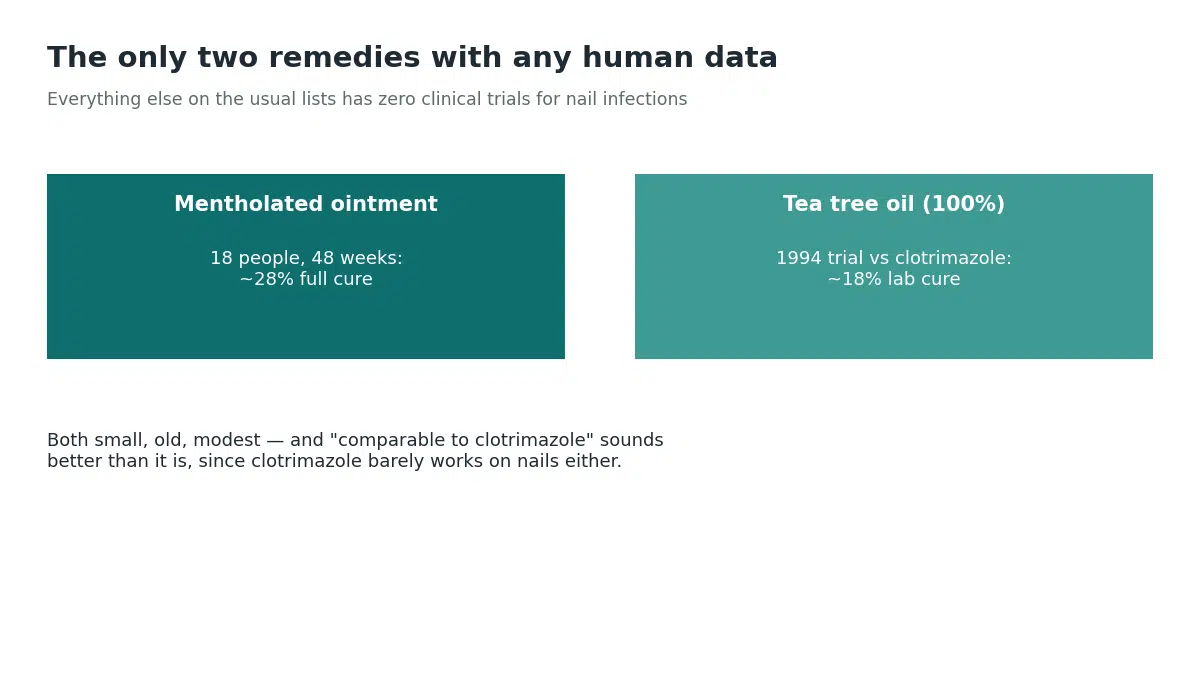
I have often wondered if the common chest rub in my bathroom could actually help clear up a stubborn nail infection. Many individuals share success stories about using vicks vaporub toenail fungus treatments at home. While clinical evidence is still evolving, the anecdotal interest in this method remains quite high among those seeking accessible options.

Why Menthol and Camphor May Help

The effectiveness of this ointment likely stems from its active ingredients, which include menthol, camphor, and eucalyptus oil. These compounds are known for their antiseptic and antifungal properties. When applied to the nail, they may create an environment that is less hospitable for fungal growth.

Menthol, in particular, provides a cooling sensation that can soothe irritation around the nail bed. Camphor acts as a mild topical anesthetic and has shown potential in laboratory settings to inhibit the growth of certain fungi. Combining these ingredients creates a potent mixture that many people find useful for their daily care routine.

Application Techniques for Maximum Absorption

To get the best results, I recommend a consistent and thorough application process. First, ensure your feet are clean and completely dry before you begin. Moisture can hinder the absorption of the ointment, so taking a moment to towel off thoroughly is essential for success.

Apply a small amount of the ointment directly to the affected nail and the surrounding skin. Use your finger or a cotton swab to gently massage the product into the nail plate and the cuticle area. This technique helps the active ingredients penetrate the nail surface more effectively.

For the best outcome, try to apply the treatment at least once or twice daily. Consistency is the key when using vicks vaporub toenail fungus remedies, as nail growth is a slow process. Patience is vital, as you may need to continue this routine for several months to see visible improvements in the health of your nail.

Utilizing Baking Soda for Toenail Fungus

I have found that common household items like baking soda can be surprisingly effective for managing nail health. This simple pantry staple is a cost-effective component of a comprehensive home treatment plan. By using baking soda toenail fungus can be addressed through its ability to alter the pH levels of the skin and nails.

A close-up view of a person's foot with a focus on the toenail affected by fungus, showing a baking soda paste applied to the nail. The foreground features a clear, detailed depiction of the toenail, highlighting the texture and discoloration associated with fungus. In the middle, a small bowl of baking soda and a spoon are placed on a wooden kitchen table, with some baking soda sprinkled around. The background is softly blurred, revealing a cozy, well-lit kitchen setting, with sunlight streaming through a nearby window. The overall mood is informative and encouraging, showcasing natural home remedies in a soothing, bright atmosphere. The angle is slightly elevated, creating a feeling of intimacy and focus on the remedy without any distractions.

Creating a Paste for Topical Application

To target the infection directly, I often suggest making a simple paste. You can mix a small amount of baking soda with just enough water to create a thick, spreadable consistency. Consistency is key when applying this mixture directly to the affected nail area.

Once the paste is ready, apply it gently to the nail and the surrounding skin. Leave it on for about ten minutes before rinsing it off with warm water. Using this method regularly helps create an environment that is less hospitable to fungal growth.

Using Baking Soda in Foot Baths

Beyond topical pastes, incorporating this ingredient into your daily routine is quite easy. A foot bath is an excellent way to neutralize odors while simultaneously treating the area. I recommend adding a half-cup of baking soda to a basin of warm water to soak your feet for fifteen minutes.

This practice helps to soften the nail plate and keeps the feet clean. By maintaining this habit, you support the overall health of your feet while managing the symptoms of baking soda toenail fungus. It is a gentle yet effective way to keep your feet feeling fresh and healthy throughout your recovery process.

Incorporating Essential Oils for Antifungal Support

I often recommend adding a high-quality essential oil to your daily regimen for extra antifungal support. While primary treatments address the core infection, these concentrated plant extracts can provide a secondary layer of defense. By integrating them carefully, you may improve the overall environment of your nail bed.

Oregano Oil and Its Potent Compounds

Oregano oil is widely recognized for its intense concentration of carvacrol and thymol. These two compounds are known for their strong ability to combat persistent fungal growth. I find that when used correctly, this essential oil acts as a powerful ally in your wellness journey.

Because it is highly potent, you must always dilute it with a carrier oil like coconut or olive oil. Applying it directly to the skin without dilution can cause significant irritation. Always perform a patch test on a small area of healthy skin before applying it to the affected nail.

Lavender and Thyme Oil Benefits

Lavender oil offers more than just a pleasant scent; it provides soothing properties that help calm the skin around the nail. When I combine it with other treatments, it helps reduce the redness and inflammation often associated with fungal infections. It is a gentle yet effective essential oil for long-term maintenance.

Thyme oil is another excellent choice due to its high thymol content, which mirrors some of the benefits found in oregano. Using these oils in a rotation can prevent the fungus from adapting to a single treatment method. This variety ensures that your nail care routine remains effective over time.

Oil TypePrimary BenefitBest Use Case
OreganoPotent AntifungalStubborn, thick nails
LavenderSoothing/CalmingSensitive, irritated skin
ThymeSupportive DefenseRotating with other oils

Incorporating an essential oil into your routine requires patience and consistency. By choosing the right extract for your specific needs, you can create a more robust defense against nail fungus. Always remember that these natural tools work best when used as part of a comprehensive care plan.

Maintaining Proper Foot Hygiene During Treatment

I have learned that applying remedies is only half the battle when it comes to clearing up stubborn nail infections. While topical treatments work to kill the fungus, your daily habits determine whether the infection stays away or returns with a vengeance. Consistency in your hygiene routine is the most effective way to support the healing process.

Keeping Feet Dry Throughout the Day

Fungus thrives in dark, damp, and warm environments. To stop its growth, I make it a priority to keep my feet as dry as possible from morning until night. If my feet sweat during the day, I immediately change my socks to prevent moisture buildup.

Using antifungal powders inside my shoes has also been a game-changer. These powders help absorb excess moisture and create an environment where fungi struggle to survive. I always ensure my feet are completely dry after showering before I put on any footwear.

Choosing Breathable Footwear and Socks

The materials you wear play a significant role in how much air reaches your toes. I avoid synthetic fabrics that trap sweat against the skin, opting instead for moisture-wicking socks made from merino wool or specialized synthetic blends. These materials pull moisture away from the skin, keeping the area around the nail much drier.

When it comes to shoes, I look for options that offer plenty of ventilation. Leather or mesh uppers are far superior to non-breathable plastic materials. By allowing adequate airflow, I ensure that my toes stay cool and dry, which is essential for preventing the fungus from spreading further.

Dietary Adjustments to Support Nail Health

I have found that true healing often starts from within, especially when dealing with stubborn toenail fungus. While topical applications are vital for addressing the surface infection, your internal health dictates how effectively your body can resist and repair fungal damage. By focusing on your diet, you create an environment where your immune system can thrive and support the recovery process.

A vibrant and informative still life composition showcasing a variety of foods beneficial for nail health. In the foreground, feature a wooden cutting board topped with an assortment of colorful fruits and vegetables, such as oranges, bell peppers, and spinach, symbolizing rich vitamins. Beside them, display a small glass bowl filled with nuts and seeds, representing healthy fats. In the middle ground, include a glass of water infused with lemon slices to emphasize hydration. The background should have a softly blurred kitchen setting with natural light streaming in from a window, creating a warm and inviting atmosphere. Use a shallow depth of field for focus on the food items, conveying a sense of nourishment and care. Aim for an overall mood of health and vitality, inviting viewers to consider dietary adjustments for optimal nail health.

Probiotics and Gut Health Connection

The health of your gut is intimately linked to your body’s ability to fight off fungal infections. A balanced microbiome helps regulate your immune response, which is your primary defense against opportunistic fungi. When your gut flora is healthy, your body is better equipped to prevent the overgrowth of harmful organisms.

Incorporating probiotic-rich foods like yogurt, kefir, sauerkraut, and kimchi can help restore this balance. I recommend adding these fermented options to your daily meals to foster a stronger internal defense system. A healthy gut is the foundation for overall wellness and resilient nail growth.

Nutrients That Promote Stronger Nails

To grow healthy, strong nails, your body requires specific building blocks. Deficiencies in certain vitamins and minerals can leave your nails brittle and more susceptible to fungal penetration. Focusing on a nutrient-dense diet ensures that your nails have the structural integrity needed to resist infection.

Key nutrients that I prioritize for nail health include:

  • Biotin: This B-vitamin is essential for strengthening the keratin structure of your nails.
  • Zinc: A vital mineral that supports cell division and helps your body repair damaged tissue.
  • Protein: Since nails are made of keratin, consuming adequate high-quality protein is absolutely necessary for growth.
  • Iron: Proper iron levels prevent nails from becoming thin or concave, which can create gaps for fungus to hide.

By consistently fueling your body with these nutrients, you provide the raw materials required for healthy nail regeneration. This holistic approach complements your topical treatments, ensuring that you are attacking the fungus from every possible angle.

Recognizing When Home Remedies Are Not Enough

It is important to recognize that even the best natural toenail fungus remedy has its limitations. While many people find success with gentle, at-home approaches, some infections are too deep or aggressive to respond to topical applications alone. I believe that being honest about your progress is the most responsible way to manage your foot health.

Signs of Severe Infection

You should pay close attention to how your nail looks and feels as you proceed with your treatment. If you notice that the infection is spreading to the skin around the nail, or if the nail itself becomes extremely thick, brittle, or painful, these are red flags. A severe infection often causes the nail to detach from the nail bed or emit a foul odor.

If you have underlying health conditions, such as diabetes or a compromised immune system, you must be extra cautious. In these cases, a simple natural toenail fungus remedy might not be enough to prevent secondary bacterial infections. Please do not ignore persistent redness, swelling, or warmth around the toe, as these symptoms require immediate medical attention.

When to Consult a Podiatrist

There comes a time when professional intervention is the safest path forward. If you have consistently followed a treatment plan for several months without seeing any signs of healthy nail growth, it is time to schedule an appointment with a podiatrist. A professional can accurately diagnose the specific type of fungus and determine if it has reached the nail matrix.

A podiatrist may offer treatments that are not available at home, such as prescription-strength oral antifungals or specialized laser therapy. These medical interventions are often more effective at penetrating the nail plate to reach the root of the infection. Prioritizing your long-term health means knowing when to step away from home remedies and seek the expertise of a medical professional.

Before jumping straight to a prescription, many people find success trying a store-bought option first. If you want to explore that middle ground, my guide to the best over the counter toenail fungus treatment that works walks through the most effective OTC formulas available today. For additional guidance on when professional care becomes necessary, the American Academy of Dermatology offers trusted resources on diagnosing and treating nail fungus.

Safety Precautions and Potential Side Effects

I want to ensure your journey toward healthier nails is both effective and safe by highlighting essential precautions. While natural remedies offer a promising path to recovery, your safety must remain the top priority throughout the process. Taking a cautious approach helps you avoid complications while you work toward clearing the infection.

Identifying Allergic Reactions

Before you apply any new substance to your skin, you must perform a patch test. This simple step involves applying a small amount of the diluted essential oil or remedy to a discreet area, such as your inner forearm. Wait at least twenty-four hours to see if any redness, itching, or swelling develops.

If you notice any signs of an allergic reaction, wash the area immediately with mild soap and water. Do not proceed with the treatment if your skin shows signs of sensitivity. Listening to your body is the most reliable way to prevent a more severe reaction from occurring on your feet.

Avoiding Irritation on Healthy Skin

The skin surrounding an infected nail is often delicate and prone to irritation. When applying treatments, I recommend using a barrier method to protect the healthy tissue. You can apply a thin layer of petroleum jelly around the nail bed before using your chosen remedy.

This protective barrier ensures that the essential oil or acidic solution stays focused on the nail rather than burning the surrounding skin. Consistency is key, but it should never come at the cost of your skin’s health. If you experience persistent stinging or burning, stop the application immediately and allow the area to heal before trying a more diluted concentration.

Tracking Your Progress and Managing Expectations

Healing your toenails is a journey that requires a great deal of patience and dedication. It is easy to feel discouraged when you do not see immediate improvements after starting a new routine. However, consistency is far more important than looking for overnight results.

By keeping a steady schedule, you provide your body with the best chance to recover. Remember that your commitment today directly impacts the health of your nails in the coming months.

The Slow Growth Cycle of Toenails

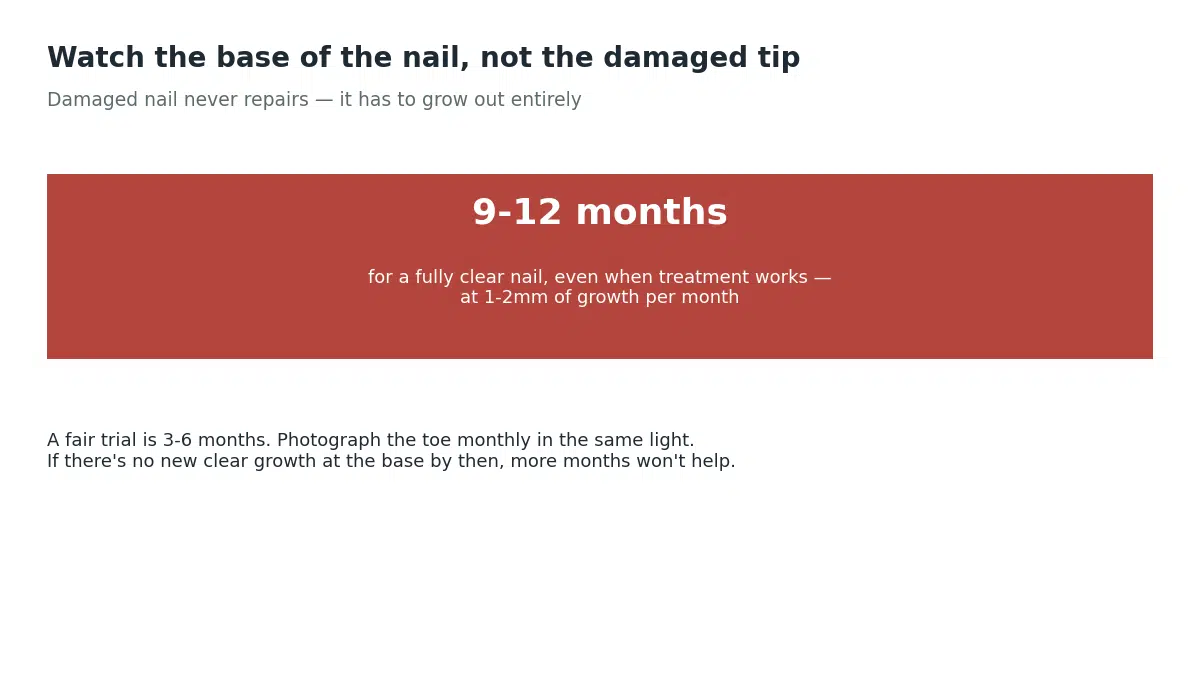
Toenails grow at a surprisingly slow rate compared to fingernails. On average, it can take anywhere from six to twelve months for a completely new, healthy nail to grow out and replace the infected one. This biological reality means that you must remain diligent with your chosen care routine for a long time.

Do not be alarmed if the base of the nail looks healthy while the tip remains discolored. This is a normal sign that the new nail is growing in properly. Patience is your greatest asset during this transition period.

Documenting Changes with Photos

One of the most effective ways to stay motivated is to document your progress with regular photos. Because changes happen so slowly, you might not notice subtle improvements on a day-to-day basis. Taking a clear, well-lit picture of your affected toe once every two weeks can reveal the gradual transformation you are achieving.

Comparing these photos over several months provides tangible proof that your efforts are working. When you feel like giving up, looking back at your starting point can provide the necessary encouragement to keep going. Keep your photos organized in a folder on your phone so you can easily track your success over time.

Lifestyle Changes to Prevent Future Infections

I have found that keeping my feet fungus-free depends heavily on how I manage my daily surroundings. While topical treatments help clear existing issues, environmental control is the secret to ensuring the fungus does not return. By making small, consistent adjustments to my routine, I can protect my nails from future outbreaks.

Sanitizing Your Shoes and Shower Area

Fungal spores are incredibly resilient and can linger in dark, damp places for a long time. If I do not address these hidden reservoirs, I risk reinfecting my feet every time I put on my favorite pair of sneakers. I make it a priority to thoroughly sanitize my footwear and bathroom surfaces regularly.

To keep my environment clean, I follow these essential steps:

  • Rotate my shoes: I never wear the same pair two days in a row, allowing them at least 24 hours to dry out completely.
  • Use antifungal sprays: I apply a medical-grade antifungal spray inside my shoes after every use to kill lingering spores.
  • Deep clean the shower: I scrub my shower floor and drain with a bleach-based cleaner weekly to prevent fungal buildup.
  • Wash socks in hot water: I always use the hottest setting on my washing machine to ensure any potential spores are destroyed.

Avoiding Public Spaces Without Protection

Public areas like gyms, locker rooms, and swimming pools are common breeding grounds for fungi. Because these surfaces are often warm and moist, they provide the perfect environment for spores to thrive. I have learned that walking barefoot in these shared spaces is a risk I am no longer willing to take.

To maintain my foot health, I always carry a pair of protective flip-flops or shower shoes whenever I visit public facilities. This simple barrier prevents direct contact with contaminated floors and significantly lowers my chances of picking up a new infection. Staying vigilant in these high-traffic areas is a vital part of my long-term strategy for healthy, clear nails.

Conclusion

Achieving clear and healthy nails requires a dedicated approach to your daily routine. I have explored various natural methods, ranging from tea tree oil applications to vinegar soaks and Vicks VapoRub treatments. Each of these options offers a unique way to support your recovery process.

Success depends on your ability to remain consistent with these habits. You must pair these topical treatments with strict foot hygiene and breathable footwear choices. Small adjustments to your diet and environment play a significant role in preventing future fungal growth.

Patience remains your greatest asset during this journey. Toenails grow slowly, so you should track your progress by taking regular photos to notice subtle improvements. If you do not see positive changes or if your condition worsens, reach out to a podiatrist for professional guidance.

I encourage you to stay diligent with your care plan. By combining these natural remedies with proactive lifestyle changes, you take control of your foot health. Your commitment today leads to the clear, strong nails you want for the future.

FAQ

What is the scientific name for the fungal infection I am dealing with?

When I discuss this condition, I am referring to onychomycosis. This is the biological term for a fungal infection that invades the nail bed and plate, often thriving in the dark, damp environment of our shoes.

How should I prepare my nails before starting a natural toenail fungus remedy?

I always suggest trimming and thinning the infected nail first. By carefully filing down the thickened surface and keeping the length short, I ensure that any topical natural toenail fungus remedy can penetrate deeper into the site of the infection.

Is it safe to apply tea tree oil for nail fungus directly to my skin?

While tea tree oil for nail fungus is incredibly effective due to its antifungal properties, I recommend performing a patch test first. If you have sensitive skin, I suggest a dilution ratio using a carrier oil like coconut or olive oil to prevent irritation while still targeting the fungus.

How long should I perform a vinegar soak toenail fungus treatment?

For a vinegar soak toenail fungus routine to be effective, I recommend soaking your feet for at least 15 to 20 minutes daily. The acidity of the white vinegar or Bragg Apple Cider Vinegar helps create an environment where the fungus cannot survive.

Does vicks vaporub toenail fungus treatment actually work?

In my experience, using vicks vaporub toenail fungus applications can be quite effective. The active ingredients, specifically menthol, camphor, and eucalyptus oil, have antifungal properties that help clear the infection when applied consistently to the affected nail.

How do I use baking soda toenail fungus treatments in my daily routine?

I utilize baking soda toenail fungus solutions in two ways: by creating a thick paste for direct application and by adding it to my foot baths. It works wonders for neutralizing odors and absorbing the moisture that fungus needs to grow.

Which essential oils are most effective for supporting nail health?

Beyond tea tree oil, I highly recommend incorporating essential oils like oregano oil, which contains carvacrol, as well as lavender and thyme oils. These provide powerful antifungal support and can be mixed into your daily topical regimen.

How can I prevent the fungus from coming back after I’ve cleared it?

I maintain my results by practicing strict foot hygiene. This includes sanitizing my shoes with antifungal sprays, wearing moisture-wicking socks, and always wearing sandals in public areas like the gym or local swimming pools.

When should I stop home remedies and see a professional podiatrist?

If I notice that the infection is causing significant pain, spreading to the surrounding skin, or if the nail is becoming severely deformed, I know it is time to consult a podiatrist. Professional intervention is necessary if home treatments do not show progress after several months.

Why does it take so long to see results with natural treatments?

I always remind my readers that toenails grow very slowly. It can take six months to a year for a completely new, healthy nail to grow out from the base. Patience and consistency are my most important tools during this process.

Can changing my diet help me fight off nail fungus?

Yes, I believe internal health is just as important as topical care. I focus on consuming probiotics to support my gut health and ensure I get enough biotin and zinc to promote the growth of stronger, more resilient nails.

Related Posts

Can Ashwagandha Cause Weight Loss?
BLOG

Can Ashwagandha Cause Weight Loss?

July 23, 2026
Best High Fiber Foods for Pregnancy
BLOG

Best High Fiber Foods for Pregnancy for Healthy Moms

July 23, 2026
Food Sources of Tyrosine
BLOG

Food Sources of Tyrosine: Your Complete Guide to This Essential Amino Acid

July 23, 2026
Which Is the Best Tea for Weight Loss?
BLOG

Which Is the Best Tea for Weight Loss? Science-Backed Guide to 12 Effective Teas

July 22, 2026
Best Breakfast Cereals for Diabetics
BLOG

Best Breakfast Cereals for Diabetics: Smart Choices for Blood Sugar Control

July 22, 2026
Should Diabetics Eat Banana?
BLOG

Should Diabetics Eat Banana? A Complete Guide to Blood Sugar and Fruit

July 22, 2026
Natural Remedies for Nose Congestion
BLOG

Natural Remedies for Nose Congestion: Proven Solutions for Clear Breathing

July 22, 2026
freshly brewed green tea in transparent cup showing golden-green color with pH testing strip
BLOG

Is Green Tea Acidic? Understanding pH Levels and Health Implications

July 22, 2026
ProDentim Reviews: What Real Users Are Saying About This Oral Health Supplement
REVIEWS

ProDentim Reviews: What Real Users Are Saying About This Oral Health Supplement

July 24, 2026
How to Get Rid of Fat Neck
BLOG

How to Get Rid of Fat Neck: Complete Solutions Guide

July 22, 2026
Load More

Leave a Reply Cancel reply

Your email address will not be published. Required fields are marked *

I agree to the Terms & Conditions and Privacy Policy.

Our Mission

At HealthMagHub, our mission is to empower individuals and families to make informed health decisions by providing accurate, evidence-based, and easy-to-understand health information. We are committed to delivering high-quality content across a wide range of topics, including nutrition, fitness, weight management, men’s and women’s health, mental wellness, healthy aging, disease prevention, and in-depth health product reviews. Every article is carefully researched, fact-checked, and written with our readers’ well-being in mind. Our goal is to simplify complex health topics, promote healthier lifestyles, and build a trusted resource where people can confidently find reliable guidance, practical wellness tips, and the latest insights to support a healthier, happier life.

Can Ashwagandha Cause Weight Loss?
BLOG

Can Ashwagandha Cause Weight Loss?

by Jenna Castillo
July 23, 2026
0

Affiliate Disclosure: This article contains affiliate links. We may earn a commission from purchases made through these links at no...

Read moreDetails
Best High Fiber Foods for Pregnancy

Best High Fiber Foods for Pregnancy for Healthy Moms

July 23, 2026
Food Sources of Tyrosine

Food Sources of Tyrosine: Your Complete Guide to This Essential Amino Acid

July 23, 2026
Which Is the Best Tea for Weight Loss?

Which Is the Best Tea for Weight Loss? Science-Backed Guide to 12 Effective Teas

July 22, 2026
Best Breakfast Cereals for Diabetics

Best Breakfast Cereals for Diabetics: Smart Choices for Blood Sugar Control

July 22, 2026

Categories

  • BLOG
  • Brain Health
  • General Fitness
  • Hearing Health
  • Joint Health
  • Men's Health
  • Neuropathy Help
  • Oral Health
  • Prostate Health
  • REVIEWS
  • Skin Health
  • Toenail Fungus Help
  • Weight Loss
  • HOME
  • ABOUT
  • PRIVACY POLICY
  • Terms & Conditions
  • Affiliate Disclosure
  • Medical Disclaimer
  • Contact Us
  • SUBMIT YOUR REVIEW

© 2026 HealthMagHub. Trusted Health. Smarter Living. All Rights Reserved.

No Result
View All Result
  • HOME
  • BLOG
  • REVIEWS
  • TOOLS

© 2026 HealthMagHub. Trusted Health. Smarter Living. All Rights Reserved.

This website uses cookies. By continuing to use this website you are giving consent to cookies being used. Visit our Privacy and Cookie Policy.