healthmaghub
  • HOME
  • BLOG
  • REVIEWS
  • TOOLS
No Result
View All Result
  • HOME
  • BLOG
  • REVIEWS
  • TOOLS
No Result
View All Result
HealthNews
No Result
View All Result

Best Electrolyte Drinks: Science-Backed Hydration Solutions for Every Need

by Owen Bradley
July 22, 2026
Reading Time: 39 mins read
0
Finding the best electrolyte drinks can transform how your body performs and recovers. Whether you’re an athlete pushing through intense workouts or someone seeking better daily hydration, electrolyte drinks offer targeted support that plain water simply cannot provide.Your body loses essential minerals through sweat, exercise, and daily activities. These minerals, called electrolytes, play crucial roles in muscle function, nerve signaling, and fluid balance. Without adequate replacement, you may experience fatigue, cramps, or diminished performance.

What Are Electrolytes and Why Do They Matter?

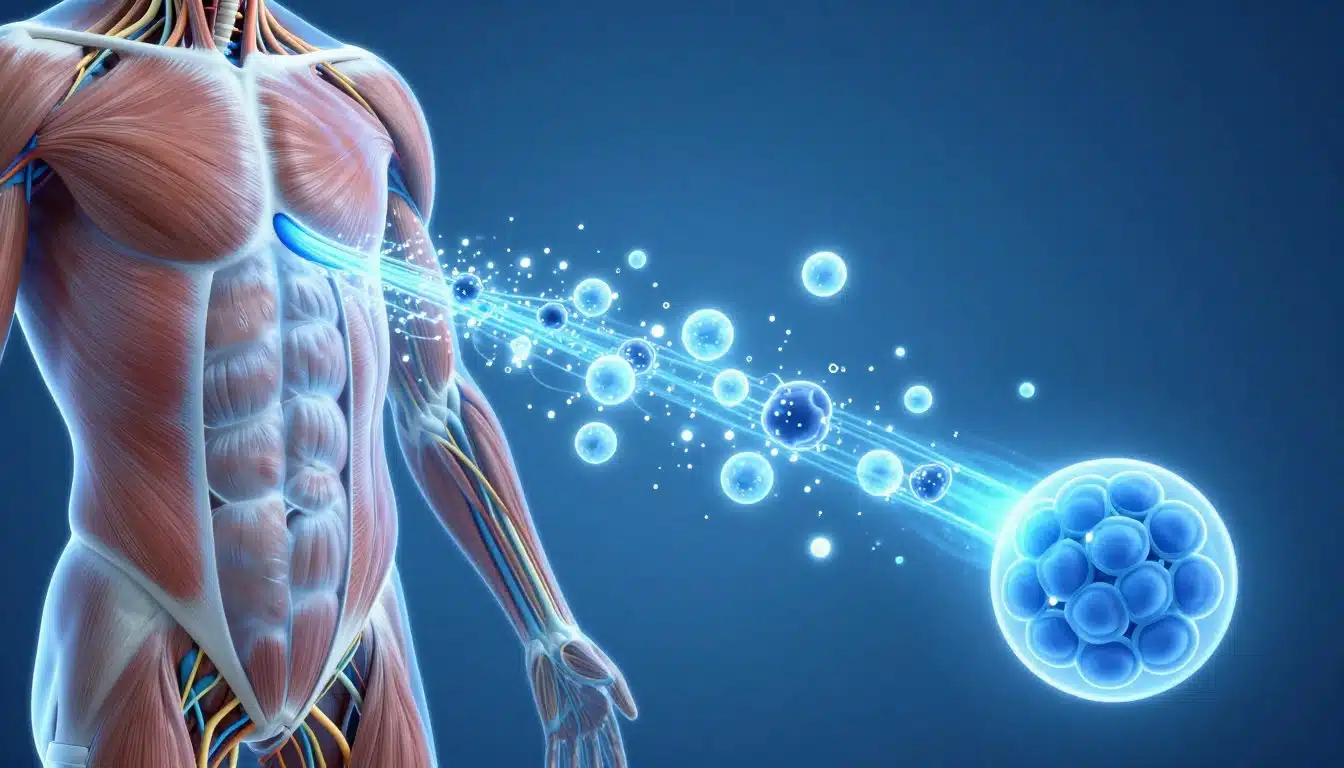
Electrolytes are minerals in your body that carry an electrical charge. These essential nutrients dissolve in body fluids and help regulate critical physiological functions. The primary electrolytes include sodium, potassium, magnesium, calcium, and chloride.

Each electrolyte serves specific purposes. Sodium helps maintain fluid balance and supports nerve transmission. Potassium regulates heart rhythm and muscle contractions. Magnesium contributes to energy production and bone health. Calcium strengthens bones and enables muscle movement. Chloride works with sodium to maintain proper fluid levels.

According to Mayo Clinic research, electrolyte imbalances can lead to serious health complications. Symptoms may include muscle weakness, irregular heartbeat, confusion, and severe fatigue.

How Your Body Loses Electrolytes

You lose electrolytes through multiple pathways throughout the day. Sweating during exercise represents the most obvious route, but other factors contribute to electrolyte depletion.

Physical Activity

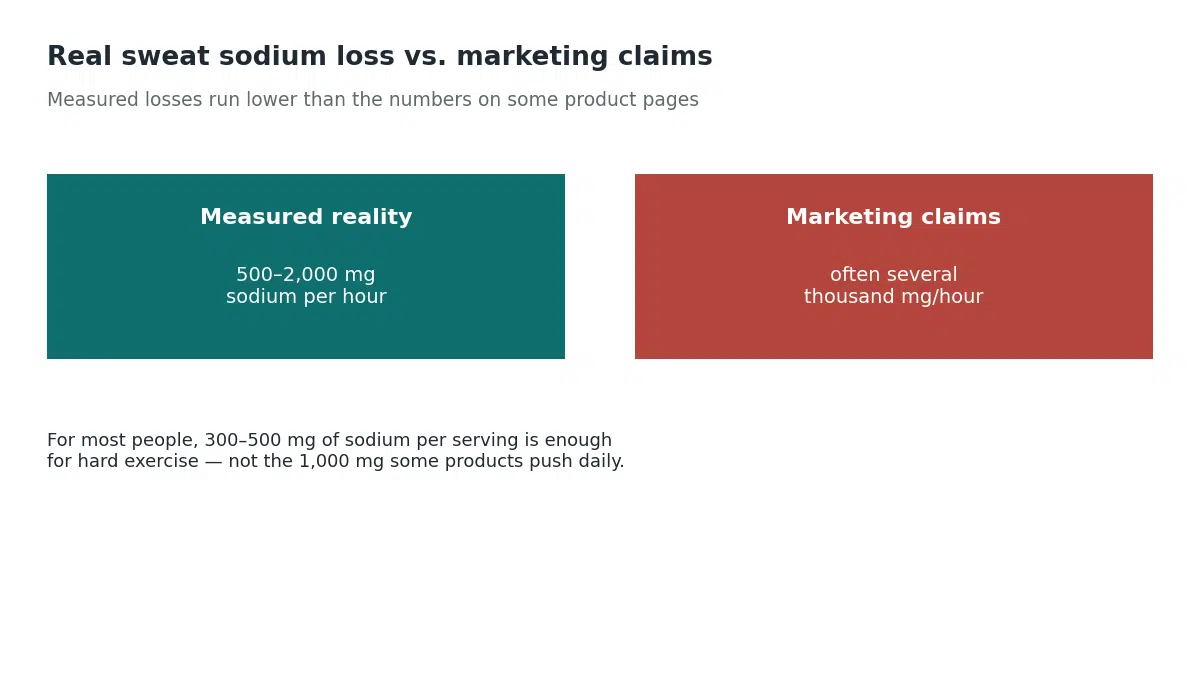
Exercise intensity directly affects electrolyte loss. Endurance athletes may lose 3,000-7,000 mg of sodium per hour through sweat. Higher temperatures and humidity increase these losses significantly.

  • Intense cardio workouts deplete sodium rapidly
  • Long-duration activities require ongoing replacement
  • Hot weather amplifies sweat-related losses
  • Individual sweat rates vary considerably

Daily Functions

Normal bodily processes continuously use and excrete electrolytes. Kidney function, digestion, and cellular metabolism all require these minerals to operate properly.

  • Kidney filtration removes excess minerals
  • Digestive processes require electrolyte balance
  • Illness and fever increase fluid losses
  • Certain medications affect electrolyte retention

Signs You Need Electrolyte Replacement

Your body sends clear signals when electrolyte levels drop too low. Recognizing these symptoms helps you address deficiencies before they impact performance or health.

  • Muscle cramps or spasms indicate insufficient sodium or potassium
  • Persistent fatigue despite adequate rest suggests electrolyte depletion
  • Headaches or dizziness may result from fluid-electrolyte imbalance
  • Irregular heartbeat requires immediate medical attention
  • Nausea or vomiting disrupts electrolyte absorption
  • Mental confusion signals severe electrolyte disturbance

Athletes particularly need to monitor these signs during and after workouts. Replacing lost electrolytes helps maintain performance and accelerates recovery.

Electrolyte Drinks vs Plain Water: Understanding the Difference

Plain water serves as an excellent hydration source for most daily activities. It replenishes fluid without adding calories, sugar, or sodium. For light activity lasting under an hour, water typically provides sufficient hydration.

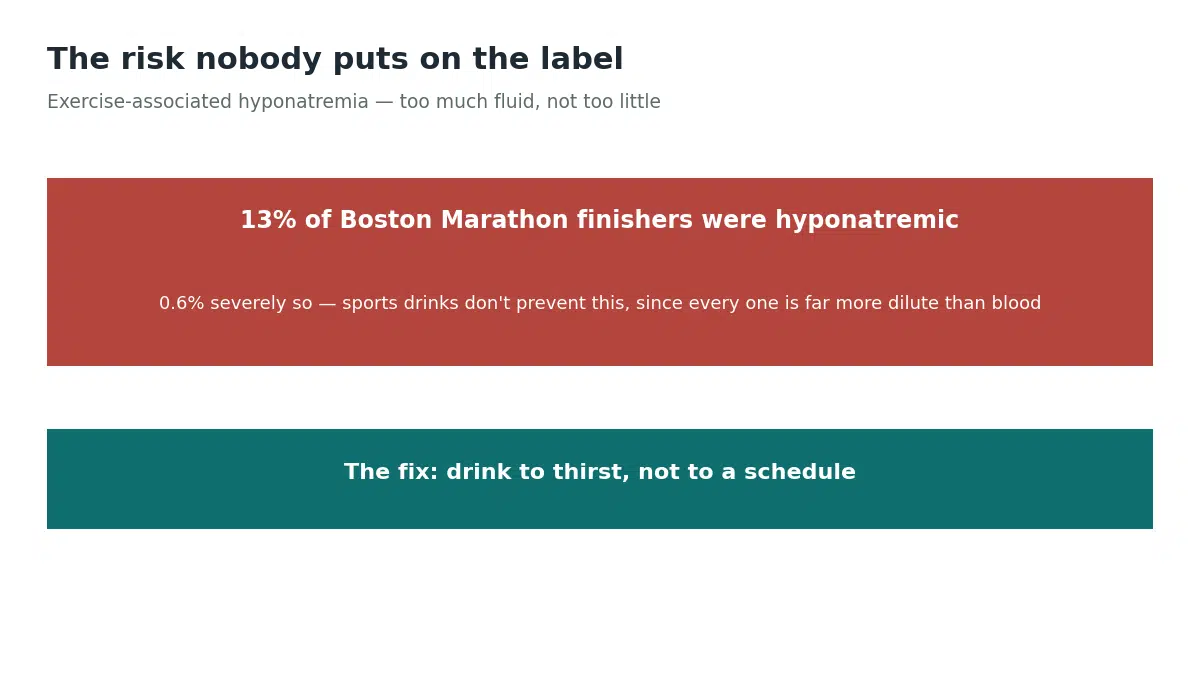
However, water alone cannot replace electrolytes lost during intense exercise or prolonged activity. When you sweat heavily, drinking only water may actually dilute remaining electrolytes in your system, potentially causing hyponatremia (dangerously low sodium levels).

When Water Isn’t Enough

Electrolyte drinks become necessary under specific conditions. These beverages contain measured amounts of sodium, potassium, and other minerals that match what your body loses through sweat.

Best Uses for Plain Water

  • Light daily activities
  • Workouts under 60 minutes
  • Low-intensity exercise
  • Cool weather conditions
  • General daily hydration
  • Meals and snacks

Best Uses for Electrolyte Drinks

  • Intense workouts over 60 minutes
  • Hot or humid conditions
  • Endurance events and races
  • Multiple daily training sessions
  • Illness with vomiting or diarrhea
  • Heavy sweating situations

The Science of Enhanced Hydration

Research published in the Journal of Applied Physiology demonstrates that beverages containing sodium and glucose enhance fluid absorption in the intestines. This process, called sodium-glucose cotransport, allows your body to absorb water more efficiently than drinking plain water alone.

The ideal electrolyte drink contains specific ratios of sodium to support this absorption mechanism. Most effective formulations provide 300-700 mg of sodium per serving, along with smaller amounts of potassium and magnesium.

Key Point: Electrolyte drinks work best when they contain adequate sodium content. Products with less than 200 mg sodium per serving may not provide sufficient replacement for serious athletes or intense exercise conditions.

How to Choose the Best Electrolyte Drink for Your Needs

Selecting the right electrolyte drink depends on multiple factors. Your activity level, sweat rate, taste preferences, and dietary requirements all influence which product works best for you.

Essential Criteria for Evaluation

Every electrolyte product should meet certain basic standards. These criteria help separate effective hydration solutions from marketing hype.

4.5
Overall Evaluation Criteria
Sodium Content

4.6/5

Sugar Levels

4.3/5

Ingredient Quality

4.5/5

Taste Profile

4.2/5

Value for Money

4.4/5

Sodium Content: The Most Critical Factor

Sodium represents the most important electrolyte for hydration. Your body loses more sodium through sweat than any other mineral. An effective electrolyte drink should provide substantial sodium replacement.

Look for products offering at least 300 mg of sodium per serving. Athletes training in hot conditions or those with higher sweat rates may need 500-1,000 mg per serving. Products with insufficient sodium cannot adequately replace what you lose during exercise.

Sugar Content Considerations

Sugar serves two purposes in electrolyte drinks. It provides quick energy during exercise and enhances sodium absorption in the intestines. However, excessive sugar adds unnecessary calories and may cause digestive discomfort.

Higher Sugar Options (15-25g per serving)

  • Traditional sports drinks like Gatorade
  • Provide immediate energy during activity
  • Better for intense workouts over 90 minutes
  • May cause blood sugar spikes when inactive
  • Higher calorie content

Low/No Sugar Options (0-5g per serving)

  • Modern formulas using alternative sweeteners
  • Lower calorie counts
  • Better for weight management
  • May require separate fuel source for long activities
  • Less impact on blood glucose

Ingredient Quality and Additives

The best electrolyte drinks use clean, recognizable ingredients. Artificial flavors, colors, and preservatives aren’t necessarily harmful, but many consumers prefer more natural formulations.

  • Natural flavors come from fruit extracts and plant sources
  • Artificial sweeteners like sucralose reduce calories but may affect gut bacteria
  • Natural sweeteners including stevia provide zero-calorie sweetness from plants
  • Added vitamins offer potential benefits but increase product cost
  • Organic certification ensures no synthetic pesticides in ingredients

Potassium and Magnesium Levels

While sodium takes priority, potassium and magnesium also support proper muscle function and recovery. Quality electrolyte drinks include meaningful amounts of these minerals.

Effective products typically contain 100-200 mg of potassium and 20-60 mg of magnesium per serving. These amounts help maintain electrolyte balance without excessive intake.

Format and Convenience

Electrolyte products come in several formats. Each offers different advantages depending on your lifestyle and preferences.

Format Type Advantages Disadvantages Best For
Ready-to-Drink Bottles Immediate convenience, no mixing required, consistent flavor Higher cost per serving, bulky to transport, creates plastic waste Occasional use, convenience-focused consumers
Powder Mix Cost-effective, customizable strength, lightweight for travel Requires mixing, needs water bottle, measuring needed Regular users, athletes, budget-conscious buyers
Tablets/Drops Ultra-portable, precise dosing, minimal packaging Dissolution time, limited flavor options, texture changes Travelers, minimalists, endurance athletes
Concentrated Liquid Easy mixing, fast absorption, long shelf life Sticky if spilled, less portable than tablets, needs measuring Home use, pre-workout preparation

Taste and Flavor Preferences

The best electrolyte drink means nothing if you won’t drink it. Flavor significantly impacts compliance and enjoyment. Most brands offer multiple flavor options to suit different preferences.

Some people prefer subtle, barely-there flavors that taste close to plain water. Others enjoy bolder, fruit-forward profiles. Testing sample packs helps you find flavors you’ll actually consume regularly.

Pro Tip: Purchase variety packs when trying a new brand. This approach lets you discover preferred flavors without committing to large quantities of a single option you might not enjoy.

Best Electrolyte Drinks: Comprehensive Product Reviews

We’ve tested and analyzed the leading electrolyte drink products on the market. Each review considers sodium content, ingredient quality, taste, value, and real-world performance. These recommendations represent the best options across different categories and use cases.

Best Overall Electrolyte Drink: LMNT Recharge

4.8
Overall Rating
Sodium Content

4.9/5

Taste Quality

4.5/5

Value

4.7/5

LMNT Recharge delivers science-backed electrolyte ratios specifically designed for active individuals. Each stick pack contains 1,000 mg sodium, 200 mg potassium, and 60 mg magnesium with zero sugar, artificial ingredients, or fillers.

This product stands out for its higher sodium content, which better matches actual sweat losses during exercise. The formula was developed by Robb Wolf, a biochemist and health researcher, specifically for athletes and those following lower-carb diets.

Key Specifications

  • Sodium per serving: 1,000 mg (optimal for serious athletes)
  • Sugar content: 0g (uses natural stevia for sweetness)
  • Calories: 10 per packet
  • Format: Individual stick packs (powder)
  • Flavors: 12+ options including citrus, raspberry, watermelon
  • Price per serving: Approximately $1.80-$2.00

Advantages

  • Higher sodium matches serious athlete needs
  • Zero sugar supports low-carb lifestyles
  • Clean ingredient list with no artificial additives
  • Convenient single-serve packets
  • Dissolves quickly in cold water
  • Multiple evidence-based flavor options

Limitations

  • Premium price point may not fit all budgets
  • Higher sodium may be excessive for light activity
  • Stevia aftertaste bothers some users
  • Limited availability in retail stores

Best for: Serious athletes, endurance training, keto/low-carb dieters, those with higher sodium needs, hot weather exercise.

Best Budget Electrolyte Option: Gatorade Thirst Quencher
4.2
Overall Rating
Availability

5.0/5

Value

4.8/5

Performance

3.8/5

Gatorade Thirst Quencher remains one of the most recognized sports drinks globally. Developed in 1965 for University of Florida athletes, it pioneered the electrolyte beverage category. This product offers widespread availability at an affordable price point.

While it doesn’t match newer formulations in sodium content or ingredient purity, Gatorade provides adequate electrolyte replacement for moderate activity. The familiar flavors and easy accessibility make it a practical choice for casual exercisers and team sports.

Key Specifications

  • Sodium per serving: 110 mg (lower than optimal for intense exercise)
  • Sugar content: 21g per 12 oz (provides energy but adds calories)
  • Calories: 80 per 12 oz serving
  • Format: Ready-to-drink bottles, powder mix available
  • Flavors: 30+ varieties including classics and limited editions
  • Price per serving: Approximately $0.50-$1.00

Advantages

  • Most affordable per-serving cost
  • Available in virtually every store
  • Decades of sports performance research
  • Familiar, well-liked flavors
  • Provides quick energy from sugar
  • Multiple size options from 12 oz to 64 oz

Limitations

  • Lower sodium content insufficient for serious athletes
  • High sugar content not ideal for all situations
  • Contains artificial colors and flavors
  • Higher calorie count affects weight management

Best for: Budget-conscious consumers, casual athletes, youth sports, team events, moderate-intensity workouts under 90 minutes.

Best for Athletes: Skratch Labs Sport Hydration Drink Mix
4.7
Overall Rating
Ingredient Quality

4.8/5

Athlete Performance

4.7/5

Taste

4.6/5

Skratch Labs Sport Hydration was developed by Dr. Allen Lim, who worked with professional cycling teams to create optimal hydration solutions. This drink mix uses real fruit for flavor and provides a balanced electrolyte profile specifically for endurance athletes.

The formula contains 380 mg sodium per serving with added cane sugar for energy. It’s designed to match sweat composition while being gentle on the stomach during intense exercise. Professional athletes across cycling, running, and triathlon rely on this product.

Key Specifications

  • Sodium per serving: 380 mg (well-balanced for endurance)
  • Sugar content: 19g from cane sugar (natural energy source)
  • Calories: 80 per serving
  • Format: Powder mix in bags or stick packs
  • Flavors: Fruit-based options using real ingredients
  • Price per serving: Approximately $1.20-$1.50

Advantages

  • Real fruit flavoring tastes natural
  • Non-GMO verified ingredients
  • Gluten-free and vegan formulation
  • Trusted by professional athletes
  • Easy on sensitive stomachs
  • Optimal sodium-to-sugar ratio for performance

Limitations

  • Mid-range pricing
  • Requires mixing and measurement
  • Limited retail availability
  • Some flavors may be too subtle for preferences

Best for: Endurance athletes, cyclists, runners, triathletes, those seeking natural ingredients, sensitive stomachs during exercise.

Best Low-Sugar Option: Nuun Sport Electrolyte Tablets
4.5
Overall Rating
Portability

4.9/5

Low Calorie

4.8/5

Flavor Variety

4.5/5

Nuun Sport revolutionized electrolyte supplementation with its effervescent tablet format. Each tablet dissolves in water to create a lightly flavored drink with just 1 gram of sugar and only 15 calories. The portable tubes make it incredibly convenient for travel and everyday use.

This product works well for those seeking electrolyte replacement without added calories or sugar. The formulation includes 300 mg sodium plus additional potassium, magnesium, and calcium for comprehensive mineral support.

Key Specifications

  • Sodium per serving: 300 mg (adequate for most activities)
  • Sugar content: 1g (minimal impact on blood sugar)
  • Calories: 15 per tablet
  • Format: Effervescent tablets in portable tubes
  • Flavors: 13+ options including fruit and botanical blends
  • Price per serving: Approximately $0.60-$0.85

Advantages

  • Ultra-portable tube format fits anywhere
  • Very low calorie and sugar content
  • No artificial flavors or sweeteners
  • Plant-based ingredients
  • Effervescent format dissolves quickly
  • Good value for regular users

Limitations

  • Takes 2-3 minutes to fully dissolve
  • Slightly fizzy texture may not appeal to everyone
  • Lower sodium than some athletes need
  • No energy provision from carbohydrates

Best for: Weight management, daily hydration, light to moderate workouts, travel, office workers, those avoiding sugar.

Best Natural Option: Ultima Replenisher Electrolyte Powder
4.6
Overall Rating
Clean Ingredients

4.9/5

Electrolyte Balance

4.4/5

Taste

4.5/5

Ultima Replenisher appeals to health-conscious consumers seeking the cleanest possible ingredient list. This powder contains zero sugar, zero calories, and no artificial anything. It’s sweetened with organic stevia and flavored with natural fruit extracts.

The formula provides all six essential electrolytes: sodium, potassium, magnesium, calcium, chloride, and phosphorus. While sodium content is moderate at 55 mg per serving, the comprehensive mineral profile supports overall electrolyte balance.

Key Specifications

  • Sodium per serving: 55 mg (lower, may need supplementation for intense activity)
  • Sugar content: 0g (completely sugar-free)
  • Calories: 0 per serving
  • Format: Powder in canisters or stick packs
  • Flavors: 10+ fruit and refreshing varieties
  • Price per serving: Approximately $0.80-$1.10

Advantages

  • Certified vegan and gluten-free
  • Zero sugar and zero calories
  • No artificial colors, flavors, or sweeteners
  • Non-GMO verified
  • Six essential electrolytes included
  • Keto and paleo friendly

Limitations

  • Very low sodium for serious athletic needs
  • May require additional salt for endurance events
  • Some find stevia aftertaste noticeable
  • Not ideal as sole electrolyte source for heavy sweating

Best for: Clean eating enthusiasts, daily hydration enhancement, light exercise, ketogenic dieters, those with dietary restrictions.

Best Pre-Made Drink: Liquid I.V. Hydration Multiplier
4.6
Overall Rating
Hydration Technology

4.6/5

Convenience

4.7/5

Flavor

4.4/5

Liquid I.V. Hydration Multiplier uses Cellular Transport Technology (CTT) to enhance water absorption. This science-backed ratio of sodium, glucose, and potassium is designed to deliver hydration more efficiently than water alone.

Each stick pack contains 500 mg sodium and 11g sugar, providing both electrolytes and quick energy. The convenient single-serve format makes it popular for travel, hangovers, illness recovery, and general hydration support.

Key Specifications

  • Sodium per serving: 500 mg (solid amount for most users)
  • Sugar content: 11g from pure cane sugar
  • Calories: 45 per stick pack
  • Format: Individual powder stick packs
  • Flavors: 15+ varieties including tropical and traditional
  • Price per serving: Approximately $1.30-$1.70

Advantages

  • CTT technology enhances absorption
  • Non-GMO ingredients
  • Contains B vitamins and vitamin C
  • Convenient single-serve packets
  • Great for travel and on-the-go
  • Popular, well-reviewed brand

Limitations

  • Higher price per serving
  • Contains added sugar (though functional)
  • Some flavors are quite sweet
  • Not ideal for those avoiding all sugar

Best for: Travelers, hangover recovery, illness hydration, general wellness, convenient daily hydration, those wanting enhanced absorption.

Best for Recovery: Pedialyte AdvancedCare Plus
4.4
Overall Rating
Medical Backing

4.8/5

Recovery Support

4.6/5

Taste

3.8/5

Pedialyte AdvancedCare Plus represents a medical-grade hydration solution originally developed for children but now widely used by adults. This formulation includes PreActiv prebiotics to support digestive health during recovery from illness or dehydration.

The electrolyte balance is specifically designed to combat dehydration more effectively than sports drinks. With 490 mg sodium per liter and optimal osmolality, Pedialyte helps restore fluid balance quickly.

Key Specifications

  • Sodium per serving: 370 mg per 12 oz (medical-grade levels)
  • Sugar content: 9g (lower than traditional sports drinks)
  • Calories: 35 per 12 oz serving
  • Format: Ready-to-drink bottles and powder packets
  • Flavors: Several options designed for palatability during illness
  • Price per serving: Approximately $1.50-$2.00

Advantages

  • Medical-grade formulation
  • Includes prebiotics for gut health
  • Optimal for illness recovery
  • Zinc for immune support
  • Widely available in pharmacies
  • Trusted by healthcare professionals

Limitations

  • Medicinal taste may not appeal to everyone
  • Higher cost for regular use
  • Not optimized for athletic performance
  • Contains artificial sweeteners in some versions

Best for: Illness recovery, hangover relief, medical situations, children’s hydration, heat exhaustion, vomiting or diarrhea situations.

Best Coconut Water Option: Harmless Harvest Organic Coconut Water
4.3
Overall Rating
Natural Content

4.8/5

Potassium Level

4.6/5

Sodium Content

3.0/5

Coconut water provides natural electrolytes directly from young coconuts. Harmless Harvest uses organic coconuts and a special processing method that maintains the natural pink color and maximum nutrient content.

This beverage offers exceptional potassium levels (about 470 mg per serving) but relatively low sodium (45 mg). While not ideal as a sole electrolyte source for intense exercise, coconut water works well for light activity and daily hydration.

Key Specifications

  • Sodium per serving: 45 mg (natural but low for athletic needs)
  • Potassium per serving: 470 mg (excellent natural source)
  • Sugar content: 11g from natural coconut sugars
  • Calories: 60 per 8 oz serving
  • Format: Ready-to-drink bottles
  • Price per serving: Approximately $2.50-$3.50

Advantages

  • 100% organic and natural
  • High in potassium
  • Contains natural plant nutrients
  • No added sugars or ingredients
  • Sustainable sourcing practices
  • Light, refreshing natural taste

Limitations

  • Low sodium inadequate for serious athletes
  • Premium pricing
  • Natural sugar adds calories
  • Taste may not appeal to everyone
  • Requires refrigeration after opening

Best for: Natural product enthusiasts, light exercise, daily hydration, potassium supplementation, those avoiding processed drinks.

Best for Runners: Tailwind Nutrition Endurance Fuel
4.7
Overall Rating
Endurance Performance

4.8/5

Digestibility

4.7/5

Complete Nutrition

4.6/5

Tailwind Nutrition combines electrolytes with calories in a complete endurance fuel solution. Designed specifically for long-distance runners and cyclists, it provides everything needed in one drink, eliminating the need for gels or bars.

The formula dissolves completely with no grit and is designed to be gentle on the stomach during intense exercise. With 303 mg sodium and 25g of carbohydrates per serving, it supports both hydration and energy needs simultaneously.

Key Specifications

  • Sodium per serving: 303 mg (balanced for endurance)
  • Sugar content: 25g from dextrose and sucrose (quick energy)
  • Calories: 100 per serving
  • Format: Powder mix in bags or stick packs
  • Flavors: Several mild, non-sweet options
  • Price per serving: Approximately $1.40-$1.80

Advantages

  • Complete nutrition in one product
  • Extremely gentle on stomach
  • Dissolves completely with no residue
  • Non-GMO, vegan, gluten-free
  • Eliminates need for separate fuel
  • Trusted by ultrarunners worldwide

Limitations

  • Higher calorie content not ideal for all situations
  • Flavors are intentionally mild (may seem bland)
  • Contains sugar for energy (not low-carb friendly)
  • Premium pricing for endurance-specific formula

Best for: Long-distance runners, ultramarathons, century bike rides, triathlons, multi-hour endurance events, sensitive stomachs.

Best Variety Pack: DripDrop ORS Electrolyte Powder Packets
4.5
Overall Rating
Medical Efficacy

4.7/5

Flavor Variety

4.5/5

Value

4.4/5

DripDrop ORS (Oral Rehydration Solution) was developed by a doctor working in global health. It meets World Health Organization standards for dehydration treatment while tasting significantly better than traditional ORS formulations.

The variety pack includes multiple flavors, making it easy to find preferences. With 330 mg sodium per serving and a precise electrolyte balance, DripDrop works for both medical recovery and athletic hydration needs.

Key Specifications

  • Sodium per serving: 330 mg (medical-grade levels)
  • Sugar content: 7g (optimized for absorption)
  • Calories: 35 per packet
  • Format: Individual powder packets
  • Flavors: 8+ options in variety packs
  • Price per serving: Approximately $1.20-$1.60

Advantages

  • WHO-approved ORS formulation
  • Proven medical efficacy
  • Great for trying multiple flavors
  • Portable single-serve packets
  • Suitable for all ages
  • NSF certified for sport

Limitations

  • Some flavors better than others
  • Mid-range pricing
  • Contains small amount of sugar
  • May be more than needed for light exercise

Best for: Illness recovery, heat exhaustion, traveler’s diarrhea, general dehydration, those wanting flavor variety, family hydration needs.

Best for Hot Weather: SaltStick Fastchews Electrolyte Tablets
4.6
Overall Rating
High Heat Performance

4.7/5

Convenience

4.8/5

Electrolyte Ratio

4.6/5

SaltStick Fastchews provide a unique chewable tablet format that requires no water. These tablets dissolve quickly in your mouth, making them perfect for situations where drinking isn’t convenient or you need rapid electrolyte replacement.

Each tablet contains 50 mg sodium plus other electrolytes in ratios that match what’s lost in sweat. The chewable format works exceptionally well for athletes competing in hot weather who need supplemental electrolytes beyond what’s in their drink.

Key Specifications

  • Sodium per tablet: 50 mg (stack multiple for higher needs)
  • Sugar content: 2g per tablet
  • Calories: 10 per tablet
  • Format: Chewable tablets in bottles or blister packs
  • Flavors: Several fruit options
  • Price per serving: Approximately $0.40-$0.60 per tablet

Advantages

  • No water required
  • Precise dosing control
  • Fast absorption through mouth
  • Perfect for hot weather racing
  • Portable and shelf-stable
  • Can supplement existing hydration strategy

Limitations

  • Need multiple tablets for full replacement
  • Contains some sugar for taste
  • More expensive per mg of electrolytes
  • Not a complete hydration solution alone

Best for: Hot weather racing, triathlon transitions, situations where drinking is difficult, supplementing regular hydration, precise electrolyte control.

Best Premium Option: Hydrant Hydration Mix
4.5
Overall Rating
Science Formulation

4.5/5

Ingredient Quality

4.6/5

Taste

4.5/5

Hydrant combines electrolytes with other functional ingredients like zinc and vitamin C for comprehensive wellness support. The formula uses real fruit juice powder for natural flavor and color, avoiding artificial additives.

Each packet provides 250 mg sodium along with an optimized blend of other electrolytes. The addition of immune-supporting vitamins makes this product popular for daily wellness beyond just exercise hydration.

Key Specifications

  • Sodium per serving: 250 mg (moderate, good for daily use)
  • Sugar content: 4g from real fruit
  • Calories: 25 per packet
  • Format: Individual powder stick packs
  • Flavors: Fruit-based natural flavors
  • Price per serving: Approximately $1.50-$2.00

Advantages

  • Real fruit juice powder
  • Added immune support vitamins
  • No artificial anything
  • Science-backed hydration ratios
  • Subscription options available
  • Beautiful packaging and branding

Limitations

  • Premium pricing
  • Lower sodium than some athletes need
  • Not ideal for intense athletic use alone
  • Limited retail availability

Best for: Daily wellness hydration, office workers, light to moderate activity, immune support needs, those preferring natural ingredients.

Electrolyte Drink Comparison: Quick Reference Guide

This comprehensive comparison table helps you evaluate the best electrolyte drinks side-by-side. Compare key metrics like sodium content, sugar levels, price, and ideal use cases to find your perfect match.

Product Name Sodium (mg) Sugar (g) Calories Format Price/Serving Best For Rating
LMNT Recharge 1,000 0 10 Powder $1.80-$2.00 Serious athletes, keto 4.8/5
Gatorade 110 21 80 Bottled $0.50-$1.00 Budget, casual use 4.2/5
Skratch Labs 380 19 80 Powder $1.20-$1.50 Endurance athletes 4.7/5
Nuun Sport 300 1 15 Tablets $0.60-$0.85 Low-sugar, travel 4.5/5
Ultima Replenisher 55 0 0 Powder $0.80-$1.10 Clean eating, daily use 4.6/5
Liquid I.V. 500 11 45 Powder $1.30-$1.70 Travel, convenience 4.6/5
Pedialyte AdvancedCare 370 9 35 Bottled $1.50-$2.00 Illness recovery 4.4/5
Coconut Water 45 11 60 Bottled $2.50-$3.50 Natural option 4.3/5
Tailwind Nutrition 303 25 100 Powder $1.40-$1.80 Endurance events 4.7/5
DripDrop ORS 330 7 35 Powder $1.20-$1.60 Medical-grade hydration 4.5/5

How to Use This Comparison

Consider your primary needs when reviewing this table. Athletes engaging in intense workouts need products with higher sodium content like LMNT or Skratch Labs. Those managing weight may prefer low-calorie options like Nuun or Ultima.

Budget-conscious buyers can achieve adequate hydration with Gatorade for less than half the cost of premium options. For specialized needs like illness recovery, medical-grade formulations like Pedialyte or DripDrop offer superior efficacy.

Best Electrolyte Drinks for Specific Situations

Different activities and situations require different electrolyte strategies. Matching your drink choice to your specific needs optimizes hydration effectiveness and value.

Best Electrolyte Drinks for Athletes and Intense Workouts

Athlete drinking electrolyte beverage during intense training session

Athletes lose significant electrolytes through sweat during intense training. The best products for this use case provide substantial sodium replacement along with other key minerals.

Top Picks for Athletes

  1. LMNT Recharge – Highest sodium content matches heavy sweat losses
  2. Skratch Labs Sport – Balanced formula trusted by professionals
  3. Tailwind Nutrition – Complete fuel for endurance events

What Athletes Need

  • Minimum 300-500 mg sodium per serving
  • Fast absorption during activity
  • Palatable taste for repeated use
  • Gentle on stomach during movement
  • Optional carbohydrates for energy

Consider your workout duration when selecting products. Sessions under 60 minutes may only need water. Workouts lasting 60-90 minutes benefit from electrolyte drinks with moderate sodium (300-500 mg). Activities exceeding 90 minutes, especially in heat, require higher sodium formulations (500+ mg) and possibly added carbohydrates.

Best Options for Daily Hydration and Office Work

Daily hydration doesn’t require the same electrolyte density as athletic performance. Products for regular use should offer mild electrolyte support without excessive sodium or calories.

Recommended Daily Hydration Products

  • Ultima Replenisher – Zero calories and clean ingredients for all-day sipping
  • Nuun Sport – Low-calorie tablets add light flavor to water
  • Hydrant – Wellness-focused formula with immune support

These options enhance plain water without adding significant calories. They help maintain consistent hydration throughout the day, especially for people who struggle to drink enough water.

Office Hydration Tip: Keep a canister or tube of electrolyte mix at your desk. Add one serving to your water bottle mid-morning and mid-afternoon to maintain steady hydration and mineral balance.

Best Electrolyte Drinks for Runners

Runner hydrating with sports drink during outdoor training run

Runners face unique hydration challenges. The bouncing motion of running makes some formulations uncomfortable, and long distances require sustained electrolyte replacement without stomach upset.

Best for Road Running

Tailwind Nutrition provides complete nutrition without causing GI distress during running motion.

  • Dissolves completely
  • No aftertaste
  • Gentle formula

Best for Trail Running

Skratch Labs offers real fruit flavor and balanced electrolytes for variable terrain and conditions.

  • Natural ingredients
  • Pleasant taste
  • Trusted by pros

Best for Hot Weather Runs

SaltStick Fastchews supplement regular hydration when you’re sweating heavily without needing to drink more fluid.

  • No water needed
  • Quick absorption
  • Portable format

Many serious runners use a combination approach – a primary electrolyte drink in their bottle plus chewable tablets for extra sodium replacement during hot races or long runs.

Best for Illness Recovery and Medical Situations

Illness, especially with vomiting or diarrhea, depletes electrolytes rapidly. Medical-grade formulations follow specific ratios proven to combat dehydration effectively.

Medical-Grade Options

Pedialyte AdvancedCare Plus

  • WHO-approved formulation
  • Added prebiotics for gut health
  • Zinc for immune support
  • Trusted by doctors for 50+ years
  • Available in pharmacies everywhere

DripDrop ORS

  • Medical-grade hydration
  • Better taste than traditional ORS
  • Precise electrolyte ratios
  • Developed by global health doctor
  • Suitable for all ages

These products follow oral rehydration solution (ORS) standards established by medical research. They’re specifically formulated to treat dehydration more effectively than regular sports drinks.

Medical Warning: Severe dehydration requires professional medical attention. If you experience extreme thirst, very dark urine, dizziness, rapid heartbeat, or confusion, seek immediate medical care. Electrolyte drinks support recovery but don’t replace medical treatment for serious conditions.

Best Budget Electrolyte Drinks

Effective hydration doesn’t require premium pricing. Several quality options deliver adequate electrolyte replacement at lower costs.

Product Cost Per Serving Sodium Content Best Purchase Method
Gatorade Powder $0.35-$0.50 110 mg Large canisters, warehouse stores
Nuun Sport $0.60-$0.85 300 mg Multi-tube packs online
Ultima Replenisher $0.80-$1.10 55 mg Large canisters
Homemade Recipe $0.15-$0.25 Variable Bulk ingredients

Buying larger quantities dramatically reduces per-serving costs. Powder formats typically offer better value than ready-to-drink bottles. Making your own electrolyte drink at home provides the absolute lowest cost option.

How to Make Your Own Electrolyte Drink at Home

Creating a homemade electrolyte drink costs a fraction of commercial products while providing effective hydration. You control ingredients, sweetness, and electrolyte levels to match your exact preferences.

Basic Homemade Electrolyte Recipe

This simple formula provides balanced electrolytes for general hydration needs. It’s particularly suitable for moderate exercise, daily hydration, or situations where you want to avoid commercial additives.

Essential Recipe (Makes 32 oz)

Ingredients
  • 32 oz (4 cups) water
  • ¼ teaspoon sea salt or table salt (300 mg sodium)
  • ¼ cup fresh lemon or lime juice
  • 2 tablespoons honey or maple syrup
  • Optional: ¼ teaspoon lite salt (adds potassium)
Instructions
  1. Combine all ingredients in a pitcher or bottle
  2. Shake or stir vigorously until salt dissolves completely
  3. Taste and adjust sweetness or saltiness as preferred
  4. Refrigerate and consume within 24 hours

This recipe delivers approximately 300 mg sodium per 32 oz, matching many commercial sports drinks. The citrus provides vitamin C and natural flavor while honey supplies quick-absorbing carbohydrates.

Advanced Homemade Formulations

Customize your homemade electrolyte drinks for specific needs. These variations provide different electrolyte profiles and flavor options.

High-Sodium Athletic Formula

For intense workouts and heavy sweating

  • 32 oz water
  • ½ teaspoon sea salt (600 mg sodium)
  • ⅛ teaspoon lite salt (potassium)
  • 3 tablespoons honey
  • Juice of 1 orange

Zero-Sugar Hydration

For low-carb and keto lifestyles

  • 32 oz water
  • ¼ teaspoon sea salt
  • ⅛ teaspoon lite salt
  • ⅛ teaspoon magnesium citrate
  • Juice of ½ lemon
  • Liquid stevia to taste

Natural Coconut Base

Using coconut water as foundation

  • 16 oz coconut water
  • 16 oz plain water
  • ⅛ teaspoon sea salt
  • Juice of 1 lime
  • 1 tablespoon honey

Ingredient Quality Matters

The ingredients you choose affect both taste and nutritional value. Understanding your options helps create the most effective homemade formulas.

Salt Options

  • Table salt – Pure sodium chloride, consistent measurements
  • Sea salt – Contains trace minerals, less processed
  • Himalayan pink salt – Additional minerals, slightly different flavor
  • Lite salt – Mixture of sodium and potassium chloride

Sweetener Options

  • Honey – Natural carbs, antibacterial properties, quick energy
  • Maple syrup – Contains minerals, distinct flavor profile
  • Agave nectar – Lower glycemic index, very sweet
  • Stevia – Zero calories, no blood sugar impact

Cost Comparison: Homemade vs Commercial

Product Type Cost Per 32 oz Serving Annual Cost (Daily Use) Savings vs Premium Brands
Homemade Basic Recipe $0.25 $91 $638
Gatorade (bottled) $2.00 $730 –
LMNT (premium powder) $2.00 $730 –
Nuun (tablets) $1.36 $496 $234

Making electrolyte drinks at home saves hundreds of dollars annually for regular users. The initial ingredient investment pays for itself within the first month of daily use.

Storage and Safety Tips

Important Storage Guidelines:

  • Refrigerate homemade electrolyte drinks and use within 24 hours
  • Citrus juice begins losing vitamin C content after preparation
  • Honey can ferment if left at room temperature too long
  • Use clean containers to prevent bacterial growth
  • Don’t consume if mixture smells or tastes off

When to Use Electrolyte Drinks vs Plain Water

Split image comparing scenarios for water versus electrolyte drink consumption

Understanding when to choose electrolyte drinks over plain water optimizes your hydration strategy and prevents both under-hydration and unnecessary supplementation.

Situations Requiring Electrolyte Replacement

Certain conditions increase electrolyte losses beyond what plain water can address. Recognizing these situations helps you decide when supplementation becomes necessary.

Exercise Duration and Intensity

The length and intensity of physical activity determines electrolyte needs more than any other factor.

  • Workouts exceeding 60 minutes warrant electrolyte drinks
  • High-intensity interval training increases sweat rate significantly
  • Multiple daily training sessions deplete stored electrolytes
  • Competitive events benefit from strategic electrolyte timing

Environmental Conditions

Heat and humidity accelerate fluid and electrolyte losses through increased sweating.

  • Temperatures above 75°F increase hydration requirements
  • High humidity prevents sweat evaporation, requiring more fluid
  • Direct sun exposure amplifies dehydration risk
  • Altitude affects both hydration and electrolyte balance

Individual Sweat Rate

Genetic factors create wide variations in how much people sweat during identical activities.

  • Some individuals naturally sweat 2-3x more than others
  • Higher sweat rates require more aggressive replacement
  • Visible salt residue on skin indicates high sodium losses
  • Cramping tendency suggests inadequate electrolyte intake

Medical Situations

Illness and certain health conditions create extraordinary electrolyte demands.

  • Vomiting or diarrhea rapidly depletes electrolytes
  • Fever increases metabolic rate and fluid needs
  • Some medications affect electrolyte balance
  • Post-surgery recovery often requires supplementation

When Plain Water Suffices

Plain water adequately hydrates you for most daily situations. Drinking electrolyte beverages when unnecessary wastes money and may provide excess sodium or calories.

Stick With Plain Water For:

  • Workouts under 45-60 minutes
  • Low to moderate intensity exercise
  • Cool weather activities
  • Daily hydration at office or home
  • Light walking or casual movement
  • Most everyday situations
  • When watching sodium intake
  • Budget-conscious hydration

Choose Electrolyte Drinks For:

  • Workouts exceeding 60 minutes
  • High-intensity training sessions
  • Hot or humid conditions
  • Heavy sweating situations
  • Endurance events and races
  • Multiple daily workouts
  • Illness with fluid losses
  • Recovery from dehydration

Signs You Need More Electrolytes

Your body provides feedback about electrolyte status. Learning to recognize deficiency symptoms allows timely intervention.

Physical Warning Signs

Mild Electrolyte Depletion

  • Muscle twitching or minor cramps
  • Headache after exercise
  • Unusual fatigue during workouts
  • Decreased performance capacity
  • Increased thirst despite drinking water

Serious Electrolyte Imbalance

  • Severe muscle cramps or spasms
  • Irregular heartbeat or palpitations
  • Confusion or difficulty concentrating
  • Nausea or vomiting
  • Extreme weakness or dizziness

Seek Medical Attention: Severe symptoms like irregular heartbeat, extreme confusion, seizures, or loss of consciousness require immediate emergency care. These may indicate dangerous electrolyte imbalances that need professional treatment.

Timing Your Electrolyte Intake

When you consume electrolytes matters almost as much as what you consume. Strategic timing maximizes benefits and prevents problems.

Timing Purpose Recommended Amount Best Products
Pre-Exercise (30-60 min before) Optimize hydration status, preload sodium 8-16 oz with 200-400 mg sodium Any electrolyte drink, lower sugar preferred
During Exercise (Every 15-20 min) Replace ongoing losses, maintain performance 6-8 oz with 150-250 mg sodium Sport-specific formulas, easy-to-digest options
Post-Exercise (Within 30 min) Replenish depleted stores, accelerate recovery 16-24 oz with 300-500 mg sodium Higher sodium options, may include protein
Throughout Day (Non-exercise) Maintain baseline hydration and mineral levels 1-2 servings with 50-150 mg sodium Low-calorie options, subtle flavors

Health Considerations and Potential Concerns

While electrolyte drinks offer important benefits, certain health conditions and situations require careful consideration. Understanding potential concerns helps you make informed decisions.

Sugar Content and Blood Glucose Impact

Many traditional sports drinks contain significant sugar to provide energy and enhance sodium absorption. This sugar serves functional purposes but creates concerns for specific populations.

High-Sugar Products (15-25g per serving)

Pros:

  • Quick energy during prolonged exercise
  • Enhanced electrolyte absorption
  • Helps maintain blood sugar during activity

Cons:

  • Can spike blood sugar when inactive
  • Adds 60-100 calories per serving
  • May contribute to dental issues
  • Not ideal for diabetes management

Low/Zero-Sugar Options (0-5g per serving)

Pros:

  • Minimal calorie contribution
  • Less blood sugar impact
  • Better for weight management
  • Suitable for diabetes with monitoring

Cons:

  • No energy provision for long workouts
  • May use artificial sweeteners
  • Slightly less efficient sodium absorption
  • Requires separate fuel for endurance events

Sodium Intake and Blood Pressure

The sodium content in electrolyte drinks benefits active individuals but may concern those monitoring blood pressure. Context determines whether sodium poses risks or provides benefits.

Sodium: Context Matters

Athletes and active individuals actually need more sodium than sedentary people. Exercise increases sodium requirements through sweat losses, and adequate intake supports performance and recovery.

However, people with hypertension or salt-sensitive conditions should consult healthcare providers before using high-sodium electrolyte products. Lower-sodium alternatives may better suit these situations.

Population Recommended Daily Sodium Electrolyte Drink Considerations
Active Athletes 2,300-5,000 mg depending on sweat losses Higher sodium products appropriate and beneficial
General Adults 2,300 mg or less Moderate use of standard products acceptable
Hypertensive Individuals 1,500 mg or as prescribed Low-sodium options, medical supervision recommended
Heart Failure Patients As medically prescribed Consult cardiologist before use

Artificial Ingredients and Additives

Many electrolyte products contain artificial colors, flavors, or sweeteners. While generally recognized as safe by regulatory agencies, some consumers prefer avoiding these ingredients.

Common Additives

  • Artificial colors (Red 40, Blue 1)
  • Artificial sweeteners (sucralose, acesulfame K)
  • Natural flavors (processed extracts)
  • Preservatives (potassium sorbate)

Cleanest Options

  • LMNT (no artificial anything)
  • Ultima Replenisher (all natural)
  • Skratch Labs (real fruit)
  • Homemade recipes (complete control)

Individual Concerns

  • Some artificial sweeteners affect gut bacteria
  • Certain dyes linked to hyperactivity in children
  • Allergic reactions to specific ingredients rare but possible
  • Personal preference drives many choices

Special Medical Conditions

Certain health conditions require modified approaches to electrolyte supplementation. Always consult your healthcare provider if you have specific medical concerns.

Conditions Requiring Medical Guidance

  • Kidney disease: Impaired kidney function affects electrolyte processing. Excess potassium or phosphorus may accumulate dangerously.
  • Diabetes: Blood sugar management requires monitoring carbohydrate intake from electrolyte drinks. Choose low-sugar options and test glucose response.
  • Heart conditions: Sodium and fluid balance critically affect cardiac function. Medical supervision prevents complications.
  • Adrenal insufficiency: These patients may have specific sodium requirements that differ from general recommendations.
  • Medication interactions: Diuretics, ACE inhibitors, and other medications affect electrolyte balance. Coordinate supplementation with prescriptions.

Medical Disclaimer: This information is for educational purposes only and does not replace professional medical advice. Consult your healthcare provider before starting any new supplementation regimen, especially if you have existing medical conditions or take medications.

Overconsumption Risks

While electrolyte deficiency causes problems, excessive intake also creates health risks. Balance and appropriate use prevent both deficiency and overload.

Potential Risks of Overconsumption:

  • Hypernatremia (excess sodium): Can occur from drinking extremely high-sodium products without adequate plain water
  • Hyperkalemia (excess potassium): Dangerous for kidney patients who cannot excrete excess potassium properly
  • Digestive upset: Too much magnesium causes diarrhea; excessive carbohydrates lead to GI distress
  • Unnecessary calories: Drinking electrolyte beverages when plain water suffices adds empty calories
  • Expense: Using premium products for low-intensity activities wastes money without added benefit

Most healthy individuals with normal kidney function can safely consume 1-3 servings of electrolyte drinks daily during active periods. Listen to your body and adjust based on activity levels and sweat losses.

Electrolyte Powder vs Ready-to-Drink: Which Format is Best?

The format you choose affects convenience, cost, environmental impact, and customization options. Understanding the advantages of each helps you select the right option for your lifestyle.

Electrolyte Powder Benefits and Drawbacks

Powder mixes represent the most popular format among regular users. They offer significant advantages for those who consume electrolyte drinks frequently.

4.6
Powder Format Overall Score
Cost Effectiveness

4.8/5

Customization

4.7/5

Convenience

4.0/5

Powder Advantages

  • Significantly lower cost per serving (40-60% savings vs bottles)
  • Adjustable concentration to taste preferences
  • Lightweight for travel and storage
  • Longer shelf life than prepared drinks
  • Less plastic waste and environmental impact
  • Single-serve packets available for portability

Powder Limitations

  • Requires water source and mixing container
  • Measuring may be imprecise with bulk containers
  • Some formulas don’t dissolve completely
  • Can be messy if spilled
  • Takes time to prepare vs grab-and-go bottles

Ready-to-Drink Bottle Pros and Cons

Ready-to-drink bottles provide maximum convenience at a premium price point. They work best for specific situations and user profiles.

4.1
Bottled Format Overall Score
Convenience

4.9/5

Consistency

4.6/5

Value

3.0/5

Bottle Advantages

  • Ultimate convenience – no preparation needed
  • Consistent flavor and concentration every time
  • Pre-portioned servings prevent overconsumption
  • Widely available in stores and vending machines
  • Cold product ready immediately
  • No measuring or mixing errors possible

Bottle Limitations

  • 2-3x more expensive per serving than powder
  • Heavy and bulky to transport in quantity
  • Creates more plastic waste
  • No customization of strength or flavor
  • Requires refrigeration for best taste
  • Limited flavor variety compared to powders

Tablet and Drop Formats

Effervescent tablets and liquid drops represent alternative formats gaining popularity. These options split the difference between powders and bottles.

Effervescent Tablets (like Nuun)

Tablets dissolve in water to create electrolyte drinks with a slight fizz.

  • Ultra-portable: Tubes fit in pockets easily
  • Precise dosing: One tablet per serving
  • Good value: Cost-effective for regular use
  • Dissolution time: Takes 2-5 minutes to fully dissolve

Liquid Concentrate Drops

Concentrated liquid added to water in drops or squirts.

  • Customizable strength: Add more or less to taste
  • Fast mixing: Instant dissolution in water
  • Compact bottles: Minimal space required
  • Sticky factor: Can be messy if spilled

Cost Analysis Across Formats

Format Typical Package Cost Per Serving Annual Cost (Daily Use) Best Purchase Strategy
Bulk Powder (Canister) 30-90 servings $0.50-$1.20 $183-$438 Large canisters from direct brands
Single-Serve Powder Packets 10-30 sticks $1.00-$2.00 $365-$730 Bulk boxes of stick packs online
Effervescent Tablets 10-12 tablets per tube $0.60-$1.00 $219-$365 Multi-tube packs
Ready-to-Drink Bottles Individual 12-20 oz bottles $1.50-$3.00 $548-$1,095 Cases from warehouse clubs
Liquid Concentrate 24-48 servings per bottle $0.80-$1.40 $292-$511 Larger concentrate bottles

Matching Format to Lifestyle

Your daily routine and usage patterns should drive format selection. Choose based on how and when you’ll actually use the product.

Best for Powder Formats

  • Regular daily users seeking value
  • Home and office consumption
  • Athletes with consistent training schedules
  • Those wanting strength customization
  • Environmentally conscious consumers
  • People with storage space

Best for Bottled Products

  • Occasional or emergency use
  • Convenience-prioritized buyers
  • Those without access to water sources
  • People who forget to prepare drinks
  • Sampling new products or flavors
  • Quick grab-and-go needs

Best for Tablets/Drops

  • Frequent travelers and commuters
  • Minimalists preferring compact solutions
  • Those with limited storage
  • People wanting precise dosing
  • Users who dislike powder texture
  • Adventure and outdoor enthusiasts

Frequently Asked Questions About Electrolyte Drinks

What is the best electrolyte drink for dehydration?

Medical-grade oral rehydration solutions like Pedialyte AdvancedCare Plus and DripDrop ORS are specifically formulated to treat dehydration according to World Health Organization standards. These products contain precise ratios of sodium, potassium, and glucose that maximize fluid absorption in the intestines.

For exercise-induced dehydration in healthy adults, products with 300-700 mg sodium per serving like LMNT or Liquid I.V. work effectively. The key is adequate sodium content – plain sports drinks with only 100-150 mg sodium may not provide sufficient replacement for serious dehydration.

Are electrolyte drinks better than water?

Electrolyte drinks are not universally “better” than water – they serve different purposes. Plain water adequately hydrates most people for daily activities and light exercise under 60 minutes. Water contains zero calories, costs almost nothing, and has no additives.

Electrolyte drinks become superior to plain water during intense exercise exceeding 60 minutes, in hot weather causing heavy sweating, during illness with vomiting or diarrhea, or when recovering from dehydration. In these situations, electrolytes help your body retain fluid and restore mineral balance more effectively than water alone.

How much sodium should be in an electrolyte drink?

The ideal sodium content depends on your specific needs and activity level. For general hydration and light exercise, 100-300 mg per serving suffices. Moderate to intense workouts benefit from 300-500 mg sodium per serving. Serious athletes, endurance events, or extremely hot conditions may require 500-1,000 mg per serving.

Many popular sports drinks contain only 110-160 mg sodium, which doesn’t adequately replace losses during serious training. Research shows athletes can lose 500-7,000 mg sodium per hour through sweat, depending on individual sweat rate, exercise intensity, and environmental conditions.

Can I drink electrolyte drinks every day?

Yes, healthy individuals can safely consume electrolyte drinks daily, especially if physically active. However, daily use should match your actual needs – active people benefit more than sedentary individuals. Choose lower-sodium, low-calorie options for regular daily hydration versus high-sodium sports formulas reserved for intense exercise.

People with kidney disease, heart conditions, or hypertension should consult healthcare providers before daily use, as some electrolyte drinks contain substantial sodium. Monitor total daily sodium intake from all sources to stay within recommended limits.

What’s the difference between sports drinks and electrolyte drinks?

The terms are often used interchangeably, but distinctions exist. Traditional sports drinks like Gatorade contain electrolytes plus significant carbohydrates (15-25g sugar) for energy during exercise. Modern electrolyte drinks may contain little or no sugar, focusing primarily on mineral replacement.

Sports drinks typically provide quick energy and fluid replacement during activity. Sugar-free electrolyte drinks support hydration without adding calories, making them suitable for weight management, daily hydration, and low-carb diets. Choose based on whether you need fuel (carbohydrates) along with hydration.

Do electrolyte drinks help with hangovers?

Yes, electrolyte drinks can help alleviate some hangover symptoms. Alcohol acts as a diuretic, causing increased urination that depletes both fluids and electrolytes. This dehydration contributes to headaches, fatigue, and nausea commonly experienced during hangovers.

Products like Liquid I.V., Pedialyte, or DripDrop can help restore hydration and electrolyte balance more effectively than water alone. However, they don’t address all hangover mechanisms – alcohol toxicity and other factors also contribute to symptoms. Prevention through moderate drinking and hydration before bed works better than treatment after the fact.

Are there any side effects of drinking too many electrolyte drinks?

Excessive consumption of electrolyte drinks can cause several side effects. Too much sodium may lead to bloating, increased blood pressure, or in extreme cases, hypernatremia (dangerously high blood sodium). Excess potassium can be dangerous for people with kidney problems, potentially causing hyperkalemia.

High-sugar varieties contribute unnecessary calories that may hinder weight management goals. Some people experience digestive upset from excessive magnesium or artificial sweeteners. Most healthy individuals with normal kidney function can safely consume 1-3 servings daily during active periods without problems. Use plain water for hydration when not exercising intensely.

What is the best electrolyte drink for runners?

Tailwind Nutrition Endurance Fuel ranks as the top choice for many runners due to its gentle, complete formula that won’t cause GI distress during the bouncing motion of running. It dissolves completely with no grit and provides both electrolytes and calories in one drink.

Alternatively, Skratch Labs Sport Hydration offers excellent performance with natural ingredients trusted by professional endurance athletes. For hot-weather running requiring extra sodium, LMNT Recharge provides higher electrolyte content. The best option depends on run duration, weather conditions, and individual stomach sensitivity during activity.

Can kids drink electrolyte drinks?

Yes, children can safely consume electrolyte drinks in appropriate situations. Pediatricians often recommend medical-grade options like Pedialyte for children with vomiting, diarrhea, or fever causing dehydration. These formulations are specifically designed for pediatric use.

For active children and youth sports, electrolyte drinks can help maintain hydration during extended play in hot weather. However, many sports drinks contain excessive sugar for sedentary children. Choose lower-sugar options or dilute regular sports drinks with water for casual use. Always supervise children’s consumption and prioritize water for regular daily hydration.

How long do electrolyte drinks last after mixing?

Mixed electrolyte powder drinks should be consumed within 24 hours when refrigerated. At room temperature, consume prepared drinks within 2-4 hours to prevent bacterial growth, especially if you’ve drunk directly from the bottle (introducing mouth bacteria).

Unmixed powder in sealed containers typically lasts 1-2 years when stored in cool, dry conditions. Ready-to-drink bottles last until the printed expiration date when sealed, but should be consumed within 24-48 hours after opening. Signs of spoilage include off odors, unusual appearance, or fizzing in non-carbonated products.

Is coconut water as good as electrolyte drinks?

Coconut water provides natural electrolytes, particularly high potassium content (about 470 mg per serving). However, it contains minimal sodium (usually 40-60 mg) compared to effective sports drinks (300-1,000 mg). This low sodium makes coconut water inadequate for serious athletic performance or heavy sweating situations.

Coconut water works well for light exercise, daily hydration enhancement, or as a natural potassium source. For intense workouts or hot conditions, commercial electrolyte drinks or homemade formulas with adequate salt provide superior hydration. Some athletes combine coconut water with added salt to balance the electrolyte profile.

What’s the best electrolyte drink for keto or low-carb diets?

LMNT Recharge tops the list for ketogenic and low-carb dieters with zero sugar, zero carbohydrates, and high sodium content (1,000 mg per serving). Keto dieters often need extra sodium because low-carb diets cause the body to excrete more sodium through urine.

Other excellent low-carb options include Ultima Replenisher (zero everything), Nuun Sport (only 1g sugar), and homemade recipes using salt, lite salt for potassium, and stevia for sweetness. Avoid traditional sports drinks like Gatorade that contain 20+ grams of sugar that will disrupt ketosis.

Do electrolyte drinks prevent muscle cramps?

Yes, adequate electrolyte intake, particularly sodium and potassium, may help prevent exercise-associated muscle cramps. Electrolyte imbalances and dehydration contribute to cramping during and after intense activity, especially in heat.

However, muscle cramps have multiple causes including overexertion, inadequate conditioning, and neuromuscular fatigue. While electrolyte drinks can help, they’re not a guaranteed cramp prevention solution. Proper training progression, adequate conditioning, appropriate pacing, and overall hydration status all contribute to cramp prevention alongside electrolyte balance.

Should I drink electrolytes before or after a workout?

The optimal strategy involves electrolyte consumption before, during, and after workouts depending on session duration and intensity. Drink 8-16 oz with 200-400 mg sodium 30-60 minutes before exercise to optimize hydration status. During workouts exceeding 60 minutes, consume 6-8 oz every 15-20 minutes.

Post-workout, drink 16-24 oz with 300-500 mg sodium within 30 minutes to replenish what you lost through sweat and support recovery. For short sessions under 45 minutes, pre-workout hydration plus post-workout replenishment usually suffices. Longer or more intense activities benefit from all three timing strategies.

Are expensive electrolyte drinks worth the money?

Whether premium electrolyte drinks justify their cost depends on your priorities and usage. Higher-priced products often provide superior sodium content, cleaner ingredients, better flavors, and convenient formats. For serious athletes or those consuming electrolytes daily, the performance and quality benefits may warrant the investment.

Casual users or budget-conscious consumers achieve adequate results with less expensive options like Gatorade powder, store brands, or homemade recipes. Calculate cost per serving and serving frequency – someone using electrolytes daily for training benefits more from premium products than someone drinking them occasionally. Quality ingredients and optimal formulations provide value for frequent users.

Can diabetics drink electrolyte drinks?

People with diabetes can consume electrolyte drinks, but should choose low-sugar or sugar-free varieties to avoid blood glucose spikes. Products like LMNT, Ultima Replenisher, or Nuun Sport contain minimal or no sugar while still providing electrolyte replacement.

Traditional sports drinks with 20+ grams of sugar per serving can significantly raise blood glucose levels. If you have diabetes and need electrolytes during exercise or illness, select zero-sugar options or consult your healthcare provider about appropriate products. Monitor blood glucose response when trying new products and coordinate timing with medications and meals.

What is the best time of day to drink electrolyte drinks?

The best time to consume electrolyte drinks depends on your activity schedule rather than clock time. Drink electrolyte beverages around exercise – before, during, and after workouts as needed. Morning exercisers benefit from early consumption, while evening athletes should time intake around their training schedule.

For non-exercise purposes, spread low-calorie electrolyte drinks throughout the day to maintain steady hydration. Some people enjoy them mid-morning and mid-afternoon as water alternatives. Avoid high-sodium or high-sugar varieties close to bedtime as they may disrupt sleep or cause nighttime bathroom trips.

How do I choose between different electrolyte drink brands?

Select electrolyte drink brands based on your specific needs: Check sodium content first (300+ mg for active use, 500+ mg for intense training). Consider sugar levels (high sugar for endurance energy, low/zero sugar for weight management). Evaluate ingredient quality if you prefer natural formulations.

Compare cost per serving for your expected usage frequency. Read reviews focusing on taste and digestibility. Try sample packs or variety packs before committing to large quantities. Match the product to your primary use case – athletic performance, daily hydration, illness recovery, or travel convenience.

Do electrolyte drinks help with weight loss?

Electrolyte drinks don’t directly cause weight loss, but low-calorie versions can support weight management goals. They make plain water more palatable, potentially increasing overall fluid intake. Proper hydration supports metabolism and may reduce false hunger signals sometimes mistaken for actual hunger.

However, high-sugar sports drinks add 60-100+ calories per serving that can hinder weight loss if consumed unnecessarily. Choose zero or low-calorie electrolyte options like Nuun, Ultima, or LMNT if weight management is a goal. Reserve higher-calorie products for actual intense exercise when you need both hydration and energy.

Can you make electrolyte drinks at home?

Yes, homemade electrolyte drinks are simple and cost-effective. A basic recipe combines 32 oz water, ¼ teaspoon salt (300 mg sodium), ¼ cup lemon juice, and 2 tablespoons honey. This provides balanced electrolytes for general use at about

Frequently Asked Questions About Electrolyte Drinks

What is the best electrolyte drink for dehydration?

Medical-grade oral rehydration solutions like Pedialyte AdvancedCare Plus and DripDrop ORS are specifically formulated to treat dehydration according to World Health Organization standards. These products contain precise ratios of sodium, potassium, and glucose that maximize fluid absorption in the intestines.

For exercise-induced dehydration in healthy adults, products with 300-700 mg sodium per serving like LMNT or Liquid I.V. work effectively. The key is adequate sodium content – plain sports drinks with only 100-150 mg sodium may not provide sufficient replacement for serious dehydration.

Are electrolyte drinks better than water?

Electrolyte drinks are not universally “better” than water – they serve different purposes. Plain water adequately hydrates most people for daily activities and light exercise under 60 minutes. Water contains zero calories, costs almost nothing, and has no additives.

Electrolyte drinks become superior to plain water during intense exercise exceeding 60 minutes, in hot weather causing heavy sweating, during illness with vomiting or diarrhea, or when recovering from dehydration. In these situations, electrolytes help your body retain fluid and restore mineral balance more effectively than water alone.

How much sodium should be in an electrolyte drink?

The ideal sodium content depends on your specific needs and activity level. For general hydration and light exercise, 100-300 mg per serving suffices. Moderate to intense workouts benefit from 300-500 mg sodium per serving. Serious athletes, endurance events, or extremely hot conditions may require 500-1,000 mg per serving.

Many popular sports drinks contain only 110-160 mg sodium, which doesn’t adequately replace losses during serious training. Research shows athletes can lose 500-7,000 mg sodium per hour through sweat, depending on individual sweat rate, exercise intensity, and environmental conditions.

Can I drink electrolyte drinks every day?

Yes, healthy individuals can safely consume electrolyte drinks daily, especially if physically active. However, daily use should match your actual needs – active people benefit more than sedentary individuals. Choose lower-sodium, low-calorie options for regular daily hydration versus high-sodium sports formulas reserved for intense exercise.

People with kidney disease, heart conditions, or hypertension should consult healthcare providers before daily use, as some electrolyte drinks contain substantial sodium. Monitor total daily sodium intake from all sources to stay within recommended limits.

What’s the difference between sports drinks and electrolyte drinks?

The terms are often used interchangeably, but distinctions exist. Traditional sports drinks like Gatorade contain electrolytes plus significant carbohydrates (15-25g sugar) for energy during exercise. Modern electrolyte drinks may contain little or no sugar, focusing primarily on mineral replacement.

Sports drinks typically provide quick energy and fluid replacement during activity. Sugar-free electrolyte drinks support hydration without adding calories, making them suitable for weight management, daily hydration, and low-carb diets. Choose based on whether you need fuel (carbohydrates) along with hydration.

Do electrolyte drinks help with hangovers?

Yes, electrolyte drinks can help alleviate some hangover symptoms. Alcohol acts as a diuretic, causing increased urination that depletes both fluids and electrolytes. This dehydration contributes to headaches, fatigue, and nausea commonly experienced during hangovers.

Products like Liquid I.V., Pedialyte, or DripDrop can help restore hydration and electrolyte balance more effectively than water alone. However, they don’t address all hangover mechanisms – alcohol toxicity and other factors also contribute to symptoms. Prevention through moderate drinking and hydration before bed works better than treatment after the fact.

Are there any side effects of drinking too many electrolyte drinks?

Excessive consumption of electrolyte drinks can cause several side effects. Too much sodium may lead to bloating, increased blood pressure, or in extreme cases, hypernatremia (dangerously high blood sodium). Excess potassium can be dangerous for people with kidney problems, potentially causing hyperkalemia.

High-sugar varieties contribute unnecessary calories that may hinder weight management goals. Some people experience digestive upset from excessive magnesium or artificial sweeteners. Most healthy individuals with normal kidney function can safely consume 1-3 servings daily during active periods without problems. Use plain water for hydration when not exercising intensely.

What is the best electrolyte drink for runners?

Tailwind Nutrition Endurance Fuel ranks as the top choice for many runners due to its gentle, complete formula that won’t cause GI distress during the bouncing motion of running. It dissolves completely with no grit and provides both electrolytes and calories in one drink.

Alternatively, Skratch Labs Sport Hydration offers excellent performance with natural ingredients trusted by professional endurance athletes. For hot-weather running requiring extra sodium, LMNT Recharge provides higher electrolyte content. The best option depends on run duration, weather conditions, and individual stomach sensitivity during activity.

Can kids drink electrolyte drinks?

Yes, children can safely consume electrolyte drinks in appropriate situations. Pediatricians often recommend medical-grade options like Pedialyte for children with vomiting, diarrhea, or fever causing dehydration. These formulations are specifically designed for pediatric use.

For active children and youth sports, electrolyte drinks can help maintain hydration during extended play in hot weather. However, many sports drinks contain excessive sugar for sedentary children. Choose lower-sugar options or dilute regular sports drinks with water for casual use. Always supervise children’s consumption and prioritize water for regular daily hydration.

How long do electrolyte drinks last after mixing?

Mixed electrolyte powder drinks should be consumed within 24 hours when refrigerated. At room temperature, consume prepared drinks within 2-4 hours to prevent bacterial growth, especially if you’ve drunk directly from the bottle (introducing mouth bacteria).

Unmixed powder in sealed containers typically lasts 1-2 years when stored in cool, dry conditions. Ready-to-drink bottles last until the printed expiration date when sealed, but should be consumed within 24-48 hours after opening. Signs of spoilage include off odors, unusual appearance, or fizzing in non-carbonated products.

Is coconut water as good as electrolyte drinks?

Coconut water provides natural electrolytes, particularly high potassium content (about 470 mg per serving). However, it contains minimal sodium (usually 40-60 mg) compared to effective sports drinks (300-1,000 mg). This low sodium makes coconut water inadequate for serious athletic performance or heavy sweating situations.

Coconut water works well for light exercise, daily hydration enhancement, or as a natural potassium source. For intense workouts or hot conditions, commercial electrolyte drinks or homemade formulas with adequate salt provide superior hydration. Some athletes combine coconut water with added salt to balance the electrolyte profile.

What’s the best electrolyte drink for keto or low-carb diets?

LMNT Recharge tops the list for ketogenic and low-carb dieters with zero sugar, zero carbohydrates, and high sodium content (1,000 mg per serving). Keto dieters often need extra sodium because low-carb diets cause the body to excrete more sodium through urine.

Other excellent low-carb options include Ultima Replenisher (zero everything), Nuun Sport (only 1g sugar), and homemade recipes using salt, lite salt for potassium, and stevia for sweetness. Avoid traditional sports drinks like Gatorade that contain 20+ grams of sugar that will disrupt ketosis.

Do electrolyte drinks prevent muscle cramps?

Yes, adequate electrolyte intake, particularly sodium and potassium, may help prevent exercise-associated muscle cramps. Electrolyte imbalances and dehydration contribute to cramping during and after intense activity, especially in heat.

However, muscle cramps have multiple causes including overexertion, inadequate conditioning, and neuromuscular fatigue. While electrolyte drinks can help, they’re not a guaranteed cramp prevention solution. Proper training progression, adequate conditioning, appropriate pacing, and overall hydration status all contribute to cramp prevention alongside electrolyte balance.

Should I drink electrolytes before or after a workout?

The optimal strategy involves electrolyte consumption before, during, and after workouts depending on session duration and intensity. Drink 8-16 oz with 200-400 mg sodium 30-60 minutes before exercise to optimize hydration status. During workouts exceeding 60 minutes, consume 6-8 oz every 15-20 minutes.

Post-workout, drink 16-24 oz with 300-500 mg sodium within 30 minutes to replenish what you lost through sweat and support recovery. For short sessions under 45 minutes, pre-workout hydration plus post-workout replenishment usually suffices. Longer or more intense activities benefit from all three timing strategies.

Are expensive electrolyte drinks worth the money?

Whether premium electrolyte drinks justify their cost depends on your priorities and usage. Higher-priced products often provide superior sodium content, cleaner ingredients, better flavors, and convenient formats. For serious athletes or those consuming electrolytes daily, the performance and quality benefits may warrant the investment.

Casual users or budget-conscious consumers achieve adequate results with less expensive options like Gatorade powder, store brands, or homemade recipes. Calculate cost per serving and serving frequency – someone using electrolytes daily for training benefits more from premium products than someone drinking them occasionally. Quality ingredients and optimal formulations provide value for frequent users.

Can diabetics drink electrolyte drinks?

People with diabetes can consume electrolyte drinks, but should choose low-sugar or sugar-free varieties to avoid blood glucose spikes. Products like LMNT, Ultima Replenisher, or Nuun Sport contain minimal or no sugar while still providing electrolyte replacement.

Traditional sports drinks with 20+ grams of sugar per serving can significantly raise blood glucose levels. If you have diabetes and need electrolytes during exercise or illness, select zero-sugar options or consult your healthcare provider about appropriate products. Monitor blood glucose response when trying new products and coordinate timing with medications and meals.

What is the best time of day to drink electrolyte drinks?

The best time to consume electrolyte drinks depends on your activity schedule rather than clock time. Drink electrolyte beverages around exercise – before, during, and after workouts as needed. Morning exercisers benefit from early consumption, while evening athletes should time intake around their training schedule.

For non-exercise purposes, spread low-calorie electrolyte drinks throughout the day to maintain steady hydration. Some people enjoy them mid-morning and mid-afternoon as water alternatives. Avoid high-sodium or high-sugar varieties close to bedtime as they may disrupt sleep or cause nighttime bathroom trips.

How do I choose between different electrolyte drink brands?

Select electrolyte drink brands based on your specific needs: Check sodium content first (300+ mg for active use, 500+ mg for intense training). Consider sugar levels (high sugar for endurance energy, low/zero sugar for weight management). Evaluate ingredient quality if you prefer natural formulations.

Compare cost per serving for your expected usage frequency. Read reviews focusing on taste and digestibility. Try sample packs or variety packs before committing to large quantities. Match the product to your primary use case – athletic performance, daily hydration, illness recovery, or travel convenience.

Do electrolyte drinks help with weight loss?

Electrolyte drinks don’t directly cause weight loss, but low-calorie versions can support weight management goals. They make plain water more palatable, potentially increasing overall fluid intake. Proper hydration supports metabolism and may reduce false hunger signals sometimes mistaken for actual hunger.

However, high-sugar sports drinks add 60-100+ calories per serving that can hinder weight loss if consumed unnecessarily. Choose zero or low-calorie electrolyte options like Nuun, Ultima, or LMNT if weight management is a goal. Reserve higher-calorie products for actual intense exercise when you need both hydration and energy.

Can you make electrolyte drinks at home?

Yes, homemade electrolyte drinks are simple and cost-effective. A basic recipe combines 32 oz water, ¼ teaspoon salt (300 mg sodium), ¼ cup lemon juice, and 2 tablespoons honey. This provides balanced electrolytes for general use at about $0.25 per serving.

Customize recipes for different needs – add more salt for intense exercise, use stevia instead of honey for zero-sugar versions, or include lite salt for potassium. Homemade formulas save money and eliminate artificial ingredients, though they require preparation and refrigeration. See our complete homemade recipes section earlier in this article for detailed instructions.

.25 per serving.

Customize recipes for different needs – add more salt for intense exercise, use stevia instead of honey for zero-sugar versions, or include lite salt for potassium. Homemade formulas save money and eliminate artificial ingredients, though they require preparation and refrigeration. See our complete homemade recipes section earlier in this article for detailed instructions.

Final Recommendations: Choosing Your Best Electrolyte Drink

Person making informed choice about electrolyte drinks with various options displayed

Finding the best electrolyte drinks requires matching products to your individual needs, activity level, and preferences. No single product works optimally for everyone in all situations.

Quick Selection Guide by Primary Need

For Serious Athletes

Top Pick: LMNT Recharge

  • 1,000 mg sodium matches heavy sweat losses
  • Zero sugar supports performance
  • Clean ingredients
Check LMNT Price

For Budget Buyers

Top Pick: Gatorade Powder

  • Under $0.50 per serving
  • Widely available everywhere
  • Proven effectiveness
Check Gatorade Price

For Clean Ingredients

Top Pick: Ultima Replenisher

  • No artificial anything
  • Zero sugar and calories
  • Comprehensive minerals
Check Ultima Price

Key Takeaways

Remember these essential points when selecting and using electrolyte drinks:

  • Sodium content matters most – Look for at least 300 mg per serving for active use
  • Match product to activity – Light exercise needs differ from endurance training
  • Consider total cost – Powder formats offer better value for regular users
  • Sugar serves a purpose – It provides energy and enhances absorption during prolonged exercise
  • Clean ingredients optional – Natural formulas cost more but may align with dietary preferences
  • Plain water still works – Reserve electrolyte drinks for when you actually need them
  • Homemade saves money – DIY recipes provide effective hydration at minimal cost
  • Medical conditions require caution – Consult healthcare providers if you have specific health concerns

Making Your Decision

Start by honestly assessing your primary use case. Are you a serious athlete training daily? Choose high-sodium formulas like LMNT or Skratch Labs. Casual exerciser working out a few times weekly? Nuun or Ultima provide adequate support without excess. Concerned about budget? Gatorade powder or homemade recipes deliver value.

Don’t overthink it – even an imperfect choice beats severe dehydration. Try sample packs of top contenders to identify flavors you’ll actually drink consistently. The best electrolyte drink is the one you’ll use regularly when you need it.

Medical Disclaimer: This article provides general information about electrolyte drinks and hydration for educational purposes only. It does not constitute medical advice and should not replace consultation with qualified healthcare professionals. Individual health needs vary significantly based on medical history, current conditions, medications, and other factors. Always consult your doctor before making significant changes to your diet or hydration practices, especially if you have kidney disease, heart conditions, diabetes, hypertension, or take medications affecting electrolyte balance. The product recommendations provided are based on general research and may not suit your specific health situation. Seek immediate medical attention for severe dehydration symptoms including extreme confusion, irregular heartbeat, loss of consciousness, or inability to keep fluids down.

Related Posts

Can Ashwagandha Cause Weight Loss?
BLOG

Can Ashwagandha Cause Weight Loss?

July 23, 2026
Best High Fiber Foods for Pregnancy
BLOG

Best High Fiber Foods for Pregnancy for Healthy Moms

July 23, 2026
Food Sources of Tyrosine
BLOG

Food Sources of Tyrosine: Your Complete Guide to This Essential Amino Acid

July 23, 2026
Which Is the Best Tea for Weight Loss?
BLOG

Which Is the Best Tea for Weight Loss? Science-Backed Guide to 12 Effective Teas

July 22, 2026
Best Breakfast Cereals for Diabetics
BLOG

Best Breakfast Cereals for Diabetics: Smart Choices for Blood Sugar Control

July 22, 2026
Should Diabetics Eat Banana?
BLOG

Should Diabetics Eat Banana? A Complete Guide to Blood Sugar and Fruit

July 22, 2026
Natural Remedies for Nose Congestion
BLOG

Natural Remedies for Nose Congestion: Proven Solutions for Clear Breathing

July 22, 2026
freshly brewed green tea in transparent cup showing golden-green color with pH testing strip
BLOG

Is Green Tea Acidic? Understanding pH Levels and Health Implications

July 22, 2026
ProDentim Reviews: What Real Users Are Saying About This Oral Health Supplement
REVIEWS

ProDentim Reviews: What Real Users Are Saying About This Oral Health Supplement

July 24, 2026
How to Get Rid of Fat Neck
BLOG

How to Get Rid of Fat Neck: Complete Solutions Guide

July 22, 2026
Load More

Leave a Reply Cancel reply

Your email address will not be published. Required fields are marked *

I agree to the Terms & Conditions and Privacy Policy.

Our Mission

At HealthMagHub, our mission is to empower individuals and families to make informed health decisions by providing accurate, evidence-based, and easy-to-understand health information. We are committed to delivering high-quality content across a wide range of topics, including nutrition, fitness, weight management, men’s and women’s health, mental wellness, healthy aging, disease prevention, and in-depth health product reviews. Every article is carefully researched, fact-checked, and written with our readers’ well-being in mind. Our goal is to simplify complex health topics, promote healthier lifestyles, and build a trusted resource where people can confidently find reliable guidance, practical wellness tips, and the latest insights to support a healthier, happier life.

Can Ashwagandha Cause Weight Loss?
BLOG

Can Ashwagandha Cause Weight Loss?

by Jenna Castillo
July 23, 2026
0

Affiliate Disclosure: This article contains affiliate links. We may earn a commission from purchases made through these links at no...

Read moreDetails
Best High Fiber Foods for Pregnancy

Best High Fiber Foods for Pregnancy for Healthy Moms

July 23, 2026
Food Sources of Tyrosine

Food Sources of Tyrosine: Your Complete Guide to This Essential Amino Acid

July 23, 2026
Which Is the Best Tea for Weight Loss?

Which Is the Best Tea for Weight Loss? Science-Backed Guide to 12 Effective Teas

July 22, 2026
Best Breakfast Cereals for Diabetics

Best Breakfast Cereals for Diabetics: Smart Choices for Blood Sugar Control

July 22, 2026

Tags

Abdominal Workouts Antioxidants in Grapes Benefits of high protein snacks Bladder Health Bladder infection blood sugar Blood sugar management Brain Health Cognitive Enhancement Core Exercises Cosmetic dentistry Dental procedures Diarrhea symptoms Digestive Issues Grape Nutrition Grape Skin Benefits Green Grape Recipes Green Grape Smoothie Gut Health Health Benefits of Green Grapes Healthy snacking Heart Health Benefits Inflammatory bowel disease Joint Pain Relief Laser teeth whitening Lower Abdominals Mental clarity Natural supplements onychomycosis Oral Health Polyphenols in Grapes Prostate health Protein-packed snacks Quick protein snacks Rear Delt Exercises Resveratrol Benefits Saw Palmetto Skin health Snack ideas tea tree oil Urinary system Urinary tract infection UTI symptoms Vitamin C Benefits Weight loss supplements
  • HOME
  • ABOUT
  • PRIVACY POLICY
  • Terms & Conditions
  • Affiliate Disclosure
  • Medical Disclaimer
  • Contact Us
  • SUBMIT YOUR REVIEW

© 2026 HealthMagHub. Trusted Health. Smarter Living. All Rights Reserved.

No Result
View All Result
  • HOME
  • BLOG
  • REVIEWS
  • TOOLS

© 2026 HealthMagHub. Trusted Health. Smarter Living. All Rights Reserved.

This website uses cookies. By continuing to use this website you are giving consent to cookies being used. Visit our Privacy and Cookie Policy.