August allergies stem from specific plants and environmental factors unique to this time of year. The heat combines with high pollen production to create perfect conditions for allergic reactions. Your symptoms might feel different from springtime allergies because you’re reacting to completely different allergens.
This guide walks you through everything you need to understand about August allergies. You’ll learn which plants trigger reactions, how to recognize symptoms, and proven strategies to reduce your exposure and find lasting relief.
What Makes Allergies in August Unique
Late summer allergies differ significantly from their spring counterparts. While spring brings tree pollen, August introduces weed pollen and mold spores into the environment. These allergens behave differently and require distinct management approaches.
The weather patterns in August create specific conditions for allergen production. Warm days encourage plants to release reproductive particles, while cooler nights extend the pollen season. This temperature variation keeps allergen levels elevated for longer periods.
How Your Body Reacts to Summer Allergens
When allergen particles enter your respiratory system, your immune system identifies them as threats. This triggers the release of histamine and other chemicals designed to protect you. Unfortunately, these protective chemicals cause the uncomfortable allergy symptoms you experience.
Your nasal passages swell and produce excess mucus to trap and flush out allergens. Your eyes water to wash away irritating particles. These reactions happen automatically whenever your body detects allergens it considers dangerous.

Some people develop sensitivities suddenly, even if they never had allergies before. Repeated exposure to allergens can eventually trigger immune system responses. Moving to a new geographic area also exposes you to unfamiliar plants your body hasn’t adapted to.
Environmental Triggers Specific to August
Several climate factors converge in August to worsen allergy conditions. High humidity encourages mold growth both outdoors and inside homes. Warm temperatures increase the amount of pollen individual plants produce each day.
Wind patterns during late summer carry lightweight pollen particles across vast distances. You might experience reactions even if you live far from the original pollen source. Urban areas aren’t immune—wind delivers rural pollen into cities easily.
According to research from the National Institute of Environmental Health Sciences, climate shifts have lengthened pollen seasons and increased concentrations. These changes mean August allergies may hit you harder than they did in previous years.
The Main Culprits Behind Allergies in August
Understanding which specific allergens peak during August helps you target your prevention efforts effectively. Each type of allergen has unique characteristics and requires different avoidance strategies.
Ragweed: The Dominant August Allergen
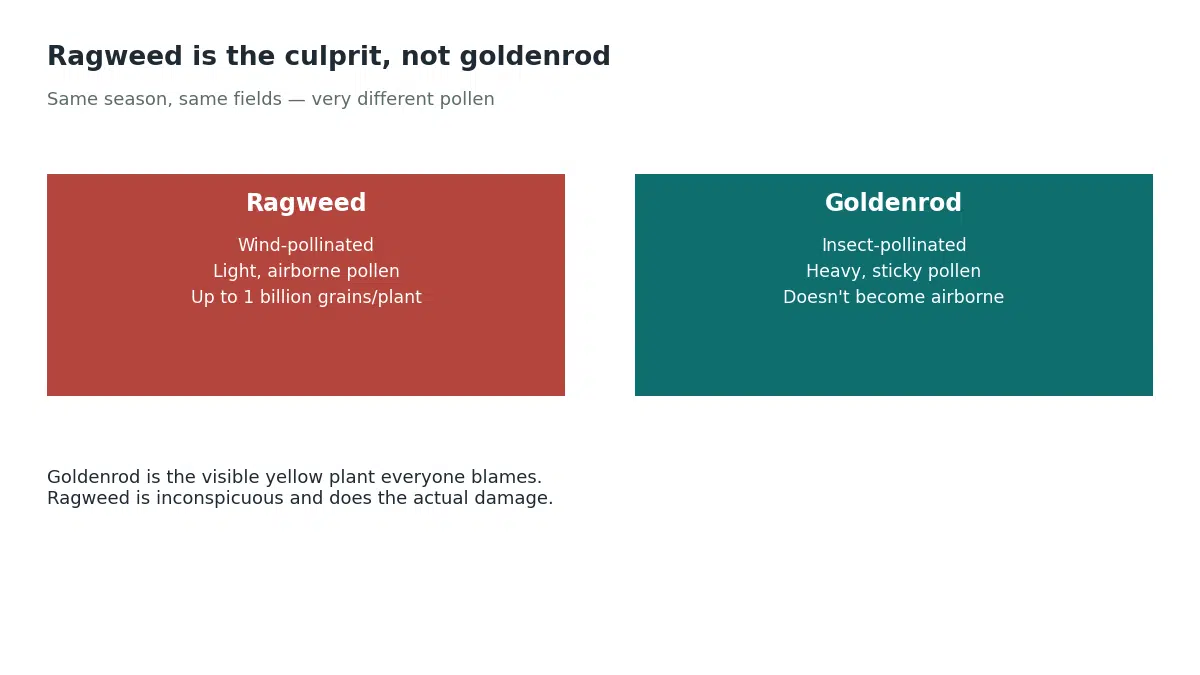
Ragweed plants represent the single biggest trigger for allergies in august and early fall. One plant can produce up to one billion microscopic pollen grains throughout its season. These lightweight particles float on air currents for hundreds of miles.
Studies show that approximately 75% of people sensitive to spring allergens also react to ragweed. The plant begins its pollen release in mid-August and continues through the first frost. Peak production typically occurs during morning hours.

Ragweed thrives in disturbed soil areas—vacant lots, construction sites, roadsides, and agricultural field edges. Even small amounts can trigger significant reactions in sensitive individuals. Urban environments contain enough ragweed to cause symptoms despite limited green space.
Late-Season Grass Pollen
While most grass species complete their pollen cycle earlier in summer, several varieties remain active into August. Bermuda grass, Kentucky bluegrass, and timothy grass continue producing allergens during late summer. Lawn mowing can stir up settled pollen and trigger immediate reactions.
Grass pollen grains are slightly larger than ragweed but still small enough to become airborne easily. Your risk increases when spending time in parks, athletic fields, or any area with maintained grass. Morning dew helps temporarily settle pollen, offering brief relief.
Mold Spores in Humid Conditions
August humidity creates ideal growth conditions for both outdoor and indoor mold. These fungi release microscopic spores that trigger allergic reactions when inhaled. Outdoor mold colonizes damp leaves, mulch, compost, and any decomposing plant material.
Indoor mold develops in areas with poor ventilation and moisture accumulation. Bathrooms, basements, and kitchens are particularly vulnerable. Air conditioning systems that aren’t properly maintained can harbor mold and distribute spores throughout your living space.
Common Outdoor Mold Locations
- Piles of fallen leaves and plant debris
- Compost heaps and organic mulch
- Damp garden soil and potting mix
- Rotting wood and tree bark
- Farm fields and harvested crops
- Shaded areas with poor air circulation
Common Indoor Mold Locations
- Bathroom tiles and shower stalls
- Basement walls and floor cracks
- Window frames with condensation
- Under kitchen sinks and cabinets
- Air conditioning ductwork and filters
- Damp carpet and upholstery
Dust Mites During Peak Season
These microscopic creatures flourish in warm, humid August conditions. Dust mites live in bedding, upholstered furniture, curtains, and carpet fibers. Their waste products contain proteins that cause allergic reactions in sensitive people.
You spend more time indoors during the hottest part of August days, increasing exposure to dust mites. Standard air conditioning without proper filtration can circulate these allergens continuously. Regular cleaning helps but can’t eliminate dust mites completely.
Identifying Allergy Symptoms During August
Recognizing allergy symptoms helps you distinguish them from other conditions and seek appropriate treatment. The timing and pattern of symptoms provide important clues about what’s triggering your reactions.

Nasal and Sinus Symptoms
Upper respiratory symptoms rank among the most common allergy reactions. Your nasal passages may feel blocked or produce clear, watery discharge as your body attempts to expel allergens. Frequent sneezing spells often occur, particularly after outdoor exposure.
Postnasal drip happens when excess mucus drains from your nose down the back of your throat. This symptom often worsens when lying down at night. Many people notice an itchy sensation in their nose, throat, or the roof of their mouth.
- Continuous sneezing fits, especially during morning hours
- Clear nasal discharge that remains thin and watery
- Stuffy nose making breathing difficult
- Itching sensation in nasal passages and throat
- Postnasal drip causing throat discomfort
- Sinus pressure around cheeks and forehead
Eye Irritation and Discomfort
Eye symptoms develop when airborne allergens make direct contact with the sensitive tissues around your eyes. Your body releases histamine in response, causing characteristic watering and itching. The whites of your eyes may appear pink or red due to inflammation.
Swelling can occur around the eyelids in moderate to severe cases. Some people develop sensitivity to bright light, making sunny August days particularly uncomfortable. Rubbing your eyes provides temporary relief but can introduce more allergens and bacteria.
Skin Reactions and Irritation
Direct contact with certain allergens may produce localized skin responses. Touching plants that release pollen can cause rashes, hives, or itching in sensitive areas. Your skin might feel irritated even without visible changes.
Existing eczema often flares during peak allergy season. The connection between environmental allergens and skin conditions involves complex immune responses. Reducing exposure to environmental triggers may help minimize skin symptoms.
Separating Allergies From Other Conditions
Allergy symptoms can mimic cold or viral infection symptoms, making proper identification important. The duration and specific characteristics help differentiate these conditions. Recognizing key differences guides you toward appropriate treatment.
| Feature | Allergic Reaction | Cold Virus |
| How Long It Lasts | Continues during entire exposure period | Typically resolves in 7-10 days |
| When Symptoms Begin | Immediately upon allergen contact | Develops gradually over several days |
| Mucus Appearance | Clear and thin consistency | Thick with yellow or green color |
| Itching Present | Yes, in eyes, nose, and throat | Rarely occurs |
| Body Temperature | Remains normal | May include fever |
| Body Aches | Uncommon | Frequently present |
| Timing Pattern | Worsens at specific times or locations | Consistent throughout day |
Proven Prevention Strategies for Allergies in August
Reducing your exposure to allergens significantly decreases symptom severity and frequency. Strategic environmental modifications combined with behavioral changes produce meaningful improvements. Small daily adjustments can make a substantial difference in your comfort level.
Tracking Pollen Levels and Timing Activities
Pollen concentrations vary throughout the day based on temperature and wind conditions. Most plants release pollen during early morning between 5 AM and 10 AM. Scheduling outdoor activities for afternoon or evening hours reduces your exposure considerably.
Many weather services now include pollen count forecasts in their daily reports. High-count days call for extra precautions or limiting outdoor time when possible. Brief rainstorms temporarily clear pollen from the air, offering short windows of relief.

Improving Indoor Air Quality
Your home should function as a safe haven from outdoor allergens. Keeping windows closed during high pollen times prevents particles from entering your living space. Air conditioning systems filter incoming air effectively when equipped with clean filters.
HEPA filters in air purifiers can capture 99.97% of particles as small as 0.3 microns. These devices trap pollen, mold spores, and dust very effectively. Replace filters according to the manufacturer’s schedule to maintain peak performance.
Consistent cleaning reduces allergen accumulation inside your home. Vacuum carpets and fabric furniture at least twice per week using equipment with HEPA filtration. Damp mopping hard floors prevents disturbing settled particles and sending them airborne.
HEPA Filter Advantages
- Captures microscopic pollen particles effectively
- Significantly reduces airborne mold spores
- Removes dust mite allergens from air
- Improves overall indoor air quality
- Can reduce nighttime symptom severity
Air Purifier Usage Tips
- Place in bedroom for overnight relief
- Keep bedroom door closed for efficiency
- Run continuously throughout allergy season
- Select appropriate size for room square footage
- Maintain clearance space around unit
Home Maintenance Tasks
- Replace HVAC filters monthly in August
- Clean air conditioning coils annually
- Use dehumidifiers in damp areas
- Wash bedding weekly in hot water
- Remove shoes at entry to avoid tracking pollen
Personal Protection When Outdoors
Protecting yourself during outdoor exposure limits how much allergen contacts your body. Wraparound sunglasses create a barrier that shields your eyes from airborne pollen. Wearing a hat prevents pollen from settling in your hair and later transferring to your pillow.
Change clothing immediately after spending time outside during peak pollen periods. Pollen clings to fabric and continues exposing you after you come indoors. Showering before bedtime removes pollen from your skin and hair, preventing overnight exposure.
Keep car windows closed while driving and use the recirculated air setting on your vehicle’s climate control. Your car’s cabin air filter should be replaced annually or per the manufacturer’s recommendations. This simple maintenance step significantly reduces allergen exposure during commutes.
Yard and Garden Management
Strategic landscaping choices around your property minimize allergen sources near your home. Replace high-pollen plants with low-allergen alternatives when possible. Female plants don’t produce pollen, making them better choices for allergy-sensitive households.
Keep lawn grass cut short to reduce its pollen production capacity. However, have someone without allergies handle mowing tasks when possible. Operating mowing equipment stirs up massive amounts of settled pollen and directly exposes the operator.
Remove weeds promptly from your yard, paying special attention to ragweed. Wear gloves when gardening to prevent direct skin contact with allergenic plants. Consider creating buffer zones using hardscaping materials near entryways to your home.
Effective Treatment Options for August Allergy Relief
Multiple treatment approaches exist for managing allergies in august, ranging from simple over-the-counter options to prescription therapies. The right strategy depends on your symptom severity and which specific allergens trigger your reactions.

Over-the-Counter Medication Options
Antihistamines work by blocking histamine receptors in your body, preventing allergy symptoms from developing. Second-generation options like cetirizine, loratadine, and fexofenadine cause less drowsiness than older formulations. These medications work most effectively when taken consistently throughout the allergy season.
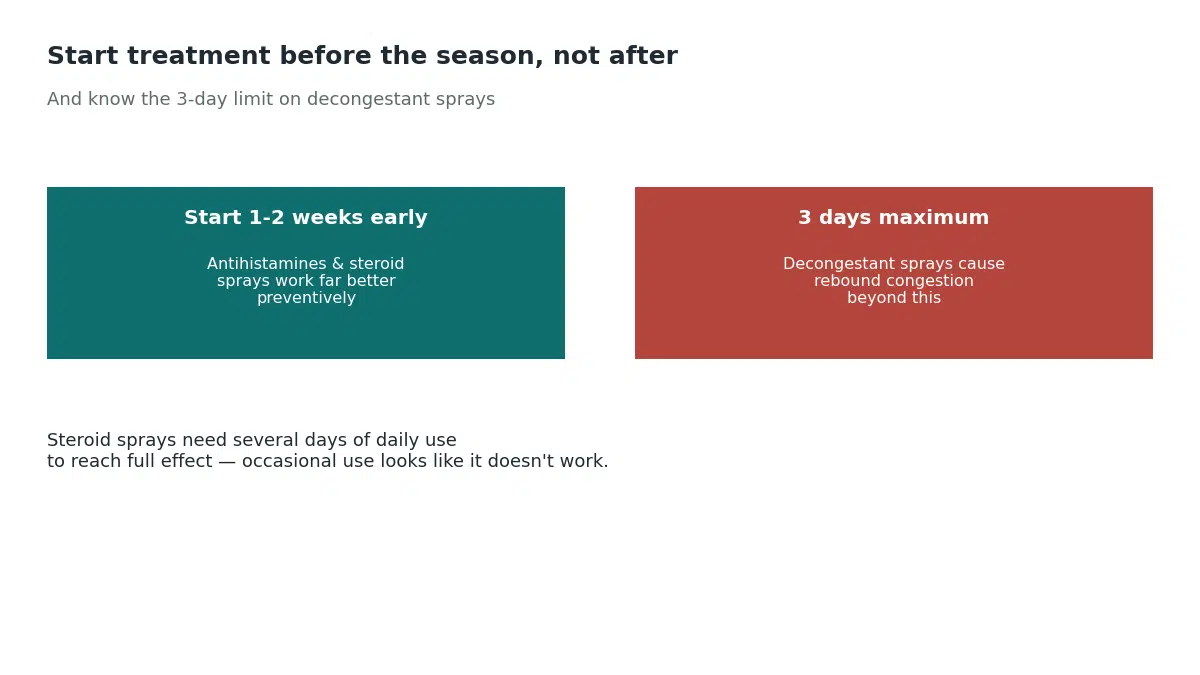
Nasal corticosteroid sprays reduce inflammation directly in your nasal passages. These treatments that once required prescriptions are now available over the counter. Results typically improve with daily use over several consecutive days rather than occasional use.
Decongestants offer temporary relief from nasal stuffiness and congestion. However, using them for more than a few consecutive days can lead to rebound congestion that’s worse than your original symptoms. Limit decongestant use unless your healthcare provider advises otherwise.
Oral Antihistamines
Mechanism: Block histamine throughout your system
- Decrease sneezing and runny nose
- Reduce itchy eyes and skin
- Available as tablets or liquid
- Work best when taken before exposure
- Effects last 12-24 hours
Nasal Corticosteroid Sprays
Mechanism: Reduce inflammation in nasal tissues
- Most effective for nasal congestion
- Need several days to reach full effectiveness
- Available in corticosteroid or antihistamine formulas
- Require daily consistent use
- Minimal systemic side effects
Antihistamine Eye Drops
Mechanism: Target eye-specific symptoms directly
- Quickly relieve watery, itchy eyes
- Reduce eye redness and swelling
- Provide rapid localized relief
- Multiple strength options available
- Can be used as needed
Prescription Treatment Options
When over-the-counter treatments don’t provide adequate relief, prescription medications offer stronger alternatives. Your healthcare provider can recommend specific treatments based on your allergy test results and symptom patterns.
Prescription-strength nasal sprays sometimes combine multiple active ingredients for enhanced effectiveness. Some formulations include both antihistamine and corticosteroid components in a single delivery system. These combination treatments may provide better relief than using single-ingredient products separately.
Leukotriene modifiers work differently from antihistamines by blocking a separate chemical pathway involved in allergic reactions. These oral medications may help when other treatments prove ineffective. They’re particularly useful for people managing both allergies and asthma simultaneously.
Immunotherapy for Long-Term Management
Allergen immunotherapy gradually trains your immune system to tolerate specific allergens rather than react to them. This treatment involves regular exposure to small, controlled amounts of allergen extracts. Over months and years, your body’s allergic response diminishes substantially.
Traditional allergy shots require frequent office visits initially—sometimes weekly—then maintenance doses every few weeks for three to five years. Sublingual immunotherapy tablets offer a newer alternative that you can take at home after the first dose is supervised. Both approaches demonstrate effectiveness in clinical studies.
Research published by the Mayo Clinic indicates that immunotherapy may prevent the development of new allergies and reduce the risk of developing asthma. This makes it particularly valuable for children and younger adults with seasonal allergies who want to address the root cause.
Natural and Complementary Methods
Some people find additional relief through natural remedies used alongside conventional treatments. Nasal irrigation with sterile saline solution physically flushes allergens and excess mucus from nasal passages. Always use distilled, sterile, or previously boiled water to prevent introducing infections.
Butterbur extract has shown promise in some clinical studies for reducing allergy symptoms. However, only products certified free of toxic pyrrolizidine alkaloids are considered safe. Consult your healthcare provider before starting any herbal supplement, especially if you take other medications.
Consuming local honey remains popular among some allergy sufferers, though scientific evidence supporting its effectiveness remains limited. The theory suggests that small amounts of local pollen in honey might help reduce sensitivity over time. While generally safe, this approach should complement rather than replace proven medical treatments.
For additional health management strategies and seasonal wellness tips, explore more articles in our health and wellness blog.
Special Considerations for Different Population Groups
Certain groups require modified approaches to managing allergies in august based on age, health status, and lifestyle factors. Understanding these considerations helps you make informed decisions appropriate to your situation.
Children and Allergy Management
Children may have difficulty describing their allergy symptoms or understanding prevention measures. Watch for behavioral signs like increased irritability, trouble concentrating, or frequent eye and nose rubbing. These indirect indicators often signal allergic reactions in young children.
Many allergy medications have age-specific dosing based on weight and developmental stage. Read product labels carefully and consult your pediatrician before starting any new treatment. Some medications aren’t approved for use in very young children.

Schools and childcare facilities present additional exposure challenges. Inform teachers and caregivers about your child’s allergies and provide clear instructions for emergency response. Supply necessary medications with detailed administration guidance.
Managing Allergies During Pregnancy
Hormonal changes during pregnancy may unpredictably worsen or improve allergy symptoms. Your immune system undergoes modifications that can alter how you respond to allergens. Existing allergies might intensify, or you may develop new sensitivities you never experienced before.
Not all allergy medications are considered safe during pregnancy. Consult your obstetrician before taking any medications, including products available over the counter. Some antihistamines and nasal sprays have established safety profiles for use during pregnancy.
Non-medication strategies become particularly important when pregnant. Emphasize environmental controls, HEPA air purifiers, and avoiding known allergen exposure. Saline nasal irrigation offers safe, effective relief without introducing medications.
Athletes and Active Individuals
Regular outdoor exercise during August exposes you to higher concentrations of airborne allergens. Physical exertion increases your breathing rate, drawing more allergen-laden air into your respiratory system. Mouth breathing during intense exercise bypasses your nose’s natural filtration mechanisms.
Schedule workouts for times when pollen counts are typically lowest—usually mid-to-late afternoon. Consider indoor exercise alternatives during peak allergy days to maintain fitness without excessive allergen exposure. Air-conditioned gyms, swimming pools, and home workout options provide effective alternatives.
Some allergy medications may affect athletic performance or violate competition rules for tested athletes. Athletes subject to drug testing should verify that their allergy treatments comply with relevant sport organization regulations. Many effective options remain available within permitted substance lists.
People Managing Asthma
Allergies and asthma frequently occur together in a condition called allergic asthma. August allergens can trigger asthma symptoms including wheezing, chest tightness, shortness of breath, and coughing. Managing environmental allergens becomes crucial for maintaining asthma control.
Your asthma action plan should specifically address seasonal allergy triggers. Work closely with your healthcare provider to adjust medications as needed during high-allergen months. You may require increased preventive inhaler use throughout August.
Monitor your peak flow measurements more frequently during allergy season. Declining numbers can indicate worsening airway inflammation before you notice severe symptoms. Early intervention with medication adjustments prevents potentially serious asthma exacerbations.
When Professional Medical Help Is Necessary
Most August allergies respond well to self-management and over-the-counter treatments. However, certain situations require professional medical evaluation to ensure proper care and rule out more serious conditions.
Symptoms Requiring Medical Consultation
Persistent symptoms despite consistent medication use for two weeks warrant professional evaluation. If over-the-counter treatments provide minimal relief after adequate trial periods, stronger prescription options may be necessary. Your symptoms might indicate more severe allergic reactions or different underlying conditions.
Significant interference with daily activities signals the need for medical consultation. Chronic fatigue from disrupted sleep due to nasal congestion affects your overall quality of life. Missing work or school regularly because of allergy symptoms indicates inadequate symptom control.
- Symptoms persisting more than two weeks despite treatment
- Severe nasal congestion preventing restful sleep
- Facial pain or pressure suggesting possible sinus infection
- Wheezing or difficulty breathing normally
- Symptoms significantly disrupting work or school
- Medication side effects causing new problems
- Symptoms worsening instead of improving over time
Emergency Symptoms Requiring Immediate Attention
Severe allergic reactions occasionally occur, though they’re less common with environmental allergens compared to food or medication allergies. Difficulty breathing or swallowing requires immediate emergency care. These symptoms may indicate anaphylaxis, a life-threatening allergic reaction.
Sudden onset of severe shortness of breath, especially accompanied by wheezing, demands urgent medical evaluation. This could represent a severe asthma attack triggered by allergen exposure. Never delay seeking emergency care when experiencing significant respiratory distress.
Rapid swelling of the face, lips, tongue, or throat signals a potentially serious allergic reaction. Contact emergency services immediately if you experience these symptoms. People with a history of severe allergic reactions should carry prescribed emergency medications like epinephrine auto-injectors.
Value of Professional Allergy Testing
Professional allergy testing accurately identifies your specific triggers. Skin prick tests or blood tests can detect reactions to dozens of common allergens in a single session. This information enables targeted avoidance strategies and helps select the most appropriate treatments.
Understanding your personal allergen profile helps you anticipate problem times and high-risk areas. You can plan activities and travel around periods when your specific allergens peak. Test results also guide decisions about whether immunotherapy would be beneficial for your situation.
Testing proves particularly valuable when symptoms occur year-round or don’t follow typical seasonal patterns. Multiple overlapping allergies may require comprehensive testing to identify all contributing factors. Your healthcare provider can recommend appropriate testing based on your detailed symptom history.
Maintaining Quality of Life Despite August Allergies
Successfully managing allergies in august allows you to maintain normal activities and enjoy late summer. Long-term strategies help you develop routines that minimize symptoms and their impact on daily life.

Creating an Allergy-Friendly Home
Your home environment significantly influences how often and how severely you experience symptoms. Strategic modifications create a low-allergen sanctuary where you can recover from outdoor exposure. These changes benefit everyone in your household, not just those with diagnosed allergies.
Bedroom optimization deserves special attention since you spend six to eight hours sleeping there nightly. Encase mattresses, box springs, and pillows in allergen-proof covers that block dust mites. Wash all bedding weekly in water heated to at least 130°F to kill dust mites effectively.
Remove wall-to-wall carpeting if possible, especially in bedrooms. Hard flooring like wood, tile, or laminate doesn’t trap allergens the way carpet fibers do. Washable area rugs provide warmth and comfort while maintaining lower overall allergen levels.
Control indoor humidity levels between 30-50% to discourage dust mite and mold growth. Use dehumidifiers in naturally humid climates or damp areas of your home. Monitor levels with an inexpensive hygrometer available at most hardware stores.
Workplace and School Accommodations
Communicate with employers or teachers about your allergy needs and limitations. Many workplaces now recognize allergies as legitimate health conditions requiring reasonable accommodation. Simple adjustments to your workspace can reduce exposure and improve your productivity during peak allergy season.
Request positioning away from windows if pollen triggers your symptoms significantly. Ask about improving office air filtration systems or permission to use a small personal air purifier at your desk. These reasonable accommodations help you maintain performance during challenging allergy months.
Keep necessary medications easily accessible at work or school. Store them properly according to label instructions and check expiration dates regularly. Having treatment immediately available when symptoms begin prevents minor issues from becoming major disruptions to your day.
Maintaining Social and Physical Activities
Allergies shouldn’t force you to abandon activities you enjoy. Plan outdoor events strategically around pollen forecasts and daily peak exposure times. Host gatherings indoors when possible during especially high-allergen days.
Pre-medicate before attending outdoor events if your healthcare provider recommends this approach. Taking antihistamines 30-60 minutes before planned allergen exposure may prevent symptoms from developing at all. This strategy works particularly well for scheduled activities like sporting events or concerts.
Choose exercise activities that minimize allergen exposure when symptoms are most active. Swimming provides excellent cardiovascular benefits with minimal pollen exposure. Indoor climbing gyms, yoga studios, and fitness centers offer alternatives to outdoor exercise when pollen counts are elevated.
For more tips on maintaining an active, healthy lifestyle throughout the seasons, visit our health blog for additional wellness resources.
Frequently Asked Questions About Allergies in August
Why do my allergies seem particularly bad during August compared to other months?
August brings peak season for ragweed pollen, which affects approximately 75% of people with seasonal allergies. The combination of warm temperatures, specific plant reproductive cycles, and high humidity creates ideal conditions for allergen production and dispersal. Ragweed plants can release up to one billion pollen grains each, and these microscopic particles travel hundreds of miles on wind currents.
Can I suddenly develop allergies as an adult even though I never had them before?
Yes, adult-onset allergies are quite common and can develop at any age. Your immune system changes throughout your lifetime, and repeated exposure to specific allergens can eventually trigger sensitivity. Moving to a new geographic area also exposes you to different plants and allergens your immune system hasn’t encountered previously, potentially causing new allergic reactions.
How long do August allergies typically continue?
Allergies in august often extend well into September and October depending on your geographic location and the specific allergens affecting you. Ragweed season typically continues until the first hard frost kills the plants. In warmer climates without early frosts, late summer allergens may persist even longer into fall months, sometimes lasting until November.
Do air purifiers with HEPA filters actually work for allergies?
Yes, HEPA filters can capture 99.97% of airborne particles as small as 0.3 microns, which includes pollen, mold spores, and dust mite allergens. For maximum effectiveness, choose an air purifier appropriately sized for your room square footage and run it continuously during allergy season. Positioning it in your bedroom provides the greatest benefit for nighttime symptom relief.
Should I take allergy medication daily or only when symptoms appear?
Daily medication throughout allergy season provides superior symptom control compared to waiting for symptoms to develop. Antihistamines and nasal corticosteroid sprays work more effectively when maintained at consistent levels in your system. This preventive approach stops allergic reactions before they start rather than treating symptoms after they’ve already developed.
Can I develop natural immunity to allergens over time without treatment?
Natural desensitization rarely occurs with environmental allergens through simple repeated exposure. Without medical intervention, allergies typically persist or gradually worsen over time. Medically supervised immunotherapy can retrain your immune system to tolerate specific allergens, but this requires consistent professional treatment over three to five years.
What is the best time of day to exercise outdoors during August?
Mid-to-late afternoon typically offers the lowest pollen concentrations. Most plants release pollen during early morning hours between 5 AM and 10 AM. Evening exercise after 6 PM also exposes you to less airborne pollen than morning workouts. Always check daily pollen forecasts to plan outdoor activities on lower-count days when possible.
How can I tell if my symptoms are from allergies or a cold virus?
Allergy symptoms appear immediately after allergen exposure and persist as long as exposure continues. Colds develop gradually over one to three days and typically resolve within 7-10 days. Allergies produce clear, watery nasal discharge and cause itchy eyes, while colds cause thick, colored mucus and rarely involve itching. Allergies never cause fever, which sometimes accompanies cold viruses.
Can dietary changes help reduce my allergy symptoms?
Some research suggests that anti-inflammatory foods may help modulate immune responses. Foods rich in omega-3 fatty acids, quercetin (found in apples and onions), and probiotics show promise in preliminary studies. However, dietary changes should complement rather than replace proven allergy treatments. Consult your healthcare provider before making significant dietary modifications specifically for allergies.
Why do my allergy symptoms get worse at night?
Several factors contribute to nighttime symptom worsening. Lying down causes mucus to pool in your sinuses and increases nasal congestion. Dust mites in bedding expose you to allergens throughout the night. Additionally, your body’s natural cortisol levels drop at night, reducing your innate anti-inflammatory response and allowing allergy symptoms to intensify.
Is it safe to combine multiple allergy medications together?
Some medication combinations are safe and even recommended by healthcare providers, while others should be avoided. You can typically use a nasal corticosteroid spray with an oral antihistamine safely. However, taking multiple antihistamines or decongestants together increases side effect risks without improving effectiveness. Always consult your healthcare provider or pharmacist before combining any medications.
Do allergies actually affect my sleep quality?
Yes, allergies significantly disrupt sleep through nasal congestion, mouth breathing, and frequent nighttime waking. Poor sleep quality leads to daytime fatigue, difficulty concentrating, and reduced productivity. Studies show that treating allergies effectively improves sleep quality and overall quality of life. Using a HEPA filter air purifier in your bedroom may enhance nighttime symptom control.
Can my pets make my seasonal allergies worse during August?
Pets that spend time outdoors carry pollen on their fur and bring it into your home, significantly increasing your exposure. Regular bathing and brushing of pets—preferably done outdoors by someone without allergies—reduces the pollen they transport inside. Keep pets out of bedrooms to create allergen-reduced sleeping areas. If you’re allergic to both pet dander and pollen, managing both exposures becomes especially important during August.
How effective is immunotherapy specifically for ragweed allergies?
Immunotherapy shows strong effectiveness for ragweed allergies, with many patients experiencing 70-80% symptom reduction after completing the full treatment course. Both traditional allergy shots and sublingual immunotherapy tablets are available specifically targeting ragweed. Treatment typically continues for three to five years, but benefits often persist for many years after stopping therapy. Immunotherapy may also prevent development of new allergies and reduce asthma risk.
Should I completely avoid going outside on high pollen count days?
Complete outdoor avoidance isn’t necessary or realistic for most people. Instead, limit outdoor time during peak pollen hours (early morning) and take preventive medications before going out. Wear wraparound sunglasses to protect your eyes and shower immediately after coming indoors. Strategic timing of outdoor activities combined with proper medication use allows you to maintain relatively normal activities despite high pollen counts.
What role does stress play in worsening allergy symptoms?
Stress doesn’t cause allergies but can worsen symptoms through its effects on your immune system. Chronic stress alters inflammatory responses and may increase histamine release in your body. Stress reduction techniques like meditation, regular exercise, and adequate sleep may help moderate allergy symptom severity. Managing stress provides overall health benefits that extend beyond just allergy improvement.
Are there any foods that can trigger cross-reactions with August allergens?
Yes, some people with ragweed allergies experience oral allergy syndrome when eating certain foods. Bananas, melons, cucumbers, and zucchini contain proteins similar to ragweed pollen. These foods may cause temporary itching or tingling in your mouth and throat. Cooking usually destroys these proteins, making cooked versions of these foods typically safe to consume.
How long does it take for allergy medications to start working?
Oral antihistamines typically begin working within 30-60 minutes and reach peak effectiveness in 1-2 hours. Nasal corticosteroid sprays require consistent daily use for 3-7 days to achieve full effectiveness. Eye drops provide relief within minutes. For best results, start preventive medications before allergy season begins rather than waiting for symptoms to develop.
Taking Control of Your August Allergy Symptoms
Managing allergies in august successfully requires a combination of knowledge, preparation, and consistent action. Understanding which allergens peak during late summer—primarily ragweed pollen, along with grass pollen, mold spores, and dust mites—helps you anticipate challenges and implement targeted strategies.
Environmental modifications provide your foundational defense against allergen exposure. Keep windows closed during high pollen times, use HEPA air purifiers in key living areas, and maintain your home as a low-allergen refuge. Strategic timing of outdoor activities around daily pollen forecasts minimizes exposure when you need to be outside.

Treatment options span from widely available over-the-counter medications to prescription therapies and long-term immunotherapy. Work with your healthcare provider to develop a personalized treatment plan that addresses your specific allergens and symptom patterns. Consistent daily medication use during allergy season prevents symptoms more effectively than reactive treatment.
Don’t allow August allergies to control your life or significantly limit your activities. With proper management strategies, you can maintain your normal routine and genuinely enjoy late summer despite seasonal allergens. The comprehensive approaches outlined in this guide provide a framework for minimizing symptoms and maximizing your quality of life.
Monitor your symptoms and be willing to adjust strategies as needed throughout the month and from year to year. What works effectively one season may require modification the next as climate patterns shift and allergen levels fluctuate. Stay informed about local pollen forecasts and remain flexible in your management approach.
Professional medical care provides valuable additional support when self-management proves insufficient. Allergy testing accurately identifies specific triggers, allowing more targeted avoidance and treatment strategies. Don’t hesitate to seek professional help when symptoms significantly impact your daily life or fail to respond adequately to over-the-counter treatments.
Remember that effective allergy management is an ongoing process, not a one-time solution. Building consistent routines around prevention, treatment, and environmental control creates lasting improvement. With dedication and the right strategies, you can significantly reduce how much August allergies affect your wellbeing and activities.
Medical Disclaimer
Important Health Information: The content provided in this article is for informational and educational purposes only and is not intended as medical advice, diagnosis, or treatment. Always seek the advice of your physician or other qualified health provider with any questions you may have regarding a medical condition or allergy symptoms.
Never disregard professional medical advice or delay in seeking it because of something you have read in this article. The information presented here should not be used for diagnosing or treating any health problem or disease. If you think you may have a medical emergency, call your doctor or emergency services immediately.
Individual results from allergy treatments may vary. The effectiveness of any treatment, medication, or management strategy depends on many factors including the specific allergens involved, severity of reactions, individual health status, and consistent application of recommended approaches. What works for one person may not work for another.
All medication information, including over-the-counter options, is provided for general educational purposes. Specific dosing, safety considerations, and appropriateness for your individual situation should be discussed with a healthcare professional. Some medications may interact with other drugs or may not be suitable for people with certain health conditions.
If you experience severe allergic reactions, difficulty breathing, facial swelling, or other emergency symptoms, seek immediate medical attention. This article is not a substitute for professional medical evaluation, diagnosis, or treatment by a qualified healthcare provider.
Links to external websites are provided for convenience and informational purposes only. HealthMagHub does not endorse or take responsibility for the content, accuracy, or opinions expressed on external sites.