
Your nasal passages become congested when blood vessels and tissues swell due to inflammation. This swelling restricts airflow and traps mucus, creating that familiar stuffy sensation. Common triggers include viral infections like colds, seasonal allergies, environmental irritants, and sinus inflammation.
This comprehensive guide explores evidence-based home remedies that provide genuine relief from nasal blockage. You’ll discover steam-based techniques, hydration strategies, herbal solutions, physical methods, and environmental adjustments that help open nasal passages naturally. These remedies offer safe alternatives for adults and modified approaches suitable for children, helping your entire family breathe easier without relying solely on medication.
Understanding Nasal Congestion and Its Causes
Before exploring remedies, understanding why congestion occurs helps you select the most effective treatments. Nasal congestion isn’t simply excess mucus blocking your nose—it primarily results from swollen, inflamed tissues lining your nasal passages.
When irritants, viruses, or allergens enter your respiratory system, your body responds by increasing blood flow to the affected area. This inflammatory response causes tissues to swell, narrowing the airways and restricting breathing. Simultaneously, mucus production increases to trap and remove the offending substances.
Common Triggers of Nasal Blockage
Multiple factors can cause your nasal passages to become congested. Identifying your specific triggers helps you choose targeted remedies and prevent future episodes.
- Viral infections including common colds and flu cause temporary inflammation lasting several days
- Seasonal or environmental allergies trigger histamine release that swells nasal tissues
- Dry air irritates delicate nasal membranes, causing inflammation and increased mucus production
- Environmental irritants like smoke, pollution, or strong chemical odors inflame respiratory passages
- Changes in temperature or humidity levels affect nasal tissue sensitivity
- Chronic conditions including rhinitis or sinus infections cause persistent congestion
How Congestion Affects Your Body
Beyond difficulty breathing through your nose, congestion creates cascading effects throughout your body. The blocked airways force mouth breathing, which dries your throat and may disrupt sleep quality during the night.
Physical Impact
Blocked sinuses create pressure around your eyes, cheeks, and forehead. This sinus pressure often causes headaches and facial discomfort. Trapped mucus provides an environment where bacteria can multiply, potentially leading to secondary infections.
Daily Life Effects
Poor nighttime breathing reduces sleep quality, leaving you fatigued during the day. Concentration difficulties arise from discomfort and inadequate oxygen flow. Your sense of taste and smell diminish when nasal receptors are blocked by swelling and mucus.
When Congestion Requires Medical Attention
While most nasal blockage resolves naturally within a week, certain symptoms indicate you should consult healthcare providers. Severe sinus pressure accompanied by fever may signal bacterial infection requiring antibiotics.
Seek Medical Evaluation If: Congestion persists beyond 10 days without improvement, you develop high fever (above 101°F/38.3°C), you experience severe facial pain or swelling, your symptoms dramatically worsen after initial improvement, or you notice thick, discolored discharge with blood. These signs may indicate complications requiring professional treatment.
Steam and Humidity Treatments for Congestion Relief
Inhaling warm, moist air remains one of the most effective natural remedies for nose congestion. Steam therapy works by adding moisture to dried nasal tissues, thinning thick mucus, and reducing inflammation in swollen passages. This gentle approach provides immediate relief without medications.
The warm vapor helps open nasal airways by temporarily shrinking swollen blood vessels. As mucus becomes less viscous, it drains more easily, clearing blockages and relieving pressure. Regular steam treatments throughout the day maintain clear passages and prevent mucus from hardening.
Steam Inhalation Techniques
Direct steam inhalation delivers concentrated moisture precisely where needed. This traditional remedy has been used for generations because it provides reliable results.
- Bowl Method: Boil water and carefully pour it into a heat-safe bowl. Allow it to cool slightly for safety, then lean over the bowl with your face about 10-12 inches above the surface. Drape a towel over your head to trap the steam, creating a mini-sauna effect. Breathe deeply through your nose for 5-10 minutes, taking breaks if the heat becomes uncomfortable.
- Shower Steam: Run a hot shower and close the bathroom door to fill the room with steam. Sit comfortably in the steamy environment for 10-15 minutes, breathing deeply. This method works well at night before bed to clear passages for better sleep.
- Herbal Steam: Add natural ingredients like eucalyptus leaves, peppermint, or chamomile to your steam water. These herbs contain compounds that further reduce inflammation and open nasal passages. Steep the herbs briefly before beginning inhalation.
- Steam Cup Method: For a portable option, fill a large mug with very hot water. Cup your hands around the mug and breathe in the rising steam. This discreet method works at your desk or while traveling.
Using a Humidifier for Continuous Relief
A humidifier adds moisture to your indoor air continuously, preventing the dryness that worsens congestion. This device proves particularly valuable during night hours when you can’t actively perform steam treatments.
Cool Mist Benefits
Cool mist humidifiers work safely in rooms with children since they pose no burn risk. They effectively add moisture without raising room temperature, making them ideal for year-round use.
Warm Mist Advantages
Warm mist models slightly heat water before releasing vapor. The warmth can feel soothing during winter months, and the heating process reduces airborne bacteria in the vapor.
Optimal Use Guidelines
Place your humidifier 3-6 feet from your bed. Clean it every three days to prevent mold and bacterial growth. Maintain indoor humidity between 30-50% to avoid creating conditions for dust mites.
| Steam Method | Duration | Frequency | Best Timing |
| Bowl Inhalation | 5-10 minutes | 2-4 times daily | Morning and before bedtime |
| Hot Shower | 10-15 minutes | 1-2 times daily | Evening to clear passages for sleep |
| Humidifier Use | Continuous | Throughout night | During sleep hours |
| Herbal Steam | 8-12 minutes | 2-3 times daily | When symptoms are most severe |
Steam Safety Precautions: Always test steam temperature before full exposure to prevent burns. Keep children supervised during steam treatments and use cooler temperatures for young ones. If you have asthma, consult your doctor before using steam therapy, as hot vapor may trigger bronchial spasms in sensitive individuals. Never use steam inhalation with essential oils for infants or very young children without medical guidance.
Hydration Strategies to Thin Mucus and Clear Passages
Drinking adequate fluids ranks among the simplest yet most overlooked home remedies for nasal congestion. Proper hydration keeps mucus thin and flowing rather than thick and stuck. When you’re well-hydrated, your body can more easily expel trapped secretions from your sinuses and nasal passages.
Dehydration causes mucus to become sticky and viscous, making it difficult to drain naturally. This creates a cycle where blocked passages breed more inflammation, which produces more thick mucus. Breaking this cycle requires consistent fluid intake throughout the day.
Best Fluids for Congestion Relief
Not all beverages provide equal benefits when fighting nasal blockage. Some fluids actively help prevent congestion while others may worsen it.
- Water remains the gold standard—aim for 8-10 glasses daily to maintain optimal hydration
- Warm herbal teas soothe irritated tissues while delivering hydration and beneficial plant compounds
- Clear broths provide fluid, warmth, and electrolytes that support immune function
- Warm lemon water combines hydration with vitamin C and natural acids that thin mucus
- Decaffeinated beverages avoid the mild diuretic effect that caffeinated drinks create
- Coconut water offers natural electrolytes for enhanced hydration without added sugars

Therapeutic Warm Drinks
Warm liquids provide dual benefits—hydration plus the therapeutic effect of warmth on nasal tissues. The steam rising from hot beverages delivers localized moisture to your nose while you drink.
Ginger Tea Benefits
Fresh ginger contains anti-inflammatory compounds that reduce swelling in nasal passages. Steep thin ginger slices in hot water for 10 minutes. Add honey for additional soothing properties and a pleasant taste.
Peppermint Infusion
Peppermint’s menthol creates a cooling sensation that makes breathing feel easier. The aromatic compounds may help open nasal passages. Steep fresh or dried peppermint leaves for 5-7 minutes before drinking.
Foods with High Water Content
Eating water-rich foods supplements your fluid intake while providing nutrients. These foods contribute to overall hydration and may help thin mucus throughout the day.
Fruits
Watermelon, oranges, strawberries, and grapefruit contain 85-92% water by weight. They provide vitamins that support immune function alongside substantial hydration.
Vegetables
Cucumbers, celery, lettuce, and tomatoes offer high water content with minimal calories. Include these in soups or salads for additional fluid intake.
Warm Soups
Vegetable or chicken soups combine fluid, warmth, and nutrients. The steam from hot soup provides immediate relief while eating delivers lasting hydration benefits.
Avoiding Dehydrating Substances
Certain beverages and substances counteract your hydration efforts. Being mindful of these helps maintain optimal mucus consistency for easier drainage.
Limit These When Congested: Alcohol acts as a diuretic and causes dehydration while also dilating blood vessels in nasal passages, potentially worsening swelling. Caffeinated drinks in excess create mild diuretic effects. Sugary beverages may increase inflammation throughout the body. Dairy products don’t actually increase mucus production, but their texture can make existing mucus feel thicker, so some people find temporary relief from avoiding them.
Saline Irrigation and Nasal Rinsing Methods
Flushing your nasal passages with saline solution physically removes trapped mucus, allergens, and irritants. This mechanical cleansing provides immediate congestion relief while reducing inflammation through gentle moisture. Saline irrigation ranks among the most effective natural remedies for stubborn blockages.
The salt water solution matches your body’s natural salinity, preventing stinging or burning sensations. Regular nasal rinsing thins thick secretions, helps restore normal ciliary function (the tiny hairs that sweep mucus along), and maintains clean, healthy nasal passages.
Types of Nasal Irrigation Devices
Several tools deliver saline solution into your nose effectively. Each method offers distinct advantages depending on your comfort level and specific needs.
Neti Pot Technique
This traditional ceramic or plastic pot resembles a small teapot. You tilt your head sideways over a sink and pour saline into one nostril. Gravity carries the solution through your nasal passages and out the opposite nostril, flushing away debris.
Neti pots require proper head positioning but provide thorough, gentle cleansing. The slower flow feels comfortable for most users and allows precise control over the irrigation process.
Alternative Devices
- Squeeze bottles deliver controlled streams of solution with gentle pressure
- Bulb syringes work well for children or those new to irrigation
- Battery-powered irrigators provide consistent, adjustable flow
- Saline nasal spray bottles offer convenient spot treatment
Preparing Safe Saline Solution
Water safety is critical for nasal irrigation. Using contaminated water can introduce harmful organisms directly into your sinuses. Always use appropriate water sources and follow proper preparation guidelines.
- Use Safe Water: Start with distilled, sterile, or previously boiled and cooled water. Tap water must be boiled for 3-5 minutes and cooled before use. Never use tap water directly without boiling first.
- Mix Proper Ratio: Combine one cup (240 ml) of safe water with 1/4 to 1/2 teaspoon of non-iodized salt. Some people add a pinch of baking soda to reduce stinging. Stir until completely dissolved.
- Test Temperature: The solution should feel lukewarm or body temperature. Test it on your wrist before use. Cold water feels uncomfortable, while hot water can damage delicate tissues.
- Use Fresh Solution: Prepare solution fresh for each use when possible. If storing prepared solution, keep it in a clean, covered container and discard after 24 hours.
Proper Irrigation Technique
Correct technique ensures effectiveness and prevents water from entering uncomfortable areas. Following these steps helps you perform safe, thorough irrigation.
Head Position
Lean forward over a sink at about 45 degrees. Tilt your head sideways so one nostril points toward the ceiling, the other toward the sink. Keep your mouth open to breathe.
Solution Flow
Pour or squeeze solution steadily into the upper nostril. It should flow through your nasal passages and drain from the lower nostril. Some may drain down your throat—this is normal.
Completion
After irrigating one side, gently blow your nose without pinching both nostrils shut. Repeat on the opposite side. Then blow your nose again gently to remove remaining solution and loosened mucus.
Frequency and Duration
Daily saline irrigation during acute congestion provides optimal relief. Most people find morning and evening treatments most beneficial, though you can irrigate more frequently if needed.
Important Safety Guidelines: Always use properly sourced water—tap water can contain organisms harmful if introduced into sinuses. Clean your irrigation device after each use with hot soapy water, rinse thoroughly, and allow it to air dry completely. Replace devices according to manufacturer recommendations. If you experience ear pain, severe discomfort, or symptoms worsen after irrigation, discontinue use and consult a healthcare provider. According to Mayo Clinic, proper technique and water safety are essential for avoiding complications.
Herbal Remedies and Aromatherapy for Natural Sinus Relief
Plant-based compounds offer gentle yet effective support for clearing blocked airways. Certain herbs contain volatile oils and active ingredients that reduce inflammation, thin mucus, and promote drainage. These natural remedies complement other treatment approaches safely.
Essential oils derived from therapeutic plants deliver concentrated aromatic compounds that interact with your respiratory system. When used appropriately, these potent extracts provide relief through multiple mechanisms including anti-inflammatory, antimicrobial, and decongestant properties.
Most Effective Herbs for Nasal Congestion
Several herbs demonstrate reliable benefits for respiratory congestion based on traditional use and scientific research. Understanding each herb’s specific properties helps you select appropriate remedies for your situation.
Eucalyptus
This Australian native contains cineole, a compound that breaks down mucus and reduces inflammation. Eucalyptus opens nasal passages and provides that characteristic cooling, clear sensation. Add leaves to steam inhalations or use essential oil diluted appropriately.
Peppermint
Menthol in peppermint creates a cooling effect that makes breathing feel easier. It acts as a natural expectorant, helping expel mucus from airways. The refreshing aroma also reduces the perception of nasal congestion even when physical blockage remains.
Ginger Root
Fresh ginger contains gingerols with powerful anti-inflammatory properties. These compounds reduce swelling in nasal passages and sinuses. Ginger also warms the body, promoting circulation that helps clear congestion. Consume as tea or add to meals.
Thyme
This culinary herb offers antimicrobial properties that combat bacteria and viruses. Thyme also acts as an expectorant, loosening mucus for easier expulsion. Drink thyme tea or inhale steam infused with fresh thyme leaves.
Oregano
Carvacrol and thymol in oregano demonstrate antiviral and antibacterial activity. These compounds may help shorten the duration of infections causing congestion. Use oregano in cooking or as a supplemental tea during illness.
Turmeric
Curcumin, turmeric’s active compound, reduces inflammation throughout the body including respiratory passages. Regular consumption supports immune function. Mix turmeric powder into warm milk or water with black pepper to enhance absorption.

Safe Essential Oil Use
Essential oils contain highly concentrated plant compounds requiring careful use. Proper dilution and application prevent irritation while delivering therapeutic benefits.
- Always dilute essential oils before skin application—use 3-5 drops per tablespoon of carrier oil
- For steam inhalation, add only 1-2 drops to hot water to avoid overwhelming vapors
- Perform patch tests before widespread use to check for allergic reactions
- Never ingest essential oils unless specifically formulated and labeled for internal use
- Keep essential oils away from eyes and mucous membranes in undiluted form
- Store oils in dark glass bottles away from heat and light to preserve potency
Aromatherapy Application Methods
Multiple delivery methods allow you to benefit from aromatic herbs based on your preferences and situation.
Diffuser Use
Electric diffusers disperse essential oil molecules throughout a room. Add 5-10 drops to water in the device. Run for 30-60 minutes to create a therapeutic atmosphere without overwhelming concentration.
Chest Rub Application
Mix diluted eucalyptus, peppermint, or rosemary oil with a carrier like coconut oil. Apply to chest and upper back before bedtime. The warmth of your body releases vapors you inhale throughout the night.
Pillow Method
Place 1-2 drops of lavender or eucalyptus oil on your pillowcase or a tissue tucked inside. The gentle, continuous exposure during sleep supports clear breathing without direct contact with skin.
Herbal Teas for Internal Support
Drinking herbal infusions delivers therapeutic compounds internally while providing warmth and hydration. These teas offer gentle, sustained benefits throughout the day.
Recommended Herbal Teas
- Ginger tea with honey soothes throat and reduces inflammation
- Peppermint tea opens airways and refreshes respiratory passages
- Thyme tea provides antimicrobial support during infections
- Elderflower tea supports immune response to viral illness
- Chamomile tea reduces overall inflammation and promotes rest
- Licorice root tea soothes irritated tissues and loosens mucus
Tea Preparation Tips
- Use fresh or quality dried herbs for maximum potency
- Steep covered for 10-15 minutes to capture volatile oils
- Drink 3-4 cups daily when actively treating congestion
- Add honey for additional soothing and antimicrobial effects
- Avoid adding milk, which may create mucus-like texture
- Brew fresh batches rather than reheating old tea
Special Considerations for Children: Essential oils require extra caution with children. Never apply undiluted oils to children’s skin. Avoid eucalyptus and peppermint oils for children under age 6, as menthol can cause breathing difficulties in young ones. For kids over 6, dilute oils more heavily than for adults—use only 1-2 drops per tablespoon of carrier oil. Consider milder options like lavender or chamomile for young children. Always consult pediatricians before using aromatherapy with infants or toddlers.
Physical Techniques and Positioning for Congestion Relief
Beyond substances you inhale or consume, specific physical actions and body positions provide mechanical relief from blocked airways. These techniques require no special equipment and can be performed anywhere, making them practical home remedies for nasal congestion.
Gentle massage, strategic positioning, and breathing exercises stimulate drainage, reduce pressure, and improve circulation to congested areas. Combined with other natural remedies, these physical approaches enhance overall effectiveness.
Sinus Massage Techniques
Applying gentle pressure to specific facial points encourages mucus drainage and reduces sinus pressure. Massage stimulates blood flow, which can reduce inflammation and promote healing in congested tissues.
- Forehead Massage: Place your index fingers at the center of your forehead between your eyebrows. Apply gentle, circular pressure while moving outward toward your temples. This targets frontal sinuses located behind the forehead. Repeat 10-15 times.
- Nose Bridge Pressure: Use thumbs or index fingers to apply gentle pressure on both sides of your nose bridge where it meets your eye sockets. Hold for 30 seconds, release, then repeat. This addresses ethmoid sinuses between the eyes.
- Cheekbone Massage: Place fingers under cheekbones, moving from the nose toward ears with gentle circular motions. This affects maxillary sinuses within the cheeks. The massage promotes drainage through natural sinus openings.
- Jaw Pressure Points: Find the spot where your jaw hinges, just below your ears. Apply gentle circular pressure here to relieve tension that can contribute to facial pressure and congestion.
Optimal Sleep and Rest Positions
How you position your head during rest significantly affects drainage and breathing comfort. Gravity either assists or hinders mucus flow depending on your sleeping arrangement.
Elevated Head Position
Sleep with your head elevated on extra pillows or a wedge cushion. This elevation allows gravity to assist drainage, preventing mucus from pooling in sinuses and nasal passages. Aim for 30-45 degree angle for optimal effect without neck strain.
Side Sleeping Benefits
Lying on your side allows the upper nasal passages to drain more freely. Alternate sides if one becomes too congested. Place a pillow between knees to maintain spine alignment during side sleeping.
Breathing Exercises for Congestion
Specific breathing patterns can temporarily open nasal passages and promote better air flow. These exercises prove particularly helpful before sleep or during daytime discomfort.
Alternate Nostril Breathing
Close one nostril with your finger and breathe slowly through the open side for 5 breaths. Switch sides and repeat. This technique balances airflow and may help clear partial blockages.
Breath Hold Technique
Take a normal breath, exhale completely, then hold your breath while gently nodding your head up and down. Hold as long as comfortable. Upon inhaling, many people find passages temporarily clearer.
Deep Breathing Practice
Breathe slowly and deeply through your nose if possible, expanding your belly rather than chest. This diaphragmatic breathing improves oxygen exchange and promotes relaxation that reduces inflammation.
Facial Exercises and Movement
Gentle facial movements stimulate circulation and encourage drainage. These simple actions can be performed discreetly throughout the day whenever you feel increased congestion.
- Gently tilt your head from side to side, holding each position for 10 seconds
- Scrunch and relax your facial muscles repeatedly to stimulate blood flow
- Open your mouth wide as if yawning to stretch facial tissues
- Massage your scalp to improve overall circulation to the head region
- Practice gentle neck rotations to relieve tension affecting drainage
Using Warm Compresses
External heat application reduces sinus pressure and promotes blood flow to congested areas. This simple technique provides immediate comfort during acute episodes.
Compress Application Method
Soak a clean towel in warm (not hot) water. Wring out excess moisture and fold to fit across your nose, cheeks, and forehead. Lie back comfortably and keep the compress in place for 10-15 minutes. Rewarm as needed.
The warmth dilates blood vessels, reducing tissue swelling temporarily. This creates more space in nasal passages for improved air flow. Repeat 2-3 times daily during peak congestion.
Compress Benefits
- Reduces facial pressure and headache pain
- Loosens thick mucus for easier drainage
- Promotes relaxation through soothing warmth
- Can be combined with aromatherapy oils on the towel
Dietary Approaches to Reduce Inflammation and Support Healing
What you eat influences inflammation levels throughout your body, including respiratory tissues. Choosing anti-inflammatory foods while avoiding triggers supports faster recovery from congestion and may help prevent recurrence. Nutrition-based strategies complement topical remedies for comprehensive relief.
Your immune system relies on specific nutrients to fight infections causing congestion. Meanwhile, certain foods can worsen inflammation or increase mucus thickness, prolonging discomfort. Understanding these relationships helps you optimize your diet during illness.
Anti-Inflammatory Foods for Respiratory Health
Including these nutrient-dense options in your meals provides compounds that naturally reduce tissue swelling and support immune function.
Vitamin C Sources
Citrus fruits, berries, bell peppers, and broccoli provide vitamin C that supports immune cells and reduces inflammation. This antioxidant also helps shorten cold duration.
Omega-3 Rich Foods
Fatty fish, walnuts, flaxseeds, and chia seeds contain omega-3 fatty acids with powerful anti-inflammatory properties. These fats help regulate inflammatory responses throughout the body.
Probiotic Foods
Yogurt, kefir, sauerkraut, and kimchi support gut health, which influences immune function. A healthy microbiome may help prevent respiratory infections that cause congestion.
Garlic and Onions
These aromatic vegetables contain allicin and quercetin with antimicrobial and anti-inflammatory effects. Regular consumption may help reduce severity of respiratory infections.
Bone Broth
Rich in minerals and amino acids, warm bone broth provides hydration, nutrients, and anti-inflammatory compounds. The steam also helps open nasal passages while consuming.
Green Leafy Vegetables
Spinach, kale, and Swiss chard deliver vitamins A, C, and K plus folate that support immune function and tissue repair during recovery from illness.
Foods and Substances to Limit
While recovering from congestion, reducing intake of certain items may help speed healing and improve comfort. These substances can promote inflammation or create conditions favoring continued congestion.
| Food Category | Why Limit During Congestion | Better Alternatives |
| Refined Sugars | Promote inflammation and may suppress immune function | Natural fruit sweetness, raw honey, maple syrup in moderation |
| Processed Foods | Contain inflammatory additives and lack beneficial nutrients | Whole, minimally processed foods prepared at home |
| Alcohol | Causes dehydration and nasal tissue swelling | Herbal teas, water with lemon, clear broths |
| Excessive Dairy | May make mucus feel thicker for some individuals | Plant-based milk alternatives, reduced dairy portions |
| Fried Foods | High in inflammatory fats and difficult to digest | Baked, steamed, or grilled preparations |

Spicy Foods for Temporary Relief
Capsaicin-containing foods create temporary effects that can clear nasal passages quickly. These spicy options work best for immediate relief rather than long-term healing.
How Spicy Foods Work
Capsaicin triggers a mild burning sensation that causes your nose to run, flushing out trapped mucus. This temporary effect provides quick relief from blockage. Hot peppers, wasabi, and horseradish deliver this response.
Using Spices Wisely
Add cayenne pepper, hot sauce, or fresh chilies to soups and meals. Start with small amounts if you’re not accustomed to spicy foods. The effect lasts 15-30 minutes, so time consumption before activities requiring clear breathing.
Timing Meals for Optimal Comfort
When you eat affects congestion management as much as what you consume. Strategic meal timing supports better breathing and sleep quality.
- Eat lighter meals in the evening to avoid digestive fullness affecting breathing during sleep
- Finish eating at least 2-3 hours before bedtime to allow digestion to progress
- Consume warm foods and drinks throughout the day for continuous soothing effects
- Eat smaller, more frequent meals rather than large portions that tax your system
- Stay upright for 30 minutes after eating to prevent acid reflux that can worsen congestion
Environmental Adjustments to Prevent and Relieve Congestion
Your immediate surroundings significantly influence nasal health. Controlling indoor air quality, humidity levels, and potential irritants creates an environment supporting clear breathing. These modifications work continuously in the background, complementing active remedies.
Many people overlook environmental factors as contributors to chronic or recurring congestion. Addressing these elements provides lasting benefits that reduce both frequency and severity of nasal blockage episodes.
Optimizing Indoor Air Quality
The air you breathe indoors contains particles and chemicals that may irritate respiratory passages. Improving air quality reduces inflammation and helps maintain open airways.
Air Purification
HEPA filter air purifiers remove allergens, dust, pet dander, and other particles from indoor air. Place units in bedrooms and main living spaces for continuous cleaning.
Ventilation Practices
Open windows when outdoor air quality is good to exchange stale indoor air. Run bathroom and kitchen exhaust fans to remove moisture and cooking fumes that irritate passages.
Reducing Irritants
Minimize use of scented products, strong cleaners, and aerosol sprays. Switch to fragrance-free or naturally scented alternatives that don’t trigger respiratory irritation.
Humidity Level Management
Maintaining appropriate indoor humidity prevents both the dryness that causes irritation and the excess moisture that promotes mold growth. Both extremes worsen congestion through different mechanisms.
Ideal Humidity Range
Target 30-50% relative humidity in your home. Purchase an inexpensive hygrometer to monitor levels accurately. During winter heating season, indoor air often becomes too dry. Summer air conditioning can create either extreme depending on settings.
Use humidifiers when air is too dry, particularly in bedrooms during sleep hours. Run dehumidifiers in damp areas like basements to prevent mold that triggers allergies and congestion.
Humidity Tips
- Clean humidifiers every 3 days to prevent bacterial growth
- Use distilled water in humidifiers to avoid mineral buildup
- Place humidity monitors in multiple rooms
- Adjust humidity based on seasonal needs
- Vent bathrooms properly after showers
Allergen Reduction Strategies
Common household allergens trigger inflammatory responses causing congestion. Reducing exposure helps prevent episodes in susceptible individuals.
- Encase mattresses and pillows in allergen-proof covers to block dust mites
- Wash bedding weekly in hot water (130°F/54°C) to kill mites and remove allergens
- Remove carpeting in favor of hard flooring that doesn’t trap allergens
- Keep pets out of bedrooms if you have animal-related allergies
- Vacuum regularly with HEPA-filtered vacuums that don’t release particles back into air
- Control indoor humidity to prevent dust mite proliferation
- Fix water leaks promptly to prevent mold growth
Temperature Considerations
Room temperature affects nasal comfort and mucus consistency. Extreme temperatures can worsen congestion through different pathways.
Cool Temperature Benefits
Slightly cooler sleeping environments (60-67°F/15-19°C) often improve sleep quality and reduce congestion. Cool air feels refreshing and may reduce tissue swelling temporarily.
Avoiding Temperature Extremes
Very cold air can trigger nasal congestion in sensitive individuals. Extremely warm rooms dry nasal passages. Maintain moderate, consistent temperatures for optimal comfort.
Workplace and Vehicle Adjustments
You spend significant time in locations beyond your home. Extending environmental strategies to these spaces provides comprehensive congestion prevention.
Office Environment
Request desk placement away from air vents blowing directly on you. Keep a small humidifier at your desk if office air is dry. Take periodic breaks outside for fresh air.
Vehicle Settings
Replace cabin air filters regularly to remove allergens from ventilation. Use recirculation mode in heavy traffic to avoid external pollutants. Clean vents periodically to remove dust buildup.
Public Spaces
Carry saline nasal spray for quick moisture when in dry environments. Position yourself away from smoke, strong fragrances, or other irritants when possible in restaurants or stores.
When Natural Remedies Aren’t Enough: Recognizing Warning Signs
While natural remedies for nose congestion effectively address most common cases, certain situations require professional medical evaluation. Understanding when self-care measures prove insufficient protects your health and prevents complications.
Most viral infections causing congestion resolve within 7-10 days with supportive home care. However, persistent or worsening symptoms may indicate bacterial infections, chronic conditions, or other issues needing medical intervention.
Symptoms Requiring Medical Evaluation
Watch for these indicators that suggest your congestion needs professional assessment rather than continued home treatment alone.
- Symptoms persisting beyond 10-14 days without improvement despite consistent natural remedy use
- High fever (above 101.5°F/38.6°C) lasting more than 3 days or developing after initial improvement
- Severe facial pain or pressure, particularly focused in one area of your forehead or cheeks
- Thick, colored (yellow or green) nasal discharge accompanied by facial pain and fever
- Vision changes, eye swelling, or severe headache with congestion
- Difficulty breathing or shortness of breath beyond typical nasal stuffiness
- Symptoms that improve then suddenly worsen after a few days
- Recurrent congestion episodes occurring frequently throughout the year
Conditions That May Cause Chronic Congestion
If you experience persistent or frequently recurring nasal blockage, underlying conditions may require diagnosis and specific treatment beyond natural remedies.
Chronic Rhinitis
Inflammation of nasal membranes lasting weeks or months characterizes this condition. Allergic and non-allergic types exist, each requiring different management approaches. Medical evaluation identifies triggers and appropriate treatments.
Structural Abnormalities
Deviated septum, nasal polyps, or enlarged turbinates can cause persistent obstruction. These anatomical issues don’t respond to natural remedies and may require surgical correction for lasting relief.
Chronic Sinusitis
Sinus inflammation lasting 12 weeks or longer despite treatment indicates chronic sinusitis. This condition often needs prescription medications, possibly including antibiotics or corticosteroids, alongside supportive care.
Medication Side Effects
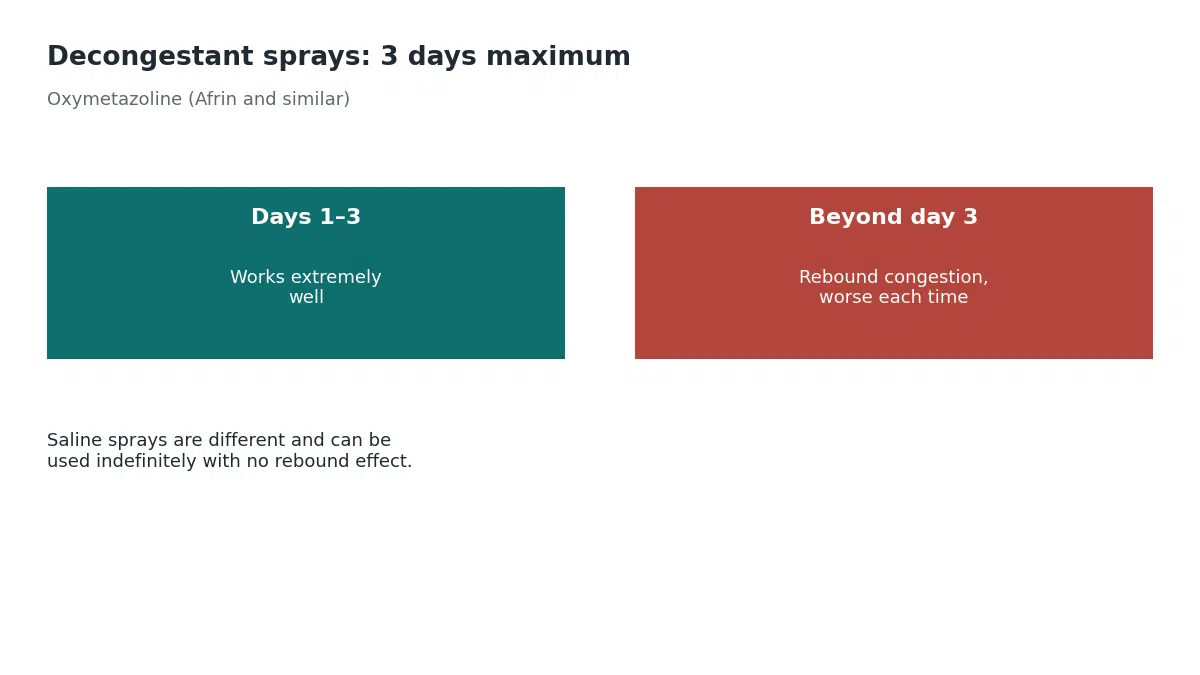
Certain medications including some blood pressure drugs cause nasal congestion as a side effect. Overuse of over the counter decongestant sprays creates rebound congestion. Doctors can adjust medications contributing to blockage.
Medical Treatments That May Be Necessary
When natural remedies prove insufficient, several medical interventions provide additional support. These options complement rather than replace healthy lifestyle approaches.
| Treatment Type | When Used | How It Helps |
| Prescription Nasal Corticosteroids | Chronic inflammation, allergic rhinitis | Reduces swelling and inflammation more powerfully than natural approaches |
| Oral Antibiotics | Confirmed bacterial sinus infections | Eliminates bacterial infections that don’t resolve naturally |
| Allergy Medications | Allergen-triggered congestion | Blocks histamine response causing allergic inflammation |
| Imaging Studies | Suspected structural issues or complications | Identifies anatomical problems or infection spread requiring intervention |
| Surgical Procedures | Structural abnormalities, severe chronic sinusitis | Corrects physical obstructions or creates better drainage pathways |
Overuse of Over-the-Counter Decongestants: Nasal spray decongestants like oxymetazoline provide rapid relief but should never be used longer than 3 consecutive days. Extended use causes rebound congestion—a condition where your nose becomes dependent on the medication and stuffiness worsens when you stop. This creates a difficult cycle to break. Stick to the 3-day maximum and rely on natural remedies or saline sprays for longer-term management. According to Cedars-Sinai, proper use of decongestants and recognizing when to seek medical care ensures safe, effective congestion management.
Special Considerations for Children
Pediatric congestion requires extra vigilance since young children can’t always communicate their discomfort accurately. Seek medical advice promptly for infants under 3 months with any congestion, as their smaller airways obstruct more easily.
Children’s Warning Signs: Contact pediatricians if your child has difficulty feeding due to congestion, shows signs of dehydration (decreased wet diapers, no tears when crying), develops ear pain alongside congestion, experiences breathing difficulties or rapid breathing, or has fever in infants under 3 months. Many adult over the counter medications aren’t appropriate for young children, making medical guidance especially important.
Common Mistakes in Managing Nasal Congestion
Even when using natural remedies for nose congestion, certain errors reduce effectiveness or potentially worsen symptoms. Understanding these common pitfalls helps you avoid wasted effort and achieve better results.
Many people unknowingly sabotage their recovery through well-intentioned but counterproductive actions. Correcting these mistakes often produces noticeable improvement within days.
Errors in Remedy Application
Improper technique or timing when using natural remedies limits their effectiveness. Small adjustments to your approach can significantly enhance outcomes.
Ineffective Approaches
- Using tap water directly for nasal irrigation without boiling
- Applying undiluted essential oils to skin or mucous membranes
- Performing steam inhalation with dangerously hot water
- Neglecting to clean humidifiers, allowing bacterial growth
- Using decongestant sprays beyond recommended 3-day limit
- Expecting immediate results from remedies requiring cumulative effect
Effective Strategies
- Always use distilled, sterile, or properly boiled water
- Dilute essential oils appropriately before any application
- Let steam cool to comfortably warm temperature
- Clean humidifiers every 2-3 days with vinegar solution
- Rely on saline sprays for longer-term use
- Give natural remedies adequate time—several days for best effect
Lifestyle Factors That Prolong Congestion
Daily habits either support or undermine your body’s healing processes. Addressing these broader factors enhances the effectiveness of specific remedies.
- Insufficient sleep prevents your immune system from fighting infections effectively
- Chronic stress elevates cortisol, promoting inflammation throughout your body
- Continuing exposure to known irritants or allergens prevents tissue healing
- Poor hydration allows mucus to remain thick and difficult to expel
- Smoking or secondhand smoke exposure irritates nasal membranes severely
- Excessive alcohol consumption causes dehydration and tissue swelling
- Ignoring underlying allergies that trigger repeated congestion episodes

Misunderstanding Congestion Causes
Mistaking your congestion type leads to applying inappropriate remedies. Different causes respond better to specific approaches.
Viral Versus Bacterial
Most congestion stems from viral infections requiring only supportive care. Seeking antibiotics for viral illness wastes resources and contributes to antibiotic resistance. Bacterial infections show specific signs: symptoms worsening after initial improvement, very high fever, severe localized pain.
Allergic Versus Infectious
Allergy-related congestion often includes clear discharge, itchy eyes, and predictable seasonal patterns. Infectious congestion involves body aches, fever, and colored discharge. Identifying your type helps select appropriate supportive measures.
Premature Discontinuation of Remedies
Natural remedies often work gradually rather than providing instant pharmaceutical-level relief. Abandoning effective approaches too quickly prevents you from experiencing their full benefits.
Give Remedies Time: Steam therapy, saline irrigation, and dietary changes typically require 3-5 days of consistent application before producing noticeable improvement. Herbal approaches often need a week or more for cumulative effects. Don’t switch strategies every day—stick with a comprehensive plan for at least a week before concluding it’s ineffective. However, if symptoms significantly worsen or new concerning signs develop, seek medical evaluation rather than continuing self-treatment.
Preventing Nasal Congestion Through Proactive Measures
While treating active congestion matters, preventing episodes provides even greater benefit. Proactive strategies reduce both frequency and severity of nasal blockage, improving your overall quality of life. These preventive approaches require less effort than treating full-blown congestion.
Building habits that support respiratory health creates resilience against viruses, allergens, and irritants. Consistent prevention proves more effective than reactive treatment alone.
Daily Habits for Respiratory Health
Small, consistent actions compound into significant protection against congestion. Incorporating these practices into your routine supports long-term nasal health.
- Wash hands frequently and properly to prevent viral transmission that causes colds
- Avoid touching your face, especially nose and eyes, to reduce infection risk
- Stay hydrated with adequate water intake maintaining thin, flowing mucus
- Get 7-9 hours of quality sleep nightly to support immune function
- Exercise regularly to improve circulation and overall immune response
- Manage stress through meditation, deep breathing, or relaxing activities
- Maintain balanced nutrition with emphasis on anti-inflammatory foods
- Practice good oral hygiene since mouth bacteria can affect sinuses
Seasonal Preparation Strategies
Certain times of year present higher congestion risks. Preparing before peak seasons reduces vulnerability during challenging periods.
Winter Readiness
Cold, dry air irritates nasal passages during winter months. Start using humidifiers before heating season begins. Consider daily saline rinses throughout winter to maintain moisture and remove irritants.
Allergy Season Prep
Begin natural allergy support 2-3 weeks before your typical symptom onset. This includes increasing anti-inflammatory foods, starting local honey consumption, and ensuring home allergen control measures are optimized.
Travel Precautions
Airplane air is extremely dry, triggering congestion. Use saline nasal spray during flights, stay well-hydrated, and avoid alcohol. Carry natural remedies when traveling to address symptoms promptly.
Immune System Support
A robust immune system resists infections that cause congestion. These strategies strengthen your body’s natural defenses.
Nutritional Support
Ensure adequate intake of vitamins C, D, zinc, and selenium through diet or supplementation. Probiotic-rich foods support gut health linked to immune function. Colorful fruits and vegetables provide diverse antioxidants protecting cells.
Lifestyle Factors
Regular moderate exercise boosts immune surveillance without overtaxing your system. Adequate sleep allows immune cell production and function. Stress management prevents cortisol-related immune suppression.
Environmental Maintenance
Keeping your living space clean and properly conditioned prevents many triggers of congestion. Regular maintenance proves easier than reactive deep cleaning during illness.
- Vacuum and dust weekly using HEPA-filtered equipment
- Change HVAC filters monthly during heavy use seasons
- Address water leaks immediately to prevent mold development
- Wash bedding in hot water weekly to control dust mites
- Monitor and maintain optimal humidity levels year-round
- Keep indoor plants, which naturally filter air and add humidity
Smart Social Practices During Cold Season
Balancing social connection with health protection during peak illness season reduces your infection risk without complete isolation.
Reducing Exposure
Maintain reasonable distance from obviously ill individuals. Avoid sharing cups, utensils, or towels even with family members. Wipe down commonly touched surfaces like doorknobs, light switches, and phones regularly.
After being in crowded public spaces, wash hands before touching your face. Consider briefly rinsing your nasal passages with saline after potential exposure to remove any trapped pathogens before they establish infection.
When You’re Sick
- Stay home when actively ill to avoid spreading infection
- Cover coughs and sneezes with your elbow, not hands
- Dispose of tissues immediately after use
- Wash hands after blowing your nose
- Disinfect surfaces you frequently touch
Frequently Asked Questions About Natural Remedies for Nose Congestion
How quickly do natural remedies relieve nasal congestion?
The timeline for relief varies by remedy type. Steam inhalation and warm compresses provide immediate temporary relief within 10-15 minutes by opening nasal passages and loosening mucus. Saline irrigation delivers noticeable improvement within 30 minutes by physically clearing blockages.
Dietary changes and herbal remedies work more gradually, typically requiring 3-7 days of consistent use before producing significant effects. Environmental modifications like humidifier use show improvement within 1-2 days as tissues rehydrate. Most people experience substantial relief from combined approaches within a week, though complete resolution depends on the underlying cause.
Can I use essential oils directly in my nose?
Never apply undiluted essential oils directly inside your nasal passages. These concentrated substances can severely irritate or burn delicate mucous membranes, potentially causing inflammation worse than your original congestion. Even diluted essential oils shouldn’t be applied internally.
Instead, use essential oils through external methods: add 1-2 drops to steam inhalations, diffuse them in room air, apply properly diluted oils (3-5 drops per tablespoon of carrier oil) to chest or back, or place drops on a tissue to inhale periodically. These approaches deliver therapeutic benefits safely without risking mucosal damage.
Is it safe to do nasal irrigation every day?
Daily saline nasal irrigation is generally safe for most people when performed correctly with proper water sources. During acute congestion from colds or sinus infections, daily rinsing (once or twice daily) provides therapeutic benefit by removing mucus and irritants.
However, long-term daily irrigation when you’re not congested may disrupt your nasal passages’ natural protective mechanisms and healthy bacteria balance. Once your symptoms resolve, reduce frequency to 2-3 times weekly or as needed. Always use distilled, sterile, or previously boiled water to avoid introducing harmful organisms. If irritation develops from frequent irrigation, reduce frequency and consult healthcare providers if concerns persist.
What’s the best sleeping position for congestion relief?
Sleeping with your head elevated at a 30-45 degree angle provides optimal relief by using gravity to drain mucus from sinuses and prevent pooling in nasal passages. Use extra pillows, a wedge pillow, or adjust your bed if possible to achieve this elevation.
Side sleeping also helps compared to back sleeping, as it allows one set of nasal passages to drain more freely. If one side feels completely blocked, try lying on the opposite side—the upper nostril often opens within 10-15 minutes due to reduced pressure. Avoid stomach sleeping, which can restrict breathing. Combining elevation with side positioning provides maximum overnight relief.
Do spicy foods really help clear congestion?
Yes, spicy foods containing capsaicin (in hot peppers) or similar compounds (in wasabi, horseradish) temporarily stimulate mucus flow and create a sensation of clearer breathing. Capsaicin triggers receptors that cause your nose to run, flushing out trapped secretions and temporarily reducing blockage.
However, this effect lasts only 15-30 minutes and doesn’t address underlying inflammation or infection. Spicy foods work best for immediate temporary relief before important activities requiring clear breathing. They complement but don’t replace longer-lasting remedies like steam therapy, hydration, and saline irrigation. Some people with sensitive stomachs may find spicy foods irritating, so use this approach based on your tolerance.
Can drinking more water really thin mucus?
Absolutely. Adequate hydration directly affects mucus consistency throughout your respiratory system. When you’re well-hydrated, your body produces thinner, more easily flowing mucus that drains naturally from sinuses and nasal passages. Dehydration causes mucus to become thick, sticky, and difficult to expel.
Aim for 8-10 glasses of water daily, more if you’re ill or in dry environments. Warm fluids like herbal teas and broths provide additional benefits through their heat and steam. The effect isn’t instant—consistent hydration over 24-48 hours produces noticeable improvement in mucus flow and ease of drainage. This simple strategy supports all other natural remedies you’re using.
Are natural remedies safe for young children?
Many natural remedies adapt safely for children with appropriate modifications. Saline drops or gentle bulb syringe irrigation work well for infants and toddlers. Cool mist humidifiers safely add moisture to children’s rooms. Adequate hydration and elevation during sleep benefit all ages.
However, important restrictions apply: avoid essential oils (especially eucalyptus and peppermint) for children under 6, as they can cause respiratory distress. Never give honey to infants under 12 months due to botulism risk. Steam therapy requires close supervision with cooler temperatures than for adults. Many herbal remedies lack pediatric safety data. Always consult pediatricians before trying new remedies with children, particularly infants under 3 months who need medical evaluation for any congestion.
How do I know if my congestion is from allergies or a cold?
Several distinguishing features help identify the cause. Allergy-related congestion typically includes clear, watery discharge, itchy eyes or nose, sneezing fits, and predictable seasonal timing or exposure-based patterns. Symptoms improve with antihistamines and worsen with allergen contact. Allergies rarely cause fever or body aches.
Colds usually begin with throat soreness, progress to congestion with thicker discharge that may become colored, include body aches and fatigue, and may involve low-grade fever. Cold symptoms follow exposure to sick individuals and resolve within 7-10 days. Understanding your congestion type helps select appropriate supportive measures—allergies benefit from allergen avoidance and anti-inflammatory approaches, while viral colds need immune support and symptom management.
Can I combine multiple natural remedies safely?
Yes, combining complementary natural remedies often produces better results than using single approaches. A comprehensive strategy might include steam inhalation twice daily, saline irrigation morning and evening, continuous humidifier use at night, increased fluid intake, anti-inflammatory dietary choices, and adequate rest.
These combinations are generally safe since most natural remedies work through different mechanisms without negative interactions. However, avoid excessive use of any single approach—too-frequent irrigation can irritate passages, and overuse of steam can dry skin. When using multiple herbal remedies or supplements simultaneously, research potential interactions or consult healthcare providers, especially if you take medications. Start with 2-3 compatible remedies and add others gradually to identify what works best for you.
Why does my congestion get worse at night?
Nighttime congestion worsening occurs for several reasons. When you lie flat, gravity no longer helps drain mucus from sinuses, allowing it to accumulate in nasal passages. Blood flow increases to your head in horizontal positions, causing additional tissue swelling that narrows airways.
Bedroom air often becomes drier overnight, especially with heating or cooling systems running, which irritates nasal membranes. Dust mites in bedding may trigger allergic responses that peak during night exposure. Combat nighttime congestion by elevating your head during sleep, using a humidifier in your bedroom, washing bedding in hot water weekly, performing saline irrigation before bed, and taking a warm shower to clear passages just before sleeping.
Does dairy actually increase mucus production?
Scientific research doesn’t support the widespread belief that dairy products increase mucus production. However, dairy can temporarily make existing mucus feel thicker or coat your mouth and throat, creating the sensation of increased secretions without actually producing more.
Some individuals with lactose intolerance or dairy sensitivity may experience increased congestion as part of their reaction to dairy proteins. If you notice worsening symptoms after consuming dairy, temporarily eliminating it makes sense during acute congestion. For most people without sensitivities, dairy doesn’t cause problems and provides valuable nutrients during illness. Focus instead on overall hydration and anti-inflammatory food choices regardless of dairy inclusion.
How long should I use a humidifier each day?
During active congestion, running a humidifier continuously in your bedroom throughout the night (typically 7-8 hours) provides optimal benefit. This sustained moisture prevents nasal passages from drying out during sleep, the longest period without active hydration.
For daytime use, running the humidifier in occupied rooms for 4-6 hours helps maintain comfortable humidity levels. Monitor indoor humidity with an inexpensive hygrometer, aiming for 30-50% relative humidity. Excessive humidity (above 60%) promotes mold growth and dust mite proliferation, potentially worsening respiratory issues. Clean your humidifier every 2-3 days to prevent bacteria buildup, and replace water daily with fresh distilled or filtered water.
Can I exercise with nasal congestion?
Mild to moderate exercise with simple congestion is generally safe and may help temporarily clear nasal passages. Physical activity increases circulation, which can reduce tissue swelling and promote drainage. Many people find their nose clears during exercise as breathing rate increases.
However, modify your routine based on overall symptoms. If you have fever, severe body aches, chest congestion, or significant fatigue, skip intense workouts and focus on rest. Stick to gentle activities like walking or light yoga rather than high-intensity training. Stay well-hydrated before, during, and after exercise. If breathing becomes difficult or you feel dizzy, stop immediately. Once you’re actively recovering, gradual return to normal activity supports overall health without compromising healing.
What’s the difference between a cold mist and warm mist humidifier?
Cool mist humidifiers release room-temperature vapor without heating water, making them safer around children since they pose no burn risk. They work well year-round and consume less energy. Cool mist feels refreshing and doesn’t raise room temperature, beneficial in warmer climates or seasons.
Warm mist humidifiers heat water before releasing vapor, creating a slightly warmer, more soothing sensation that some people prefer during winter. The heating process kills some bacteria and mold spores in the water, potentially creating cleaner vapor. However, they use more electricity, can increase room temperature, and require caution around children due to hot water inside. Both types effectively add moisture to air and relieve congestion—choose based on your household needs, safety considerations, and personal preference.
Are there natural remedies that work as decongestants?
Several natural substances provide decongestant effects through different mechanisms than pharmaceutical options. Eucalyptus and peppermint contain compounds that create cooling sensations and may help shrink swollen tissues. Ginger offers anti-inflammatory properties reducing tissue swelling. Capsaicin in hot peppers temporarily stimulates drainage.
While these natural remedies don’t work as rapidly or powerfully as pharmaceutical decongestants, they provide gentler relief without rebound congestion risk or side effects like jitteriness or elevated blood pressure. Saline irrigation mechanically clears blockages as effectively as oral decongestants for many people. Combining multiple natural approaches—steam, hydration, herbal support, and environmental optimization—often produces cumulative effects rivaling medication without the drawbacks.
Can stress cause or worsen nasal congestion?
Yes, chronic stress significantly impacts your respiratory system through multiple pathways. Stress hormones like cortisol promote inflammation throughout the body, including nasal passages and sinuses. Elevated stress weakens immune function, making you more susceptible to infections causing congestion.
Stress often disrupts sleep quality, preventing adequate rest needed for immune system function and tissue repair. Many people unconsciously breathe shallowly or through their mouth when stressed, which dries nasal passages and reduces natural defensive mechanisms. Managing stress through regular exercise, meditation, adequate sleep, and relaxing activities supports respiratory health alongside other natural remedies. If you experience frequent congestion without obvious triggers, consider whether stress might be a contributing factor worth addressing.
How effective is vitamin C for preventing or treating congestion?
Vitamin C supports immune function and may help reduce the duration and severity of colds causing congestion, though it doesn’t prevent colds in most people. Regular vitamin C intake from foods or supplements might shorten illness by about half a day and reduce symptom severity slightly.
The benefits are modest but contribute to overall immune support. Aim for 200-500mg daily from dietary sources like citrus fruits, berries, bell peppers, and broccoli, or through supplementation if needed. Megadoses exceeding 2000mg daily provide no additional benefits and may cause digestive upset. Vitamin C works best as part of comprehensive immune support including adequate sleep, stress management, proper nutrition, and other natural remedies rather than as a standalone congestion treatment.
Should I blow my nose forcefully to clear congestion?
No, forceful nose blowing can actually worsen congestion and cause complications. Excessive pressure can force mucus and bacteria into sinus cavities, potentially causing or worsening sinus infections. Hard blowing also damages delicate nasal blood vessels, causing nosebleeds and additional inflammation.
Instead, blow gently one nostril at a time while keeping the other open. This reduces pressure buildup. Use soft tissues to avoid skin irritation. Better yet, rely primarily on saline irrigation to mechanically flush out mucus without the pressure risks of blowing. After irrigation or steam therapy, gentle blowing removes loosened secretions safely. If you feel the need to blow frequently, you’re likely not addressing the underlying congestion effectively—increase your use of moisture-based remedies instead.
Moving Forward with Natural Congestion Relief
Managing nasal congestion through natural remedies offers safe, effective alternatives or complements to pharmaceutical options. The strategies outlined in this guide—from steam therapy and saline irrigation to dietary adjustments and environmental modifications—address congestion through multiple pathways that work synergistically.
Success with natural remedies for nose congestion requires consistency and patience. Unlike medications providing rapid but temporary relief, natural approaches often work gradually while supporting your body’s healing processes. Most people experience significant improvement within 3-7 days of implementing comprehensive strategies.
Remember that prevention proves easier than treatment. Building habits supporting respiratory health—adequate hydration, balanced nutrition, stress management, quality sleep, and optimal indoor environments—reduces both frequency and severity of congestion episodes over time.
While natural remedies effectively address most common congestion, recognize when professional evaluation becomes necessary. Persistent symptoms beyond 10 days, high fever, severe pain, or worsening conditions warrant medical consultation to rule out complications requiring specific treatment.
Your path to clearer breathing combines knowledge, consistent application of appropriate remedies, and attention to your body’s signals. By integrating these natural approaches into your health routine, you support not only immediate congestion relief but also long-term respiratory wellness.
Medical Disclaimer
Important Health Information
The information provided in this article serves educational purposes only and does not constitute medical advice, diagnosis, or treatment recommendations. Content presented here should not replace professional medical consultation, examination, or care from qualified healthcare providers.
Always seek guidance from licensed physicians, nurse practitioners, or other qualified health professionals before beginning any new treatment regimen, including natural remedies for nose congestion. Individual health conditions, medications, and circumstances vary significantly, and what works safely for one person may not be appropriate for another.
If you experience severe symptoms including high fever, difficulty breathing, chest pain, confusion, or symptoms lasting beyond 10 days without improvement, seek immediate medical evaluation. These may indicate serious conditions requiring professional treatment.
Natural remedies can complement but may not replace prescribed medications. Never discontinue prescription medications without consulting the prescribing healthcare provider. Some herbal remedies and supplements interact with medications or affect underlying health conditions.
Pregnant or breastfeeding women should consult healthcare providers before using essential oils, herbal remedies, or supplements, as many lack safety data for these populations. Parents should consult pediatricians before applying natural remedies to children, particularly infants under 12 months.
The effectiveness of natural remedies varies based on individual factors including underlying health status, congestion cause, and consistent application. Results described in this article represent general expectations and may not reflect your specific experience.
HealthMagHub and article authors disclaim liability for any adverse effects, complications, or consequences resulting from application of information contained herein. Readers assume full responsibility for their health decisions and any actions taken based on this content.
External links to third-party websites are provided for informational purposes only. HealthMagHub does not endorse, control, or assume responsibility for content, accuracy, or practices of linked sites. Inclusion of specific products, brands, or techniques doesn’t constitute endorsement or recommendation.
Information presented reflects current understanding at time of publication but medical knowledge evolves continuously. We encourage readers to verify information with current medical sources and consult healthcare professionals for personalized guidance appropriate to their unique circumstances.
This article does not create a patient-provider relationship. For diagnosis, treatment planning, or medical advice specific to your situation, consult qualified healthcare professionals who can examine you and review your complete medical history.