healthmaghub
  • HOME
  • BLOG
  • REVIEWS
  • TOOLS
No Result
View All Result
  • HOME
  • BLOG
  • REVIEWS
  • TOOLS
No Result
View All Result
HealthNews
No Result
View All Result

Can Bladder Infection Cause Diarrhea? Understanding the UTI-Digestive Connection

by Carlos Jimenez
July 21, 2026
Reading Time: 19 mins read
0
Experiencing a urinary tract infection is uncomfortable enough on its own. But when digestive issues like diarrhea appear alongside UTI symptoms, many people wonder about the connection. Can bladder infection cause diarrhea? This question concerns countless individuals dealing with both urinary and gastrointestinal symptoms simultaneously.

The relationship between urinary tract infections and digestive symptoms involves several mechanisms. Understanding these connections helps you recognize what’s happening in your body and determine when medical attention becomes necessary.

While bladder infections primarily affect your urinary system, they can influence digestive function through various pathways. This article explores the science behind this connection, helping you identify symptoms and make informed decisions about your health care.

What Are Urinary Tract Infections and How Do They Develop?

Urinary tract infections represent one of the most common bacterial infections affecting millions of people each year. These infections occur when bacteria enter the urinary system and multiply, causing inflammation and uncomfortable symptoms.

The Urinary System and Infection Sites

Your urinary tract consists of several components working together to remove waste from your body. The kidneys filter blood and produce urine, which travels through tubes called ureters to your bladder for storage.

When you urinate, urine flows from the bladder through the urethra and exits your body. Infections can develop in any part of this system, though most commonly affect the bladder and urethra.

UTIs typically occur when bacteria from the digestive tract, particularly E. coli, enter the urinary system through the urethra. Women experience these infections more frequently than men due to anatomical differences that make bacterial entry easier.

Common Types of Urinary Tract Infections

Medical professionals classify urinary tract infections based on the location where infection occurs. Each type presents distinct characteristics and potential complications if left untreated.

  • Cystitis (bladder infection): The most common type affecting the bladder, causing frequent urination and pelvic discomfort
  • Urethritis: Infection of the urethra causing burning sensations during urination
  • Pyelonephritis (kidney infection): More serious infection reaching the kidneys, potentially causing fever and back pain
  • Complicated UTIs: Infections occurring in people with structural abnormalities or underlying health conditions

Important Note: While bladder infections commonly cause urinary symptoms, they may trigger systemic effects throughout your body, including digestive disturbances in some cases.

Risk Factors for Developing UTIs

Certain factors increase your susceptibility to urinary tract infections. Understanding these risk elements helps you take preventive measures and recognize when you’re more vulnerable to infection.

Female anatomy creates higher UTI risk due to the shorter urethra. Sexual activity can introduce bacteria into the urinary tract, while certain birth control methods may also increase infection likelihood.

  • Being female, especially during reproductive years
  • Sexual activity and certain birth control methods
  • Pregnancy and hormonal changes
  • Menopause and declining estrogen levels
  • Urinary tract abnormalities or blockages
  • Weakened immune system function
  • Recent urinary catheter use
  • Diabetes or other chronic health conditions

Can Bladder Infection Cause Diarrhea? Exploring the Connection

The direct answer is that bladder infections themselves don’t typically cause diarrhea directly. However, several mechanisms can create a connection between UTI and digestive symptoms that occur simultaneously.

Why Diarrhea May Accompany Urinary Tract Infections

When patients experience both UTI symptoms and diarrhea together, multiple explanations may account for this combination. Understanding these mechanisms helps distinguish between related and coincidental symptoms.

Bacterial infection illustration affecting body systems

The proximity of the urinary tract and digestive system means infections or inflammation in one area may influence the other. Additionally, the body’s immune response to infection can trigger various systemic effects.

Direct Infection Spread

In rare cases, bacteria causing urinary tract infections can affect nearby digestive organs. This occurs more commonly when kidney infections develop, as kidneys sit close to intestinal structures.

Severe infections may cause systemic bacterial spread, though this represents an uncommon complication requiring immediate medical attention.

Inflammatory Response

Your body’s immune system responds to UTI by releasing inflammatory compounds. These substances fight infection but may also affect digestive function and motility.

Inflammation can increase intestinal permeability and alter gut bacteria balance, potentially triggering temporary digestive upset including loose stools.

Antibiotic Side Effects and Digestive Symptoms

The most common reason people experience diarrhea alongside UTI involves antibiotics used treat the infection. These medications effectively eliminate harmful bacteria but may also disrupt beneficial gut microbes.

Your digestive system contains trillions of helpful bacteria maintaining gut health and normal bowel function. Antibiotics don’t discriminate between harmful and beneficial bacteria, potentially causing temporary digestive disturbances.

  • Antibiotic-associated diarrhea affects 5-30% of patients taking these medications
  • Symptoms typically begin within days of starting antibiotic treatment
  • Most cases resolve shortly after completing the medication course
  • Certain antibiotic classes cause digestive issues more frequently than others

When to Seek Immediate Care: If you develop severe diarrhea, bloody stools, high fever, or intense abdominal pain while treating a UTI, contact your healthcare provider immediately. These symptoms may indicate complications requiring prompt medical evaluation.

Shared Bacterial Causes

Some bacterial species can cause both urinary and gastrointestinal symptoms simultaneously. E. coli, the bacteria responsible for most UTIs, also causes certain types of gastroenteritis and food poisoning.

When pathogenic E. coli strains enter your body through contaminated food or water, they may affect both digestive and urinary systems. This creates concurrent symptoms affecting multiple organ systems.

Additionally, weakened immune function or poor hygiene practices may increase susceptibility to multiple infections occurring together, though this scenario remains relatively uncommon.

Recognizing Symptoms of UTI and Associated Digestive Issues

Identifying the characteristic signs of urinary tract infections helps you distinguish these from other conditions. Understanding typical symptoms UTI causes enables appropriate and timely response.

Classic Urinary Tract Infection Symptoms

Most urinary tract infections produce recognizable patterns of symptoms affecting urination and pelvic comfort. These signs typically develop gradually and worsen without appropriate treatment.

  • Frequent urination: Feeling the need to urinate more often than usual, often with small amounts
  • Burning sensation: Pain or burning feeling during urination
  • Urgency: Sudden, intense urges to urinate that are difficult to delay
  • Cloudy or bloody urine: Visible changes in urine appearance or color
  • Strong-smelling urine: Unusual or unpleasant urine odor
  • Pelvic pain: Pressure or discomfort in the lower abdomen or pelvic region
  • Low-grade fever: Mild temperature elevation may accompany bladder infections

Signs of Kidney Infection

When infection spreads from the bladder to the kidneys, symptoms typically become more severe and require urgent medical attention. Kidney infections represent serious complications that need prompt antibiotic treatment.

Upper urinary tract infections affecting the kidneys often cause systemic symptoms beyond typical bladder infection signs. These infections carry higher complication risks and shouldn’t be ignored.

  • High fever and chills
  • Severe back or side pain below the ribs
  • Nausea and vomiting
  • Confusion or mental changes, especially in older adults

Digestive Symptoms That May Accompany UTIs

When gastrointestinal symptoms occur alongside urinary infection signs, several patterns may emerge. Recognizing these helps you understand what’s happening and communicate effectively with healthcare providers.

Digestive Symptom Possible Cause When It Typically Occurs Action Needed
Mild diarrhea Antibiotic side effects Within days of starting treatment Monitor symptoms, stay hydrated
Nausea Infection response or medication Anytime during infection or treatment Take medications with food, report if severe
Abdominal cramping Inflammation or antibiotic effects Variable timing Monitor intensity, seek care if worsening
Loss of appetite General illness response Throughout infection period Eat small frequent meals, maintain hydration
Severe watery diarrhea C. difficile infection or severe reaction During or after antibiotics Seek immediate medical evaluation

How Antibiotics Used Treat UTIs Affect Your Digestive System

Antibiotics remain the primary treatment for urinary tract infections, effectively eliminating bacteria causing infection. However, these powerful medications can significantly impact your gut microbiome and digestive function.

Mechanism of Antibiotic-Related Diarrhea

Probiotics and gut health illustration

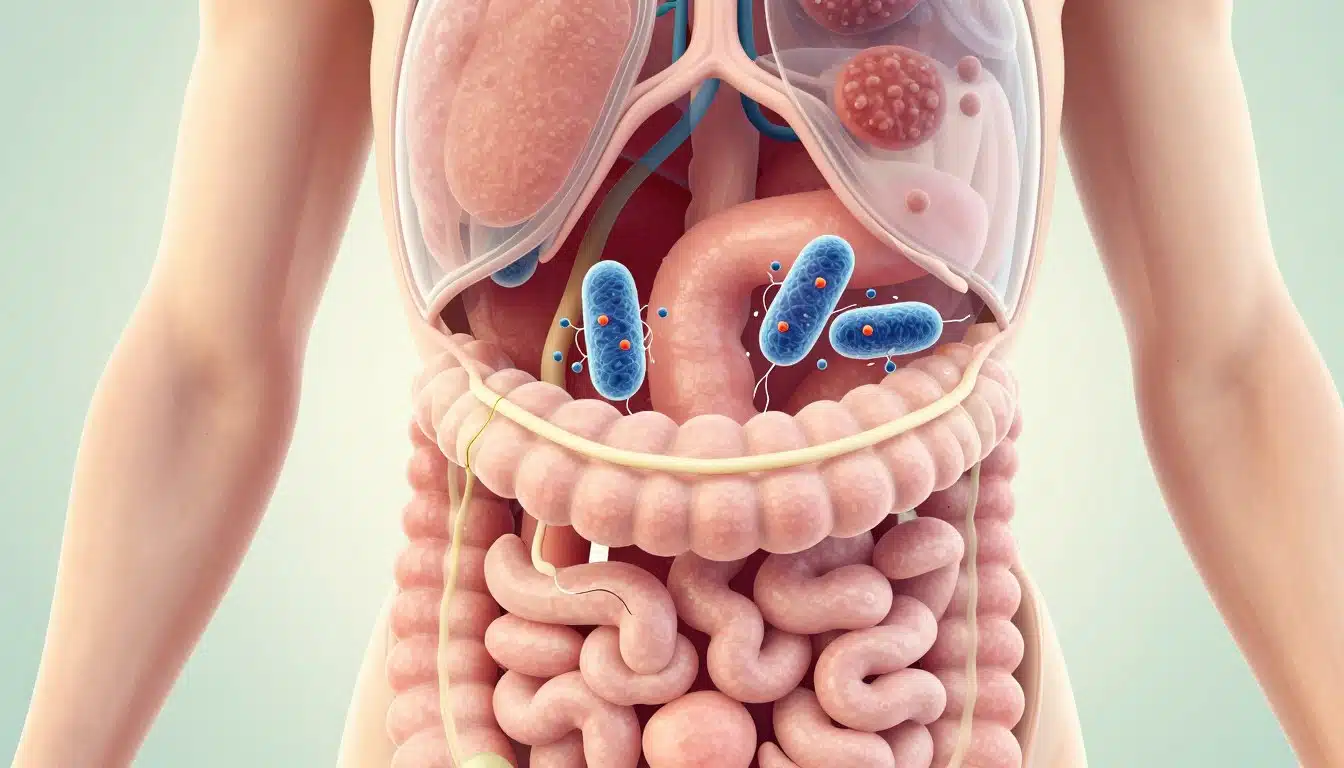
Your intestinal tract houses a complex ecosystem of microorganisms essential for digestion, nutrient absorption, and immune function. When antibiotics enter your system, they kill disease-causing bacteria but also eliminate beneficial gut microbes.

This disruption in your gut microbiome can impair normal digestive processes. Reduced beneficial bacteria populations may decrease fiber fermentation, alter water absorption, and change intestinal motility patterns.

The resulting imbalance often leads to loose stools or diarrhea. If you also take protein supplements during recovery, it’s worth knowing that these can independently affect digestion too – see our guide on whether protein powder causes constipation. Your body typically restores healthy bacterial populations within weeks of completing antibiotic treatment, though some people experience longer-lasting effects.

Common Antibiotics for UTIs and Digestive Effects

Different antibiotic classes prescribed for urinary tract infections vary in their likelihood of causing digestive disturbances. Some medications trigger gastrointestinal side effects more frequently than others.

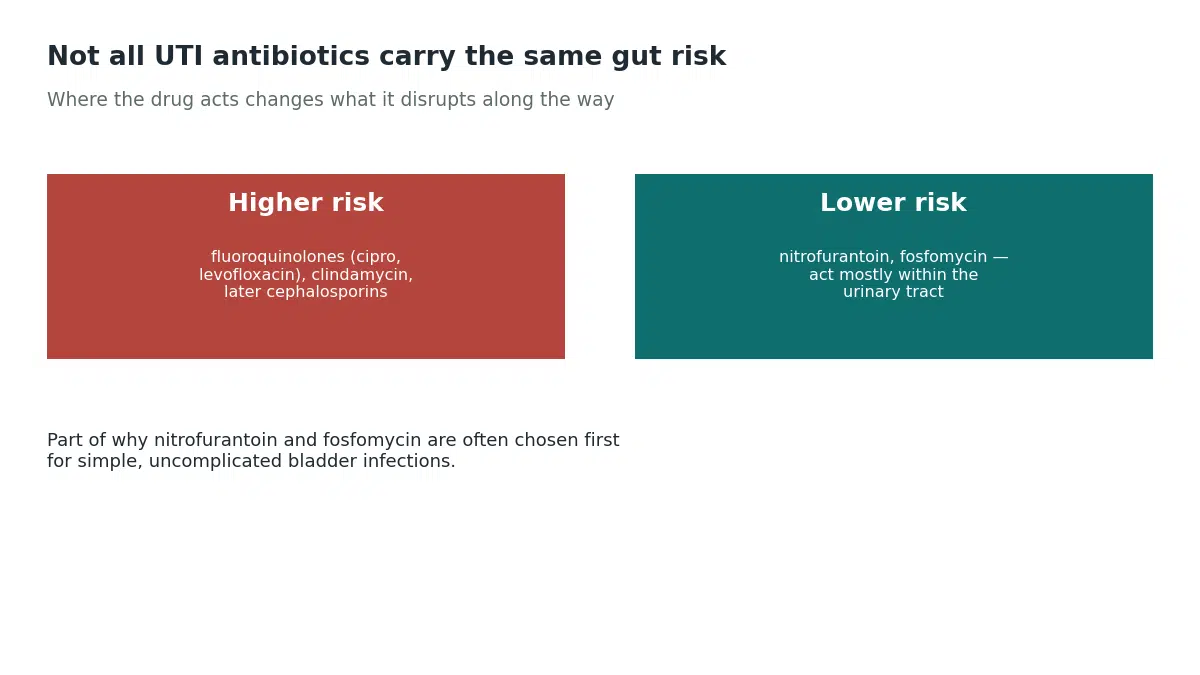
  • Fluoroquinolones (ciprofloxacin, levofloxacin): Effective against resistant bacteria but may cause nausea and diarrhea
  • Trimethoprim-sulfamethoxazole: Common first-line treatment with moderate digestive side effect risk
  • Nitrofurantoin: Specifically targets urinary tract with lower systemic effects but may cause stomach upset
  • Beta-lactams (amoxicillin, cephalexin): Broad-spectrum antibiotics with higher diarrhea incidence
  • Fosfomycin: Single-dose treatment with generally good digestive tolerance

If you experience severe digestive symptoms while taking antibiotics, don’t stop your medication without consulting your healthcare provider. Contact them for guidance on managing side effects or potentially switching medications.

Preventing and Managing Antibiotic-Related Digestive Issues

Several strategies can help minimize digestive side effects when taking antibiotics for urinary tract infections. These approaches support your gut health while allowing effective infection treatment.

During Antibiotic Treatment

  • Take medications with food unless otherwise directed
  • Drink plenty of water throughout the day
  • Consider probiotic supplements with healthcare provider approval
  • Avoid alcohol and caffeine which may worsen symptoms
  • Eat bland, easily digestible foods if experiencing nausea

After Completing Treatment

  • Consume probiotic-rich foods like yogurt and kefir
  • Include prebiotic foods supporting beneficial bacteria growth
  • Gradually return to your normal diet
  • Monitor for symptom resolution within 1-2 weeks
  • Contact healthcare provider if issues persist

When Digestive Symptoms with UTI Require Medical Attention

While mild digestive upset alongside urinary tract infections often resolves without complications, certain warning signs indicate the need for prompt medical evaluation. Recognizing these red flags protects your health.

Urgent Symptoms Requiring Immediate Care

Some symptom combinations suggest serious complications or infections requiring urgent medical intervention. Don’t delay seeking care if you experience these concerning signs.

  • High fever (over 101°F/38.3°C): May indicate kidney infection or systemic bacterial spread
  • Severe abdominal pain: Intense or worsening pain beyond mild cramping
  • Bloody or severe diarrhea: Multiple episodes of watery stools with blood or mucus
  • Persistent vomiting: Inability to keep down fluids or medications
  • Signs of dehydration: Extreme thirst, dark urine, dizziness, rapid heartbeat
  • Confusion or altered mental state: Particularly concerning in older adults
  • Severe back or flank pain: May signal kidney involvement

If you’re experiencing severe symptoms or your condition worsens despite treatment, seek medical evaluation promptly. Early intervention prevents complications and ensures appropriate care for your specific situation.

When to Contact Your Healthcare Provider

Less urgent situations still warrant communication with your healthcare provider to ensure proper treatment management. Don’t hesitate to reach out with concerns about your symptoms or medication effects.

Your doctor can assess whether your symptoms represent expected treatment side effects or indicate complications requiring intervention. They may adjust medications, recommend supportive care, or schedule follow-up evaluation.

  • Diarrhea persisting more than 48-72 hours after starting antibiotics
  • Worsening UTI symptoms despite antibiotic treatment
  • New symptoms developing during treatment
  • Moderate dehydration concerns
  • Questions about medication side effects
  • Difficulty completing prescribed antibiotic course

For additional information on urinary tract infections and their management, visit Mayo Clinic’s UTI Resource Center.

Preventing UTIs and Protecting Digestive Health

Taking proactive steps reduces your risk of developing urinary tract infections while maintaining healthy digestive function. These preventive strategies support overall wellness and reduce infection recurrence.

Hygiene Practices to Prevent Urinary Tract Infections

Proper hygiene habits significantly decrease UTI risk by preventing bacterial introduction into your urinary tract. Simple daily practices create protective barriers against infection.

  • Wipe front to back after using the bathroom
  • Urinate before and after sexual activity
  • Stay well-hydrated by drinking plenty of water daily
  • Avoid holding urine for extended periods
  • Choose breathable cotton underwear
  • Avoid irritating feminine products and douches
  • Change out of wet swimsuits or exercise clothing promptly

Dietary Approaches Supporting Urinary and Digestive Health

Nutrition plays crucial roles in both preventing UTIs and maintaining healthy digestive function. Certain foods and drinks provide protective benefits for multiple body systems. Some people also look into targeted bladder-support supplements, such as those covered in our NewEra Protect review, as an additional layer of support.

Foods Supporting Urinary Health

  • Cranberries and cranberry juice (unsweetened)
  • Blueberries and other berries rich in antioxidants
  • Vitamin C-rich fruits and vegetables
  • Garlic with natural antibacterial properties
  • Probiotic-rich yogurt supporting beneficial bacteria

Foods Supporting Digestive Health

  • Fermented foods like sauerkraut and kimchi
  • Fiber-rich whole grains and vegetables
  • Prebiotic foods like bananas and oats
  • Ginger and peppermint for digestive comfort
  • Bone broth supporting gut lining health

Lifestyle Factors Reducing Infection Risk

Beyond hygiene and nutrition, broader lifestyle choices influence your susceptibility to urinary tract infections and digestive disturbances. Incorporating these habits supports comprehensive health protection.

Regular physical activity supports immune function and helps maintain healthy body systems. Adequate sleep allows your immune system to function optimally, defending against infections more effectively.

Stress management also plays important roles in immune health and digestive function. Chronic stress weakens immune responses and may disrupt normal gut bacteria balance, increasing vulnerability to infections.

Using Probiotics to Support Gut Health

Probiotics provide beneficial bacteria that support digestive health and may help prevent antibiotic-associated diarrhea. These supplements or probiotic-rich foods help maintain healthy gut microbiome balance.

When taking antibiotics for UTI, consider incorporating probiotics to minimize digestive disruption. Space probiotic supplements several hours apart from antibiotic doses to maximize beneficial bacterial survival.

  • Choose multi-strain probiotic supplements with at least 10 billion CFUs
  • Look for strains specifically studied for antibiotic-associated diarrhea
  • Continue probiotics for several weeks after completing antibiotics
  • Consume fermented foods regularly as natural probiotic sources

UTIs and Digestive Symptoms in Special Populations

Certain groups face unique considerations regarding urinary tract infections and associated digestive symptoms. Understanding these specific circumstances ensures appropriate care for vulnerable populations.

Pregnant Women and UTI Management

Pregnancy increases UTI risk due to hormonal changes and physical pressure on the urinary tract. Pregnant women require prompt treatment as untreated infections can lead to serious complications affecting both mother and baby.

Digestive symptoms during pregnancy complicate UTI diagnosis since nausea and other gastrointestinal changes commonly occur normally. Healthcare providers must carefully evaluate symptoms to distinguish infection-related issues from typical pregnancy discomforts.

Antibiotic selection during pregnancy requires careful consideration. Doctors choose medications proven safe during pregnancy while effectively treating infection, though some antibiotics still may cause digestive side effects.

Older Adults and Infection Risks

Elderly individuals experience higher UTI rates and face greater complication risks. Age-related changes in immune function, bladder capacity, and overall health increase vulnerability to infections.

UTI symptoms in older adults may present atypically. Rather than typical urinary complaints, elderly patients might exhibit confusion, sudden behavioral changes, or unexplained falls as primary infection signs.

Digestive symptoms and medication side effects may impact older adults more significantly. Healthcare providers must monitor elderly patients closely during UTI treatment to prevent dehydration and ensure appropriate nutrition.

Children and Pediatric UTI Considerations

Children, particularly young girls, can develop urinary tract infections requiring different management approaches than adult infections. Parents should watch for signs including fever, irritability, unusual-smelling urine, and toilet training difficulties.

When children develop UTIs, associated digestive symptoms like vomiting or diarrhea may occur. These symptoms can lead to dehydration more quickly in children than adults, necessitating careful monitoring.

Pediatric antibiotic prescriptions account for child-specific dosing and medication safety profiles. Parents should ensure children complete full antibiotic courses even after symptoms improve to prevent recurrent infections.

People with Chronic Health Conditions

Individuals with diabetes, weakened immune systems, or urinary tract abnormalities face elevated UTI risks and potential complications. These populations require vigilant monitoring and sometimes prophylactic treatments to prevent recurrent infections.

Chronic health conditions may complicate both UTI development and treatment. Medication interactions, altered immune responses, and underlying organ dysfunction all influence infection management strategies.

Regular communication with healthcare providers helps these patients optimize preventive strategies and ensure prompt treatment when infections develop.

Complementary Approaches Supporting UTI Recovery

While antibiotics remain essential for treating bacterial urinary tract infections, several complementary strategies may support recovery and comfort. These approaches work alongside medical treatment rather than replacing it.

Hydration and Fluid Management

Drinking plenty of water ranks among the most important supportive measures during UTI recovery. Adequate fluid intake helps flush bacteria from your urinary tract and prevents dehydration, especially if experiencing digestive symptoms.

Increased urination from high fluid intake mechanically removes bacteria from your urinary system. This natural flushing action complements antibiotic effects, potentially speeding recovery time.

  • Aim for at least 8-10 glasses of water daily during infection
  • Increase intake further if experiencing diarrhea or fever
  • Choose water over sugary drinks or caffeine
  • Monitor urine color – pale yellow indicates good hydration

Cranberry Products for UTI Support

Cranberry juice and supplements have long been associated with urinary tract health. Research suggests cranberries contain compounds that may prevent bacteria from adhering to bladder walls.

While cranberry products shouldn’t replace antibiotics for active infections, some studies indicate they may help reduce recurrent UTI risk. Choose unsweetened cranberry juice or standardized supplements rather than sweetened cocktails.

Discuss cranberry supplementation with your healthcare provider, particularly if taking blood-thinning medications, as cranberry can interact with certain drugs.

Heat Therapy for Symptom Relief

Applying warmth to your lower abdomen or back may help relieve pain and discomfort associated with UTIs. Heat increases blood flow to the area and relaxes muscles, providing temporary symptom relief.

Use heating pads, warm water bottles, or warm baths to ease pelvic pressure and cramping. This approach addresses symptoms without interfering with antibiotic treatment effectiveness.

Dietary Adjustments During Recovery

When experiencing both UTI and digestive symptoms, gentle dietary modifications support comfort during recovery. Focus on easily digestible foods that don’t irritate your bladder or worsen digestive upset.

Foods to Emphasize

  • Plain yogurt with active cultures
  • Bananas and rice (gentle on digestion)
  • Cooked vegetables and lean proteins
  • Herbal teas like chamomile
  • Broth-based soups

Foods to Limit

  • Caffeinated beverages
  • Alcohol and carbonated drinks
  • Spicy or acidic foods
  • Artificial sweeteners
  • High-sugar products

Medical Diagnosis and Treatment Approaches

Proper diagnosis ensures you receive appropriate treatment for urinary tract infections. Healthcare providers use various methods to confirm infection and identify the specific bacteria causing symptoms.

Diagnostic Testing for UTIs

Medical laboratory testing for UTI diagnosis

Your doctor typically begins UTI evaluation with urinalysis – examining a urine sample under microscope and testing for bacteria, white blood cells, and red blood cells. This quick test often confirms infection presence.

For recurrent or complicated infections, urine culture identifies the specific bacterial strain causing infection. This test takes 24-48 hours but provides crucial information about which antibiotics will work most effectively.

Additional testing may include blood work, imaging studies, or specialized urological evaluations depending on symptom severity, infection frequency, or suspected complications.

Antibiotic Treatment Protocols

Treatment duration and medication choice depend on infection location, severity, and your individual health factors. Most uncomplicated bladder infections require 3-7 days of antibiotics, while kidney infections need longer courses.

Your healthcare provider considers factors including local antibiotic resistance patterns, your allergy history, and potential medication interactions when prescribing treatment. Always complete the full prescribed course even if symptoms improve quickly.

Infection Type Typical Treatment Duration Common Antibiotics Follow-Up Needed
Uncomplicated bladder infection (women) 3-5 days Trimethoprim-sulfamethoxazole, nitrofurantoin If symptoms persist
Complicated or recurrent UTI 7-14 days Fluoroquinolones, cephalexin Usually recommended
Kidney infection (pyelonephritis) 10-14 days Fluoroquinolones, ceftriaxone Yes, often with imaging
UTI in pregnancy 7-10 days Cephalexin, nitrofurantoin, amoxicillin Yes, with repeat cultures
UTI in men 7-14 days Fluoroquinolones, trimethoprim-sulfamethoxazole Yes, to rule out complications

Managing Treatment Side Effects

Communicating openly with your healthcare provider about medication side effects ensures you receive optimal care. Don’t suffer unnecessarily – many solutions exist for managing antibiotic-related digestive issues and other adverse effects.

Your doctor might adjust dosing, switch medications, or recommend supportive therapies to minimize side effects while effectively treating your infection. They can help you weigh benefits against discomforts to find the best treatment approach for your situation.

For comprehensive information on UTI treatment and management, visit Harvard Health’s Guide to Urinary Tract Infections.

Understanding and Preventing Recurrent Urinary Tract Infections

Some individuals experience frequent UTIs – defined as two or more infections within six months or three or more within one year. Recurrent infections require investigation to identify underlying causes and implement preventive strategies.

Why Some People Experience Frequent UTIs

Multiple factors contribute to recurrent urinary tract infections. Understanding your specific risk factors helps you and your healthcare provider develop targeted prevention plans.

Anatomical factors, behavioral patterns, hormonal influences, and underlying health conditions all potentially increase UTI recurrence risk. Some causes prove modifiable through lifestyle changes, while others may require medical intervention.

  • Incomplete bladder emptying due to various causes
  • Structural urinary tract abnormalities
  • Genetic susceptibility to bacterial attachment
  • Hormonal changes during menopause
  • Sexual activity patterns and practices
  • Use of certain birth control methods
  • Diabetes or immune system disorders
  • History of childhood UTIs

Medical Prevention Strategies

For people with recurrent UTIs, doctors may recommend prophylactic antibiotics taken at low doses over extended periods. This approach significantly reduces infection frequency in many patients.

Post-coital antibiotics represent another prevention strategy for women whose infections consistently follow sexual activity. A single dose taken after intercourse can prevent infection development.

Topical vaginal estrogen therapy helps postmenopausal women by restoring healthy vaginal bacterial balance and strengthening tissue resistance to infection. This hormone therapy effectively reduces UTI recurrence in appropriate candidates.

Self-Care Prevention Measures

Consistent application of preventive habits creates protective effects against recurrent infections. These practices work best when incorporated into daily routines rather than applied sporadically.

Daily Prevention Practices

  • Maintain excellent hydration throughout each day
  • Don’t delay urination when feeling the urge
  • Practice careful hygiene after bowel movements
  • Wear breathable clothing and cotton underwear
  • Avoid potential irritants like harsh soaps

Activity-Related Prevention

  • Urinate before and after sexual activity
  • Consider alternative birth control if applicable
  • Change out of wet clothing promptly
  • Shower rather than taking baths
  • Avoid holding urine during long activities

Common Myths and Facts About UTIs and Digestive Symptoms

Misconceptions about urinary tract infections abound. Clarifying common myths helps you make informed decisions about prevention and treatment.

Separating Fact from Fiction

Understanding accurate information about UTIs empowers you to take appropriate actions and avoid ineffective or potentially harmful practices based on misinformation.

Facts About UTIs

  • Antibiotics effectively treat most UTIs when taken as prescribed
  • Drinking water helps flush bacteria and supports treatment
  • Women have shorter urethras, increasing infection risk
  • Sexual activity can introduce bacteria to the urinary tract
  • Untreated UTIs can progress to serious kidney infections
  • Some people are genetically more susceptible to infections

Common Myths

  • UTIs always cause obvious symptoms (some are asymptomatic)
  • You can cure UTIs without antibiotics in most cases
  • Only women get UTIs (men get them too, though less frequently)
  • Cranberry juice alone can treat active infections
  • Poor hygiene is the main cause (multiple factors contribute)
  • UTIs aren’t serious (complications can be severe)

Addressing Digestive Symptom Misconceptions

Similarly, misunderstandings exist about the relationship between UTIs and digestive symptoms. Clarifying these points helps set realistic expectations during infection and treatment.

While bladder infections don’t directly cause diarrhea in most cases, the connection through antibiotic effects, immune responses, and shared bacterial causes explains why some patients experience both symptom types simultaneously.

Understanding that digestive symptoms often represent treatment side effects rather than infection complications helps you manage expectations and recognize when symptoms fall outside normal ranges requiring medical attention.

Frequently Asked Questions About Bladder Infections and Diarrhea

Can a bladder infection directly cause diarrhea?

Bladder infections typically don’t directly cause diarrhea. However, the antibiotics prescribed to treat urinary tract infections commonly trigger digestive side effects including loose stools. Additionally, the body’s immune response to infection may affect digestive function. In rare cases, bacteria causing UTI might also affect the gastrointestinal system, or severe kidney infections may influence nearby digestive organs.

Why do antibiotics for UTI cause digestive problems?

Antibiotics used treat UTIs kill harmful bacteria but also eliminate beneficial gut microbes essential for healthy digestion. This disruption in your gut microbiome can impair normal digestive processes, leading to diarrhea, nausea, or stomach cramping. The effect varies depending on the specific antibiotic prescribed and individual sensitivity. Most antibiotic-related digestive issues resolve within days to weeks after completing treatment.

What are the most common symptoms of a urinary tract infection?

Common symptoms UTI causes include frequent urination with only small amounts of urine, burning sensation during urination, urgent need to urinate, cloudy or strong-smelling urine, and pelvic discomfort. Some people also experience low-grade fever, blood in urine, or pelvic pressure. If infection spreads to kidneys, symptoms may include high fever, severe back pain, nausea, and vomiting requiring immediate medical attention.

How long does antibiotic-related diarrhea typically last?

Antibiotic-associated diarrhea usually begins within a few days of starting medication and often resolves shortly after completing the antibiotic course. Most people experience symptom improvement within 1-2 weeks after finishing antibiotics. However, if severe diarrhea develops, particularly with blood, fever, or severe cramping, contact your healthcare provider immediately as this may indicate C. difficile infection requiring different treatment.

Can probiotics help prevent diarrhea when taking antibiotics for UTI?

Yes, probiotics may help reduce the risk and severity of antibiotic-associated diarrhea. Taking probiotic supplements or consuming probiotic-rich foods like yogurt supports beneficial gut bacteria during antibiotic treatment. For best results, take probiotics several hours apart from antibiotic doses and continue for several weeks after completing treatment. Discuss probiotic use with your healthcare provider to ensure appropriate strains and timing.

When should I contact my doctor about digestive symptoms during UTI treatment?

Talk healthcare provider if you experience severe diarrhea (more than 5-6 watery stools daily), bloody stools, high fever, severe abdominal pain, persistent vomiting, or signs of dehydration. Also contact them if mild digestive symptoms don’t improve within 48-72 hours of starting treatment, or if UTI symptoms worsen despite taking antibiotics. Your doctor can adjust treatment or provide supportive care to manage side effects.

Are certain antibiotics for UTI more likely to cause digestive issues?

Yes, different antibiotics vary in their likelihood of causing digestive side effects. Broad-spectrum antibiotics like amoxicillin and cephalexin tend to cause more digestive disturbance because they affect wider ranges of bacteria. Fluoroquinolones also commonly trigger gastrointestinal symptoms. Nitrofurantoin, which specifically targets the urinary tract, may cause less systemic digestive disruption. Your doctor considers these factors when selecting appropriate antibiotics for your situation.

Can UTI cause nausea and vomiting along with diarrhea?

Nausea and vomiting can accompany urinary tract infections, particularly when infection spreads to the kidneys. These symptoms may occur due to the infection itself, systemic inflammatory response, or as side effects from antibiotic medications. If you experience persistent vomiting that prevents you from keeping down medications or fluids, seek medical attention promptly as this may lead to dehydration and complicate treatment.

How much water should I drink when treating a UTI?

Aim to drink at least 8-10 glasses of water daily when treating a urinary tract infection. Increased fluid intake helps flush bacteria from your urinary system and prevents dehydration, especially if experiencing digestive symptoms. If you have diarrhea or fever alongside UTI, increase water intake further. Monitor urine color – pale yellow indicates good hydration. Avoid excessive caffeine or alcohol which can irritate the bladder.

What foods should I eat when experiencing both UTI and digestive symptoms?

Focus on bland, easily digestible foods that won’t irritate your bladder or worsen digestive upset. Good choices include plain yogurt with active cultures, bananas, rice, toast, cooked vegetables, lean proteins, and broth-based soups. Avoid spicy foods, acidic items, caffeine, alcohol, and high-sugar products. Probiotic-rich foods like yogurt and kefir support gut health during antibiotic treatment. Stay well-hydrated with plenty of water throughout recovery.

Can a kidney infection cause more severe digestive symptoms than bladder infection?

Yes, kidney infections (pyelonephritis) typically cause more severe systemic symptoms including nausea, vomiting, and sometimes diarrhea. When infection reaches the kidneys, it affects your entire body more significantly than simple bladder infections. Kidney infection symptoms include high fever, severe back or flank pain, confusion, and intense gastrointestinal distress. This serious condition requires prompt medical treatment to prevent complications.

How can I tell if digestive symptoms are from UTI or antibiotic side effects?

Timing provides important clues. If digestive symptoms began before starting antibiotics, they may relate to the infection itself or represent a separate condition. Symptoms developing within days of starting antibiotics more likely represent medication side effects. Severe infections affecting kidneys may cause nausea and vomiting from the infection. Discuss symptom patterns with your healthcare provider – they can help distinguish between infection effects and medication reactions.

Are recurrent UTIs more likely to cause digestive problems?

Frequent UTIs requiring repeated antibiotic courses may lead to more persistent digestive disturbances due to ongoing disruption of gut bacteria. Each antibiotic course affects your microbiome, and insufficient time between treatments prevents complete bacterial recovery. If you experience recurrent UTIs, work with your healthcare provider on prevention strategies to reduce antibiotic frequency. Consider probiotic supplementation to support gut health between infection episodes.

Can children experience diarrhea with urinary tract infections?

Yes, children with UTIs may experience digestive symptoms including diarrhea, particularly when infections are more severe or when taking antibiotic medications. Young children can’t always communicate urinary symptoms clearly, so parents may notice fever, irritability, vomiting, or diarrhea as primary signs. Children dehydrate more quickly than adults, so monitor fluid intake carefully and contact your pediatrician if symptoms concern you.

What’s the connection between E. coli and both UTI and digestive symptoms?

E. coli bacteria cause most urinary tract infections. Some E. coli strains can affect both urinary and digestive systems simultaneously, particularly if contaminated food or water introduces pathogenic bacteria to your body. Different E. coli strains have varying effects – some primarily affect the urinary system while others target the digestive tract. This explains why some people experience both urinary and gastrointestinal symptoms together.

Should I stop taking antibiotics if diarrhea develops during UTI treatment?

Don’t stop taking prescribed antibiotics without consulting your healthcare provider. Incomplete antibiotic courses can lead to treatment failure and antibiotic resistance. If you develop diarrhea during treatment, contact your doctor for guidance. They may recommend supportive measures to manage symptoms, adjust dosing, or in severe cases, switch to different antibiotics. Only stop medications if your healthcare provider specifically directs you to do so.

How does inflammation from UTI affect the digestive system?

The body’s immune response to UTI releases inflammatory compounds throughout your system. This inflammation fights infection but may affect digestive function by altering intestinal motility and increasing gut permeability. Inflammatory mediators can trigger nausea, reduce appetite, and sometimes cause temporary changes in bowel habits. These effects typically resolve as the infection clears and inflammation subsides with appropriate treatment.

Can dehydration from diarrhea worsen UTI symptoms?

Yes, dehydration from diarrhea can worsen UTI symptoms and complicate treatment. Adequate hydration helps flush bacteria from your urinary tract and ensures antibiotics circulate effectively through your system. When dehydration occurs, urine becomes more concentrated, potentially irritating the bladder further. Maintain high fluid intake – drink plenty of water, clear broths, and electrolyte solutions if experiencing significant diarrhea alongside UTI.

Understanding the UTI and Digestive Symptom Connection

The question “can bladder infection cause diarrhea” requires nuanced understanding. While bladder infections don’t typically trigger diarrhea directly, several mechanisms explain why these symptoms sometimes occur together.

Antibiotic medications prescribed to treat urinary tract infections represent the most common reason for digestive disturbances during UTI treatment. These powerful drugs eliminate infection-causing bacteria but also disrupt beneficial gut microbes essential for healthy digestion.

Understanding this connection empowers you to anticipate potential side effects, implement protective strategies like probiotic supplementation, and recognize when symptoms warrant medical attention. Most antibiotic-related digestive issues resolve quickly without complications.

Proper UTI management involves prompt recognition of symptoms, appropriate antibiotic treatment, adequate hydration, and attention to preventive measures. When digestive symptoms accompany urinary infections, supportive care maintains comfort while antibiotics eliminate the underlying bacterial infection.

Remember that severe symptoms including high fever, bloody diarrhea, persistent vomiting, or worsening pain require immediate medical evaluation. Don’t hesitate to talk healthcare provider about concerning symptoms or treatment questions.

By implementing preventive strategies like maintaining excellent hygiene, staying well-hydrated, and addressing risk factors, you can reduce UTI frequency and associated complications. These proactive approaches protect your urinary and digestive health simultaneously.

Medical Disclaimer: This article provides general educational information about urinary tract infections and associated digestive symptoms. It is not intended as medical advice and should not replace consultation with qualified healthcare professionals. Individual responses to infections and treatments vary significantly based on personal health circumstances. Always consult your doctor, urologist, or other qualified healthcare provider for proper diagnosis and treatment of urinary tract infections. If you experience severe symptoms including high fever, bloody urine or stools, severe pain, persistent vomiting, or signs of dehydration, seek immediate medical attention. The information presented represents general guidelines and may not apply to your specific medical situation. Never stop prescribed medications without consulting your healthcare provider.

Related Posts

Can Ashwagandha Cause Weight Loss?
BLOG

Can Ashwagandha Cause Weight Loss?

July 23, 2026
Best High Fiber Foods for Pregnancy
BLOG

Best High Fiber Foods for Pregnancy for Healthy Moms

July 23, 2026
Food Sources of Tyrosine
BLOG

Food Sources of Tyrosine: Your Complete Guide to This Essential Amino Acid

July 23, 2026
Which Is the Best Tea for Weight Loss?
BLOG

Which Is the Best Tea for Weight Loss? Science-Backed Guide to 12 Effective Teas

July 22, 2026
Best Breakfast Cereals for Diabetics
BLOG

Best Breakfast Cereals for Diabetics: Smart Choices for Blood Sugar Control

July 22, 2026
Should Diabetics Eat Banana?
BLOG

Should Diabetics Eat Banana? A Complete Guide to Blood Sugar and Fruit

July 22, 2026
Natural Remedies for Nose Congestion
BLOG

Natural Remedies for Nose Congestion: Proven Solutions for Clear Breathing

July 22, 2026
freshly brewed green tea in transparent cup showing golden-green color with pH testing strip
BLOG

Is Green Tea Acidic? Understanding pH Levels and Health Implications

July 22, 2026
ProDentim Reviews: What Real Users Are Saying About This Oral Health Supplement
REVIEWS

ProDentim Reviews: What Real Users Are Saying About This Oral Health Supplement

July 24, 2026
How to Get Rid of Fat Neck
BLOG

How to Get Rid of Fat Neck: Complete Solutions Guide

July 22, 2026
Load More

Leave a Reply Cancel reply

Your email address will not be published. Required fields are marked *

I agree to the Terms & Conditions and Privacy Policy.

Our Mission

At HealthMagHub, our mission is to empower individuals and families to make informed health decisions by providing accurate, evidence-based, and easy-to-understand health information. We are committed to delivering high-quality content across a wide range of topics, including nutrition, fitness, weight management, men’s and women’s health, mental wellness, healthy aging, disease prevention, and in-depth health product reviews. Every article is carefully researched, fact-checked, and written with our readers’ well-being in mind. Our goal is to simplify complex health topics, promote healthier lifestyles, and build a trusted resource where people can confidently find reliable guidance, practical wellness tips, and the latest insights to support a healthier, happier life.

Can Ashwagandha Cause Weight Loss?
BLOG

Can Ashwagandha Cause Weight Loss?

by Jenna Castillo
July 23, 2026
0

Affiliate Disclosure: This article contains affiliate links. We may earn a commission from purchases made through these links at no...

Read moreDetails
Best High Fiber Foods for Pregnancy

Best High Fiber Foods for Pregnancy for Healthy Moms

July 23, 2026
Food Sources of Tyrosine

Food Sources of Tyrosine: Your Complete Guide to This Essential Amino Acid

July 23, 2026
Which Is the Best Tea for Weight Loss?

Which Is the Best Tea for Weight Loss? Science-Backed Guide to 12 Effective Teas

July 22, 2026
Best Breakfast Cereals for Diabetics

Best Breakfast Cereals for Diabetics: Smart Choices for Blood Sugar Control

July 22, 2026

Categories

  • BLOG
  • Brain Health
  • General Fitness
  • Hearing Health
  • Joint Health
  • Men's Health
  • Neuropathy Help
  • Oral Health
  • Prostate Health
  • REVIEWS
  • Skin Health
  • Toenail Fungus Help
  • Weight Loss
  • HOME
  • ABOUT
  • PRIVACY POLICY
  • Terms & Conditions
  • Affiliate Disclosure
  • Medical Disclaimer
  • Contact Us
  • SUBMIT YOUR REVIEW

© 2026 HealthMagHub. Trusted Health. Smarter Living. All Rights Reserved.

No Result
View All Result
  • HOME
  • BLOG
  • REVIEWS
  • TOOLS

© 2026 HealthMagHub. Trusted Health. Smarter Living. All Rights Reserved.

This website uses cookies. By continuing to use this website you are giving consent to cookies being used. Visit our Privacy and Cookie Policy.