
healthmaghub
  • HOME
  • BLOG
  • REVIEWS
  • TOOLS
No Result
View All Result
  • HOME
  • BLOG
  • REVIEWS
  • TOOLS
No Result
View All Result
HealthNews
No Result
View All Result

Low Carbon Dioxide on Blood Test Results: A Comprehensive Guide

by Carlos Jimenez
July 21, 2026
Reading Time: 28 mins read
0
When you receive your low carbon dioxide on blood test results, it can raise immediate questions and concerns. Carbon dioxide levels in blood work serve as important indicators of your body’s metabolic function and overall health status. Understanding what these numbers mean empowers you to have informed conversations with your healthcare provider.

Low CO2 levels on lab results may signal various underlying conditions. These range from temporary breathing pattern changes to more serious metabolic or kidney-related issues. This comprehensive guide breaks down everything you need to know about carbon dioxide blood test results.

You’ll discover what causes low readings, which symptoms might appear, and when medical evaluation becomes necessary. We’ll explore how your body maintains its delicate acid-base balance and what happens when this system gets disrupted.

What Is a Carbon Dioxide Blood Test?

A carbon dioxide blood test measures the amount of CO2 in your bloodstream. This test typically appears as part of a metabolic panel during routine health screenings. The measurement actually reflects total carbon dioxide content, which primarily consists of bicarbonate ions.

Healthcare providers order this test to evaluate your body’s acid-base balance. The results help assess how well your lungs and kidneys work together to maintain proper pH levels. Normal CO2 values generally fall between 23 and 29 milliequivalents per liter.

The test requires a simple blood draw from a vein in your arm. Laboratory technicians analyze the sample using specialized equipment. Results typically become available within a few hours to a couple of days.

Types of Carbon Dioxide Tests

Medical facilities use different testing methods to measure carbon dioxide levels. Each test serves specific diagnostic purposes and provides unique information about your health status.

Basic Metabolic Panel (BMP)

This standard blood test measures total carbon dioxide alongside other essential electrolytes. It evaluates kidney function and metabolic health during routine checkups.

  • Measures total CO2 concentration
  • Part of routine health screening
  • Requires standard venous blood draw
  • Results available within 24 hours

Arterial Blood Gas (ABG)

This specialized blood gas test provides detailed information about oxygen, carbon dioxide, and pH levels. Doctors order it for patients with respiratory or metabolic concerns.

  • Measures dissolved CO2 directly
  • Evaluates respiratory function
  • Requires arterial blood sample
  • Provides immediate pH assessment

How Your Body Regulates CO2 Levels

Medical illustration showing how lungs and kidneys regulate CO2

Your body maintains precise control over carbon dioxide through multiple organ systems. The lungs eliminate CO2 through breathing, while the kidneys regulate bicarbonate levels. This partnership keeps your blood pH within the narrow healthy range.

When you breathe, your lungs expel carbon dioxide produced by cellular metabolism. The kidneys reabsorb or excrete bicarbonate based on your body’s needs. Together, these processes maintain your body acid-base balance.

Disruptions to either system can affect CO2 blood levels. Rapid breathing eliminates more CO2, potentially lowering blood concentrations. Kidney problems may prevent proper bicarbonate regulation, also impacting total carbon dioxide measurements.

Did You Know? Your body produces approximately 200 milliliters of carbon dioxide per minute through normal metabolism. This continuous production requires constant removal through breathing and kidney filtration to maintain healthy levels.

Normal Versus Low CO2 Levels: Understanding the Difference

Understanding what constitutes normal versus low CO2 helps you interpret your lab results accurately. Medical laboratories report carbon dioxide levels in milliequivalents per liter (mEq/L). The reference range may vary slightly between facilities.

Standard normal ranges typically fall between 23 and 29 mEq/L for adults. Values below 23 mEq/L generally indicate low carbon dioxide. Readings under 20 mEq/L require immediate medical attention and investigation.

Your healthcare provider considers multiple factors when evaluating results. Age, medications, and existing health conditions all influence what’s considered normal for you specifically.

Reference Ranges by Age and Population

Population Group Normal Range (mEq/L) Low CO2 (mEq/L) Clinical Significance
Adults (18-65 years) 23-29 Below 23 Standard reference range
Older Adults (65+ years) 22-28 Below 22 Slightly lower normal values
Pregnant Women 20-26 Below 20 Physiological hyperventilation
Athletes 22-28 Below 22 Training may affect levels
Children (2-18 years) 22-28 Below 22 Growth-related variations

What Low CO2 Indicates

Low carbon dioxide levels on your lab results may indicate several underlying conditions. The measurement reflects your body’s bicarbonate stores and overall metabolic status. Decreased values suggest your body is either producing less bicarbonate or losing it excessively.

Metabolic acidosis represents one primary cause of low CO2 readings. This condition occurs when your body accumulates too much acid or loses too much bicarbonate. Various diseases and medications can trigger this imbalance.

Alternatively, chronic hyperventilation can lower CO2 levels through excessive breathing. This pattern eliminates carbon dioxide faster than your body produces it. Anxiety, panic disorders, and certain lung conditions may cause this response.

Common Causes of Low Carbon Dioxide in Blood Tests

Medical infographic showing causes of low CO2 levels

Multiple factors can lead to decreased carbon dioxide levels in your bloodstream. Understanding these common causes helps identify the root of abnormal test results. Some causes relate to temporary conditions, while others indicate chronic health issues requiring ongoing management.

Medical conditions affecting kidney function frequently result in low CO2 readings. Your kidneys play a crucial role in maintaining bicarbonate balance. When kidney disease impairs this function, total carbon dioxide levels may drop significantly.

Respiratory patterns also significantly impact CO2 measurements. Both chronic lung disease and temporary breathing changes can alter carbon dioxide blood levels through various mechanisms.

Metabolic Causes

Diagram showing metabolic acidosis process

Metabolic acidosis occurs when your body’s pH drops below normal levels. This condition develops through acid accumulation or bicarbonate loss. Several disease states can trigger this serious metabolic disturbance.

Diabetic Ketoacidosis

Diabetic ketoacidosis represents a severe complication of diabetes mellitus. When insulin levels drop too low, your body breaks down fat for energy. This process produces ketone bodies that acidify the blood.

  • Blood sugar levels exceed 250 mg/dL
  • Ketones accumulate in bloodstream
  • Bicarbonate levels drop rapidly
  • Requires immediate medical treatment
  • CO2 may fall below 15 mEq/L
Blood glucose meter showing high reading

Lactic Acidosis

Lactic acidosis develops when lactic acid builds up faster than your body can clear it. This condition may result from intense exercise, sepsis, or certain medications. The excess lactic acid consumes bicarbonate, lowering total CO2 levels.

Several medications increase lactic acidosis risk. Metformin, used for diabetes management, rarely causes this side effect. Certain cancer treatments and antiretroviral drugs also carry this potential risk.

Renal Tubular Acidosis

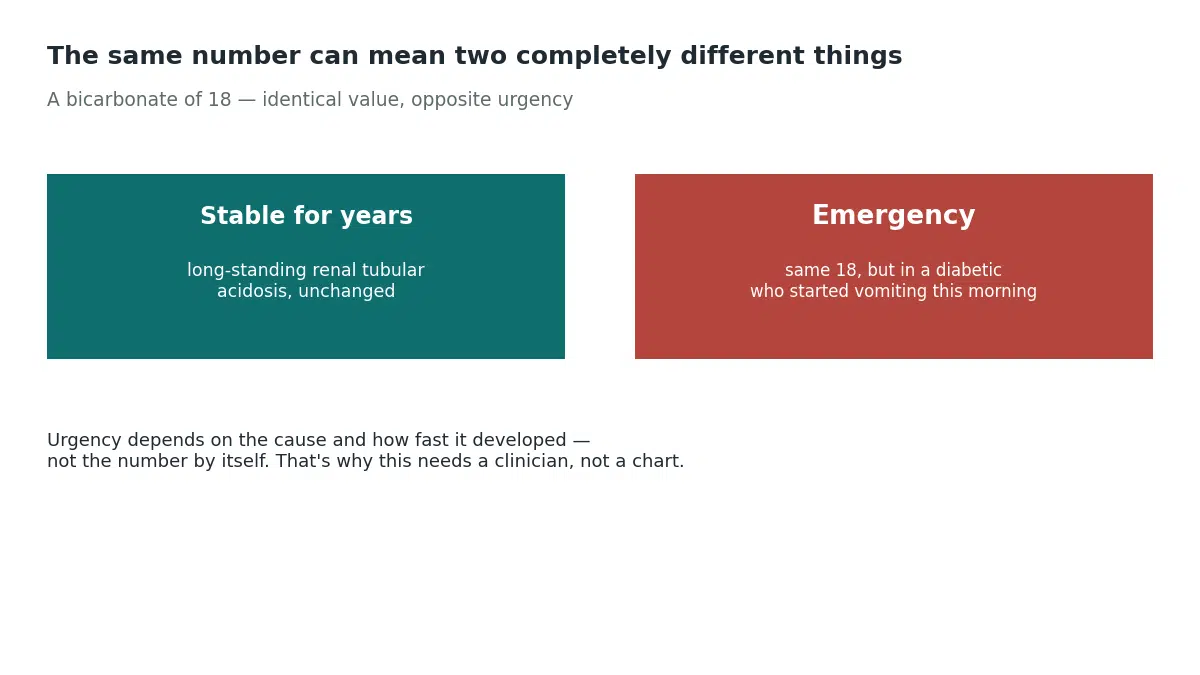
This kidney disease affects the kidneys’ ability to regulate acid-base balance. The renal tubules fail to properly reabsorb bicarbonate or excrete hydrogen ions. As a result, bicarbonate gets wasted, and CO2 blood levels decrease.

Type 1 (Distal RTA)

  • Affects distal tubule function
  • Cannot acidify urine properly
  • May cause kidney stones
  • Often hereditary condition
  • Requires bicarbonate supplements

Type 2 (Proximal RTA)

  • Impairs bicarbonate reabsorption
  • Loses bicarbonate in urine
  • May affect bone health
  • Sometimes medication-induced
  • Needs high-dose alkali therapy

Type 4 (Hyperkalemic RTA)

  • Associated with aldosterone deficiency
  • Causes potassium retention
  • Common in chronic kidney disease
  • Related to diabetes complications
  • Managed with dietary changes

Respiratory Causes

Breathing patterns significantly influence carbon dioxide levels in your blood. Rapid or deep breathing eliminates CO2 faster than normal. This respiratory compensation can occur in response to metabolic problems or as a primary breathing disorder.

Hyperventilation Syndrome

Chronic hyperventilation causes excessive CO2 elimination through rapid breathing. Anxiety, panic attacks, or stress often trigger this response. The condition creates respiratory alkalosis, which the body may compensate for by reducing bicarbonate.

  • Breathing rate exceeds metabolic needs
  • CO2 levels drop below normal range
  • May cause tingling or lightheadedness
  • Often stress or anxiety-related
  • Breathing retraining helps manage symptoms

Chronic Obstructive Pulmonary Disease (COPD)

Advanced lung disease affects gas exchange in complex ways. While COPD typically causes high CO2 retention, some patients develop low levels. This occurs when compensatory hyperventilation attempts to maintain oxygen levels.

The disease damages air sacs and airways, impairing normal breathing mechanics. Your body may respond by increasing breathing rate. This compensation can lower CO2 despite underlying lung dysfunction.

Kidney-Related Causes

Diagram of kidney showing filtration problems

Chronic kidney disease disrupts multiple aspects of metabolic balance. As kidney function declines, the organs struggle to maintain proper bicarbonate levels. This impairment directly affects total carbon dioxide measurements.

Stages of Kidney Disease and CO2 Levels

CKD Stage GFR (mL/min) Kidney Function Typical CO2 Range Clinical Impact
Stage 1 90+ Normal with kidney damage 22-29 mEq/L Minimal CO2 impact
Stage 2 60-89 Mild reduction 21-28 mEq/L Slight bicarbonate changes
Stage 3 30-59 Moderate reduction 18-24 mEq/L Metabolic acidosis develops
Stage 4 15-29 Severe reduction 15-22 mEq/L Requires intervention
Stage 5 Below 15 Kidney failure 12-20 mEq/L Dialysis often needed

Acute Kidney Injury

Sudden loss of kidney function can rapidly decrease CO2 levels. Acute kidney injury prevents normal acid excretion and bicarbonate regeneration. The condition may result from infections, medications, or reduced blood flow to the kidneys.

Early detection and treatment are crucial for recovery. Blood tests show declining kidney function alongside falling CO2 levels. Prompt medical intervention may prevent permanent kidney damage.

Medication-Induced Causes

Certain medications can lower carbon dioxide levels as a side effect. Understanding these drug interactions helps your healthcare provider manage your treatment safely. Always inform your doctor about all medications you take.

Diuretics

These medications increase urine production and electrolyte loss. Some diuretics cause bicarbonate wasting, which lowers total CO2. Loop diuretics and carbonic anhydrase inhibitors particularly affect acid-base balance.

Salicylates

Aspirin and related compounds can cause metabolic acidosis in high doses. These medications interfere with cellular metabolism and increase acid production. Chronic use or overdose may significantly impact CO2 levels.

Antibiotics

Certain antimicrobial medications may affect kidney function or metabolic processes. Aminoglycosides and amphotericin B can impair renal tubular function. This impairment may lead to bicarbonate wasting.

Diabetes Medications

Metformin rarely causes lactic acidosis, particularly in patients with kidney problems. SGLT2 inhibitors may increase ketoacidosis risk. Both conditions can significantly lower CO2 blood levels.

Dietary and Lifestyle Factors

Healthy foods and lifestyle choices for maintaining CO2 balance

Your diet and daily habits influence acid-base balance and CO2 levels. Extreme dietary patterns or intense physical activity may temporarily affect measurements. Understanding these influences helps distinguish temporary variations from serious health concerns.

High-Protein Diets

Excessive protein intake increases acid production during metabolism. Your body must neutralize this acid using bicarbonate stores. Prolonged high-protein consumption without adequate fruits and vegetables may lower CO2 levels.

Intense Physical Activity

Vigorous exercise produces lactic acid in muscles. While temporary, this acid accumulation can affect CO2 measurements taken shortly after exertion. Athletes may show lower baseline levels due to training adaptations.

Important Note: If your lab results show low CO2 levels, avoid self-diagnosis. Multiple factors contribute to these readings, and proper evaluation by a healthcare professional is essential for accurate diagnosis and appropriate treatment.

Recognizing Symptoms of Low CO2 Levels

Low carbon dioxide levels often produce recognizable symptoms that signal underlying metabolic or respiratory issues. The severity of symptoms typically correlates with how low your levels drop and how quickly the imbalance develops. Some people experience subtle signs, while others face more pronounced manifestations.

Your body’s response to low CO2 depends on the underlying cause. Chronic gradual decreases may produce different symptoms than sudden drops. Understanding these warning signs helps you recognize when medical evaluation becomes necessary.

Many symptoms overlap with other conditions, making self-diagnosis unreliable. Professional medical evaluation remains essential for accurate identification and treatment of low CO2 levels.

Respiratory Symptoms

Breathing pattern changes represent common manifestations of CO2 imbalances. Your body attempts to compensate for metabolic issues through respiratory adjustments. These compensation mechanisms can produce noticeable breathing symptoms.

  • Rapid, shallow breathing patterns
  • Shortness of breath during normal activities
  • Feeling unable to catch your breath
  • Deep sighing respirations
  • Chest tightness or discomfort
  • Increased breathing awareness

Neurological Symptoms

Your brain is highly sensitive to changes in blood pH and gas levels. Low CO2 affects neurological function through multiple pathways. The nervous system responds to these chemical imbalances with various symptoms.

Common Neurological Signs

  • Lightheadedness or dizziness
  • Mental confusion or difficulty concentrating
  • Tingling sensations in hands or feet
  • Numbness around the mouth
  • Muscle twitching or spasms
  • Headaches or migraines
  • Anxiety or panic feelings
  • Visual disturbances
Brain scan showing neurological effects

Cardiovascular Symptoms

Your cardiovascular system responds to acid-base imbalances in various ways. Changes in blood pH affect heart rhythm and blood vessel function. These cardiovascular responses can produce noticeable symptoms.

Heart-Related Signs

Irregular heartbeat sensations may occur with significant CO2 imbalances. Your heart rate might increase as your body attempts compensation. Some people experience palpitations or unusual awareness of their heartbeat.

Blood pressure changes can accompany low CO2 levels. These variations depend on the underlying cause and your body’s compensatory mechanisms. Monitoring becomes important if you have existing cardiovascular conditions.

Gastrointestinal Symptoms

Metabolic disturbances affecting CO2 levels often involve digestive system symptoms. The gastrointestinal tract responds to pH changes and underlying metabolic conditions. These symptoms may provide important diagnostic clues.

  • Nausea or stomach upset
  • Loss of appetite
  • Vomiting in severe cases
  • Abdominal discomfort or pain
  • Changes in bowel habits

Muscular Symptoms

Muscle function depends on proper electrolyte balance and pH levels. Low CO2 often accompanies electrolyte disturbances that affect muscular performance. These changes can impact your daily activities and physical capabilities.

Muscle Weakness

Generalized weakness may develop as metabolic imbalances progress. Your muscles require proper pH and electrolyte balance for optimal contraction. Significant CO2 abnormalities can impair this function.

Cramping and Spasms

Involuntary muscle contractions occur when calcium and other electrolyte levels shift. Low CO2 often associates with changes that trigger these painful spasms. The hands, feet, and calves are commonly affected.

Symptom Severity by CO2 Level

CO2 Level (mEq/L) Severity Common Symptoms Recommended Action
20-22 Mild Subtle fatigue, mild breathing changes Schedule routine doctor visit
17-19 Moderate Noticeable tiredness, breathing awareness, mild confusion Contact healthcare provider soon
14-16 Significant Rapid breathing, dizziness, muscle weakness Seek medical attention promptly
Below 14 Severe Severe confusion, extreme fatigue, cardiovascular changes Emergency medical care needed

When Symptoms Require Immediate Attention

Certain symptom combinations demand urgent medical evaluation. Understanding these warning signs helps you make informed decisions about seeking care. Delays in treatment can allow underlying conditions to worsen.

Seek Emergency Care If You Experience:

  • Severe shortness of breath or inability to breathe normally
  • Chest pain or pressure
  • Severe confusion or altered mental status
  • Persistent vomiting preventing fluid intake
  • Extreme muscle weakness or inability to move normally
  • Rapid heart rate with dizziness
  • Loss of consciousness or near-fainting episodes

How Doctors Diagnose Low CO2 Levels

Proper diagnosis of low carbon dioxide levels involves comprehensive medical evaluation beyond the initial blood test. Your healthcare provider examines multiple factors to identify the root cause. This thorough approach ensures accurate diagnosis and appropriate treatment planning.

The diagnostic process typically begins when abnormal results appear on routine testing. Your doctor considers your medical history, current symptoms, and additional laboratory findings. This complete picture helps distinguish between various potential causes.

Advanced testing may become necessary when initial results suggest serious underlying conditions. These additional tests provide detailed information about organ function and metabolic status.

Initial Blood Work Analysis

The first step involves confirming low CO2 levels and examining related markers. Your lab results typically include several measurements that help identify patterns. These initial findings guide further diagnostic investigation.

Comprehensive Metabolic Panel Components

Test Component What It Measures Normal Range Relationship to CO2
Total CO2/Bicarbonate Bicarbonate and dissolved CO2 23-29 mEq/L Direct measurement
Sodium Primary blood electrolyte 136-145 mEq/L Affects acid-base balance
Potassium Intracellular electrolyte 3.5-5.0 mEq/L Shifts with pH changes
Chloride Major blood anion 96-106 mEq/L Inverse relationship
Blood Urea Nitrogen Kidney waste product 7-20 mg/dL Indicates kidney function
Creatinine Muscle waste product 0.6-1.2 mg/dL Assesses kidney health
Glucose Blood sugar level 70-100 mg/dL (fasting) Diabetes complications

Arterial Blood Gas Testing

An arterial blood gas test provides the most detailed information about respiratory and metabolic status. This specialized test measures bicarbonate, pH, oxygen, and dissolved carbon dioxide directly. The results help distinguish between different types of acid-base balance disorders.

ABG Parameters and Their Significance

  • pH: Shows blood acidity (normal: 7.35-7.45)
  • PaCO2: Partial pressure of carbon dioxide (normal: 35-45 mmHg)
  • PaO2: Partial pressure of oxygen (normal: 75-100 mmHg)
  • HCO3-: Actual bicarbonate level (normal: 22-26 mEq/L)
  • Base Excess: Metabolic component measurement (normal: -2 to +2)
  • Oxygen Saturation: Percentage of hemoglobin carrying oxygen (normal: 95-100%)

Additional Diagnostic Tests

Depending on initial findings, your doctor may order specialized tests to identify specific causes. These investigations target organ systems that commonly affect CO2 levels. The selection depends on your symptoms and preliminary test results.

Kidney Function Assessment

Detailed kidney evaluation becomes necessary when renal causes are suspected. These tests assess filtration capacity and tubular function. Results help determine if kidney problems contribute to low CO2 levels.

Glomerular Filtration Rate (GFR)

This calculation estimates kidney filtering efficiency. It uses creatinine levels, age, sex, and race to determine function. Values below 60 mL/min indicate reduced kidney capacity.

Urine Tests

Urinalysis reveals how kidneys handle acids and electrolytes. Urine pH, protein, and electrolyte levels provide diagnostic clues. These tests help identify renal tubular disorders.

Diabetes Screening

When diabetic ketoacidosis is suspected, additional diabetes tests become crucial. Blood sugar levels, ketone measurements, and hemoglobin A1C provide important information. These tests confirm diabetes complications and guide treatment.

  • Fasting blood glucose measurement
  • Hemoglobin A1C for long-term sugar control
  • Serum ketone levels
  • Urine ketone testing
  • C-peptide to assess insulin production

Respiratory Function Tests

Pulmonary function testing evaluates lung capacity and gas exchange efficiency. These measurements help identify respiratory causes of CO2 abnormalities. Spirometry and diffusion capacity tests are commonly performed.

Interpreting Test Results

Understanding how doctors interpret combined test results helps you grasp the diagnostic process. No single measurement provides complete information. The pattern of abnormalities points toward specific diagnoses.

Acid-Base Disorder Classification

Disorder Type pH CO2/HCO3- PaCO2 Primary Problem
Metabolic Acidosis Low ( Low Low (compensating) Acid gain or bicarbonate loss
Respiratory Alkalosis High (> 7.45) Low (compensating) Low Excessive CO2 elimination
Compensated Metabolic Acidosis Normal Low Low Chronic acid-base disorder
Mixed Disorder Variable Low Variable Multiple simultaneous problems

The Diagnostic Timeline

The path from initial abnormal results to final diagnosis varies based on individual circumstances. Simple cases may resolve quickly, while complex situations require extensive investigation. Understanding this timeline helps set realistic expectations.

  • Initial Detection: Abnormal CO2 appears on routine metabolic panel
  • Confirmation Testing: Repeat tests verify persistent abnormality (1-2 weeks)
  • Comprehensive Evaluation: Additional blood work and organ function tests (2-4 weeks)
  • Specialized Testing: ABG, imaging, or organ-specific tests if needed (2-6 weeks)
  • Diagnosis: Identification of underlying cause based on all findings
  • Treatment Planning: Development of management strategy (ongoing)

Important: Never attempt to self-diagnose based on lab results alone. Multiple conditions can produce similar CO2 abnormalities. Professional medical interpretation of all findings together ensures accurate diagnosis and appropriate care.

Treatment and Management of Low CO2 Levels

Treatment for low carbon dioxide levels focuses on addressing the underlying cause rather than the CO2 number itself. Your healthcare provider develops a personalized plan based on the specific condition creating the imbalance. This targeted approach provides the most effective long-term management.

The treatment strategy varies significantly depending on whether the problem stems from kidney disease, metabolic disorders, or respiratory issues. Each cause requires different interventions. Your doctor may combine multiple approaches for optimal results.

Success depends on consistent adherence to the treatment plan and regular monitoring. Follow-up blood tests track progress and allow treatment adjustments as needed.

Treating Metabolic Acidosis

When metabolic acidosis causes low CO2, treatment aims to restore proper acid-base balance. The specific approach depends on the severity and underlying condition. Mild cases may respond to dietary changes, while severe acidosis requires immediate medical intervention.

Bicarbonate Replacement Therapy

Sodium bicarbonate supplements help restore depleted bicarbonate stores. Your doctor prescribes specific doses based on your CO2 levels and kidney function. This treatment comes in oral tablets or intravenous forms for severe cases.

  • Oral sodium bicarbonate tablets (325-650 mg doses)
  • Typical dosing: 1-4 grams daily in divided doses
  • Intravenous bicarbonate for severe acidosis
  • Regular monitoring of electrolytes during treatment
  • Gradual dose adjustments based on response

Managing Diabetic Ketoacidosis

Treatment of diabetic ketoacidosis requires hospitalization and intensive care. Insulin therapy corrects the metabolic crisis, while fluids restore hydration. Electrolyte replacement prevents dangerous imbalances as ketoacidosis resolves.

Treatment Phase Primary Intervention Typical Duration Monitoring Parameters
Initial Emergency Care IV fluids and insulin infusion First 2-4 hours Hourly glucose, electrolytes
Stabilization Continued insulin, electrolyte replacement 4-12 hours Every 2-4 hour labs
Recovery Transition to subcutaneous insulin 12-24 hours Every 4-6 hour checks
Discharge Planning Education and long-term management 24-48 hours Daily monitoring

Kidney Disease Management

Chronic kidney disease management requires comprehensive care to slow progression and manage complications. Treatment strategies address both kidney function preservation and metabolic acidosis correction. Early intervention provides the best outcomes.

Medical Management

Medications help protect remaining kidney function and correct metabolic imbalances. Your nephrologist selects drugs based on your specific kidney disease stage. These medications work together to optimize kidney health.

Bicarbonate Supplementation

Oral sodium bicarbonate slows kidney disease progression. Studies show maintaining higher bicarbonate levels protects kidney function. Typical doses range from 0.5 to 1 mEq/kg daily.

Blood Pressure Control

ACE inhibitors or ARBs protect kidneys while controlling blood pressure. These medications reduce protein loss and slow disease progression. Blood pressure targets typically aim for less than 130/80 mmHg.

Dialysis Considerations

Advanced kidney failure may require dialysis to manage severe acidosis. Both hemodialysis and peritoneal dialysis can correct CO2 abnormalities. The dialysis solution contains bicarbonate to restore proper levels.

Dialysis treatments typically occur three times weekly for hemodialysis. Each session lasts approximately four hours. The procedure effectively removes excess acids and restores bicarbonate balance.

Respiratory-Related Treatments

When breathing pattern abnormalities cause low CO2, respiratory-focused interventions prove most effective. These treatments address both the physical and psychological aspects of breathing disorders. Consistent practice yields the best results.

Breathing Retraining Techniques

Controlled breathing exercises help normalize respiratory patterns. These techniques reduce hyperventilation and restore appropriate CO2 levels. Regular practice trains your body to maintain healthier breathing habits.

  • Diaphragmatic Breathing: Focus on slow, deep belly breathing (6-8 breaths per minute)
  • Box Breathing: Inhale for 4 counts, hold for 4, exhale for 4, hold for 4
  • Pursed-Lip Breathing: Inhale through nose, exhale slowly through pursed lips
  • 4-7-8 Technique: Inhale for 4 counts, hold for 7, exhale for 8
  • Progressive Relaxation: Combine breathing with muscle relaxation exercises

Anxiety and Stress Management

Psychological interventions address hyperventilation triggered by anxiety. Cognitive behavioral therapy helps identify and modify breathing-related thought patterns. Stress reduction techniques complement breathing retraining.

  • Cognitive behavioral therapy (CBT) sessions
  • Mindfulness meditation practices
  • Progressive muscle relaxation
  • Yoga and gentle exercise
  • Biofeedback training
  • Support group participation

Medication Adjustments

Sometimes medications contribute to low CO2 levels. Your healthcare provider may need to adjust or discontinue certain drugs. Never stop medications without medical supervision, as abrupt changes can cause serious problems.

Common Medication Modifications

Medication Type Potential Impact Common Adjustments Alternative Options
Diuretics May cause bicarbonate loss Dose reduction, type change Potassium-sparing diuretics
Metformin Rare lactic acidosis risk Discontinue if kidney problems Other diabetes medications
Aspirin High-dose acidosis Reduce to lowest effective dose Alternative pain relievers
Antibiotics Kidney function effects Alternative antibiotic selection Different antibiotic classes

Nutritional Interventions

Alkaline diet foods for acid-base balance

Dietary modifications support acid-base balance and overall metabolic health. Certain foods help alkalize the body, while others increase acid load. Working with a registered dietitian optimizes your nutrition plan.

Alkaline-Promoting Foods

These foods help counteract metabolic acidosis by providing alkaline minerals. Incorporating more of these options supports healthier CO2 levels naturally.

Vegetables

Most vegetables provide alkaline minerals that support acid-base balance.

  • Leafy greens (spinach, kale, collards)
  • Broccoli and cauliflower
  • Cucumbers and celery
  • Bell peppers

Fruits

Despite containing natural acids, most fruits have an alkalizing effect after metabolism.

  • Bananas and avocados
  • Berries and melons
  • Citrus fruits
  • Apples and pears

Legumes and Nuts

Plant proteins provide beneficial nutrients with less acid production than animal proteins.

  • Almonds and cashews
  • Lentils and beans
  • Chickpeas
  • Pumpkin seeds

Other Alkaline Foods

These items support overall metabolic health and acid-base balance.

  • Tofu and tempeh
  • Herbal teas
  • Olive oil
  • Apple cider vinegar

Foods to Moderate

While these foods provide important nutrients, excessive consumption may increase acid production. Balance is key to maintaining healthy CO2 levels.

  • Red meat and processed meats (moderate portions)
  • Dairy products (choose low-fat options)
  • Refined grains (select whole grains instead)
  • Sugary foods and beverages (minimize intake)
  • Excess salt (limit sodium consumption)

Monitoring and Follow-Up Care

Regular monitoring ensures treatment effectiveness and allows timely adjustments. Your healthcare provider schedules follow-up appointments based on your condition severity. Consistent tracking identifies problems before they become serious.

Recommended Monitoring Schedule

Condition Severity Lab Test Frequency Doctor Visits What Gets Monitored
Mild (CO2 20-22) Every 3-6 months Every 6 months Metabolic panel, kidney function
Moderate (CO2 17-19) Every 1-3 months Every 3 months Full labs, symptom assessment
Severe (CO2 Weekly to monthly Monthly or more often Comprehensive evaluation
Stable on Treatment Every 3-4 months Every 4-6 months Metabolic panel, treatment efficacy

Prevention and Lifestyle Strategies for Maintaining Healthy CO2 Levels

Maintaining healthy carbon dioxide levels requires a proactive approach to overall wellness. Prevention strategies focus on supporting your body‘s natural acid-base regulatory systems. These lifestyle modifications benefit not only CO2 balance but also general health.

Small consistent changes often prove more effective than dramatic short-term efforts. Building sustainable habits creates long-lasting health improvements. Your choices significantly impact metabolic function and organ health.

Prevention becomes especially important if you have risk factors for metabolic or kidney problems. Early intervention prevents many complications before they develop.

Optimizing Kidney Health

Your kidney health directly influences CO2 regulation. Protecting kidney function prevents metabolic acidosis and related complications. These strategies support optimal renal performance.

Hydration Strategies

Adequate fluid intake supports kidney filtration and waste elimination. Proper hydration helps kidneys maintain acid-base balance effectively. Individual needs vary based on activity level, climate, and health status.

  • Drink 8-10 glasses of water daily (adjust for activity and climate)
  • Monitor urine color (pale yellow indicates good hydration)
  • Increase fluids during exercise or hot weather
  • Limit caffeine and alcohol consumption
  • Space fluid intake throughout the day
  • Choose water over sugary beverages

Blood Pressure Management

Controlling blood pressure protects kidney blood vessels from damage. High blood pressure represents a leading cause of kidney disease. Regular monitoring and lifestyle modifications keep pressure within healthy ranges.

Lifestyle Modifications

  • Reduce sodium intake below 2,300 mg daily
  • Maintain healthy body weight
  • Exercise regularly (150 minutes weekly)
  • Limit alcohol consumption
  • Manage stress effectively

Dietary Approaches

  • Follow DASH or Mediterranean diet patterns
  • Increase potassium-rich foods
  • Choose fresh over processed foods
  • Emphasize fruits and vegetables
  • Select lean protein sources

Blood Sugar Control

Maintaining stable blood sugar prevents diabetic complications that affect CO2 levels. Whether you have diabetes or want to prevent it, blood sugar management proves crucial. These strategies support metabolic health.

Dietary Approaches for Blood Sugar Stability

Food Category Best Choices Portion Guidance Blood Sugar Impact
Whole Grains Quinoa, brown rice, oats, whole wheat 1/2 to 1 cup cooked Slow, steady rise
Lean Proteins Chicken, fish, tofu, legumes 3-4 ounces per meal Minimal direct impact
Non-Starchy Vegetables Leafy greens, broccoli, peppers, tomatoes Fill half your plate Very low impact
Healthy Fats Avocado, nuts, olive oil, fatty fish 1-2 tablespoons Slows absorption
Fruits Berries, apples, citrus with skin 1 small piece or 1/2 cup Moderate, fiber helps

Physical Activity for Glucose Management

Regular exercise improves insulin sensitivity and glucose metabolism. Physical activity helps prevent diabetes and manages existing blood sugar problems. Both aerobic and resistance training provide benefits.

  • Aim for 150 minutes of moderate aerobic activity weekly
  • Include resistance training 2-3 times per week
  • Break up prolonged sitting with movement breaks
  • Exercise at consistent times for better blood sugar patterns
  • Monitor blood sugar before and after exercise if diabetic
  • Stay hydrated during physical activity

Respiratory Health Optimization

Supporting lung function ensures proper CO2 elimination and oxygen delivery. Respiratory health maintenance prevents breathing-related CO2 imbalances. These practices strengthen your respiratory system.

Lung-Strengthening Activities

  • Aerobic Exercise: Swimming, walking, cycling improve lung capacity and efficiency
  • Breathing Exercises: Practice deep diaphragmatic breathing daily for 10-15 minutes
  • Avoid Smoking: Eliminate tobacco use and avoid secondhand smoke exposure
  • Reduce Air Pollution Exposure: Minimize time outdoors during high pollution days
  • Maintain Healthy Weight: Excess weight restricts breathing and lung expansion
  • Treat Respiratory Infections Promptly: Seek care for persistent coughs or breathing changes

Stress Management and Mental Health

Chronic stress affects breathing patterns and metabolic function. Managing psychological stress prevents hyperventilation and supports overall health. Mental wellness directly influences physical health outcomes.

Evidence-Based Stress Reduction Techniques

Daily Practices

  • Mindfulness meditation (10-20 minutes daily)
  • Journaling thoughts and feelings
  • Regular sleep schedule (7-9 hours nightly)
  • Time in nature or outdoors
  • Social connection with supportive people

Professional Support

  • Counseling or therapy when needed
  • Stress management classes
  • Support groups for chronic conditions
  • Mind-body practices (yoga, tai chi)
  • Biofeedback training

Medication Safety

Medication management and safety

Using medications appropriately prevents drug-induced CO2 abnormalities. Understanding potential side effects helps you monitor for problems. Never discontinue prescribed medications without consulting your healthcare provider.

Safe Medication Practices

  • Maintain updated list of all medications and supplements
  • Inform all healthcare providers about your complete medication regimen
  • Follow prescribed dosing instructions precisely
  • Report new or unusual symptoms to your doctor
  • Attend regular medication reviews with your pharmacist
  • Avoid self-medicating with over-the-counter drugs long-term
  • Ask about kidney-safe alternatives if you have renal problems

Regular Health Screenings

Routine medical checkups detect problems before symptoms appear. Regular lab work identifies trends in kidney function and metabolic health. Early detection enables intervention before serious complications develop.

Recommended Screening Schedule

Age Group Metabolic Panel Kidney Function Diabetes Screening Additional Tests
18-39 years Every 3-5 years If risk factors present Every 3 years if overweight Blood pressure annually
40-64 years Every 1-3 years Every 2-3 years Every 3 years minimum Lipid panel every 5 years
65+ years Annually Annually Annually Comprehensive geriatric assessment
High-Risk Any Age Every 6-12 months Every 6-12 months Every 6-12 months As recommended by doctor

Environmental Considerations

Your environment influences respiratory and overall health. Creating a health-supporting living space reduces exposure to harmful substances. Small environmental changes yield significant health benefits.

Indoor Air Quality

Maintaining clean indoor air supports respiratory function and reduces health risks.

  • Use HEPA air filters
  • Ensure adequate ventilation
  • Keep humidity at 30-50%
  • Avoid indoor smoking

Reduce Toxin Exposure

Limiting chemical exposure protects organ function and metabolic health.

  • Choose natural cleaning products
  • Minimize pesticide use
  • Filter drinking water
  • Select low-VOC products

Prevention Tip: Small daily habits compound over time to create significant health improvements. Focus on consistency rather than perfection. Even modest lifestyle changes can help maintain healthy CO2 levels and support overall metabolic wellness.

When to See a Doctor About Low CO2 Levels

Knowing when to seek medical attention for low CO2 levels helps prevent complications. Some situations require immediate care, while others warrant scheduled appointments. Understanding these distinctions empowers you to make appropriate healthcare decisions.

Your lab results provide important information, but clinical judgment considers multiple factors. Symptoms, medical history, and other test findings influence the urgency of evaluation. Never ignore persistent abnormal results or concerning symptoms.

Building a relationship with a healthcare provider ensures continuity of care. Regular communication about changes in your condition enables timely intervention when needed.

Emergency Situations Requiring Immediate Care

Certain symptoms combined with low CO2 indicate medical emergencies. These situations require immediate evaluation in an emergency department. Delays in treatment may lead to serious complications or organ damage.

Call 911 or Go to Emergency Department If You Experience:

  • Severe difficulty breathing or inability to catch your breath
  • Chest pain or pressure lasting more than a few minutes
  • Confusion, disorientation, or altered mental status
  • Loss of consciousness or fainting episodes
  • Seizures or severe muscle spasms
  • Persistent vomiting preventing fluid intake
  • Extremely rapid heart rate (over 120 beats per minute at rest)
  • Bluish color to lips or fingernails
  • Severe weakness preventing movement

Urgent Situations Requiring Same-Day Evaluation

Some symptoms warrant prompt medical attention within the same day. Contact your healthcare provider immediately if you experience these concerning signs. Many situations can be managed in urgent care or your doctor’s office.

Contact Your Doctor Today If You Have:

  • Persistent nausea or vomiting lasting more than 24 hours
  • Significant increase in breathing rate or depth
  • New or worsening dizziness affecting daily activities
  • Muscle weakness interfering with normal function
  • Confusion or difficulty concentrating that’s unusual for you
  • Severe fatigue preventing usual activities
  • Numbness or tingling in multiple body areas
  • Known low CO2 with worsening symptoms

Schedule an Appointment for These Concerns

Many situations require medical evaluation but don’t constitute emergencies. Schedule an appointment within a few days to weeks for these scenarios. Timely assessment prevents progression while avoiding unnecessary emergency visits.

Non-Emergency Situations Needing Evaluation

Lab Result Concerns

  • First-time abnormal CO2 reading
  • Persistent low CO2 on repeat testing
  • Declining CO2 levels over time
  • Multiple metabolic abnormalities
  • Questions about test interpretation

Symptom-Based Concerns

  • Gradual increase in fatigue
  • Mild but persistent breathing changes
  • Unexplained muscle weakness
  • Recurring headaches
  • Digestive symptoms with lab abnormalities

Risk Factors Warranting Regular Monitoring

Certain conditions and characteristics increase your risk for developing low CO2 levels. If you have these risk factors, establish regular monitoring even without symptoms. Proactive surveillance enables early intervention.

High-Risk Populations

Risk Category Specific Conditions Recommended Monitoring Additional Precautions
Kidney Disease CKD stages 3-5, dialysis patients Every 3-6 months Nephrology follow-up
Diabetes Type 1, Type 2, poor control Every 6-12 months Ketone monitoring if ill
Respiratory Disorders COPD, asthma, hyperventilation Every 6-12 months Pulmonary function tests
Medication Use Diuretics, metformin, salicylates Every 6-12 months Medication reviews
Elderly Patients Age 65+, multiple conditions Annually minimum Comprehensive assessments

Preparing for Your Doctor’s Appointment

Maximizing the value of your medical appointments requires preparation. Gathering relevant information beforehand helps your doctor make accurate assessments. This preparation ensures efficient use of appointment time.

Information to Bring to Your Appointment

  • Complete Medication List: Include all prescriptions, over-the-counter drugs, supplements, and herbal products with dosages
  • Previous Lab Results: Bring copies of all relevant blood tests, especially those showing low CO2
  • Symptom Diary: Document when symptoms occur, their severity, and any triggering factors
  • Medical History: List all diagnosed conditions, surgeries, and hospitalizations
  • Family Health History: Note relatives with kidney disease, diabetes, or metabolic disorders
  • Questions List: Write down questions you want answered during the visit

Questions to Ask Your Healthcare Provider

Asking informed questions helps you understand your condition and treatment options. Don’t hesitate to seek clarification about anything you don’t understand. Your healthcare provider expects and welcomes your questions.

About Your Diagnosis

  • What is causing my low CO2 levels?
  • How serious is my condition?
  • What additional tests do I need?
  • Could my medications be contributing?
  • What is my prognosis?

About Treatment

  • What treatment options are available?
  • What are the risks and benefits?
  • How long will treatment take?
  • When should I expect improvement?
  • What lifestyle changes should I make?

Specialist Referrals

Medical specialists consultation

Depending on the underlying cause of your low CO2, you may need specialist care. Your primary care physician coordinates referrals when specialized expertise becomes necessary. Different specialists focus on specific organ systems.

When Specialist Care May Be Needed

Nephrologist (Kidney Specialist)

  • Chronic kidney disease stages 3-5
  • Renal tubular acidosis
  • Complex electrolyte disorders
  • Dialysis consideration
  • Unexplained kidney function decline

Endocrinologist (Hormone Specialist)

  • Diabetic ketoacidosis
  • Difficult-to-control diabetes
  • Metabolic disorders
  • Adrenal gland problems
  • Hormonal imbalances

Pulmonologist (Lung Specialist)

  • Chronic respiratory conditions
  • Hyperventilation syndrome
  • Complex breathing disorders
  • Abnormal blood gas results
  • Lung disease complications

Telemedicine Options

Virtual healthcare visits provide convenient access to medical care for many situations. Telemedicine works well for follow-up appointments, medication adjustments, and non-emergency consultations. However, some situations require in-person evaluation.

Appropriate Telemedicine Situations

  • Reviewing lab results and discussing findings
  • Follow-up visits for stable chronic conditions
  • Medication management and adjustments
  • General health questions and concerns
  • Mental health support and counseling
  • Nutrition and lifestyle counseling

Situations Requiring In-Person Visits

  • Initial evaluation of new symptoms
  • Physical examination needs
  • Blood draws and lab work
  • Acute or worsening symptoms
  • Complex diagnostic procedures
  • Severe or emergency conditions

Patient Advocacy Tip

Trust your instincts about your health. If something feels wrong or symptoms worry you, seek medical evaluation even if you’re unsure about urgency. It’s always better to have concerns checked and receive reassurance than to delay necessary care. Your healthcare team wants to help you maintain optimal health.

Frequently Asked Questions About Low CO2 in Blood Tests

What does it mean when your CO2 blood test is low?

A low CO2 reading on your blood test indicates decreased bicarbonate levels in your bloodstream. This measurement reflects your body’s acid-base balance. Low values typically signal metabolic acidosis, where your blood becomes too acidic, or compensatory changes from respiratory issues.

The condition may result from various causes including kidney disease, diabetes complications, or excessive breathing. Your healthcare provider examines additional factors to determine the specific cause and appropriate treatment.

Is a CO2 level of 20 dangerous?

A CO2 level of 20 mEq/L sits just below the normal range (23-29 mEq/L) and typically isn’t immediately dangerous. This mild decrease warrants medical evaluation to identify the cause and monitor for progression. Many people with CO2 levels around 20 feel well and don’t require urgent intervention.

However, your doctor will want to investigate why the level is low and ensure it doesn’t continue dropping. The underlying cause determines whether treatment is necessary. Regular monitoring becomes important to prevent further decline.

Can dehydration cause low CO2 levels?

Dehydration more commonly causes high rather than low CO2 levels. However, severe dehydration can indirectly contribute to low co2 through multiple mechanisms. When dehydration impairs kidney function, metabolic acidosis may develop, lowering bicarbonate.

Additionally, the underlying cause of dehydration matters. Persistent vomiting or diarrhea causes bicarbonate loss, which decreases CO2 levels. Maintaining adequate hydration supports normal kidney function and acid-base balance.

What foods can help raise CO2 levels?

No specific foods directly raise CO2 levels in your blood. Instead, dietary strategies focus on supporting your body’s natural acid-base regulation. Alkaline-promoting foods help reduce metabolic acid load. These include most vegetables, fruits, nuts, and legumes.

Reducing high-protein animal foods moderately decreases acid production during metabolism. However, don’t make dramatic dietary changes without medical guidance. Your healthcare provider may recommend specific nutritional approaches based on your underlying condition.

How long does it take to correct low CO2 levels?

The timeline for correcting low carbon dioxide depends on the underlying cause and severity. Mild cases may improve within days to weeks with appropriate treatment. Chronic conditions like kidney disease require ongoing management rather than quick correction.

Acute situations like diabetic ketoacidosis may show improvement within hours of starting treatment, though complete normalization takes longer. Your doctor monitors progress through repeat blood tests and adjusts treatment accordingly.

Can anxiety cause low CO2 on blood tests?

Yes, chronic anxiety and panic disorders can cause low CO2 through hyperventilation. Rapid breathing eliminates carbon dioxide faster than your body produces it. This creates respiratory alkalosis, which your body compensates for by reducing bicarbonate.

Interestingly, the total CO2 measured on a metabolic panel may show low values as your body adjusts to chronic hyperventilation. Managing anxiety through therapy, stress reduction, and breathing exercises often helps normalize CO2 levels.

What is the difference between CO2 and bicarbonate on blood tests?

The CO2 measurement on a standard metabolic panel actually measures bicarbonate plus a small amount of dissolved carbon dioxide. Bicarbonate (HCO3-) comprises about 95% of this total. The test is sometimes called “total CO2” or “total carbon dioxide.”

In contrast, a blood gas test measures actual dissolved CO2 gas (PaCO2) separately from bicarbonate. Both measurements provide valuable but slightly different information about your acid-base status.

Can low CO2 levels cause fatigue?

Yes, low CO2 levels can contribute to fatigue through multiple mechanisms. Metabolic acidosis disrupts cellular energy production. The underlying conditions causing low CO2, such as chronic kidney disease or diabetes, also commonly cause tiredness.

Additionally, your body’s compensatory responses to acid-base imbalances require extra energy. This increased metabolic demand can manifest as persistent fatigue and weakness. Treating the underlying cause typically improves energy levels.

Should I take baking soda if my CO2 is low?

Never self-treat with baking soda (sodium bicarbonate) without medical supervision. While doctors do prescribe pharmaceutical-grade sodium bicarbonate for certain conditions, self-dosing can be dangerous. Excessive bicarbonate intake causes serious side effects including fluid retention and alkalosis.

Your healthcare provider determines appropriate dosing based on your specific situation, kidney function, and other health factors. Medical-grade bicarbonate supplements differ from household baking soda in purity and dosing accuracy.

Can medications cause low CO2 levels?

Yes, several medications can lower CO2 levels. Diuretics may cause bicarbonate loss through increased urination. Metformin rarely causes lactic acidosis, especially in people with kidney problems. High-dose aspirin can trigger metabolic acidosis.

Certain antibiotics affect kidney function and acid-base balance. Always inform your healthcare providers about all medications and supplements you take. Never stop prescribed medications without medical guidance, as abrupt discontinuation may cause other problems.

What is the relationship between CO2 levels and kidney function?

Your kidneys play a crucial role in maintaining normal CO2 levels. They regulate bicarbonate reabsorption and acid excretion. As kidney function declines, the ability to maintain acid-base balance diminishes. This commonly results in low bicarbonate and CO2 levels.

Chronic kidney disease patients often develop metabolic acidosis, especially at stages 3-5. Regular monitoring of CO2 levels helps assess kidney function and guides treatment decisions including potential bicarbonate supplementation.

How often should I get my CO2 levels checked?

Testing frequency depends on your health status and risk factors. Healthy adults typically have CO2 measured during periodic wellness checkups every few years. Those with chronic conditions like diabetes or kidney disease need more frequent monitoring, often every 3-6 months.

If you’re being treated for low CO2, your doctor may order tests monthly until levels stabilize. Once stable on treatment, testing frequency may decrease to every 3-4 months. Your healthcare provider determines the appropriate schedule based on your individual situation.

Can exercise affect CO2 blood test results?

Vigorous exercise temporarily affects CO2 levels through increased metabolic acid production. Intense activity produces lactic acid, which can lower bicarbonate. However, these changes are usually temporary and normalize within hours after exercise.

For accurate baseline measurements, avoid intense physical activity for 24 hours before blood work. Inform your healthcare provider if you exercised heavily before testing. Chronic exercise training may create slight adaptations in baseline CO2 levels.

What is compensated metabolic acidosis?

Compensated metabolic acidosis occurs when your body successfully maintains near-normal pH despite low bicarbonate levels. Your respiratory system compensates by eliminating more CO2 through increased breathing. This compensation prevents severe symptoms while the underlying problem persists.

Blood tests show low CO2 and low carbon dioxide (PaCO2), but pH remains in the normal range. This pattern indicates chronic acid-base disturbance with successful compensation. The underlying cause still requires treatment even though pH is normal.

Can low CO2 affect pregnancy?

Pregnancy naturally causes mild reductions in CO2 levels due to hormonal changes affecting breathing. Progesterone stimulates increased ventilation, which lowers carbon dioxide. Values of 20-26 mEq/L are often normal during pregnancy.

However, significant drops in CO2 warrant evaluation for underlying problems. Conditions like hyperemesis gravidarum (severe morning sickness) can cause metabolic imbalances. Pregnant women with pre-existing kidney or metabolic conditions need careful monitoring.

What are the long-term effects of untreated low CO2?

Chronic untreated metabolic acidosis can cause several complications. Bone health deteriorates as the body uses bone minerals to buffer excess acid. Muscle wasting may occur due to increased protein breakdown. Kidney disease can progress faster without acidosis correction.

Cardiovascular risks may increase with persistent acid-base imbalances. Growth retardation can occur in children with chronic acidosis. These potential complications emphasize the importance of identifying and treating the underlying cause of low CO2.

Is there a connection between low CO2 and electrolyte imbalances?

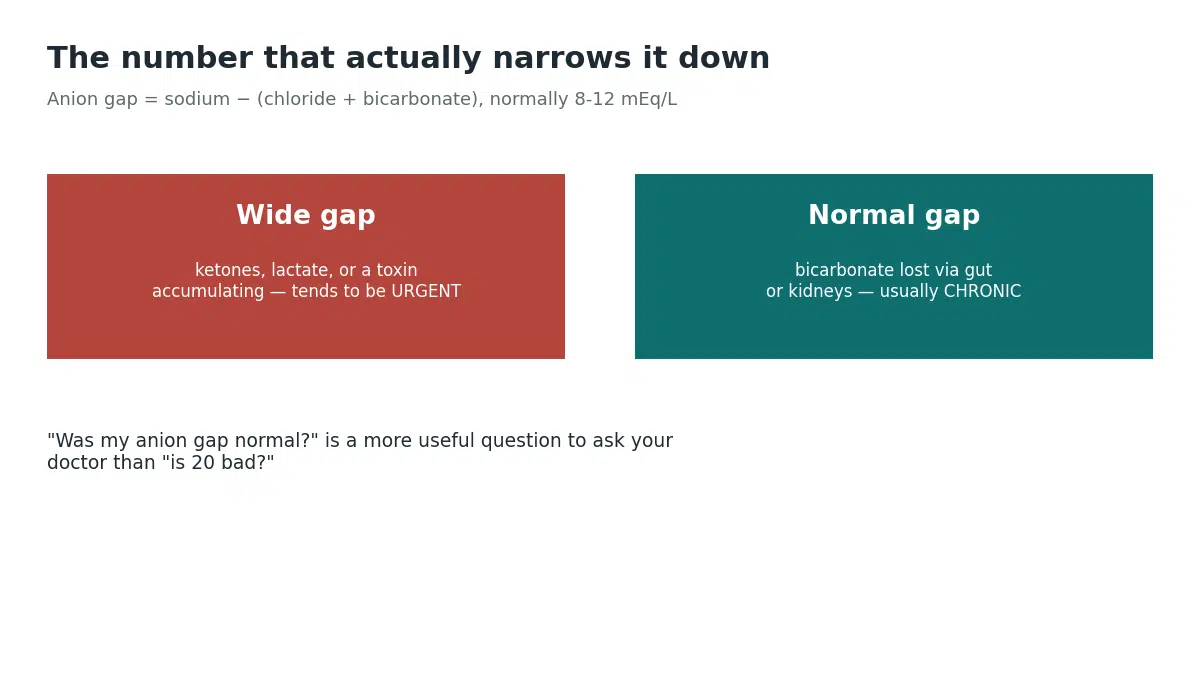
Yes, CO2 levels closely relate to electrolyte balance. The anion gap calculation uses CO2 levels to assess unmeasured ions in blood. Low CO2 often accompanies potassium disturbances, particularly when caused by kidney problems or certain medications.

Chloride levels typically move inversely to bicarbonate. When evaluating low CO2, doctors examine all electrolytes together to understand the complete metabolic picture. These patterns help identify specific causes and guide treatment decisions.

Can children have low CO2 levels?

Children can develop low CO2 levels from many of the same causes affecting adults. Kidney problems, diabetes, dehydration from illness, and certain genetic metabolic disorders can lower pediatric CO2 levels. Normal ranges for children are similar to adults (22-28 mEq/L).

Persistent vomiting or diarrhea in children commonly causes temporary CO2 abnormalities. Chronic low levels warrant thorough evaluation by a pediatric specialist. Growth and development monitoring become especially important in children with metabolic issues.

Taking Control of Your Metabolic Health

Person living healthy lifestyle with good metabolic health

Understanding low carbon dioxide on blood test results empowers you to take an active role in your health management. While abnormal CO2 levels signal underlying issues requiring attention, most causes are treatable with appropriate medical care and lifestyle modifications.

Your body’s acid-base balance depends on the coordinated function of multiple organ systems. The kidneys, lungs, and metabolic processes work together to maintain proper pH and CO2 levels. Supporting these systems through healthy lifestyle choices promotes optimal function.

Regular medical monitoring catches problems early when they’re most treatable. Building a strong relationship with your healthcare team ensures you receive personalized guidance. Don’t hesitate to ask questions or seek clarification about your test results and treatment options.

Remember that lab values represent just one piece of your overall health picture. Your symptoms, medical history, and functional status all contribute to clinical decision-making. Professional medical interpretation of all these factors together provides the most accurate assessment.

Taking proactive steps to maintain kidney health, manage chronic conditions, and support metabolic function helps prevent CO2 imbalances. Small consistent changes in diet, exercise, stress management, and medication adherence make significant differences over time.

Whether you’re dealing with newly diagnosed low CO2 or managing a chronic condition, knowledge and consistent care lead to better outcomes. Stay engaged with your health, follow treatment recommendations, and communicate openly with your healthcare providers about any concerns.

Medical Disclaimer

Important Medical Information

The information provided in this article is for educational and informational purposes only. It is not intended to be a substitute for professional medical advice, diagnosis, or treatment. Always seek the advice of your physician or other qualified health provider with any questions you may have regarding a medical condition.

Never disregard professional medical advice or delay in seeking it because of something you have read on this website. If you think you may have a medical emergency, call your doctor or 911 immediately. HealthMagHub does not recommend or endorse any specific tests, physicians, products, procedures, opinions, or other information that may be mentioned on this site.

Reliance on any information provided by HealthMagHub, HealthMagHub employees, others appearing on this website at the invitation of HealthMagHub, or other visitors to the site is solely at your own risk. The site and its content are provided on an “as is” basis.

Laboratory reference ranges may vary between facilities. Always consult with your healthcare provider to interpret your specific test results in the context of your individual health situation. Treatment recommendations should be personalized based on your complete medical history, current health status, and professional medical judgment.

Related Posts

Can Ashwagandha Cause Weight Loss?
BLOG

Can Ashwagandha Cause Weight Loss?

July 23, 2026
Best High Fiber Foods for Pregnancy
BLOG

Best High Fiber Foods for Pregnancy for Healthy Moms

July 23, 2026
Food Sources of Tyrosine
BLOG

Food Sources of Tyrosine: Your Complete Guide to This Essential Amino Acid

July 23, 2026
Which Is the Best Tea for Weight Loss?
BLOG

Which Is the Best Tea for Weight Loss? Science-Backed Guide to 12 Effective Teas

July 22, 2026
Best Breakfast Cereals for Diabetics
BLOG

Best Breakfast Cereals for Diabetics: Smart Choices for Blood Sugar Control

July 22, 2026
Should Diabetics Eat Banana?
BLOG

Should Diabetics Eat Banana? A Complete Guide to Blood Sugar and Fruit

July 22, 2026
Natural Remedies for Nose Congestion
BLOG

Natural Remedies for Nose Congestion: Proven Solutions for Clear Breathing

July 22, 2026
freshly brewed green tea in transparent cup showing golden-green color with pH testing strip
BLOG

Is Green Tea Acidic? Understanding pH Levels and Health Implications

July 22, 2026
ProDentim Reviews: What Real Users Are Saying About This Oral Health Supplement
REVIEWS

ProDentim Reviews: What Real Users Are Saying About This Oral Health Supplement

July 24, 2026
How to Get Rid of Fat Neck
BLOG

How to Get Rid of Fat Neck: Complete Solutions Guide

July 22, 2026
Load More

Leave a Reply Cancel reply

Your email address will not be published. Required fields are marked *

I agree to the Terms & Conditions and Privacy Policy.

Our Mission

At HealthMagHub, our mission is to empower individuals and families to make informed health decisions by providing accurate, evidence-based, and easy-to-understand health information. We are committed to delivering high-quality content across a wide range of topics, including nutrition, fitness, weight management, men’s and women’s health, mental wellness, healthy aging, disease prevention, and in-depth health product reviews. Every article is carefully researched, fact-checked, and written with our readers’ well-being in mind. Our goal is to simplify complex health topics, promote healthier lifestyles, and build a trusted resource where people can confidently find reliable guidance, practical wellness tips, and the latest insights to support a healthier, happier life.

Can Ashwagandha Cause Weight Loss?
BLOG

Can Ashwagandha Cause Weight Loss?

by Jenna Castillo
July 23, 2026
0

Affiliate Disclosure: This article contains affiliate links. We may earn a commission from purchases made through these links at no...

Read moreDetails
Best High Fiber Foods for Pregnancy

Best High Fiber Foods for Pregnancy for Healthy Moms

July 23, 2026
Food Sources of Tyrosine

Food Sources of Tyrosine: Your Complete Guide to This Essential Amino Acid

July 23, 2026
Which Is the Best Tea for Weight Loss?

Which Is the Best Tea for Weight Loss? Science-Backed Guide to 12 Effective Teas

July 22, 2026
Best Breakfast Cereals for Diabetics

Best Breakfast Cereals for Diabetics: Smart Choices for Blood Sugar Control

July 22, 2026

Categories

  • BLOG
  • Brain Health
  • General Fitness
  • Hearing Health
  • Joint Health
  • Men's Health
  • Neuropathy Help
  • Oral Health
  • Prostate Health
  • REVIEWS
  • Skin Health
  • Toenail Fungus Help
  • Weight Loss
  • HOME
  • ABOUT
  • PRIVACY POLICY
  • Terms & Conditions
  • Affiliate Disclosure
  • Medical Disclaimer
  • Contact Us
  • SUBMIT YOUR REVIEW

© 2026 HealthMagHub. Trusted Health. Smarter Living. All Rights Reserved.

No Result
View All Result
  • HOME
  • BLOG
  • REVIEWS
  • TOOLS

© 2026 HealthMagHub. Trusted Health. Smarter Living. All Rights Reserved.

This website uses cookies. By continuing to use this website you are giving consent to cookies being used. Visit our Privacy and Cookie Policy.