healthmaghub
  • HOME
  • BLOG
  • REVIEWS
  • TOOLS
No Result
View All Result
  • HOME
  • BLOG
  • REVIEWS
  • TOOLS
No Result
View All Result
HealthNews
No Result
View All Result

Is Yogurt Yoplait Healthy? A Complete Nutritional Analysis

by Owen Bradley
July 21, 2026
Reading Time: 18 mins read
0
Walking down the dairy aisle at your local grocery store, you’ve probably reached for those familiar Yoplait cups dozens of times. But the question many health-conscious shoppers ask is: is yogurt Yoplait healthy? The answer requires looking beyond colorful packaging and marketing claims.

Yoplait offers numerous product lines with vastly different nutritional profiles. Understanding what’s actually inside each cup helps you make choices aligned with your health goals.

This comprehensive analysis examines Yoplait yogurt nutrition across all major product lines. You’ll discover the facts about sugar content, protein levels, probiotics, and ingredients that determine whether Yoplait fits into a balanced diet.

Understanding Yoplait’s Product Portfolio

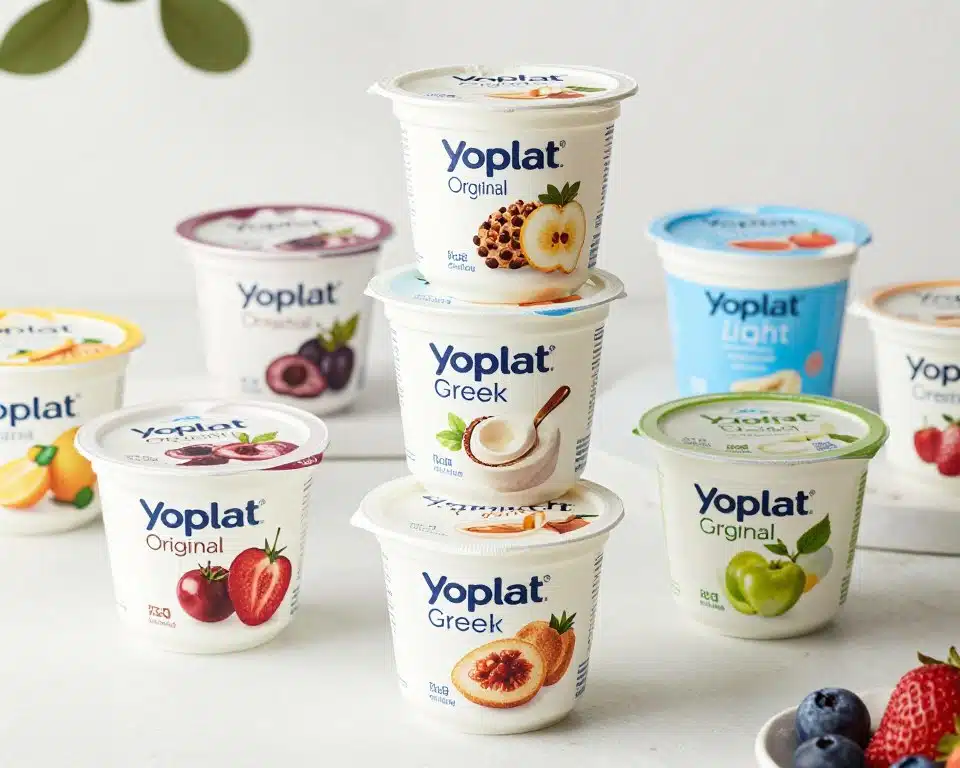
Yoplait produces several distinct yogurt lines, each formulated for different dietary preferences. The nutritional differences between these products are substantial and worth examining carefully.

Yoplait Original: The Classic Option

Yoplait Original represents the brand’s traditional yogurt formula. These cups contain whole milk yogurt with fruit preparations and added sweeteners.

Each 6-ounce cup of Yoplait Original typically provides around 150 calories. The sugar content ranges from 18-26 grams per cup depending on flavor, with strawberry and other fruit varieties containing higher amounts.

Protein content sits at approximately 5-6 grams per serving. This moderate protein level falls below what many nutrition experts recommend for a satisfying snack.

  • Whole milk base provides creamier texture but increases saturated fat
  • Contains live and active cultures including L. acidophilus
  • Fruit preparations often include high fructose corn syrup
  • Provides calcium and vitamin D fortification
  • Available in 30+ flavors including seasonal varieties

Yoplait Greek Yogurt: Higher Protein Alternative

Yoplait Greek yogurt undergoes additional straining to remove whey liquid. This process concentrates protein while reducing sugar compared to regular yogurt.

A typical 5.3-ounce container delivers 12-15 grams of protein—more than double the Original line. This higher protein content helps with satiety and muscle maintenance.

Sugar levels in Yoplait Greek vary significantly by variety. Plain Greek contains only natural milk sugars (around 7 grams), while fruit-flavored options may contain 15-20 grams including added sugars.

Yoplait Light: Reduced Calorie Formula

Yoplait Light targets consumers seeking lower-calorie options. These products use artificial sweeteners to reduce calories while maintaining sweet taste.

Each 6-ounce cup contains approximately 90 calories—about 40% fewer than Original. The formula replaces sugar with aspartame and acesulfame potassium.

Protein content matches the Original line at 5-6 grams per cup. Fat content is minimal, typically less than 1 gram per serving from nonfat milk.

Label Reading Tip: Check the ingredients list carefully. Products labeled “Light” or “Low-fat” often contain artificial sweeteners that some consumers prefer to avoid. Compare sugar alcohols and sweetener types across different Yoplait lines.

Is Yogurt Yoplait Healthy? Analyzing the Nutrition Facts

Determining whether Yoplait qualifies as a healthy choice requires examining several key nutritional components. Let’s break down what these yogurts actually provide.

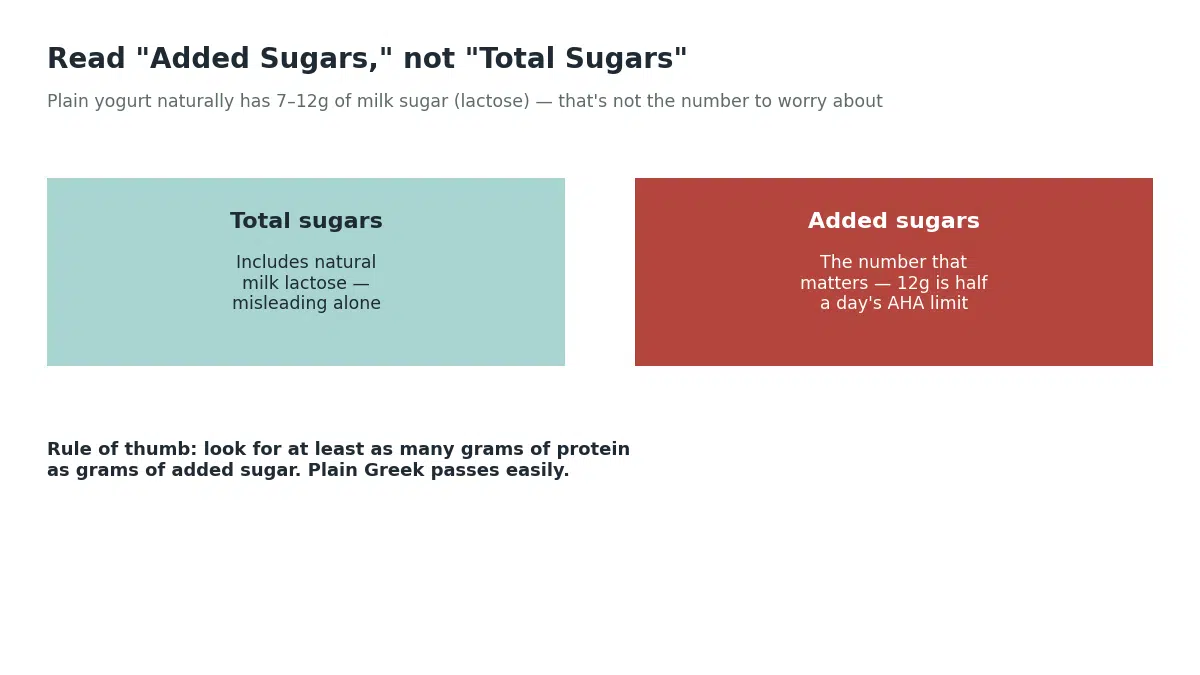
Sugar Content: The Primary Concern

The most significant nutritional issue with many Yoplait products centers on sugar content. Some varieties contain more grams of sugar than a glazed donut.

Close-up of Yoplait nutrition label highlighting sugar content

Yoplait Original strawberry contains approximately 18 grams of sugar per 6-ounce cup. This includes both natural lactose from milk and significant added sugars from sweeteners and fruit preparations.

The American Heart Association recommends limiting added sugar to 25 grams daily for women and 36 grams for men. A single cup of some Yoplait flavors consumes a substantial portion of this allowance.

Plain varieties offer dramatically different sugar profiles. Yoplait Plain Greek yogurt contains only 7 grams of naturally occurring milk sugar with zero added sweeteners.

Yoplait Product Serving Size Total Sugar Added Sugar Protein
Original Strawberry 6 oz (170g) 18g ~12g 5g
Greek 100 Vanilla 5.3 oz (150g) 10g ~4g 15g
Light Strawberry 6 oz (170g) 10g 0g* 5g
Plain Greek Yogurt 5.3 oz (150g) 7g 0g 15g
Original Harvest Peach 6 oz (170g) 26g ~19g 6g

*Contains artificial sweeteners instead of sugar

Protein Levels Across Product Lines

Protein per serving varies dramatically between Yoplait varieties. This macronutrient plays crucial roles in satiety, muscle maintenance, and metabolic health.

Greek yogurt options deliver 12-15 grams of protein per cup—approaching the amount in 2 ounces of chicken breast. This substantial protein content makes Greek varieties more suitable as meal replacements or post-workout snacks.

Regular Yoplait Original provides only 5-6 grams per serving. While this contributes to daily protein intake, it may not satisfy hunger for extended periods compared to higher-protein alternatives.

Fat Content and Types

Yoplait products range from nonfat to whole milk formulations. The fat content affects both calorie density and nutrient absorption.

Yoplait Original made with whole milk contains 3-4 grams of total fat, including 2-2.5 grams of saturated fat. Light and Greek varieties typically use nonfat or low-fat milk, reducing fat to 0-2 grams per serving.

Some nutrition experts now question whether naturally occurring dairy fat deserves its negative reputation. Recent research suggests full-fat dairy may not increase cardiovascular disease risk as previously believed.

Vitamins, Minerals, and Fortification

All Yoplait varieties provide significant calcium and vitamin D. A typical serving delivers 15-20% of daily calcium needs and 15% of vitamin D requirements.

Yogurt also contains potassium, B vitamins (especially B12 and riboflavin), and phosphorus. These nutrients support bone health, energy metabolism, and cellular function.

Fortification adds vitamin A and D beyond what naturally occurs in milk. This supplementation helps address common nutritional gaps in American diets.

What’s Actually Inside: Ingredient Analysis

Beyond the nutrition facts panel, ingredient lists reveal what you’re actually consuming. Yoplait formulations include various additives that affect both health value and digestive tolerance.

Live and Active Cultures

Yoplait products contain live and active bacterial cultures that may benefit digestive and immune health. These probiotics distinguish yogurt from other dairy products.

Common strains in Yoplait include Lactobacillus bulgaricus, Streptococcus thermophilus, and L. acidophilus. These organisms ferment milk sugars and may improve lactose digestion.

However, Yoplait doesn’t specify bacterial strain quantities or guarantee specific colony-forming units (CFUs). Products marketed specifically for probiotic benefits typically contain higher, measured amounts of beneficial bacteria.

The health benefits of Yoplait probiotics remain less documented than specialized probiotic supplements or therapeutic yogurt brands. Yogurt can support digestive health, though effects vary by individual and bacterial strain.

Sweeteners and Sugar Sources

Understanding sweetener types helps determine which Yoplait products align with your dietary preferences. Different lines use distinct sweetening approaches.

Yoplait Original contains sugar and high fructose corn syrup as primary sweeteners. These added sugars contribute significantly to the total grams of sugar per cup.

Yoplait Light replaces caloric sweeteners with aspartame and acesulfame potassium. These artificial sweeteners provide sweet taste without calories but remain controversial among some health advocates.

Natural fruit preparations contain concentrated fruit sugars. While technically “natural,” these contribute to total sugar load similarly to added refined sugars.

Plain Yogurt Benefits

  • Zero added sugars or artificial sweeteners
  • Higher protein-to-sugar ratio
  • Allows you to control sweetness level
  • More versatile for both sweet and savory uses
  • Simpler ingredient list
  • Better for blood sugar management

Flavored Variety Concerns

  • Contains 10-26 grams sugar depending on flavor
  • May include high fructose corn syrup
  • Often contains artificial colors and flavors
  • Less suitable for diabetes management
  • Can contribute to excessive daily sugar intake
  • May contain modified food starch and thickeners

Thickeners, Stabilizers, and Additives

Yoplait formulations include various functional ingredients that affect texture, shelf life, and appearance. Common additives include modified corn starch, kosher gelatin, and natural flavors.

These ingredients generally pose no health risks for most consumers. However, individuals with specific sensitivities or those following certain dietary restrictions may wish to avoid particular additives.

Pectin serves as a vegetarian-friendly thickener in some varieties. Other products use gelatin derived from animal sources, making them unsuitable for vegetarian or vegan diets.

Potential Health Benefits of Yoplait Yogurt

Despite concerns about sugar content, Yoplait yogurt provides several nutritional advantages when chosen wisely and consumed as part of a balanced diet.

Bone Health Support

Yoplait products deliver substantial calcium and vitamin D—two nutrients critical for skeletal health. Regular consumption may help maintain bone density, especially in populations at risk for osteoporosis.

Woman enjoying Yoplait yogurt as a healthy snack

A single serving provides 15-20% of daily calcium requirements. This contribution becomes particularly valuable for individuals who don’t consume other dairy products or calcium-rich foods regularly.

Vitamin D fortification enhances calcium absorption. Many Americans are deficient in vitamin D, making fortified yogurt a convenient supplementation source.

Digestive System Benefits

The probiotics in Yoplait yogurt may support digestive comfort and regularity. Live bacterial cultures can help maintain healthy gut microbiome balance.

Some research suggests yogurt consumption improves lactose digestion even in lactose-intolerant individuals. The bacterial cultures pre-digest some milk sugar, potentially reducing digestive discomfort.

However, probiotics in regular commercial yogurt like Yoplait provide less documented benefits than therapeutic probiotic supplements with specified strain types and CFU counts.

Convenience as a Nutrient Source

Yoplait cups offer portable nutrition requiring no preparation. This convenience factor helps many people incorporate dairy nutrients into otherwise deficient diets.

For children and adults who dislike drinking milk, flavored yogurt provides an acceptable alternative calcium source. The familiar taste and fun packaging make nutrition more appealing to reluctant eaters.

Greek varieties deliver substantial protein in convenient single-serve portions. This makes them practical post-exercise snacks or quick breakfast options for busy schedules.

Health Concerns and Nutritional Drawbacks

While Yoplait offers some nutritional benefits, several concerns deserve consideration when evaluating whether these products fit into a healthy eating pattern.

Excessive Sugar in Many Varieties

The high sugar content in flavored Yoplait products represents the most significant nutritional concern. Some varieties contain sugar levels comparable to desserts rather than healthy snack options.

Consuming 18-26 grams of sugar per serving can spike blood sugar levels, particularly concerning for individuals with diabetes or prediabetes. Frequent blood sugar spikes may contribute to insulin resistance over time.

Added sugars contribute to calorie intake without providing essential nutrients. The American Heart Association and other health organizations recommend limiting added sugar consumption to reduce chronic disease risk.

Artificial Ingredients in Light Varieties

Yoplait Light products contain artificial sweeteners that some consumers prefer to avoid. Aspartame and acesulfame potassium remain controversial despite FDA approval.

Some individuals report headaches, digestive discomfort, or other symptoms they attribute to artificial sweetener consumption. While scientific evidence for widespread adverse effects remains limited, personal tolerance varies.

Long-term health effects of regular artificial sweetener consumption continue to be studied. Some research suggests possible impacts on gut bacteria composition and glucose metabolism.

Lower Protein Than Optimal

Yoplait Original varieties provide only 5-6 grams of protein—insufficient for a satisfying snack or meal replacement for many adults. This modest protein content may not effectively support satiety or muscle maintenance.

Nutrition experts often recommend 15-20 grams of protein per snack to promote fullness and stable energy levels. Yoplait Original falls significantly short of this target.

Even Yoplait Greek yogurt, while higher in protein than Original, may provide less protein than competing Greek yogurt brands that offer 17-20 grams per serving.

Processing and Additives

Yoplait products undergo significant processing and contain various additives. While generally recognized as safe, some health-conscious consumers prefer minimally processed foods with shorter ingredient lists.

Modified food starches, artificial colors, and natural flavors add to the complexity of Yoplait formulations. Individuals seeking whole food nutrition may find these ingredients inconsistent with their dietary philosophy.

Yoplait Compared to Other Yogurt Brands

Evaluating Yoplait against competing brands provides context for determining its relative health value. Different manufacturers prioritize different nutritional attributes.

Yoplait vs. Greek Yogurt Competitors

Leading Greek yogurt brands like Fage and Chobani typically offer higher protein content than Yoplait Greek varieties. These competitors frequently provide 17-20 grams of protein per serving compared to Yoplait’s 12-15 grams.

Plain Greek yogurt from specialty brands often contains just two ingredients: milk and live cultures. This simplicity appeals to consumers seeking minimally processed options.

However, Yoplait Greek costs less per serving than premium brands at most grocery stores. This price advantage makes it more accessible for budget-conscious shoppers.

Brand Type Protein (g) Sugar (g) Calories Key Feature
Yoplait Original Regular 5-6 18-26 150 Wide flavor variety
Yoplait Greek 100 Greek 15 10 100 Moderate protein, controlled calories
Chobani Greek Greek 17-20 9-15 100-140 Higher protein, natural ingredients
Fage Total 0% Greek 18 7 100 Two ingredients only
Dannon Light & Fit Regular 12 7 80 Artificial sweeteners, low calorie
Siggi’s Icelandic Skyr 15-17 9-11 110-130 Simple ingredients, less sugar

Traditional vs. Premium Yogurt Options

Premium yogurt brands emphasize ingredient quality and minimal processing. These products typically cost 50-100% more than Yoplait but offer cleaner ingredient profiles.

Brands like Siggi’s, Icelandic Provisions, and Nancy’s focus on simple formulations with lower sugar content. These options appeal to consumers prioritizing whole food nutrition over convenience and flavor variety.

Yoplait positions itself in the mainstream market, balancing taste appeal, affordability, and accessibility. This strategy sacrifices some nutritional quality for broader market appeal.

Is Yoplait Appropriate for Different Groups?

Whether Yoplait yogurt fits into a healthy diet depends partly on individual nutritional needs, health conditions, and dietary goals.

Yoplait for Weight Management

People pursuing weight loss goals should carefully consider which Yoplait products they choose. The calorie and sugar content varies dramatically between varieties.

Yoplait Light offers reduced calories but contains artificial sweeteners. Some research suggests artificial sweeteners may not support weight loss as effectively as reducing overall sweet taste preferences.

Yoplait Greek with higher protein content may better support satiety and calorie control compared to Original varieties. The increased protein helps maintain muscle mass during caloric restriction.

Using plain Yoplait Greek as a base and adding fresh fruit allows calorie control while avoiding artificial sweeteners and excessive added sugars.

Yogurt for Children’s Nutrition

Yoplait markets several products specifically toward children, including Go-GURT tubes and Trix yogurt. These items provide calcium and vitamin D but contain significant added sugars.

Parents should weigh convenience against sugar content when selecting yogurt for children. While kids enjoy flavored varieties, the sugar levels may contribute to excessive daily intake.

Plain or lightly sweetened yogurt mixed with fresh fruit provides better nutritional value for growing children. This approach delivers essential nutrients without conditioning taste preferences toward excessive sweetness.

Considerations for Diabetics

Individuals managing diabetes should approach flavored Yoplait products cautiously due to high sugar content. The 18-26 grams of sugar in Original varieties can significantly impact blood glucose levels.

Yoplait Light uses artificial sweeteners that don’t directly raise blood sugar. However, some diabetes educators question whether artificial sweeteners support long-term glucose management.

Plain Yoplait Greek yogurt offers the best option for diabetes management, containing only natural milk sugars without added sweeteners. Pairing with nuts or seeds adds healthy fats that slow glucose absorption.

According to the Mayo Clinic, yogurt can fit into a diabetes meal plan when chosen carefully, with emphasis on lower-sugar varieties and appropriate portion sizes.

Athletes and Active Individuals

Yoplait Greek yogurt provides convenient post-workout nutrition with its combination of protein and carbohydrates. The 12-15 grams of protein supports muscle recovery after exercise.

However, athletes with higher protein needs may find Yoplait Greek insufficient compared to options providing 17-20 grams per serving. Doubling the portion increases calories and sugar along with protein.

The carbohydrate content in flavored varieties can help replenish glycogen stores after endurance exercise. This makes moderate-sugar options potentially beneficial in post-workout timing despite general concerns about added sugars.

Strategies to Make Yoplait a Healthier Choice

Smart selection and creative modifications can maximize nutritional value while minimizing concerns about sugar and additives in Yoplait products.

Choosing the Best Yoplait Varieties

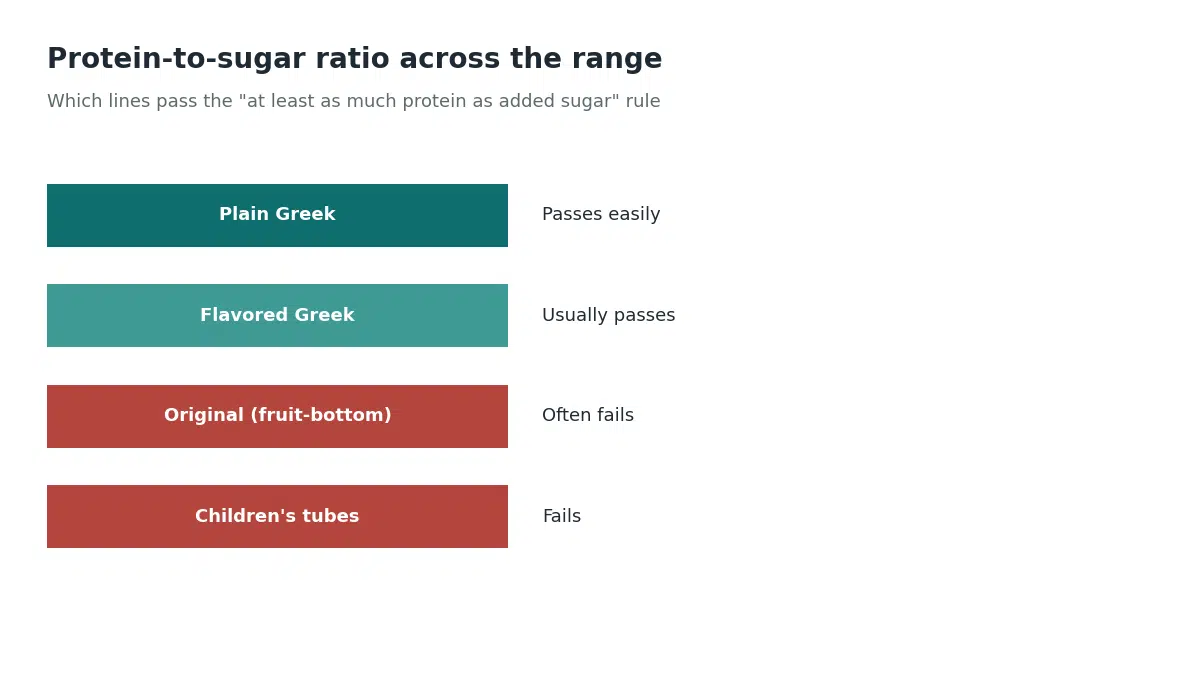
Selecting appropriate Yoplait products makes substantial difference in nutritional impact. Plain Greek yogurt represents the healthiest option across all Yoplait lines.

When preferring flavored varieties, compare nutrition labels carefully. Choose options with the lowest sugar content relative to protein—ideally achieving at least 1 gram of protein per 2 grams of sugar.

  • Prioritize Yoplait Plain Greek yogurt for maximum nutritional value
  • Select Greek varieties over Original for higher protein content
  • Compare flavors within product lines to find lower-sugar options
  • Avoid varieties with more than 15 grams of sugar per serving
  • Check ingredient lists for artificial colors and unnecessary additives
  • Consider single-serve containers to control portion sizes

Enhancing Plain Yogurt with Healthy Additions

Starting with plain Yoplait Greek yogurt and adding your own flavoring provides maximum control over nutritional quality. This approach avoids added sugars while creating customized taste profiles.

Fresh or frozen berries, or fruit like green grapes, add natural sweetness, fiber, and antioxidants without the sugar load of pre-sweetened varieties. A half-cup of berries contributes only 5-8 grams of natural fruit sugar plus valuable nutrients.

Adding nuts, seeds, or granola increases healthy fats and additional protein. Almonds, walnuts, chia seeds, and ground flaxseed complement yogurt’s nutrition while improving satiety.

Sweet Enhancement Ideas

  • Fresh berries (strawberries, blueberries, raspberries)
  • Sliced banana with cinnamon
  • Chopped apple with a drizzle of honey
  • Unsweetened cocoa powder and stevia
  • Vanilla extract and a touch of maple syrup
  • Mashed banana for natural sweetness

Savory Enhancement Options

  • Chopped cucumber and fresh dill
  • Minced garlic and herbs for dip
  • Lemon juice and black pepper
  • Everything bagel seasoning
  • Olive oil and za’atar spice blend
  • Chopped tomatoes and basil

Protein Boosters

  • Chopped nuts (almonds, walnuts, pecans)
  • Nut butter (almond, peanut, cashew)
  • Hemp seeds or chia seeds
  • Pumpkin seeds
  • Protein powder mixed in
  • Cottage cheese stirred together

Fiber Additions

  • Ground flaxseed or flax meal
  • Wheat germ or oat bran
  • Sliced pear or apple with skin
  • Dried figs or dates (chopped)
  • Shredded coconut (unsweetened)
  • High-fiber cereal as topping

Portion Control and Meal Timing

Even healthier Yoplait options require appropriate portions. The standard single-serve containers provide reasonable serving sizes for most adults as snacks.

Consuming yogurt alongside other foods rather than alone helps moderate blood sugar impact. Pairing Yoplait with nuts, whole grain crackers, or vegetables creates more balanced nutrition.

Timing yogurt consumption strategically maximizes benefits. Post-workout represents an ideal time for higher-carb, moderate-protein yogurt varieties to support recovery.

Beyond Nutrition: Sustainability and Corporate Practices

Health-conscious consumers increasingly consider environmental and social factors alongside nutritional content when making purchasing decisions.

Yoplait’s Environmental Impact

Yoplait, owned by General Mills, has implemented various sustainability initiatives addressing water use, greenhouse gas emissions, and packaging waste.

The brand has committed to reducing water usage in manufacturing and sourcing milk from farms implementing sustainable practices. However, dairy production inherently involves significant environmental resources compared to plant-based alternatives.

Single-serve plastic cups create packaging waste concerns. While recyclable in many communities, the small containers contribute to plastic consumption. Larger multi-serve containers produce less packaging waste per serving.

Animal Welfare Considerations

Yoplait sources milk from conventional dairy operations. The company has not adopted specific animal welfare certifications beyond standard dairy industry practices.

Consumers prioritizing animal welfare may prefer organic yogurt brands or those with third-party certifications indicating higher welfare standards. These alternatives typically cost more than conventional Yoplait products.

Practical Guidelines for Incorporating Yoplait

Strategic use of Yoplait products can fit into various healthy eating patterns when balanced with overall dietary quality and individual nutritional needs.

When Yoplait Makes Sense

Yoplait Greek yogurt serves well as a convenient protein source for busy individuals who might otherwise skip nutritious snacks. The portability and shelf stability make it practical for work, travel, or on-the-go eating.

For families with children who resist drinking milk, moderate consumption of Yoplait provides calcium and vitamin D in a more acceptable format. Choosing lower-sugar varieties minimizes nutritional concerns.

Budget constraints make Yoplait’s lower price point advantageous compared to premium yogurt brands. The nutritional gap between Yoplait Greek and pricier alternatives may not justify the cost difference for all consumers.

Smart Shopping Strategy: Buy plain Yoplait Greek yogurt in larger containers rather than individual flavored cups. This approach saves money, reduces packaging waste, and allows complete control over added sweeteners and flavors. A 32-ounce container typically costs less per ounce than single-serve cups.

When to Choose Alternatives

Individuals managing diabetes, pursuing aggressive weight loss, or following whole food nutrition philosophies may benefit from choosing yogurt brands with simpler ingredients and lower sugar content.

Those seeking maximum protein for muscle building should consider Greek yogurt brands offering 17-20 grams per serving rather than Yoplait’s 12-15 grams.

Consumers with digestive sensitivities may find smaller-batch or organic yogurt brands easier to tolerate due to simpler formulations and different bacterial strain profiles.

Creating a Balanced Approach

Yogurt represents just one component of overall dietary patterns. Even the healthiest yogurt can’t compensate for poor nutrition elsewhere, nor does less-optimal yogurt ruin an otherwise excellent diet.

Consider your total daily and weekly sugar intake from all sources. If Yoplait Original fits within reasonable limits while providing calcium, protein, and eating enjoyment, it can have a place in your meal plan.

Rotate between different yogurt types and brands to vary nutrient intake and avoid over-reliance on any single product. This diversity supports broader nutritional adequacy.

Frequently Asked Questions About Yoplait Yogurt Nutrition

Is yogurt Yoplait healthy compared to other breakfast options?

Yoplait Greek yogurt provides a reasonably healthy snack or breakfast option with 12-15 grams of protein and essential nutrients like calcium and vitamin D. However, flavored Yoplait Original varieties contain 18-26 grams of sugar—comparable to many pastries or sugary cereals. Plain Yoplait Greek yogurt with added fresh fruit offers better nutritional value than pre-sweetened varieties while still providing convenience and taste appeal.

How much sugar is in Yoplait yogurt?

Sugar content varies dramatically across Yoplait products. Original flavored varieties contain 18-26 grams of sugar per 6-ounce cup, including both natural milk sugars and significant added sugars. Yoplait Greek flavored options typically contain 10-15 grams per serving. Plain Yoplait Greek contains only 7 grams of naturally occurring milk sugar with zero added sweeteners. Always check nutrition labels, as sugar content differs substantially between flavors and product lines.

Does Yoplait yogurt have probiotics?

Yes, all Yoplait yogurts contain live and active cultures including Lactobacillus bulgaricus, Streptococcus thermophilus, and L. acidophilus. These beneficial bacteria may support digestive health and immune function. However, Yoplait doesn’t specify bacterial strain quantities or guarantee specific CFU (colony-forming unit) counts like therapeutic probiotic supplements do. The probiotic benefits exist but may be less pronounced than specialized probiotic yogurt brands or supplements.

Which Yoplait yogurt is healthiest?

Plain Yoplait Greek yogurt represents the healthiest option across all product lines. It provides 15 grams of protein, only 7 grams of naturally occurring sugar, zero added sweeteners, and 100 calories per serving. This variety avoids artificial ingredients while delivering maximum protein relative to sugar and calories. You can customize flavor and sweetness by adding fresh fruit, nuts, or a small amount of honey while maintaining better nutritional quality than pre-sweetened options.

Is Yoplait Greek yogurt better than regular Yoplait?

Yoplait Greek yogurt offers superior nutrition compared to Yoplait Original. Greek varieties provide 12-15 grams of protein versus only 5-6 grams in Original, helping with satiety and muscle maintenance. Greek options generally contain less sugar (10-15g vs 18-26g) and create better protein-to-sugar ratios. The strained Greek yogurt also provides thicker texture that many find more satisfying. For health-conscious consumers, Greek yogurt represents a notably better choice.

Can I eat Yoplait yogurt if I’m trying to lose weight?

Yoplait can fit into weight loss plans when chosen carefully. Yoplait Greek varieties with higher protein (12-15g) support satiety better than Original options. However, avoid high-sugar flavored varieties that provide 150+ calories with minimal satiety. Plain Yoplait Greek yogurt with fresh berries offers the best option—delivering protein and nutrients with controlled calories. Yoplait Light contains fewer calories but uses artificial sweeteners that some research suggests may not effectively support long-term weight management.

Is Yoplait yogurt good for diabetics?

Most flavored Yoplait products are problematic for diabetes management due to high sugar content. Yoplait Original varieties with 18-26 grams of sugar can significantly spike blood sugar levels. Plain Yoplait Greek yogurt offers the best option for diabetics, containing only 7 grams of naturally occurring milk sugar without added sweeteners. Pair with nuts or seeds to add healthy fats that slow glucose absorption. Always consult your healthcare provider about incorporating yogurt into your specific diabetes meal plan.

Does Yoplait contain artificial ingredients?

Ingredient profiles vary by product line. Yoplait Light contains artificial sweeteners (aspartame and acesulfame potassium) to reduce calories. Some flavored varieties include artificial colors and flavors. Yoplait Original contains modified food starch, kosher gelatin, and natural flavors as functional ingredients. Plain Yoplait Greek yogurt has the simplest formulation with just cultured milk and live cultures. Consumers avoiding artificial additives should carefully read ingredient labels and prioritize plain varieties.

How does Yoplait compare to Chobani or Fage?

Yoplait Greek generally provides less protein (12-15g) than Chobani (17-20g) or Fage (18g) per serving. Premium brands like Fage often contain just two ingredients (milk and cultures), while Yoplait includes various additives. However, Yoplait costs 30-50% less at most grocery store locations, making it more budget-friendly. Taste preferences vary individually. Nutritionally, Fage and Chobani plain varieties offer superior protein content and simpler ingredients, while Yoplait provides wider flavor variety and lower prices.

Is Yoplait yogurt safe for kids?

Yoplait yogurt is safe for children and provides valuable calcium, vitamin D, and protein. However, parents should consider the high sugar content in flavored varieties. Some Yoplait products marketed to children contain 15-20 grams of sugar per serving—more than half a child’s recommended daily limit. Plain or lightly sweetened varieties mixed with fresh fruit offer better nutritional value while avoiding excessive sugar that can contribute to dental cavities and poor eating habits.

Can you eat Yoplait yogurt past the expiration date?

Yoplait yogurt often remains safe to consume for 1-2 weeks past the printed date if properly refrigerated and unopened. The date typically indicates peak quality rather than safety. Check for signs of spoilage including unusual odors, mold growth, or excessive liquid separation. Yogurt’s acidic environment and live active cultures naturally inhibit harmful bacteria growth. However, when in doubt, discard questionable products. Once opened, consume within 5-7 days regardless of the printed date.

Does Yoplait yogurt need to be refrigerated?

Yes, Yoplait yogurt requires refrigeration at 40°F (4°C) or below to maintain quality and safety. Yogurt left at room temperature for more than 2 hours (or 1 hour above 90°F) should be discarded due to bacterial growth risks. The live cultures in yogurt can multiply rapidly at warm temperatures, potentially causing spoilage or foodborne illness. Always transport yogurt in insulated bags with ice packs and refrigerate promptly after purchase.

How much protein does Yoplait yogurt have?

Protein content varies by product line. Yoplait Original provides 5-6 grams per cup, which is modest for satiety purposes. Yoplait Greek varieties deliver 12-15 grams—more than double the Original line. This higher protein content makes Greek options more suitable for muscle maintenance, post-workout recovery, or satisfying snacks. For maximum protein intake, consider competing Greek yogurt brands offering 17-20 grams per serving, though these typically cost more than Yoplait products.

Is Yoplait yogurt lactose-free?

Standard Yoplait products are not lactose-free, though they contain less lactose than milk due to bacterial fermentation. The live cultures in yogurt partially digest milk sugar, making yogurt more tolerable for some lactose-sensitive individuals. Yoplait does offer specifically labeled lactose-free varieties for those with severe intolerance. Greek yogurt naturally contains less lactose than regular yogurt due to the straining process. People with mild lactose sensitivity may tolerate Yoplait Greek better than Original varieties.

What are the best Yoplait flavors for health?

Plain varieties offer the best health profile across all Yoplait lines, containing zero added sugars and allowing you to control sweetness. Among flavored options, choose varieties with the lowest sugar content—typically vanilla and some berry flavors contain less sugar than tropical or dessert-inspired varieties. Check nutrition labels carefully as sugar content varies significantly even within the same product line. Generally, simpler fruit flavors contain less sugar than complex dessert flavors like Boston Cream Pie or Key Lime Pie.

Does Yoplait yogurt help with digestion?

Yoplait yogurt contains live bacterial cultures that may support digestive health and gut health. The probiotics can help maintain healthy gut microbiome balance and improve lactose digestion. However, the high sugar content in flavored varieties may counteract some digestive benefits, as excessive sugar can negatively affect gut bacteria composition. Plain Yoplait Greek yogurt offers probiotic benefits without the sugar drawback. For targeted digestive support, consider specialized probiotic supplements with documented strain types and CFU counts.

Can I freeze Yoplait yogurt?

You can freeze Yoplait yogurt, though texture changes occur upon thawing. Frozen yogurt becomes grainy and separates as ice crystals disrupt the protein structure. Thawed yogurt works acceptably in smoothies or baked goods but loses the creamy texture desirable for direct consumption. Some people intentionally freeze Yoplait cups as a frozen treat alternative to ice cream. For best results, stir thoroughly after thawing and use in recipes rather than eating plain.

Is Yoplait Original or Greek better for breakfast?

Yoplait Greek provides superior breakfast nutrition with 12-15 grams of protein that supports satiety throughout the morning. The higher protein content helps stabilize blood sugar and reduces mid-morning hunger compared to Yoplait Original’s 5-6 grams. However, Yoplait Greek contains less fiber than a complete breakfast should include. Pair yogurt with whole grain toast, oatmeal, or high-fiber cereal for balanced morning nutrition. Add nuts or seeds to boost protein and healthy fats further.

Final Verdict: Making Informed Choices About Yoplait

So, is yogurt Yoplait healthy? The answer depends entirely on which products you choose and how they fit into your overall dietary pattern. Yoplait offers options ranging from nutritionally problematic to reasonably healthy.

Balanced healthy lifestyle with Yoplait yogurt as part of nutritious diet

Plain Yoplait Greek yogurt represents a genuinely nutritious choice. With 15 grams of protein, zero added sugars, and essential nutrients like calcium and vitamin D, it compares favorably to many competing products while maintaining budget-friendly pricing.

Flavored Yoplait Original varieties present more concerns. The 18-26 grams of sugar per serving rivals dessert items rather than health foods. While these products provide some nutritional value through calcium and probiotics, the high sugar content makes them occasional treats rather than daily staples.

Yoplait Light offers reduced calories through artificial sweeteners—a trade-off some consumers accept while others reject based on ingredient preferences and emerging research about sweetener effects.

Your individual health status, dietary goals, and nutritional priorities should guide yogurt selections. Athletes needing convenient protein may find Yoplait Greek perfectly adequate. People managing diabetes should stick with plain varieties. Parents feeding children should carefully consider sugar content against convenience benefits.

Remember that yogurt represents just one component of overall nutrition. Even less-than-ideal yogurt choices won’t undermine an otherwise excellent diet, while the healthiest yogurt can’t compensate for poor eating patterns elsewhere.

The key lies in reading nutrition labels carefully, understanding what you’re actually consuming, and making conscious choices rather than assuming all yogurt automatically qualifies as health food. Yoplait can fit into healthy eating patterns when selected wisely and consumed as part of varied, balanced nutrition.

Medical Disclaimer: This article provides general nutritional information about Yoplait yogurt products for educational purposes only. It is not intended as medical advice and should not replace consultation with qualified healthcare professionals or registered dietitians. Individual nutritional needs vary significantly based on age, health status, activity levels, and medical conditions. The information presented represents general guidelines and may not apply to your specific situation. Always consult your doctor, registered dietitian, or other qualified healthcare provider before making significant dietary changes, especially if you have diabetes, food allergies, digestive conditions, or other health concerns. Nutritional content of commercial products may change over time—always check current product labels for the most accurate information. The author and publisher are not responsible for any adverse effects or consequences resulting from the use of information contained in this article.

Related Posts

Can Ashwagandha Cause Weight Loss?
BLOG

Can Ashwagandha Cause Weight Loss?

July 23, 2026
Best High Fiber Foods for Pregnancy
BLOG

Best High Fiber Foods for Pregnancy for Healthy Moms

July 23, 2026
Food Sources of Tyrosine
BLOG

Food Sources of Tyrosine: Your Complete Guide to This Essential Amino Acid

July 23, 2026
Which Is the Best Tea for Weight Loss?
BLOG

Which Is the Best Tea for Weight Loss? Science-Backed Guide to 12 Effective Teas

July 22, 2026
Best Breakfast Cereals for Diabetics
BLOG

Best Breakfast Cereals for Diabetics: Smart Choices for Blood Sugar Control

July 22, 2026
Should Diabetics Eat Banana?
BLOG

Should Diabetics Eat Banana? A Complete Guide to Blood Sugar and Fruit

July 22, 2026
Natural Remedies for Nose Congestion
BLOG

Natural Remedies for Nose Congestion: Proven Solutions for Clear Breathing

July 22, 2026
freshly brewed green tea in transparent cup showing golden-green color with pH testing strip
BLOG

Is Green Tea Acidic? Understanding pH Levels and Health Implications

July 22, 2026
ProDentim Reviews: What Real Users Are Saying About This Oral Health Supplement
REVIEWS

ProDentim Reviews: What Real Users Are Saying About This Oral Health Supplement

July 24, 2026
How to Get Rid of Fat Neck
BLOG

How to Get Rid of Fat Neck: Complete Solutions Guide

July 22, 2026
Load More

Leave a Reply Cancel reply

Your email address will not be published. Required fields are marked *

I agree to the Terms & Conditions and Privacy Policy.

Our Mission

At HealthMagHub, our mission is to empower individuals and families to make informed health decisions by providing accurate, evidence-based, and easy-to-understand health information. We are committed to delivering high-quality content across a wide range of topics, including nutrition, fitness, weight management, men’s and women’s health, mental wellness, healthy aging, disease prevention, and in-depth health product reviews. Every article is carefully researched, fact-checked, and written with our readers’ well-being in mind. Our goal is to simplify complex health topics, promote healthier lifestyles, and build a trusted resource where people can confidently find reliable guidance, practical wellness tips, and the latest insights to support a healthier, happier life.

Can Ashwagandha Cause Weight Loss?
BLOG

Can Ashwagandha Cause Weight Loss?

by Jenna Castillo
July 23, 2026
0

Affiliate Disclosure: This article contains affiliate links. We may earn a commission from purchases made through these links at no...

Read moreDetails
Best High Fiber Foods for Pregnancy

Best High Fiber Foods for Pregnancy for Healthy Moms

July 23, 2026
Food Sources of Tyrosine

Food Sources of Tyrosine: Your Complete Guide to This Essential Amino Acid

July 23, 2026
Which Is the Best Tea for Weight Loss?

Which Is the Best Tea for Weight Loss? Science-Backed Guide to 12 Effective Teas

July 22, 2026
Best Breakfast Cereals for Diabetics

Best Breakfast Cereals for Diabetics: Smart Choices for Blood Sugar Control

July 22, 2026

Categories

  • BLOG
  • Brain Health
  • General Fitness
  • Hearing Health
  • Joint Health
  • Men's Health
  • Neuropathy Help
  • Oral Health
  • Prostate Health
  • REVIEWS
  • Skin Health
  • Toenail Fungus Help
  • Weight Loss
  • HOME
  • ABOUT
  • PRIVACY POLICY
  • Terms & Conditions
  • Affiliate Disclosure
  • Medical Disclaimer
  • Contact Us
  • SUBMIT YOUR REVIEW

© 2026 HealthMagHub. Trusted Health. Smarter Living. All Rights Reserved.

No Result
View All Result
  • HOME
  • BLOG
  • REVIEWS
  • TOOLS

© 2026 HealthMagHub. Trusted Health. Smarter Living. All Rights Reserved.

This website uses cookies. By continuing to use this website you are giving consent to cookies being used. Visit our Privacy and Cookie Policy.