

healthmaghub
  • HOME
  • BLOG
  • REVIEWS
  • TOOLS
No Result
View All Result
  • HOME
  • BLOG
  • REVIEWS
  • TOOLS
No Result
View All Result
HealthNews
No Result
View All Result

Alpha Lipoic Acid Dosage For Nerve Pain Relief

by Patricia Nguyen
July 19, 2026
Reading Time: 20 mins read
0

Living with constant physical discomfort can feel like an isolating battle. I know how exhausting it is when your body refuses to cooperate, making even simple daily tasks feel like monumental challenges. You deserve to find comfort again.

In this guide, I will walk you through the essential steps for managing your condition using natural supplementation. Finding the right alpha lipoic acid dosage for nerve pain relief is a critical step to ensure you achieve the best possible results.

My goal is to provide you with a clear, evidence-based roadmap. This approach simplifies the process of starting your journey toward better health and lasting wellness.

Key Takeaways

  • Understand the role of natural supplements in managing chronic discomfort.
  • Learn how to identify the optimal amount of supplementation for your needs.
  • Follow an evidence-based roadmap to improve your daily quality of life.
  • Prioritize safety by consulting with healthcare professionals before starting.
  • Focus on consistent habits to support long-term physical health.

Understanding the Role of Alpha Lipoic Acid in Nerve Health

I often find that understanding how alpha lipoic acid (ALA) works at a cellular level is the first step toward effective nerve care. This compound acts as a powerful guardian for your nervous system, working quietly behind the scenes to maintain structural integrity. By supporting your body’s natural defenses, it helps preserve the delicate fibers that transmit signals throughout your limbs. According to the National Center for Complementary and Integrative Health (NCCIH), antioxidant supplements like ALA are widely studied for nerve-related conditions, though researchers note that more large-scale trials are still needed to confirm long-term efficacy.

The Science Behind Antioxidant Support for Nerves

At the heart of nerve health lies the protection of your mitochondria, which are the energy powerhouses of your cells. When these structures face oxidative stress, your nerves can become damaged and lose their ability to function correctly. ALA serves as a potent antioxidant that neutralizes harmful free radicals before they can cause lasting harm.

Because it is both water- and fat-soluble, this compound reaches almost every part of your body. This unique property allows it to provide comprehensive protection to nerve tissues that other antioxidants might miss. By stabilizing these cellular environments, it creates a foundation for better nerve signaling and reduced discomfort.

How ALA Functions as a Metabolic Enhancer

Beyond its role as an antioxidant, I view ALA as a vital metabolic enhancer that keeps your cells running smoothly. It plays a critical role in the conversion of glucose into usable energy, which is essential for the high-energy demands of nerve cells. When your metabolism functions efficiently, your nerves receive the consistent fuel they need to repair and maintain themselves.

This metabolic boost helps improve the overall health of your nervous system by preventing energy gaps that often lead to fatigue or nerve sensitivity. By optimizing how your cells process nutrients, ALA ensures that your body remains resilient against daily stressors. I believe this dual-action approach is exactly why it remains a cornerstone in many nerve support routines.

Determining the Correct Alpha Lipoic Acid Dosage for Nerve Pain Relief

When you are dealing with chronic nerve pain, knowing the proper dosage is essential for your comfort. Finding the right alpha lipoic acid dosage for nerve pain relief can feel like a complex puzzle, but clinical data provides a helpful starting point. I believe that understanding these guidelines is the first step toward regaining control over your daily well-being. If your discomfort is centered specifically in your feet and hands, my dedicated guide on the best supplements for neuropathy pain in feet and hands covers additional targeted options worth exploring alongside ALA.

Standard Clinical Recommendations for Neuropathy

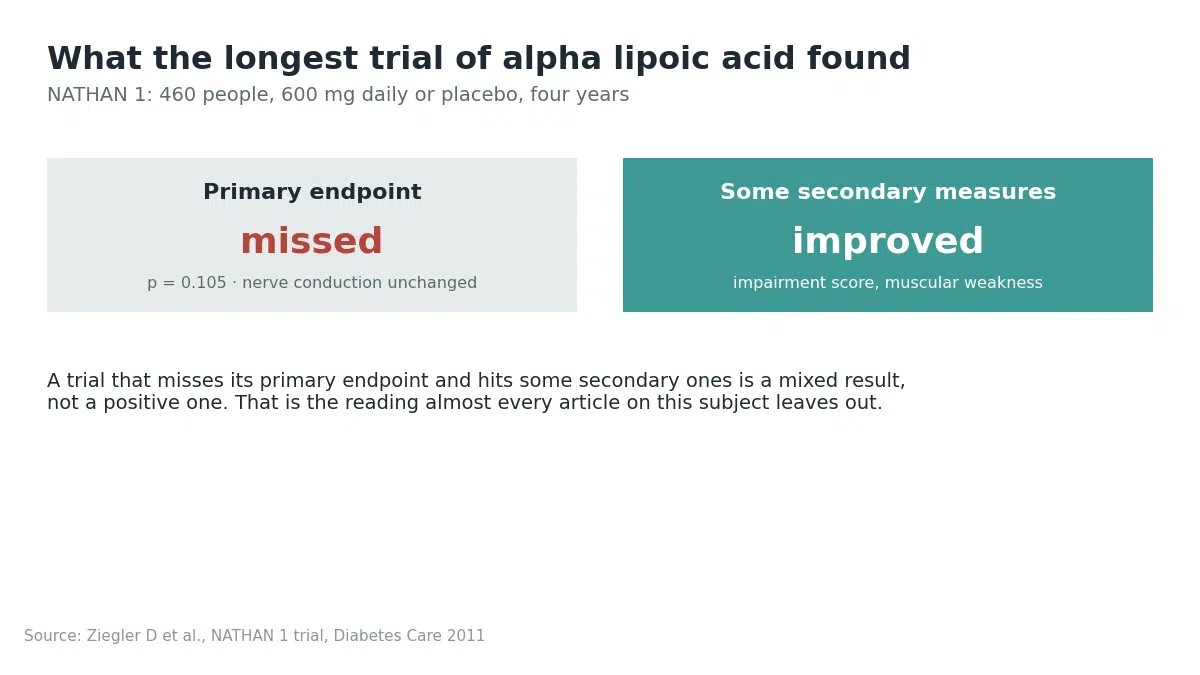
Research often points to specific ranges when experts discuss how much alpha lipoic acid for neuropathy is effective. Most clinical trials utilize a daily intake of 600mg to observe significant improvements in symptoms. This amount is widely considered the gold standard for those seeking to support their nerve health through supplementation.

“Consistency in your daily routine is often more important than the specific timing of your dose when managing long-term nerve health.”

While 600mg is the common benchmark, some studies have explored higher amounts for short-term use. However, sticking to the standard recommendation is usually the safest way to begin your journey. It allows your body to adjust while providing the necessary antioxidant support for your nerves.

Adjusting Dosage Based on Individual Health Needs

Every person reacts differently to supplements, so you must listen to your body closely. When considering how much alpha lipoic acid for neuropathy is right for you, start by evaluating your personal tolerance levels. Some individuals may find that a lower starting dose helps them avoid initial digestive sensitivities.

You should always consider your unique health profile, including any other conditions you might be managing. If you feel that the standard alpha lipoic acid dosage for nerve pain relief is not providing the expected results, do not simply increase the amount on your own. Instead, keep a detailed log of your symptoms and discuss these findings with your healthcare provider to determine if a personalized adjustment is necessary for your specific situation.

Evaluating the Efficacy of ALA 600mg for Neuropathy

When exploring how much alpha lipoic acid for neuropathy is needed, one specific dosage consistently appears in medical literature. Clinical researchers often identify this amount as the therapeutic baseline for managing nerve-related discomfort. Understanding why this specific quantity is chosen can help you make informed decisions about your own health journey.

Why 600mg is the Gold Standard in Clinical Studies

Most major clinical trials utilize 600mg as the primary target for participants. This dosage is widely considered the gold standard because it balances safety with measurable physiological benefits. By providing enough antioxidant support, this amount helps combat oxidative stress that often damages nerve fibers.

Using ala 600mg neuropathy protocols allows researchers to observe significant improvements in symptoms like burning or tingling. While individual needs vary, this baseline provides a reliable starting point for most adults. It is the amount most frequently associated with positive outcomes in peer-reviewed studies.

The Importance of Consistent Daily Intake

Achieving relief is rarely about a single dose; it is about maintaining steady levels in your system. Consistency ensures that your body has a constant supply of the antioxidant to neutralize free radicals. Skipping days can disrupt the progress you have worked hard to achieve.

I recommend viewing your supplement routine as a long-term commitment to your nerve health. When you take your dose at the same time every day, you help your body maintain the therapeutic threshold required for nerve support. This steady approach is essential for long-term management.

Dosage LevelClinical FocusExpected Outcome
300mgMild SupportBaseline antioxidant boost
600mgStandard Neuropathy CareOptimal symptom reduction
1200mg+High-Intensity NeedsRequires medical supervision

Comparing R-ALA vs Alpha Lipoic Acid for Optimal Absorption

I often find that people are confused by the various forms of alpha lipoic acid available on the market today. When you begin your search for relief, you will notice that the debate regarding r-ala vs alpha lipoic acid is quite common. Understanding these differences is essential for building an effective strategy for your nerve health.

Understanding the Difference Between R-Form and S-Form

Alpha lipoic acid exists in two distinct molecular forms known as the R-form and the S-form. The R-form is the naturally occurring version that your body produces on its own. In contrast, the S-form is a synthetic version created in a laboratory setting.

Most standard supplements contain a racemic mixture, which is a 50/50 blend of both R and S forms. While this mixture is cost-effective, it may not provide the same biological impact as a pure R-ALA supplement. Many experts believe that focusing on the R-form provides a more biologically active experience for your system.

Bioavailability Factors in Nerve Pain Management

Bioavailability refers to how well your body can absorb and utilize a substance. When comparing r-ala vs alpha lipoic acid, the R-form generally demonstrates superior absorption rates compared to the synthetic S-form. This is a critical factor when you are trying to manage persistent nerve discomfort.

If your goal is to maximize the therapeutic benefits of your supplement, choosing a high-quality R-ALA product might be the better path. Higher bioavailability means that more of the active compound reaches your nerves where it is needed most. By selecting the right form, you are taking a proactive step toward supporting your long-term nerve health and comfort.

Establishing the Best Time to Take Alpha Lipoic Acid

I have found that the best time to take alpha lipoic acid is a critical factor in achieving consistent relief. Many users often wonder if the specific hour of the day matters for their nerve health goals. By adjusting your routine, you can ensure your body receives the maximum benefit from every dose.

Optimizing Absorption on an Empty Stomach

Research consistently shows that absorption is significantly higher when you take this supplement on an empty stomach. Food can interfere with the way your body processes the compound, which may reduce its overall effectiveness. I recommend taking your dose at least thirty minutes before a meal or two hours after eating.

This strategic timing allows the supplement to enter your bloodstream without competition from other nutrients. When you prioritize an empty stomach, you are essentially clearing the path for better bioavailability. This simple change often leads to more noticeable improvements in nerve comfort over time.

Creating a Consistent Daily Schedule

Consistency is the backbone of any successful health regimen. Finding the best time to take alpha lipoic acid that fits your lifestyle will help you stay on track without feeling overwhelmed. I suggest linking your dose to a daily habit, such as waking up or preparing for bed, to ensure you never miss a day.

If you struggle to remember your supplement, consider using a pill organizer or a phone alarm. Keeping your supply in a visible location can also serve as a helpful reminder. By making this a non-negotiable part of your day, you provide your nerves with the steady support they need to recover.

Timing StrategyAbsorption LevelEase of Use
Before BreakfastHighEasy to remember
Mid-AfternoonModerateRequires planning
Before BedHighGood for routine
With MealsLowVery convenient

Ultimately, the best time to take alpha lipoic acid is whenever you can maintain the most consistency. While an empty stomach is ideal for absorption, the most important factor is ensuring you take your dose every single day. Listen to your body and adjust your schedule until you find a rhythm that works for your unique needs.

Step-by-Step Guide to Starting Your Supplementation Routine

I find that the most successful way to introduce a new supplement is through a careful, step-by-step process. By taking your time, you allow your system to adjust naturally to the new intake. This measured approach helps you identify how your body responds to the change.

A visually engaging step-by-step guide design illustrating the process of starting a supplementation routine for alpha lipoic acid. In the foreground, a well-organized tabletop displays various supplements, including bottles labeled with clear dosage instructions, measuring spoons, and a notepad with a checklist. The middle ground features a light and airy kitchen setting, with sunlight streaming through a window, casting soft shadows. In the background, there are vibrant green plants, suggesting a health-conscious environment. A side view angle captures the essence of focus and routine, creating an inviting atmosphere that encourages wellness. Soft focus on the background keeps the attention on the supplements, conveying a sense of clarity and organization.

Preparing Your Body for the Initial Phase

Before you begin, ensure your body is ready for the transition. I recommend starting with a clean slate by focusing on proper hydration and a balanced diet. These foundations help your metabolism process the new supplement more efficiently.

It is also wise to clear your schedule for the first few days. This allows you to observe any subtle changes in your energy levels or comfort. Preparation is the key to a smooth transition into your new health regimen.

Gradually Increasing to the Target Dose

I always suggest starting with a lower amount than your final goal. This method, often called “titration,” minimizes the risk of digestive sensitivity. You can slowly increase the amount every few days as you feel comfortable.

“Consistency is the true secret to long-term health success, as small, steady actions lead to significant results over time.”

Once you reach your target dose, maintain that level consistently. If you ever feel overwhelmed, do not hesitate to drop back to a previous level for a few days. Listening to your body is the most important part of this process.

Tracking Your Daily Intake

Keeping a record of your progress is essential for success. I use a simple notebook to log the time of day and the amount I take. This helps me spot patterns and adjust my routine for maximum effectiveness.

You might also consider using a mobile app or a digital calendar to set reminders. Tracking your daily intake ensures you never miss a dose and provides valuable data for your future health discussions. Staying organized makes the entire journey much easier to manage.

Monitoring Your Body for Potential Alpha Lipoic Acid Side Effects

Taking a proactive approach to your health means keeping a close eye on potential alpha lipoic acid side effects. While many people tolerate this supplement well, I always recommend paying attention to how your system reacts during the first few weeks of use.

Common Gastrointestinal Sensitivities

Gastrointestinal distress is the most frequently reported issue for those starting this supplement. You might experience mild nausea, stomach cramps, or occasional indigestion as your body adjusts to the intake.

These symptoms are usually temporary and often subside once your system becomes accustomed to the dosage. Consistency is key, but if these sensations persist, it is important to acknowledge them rather than ignoring your body’s signals.

Recognizing Signs of Hypoglycemia

Because this supplement can influence how your body processes glucose, it may lead to lower blood sugar levels in some individuals. I suggest staying alert for signs of hypoglycemia, such as sudden dizziness, shakiness, or unexpected fatigue.

“The greatest wealth is health, and listening to the subtle cues of your body is the most effective way to protect it.”

If you notice these symptoms, it is essential to check your blood sugar levels if you have a monitor available. Being aware of these alpha lipoic acid side effects allows you to make informed decisions about your daily routine.

When to Reduce or Pause Supplementation

If you experience persistent discomfort or severe reactions, it is time to take a step back. I advise reducing your dosage to see if the symptoms improve before deciding to continue.

If the issues remain, do not hesitate to pause your supplementation entirely. Your safety is the top priority, and there is no shame in stopping to re-evaluate your approach with a healthcare professional.

Managing Expectations and Tracking Your Nerve Pain Progress

When I started my journey toward better nerve health, I realized that progress is rarely a straight line. Patience is truly the most important tool in my kit when I am working to manage chronic discomfort. By setting realistic goals, I can stay focused on the long-term benefits rather than getting discouraged by daily fluctuations.

The Timeline for Noticing Symptom Relief

It is common to wonder how long it takes to feel a difference when starting a new supplement routine. Most people do not experience immediate changes, as the body needs time to absorb nutrients and support nerve repair. I usually tell myself that consistency is the key to unlocking potential relief.

During the first four weeks, I often focus on establishing a stable routine rather than looking for major shifts. By the second month, many individuals begin to notice a subtle reduction in the intensity of their symptoms. Significant improvements typically become more apparent after three months of dedicated, daily use.

Keeping a Symptom Journal for Better Insights

I have found that keeping a detailed symptom journal provides me with much better insights into my recovery. Writing down how I feel each day helps me identify patterns that I might otherwise miss. This simple habit allows me to see the gradual progress I am making, even on days when I feel stuck.

When I record my symptoms, I make sure to note the time of day, the intensity of the pain, and any activities that might have triggered a flare-up. This data becomes an invaluable resource when I discuss my health with my doctor. It transforms my subjective feelings into clear, actionable information.

Tracking MetricFrequencyGoal
Pain IntensityDailyIdentify downward trends
Sleep QualityWeeklyMonitor rest improvements
Supplement IntakeDailyEnsure 100% consistency
Activity LevelsWeeklyTrack mobility gains

Integrating Lifestyle Changes to Enhance Supplement Effectiveness

I have found that my supplement routine works best when I pair it with intentional lifestyle choices. While targeted support is vital, true long-term wellness often stems from a holistic approach that addresses the body as a whole system. By combining your daily regimen with healthy habits, you create an environment where your nerves can thrive. Many people managing nerve discomfort also deal with joint stiffness as they age; if that sounds familiar, my Joint Genesis review takes a closer look at another popular joint-support supplement worth comparing.

A serene scene illustrating "Integrating Lifestyle Changes for Nerve Health." In the foreground, a diverse group of three professionals in modest casual clothing are engaged in activities promoting wellness: one is practicing yoga on a mat, another is preparing a healthy meal with colorful vegetables, and the third is reading a book on nutrition. The middle ground features an indoor setting with plants and wellness paraphernalia, including a small supplement bottle labeled 'Alpha Lipoic Acid.' In the background, a large window allows soft, natural light to flood the space, creating a warm atmosphere. The composition emphasizes harmony and balance, conveying the importance of integrating lifestyle changes with supplements for optimal nerve health. The angle captures a wide view to encompass the whole scene, focusing on connection and mindfulness.

Dietary Adjustments to Support Nerve Regeneration

What you put on your plate serves as the foundation for your nerve health. I prioritize anti-inflammatory foods, such as leafy greens, fatty fish rich in omega-3s, and colorful berries, to help reduce systemic inflammation. These nutrients provide the building blocks necessary for cellular repair and protection.

Managing blood sugar levels is equally critical for those dealing with nerve discomfort. I focus on complex carbohydrates and fiber-rich vegetables to prevent the spikes that can further irritate sensitive nerve endings. Consistent, balanced nutrition acts as a powerful catalyst for the effectiveness of your supplements.

“The food you eat can be either the safest and most powerful form of medicine or the slowest form of poison.”

Ann Wigmore

The Role of Physical Activity in Pain Management

Movement is often the last thing on my mind when I am in pain, but it is one of the most effective tools for recovery. Gentle, low-impact activities like walking, swimming, or yoga help improve circulation, which delivers essential oxygen and nutrients to damaged nerves. This increased blood flow is vital for healing.

Consistency matters more than intensity when you are starting out. I aim for short, manageable sessions that keep my body moving without overtaxing my system. Over time, this physical engagement helps desensitize the nervous system and improves my overall quality of life.

Lifestyle HabitPrimary BenefitImpact on Nerve Health
Anti-inflammatory DietReduces systemic stressHigh
Low-Impact ExerciseBoosts blood circulationHigh
Blood Sugar ControlPrevents nerve damageVery High
Consistent SleepSupports tissue repairModerate

Identifying When to Consult a Healthcare Professional

Before you begin taking any new supplement, it is vital to understand how it might interact with your current health plan. While many people find relief through natural support, I always recommend prioritizing your safety by staying informed about potential alpha lipoic acid side effects. Consulting a professional ensures that your path to nerve health remains both effective and secure.

Interactions with Prescription Medications

It is important to recognize that supplements can influence how your body processes other drugs. Because this compound affects blood sugar levels, it may interact with medications used to treat diabetes. If you are currently taking insulin or oral hypoglycemic agents, you must monitor your levels closely to avoid unexpected drops.

Furthermore, you should be aware of potential interactions with other common treatments:

  • Thyroid medications: Supplements may alter the absorption or efficacy of hormone replacement therapies.
  • Chemotherapy drugs: Certain cancer treatments may interact with antioxidants, so always clear this with your oncologist.
  • Blood thinners: Always inform your doctor if you are on anticoagulants, as any new supplement could impact clotting factors.

Discussing Neuropathy Management with Your Doctor

When you meet with your healthcare provider, come prepared to have an open and honest conversation. I suggest bringing a list of all current supplements and medications to ensure your doctor has a complete picture of your health. You should specifically ask about the frequency of monitoring required to track your progress and manage any alpha lipoic acid side effects.

Consider asking the following questions during your next visit:

  • How does this supplement fit into my long-term neuropathy treatment plan?
  • Are there specific symptoms I should watch for that indicate a need to adjust my dosage?
  • What is the best way to track my nerve pain improvements while under your care?

By maintaining this level of transparency, you empower your medical team to provide the best possible guidance. Remember, your doctor is your most valuable partner in achieving lasting relief and maintaining your overall well-being.

Navigating Quality Standards for Nerve Pain Supplements

When you start your journey toward better nerve health, understanding quality standards is your first line of defense. The supplement industry is vast, and not every bottle on the shelf contains what it claims. I have found that taking a few extra minutes to inspect a product can save you from ineffective treatments and unnecessary expenses.

Reading Labels for Purity and Potency

The first step in evaluating a product is looking closely at the supplement facts panel. You should always check for the specific form of the ingredient, as this often dictates how well your body absorbs it. For instance, when researching r-ala vs alpha lipoic acid, you will notice that the R-form is naturally occurring and generally more bioavailable than the synthetic S-form.

Be wary of proprietary blends that hide the exact dosage of active ingredients. A high-quality supplement will clearly list the milligram amount per serving. Always look for clean labels that avoid unnecessary fillers, artificial colors, or binders that could trigger sensitivities.

Third-Party Testing and Certification Importance

Even if a label looks perfect, you cannot always be sure of the contents without independent verification. This is where third-party testing becomes essential for your peace of mind. Organizations like the USP, NSF, or Informed Choice perform rigorous testing to ensure that the product contains exactly what is listed on the bottle.

These certifications confirm that the supplement is free from contaminants like heavy metals or harmful bacteria. When you choose a brand that invests in this level of transparency, you are prioritizing your safety. Understanding the nuances of r-ala vs alpha lipoic acid is easier when you trust that the product you purchased is pure and potent.

FeatureHigh-Quality SupplementLow-Quality Supplement
Label TransparencyClear, detailed ingredientsVague proprietary blends
Third-Party SealPresent (USP/NSF)Absent
Ingredient FormBioavailable (R-ALA)Synthetic (S-ALA)
Purity StandardsTested for contaminantsUnverified

Addressing Common Challenges During the Adjustment Period

Starting a new supplement regimen often brings unexpected hurdles that can test your resolve. When you introduce a potent compound like ala 600mg neuropathy support into your daily life, your body may need time to adapt to the change. It is perfectly normal to experience a brief transition phase as your system integrates this new nutrient.

Overcoming Initial Digestive Discomfort

Some individuals notice mild stomach sensitivity when they first begin their supplementation. If you feel slight nausea or discomfort, try taking your dose with a small, light snack rather than on an empty stomach. This simple adjustment can often significantly improve how your digestive system processes the supplement.

If the discomfort persists, consider splitting your total daily intake into two smaller doses throughout the day. This approach helps your body absorb the nutrients more gradually. Consistency is key, so finding a method that feels comfortable for you is the best way to ensure you stick with your ala 600mg neuropathy plan.

Staying Motivated During the First Few Weeks

The first few weeks are often the most difficult because the benefits of nerve support are not always immediate. It is helpful to remember that cellular repair is a gradual process that takes time to manifest as noticeable relief. Keeping a simple journal can help you track subtle changes in your daily comfort levels.

Focus on the long-term goal of improving your nerve health rather than looking for instant results. Celebrating small victories, such as better sleep or slightly improved mobility, can keep your spirits high. By staying committed to your ala 600mg neuropathy routine, you are investing in your future well-being and giving your body the support it truly needs to thrive.

Long-Term Maintenance Strategies for Nerve Health

Transitioning from active symptom management to long-term maintenance is a significant milestone in your health journey. You have put in the effort to reach this point, and now the focus shifts toward preserving your progress for years to come.

Evaluating the Need for Ongoing Supplementation

It is essential to periodically reassess your supplement regimen with your healthcare provider. While many individuals find that continued use supports their nerve health, your specific needs may evolve over time.

Regular check-ins allow you to determine if your current dosage remains appropriate or if a lower maintenance dose might suffice. Never make drastic changes without professional guidance, as consistency is often the key to preventing a return of discomfort.

Adjusting Your Routine for Sustained Results

As you settle into a long-term plan, remember that the best time to take alpha lipoic acid remains on an empty stomach to ensure maximum absorption. Maintaining this habit helps your body utilize the supplement effectively, even when your symptoms are well-managed.

Flexibility is also vital for sustainability. If your lifestyle changes, you can adjust your schedule, but always prioritize the best time to take alpha lipoic acid to keep your metabolic support steady. By combining these habits with a healthy diet and movement, you create a robust foundation for lasting nerve wellness.

Conclusion

Managing nerve pain requires a dedicated approach that combines patience with informed choices. I believe that understanding your body is the most powerful tool you possess for long-term relief.

Consistency remains the cornerstone of your success. By sticking to a daily routine and monitoring your progress, you gain valuable insights into what works best for your unique physiology.

Always prioritize open communication with your healthcare provider. They offer the necessary guidance to ensure your supplement choices align with your broader medical needs. This partnership helps you navigate potential interactions and keeps your health goals on track.

You now have the knowledge to make proactive decisions about your well-being. Embrace these habits to foster better nerve function and improve your daily quality of life. Your path toward comfort starts with these small, intentional steps taken every single day.

FAQ

How much alpha lipoic acid for neuropathy is recommended for a starting dose?

In my review of clinical literature, I have found that the most common starting point for addressing nerve discomfort is a daily dose of 600mg. This specific alpha lipoic acid dosage for nerve pain relief has been extensively studied and is often considered the therapeutic baseline. While some individuals may require higher amounts under medical supervision, starting with a high-quality supplement like Pure Encapsulations ALA at 600mg allows your body to adjust to the metabolic changes.

Why is ala 600mg neuropathy treatment considered the clinical gold standard?

I have observed that researchers consistently settle on 600mg because it represents the “sweet spot” where efficacy meets safety. In landmark trials, ala 600mg neuropathy protocols demonstrated significant reductions in burning, numbness, and tingling compared to placebos. Brands such as Life Extension offer this precise dosage because it provides enough antioxidant power to support mitochondrial health without overwhelming the digestive system for most users.

When is the best time to take alpha lipoic acid for maximum effectiveness?

Through my research into nutrient absorption, I’ve determined that the best time to take alpha lipoic acid is on an empty stomach, specifically 30 to 60 minutes before breakfast or two hours after a meal. Taking it with food can significantly reduce its bioavailability, meaning your body absorbs less of the active compound. I recommend setting a consistent morning alarm to ensure you stay on schedule with your Doctor’s Best or similar supplement routine.

What are the main differences between r-ala vs alpha lipoic acid supplements?

When comparing r-ala vs alpha lipoic acid, it is important to understand that R-ALA is the natural form of the molecule that your body recognizes and uses most efficiently. Standard ALA supplements are typically a 50/50 mix of the R-form and the synthetic S-form. While the mixture is more affordable, I often point out that stabilized R-ALA, such as that found in Geronova Research products, offers superior bioavailability and may require a lower total dose to achieve the same nerve-protective results.

Are there any common alpha lipoic acid side effects I should be prepared for?

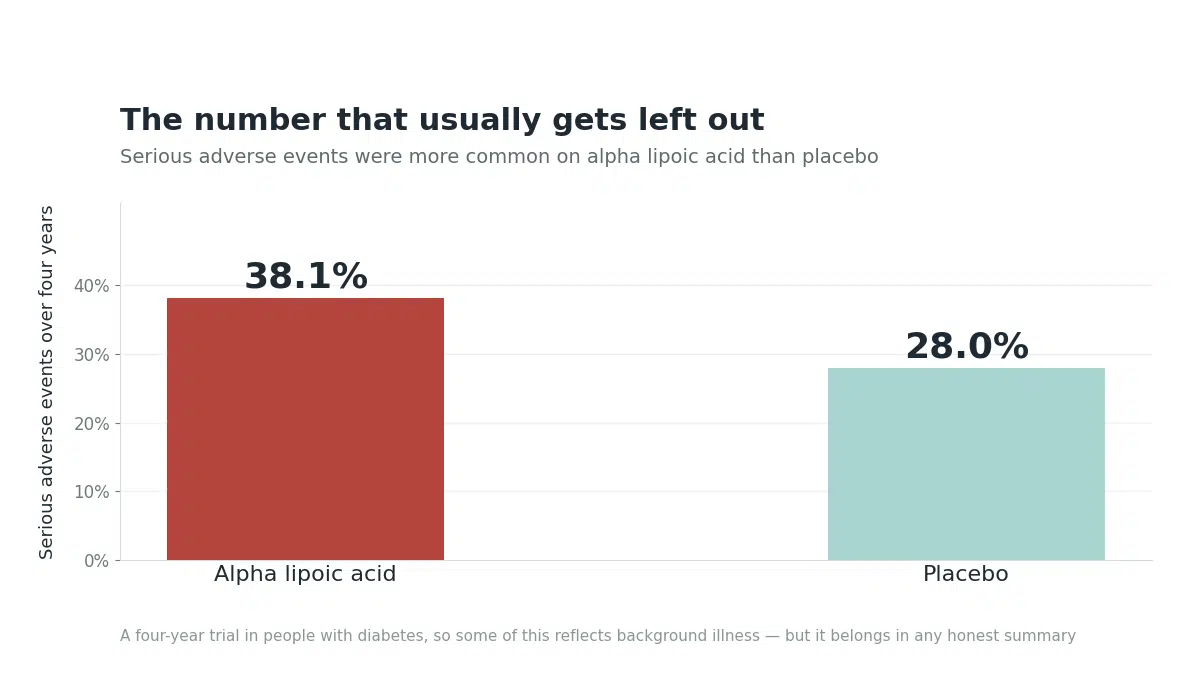
While generally well-tolerated, I always advise users to monitor for potential alpha lipoic acid side effects, the most frequent being gastrointestinal distress or skin rashes. Because ALA enhances glucose uptake, it can also lead to a drop in blood sugar; therefore, I suggest that individuals—especially those using insulin or Metformin—closely monitor for signs of hypoglycemia such as dizziness or shakiness.

How long should I expect to wait before noticing a reduction in nerve pain?

In my experience tracking patient outcomes, consistency is the most critical factor. Most people begin to notice a subtle shift in their symptoms after about three to five weeks of daily supplementation. However, for significant nerve fiber support and regeneration, I recommend committing to a routine for at least three to six months to allow the antioxidant effects to fully stabilize your cellular metabolism.

Can I take alpha lipoic acid alongside my other prescription medications?

I strongly suggest consulting with your healthcare provider before combining ALA with other treatments. Specifically, ALA may interact with chemotherapy drugs, thyroid medications like Levothyroxine, or blood-sugar-lowering medications. My goal is to ensure your safety, so always provide your doctor with a full list of your supplements, including brands like Now Foods or Solgar, to check for potential contraindications.

Related Posts

Can Ashwagandha Cause Weight Loss?
BLOG

Can Ashwagandha Cause Weight Loss?

July 23, 2026
Best High Fiber Foods for Pregnancy
BLOG

Best High Fiber Foods for Pregnancy for Healthy Moms

July 23, 2026
Food Sources of Tyrosine
BLOG

Food Sources of Tyrosine: Your Complete Guide to This Essential Amino Acid

July 23, 2026
Which Is the Best Tea for Weight Loss?
BLOG

Which Is the Best Tea for Weight Loss? Science-Backed Guide to 12 Effective Teas

July 22, 2026
Best Breakfast Cereals for Diabetics
BLOG

Best Breakfast Cereals for Diabetics: Smart Choices for Blood Sugar Control

July 22, 2026
Should Diabetics Eat Banana?
BLOG

Should Diabetics Eat Banana? A Complete Guide to Blood Sugar and Fruit

July 22, 2026
Natural Remedies for Nose Congestion
BLOG

Natural Remedies for Nose Congestion: Proven Solutions for Clear Breathing

July 22, 2026
freshly brewed green tea in transparent cup showing golden-green color with pH testing strip
BLOG

Is Green Tea Acidic? Understanding pH Levels and Health Implications

July 22, 2026
ProDentim Reviews: What Real Users Are Saying About This Oral Health Supplement
REVIEWS

ProDentim Reviews: What Real Users Are Saying About This Oral Health Supplement

July 24, 2026
How to Get Rid of Fat Neck
BLOG

How to Get Rid of Fat Neck: Complete Solutions Guide

July 22, 2026
Load More

Leave a Reply Cancel reply

Your email address will not be published. Required fields are marked *

I agree to the Terms & Conditions and Privacy Policy.

Our Mission

At HealthMagHub, our mission is to empower individuals and families to make informed health decisions by providing accurate, evidence-based, and easy-to-understand health information. We are committed to delivering high-quality content across a wide range of topics, including nutrition, fitness, weight management, men’s and women’s health, mental wellness, healthy aging, disease prevention, and in-depth health product reviews. Every article is carefully researched, fact-checked, and written with our readers’ well-being in mind. Our goal is to simplify complex health topics, promote healthier lifestyles, and build a trusted resource where people can confidently find reliable guidance, practical wellness tips, and the latest insights to support a healthier, happier life.

Can Ashwagandha Cause Weight Loss?
BLOG

Can Ashwagandha Cause Weight Loss?

by Jenna Castillo
July 23, 2026
0

Affiliate Disclosure: This article contains affiliate links. We may earn a commission from purchases made through these links at no...

Read moreDetails
Best High Fiber Foods for Pregnancy

Best High Fiber Foods for Pregnancy for Healthy Moms

July 23, 2026
Food Sources of Tyrosine

Food Sources of Tyrosine: Your Complete Guide to This Essential Amino Acid

July 23, 2026
Which Is the Best Tea for Weight Loss?

Which Is the Best Tea for Weight Loss? Science-Backed Guide to 12 Effective Teas

July 22, 2026
Best Breakfast Cereals for Diabetics

Best Breakfast Cereals for Diabetics: Smart Choices for Blood Sugar Control

July 22, 2026

Categories

  • BLOG
  • Brain Health
  • General Fitness
  • Hearing Health
  • Joint Health
  • Men's Health
  • Neuropathy Help
  • Oral Health
  • Prostate Health
  • REVIEWS
  • Skin Health
  • Toenail Fungus Help
  • Weight Loss
  • HOME
  • ABOUT
  • PRIVACY POLICY
  • Terms & Conditions
  • Affiliate Disclosure
  • Medical Disclaimer
  • Contact Us
  • SUBMIT YOUR REVIEW

© 2026 HealthMagHub. Trusted Health. Smarter Living. All Rights Reserved.

No Result
View All Result
  • HOME
  • BLOG
  • REVIEWS
  • TOOLS

© 2026 HealthMagHub. Trusted Health. Smarter Living. All Rights Reserved.

This website uses cookies. By continuing to use this website you are giving consent to cookies being used. Visit our Privacy and Cookie Policy.