

Do you remember the last time you experienced true silence? For millions of Americans, that quiet moment has been replaced by a persistent ringing, buzzing, or hissing sound. This condition can feel isolating, often leaving you searching for any path toward peace and restoration. Ringing ears driving you crazy? These are the best supplements for tinnitus relief that actually work, based on real research on magnesium, zinc, and more.
It is natural to look for answers when your daily life feels disrupted by constant noise. While there is no single magic pill, many people are turning to nutritional support to help manage their symptoms. Understanding the science behind these options is a vital step in reclaiming your quality of life.
Navigating the world of wellness can be overwhelming, but focusing on evidence-based approaches makes a significant difference. By choosing the right nutrients, you can support your auditory health and potentially lower the impact of ear ringing. This guide explores how specific vitamins and minerals may help you find the calm you deserve.
Key Takeaways
- Tinnitus affects millions, creating a need for effective, evidence-based management strategies.
- No single cure exists, but targeted nutrition can support overall auditory health.
- Consulting with a healthcare professional is essential before starting any new regimen.
- Focusing on high-quality ingredients helps ensure safety and potential efficacy.
- Small lifestyle adjustments combined with proper support can improve your daily comfort.
Understanding the Complexity of Tinnitus
At its core, tinnitus represents a sophisticated interaction between the auditory system and the brain. It is not a disease in itself, but rather a symptom that signals an underlying physiological or neurological change. When you perceive sounds like ringing, buzzing, or hissing without an external acoustic stimulus, your brain is essentially creating a phantom signal.
This phenomenon occurs because the auditory pathways are attempting to compensate for a lack of sensory input. When the ear fails to send clear signals to the brain, the central nervous system may become hyperactive. This leads to the generation of internal noise that the brain interprets as sound.
Because every person has a unique neurological makeup, the experience of tinnitus varies significantly among sufferers. Some individuals might hear a high-pitched whistle, while others describe a low-frequency hum or even rhythmic pulsing. These differences depend on the specific area of the auditory system that is affected and how the brain processes those phantom sounds.
A multifaceted approach is often necessary to manage these symptoms effectively. By recognizing that tinnitus is a complex condition, you can better understand why there is no single “cure” that works for everyone. Instead, treatment focuses on calming the nervous system and retraining the brain to ignore these persistent signals.
| Tinnitus Type | Common Description | Potential Mechanism |
|---|---|---|
| Subjective | Ringing or buzzing | Neurological compensation |
| Objective | Clicking or pulsing | Vascular or muscular issues |
| Somatic | Fluctuating intensity | Sensory system interaction |
Understanding these distinctions is the first step toward finding relief. By identifying the nature of your specific symptoms, you can work with healthcare providers to develop a personalized strategy for long-term management.
The Science Behind Nutritional Deficiencies and Ear Ringing
Your body relies on a precise balance of nutrients to maintain the health of delicate inner ear structures. When these levels drop, the auditory system may struggle to function correctly, leading to persistent noise. Research suggests that specific nutritional deficiencies can exacerbate the severity of symptoms in many individuals, making the search for effective vitamins for tinnitus relief a priority for those seeking comfort.
The inner ear contains tiny hair cells that translate sound waves into electrical signals for the brain. These cells are incredibly sensitive and require a steady supply of micronutrients to remain healthy and resilient. If your diet lacks essential minerals or vitamins, these cells may become damaged or fail to transmit signals properly, which often manifests as ringing or buzzing.
Bridging the gap in a standard diet through targeted supplementation can sometimes support auditory health. However, it is crucial to approach this process with caution. Before starting any new regimen of vitamins for tinnitus relief, you should always consult with a healthcare professional to determine if a deficiency actually exists.
A professional assessment, including comprehensive blood work, is the only way to identify your specific needs. Relying on guesswork can lead to imbalances that might do more harm than good. By working with a doctor, you ensure that your approach to managing ear ringing is both safe and evidence-based, providing your body with exactly what it needs to thrive.
Evaluating the Best Supplements For Tinnitus Relief That Actually Work
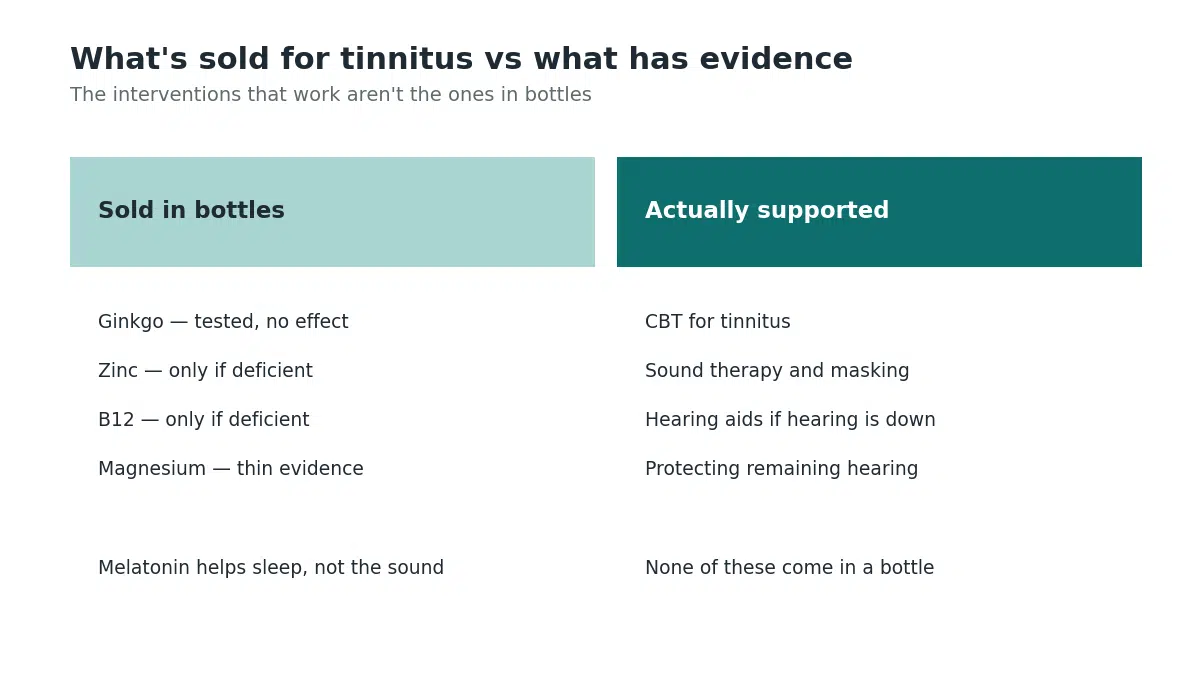
When you explore the best supplements for tinnitus relief that actually work, you must prioritize clinical validation over popular trends. Many products claim to silence ear ringing, yet only a few possess the scientific backing required to support such bold assertions. It is essential to distinguish between anecdotal reports found on social media and rigorous, peer-reviewed studies.
The effectiveness of any intervention often depends on the underlying cause of your symptoms. For instance, if your tinnitus stems from a specific nutrient deficiency, targeted supplementation may provide noticeable improvements. However, if the condition is related to structural damage or neurological factors, the results might be far more limited.
Scientific scrutiny is the most reliable tool for filtering out ineffective options. Researchers often examine how specific compounds influence blood flow, nerve health, and inflammation within the auditory system. By focusing on the best supplements for tinnitus relief that actually work, you can make informed decisions that align with your unique health profile.
The following table provides a summary of common compounds often discussed in the context of auditory health and their general status in clinical research.
| Supplement | Primary Focus | Evidence Level | Common Usage |
|---|---|---|---|
| Zinc | Auditory Nerve Health | Moderate | Deficiency Correction |
| Magnesium | Nerve Protection | Emerging | Stress Reduction |
| Ginkgo Biloba | Blood Circulation | Mixed | Vascular Support |
| Vitamin B12 | Nerve Regeneration | High | Neurological Health |
Always remember that supplements should complement, not replace, professional medical advice. Consulting with a healthcare provider ensures that your chosen regimen is safe and appropriate for your specific needs. Taking a cautious, evidence-based approach is the most effective way to manage persistent ear ringing.
Zinc Supplementation and Its Role in Auditory Health
Many people overlook the connection between zinc and ear ringing when searching for relief. This essential mineral is involved in numerous enzymatic processes that are vital for maintaining the delicate structures of the inner ear. When your body lacks sufficient levels of this nutrient, it may struggle to support healthy auditory function.
Older populations are particularly prone to deficiencies, which can exacerbate the perception of phantom sounds. Research indicates that zinc supplementation might help stabilize auditory pathways, potentially reducing the intensity of the noise you experience. By ensuring your body has enough of this mineral, you provide the necessary support for your ear’s complex internal systems.
It is important to approach supplementation with caution, as more is not always better. The recommended daily intake for adults is generally modest, and exceeding these limits can lead to adverse health effects. Always consult with a healthcare provider to determine if a deficiency is contributing to your symptoms of zinc and ear ringing.
| Feature | Benefit | Safety Note |
|---|---|---|
| Enzymatic Support | Maintains inner ear health | Avoid high doses |
| Pathway Stability | Reduces phantom sounds | Monitor daily intake |
| Deficiency Correction | Supports auditory nerves | Consult a professional |
Understanding the balance between nutritional support and safety is key to effective management. While zinc is a powerful tool, it should be part of a broader strategy for your overall auditory wellness. Proper guidance ensures you achieve the best results without unnecessary risks.
Magnesium for Tinnitus and Nerve Function
Many people suffering from auditory issues find that magnesium for tinnitus offers a promising path toward relief. This essential mineral acts as a gatekeeper for your auditory system, protecting delicate nerve cells from damage. By preventing excitotoxicity, it ensures that your nerves do not become overstimulated by external sounds.
When your body lacks sufficient levels of this mineral, the auditory system often becomes hypersensitive. This deficiency is frequently linked to a persistent ringing sensation that can disrupt daily life. Maintaining adequate levels is therefore vital for those looking to support their long-term hearing health.
Beyond nerve protection, magnesium plays a significant role in blood vessel relaxation. Proper circulation is necessary to deliver oxygen and nutrients to the inner ear. Using magnesium for tinnitus can help improve blood flow, which may reduce the intensity of the ringing you experience.
Not all supplements are created equal, as bioavailability varies significantly between different forms. Choosing the right type ensures that your body can effectively absorb and utilize the mineral. Below is a comparison of common forms to help you make an informed decision regarding your health.
| Magnesium Form | Bioavailability | Primary Benefit |
|---|---|---|
| Magnesium Glycinate | High | Gentle on stomach and highly absorbable |
| Magnesium Citrate | Moderate | Commonly used for general supplementation |
| Magnesium Oxide | Low | Often used for digestive support |
| Magnesium Malate | High | Supports energy production and nerve function |
Incorporating magnesium for tinnitus into your routine is a proactive step toward managing auditory discomfort. Always consult with a healthcare provider to determine the appropriate dosage for your specific needs. By focusing on nerve health and circulation, you can better support your auditory system naturally.
The Efficacy of Ginkgo Biloba for Blood Flow
Ginkgo biloba remains one of the most frequently researched herbal supplements for those seeking to improve inner ear circulation. This ancient plant extract is widely recognized for its potential to enhance peripheral blood flow throughout the body. Many researchers believe that by improving microcirculation, this supplement may provide relief for individuals whose ear ringing is linked to vascular issues.
The inner ear relies on a delicate network of blood vessels to function correctly. When blood flow is restricted, it can lead to auditory disturbances or age-related hearing loss. Ginkgo biloba extract is thought to support these tiny vessels, potentially reducing the perceived loudness of tinnitus in some users.
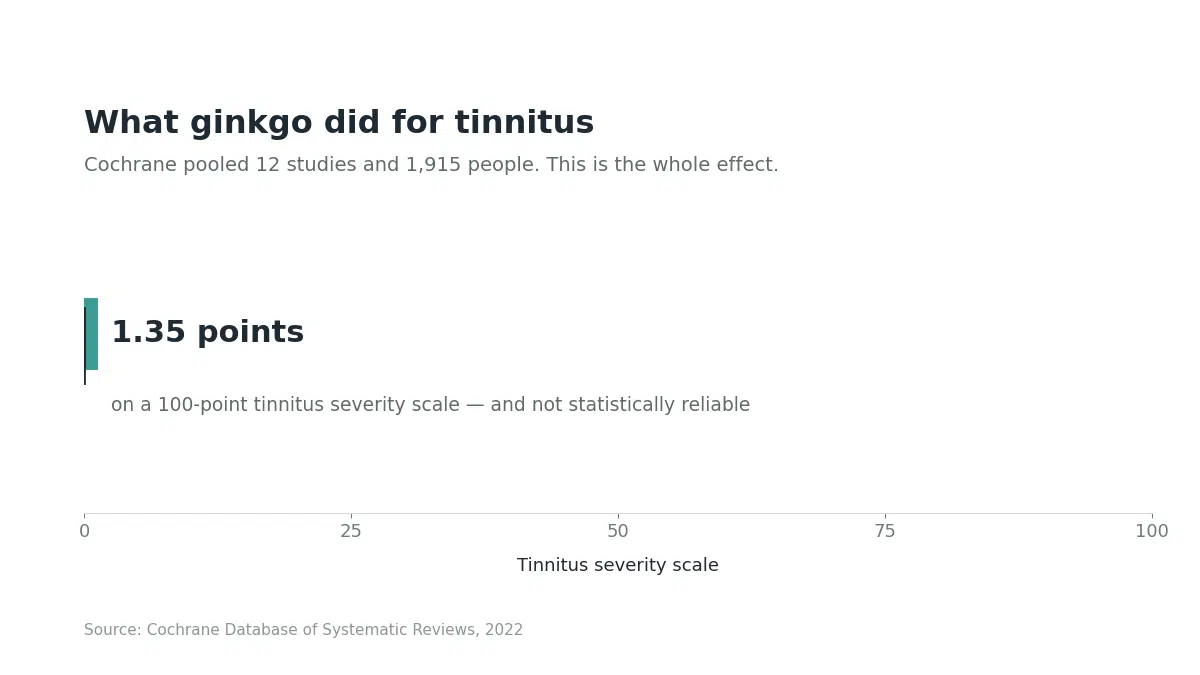
However, the clinical evidence regarding its effectiveness remains mixed. While some studies suggest a positive impact, others show little difference compared to a placebo. These varying results often depend on the specific extract used and the underlying cause of the individual’s tinnitus.
It is important to approach these findings with an objective mindset. Not every person will experience the same benefits, as tinnitus is a highly complex condition with many different triggers. Consulting with a healthcare provider is always the best step before adding any new supplement to your daily routine.
Vitamin B12 and Its Impact on Nerve Regeneration
If you are searching for effective vitamins for tinnitus relief, Vitamin B12 should be at the top of your list. This essential nutrient is vital for maintaining the myelin sheath, which acts as a protective coating for your nerves. Without enough B12, nerve signals can become disrupted, potentially leading to auditory issues.
The health of your auditory nerve depends heavily on consistent B12 levels. When this nerve is compromised, it may contribute to the perception of ringing or buzzing sounds in the ears. By supporting nerve repair, B12 serves as a foundational element in many protocols designed to manage ear noise.
Deficiencies in this vitamin are surprisingly common, particularly among the elderly and those following a strict vegetarian diet. Because the body does not produce B12 on its own, you must obtain it through food or supplementation. Regular blood testing is the only way to confirm if your levels are within a healthy range.
Consulting with a healthcare provider to check your B12 status is a smart step for anyone exploring vitamins for tinnitus relief. If a deficiency is identified, targeted supplementation can often help restore nerve function. Prioritizing your neurological health is a proactive way to support your overall auditory well-being.
Melatonin as a Sleep Aid for Tinnitus Sufferers
Melatonin is often recognized for its role in sleep, but it may offer unique benefits for those struggling with tinnitus. Many individuals find that the persistent sound of ringing in their ears becomes significantly more intrusive during the quiet hours of the night. This creates a difficult cycle where poor sleep quality leads to increased stress, which in turn makes the tinnitus feel even louder.
It is important to understand that melatonin is not a direct cure for the underlying causes of tinnitus. Instead, it serves as a valuable tool to help manage the secondary effects of the condition. By promoting a more restful sleep environment, it allows the nervous system to recover from the daily strain of managing auditory symptoms.

Beyond its primary function as a sleep aid, melatonin is known for its antioxidant properties. Some researchers suggest that these properties may provide secondary benefits for overall auditory health by protecting cells from oxidative stress. This dual action makes it a popular choice for those looking to support their well-being while dealing with ear ringing.
Furthermore, melatonin helps the body regulate its natural circadian rhythm. When your internal clock is balanced, you are better equipped to handle the emotional and physical challenges that come with chronic tinnitus. Incorporating this supplement into a comprehensive management plan can be a vital step toward reclaiming your nights and improving your daily quality of life.
The Role of Vitamin D in Inner Ear Homeostasis
Recent research highlights the vital role of Vitamin D in maintaining inner ear homeostasis. This essential nutrient acts as a regulatory powerhouse, supporting the structural integrity of the delicate tissues within the auditory system. When these levels drop, the inner ear may struggle to function at its peak, potentially leading to various auditory disturbances.
Studies suggest that low serum levels of this vitamin are frequently associated with hearing loss and chronic tinnitus. The inner ear requires a stable environment to process sound correctly, and Vitamin D helps manage the calcium balance necessary for these complex biological processes. Maintaining optimal levels is not just about bone health; it is a fundamental aspect of protecting your hearing.
You can support your auditory health by focusing on three primary sources: sunlight exposure, a balanced diet, and targeted supplementation. While sunlight is the most natural way to boost your levels, many individuals in the United States struggle to get enough due to indoor lifestyles or geographic location. Incorporating foods like fatty fish, egg yolks, and fortified dairy can provide a helpful foundation.
“Vitamin D is a crucial hormone-like substance that influences almost every cell in the body, including those responsible for our ability to hear and maintain balance.”
For those experiencing persistent ear ringing, monitoring your blood levels is a proactive and necessary step. Consulting with a healthcare provider to check your serum levels allows for a personalized approach to supplementation. By ensuring your body has the resources it needs, you create a more resilient environment for your inner ear to thrive.
Natural Remedies for Tinnitus Beyond Traditional Vitamins
Exploring natural remedies for tinnitus often involves looking beyond standard vitamins and minerals. Many individuals find that addressing systemic inflammation and daily stress provides a more comprehensive path to relief. By focusing on the body as a whole, you can create an environment that supports auditory comfort.
Herbal extracts have gained attention for their potential to soothe the nervous system. For instance, some practitioners suggest that specific plant-based compounds may help reduce the intensity of phantom sounds. These alternative approaches work best when integrated into a consistent daily routine rather than used as quick fixes.
Dietary modifications play a crucial role in managing the body’s overall response to ear ringing. Adopting an anti-inflammatory diet is one of the most effective natural remedies for tinnitus. This approach typically emphasizes whole foods, such as leafy greens, berries, and healthy fats, while minimizing processed sugars and excessive sodium.
Reducing systemic stress is equally vital for long-term success. Chronic inflammation can exacerbate auditory sensitivity, making it harder to ignore persistent noise. By choosing nutrient-dense foods, you provide your body with the tools it needs to maintain inner ear health and reduce systemic irritation.
Ultimately, these natural remedies for tinnitus should be viewed as part of a holistic lifestyle change. Relying on isolated solutions rarely yields the desired results. When you combine mindful eating with stress-reduction techniques, you build a stronger foundation for managing your symptoms effectively.
How to Stop Ear Ringing Naturally Through Lifestyle Adjustments
Learning how to stop ear ringing naturally starts with understanding how your environment affects your ears. While medical interventions exist, lifestyle adjustments are often the most effective way to manage the impact of tinnitus on your daily life. By making small, consistent changes, you can often regain a sense of control over your auditory environment.
One of the most critical steps is reducing your exposure to loud noises. Constant exposure to high decibel levels can worsen symptoms and damage delicate hair cells in the inner ear. Protecting your hearing with earplugs in noisy settings or simply avoiding overly loud environments is a foundational practice for long-term relief.
Stress management also plays a vital role in how you perceive sound. High stress levels can trigger or amplify the intensity of the ringing sensation. Incorporating mindfulness, deep breathing exercises, or yoga into your routine can help lower your overall stress response, making the tinnitus feel less intrusive.
Improving your sleep hygiene is another essential strategy for those seeking natural remedies for tinnitus. Poor sleep often exacerbates the perception of ear noise, creating a difficult cycle for many individuals. Establishing a consistent bedtime routine and keeping your bedroom quiet can significantly improve your quality of rest.
Beyond these habits, sound therapy and cognitive behavioral techniques offer powerful tools for managing the condition. Sound therapy uses background noise to mask the ringing, while cognitive behavioral techniques help shift your mental focus away from the sound. By combining these approaches, you can discover effective ways to minimize the disruption that tinnitus causes in your life.
Identifying Potential Risks and Interactions of Tinnitus Supplements
While many people turn to natural aids for relief, it is vital to understand that every tinnitus supplemen carries its own set of risks. Even natural ingredients can trigger unexpected reactions when they enter your system. You must approach these products with the same caution you would apply to any pharmaceutical drug.

One major concern involves how these products interact with your current medications. For example, Ginkgo Biloba is often used for circulation, but it can significantly increase the risk of bleeding if taken alongside blood thinners like Warfarin. Always research every tinnitus supplemen before adding it to your daily routine to ensure it does not conflict with your health needs.
The following table outlines common interactions that you should discuss with your doctor to avoid adverse effects.
| Supplement | Common Interaction | Potential Risk |
|---|---|---|
| Ginkgo Biloba | Blood Thinners | Increased bleeding risk |
| Magnesium | Antibiotics | Reduced medication absorption |
| Melatonin | Sedatives | Excessive drowsiness |
| Zinc | Tinnitus supplemen | Copper deficiency |
The Importance of Consulting Healthcare Professionals
Before you begin any supplement regimen for tinnitus, you must prioritize a thorough evaluation by a qualified healthcare provider. Attempting to self-treat auditory symptoms without a formal diagnosis can be risky. You might inadvertently overlook underlying conditions that require specific medical intervention rather than simple nutritional support.
A visit to an audiologist or an ENT specialist serves as the foundation for any effective management plan. These experts possess the diagnostic tools necessary to rule out serious causes of ear ringing, such as acoustic neuromas or complex cardiovascular issues. Early detection is vital for ensuring that your treatment path is both safe and appropriate for your specific health profile.
Establishing a collaborative relationship with your doctor allows for a more personalized approach to your well-being. When you share your symptoms and supplement interests with a professional, they can monitor your progress and adjust your care as needed. This partnership is essential for achieving long-term success in managing your symptoms.
“The art of medicine consists of amusing the patient while nature cures the disease, but the science of medicine requires a clear diagnosis before any intervention begins.”
Ultimately, your health is too important to leave to guesswork. By working closely with medical professionals, you ensure that every step you take is backed by clinical evidence. This proactive strategy provides peace of mind and helps you avoid the potential pitfalls of unmonitored self-care.
Distinguishing Between Evidence-Based Relief and Placebo Effects
Navigating the supplement market requires a sharp eye for distinguishing real science from clever marketing. Many products promise quick fixes for ear ringing, yet they often lack the rigorous testing needed to back those claims. Consumers frequently find themselves overwhelmed by flashy advertisements that prioritize sales over actual health outcomes.
To make informed choices, you must learn how to evaluate clinical studies. A high-quality study typically involves a large group of participants, a control group, and a double-blind design. These methods help researchers determine if a supplement truly works or if the results are merely coincidental. Always look for peer-reviewed journals rather than relying solely on testimonials found on product websites.
Tinnitus is a subjective condition, which makes it particularly susceptible to the placebo effect. Because the perception of sound is internal, a person’s belief that a treatment will work can sometimes lead to a temporary reduction in symptoms. This psychological response can be powerful, but it does not mean the supplement has a physiological impact on the auditory system.
When you encounter a new product, ask yourself if the evidence is based on objective data or subjective reports. Critical thinking is your best defense against wasting money on ineffective strategies. By focusing on evidence-based relief, you can invest your time and resources into methods that have a higher probability of providing genuine, long-term support for your auditory health.
Setting Realistic Expectations for Tinnitus Management
When you begin using a tinnitus supplemen, it is vital to keep your expectations grounded in reality. Many individuals search for a total cure, but the most successful approach involves shifting your focus toward long-term management. This transition is essential for reducing the emotional distress often linked to persistent ear ringing.
The process of habituation is a powerful psychological tool. Over time, your brain learns to categorize the phantom sound as non-threatening background noise. By consistently using a tinnitus supplemen as part of a broader wellness plan, you support your body while your mind undergoes this natural filtering process.
It is helpful to view your progress through the lens of quality of life rather than the complete absence of sound. Healing is not always about returning to the way things were, but about finding a new way to exist in peace. This perspective allows you to reclaim your daily activities without the constant pressure of seeking an immediate fix.
“The goal of therapy is not to eliminate the sound, but to change your relationship with it so that it no longer controls your life.”
To better understand this shift, consider the differences between a cure-oriented mindset and a management-oriented strategy. The following table outlines how these two approaches impact your daily experience with a tinnitus supplemen.
| Feature | Cure-Focused | Management-Focused |
|---|---|---|
| Primary Goal | Silence the sound | Reduce the distress |
| Success Metric | Zero ringing | Improved sleep and focus |
| Timeframe | Immediate results | Gradual habituation |
| Mental State | High anxiety | Calm acceptance |
Ultimately, patience remains your greatest asset. While a supplement may provide nutritional support, the real change happens as you adapt your lifestyle and mindset. By staying consistent and realistic, you can significantly improve your overall well-being.
Conclusion
Managing persistent ear ringing requires a dedicated commitment to your overall health. You can improve your quality of life by combining targeted nutritional support with consistent lifestyle habits.
Evidence-based strategies remain the most reliable path toward symptom relief. Always prioritize guidance from medical professionals to ensure your chosen path aligns with your specific health needs. Brands like Nature Made or Thorne Research offer high-quality options, but your doctor should approve any new regimen first.
Small changes often lead to significant improvements over time. Focus on maintaining a balanced diet and reducing stress to support your inner ear function. These steps empower you to take an active role in your recovery journey.
Auditory health research continues to evolve at a rapid pace. New discoveries offer hope for more effective treatments in the near future. Stay informed about these developments to keep your management plan current and effective.
Your path to relief is unique. Patience and persistence will serve you well as you navigate these options. Trust the process and keep moving toward a quieter, more comfortable daily experience.