

Waking up to a persistent tingling or burning sensation in your extremities can feel incredibly isolating. You are not alone in this struggle, as millions of Americans navigate the daily challenges of nerve-related discomfort. This condition often disrupts sleep, movement, and the simple joys of life.
Many individuals now look toward nutritional support to manage these symptoms alongside traditional medical care. Finding the best supplements for neuropathy pain in feet and hands requires understanding how specific vitamins and minerals support nerve health. By choosing evidence-based options, you can take a proactive step toward reclaiming your comfort.
This guide explores how targeted nutrients may help soothe your nerves. We focus on natural approaches that serve as a complementary strategy to your current wellness routine.
Key Takeaways
- Peripheral nerve issues affect millions, often causing significant daily distress.
- Nutritional support acts as a vital bridge to traditional medical treatments.
- Targeted vitamins can help reduce inflammation and support nerve regeneration.
- Consistency is essential when integrating new wellness habits into your routine.
- Always consult with a healthcare provider before starting any new regimen.
Understanding Peripheral Neuropathy and the Role of Supplementation
Peripheral neuropathy occurs when the nerves located outside of your brain and spinal cord suffer damage. This condition frequently manifests as persistent pain, tingling, or weakness in the hands and feet. Because these nerves are responsible for sending signals from your extremities to your central nervous system, any disruption can significantly impact your daily quality of life. The National Institute of Neurological Disorders and Stroke (NINDS) offers detailed, research-backed information on peripheral neuropathy for anyone who wants to dig deeper into the underlying condition.
At the core of this issue is the myelin sheath, a protective coating that surrounds your nerve fibers. Think of this sheath as the insulation on an electrical wire; when it becomes damaged or wears thin, the electrical signals traveling through your nerves become erratic or weak. This breakdown is often what leads to the uncomfortable sensations many people describe as “pins and needles” or burning pain.
Supplementation plays a vital role in supporting the body’s natural ability to maintain and repair these nerve structures. By providing the body with essential nutrients, you can help fortify the myelin sheath and improve the efficiency of nerve signal transmission. These nutrients act as the building blocks necessary for cellular repair and long-term nerve health.
Understanding the underlying mechanisms of nerve damage allows you to make informed decisions about your wellness journey. Rather than just masking symptoms, targeted supplementation aims to address the physiological needs of your nervous system. With the right approach, you can better support your body’s resilience against the challenges posed by peripheral neuropathy.
Alpha Lipoic Acid for Neuropathy: The Gold Standard
When exploring options for nerve health, alpha lipoic acid for neuropathy often emerges as the top recommendation among healthcare providers. This naturally occurring compound functions as a potent antioxidant, which is essential for protecting delicate nerve tissues from damage.
By neutralizing harmful free radicals, this supplement effectively reduces oxidative stress. This process is vital because high levels of oxidative stress are a primary driver of nerve cell degradation in the feet and hands.
Beyond its antioxidant properties, this compound plays a critical role in supporting vascular health. It helps improve blood flow to the nerves, ensuring they receive the oxygen and nutrients required for proper function. Many patients find that using alpha lipoic acid for neuropathy helps lower the intensity of the painful burning sensations that often disrupt their daily lives. If you want specifics on how much to take and when, our guide to alpha lipoic acid dosage for nerve pain relief breaks down the details.
Clinical research consistently highlights this supplement as a reliable tool for nerve pain management. Because of its dual action in fighting inflammation and supporting circulation, it is frequently regarded as the gold standard in the field of integrative medicine.
Incorporating this supplement into a daily routine may offer significant relief for those struggling with persistent discomfort. As always, consistency remains key when utilizing alpha lipoic acid for neuropathy to achieve the best possible outcomes for your long-term nerve health.
B Vitamins for Nerve Pain: Essential Nutrients for Repair
When addressing chronic nerve discomfort, b vitamins for nerve pain are often the first line of defense for many patients. These essential nutrients act as the building blocks for healthy nerve tissue and efficient signal transmission. Without adequate levels, your body struggles to maintain the protective myelin sheath that surrounds your nerves.
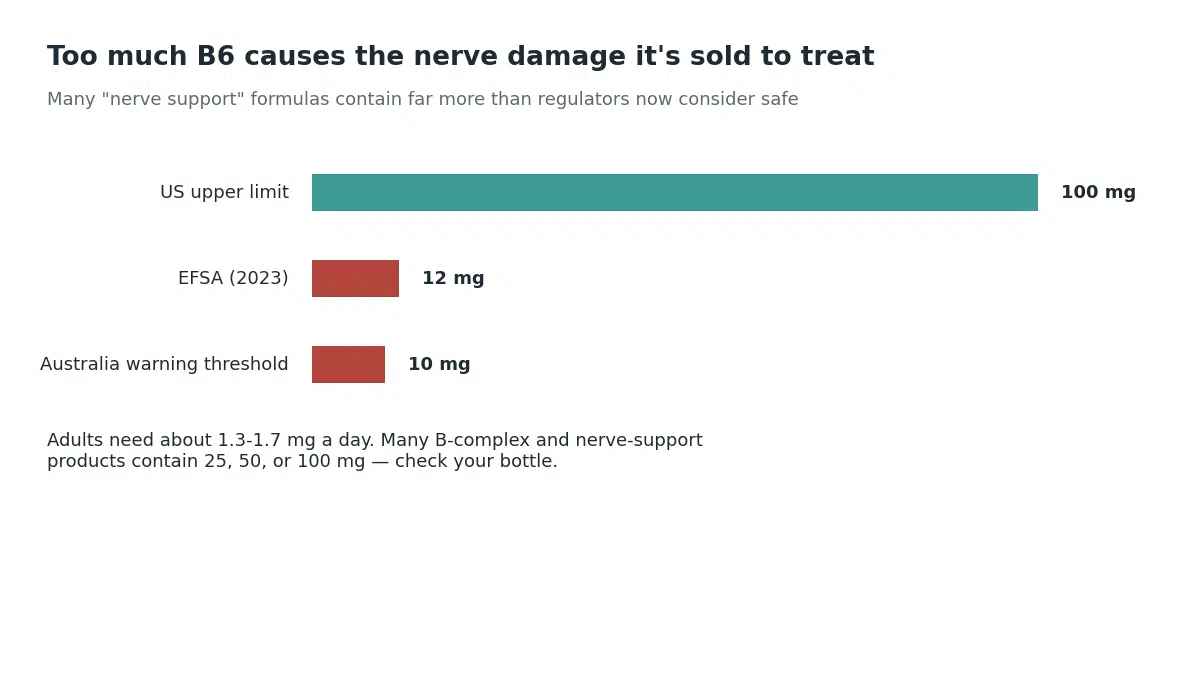
Deficiencies in B1, B6, and B12 frequently lead to sensory degradation in the extremities. You might notice tingling, numbness, or sharp sensations in your feet and hands when these levels drop too low. Consistent supplementation helps restore the structural integrity of damaged nerve fibers over time.
The metabolic function of your nervous system depends on a steady supply of these vitamins. By incorporating a high-quality B-complex, you provide your body with the tools necessary for nerve regeneration. Many individuals report a significant reduction in discomfort once their nutritional status is balanced.
| Vitamin | Primary Nerve Benefit | Deficiency Symptom |
|---|---|---|
| Vitamin B1 (Thiamine) | Supports glucose metabolism | Burning sensations |
| Vitamin B6 (Pyridoxine) | Aids neurotransmitter synthesis | Numbness and tingling |
| Vitamin B12 (Cobalamin) | Protects myelin sheath | Loss of sensation |
Using b vitamins for nerve pain is a proactive approach to long-term health. Always ensure you choose a bioavailable form of these vitamins to maximize absorption. Proper supplementation remains a cornerstone of effective nerve care strategies.
Acetyl-L-Carnitine for Nerve Regeneration
Nerve cells rely heavily on efficient energy production, which is where Acetyl-L-Carnitine plays a critical role. This amino acid derivative acts as a powerhouse for your cells, specifically targeting the mitochondria to ensure they function at their best. By supporting these cellular engines, it helps maintain the delicate balance required for healthy nerve metabolism.
When peripheral neuropathy affects the body, the ability of nerves to repair themselves often diminishes. Acetyl-L-Carnitine is widely recognized for its potential to promote nerve regeneration, offering a glimmer of hope for those dealing with persistent discomfort. It works by facilitating the transport of fatty acids into the mitochondria, which provides the necessary fuel for nerve cell maintenance and repair.
Many patients report a noticeable reduction in the frequency of painful episodes after incorporating this supplement into their daily routine. By stabilizing nerve membranes and improving overall nerve conduction, it addresses some of the underlying issues associated with nerve damage. This makes it a cornerstone for anyone looking to support their nervous system from the inside out.
Understanding the biological importance of carnitine is a major step in managing long-term nerve health. Because it supports the structural integrity of nerve fibers, it is more than just a simple supplement; it is a vital nutrient for cellular recovery. Consistent use may help bridge the gap between chronic pain and improved daily function.
Magnesium and Its Impact on Nerve Sensitivity
Understanding how magnesium stabilizes nerve membranes can change how you manage daily discomfort. This essential mineral acts as a natural calcium channel blocker, which is vital for maintaining a calm nervous system. When calcium levels become too high within nerve cells, it can lead to hyperexcitability and chronic pain.
By regulating the flow of calcium, magnesium helps prevent this over-activity. This process is crucial for those who experience frequent tingling or burning sensations in their extremities. Maintaining adequate levels of this mineral supports overall neurological comfort and helps keep your nerves functioning smoothly.
Beyond its role in nerve signaling, magnesium is highly effective at reducing muscle cramping. Many individuals with nerve-related issues also suffer from involuntary muscle twitches, spasms, or accompanying joint stiffness. If joint discomfort is part of your picture alongside nerve pain, our Joint Genesis review covers a supplement formulated specifically for joint support. Ensuring your body has enough magnesium can provide significant relief from these secondary symptoms.
Choosing the right form of magnesium is important for absorption and effectiveness. Different types offer unique benefits for those seeking to improve their nerve health and daily quality of life.
| Magnesium Type | Primary Benefit | Absorption Rate |
|---|---|---|
| Magnesium Glycinate | Highly absorbable and calming | High |
| Magnesium Citrate | Supports muscle relaxation | Moderate |
| Magnesium Malate | Energy production and nerve support | High |
| Magnesium Oxide | General supplementation | Low |
Curcumin and Anti-Inflammatory Support for Nerves
Curcumin, the vibrant compound found in turmeric, offers a natural way to address the inflammation often linked to nerve pain. This golden spice has been used for centuries, but modern science now highlights its specific role in calming irritated nerve pathways. By targeting the underlying inflammatory response, it may help slow the progression of nerve-related discomfort.
Chronic inflammation acts as a silent contributor to the degradation of nerve health. When the body remains in a state of constant inflammation, it can accelerate the damage seen in peripheral neuropathy. Reducing this systemic inflammation is a critical step in protecting your nerves from further harm.
One major challenge with standard turmeric is that the body struggles to absorb it effectively. To achieve a therapeutic effect, you must prioritize bioavailability when selecting a supplement. Many high-quality products combine curcumin with black pepper extract, known as piperine, to significantly boost absorption rates.
Liposomal formulations or phytosome complexes are other advanced methods used to ensure the compound reaches your bloodstream. Without these enhancements, much of the supplement may pass through your system without providing the desired relief. Always check the label to ensure the product is designed for maximum absorption.
Incorporating this supplement into your routine could be a game-changer for managing nerve sensitivity. While it is not a cure, its ability to modulate inflammatory markers makes it a valuable tool for long-term nerve support. Consult with your healthcare provider to determine the right dosage for your specific needs.
Omega-3 Fatty Acids for Reducing Nerve Inflammation
Omega-3 fatty acids play a critical role in maintaining the structural integrity of your nerves. These essential fats, primarily known as EPA (eicosapentaenoic acid) and DHA (docosahexaenoic acid), act as powerful agents against systemic inflammation. By lowering inflammatory markers in the body, they help protect nerve fibers from ongoing damage.
The health of your nerve cell membranes depends heavily on the presence of these healthy fats. When your body has adequate levels of Omega-3s, the membranes remain fluid and flexible. This structural support is vital for maintaining proper nerve conduction velocity, which ensures that signals travel efficiently between your brain and your extremities.
Incorporating high-quality fish oil into your daily supplement regimen offers significant long-term benefits. Consistent intake helps create a stable environment for nerve repair and regeneration. Many individuals find that over time, this nutritional support leads to a noticeable reduction in the intensity of nerve-related discomfort.
Choosing the right source of Omega-3s is essential for maximizing these health outcomes. The following table outlines the primary differences between common sources of these beneficial fatty acids.
| Source Type | Primary Benefit | Absorption Rate | Best For |
|---|---|---|---|
| Cold-Water Fish | High EPA/DHA content | Excellent | General nerve support |
| Algal Oil | Vegan-friendly DHA | High | Plant-based diets |
| Krill Oil | High bioavailability | Superior | Targeted inflammation |
| Flaxseed Oil | Rich in ALA | Moderate | Overall wellness |
By prioritizing these essential nutrients, you provide your body with the building blocks necessary for nerve health. Always look for supplements that are third-party tested to ensure purity and potency. A steady, daily approach is the most effective way to manage inflammation and support your nervous system over the long term.
Vitamin D and Its Connection to Nerve Health
Emerging research highlights a critical connection between low Vitamin D levels and the onset of neuropathic pain. Many individuals experiencing chronic discomfort in their extremities may find that their body lacks this essential nutrient. Correcting a deficiency is often a foundational step in managing nerve-related symptoms effectively.
Vitamin D functions much like a neurosteroid within the human body. This means it plays a direct role in regulating neurological processes rather than just supporting bone density. By acting on specific receptors in the nervous system, it helps maintain the structural integrity of your nerves.
One of the most vital roles of this nutrient is its influence on nerve growth factor (NGF) production. NGF is a protein that promotes the survival and growth of neurons. When levels are insufficient, the body struggles to repair damaged nerve fibers, which can lead to persistent tingling or numbness.
To ensure that your supplementation strategy is working, you must monitor your blood levels regularly. A simple blood test can reveal whether your current intake is sufficient to support nerve repair. Consulting with a healthcare provider to establish a baseline is the safest way to optimize your levels for long-term neurological health.
The Best Supplements for Neuropathy Pain in Feet and Hands
Selecting the best supplements for neuropathy pain in feet and hands requires a careful look at ingredient quality and clinical backing. With so many options on the market, it is essential to prioritize brands that focus on purity and bioavailability. The following products are widely recognized for their commitment to supporting nerve health through high-quality formulations.

Life Extension Super R-Lipoic Acid
Overview
Life Extension is a leader in the supplement industry, known for its rigorous testing standards. Their Super R-Lipoic Acid is designed to provide a more stable and potent form of alpha-lipoic acid compared to standard versions.
Pros
- Highly bioavailable form of R-lipoic acid.
- Supports healthy mitochondrial function.
- Backed by a reputable brand with extensive quality control.
Cons
- Higher price point than generic alpha-lipoic acid.
- Some users may experience mild digestive sensitivity.
Features
This supplement features a stabilized form of R-lipoic acid, which is the naturally occurring form found in the body. It is formulated to be more effective at crossing the blood-brain barrier, offering superior support for nerve cells.
Nature Made B-Complex with Vitamin C
Overview
B vitamins are critical for maintaining healthy nerve function. Nature Made offers a reliable B-complex that combines essential B vitamins with Vitamin C to support overall immune and nerve health.
Pros
- Affordable and widely available in most retail stores.
- Includes a comprehensive blend of B vitamins.
- USP verified for quality and purity.
Cons
- Contains lower dosages compared to specialized clinical-grade formulas.
- Tablets can be large for some individuals to swallow.
Features
The formula includes a balanced ratio of B1, B6, and B12, which are essential for nerve repair. The addition of Vitamin C provides antioxidant support, helping to protect nerves from oxidative stress.
Doctor’s Best Acetyl-L-Carnitine
Overview
Doctor’s Best is well-regarded for using science-based ingredients. Their Acetyl-L-Carnitine supplement is specifically targeted at supporting nerve regeneration and cognitive health.
Pros
- High-potency formula for maximum absorption.
- Supports energy production within nerve cells.
- Non-GMO and gluten-free ingredients.
Cons
- Requires consistent daily use to see noticeable results.
- The capsule size may be inconvenient for some users.
Features
This product utilizes a highly absorbable form of L-carnitine. It plays a pivotal role in transporting fatty acids into the mitochondria, which helps sustain the energy levels required for healthy nerve signaling. Finding the best supplements for neuropathy pain in feet and hands is a personal journey, and these options provide a strong foundation for your health routine.
Managing Diabetic Neuropathy Supplements Safely
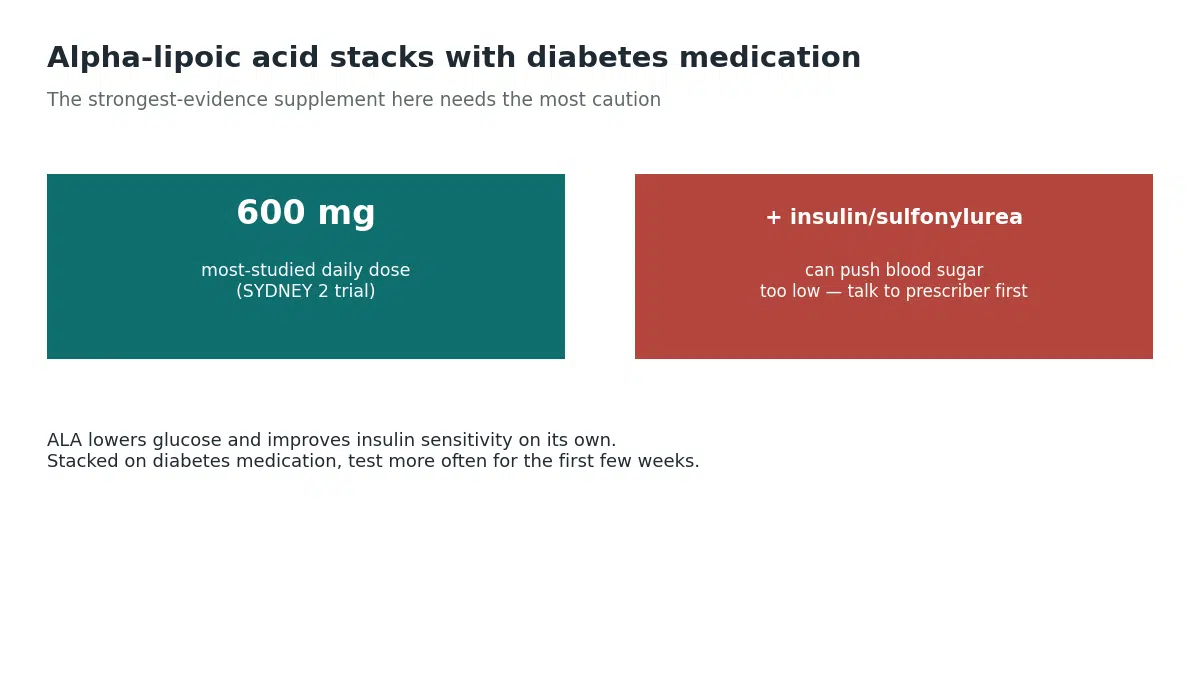
Safety remains the top priority when you decide to use diabetic neuropathy supplements to manage your symptoms. Because these products can interact with your existing medications, you must approach them with caution. Your primary goal is to support nerve health without causing unexpected spikes or drops in your blood glucose levels.
Always consult your primary care physician or an endocrinologist before starting any new regimen. They can help you determine if a specific supplement is appropriate for your unique health profile. Open communication ensures that your medical team can monitor your progress and adjust your diabetes management plan as needed.
When incorporating diabetic neuropathy supplements into your daily routine, keep a detailed log of your experiences. Tracking your blood sugar readings alongside your supplement intake helps identify any potential negative reactions. Consider the following safety steps to protect your health:
- Check your blood glucose levels more frequently during the first two weeks of a new supplement.
- Look for high-quality brands that undergo third-party testing for purity and potency.
- Start with a lower dosage to see how your body responds before increasing to the recommended amount.
- Report any unusual side effects, such as dizziness or digestive discomfort, to your doctor immediately.
Ultimately, the most effective diabetic neuropathy supplements are those that complement your prescribed treatment rather than replacing it. By staying informed and working closely with your healthcare provider, you can safely manage nerve pain while maintaining stable blood sugar control.
Natural Remedies for Nerve Pain in Feet and Lifestyle Integration
Simple daily adjustments are powerful tools when you are looking for natural remedies for nerve pain in feet. While supplements provide essential nutrients, they work best when paired with a body-conscious lifestyle. By focusing on movement and nutrition, you can create an environment where your nerves have the best chance to heal.
Physical therapy is a cornerstone of managing chronic discomfort. A licensed therapist can teach you specific stretches that improve blood flow to the extremities. Improved circulation is vital because it delivers oxygen and nutrients directly to damaged nerve endings, helping to reduce the intensity of tingling or burning sensations.
Gentle exercise, such as swimming, walking, or yoga, also plays a significant role in your recovery. These low-impact activities help maintain flexibility without putting excessive pressure on your feet. Consistent movement prevents stiffness and keeps your muscles strong, which supports overall nerve health.
Dietary choices are equally important when exploring natural remedies for nerve pain in feet. Consider these lifestyle strategies to support your health:
- Anti-inflammatory diet: Focus on whole foods like leafy greens, berries, and fatty fish to lower systemic inflammation.
- Blood sugar management: Keeping glucose levels stable prevents further nerve damage caused by metabolic stress.
- Hydration: Drinking enough water ensures that your body can effectively transport nutrients to your extremities.
- Foot care: Wear supportive, well-fitting shoes to reduce physical pressure and prevent skin irritation.
Adopting a comprehensive approach allows you to manage your symptoms more effectively. When you combine these habits with your supplement routine, you create a synergistic effect that promotes long-term comfort. Small, consistent changes often lead to the most significant improvements in your daily quality of life.
Addressing Supplements for Numbness and Tingling Sensations
Finding the right supplements for numbness can significantly improve your daily comfort and mobility. These uncomfortable sensations, often described as pins and needles, are medically known as paresthesia. They typically occur when nerve signaling is disrupted or blood flow to the extremities is restricted.
Targeted nutritional support works by nourishing the nerve fibers and improving the efficiency of electrical impulses. By focusing on specific vitamins and antioxidants, you can help your body repair damaged pathways. This process is essential for reducing the frequency of those persistent, distracting tingling episodes.

Many individuals find that consistent supplementation helps bridge the gap between dietary intake and nerve health requirements. When choosing supplements for numbness, it is important to look for high-quality ingredients that support myelin sheath integrity and microcirculation. Proper circulation ensures that oxygen and nutrients reach the smallest nerves in your feet and hands.
“Nerve health is the foundation of physical comfort; when we provide the body with the right building blocks, we empower it to maintain better sensory function.”
The following table outlines key nutrients often used to manage these sensory disturbances. Each plays a unique role in supporting nerve health and reducing the intensity of tingling sensations.
| Supplement | Primary Benefit | Target Symptom |
|---|---|---|
| Vitamin B12 | Myelin Repair | Numbness |
| Alpha Lipoic Acid | Antioxidant Support | Burning/Tingling |
| Acetyl-L-Carnitine | Nerve Regeneration | Loss of Sensation |
| Magnesium | Nerve Sensitivity | Muscle Twitching |
Integrating these supplements for numbness into your routine requires patience and consistency. It often takes several weeks for the body to utilize these nutrients effectively and show noticeable improvements in sensation. Always prioritize a balanced approach to ensure your nerves receive the comprehensive support they need to function at their best.
When to Consult a Healthcare Professional About Nerve Pain
Knowing when to stop self-treating and start seeing a doctor is vital for your long-term health. While many people find relief through targeted nutrition, supplements are not a cure-all for every type of nerve damage. Professional medical guidance ensures that you are not masking symptoms of a more serious, underlying condition.
You should prioritize a visit to your primary care physician or a neurologist if you experience sudden or unexplained changes in your health. Immediate medical evaluation is necessary if you notice a rapid loss of sensation, muscle weakness, or an inability to walk properly. These symptoms can indicate nerve compression or systemic issues that require more than just vitamins.
It is also important to seek help if you notice signs of infection, such as redness, swelling, or warmth around the area of pain. If your symptoms interfere with your daily activities or sleep, do not wait for them to resolve on their own. A doctor can perform diagnostic tests, such as electromyography or blood work, to identify the root cause of your discomfort.
“The goal of managing nerve pain is to improve quality of life while ensuring that the underlying pathology is correctly identified and treated by a qualified professional.”
The following table outlines the differences between situations that may be managed with lifestyle changes and those that demand urgent clinical attention.
| Symptom Category | Self-Care Approach | Clinical Intervention Required |
|---|---|---|
| Mild Tingling | Dietary adjustments | Persistent, worsening numbness |
| Occasional Cramps | Magnesium supplementation | Complete loss of motor function |
| Minor Discomfort | Lifestyle modifications | Signs of infection or ulceration |
| Nerve Sensitivity | Nutritional support | Sudden, sharp, or debilitating pain |
Ultimately, your safety is the priority. Relying solely on supplements when your body is signaling a deeper problem can delay necessary medical treatments. Always maintain open communication with your healthcare provider regarding any new supplement regimen you plan to start.
Conclusion
Managing neuropathy pain requires a dedicated approach that blends smart supplementation with daily wellness habits. Products like Life Extension Super R-Lipoic Acid and Doctor’s Best Acetyl-L-Carnitine provide a strong foundation for your nerve support journey. These tools work best when you commit to a consistent routine over several months.
Real progress often takes time. Your body needs a steady supply of nutrients to repair damaged pathways and reduce discomfort in your feet and hands. Patience remains your greatest asset as you monitor how your system responds to these changes.
Keep your primary care physician informed about every supplement you choose to add to your regimen. Open dialogue ensures that your path to relief stays safe and effective. Your healthcare team can help you adjust dosages or identify potential interactions with existing medications.
Small lifestyle shifts create lasting impacts on your overall well-being. Prioritize balanced nutrition and regular movement to complement the benefits of your chosen supplements. You hold the power to improve your quality of life through informed choices and proactive care.