Affiliate Disclosure: This article contains affiliate links. We may earn a commission from purchases made through these links at no additional cost to you. Our recommendations are based on scientific research and editorial assessment, not compensation received.
Recent clinical studies suggest ashwagandha may support weight loss indirectly through stress reduction and cortisol management. The connection between chronic stress and weight gain has been well-established in scientific literature, making stress-reducing interventions potentially valuable for weight management.
This comprehensive guide examines the scientific evidence behind ashwagandha and weight loss. You’ll discover how this adaptogen works, what research actually shows, proper dosage protocols, and realistic expectations for incorporating ashwagandha root extract into your wellness routine.
Understanding Ashwagandha: The Stress-Reducing Adaptogen
Ashwagandha is classified as an adaptogen, meaning it may help your body adapt to physical and psychological stress. The root and leaves contain bioactive compounds called withanolides, which are responsible for most of the herb’s therapeutic effects.
Traditional Ayurvedic practitioners have prescribed ashwagandha for vitality, strength, and overall wellness. Modern research has begun validating some of these traditional uses, particularly regarding stress management and anxiety reduction.
Key Compounds in Ashwagandha Root Extract
Standardized ashwagandha root extract contains several important compounds that contribute to its effects. The concentration of these compounds varies significantly between different products and preparations.
- Withanolides – primary bioactive compounds with adaptogenic properties
- Withaferin A – studied for its effects on inflammation and cellular processes
- Alkaloids – contribute to the overall therapeutic profile
- Saponins – support various biological functions
- Steroidal lactones – interact with stress response systems
Standardization Matters
Quality ashwagandha supplements use standardized root extract containing specific percentages of withanolides, typically 2.5% to 5%. This standardization ensures consistent dosing and effects across different batches.
How Adaptogens Work in the Body
Adaptogens like ashwagandha work by modulating the hypothalamic-pituitary-adrenal (HPA) axis, your body’s central stress response system. This modulation may help regulate cortisol levels and improve stress resilience.
Research suggests adaptogens help maintain homeostasis during physical or mental stress. Rather than stimulating or sedating, adaptogens work bidirectionally, helping to normalize bodily functions that stress has disrupted.
The Critical Link Between Chronic Stress and Weight Gain

Understanding the relationship between stress and body weight is essential for evaluating whether ashwagandha may support weight management. Chronic stress triggers a cascade of hormonal changes that directly influence metabolism, appetite, and fat storage.
When you experience persistent stress, your body maintains elevated cortisol levels. This sustained elevation affects multiple systems involved in energy balance and body composition.
Cortisol’s Role in Weight Management
Cortisol, often called the “stress hormone,” serves important functions in normal amounts. However, chronically elevated cortisol levels create conditions that promote weight gain and make weight loss more difficult.
How Elevated Cortisol Affects Weight
- Increases appetite and food cravings, especially for high-calorie foods
- Promotes fat storage in the abdominal region
- Slows metabolic rate over time
- Reduces lean muscle mass
- Interferes with insulin sensitivity
- Disrupts hunger hormones like leptin and ghrelin
Stress-Related Eating Behaviors
- Emotional eating as a coping mechanism
- Increased preference for comfort foods
- Disrupted eating schedules and patterns
- Reduced awareness of hunger and fullness cues
- Late-night eating and snacking
- Decreased motivation for meal planning
Adults Chronic Stress and Metabolic Changes
Adults chronic stress doesn’t just affect behavior—it creates physiological changes that make weight management more challenging. Studies show that adults experiencing chronic stress have different metabolic profiles compared to those with normal stress levels.
Research published in the journal Psychoneuroendocrinology demonstrates that chronic stress alters how your body processes and stores energy. These metabolic adaptations evolved to help humans survive periods of danger but become problematic in modern life with persistent stressors.
Important Context: Weight gain from stress is a complex process involving hormones, behavior, sleep quality, and metabolic changes. Addressing chronic stress represents just one component of comprehensive weight management.
Can Ashwagandha Cause Weight Loss? Understanding the Mechanisms
Ashwagandha may support weight loss through several interconnected pathways rather than directly causing fat loss. The mechanisms center primarily on stress reduction and its downstream effects on eating behavior, metabolism, and body composition.
Current evidence suggests ashwagandha works indirectly by addressing factors that contribute to weight gain, particularly in people whose weight challenges stem from stress-related causes.
Reducing Stress and Cortisol Levels
The primary mechanism by which ashwagandha may support weight management involves reducing stress and normalizing cortisol levels. Multiple studies have documented ashwagandha’s ability to lower cortisol in adults chronic stress situations.
A randomized, double-blind, placebo-controlled study of adults chronic stress found that participants taking standardized root extract experienced significant reductions in cortisol levels compared to placebo. Lower cortisol may reduce stress-related eating and abdominal fat accumulation.
- Modulates the HPA axis to reduce excessive cortisol production
- May lower cortisol by 11-30% in stressed individuals according to studies
- Helps normalize the stress response rather than suppressing it
- Effects typically become noticeable after 4-8 weeks of consistent use
Controlling Food Cravings and Emotional Eating
One of the most significant ways ashwagandha may help with weight management involves reducing food cravings and emotional eating behaviors. Several clinical trials have specifically examined these effects.
A notable study published in the Journal of Evidence-Based Complementary & Alternative Medicine found that adults taking ashwagandha root extract reported significant reductions in food cravings and better control over their eating compared to the placebo group.
Study Results on Food Cravings:
| Outcome Measure | Ashwagandha Group | Placebo Group | Significance |
| Reduction in food cravings | Significant decrease | Minimal change | p |
| Emotional eating scores | Improved control | No significant change | p |
| Perceived stress levels | 27.9% reduction | Minor reduction | p |
| Body weight change | Average 3% decrease | No significant change | p |
Improving Sleep Quality
Poor sleep quality is strongly associated with weight gain and difficulty losing weight. Ashwagandha has been shown in research to improve sleep quality and duration, which may indirectly support weight management efforts.
Studies indicate ashwagandha may help people fall asleep faster and experience more restorative sleep. Better sleep supports healthy hormone balance, including hormones that regulate appetite and metabolism.
Supporting Healthy Blood Sugar Balance
Some research suggests ashwagandha may help improve insulin sensitivity and blood sugar control. Stable blood sugar levels can reduce cravings and help prevent the energy crashes that often lead to overeating.
While more research is needed in this area, preliminary studies show promise for ashwagandha’s effects on glucose metabolism, particularly in stressed individuals.
Mechanism Summary
Ashwagandha doesn’t directly burn fat or block calorie absorption. Instead, it may create conditions more favorable for weight loss by reducing stress, improving eating behaviors, enhancing sleep, and supporting metabolic health.
What Research Studies Reveal About Ashwagandha and Weight Loss
Several clinical trials have specifically examined ashwagandha’s effects on body weight, body mass index, and eating behaviors in adults chronic stress. Understanding what this research actually shows helps set realistic expectations.
The most compelling evidence comes from randomized, double-blind, placebo-controlled trials—the gold standard in clinical research. These studies provide the strongest evidence for ashwagandha’s potential effects on weight management.
Key Clinical Studies on Ashwagandha Root Extract and Weight
Study 1: Ashwagandha for Stress-Related Weight Management
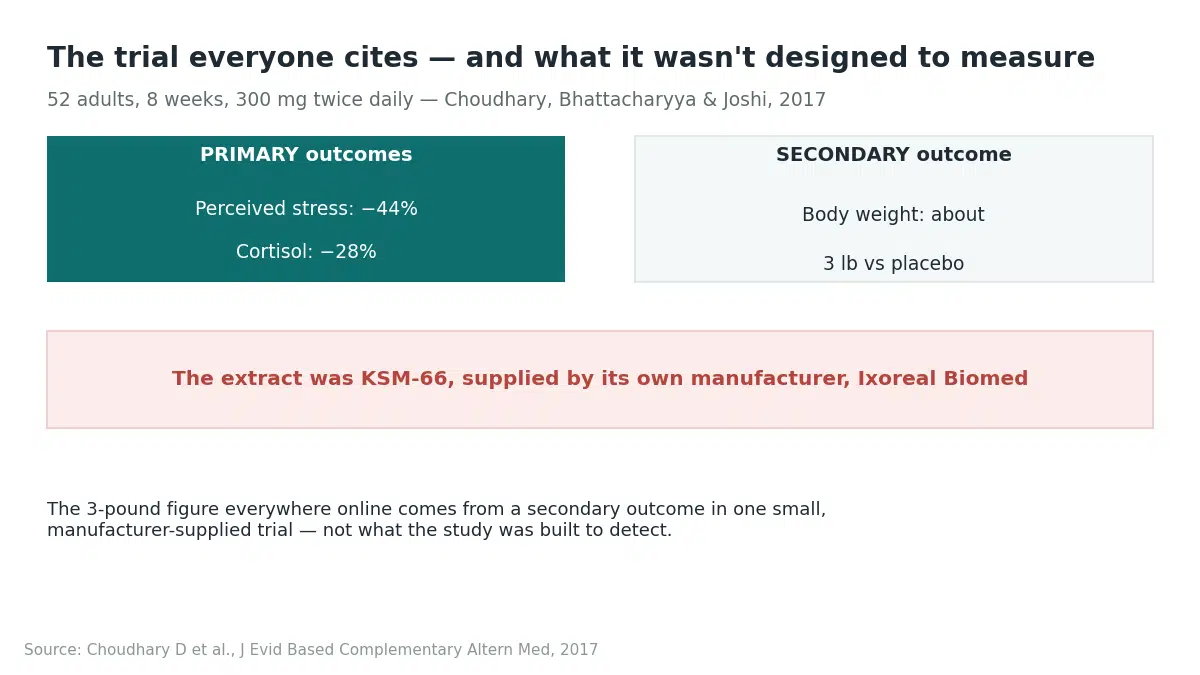
A 2017 study published in the Journal of Evidence-Based Complementary & Alternative Medicine examined 52 adults chronic stress over an 8-week period. Participants received either 300mg of ashwagandha root extract twice daily or placebo.
Results showed the ashwagandha group experienced significant improvements in several weight-related outcomes. The study used standardized root extract with 5% withanolides to ensure consistency.
Ashwagandha Group Results
- Average body weight reduction of 3.0%
- Body mass index decreased significantly
- Food cravings reduced by more than placebo
- Emotional eating scores improved
- Perceived stress decreased by 27.9%
- Cortisol levels dropped significantly
Placebo Group Results
- Minimal body weight change
- No significant BMI change
- Slight reduction in food cravings
- No significant emotional eating change
- Minor stress reduction
- No significant cortisol change
Study 2: Effects on Body Composition in Resistance Training
A 2015 study examined ashwagandha’s effects on adults engaged in resistance training. While primarily focused on strength gains, the study also measured body composition changes over 8 weeks.
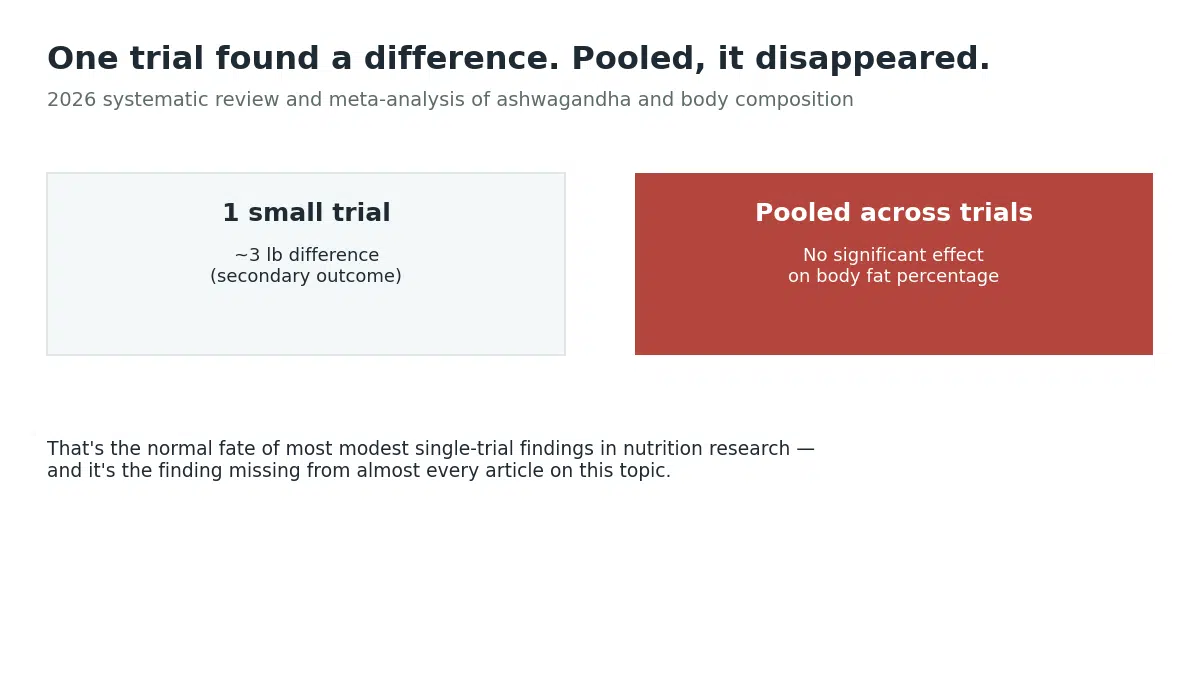
Participants taking ashwagandha root extract showed greater reductions in body fat percentage compared to placebo, suggesting the herb may support favorable body composition changes when combined with exercise.
Study 3: Stress Reduction and Weight in Adults
Research focusing specifically on adults chronic stress demonstrated that reducing stress through ashwagandha supplementation correlated with improvements in eating behaviors and modest weight loss over 12 weeks.
The study emphasized that benefits were most pronounced in individuals with higher baseline stress levels, suggesting ashwagandha may work best for stress-related weight challenges.
Limitations of Current Research
While existing studies show promise, important limitations exist that prevent drawing definitive conclusions about ashwagandha and weight loss.
- Most studies have relatively small sample sizes (50-100 participants)
- Study durations typically range 8-12 weeks; longer-term data is limited
- Many studies focus on adults chronic stress rather than general populations
- Different formulations and dosages across studies make comparisons difficult
- Publication bias may favor positive results over null findings
- Most research doesn’t isolate weight loss as the primary outcome
Research Context: Current evidence suggests ashwagandha may support modest weight loss in stressed individuals as part of a comprehensive approach. It should not be viewed as a standalone weight loss solution or replacement for diet and exercise modifications.
What Studies Show About Realistic Expectations
Based on available research, adults taking standardized root extract while managing stress may experience body weight reductions of 2-4% over 8-12 weeks. This translates to approximately 3-6 pounds for someone weighing 150 pounds.
The most consistent benefits appear in three areas: reduced food cravings, improved emotional eating control, and better stress management. Weight loss seems to be a secondary benefit resulting from these behavioral and hormonal improvements.
Optimal Dosage and Timing for Ashwagandha Root Extract

Proper dosage and timing significantly influence ashwagandha’s effectiveness. Clinical studies have identified dosage ranges that appear most effective for stress reduction and related benefits.
Most research supporting ashwagandha’s effects on stress and weight management used standardized root extract containing specific percentages of withanolides. Understanding these details helps you choose effective products.
Evidence-Based Dosage Guidelines
Clinical trials examining stress reduction and weight-related outcomes typically used 300-600mg of standardized root extract daily. This dosage range has demonstrated safety and effectiveness across multiple studies.
| Dosage Amount | Frequency | Standardization | Study Support |
| 300mg | Twice daily (600mg total) | 5% withanolides | Most common in weight/stress studies |
| 250-300mg | Once daily | 2.5-5% withanolides | Effective for mild stress support |
| 600mg | Once daily | KSM-66 or Sensoril | Used in several clinical trials |
| 125mg | Twice daily (250mg total) | High-concentration extract | Lower but potentially effective dose |
Understanding Standardized Root Extract Types
Not all ashwagandha supplements contain the same compounds or concentrations. Standardized extracts ensure consistent potency and are the type used in most clinical research.
Common Standardized Extracts:
- KSM-66: Full-spectrum root extract standardized to 5% withanolides, used in numerous clinical trials
- Sensoril: Root and leaf extract standardized to withanolides and oligosaccharides
- Generic standardized: Varies by manufacturer, typically 2.5-5% withanolides
- Whole root powder: Contains all plant compounds but with variable potency
Research specifically examining weight management and food cravings typically used KSM-66 or similar standardized root extract. Choosing products with these specifications increases the likelihood of experiencing research-supported benefits.
Optimal Timing for Maximum Benefits
When you take ashwagandha may influence its effectiveness for different goals. Studies examining stress and weight used various timing protocols.
Morning Dosing
Taking ashwagandha with breakfast may help manage daytime stress and reduce stress-related eating throughout the day.
- Supports stress resilience during active hours
- May help control food cravings at work
- Can reduce emotional eating triggers
- Provides sustained support through busy periods
Evening Dosing
Taking ashwagandha before bed may enhance its sleep-supporting properties while still providing stress management benefits.
- May improve sleep quality and duration
- Supports overnight recovery and hormone balance
- Can reduce nighttime anxiety and rumination
- Helps prevent late-night stress eating
Split Dosing Protocol
Many clinical studies used split dosing—taking ashwagandha twice daily (morning and evening). This approach maintains more consistent blood levels throughout the day and night.
For stress management and weight-related goals, a common protocol involves 300mg with breakfast and 300mg with dinner or before bed. This schedule aligns with the dosing used in research showing improvements in food cravings and body weight.
Timeline for Results
Clinical studies show that ashwagandha’s effects on stress, cortisol, and eating behaviors typically become noticeable after 4-8 weeks of consistent use. Weight changes, when they occur, usually appear after 8-12 weeks of supplementation combined with appropriate lifestyle factors.
Taking Ashwagandha with Food
Most research protocols had participants take ashwagandha root extract with meals. Taking supplements with food may improve absorption and reduce the slight digestive discomfort some people experience.
The presence of dietary fat may enhance absorption of some ashwagandha compounds. Consider taking your dose with a meal containing healthy fats for potentially better results.
High-Quality KSM-66 Ashwagandha Root Extract
Premium KSM-66 ashwagandha root extract used in clinical research. Contains 600mg per serving of standardized root extract with 5% withanolides. Third-party tested for purity and potency. Organic certification and manufactured in GMP-compliant facilities.
- Full-spectrum KSM-66 root extract
- 600mg per capsule for convenient once-daily dosing
- Standardized to 5% withanolides
- Organic, non-GMO, and vegan-friendly
- Third-party tested for heavy metals and contaminants
Who May Benefit Most from Ashwagandha for Weight Management
Ashwagandha appears most effective for weight management in specific populations whose weight challenges stem primarily from stress-related factors. Understanding whether you fit these profiles helps determine if ashwagandha might support your goals.
Research suggests the most significant benefits occur in adults chronic stress who experience weight-related consequences of that stress. Simply taking ashwagandha without addressing these underlying factors may produce limited results.
Adults Chronic Stress with Elevated Cortisol
People experiencing persistent stress with documented high cortisol levels represent the primary population studied in ashwagandha research. If stress significantly impacts your daily life, ashwagandha may offer meaningful support.
Signs that chronic stress may be affecting your weight include difficulty losing weight despite calorie restriction, increased abdominal fat, persistent fatigue, and mood changes affecting eating habits.
Emotional Eating and Food Cravings
Clinical trials show ashwagandha may be particularly helpful for people who struggle with emotional eating and intense food cravings. If you find yourself eating in response to stress, anxiety, or emotional triggers, ashwagandha’s stress-reducing effects may help.
- Frequent cravings for sweets or comfort foods during stressful periods
- Eating when not physically hungry, especially during stress
- Difficulty controlling portion sizes when anxious or overwhelmed
- Using food as a primary coping mechanism for negative emotions
- Nighttime snacking related to stress or poor sleep
Sleep-Deprived Individuals
Poor sleep quality contributes to weight gain through multiple mechanisms including hormone disruption and increased appetite. Ashwagandha may support weight management efforts by improving sleep quality.
If stress interferes with your sleep, creating a cycle of fatigue, poor food choices, and weight gain, addressing both issues with ashwagandha might offer dual benefits.
People with Stress-Related Metabolic Changes
Chronic stress can alter metabolism, insulin sensitivity, and how your body stores fat. Research suggests ashwagandha may help normalize some of these stress-induced metabolic changes.
Adults experiencing metabolic syndrome symptoms alongside high stress levels may find ashwagandha supports their overall health goals, though it should complement rather than replace medical treatment.
Good Candidates for Ashwagandha
- Adults with documented high stress levels
- Those struggling with emotional eating
- People with stress-related sleep problems
- Individuals with elevated cortisol
- Those seeking natural stress support
- People committed to lifestyle changes
May Not Benefit as Much
- People with low baseline stress levels
- Those with weight gain unrelated to stress
- Individuals expecting rapid results without lifestyle changes
- People seeking a “quick fix” for weight loss
- Those with primarily dietary weight issues
- Individuals with medical causes of weight gain
Important Note: Ashwagandha may support weight management in stress-affected individuals but works best as part of a comprehensive approach including appropriate nutrition, regular physical activity, adequate sleep, and stress management techniques.
Not a Universal Solution
Weight gain has many causes beyond stress and cortisol. If your weight challenges stem primarily from factors like insufficient physical activity, excessive calorie intake unrelated to emotional eating, medical conditions, or medications, ashwagandha alone is unlikely to produce significant results.
Consider ashwagandha as one tool in a larger weight management strategy rather than a complete solution. The herb may create conditions more favorable for weight loss but cannot override poor dietary habits or sedentary lifestyle.
Safety Considerations and Potential Side Effects
Ashwagandha root extract has been used safely in clinical trials at dosages of 300-600mg daily for periods up to 12 weeks. However, like any supplement, potential side effects and safety considerations exist.
Understanding these factors helps you make informed decisions and use ashwagandha safely as part of your health routine.
Common Side Effects
Most people tolerate ashwagandha well at recommended dosages. When side effects occur, they are typically mild and resolve with continued use or dosage adjustment.
- Digestive discomfort – mild nausea, upset stomach, or diarrhea in some users
- Drowsiness – particularly at higher doses or when taken during the day
- Headache – reported occasionally, especially when starting supplementation
- Changes in appetite – some people report increased or decreased hunger
Taking ashwagandha root extract with food and starting with lower doses can minimize digestive side effects. If drowsiness occurs with daytime dosing, consider switching to evening administration.
Important Drug Interactions
Ashwagandha may interact with certain medications by enhancing their effects or interfering with their metabolism. Consult your healthcare provider before combining ashwagandha with any medications.
Medications That May Interact with Ashwagandha:
- Sedatives and sleep medications: Ashwagandha may enhance sedative effects
- Thyroid medications: May alter thyroid hormone levels
- Blood pressure medications: Could potentially lower blood pressure further
- Immunosuppressants: Ashwagandha may stimulate immune function
- Diabetes medications: May affect blood sugar levels
Who Should Avoid Ashwagandha
Certain populations should avoid ashwagandha or use it only under medical supervision. Safety data in these groups is limited or indicates potential risks.
- Pregnant women: May increase risk of miscarriage; avoid during pregnancy
- Breastfeeding mothers: Insufficient safety data; consult healthcare provider
- Autoimmune conditions: May stimulate immune system; discuss with doctor
- Thyroid disorders: Can affect thyroid function; requires monitoring
- Upcoming surgery: Discontinue 2 weeks before scheduled procedures
- Severe liver or kidney disease: Use with caution and medical supervision
Quality and Purity Concerns
Supplement quality varies significantly between manufacturers. Poor quality products may contain contaminants, incorrect dosages, or different plant species entirely.
Choose ashwagandha supplements that are third-party tested, preferably with certificates of analysis available. Look for standardized root extract (not leaf or whole plant unless specified in research) and reputable manufacturing practices.
Quality Markers to Look For
- Third-party testing by independent laboratories
- Standardized extract with stated withanolide percentage
- GMP (Good Manufacturing Practice) certification
- Organic certification when possible
- Clear labeling of extract type (KSM-66, Sensoril, etc.)
- Transparent sourcing information
Monitoring for Adverse Effects
When starting ashwagandha supplementation, monitor how you feel and any changes in your health or symptoms. Keep track of both positive effects and any concerning symptoms.
Discontinue use and consult a healthcare professional if you experience severe side effects, allergic reactions, significant changes in mood, or unexpected physical symptoms.
Regular check-ins with your healthcare provider are advisable if you take ashwagandha long-term, particularly if you have underlying health conditions or take other medications.
Combining Ashwagandha with Diet and Exercise for Best Results

Ashwagandha may support weight management most effectively when combined with appropriate nutrition and physical activity. The supplement addresses stress-related barriers to weight loss but works best as part of a comprehensive approach.
Research participants who experienced weight loss while taking ashwagandha root extract were typically also making other lifestyle modifications. Relying solely on supplementation without addressing diet, exercise, and overall stress management produces limited results.
Nutrition Strategies That Complement Ashwagandha
Since ashwagandha may help reduce food cravings and emotional eating, pairing it with a structured eating plan can enhance results. Focus on nutrition strategies that support stable energy and reduce triggers for stress eating.
- Prioritize protein at each meal to support satiety and muscle maintenance
- Include fiber-rich vegetables and fruits for volume and nutrients
- Choose complex carbohydrates that provide sustained energy
- Stay adequately hydrated throughout the day
- Plan meals and snacks to avoid impulsive stress-related eating
- Practice mindful eating to increase awareness of hunger and fullness
Exercise Approaches for Stress Reduction and Weight Loss
Physical activity provides stress reduction benefits that may work synergistically with ashwagandha. Exercise also directly supports weight management through calorie expenditure and metabolic improvements.
A study examining ashwagandha in adults engaging in resistance training found enhanced body composition changes compared to exercise alone. This suggests potential synergy between the supplement and structured exercise programs.
Stress-Reducing Exercise
- Yoga and stretching routines
- Walking in nature or peaceful environments
- Swimming or water-based activities
- Tai chi or qigong practices
- Gentle cycling at moderate intensity
Metabolism-Boosting Activity
- Resistance training 2-3 times per week
- High-intensity interval training
- Circuit training combining cardio and strength
- Progressive overload strength programs
- Active recreational sports and activities
Sleep Hygiene Practices
Since ashwagandha may improve sleep quality, combining it with good sleep hygiene practices can enhance both sleep and weight management outcomes. Poor sleep undermines weight loss efforts through hormonal and behavioral mechanisms.
- Maintain consistent sleep and wake times, even on weekends
- Create a relaxing bedtime routine to signal sleep readiness
- Limit screen exposure 1-2 hours before bed
- Keep bedroom cool, dark, and quiet
- Avoid caffeine after early afternoon
- Consider taking evening ashwagandha dose 30-60 minutes before bed
Additional Stress Management Techniques
Ashwagandha addresses stress biochemically, but combining it with behavioral stress management techniques may provide more comprehensive benefits than either approach alone.
| Stress Management Technique | How It Complements Ashwagandha | Implementation |
| Meditation or mindfulness | Enhances stress awareness and response control | 10-20 minutes daily practice |
| Deep breathing exercises | Activates parasympathetic nervous system | Several times daily, especially during stress |
| Time management strategies | Reduces chronic stressors at the source | Prioritization, delegation, boundary-setting |
| Social support | Provides emotional buffering against stress | Regular connection with supportive people |
| Professional counseling | Addresses psychological stress components | As needed for significant stress or anxiety |
Creating a Comprehensive Plan
The most effective approach combines ashwagandha supplementation with multiple lifestyle factors. Consider creating a structured plan that addresses nutrition, activity, sleep, and stress simultaneously.
Track your progress not just through body weight but also through measurements of stress levels, sleep quality, food cravings, and eating behaviors. These process measures often improve before weight changes become apparent.
Realistic Timeline: Most people taking ashwagandha root extract notice stress-related improvements within 4-6 weeks. Weight changes typically require 8-12 weeks of consistent supplementation combined with appropriate lifestyle modifications. Patience and consistency are essential for results.
Setting Realistic Expectations: What Ashwagandha Can and Cannot Do
Understanding what ashwagandha may realistically accomplish helps prevent disappointment and supports informed decision-making. Managing expectations based on available evidence leads to better satisfaction with outcomes.
Ashwagandha is not a weight loss miracle. The research shows modest effects in specific populations under particular conditions. Approaching ashwagandha with realistic expectations increases the likelihood of viewing it as a helpful support tool rather than a failed solution.
What Research Suggests Ashwagandha May Do
- Reduce perceived stress levels by 20-30% in stressed individuals
- Lower cortisol levels by 11-30% according to various studies
- Decrease food cravings and improve eating behavior control
- Support 2-4% body weight reduction over 8-12 weeks in stressed adults
- Improve sleep quality and duration
- Enhance stress resilience and coping ability
- Support favorable body composition when combined with exercise
What Ashwagandha Cannot Do
- Directly burn fat or block calorie absorption
- Compensate for excessive calorie intake
- Replace the need for physical activity
- Produce rapid or dramatic weight loss
- Work equally well for everyone regardless of stress levels
- Eliminate the need for dietary changes
- Guarantee specific weight loss amounts
Individual Response Variability
People respond differently to ashwagandha based on multiple factors including genetics, baseline stress levels, lifestyle factors, and overall health status. What works well for one person may produce minimal effects in another.
Factors that may influence your response to ashwagandha include your stress level before starting supplementation, how stress affects your eating behaviors, concurrent lifestyle modifications, supplement quality and dosage, and individual differences in how your body metabolizes ashwagandha compounds.
Timeline for Noticing Effects
Different effects from ashwagandha may appear at different times. Understanding this progression helps you evaluate whether the supplement is working for you.
| Timeline | Expected Changes | What to Monitor |
| Week 1-2 | Minimal noticeable effects; body adjusting | Tolerance, any digestive changes |
| Week 3-4 | May begin noticing improved sleep or subtle stress reduction | Sleep quality, daytime stress levels |
| Week 5-8 | More consistent stress management, reduced food cravings | Emotional eating frequency, stress responses |
| Week 9-12 | Potential body weight changes become apparent | Body weight, body measurements, how clothes fit |
Signs Ashwagandha May Be Working
Weight loss may not be the first sign that ashwagandha is effective. Other indicators often appear earlier and may be more meaningful for assessing benefit.
- Feeling calmer or more resilient during typically stressful situations
- Reduced frequency or intensity of food cravings
- Improved sleep onset or sleep quality
- Better control over emotional eating episodes
- More consistent energy throughout the day
- Improved mood and reduced anxiety
When to Reevaluate
Give ashwagandha root extract at least 8-12 weeks of consistent use before determining effectiveness. If you notice no improvements in stress, sleep, or eating behaviors after this period, ashwagandha may not be the right approach for you. Consider discussing alternatives with a healthcare provider.
Maintaining Results Long-Term
If ashwagandha helps you achieve weight loss and better stress management, maintaining these benefits requires continued attention to the factors that created them. The supplement may support maintenance, but lifestyle factors remain crucial.
Some people choose to continue ashwagandha supplementation long-term for ongoing stress support. Others use it during particularly stressful periods or cycle on and off. Discuss long-term supplementation plans with your healthcare provider.
Choosing Quality Ashwagandha Supplements for Weight Management
Supplement quality varies dramatically between products. Choosing high-quality ashwagandha root extract ensures you’re getting the standardized compounds used in clinical research.
Look for specific quality markers that indicate a product contains what it claims and has been manufactured to high standards. These factors significantly influence effectiveness and safety.
Essential Quality Criteria
- Standardized extract: Look for products standardized to contain specific percentages of withanolides (typically 2.5-5%)
- Root extract specification: Most research used root extract rather than leaf or whole plant
- Third-party testing: Independent verification of purity and potency
- Appropriate dosage: Products providing 300-600mg per serving match research protocols
- Reputable manufacturer: Companies with established quality control processes
- Clear labeling: Transparent about extract type, standardization, and dosage
Understanding Extract Types
Different branded extracts have different research support. Choosing extracts used in clinical studies increases confidence in potential effectiveness.
KSM-66
- Full-spectrum root extract
- Standardized to 5% withanolides
- Used in numerous published studies
- Well-established safety profile
- Specific research on stress and weight
Sensoril
- Root and leaf extract combination
- Standardized to withanolides and oligosaccharides
- Used in multiple clinical trials
- Research support for stress and sleep
- Different compound profile than KSM-66
Top Ashwagandha Supplements for Weight Management Goals
Best Overall: Organic KSM-66 Ashwagandha
Premium organic ashwagandha featuring clinically-studied KSM-66 extract. Contains 600mg per capsule of full-spectrum root extract standardized to 5% withanolides. Third-party tested for purity and manufactured in GMP-certified facilities. Used in research examining stress reduction and eating behaviors.
- Full-spectrum KSM-66 root extract
- 600mg per vegetarian capsule
- Organic and non-GMO verified
- Third-party tested for contaminants
- No artificial additives or fillers
Best for Absorption: Ashwagandha with Black Pepper
High-potency ashwagandha root extract enhanced with BioPerine black pepper extract for improved absorption. Contains 1300mg ashwagandha standardized to 5% withanolides plus 10mg black pepper extract. Vegan-friendly capsules with third-party testing.
- 1300mg ashwagandha per serving
- BioPerine for enhanced bioavailability
- Standardized to 5% withanolides
- Vegan capsules, gluten-free
- Made in USA with global ingredients
Best Alternative Form: Ashwagandha Gummies
Convenient gummy format providing 150mg KSM-66 ashwagandha per serving (2 gummies). Natural flavoring with no artificial colors. Easier to take than capsules for people who dislike swallowing pills. Note: Lower dosage than capsule forms may require more servings.
- 150mg KSM-66 per 2-gummy serving
- Natural berry flavor
- Pectin-based (not gelatin)
- No artificial colors or flavors
- Convenient for travel
What to Avoid in Ashwagandha Supplements
Certain red flags indicate lower quality or potentially problematic products. Being aware of these helps you avoid ineffective or unsafe supplements.
- Products without standardization information
- Unclear about using root vs. leaf vs. whole plant
- Extremely low prices that seem too good to be true
- No third-party testing or quality verification
- Proprietary blends that hide actual ashwagandha amounts
- Companies without contact information or transparency
- Products making exaggerated weight loss claims
Purchasing Tip: Reputable supplement companies provide certificates of analysis showing third-party testing results. Don’t hesitate to contact manufacturers to request this documentation before purchasing.
Ashwagandha Extract Comparison for Weight Management
This comparison helps you understand different ashwagandha formulations and choose the option that best matches your needs and the research supporting stress-related weight management.
| Extract Type | Standardization | Typical Dosage | Research Support | Best For |
| KSM-66 | 5% withanolides (root only) | 300-600mg daily | Extensive clinical trials on stress and weight | Overall stress-related weight management |
| Sensoril | 10% withanolides (root and leaf) | 125-250mg daily | Studies on stress, sleep, and cognition | Sleep-related weight issues |
| Generic Standardized | 2.5-5% withanolides | 300-600mg daily | Variable; depends on manufacturer | Budget-conscious consumers |
| Whole Root Powder | Not standardized | 1-3 grams daily | Traditional use; limited modern studies | Traditional preparations, variable potency |
Based on current research specifically examining ashwagandha for stress-related eating and weight management, standardized extracts like KSM-66 used at 300-600mg daily represent the best-supported approach.
Frequently Asked Questions About Ashwagandha and Weight Loss
Can ashwagandha cause weight loss directly?
Ashwagandha does not directly cause weight loss by burning fat or blocking calorie absorption. Instead, it may support weight loss indirectly by reducing stress and cortisol levels, which can lead to decreased food cravings, better control over emotional eating, and improved sleep quality. These factors combined may help create conditions more favorable for weight loss when paired with appropriate diet and exercise.
Research shows adults chronic stress taking standardized ashwagandha root extract experienced modest weight reductions of 2-4% over 8-12 weeks, primarily by improving eating behaviors rather than through direct metabolic effects.
How much weight can you lose with ashwagandha?
Clinical studies show that stressed adults taking ashwagandha root extract experienced average body weight reductions of 2-4% over 8-12 weeks when combined with lifestyle modifications. For a 150-pound person, this translates to approximately 3-6 pounds. Results vary significantly based on individual factors including baseline stress levels, eating behaviors, and concurrent lifestyle changes.
People whose weight gain relates primarily to chronic stress and emotional eating tend to experience better results than those whose weight issues stem from other causes. Ashwagandha should be viewed as a supportive tool rather than a primary weight loss intervention.
How long does it take for ashwagandha to work for weight loss?
Most people begin noticing ashwagandha’s effects on stress and sleep quality within 4-6 weeks of consistent use. Weight-related changes typically become apparent after 8-12 weeks of supplementation combined with appropriate lifestyle modifications. The timeline varies based on individual factors, dosage, product quality, and concurrent diet and exercise habits.
Improvements in food cravings and emotional eating often appear before measurable weight changes. Patience and consistency are essential—giving ashwagandha at least 8-12 weeks before evaluating its effectiveness provides a more accurate assessment.
What is the best ashwagandha dosage for weight loss?
Clinical studies examining ashwagandha’s effects on stress-related eating and body weight typically used 300-600mg of standardized root extract daily, divided into one or two doses. The most common protocol involved 300mg twice daily (600mg total) of extract standardized to contain 5% withanolides, usually KSM-66 or similar high-quality standardized root extract.
Start with 300mg daily and increase to 600mg if well-tolerated and if initial effects seem insufficient after 4-6 weeks. Taking ashwagandha with meals may improve absorption and reduce potential digestive discomfort.
Does ashwagandha reduce belly fat specifically?
Ashwagandha may help reduce abdominal fat indirectly by lowering cortisol levels. Elevated cortisol is associated with increased visceral fat storage in the abdominal area. By helping to normalize cortisol, ashwagandha may reduce the hormonal drive for abdominal fat accumulation.
However, you cannot target fat loss to specific body areas through supplementation alone. Ashwagandha may support overall body fat reduction, which typically includes abdominal fat, but genetics largely determine where your body loses fat first. Spot reduction remains largely a myth regardless of the intervention used.
Can I take ashwagandha with other weight loss supplements?
Ashwagandha can potentially be combined with certain other supplements, but consultation with a healthcare provider is advisable before combining multiple supplements. Ashwagandha may interact with stimulant-based weight loss products or other supplements that affect cortisol, thyroid function, or blood sugar levels.
Avoid combining ashwagandha with sedating supplements or medications as effects may be additive. If you take thyroid medications or supplements, ashwagandha can affect thyroid function and requires medical supervision. Always discuss supplement combinations with your healthcare provider, especially if you have existing health conditions.
Should I take ashwagandha in the morning or evening for weight loss?
The optimal timing depends on your primary goals and how ashwagandha affects you individually. Morning dosing may help manage daytime stress and reduce stress-related eating throughout the day. Evening dosing may enhance sleep quality, which indirectly supports weight management through hormonal balance and reduced nighttime eating.
Many clinical studies used split dosing—taking ashwagandha twice daily, morning and evening. This approach maintains more consistent blood levels. Try different timing schedules to determine what works best for your body and schedule. If ashwagandha makes you drowsy, evening dosing may be preferable.
Does ashwagandha increase appetite or cause weight gain?
Ashwagandha typically does not increase appetite or cause weight gain when taken at recommended dosages. In fact, research shows ashwagandha may help reduce food cravings and improve eating behavior control in stressed individuals. Some people report improved appetite regulation rather than increased hunger.
However, individual responses vary. By reducing stress and improving mood, some people might naturally return to healthier eating patterns that could include appropriate increases in food intake if previous stress was suppressing appetite. Monitor your response and adjust accordingly based on your individual experience.
Can ashwagandha help with stress eating and emotional eating?
Yes, several clinical studies specifically demonstrate that ashwagandha root extract can help reduce emotional eating and stress-related food cravings. A notable study found that adults chronic stress taking ashwagandha experienced significant improvements in eating behavior control compared to placebo groups.
By reducing perceived stress levels and normalizing cortisol, ashwagandha may decrease the psychological and hormonal triggers for stress eating. This represents one of the primary mechanisms through which ashwagandha may support weight management—by helping people gain better control over stress-driven eating behaviors.
Is ashwagandha safe to take daily for weight loss?
Ashwagandha root extract has been used safely in clinical trials at dosages of 300-600mg daily for periods up to 12 weeks. Many people use ashwagandha safely for longer periods, though long-term safety data beyond one year is limited. Most side effects, when they occur, are mild and include digestive discomfort or drowsiness.
However, ashwagandha is not appropriate for everyone. Pregnant women should avoid it due to potential miscarriage risk. People with autoimmune conditions, thyroid disorders, or those taking certain medications should consult healthcare providers before use. Always start with lower doses to assess tolerance.
What form of ashwagandha is best for weight loss?
Standardized ashwagandha root extract, particularly KSM-66, has the most research support for stress reduction and weight management. Look for products standardized to contain 5% withanolides and providing 300-600mg per serving. Root extract specifically (rather than leaf or whole plant) was used in most clinical trials showing benefits.
Capsules and tablets are most convenient and provide consistent dosing. Gummies offer an alternative for people who dislike pills but often contain lower doses per serving. Avoid products that don’t specify extract type, standardization, or dosage clearly.
Can ashwagandha help with menopause-related weight gain?
Ashwagandha may help with some aspects of menopause-related weight gain, particularly if stress, sleep disturbances, or mood changes contribute to eating behaviors and weight changes. Some research suggests ashwagandha may help with menopause symptoms including anxiety and sleep problems, which could indirectly support weight management.
However, menopause-related weight gain involves complex hormonal changes beyond cortisol. Ashwagandha addresses primarily stress-related factors and should be part of a comprehensive approach including appropriate nutrition, exercise, and potentially other interventions. Discuss menopause-specific strategies with your healthcare provider.
Does ashwagandha affect metabolism or thyroid function?
Some research suggests ashwagandha may influence thyroid function, particularly increasing thyroid hormone production in people with subclinical hypothyroidism. This effect could theoretically support metabolism, though direct studies on ashwagandha’s metabolic effects are limited.
If you have thyroid conditions or take thyroid medications, consult your healthcare provider before using ashwagandha. The herb may alter thyroid hormone levels, requiring medication adjustments. Regular monitoring of thyroid function is advisable when using ashwagandha long-term, especially if you have existing thyroid concerns.
Can ashwagandha help with weight loss if I’m not stressed?
Ashwagandha’s weight-related benefits appear most significant in people experiencing chronic stress, elevated cortisol, or stress-related eating behaviors. If you have low baseline stress levels and your weight challenges don’t relate to stress, emotional eating, or poor sleep, ashwagandha may provide limited benefits for weight management.
The research specifically demonstrates benefits in stressed populations. For weight loss unrelated to stress factors, focusing on caloric balance, physical activity, and overall nutrition may be more effective than ashwagandha supplementation. Consider whether stress truly impacts your eating and weight before investing in ashwagandha for this purpose.
How does ashwagandha compare to other adaptogens for weight loss?
Ashwagandha has more specific research examining its effects on stress-related eating and weight compared to many other adaptogens. While adaptogens like rhodiola, holy basil, and schisandra also support stress management, fewer studies specifically examine their direct effects on food cravings, emotional eating, or body weight.
Ashwagandha’s robust research base, particularly studies showing reductions in food cravings and perceived stress, makes it a stronger evidence-based choice specifically for stress-related weight management compared to most other adaptogens. However, individual response varies, and some people may respond better to different adaptogens.
Will I gain weight back if I stop taking ashwagandha?
If ashwagandha helped you lose weight primarily by improving stress management and eating behaviors, maintaining those improvements after discontinuing the supplement depends on whether you’ve developed sustainable stress management strategies and healthier eating habits. Weight regain is more likely if you return to previous stress levels and eating patterns.
Ashwagandha works best as a tool to help establish healthier patterns during a transition period. Using the time on ashwagandha to develop lasting stress management skills, consistent sleep habits, and mindful eating practices increases the likelihood of maintaining results after discontinuation. Consider ashwagandha as temporary support rather than a permanent requirement.
Can I take ashwagandha if I have diabetes or blood sugar issues?
Some research suggests ashwagandha may lower blood sugar levels. While this could potentially benefit people with prediabetes or type 2 diabetes, it also means ashwagandha might interact with diabetes medications, potentially causing blood sugar to drop too low.
If you have diabetes or take medications that affect blood sugar, consult your healthcare provider before using ashwagandha. You may need more frequent blood sugar monitoring or medication adjustments. Never use ashwagandha as a replacement for prescribed diabetes medications without medical supervision.
Does the form of ashwagandha matter – capsules vs powder vs liquid?
The standardization and dosage matter more than the form. Capsules and tablets offer convenient, consistent dosing and are tasteless, making them popular choices. Powder can be mixed into smoothies or beverages but has a distinct earthy taste many find unpleasant. Liquid extracts provide flexible dosing but may have shorter shelf life.
Most clinical research used capsule or tablet forms of standardized extract. Choose the form you’re most likely to take consistently. Regardless of form, verify that the product contains standardized ashwagandha root extract with specified withanolide content at appropriate dosages (300-600mg daily).
Making an Informed Decision About Ashwagandha for Weight Management

Can ashwagandha cause weight loss? The evidence suggests it may support modest weight loss indirectly by addressing stress-related factors that contribute to weight gain. Research shows that adults chronic stress taking standardized ashwagandha root extract experience improvements in cortisol levels, food cravings, emotional eating, and sleep quality—all factors that influence body weight.
The most reliable studies demonstrate average weight reductions of 2-4% over 8-12 weeks in stressed individuals combining ashwagandha supplementation with lifestyle modifications. These results are meaningful but modest, emphasizing that ashwagandha works best as one component of a comprehensive weight management approach.
Key Takeaways About Ashwagandha and Weight Loss
- Ashwagandha doesn’t directly burn fat but may create conditions more favorable for weight loss by reducing stress and improving eating behaviors
- The strongest evidence supports benefits in adults chronic stress with elevated cortisol and stress-related eating patterns
- Quality matters—choose standardized root extract (KSM-66 or similar) providing 300-600mg daily
- Realistic expectations involve modest weight changes over 8-12 weeks, not rapid dramatic results
- Ashwagandha works best when combined with appropriate nutrition, regular exercise, and stress management practices
- Individual responses vary based on baseline stress levels, eating behaviors, and lifestyle factors
- Safety profile is generally good, but certain populations should avoid ashwagandha or use it with medical supervision
Is Ashwagandha Right for Your Weight Loss Goals?
Consider ashwagandha if you identify with these characteristics: you experience chronic stress affecting your daily life, stress triggers emotional eating or food cravings, poor sleep quality contributes to weight challenges, you’re committed to making lifestyle changes beyond supplementation, and you seek natural support for stress management.
Ashwagandha may not be the best choice if your weight gain is unrelated to stress, you expect rapid results without lifestyle modifications, you have medical contraindications or take interacting medications, or you’re looking for a standalone solution without dietary or exercise changes.
Next Steps for Success
If you decide to try ashwagandha for weight management support, follow these steps for best results. Choose a high-quality standardized root extract from a reputable manufacturer. Start with 300mg daily and increase to 600mg if needed and well-tolerated.
Combine supplementation with stress-reduction practices like meditation, appropriate sleep hygiene, and regular physical activity. Address nutritional habits, particularly stress-related eating patterns. Track progress through multiple measures—stress levels, sleep quality, eating behaviors, and body weight.
Give ashwagandha 8-12 weeks of consistent use before evaluating effectiveness. Consult healthcare providers before starting, especially if you have health conditions or take medications.
Medical Disclaimer
Important Notice: The information provided in this article is for educational and informational purposes only and is not intended as medical advice, diagnosis, or treatment. This content should not replace professional medical advice, diagnosis, or treatment.
Individual results with ashwagandha supplementation vary significantly based on numerous factors including baseline stress levels, eating behaviors, genetics, lifestyle factors, overall health status, and concurrent interventions. The research cited represents general findings that may not apply to every individual.
Before starting ashwagandha supplementation or making significant changes to your diet, exercise routine, or health regimen, consult with a qualified healthcare provider, especially if you:
- Have any existing medical conditions, particularly thyroid disorders, autoimmune diseases, or hormonal conditions
- Take prescription medications, as ashwagandha may interact with various drugs
- Are pregnant, planning pregnancy, or breastfeeding
- Have a history of hormone-sensitive conditions
- Experience anxiety, depression, or other mental health conditions
- Have upcoming scheduled surgery or medical procedures
- Have liver or kidney disease
This article contains affiliate links. We may earn a commission from purchases made through these links at no additional cost to you. All product recommendations are based on research, quality criteria, and editorial assessment, not compensation received.
Ashwagandha supplementation should be viewed as a complementary approach to weight management, not a replacement for evidence-based medical care, appropriate nutrition, or regular physical activity. Weight loss requires creating a caloric deficit through balanced nutrition and increased energy expenditure.
If you experience adverse effects from ashwagandha including but not limited to severe digestive distress, allergic reactions, significant changes in mood or sleep patterns, unusual fatigue, or unexpected physical symptoms, discontinue use immediately and consult a healthcare professional.
The statements in this article have not been evaluated by the Food and Drug Administration. Ashwagandha and products mentioned are not intended to diagnose, treat, cure, or prevent any disease.
Weight management involves complex biological, psychological, and behavioral factors. No single supplement can address all aspects of weight loss. Sustainable weight management requires comprehensive lifestyle modifications tailored to individual needs and circumstances.
Last Updated: 2026 | For the most current research and personalized medical advice, consult qualified healthcare professionals and refer to peer-reviewed scientific literature. For authoritative health information, visit the National Institutes of Health or Mayo Clinic.