

Do you ever feel like your body has suddenly changed? Many of us reach our fifties and notice that our energy levels dip while staying fit becomes a greater challenge. It is common to feel frustrated when old habits no longer yield the same results.
Please know that you are not alone in this journey. While biological shifts are a normal part of life, you still hold the power to influence your health. By making intentional lifestyle adjustments, you can discover effective natural ways to boost metabolism after age 50 and reclaim your vitality.
Embracing these changes does not require drastic measures. Small, consistent actions often lead to the most significant improvements in how you feel every day. Let’s explore how you can support your body and thrive during this vibrant chapter of your life.
Key Takeaways
- Metabolic changes in your fifties are a normal biological process.
- You maintain the ability to influence your metabolic health through daily habits.
- Small, intentional lifestyle shifts provide sustainable results for long-term energy.
- Focusing on consistency is more effective than seeking quick fixes.
- Empowerment comes from understanding your body’s evolving needs.
Understanding Why Metabolism Slows Down After 50
The transition into your fifties involves complex biological adjustments that directly impact your metabolic rate. Many individuals notice that their bodies no longer process calories with the same efficiency they once did. Recognizing these slow metabolism causes is the first step toward taking control of your long-term health.
The Biological Shift in Basal Metabolic Rate
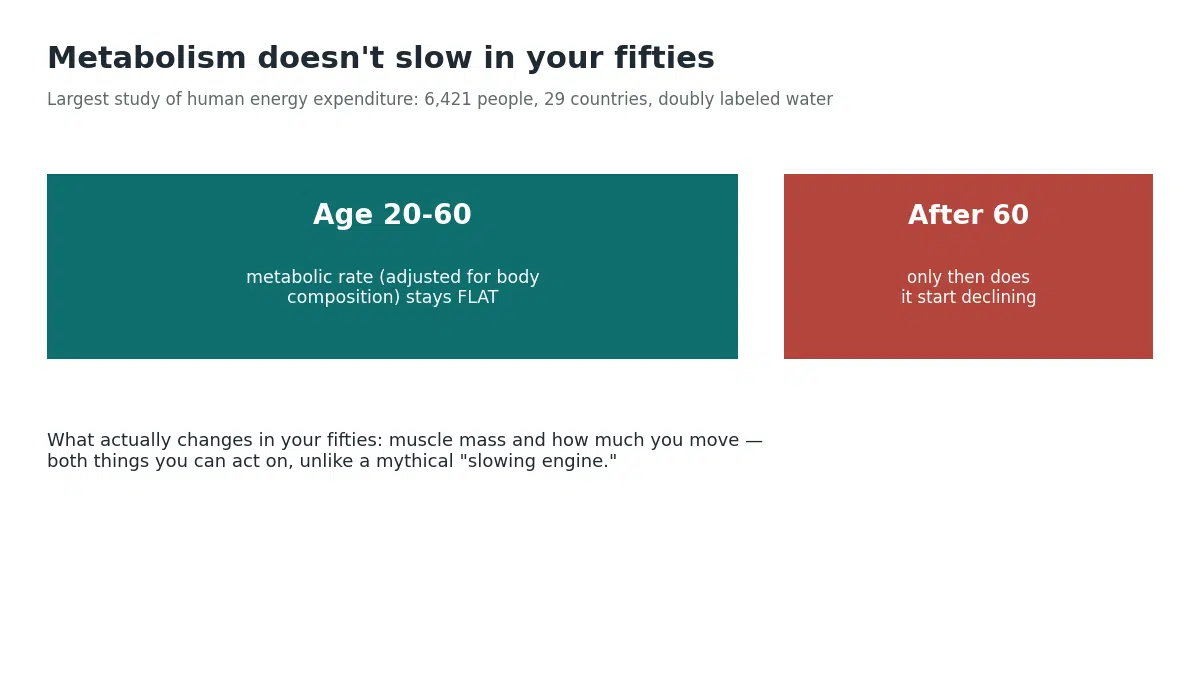
Your Basal Metabolic Rate (BMR) represents the energy your body burns just to keep you alive at rest. As you age, this rate naturally begins to decline due to cellular changes and reduced organ activity. This shift makes it increasingly important to find new ways to increase metabolism after 50.
“Aging is not a lost youth but a new stage of opportunity and strength.”
The Connection Between Muscle Loss and Metabolism
One of the most significant slow metabolism causes is the natural loss of muscle mass, a process known as sarcopenia. Muscle tissue is metabolically active, meaning it burns more calories than fat even when you are sitting still. When you lose muscle, your body requires less fuel, which often leads to unwanted weight gain.
- Muscle tissue supports a higher resting calorie burn.
- Strength training helps preserve lean mass as you age.
- Lower muscle mass directly correlates to a slower metabolic engine.
Hormonal Changes and Their Metabolic Impact
Hormonal fluctuations play a massive role in how your body stores and burns energy. For both men and women, the decline in specific hormones can alter fat distribution and insulin sensitivity. Understanding these slow metabolism causes allows you to implement targeted strategies to increase metabolism after 50 effectively.
When hormones like estrogen, testosterone, or thyroid hormones shift, your body may struggle to maintain its previous balance. By acknowledging these changes, you can better increase metabolism after 50 through lifestyle adjustments. If these hormonal shifts also bring on stubborn abdominal weight, exploring appetite suppressant supplements for menopause belly fat alongside these lifestyle changes may offer additional support. Embracing these facts helps you navigate the age-related changes with confidence and clarity.
Proven Natural Ways to Boost Metabolism After Age 50
Transforming your metabolic health starts with a fundamental shift in how you view daily habits. Many people search for a magic pill, but the most effective natural ways to boost metabolism after age 50 involve consistent, small adjustments to your lifestyle.
True progress comes from patience rather than restrictive dieting. When you prioritize long-term wellness, your body responds by becoming more efficient at burning energy.
Shifting Your Mindset Toward Sustainable Habits
Moving away from the “quick fix” mentality is essential for success. Instead of focusing on temporary calorie restriction, aim to build a foundation of sustainable movement and balanced nutrition.
“Consistency is the bridge between goals and accomplishment. Small, daily actions compound over time to create lasting metabolic change.”
Consider these core principles to maintain your momentum:
- Focus on progress, not perfection.
- Celebrate non-scale victories like increased energy levels.
- View food as fuel for your metabolic engine rather than an enemy.
Identifying Personal Metabolic Triggers
Understanding how to speed up metabolism naturally requires you to become a detective of your own body. Everyone has unique triggers that can either support or hinder their metabolic rate.
You might find that certain stressors or irregular sleep patterns act as roadblocks. By tracking your daily habits, you can pinpoint exactly what works for your specific physiology.
Learning how to speed up metabolism naturally is a personal journey. Once you identify your specific triggers, you can replace them with habits that support your vitality and long-term health goals.
Prioritizing Protein Intake for Metabolic Health
Protein serves as the essential building block for maintaining a healthy, active metabolism after 50. As we age, the natural decline in our resting metabolic rate often stems from a reduction in lean tissue. By focusing on adequate protein consumption, you can effectively address the link between muscle loss and metabolism.
Calculating Your Daily Protein Requirements
To determine your specific needs, aim for a baseline of 1.2 to 1.5 grams of protein per kilogram of body weight. This range helps support tissue repair and keeps your metabolic engine running smoothly. Consistency is key when you are trying to prevent the negative effects of muscle loss and metabolism changes.
You can easily track your intake by using a simple food diary or a mobile app. Start by logging your meals for three days to see where you currently stand. Most seniors find that increasing their intake at breakfast makes hitting these daily targets much easier.
Best Sources of Lean Protein for Seniors
Choosing high-quality protein sources ensures your body receives the amino acids necessary for maintenance. Whether you prefer plants or animal products, variety is vital for long-term success. If mornings are rushed, a high protein meal replacement shake can be a convenient way to hit your daily targets without sacrificing quality. The following table highlights some of the most efficient options available to support your health goals.
| Protein Source | Type | Benefits |
|---|---|---|
| Chicken Breast | Animal | High leucine content |
| Lentils | Plant | High fiber and iron |
| Greek Yogurt | Animal | Probiotics for gut health |
| Quinoa | Plant | Complete amino acid profile |
Plant-Based Protein Options
Plant-based proteins offer excellent health benefits beyond just muscle maintenance. Foods like chickpeas, tofu, and edamame provide essential fiber that aids digestion. Incorporating these into your diet helps manage weight while keeping your energy levels stable throughout the day.
Animal-Based Protein Benefits
Animal-based proteins are often considered “complete” because they contain all nine essential amino acids. Lean cuts of beef, wild-caught fish, and eggs are highly bioavailable. These sources are particularly effective at stimulating muscle protein synthesis, which is crucial for countering the natural progression of muscle loss and metabolism slowdown.
Strength Training Strategies to Combat Muscle Loss
As we age, the relationship between muscle loss and metabolism becomes a critical factor in our overall vitality. Many people notice that their energy levels dip as they pass the half-century mark, often unaware that their shrinking muscle mass is the primary culprit.
By engaging in consistent physical activity, you can reclaim your metabolic health. Building muscle is not just about aesthetics; it is a functional necessity for longevity.
Why Resistance Training is Non-Negotiable
Resistance training serves as the most effective tool to counteract the natural decline in metabolic rate. When you lift weights or use resistance, you signal your body to preserve and build tissue that burns more calories at rest.
“Strength does not come from winning. Your struggles develop your strengths. When you go through hardships and decide not to surrender, that is strength.”
This process directly addresses the link between muscle loss and metabolism by keeping your basal metabolic rate elevated. Without this stimulus, the body tends to store more energy as fat rather than utilizing it for muscle maintenance.
Designing a Beginner-Friendly Strength Routine
Starting a new routine does not require a fancy gym membership or expensive equipment. You can achieve significant results by focusing on compound movements that engage multiple muscle groups simultaneously.
Consistency is far more important than intensity when you are just beginning. Aim for two to three sessions per week to allow your body adequate time to recover and adapt.
Bodyweight Exercises for Home Workouts
You can start your journey using only your own body weight. These movements are safe, effective, and can be performed anywhere in your home.
- Bodyweight Squats: Excellent for strengthening the legs and glutes.
- Wall Push-ups: A gentle way to build upper body strength without straining your joints.
- Glute Bridges: Perfect for improving core stability and posterior chain health.
Utilizing Resistance Bands for Progressive Overload
Once you feel comfortable with basic movements, introduce resistance bands to continue your progress. These tools provide constant tension, which is essential for stimulating growth and preventing further muscle loss and metabolism decline.
Bands are lightweight and versatile, making them perfect for progressive overload. By simply choosing a thicker band or increasing your repetitions, you can keep challenging your muscles safely as you grow stronger.
The Role of Hydration in Metabolic Efficiency
Proper hydration acts as the silent engine behind your body’s ability to burn calories efficiently. While many focus on complex diets, the simple act of drinking enough water remains a fundamental pillar of metabolic health. When your cells are well-hydrated, they function at their peak, ensuring that your internal systems run without unnecessary friction.
How Water Intake Influences Thermogenesis
Water plays a critical role in thermogenesis, which is the process your body uses to generate heat and burn energy. Research suggests that drinking water can temporarily increase your resting energy expenditure. This happens because your body must work to bring the ingested water to core body temperature. The CDC’s guidance on healthy weight management also emphasizes that simple daily habits like proper hydration play a meaningful role in supporting long-term weight control.
“Water is the driving force of all nature. Staying hydrated is not just about quenching thirst; it is about fueling the very processes that keep us vibrant and energetic.”
When you are dehydrated, your metabolic rate may dip as the body attempts to conserve energy. By maintaining optimal fluid levels, you support the chemical reactions necessary for fat oxidation. This simple habit helps your body stay metabolically active throughout the day.
| Hydration Benefit | Metabolic Impact | Recommended Action |
|---|---|---|
| Cellular Function | Improves nutrient transport | Drink 8oz upon waking |
| Thermogenesis | Boosts calorie burning | Consume cold water |
| Appetite Control | Reduces false hunger | Sip before every meal |
Practical Tips for Increasing Daily Water Consumption
Increasing your water intake does not have to feel like a chore. You can start by keeping a reusable bottle nearby to serve as a visual reminder to sip consistently. If you find plain water boring, try infusing it with slices of cucumber, lemon, or fresh mint for a refreshing twist.
Another effective strategy is to link your water consumption to existing daily habits. For example, make it a rule to drink a full glass of water immediately after brushing your teeth or before starting your morning coffee. These small, consistent adjustments make it much easier to reach your hydration goals without feeling overwhelmed.
Optimizing Sleep Quality for Hormonal Balance
Quality sleep acts as a natural reset button for your entire hormonal system. During the night, your body performs essential maintenance that keeps your metabolism running smoothly. When you miss out on rest, you disrupt these vital internal processes.
Prioritizing your sleep is not just about feeling refreshed in the morning. It is a fundamental pillar of metabolic health that helps your body regulate energy levels effectively. Without enough rest, your internal systems struggle to maintain the balance required for long-term wellness.
The Link Between Sleep Deprivation and Weight Gain
Chronic sleep deprivation triggers a cascade of hormonal imbalances that can lead to unwanted weight gain. When you are tired, your body produces more ghrelin, the hormone that signals hunger. Simultaneously, it lowers levels of leptin, the hormone responsible for making you feel full.
This hormonal shift often leads to intense cravings for high-calorie, sugary foods. Furthermore, poor sleep quality is strongly linked to insulin resistance. When your cells do not respond well to insulin, your body is more likely to store fat rather than burn it for fuel.

Creating a Nighttime Routine for Better Rest
Establishing a consistent nighttime routine is one of the most effective ways to improve your sleep quality. Start by dimming the lights an hour before bed to signal to your brain that it is time to wind down. Consistency is key, so try to go to bed and wake up at the same time every day.
You should also keep your bedroom cool and dark to create an ideal environment for deep sleep. Avoid using electronic devices like smartphones or tablets, as the blue light can interfere with your natural sleep cycles. Instead, try reading a book or practicing gentle stretching to help your mind relax.
Small changes to your evening habits can lead to significant improvements in your metabolic health. By giving your body the rest it needs, you provide it with the best opportunity to function at its peak. Focus on these simple steps tonight to start feeling the difference tomorrow.
Managing Stress to Prevent Metabolic Slowdown
Chronic stress acts as a silent saboteur for your metabolism as you age. While many focus solely on diet and exercise, the state of your nervous system plays a critical role in how your body processes energy. When you remain in a constant state of tension, your internal systems struggle to maintain the efficiency required for optimal health.
Cortisol and Its Effect on Belly Fat
When you experience stress, your adrenal glands release a hormone called cortisol. In short bursts, this is a natural survival mechanism, but chronic elevation of cortisol can be problematic. It signals your body to store energy, specifically in the abdominal area, as a protective measure.
This process often leads to the accumulation of stubborn belly fat that is notoriously difficult to lose. Furthermore, high cortisol levels can encourage muscle breakdown, which directly lowers your basal metabolic rate. By keeping your stress hormones in check, you protect your lean muscle mass and support a faster metabolism.
Mindfulness Techniques to Lower Stress Levels
Adopting simple mindfulness practices can help you regain control over your physiological response to daily pressures. You do not need hours of free time to see results; even a few minutes of intentional focus can shift your body from a “fight or flight” state to a “rest and digest” mode.
- Deep Diaphragmatic Breathing: Spend five minutes each morning focusing on slow, deep breaths to calm your nervous system.
- Mindful Walking: Take a short walk outside without your phone to reconnect with your surroundings and clear your mind.
- Progressive Muscle Relaxation: Systematically tense and then release different muscle groups to identify and let go of physical tension.
Consistency is the key to success with these techniques. By prioritizing your mental well-being, you create a hormonal environment that allows your metabolism to function at its best. Remember that managing your stress is a foundational pillar of your long-term health journey.
Incorporating Metabolism Boosting Foods for Women and Men
Discovering the best metabolism boosting foods for women and men is a game-changer for long-term vitality. Nutrition serves as the primary fuel for your body, and specific choices can help maintain a healthy internal pace. By focusing on nutrient-dense options, you provide your system with the tools it needs to function efficiently.
Spices and Herbs That Ignite Your Metabolism
Certain spices contain active compounds that naturally increase your body’s heat production, a process known as thermogenesis. Adding these to your daily meals is a simple way to give your system a gentle nudge. Cayenne pepper, for instance, contains capsaicin, which is well-known for its ability to support metabolic rate.
- Turmeric: Known for its anti-inflammatory properties that support overall health.
- Ginger: Helps improve digestion and can slightly raise body temperature.
- Cinnamon: Assists in maintaining stable blood sugar levels throughout the day.
The Importance of Fiber-Rich Whole Foods
Fiber is essential for digestive health and plays a major role in how your body processes energy. When you prioritize fiber-rich options, you stay full longer, which is a key strategy for metabolism boosting foods for women. These foods prevent the sharp spikes in blood sugar that often lead to energy crashes.
Vegetables That Support Metabolic Health
Cruciferous vegetables like broccoli, cauliflower, and Brussels sprouts are excellent choices for your plate. They are packed with vitamins and minerals that keep your metabolic processes running smoothly. High-volume, low-calorie vegetables allow you to eat satisfying portions while keeping your intake balanced.
Healthy Fats and Their Role in Satiety
Including healthy fats in your diet is vital for hormonal balance and long-term satiety. Sources like avocados, walnuts, and olive oil provide the necessary nutrients to keep you feeling satisfied between meals. When you feel full, you are less likely to reach for processed snacks, making these fats essential metabolism boosting foods for women and men alike.
The Impact of Meal Timing and Intermittent Fasting
Aligning your daily meals with your body’s natural clock can be a game-changer for metabolic health after 50. While many focus exclusively on food quality, the timing of your intake plays a critical role in how your system processes energy. By working with your biology rather than against it, you can encourage more efficient digestion and fat burning.
Understanding Circadian Rhythms and Digestion
Your body operates on an internal circadian rhythm, a 24-hour cycle that regulates everything from sleep to hormone production. Digestion is most active during daylight hours when your body is prepared to process nutrients for immediate energy. As the sun sets, your metabolic rate naturally dips, making late-night snacking less ideal for weight management.
Eating large meals late in the evening can disrupt your body’s ability to repair and reset overnight. When you finish your last meal earlier in the day, you allow your digestive system to rest. This metabolic flexibility helps your body transition more easily into burning stored fat for fuel while you sleep.
Safe Approaches to Time-Restricted Eating
For those over 50, extreme fasting is rarely the best approach. Instead, consider gentle time-restricted eating, which focuses on narrowing your daily eating window without skipping essential nutrients. A common starting point is a 12-hour window, such as eating between 8:00 AM and 8:00 PM, which is sustainable and easy to follow.
This method provides your body with a consistent period of rest, which can improve insulin sensitivity and reduce inflammation. Always prioritize nutrient-dense foods during your eating window to ensure you meet your protein and fiber needs. If you feel lightheaded or overly hungry, simply adjust your window to better suit your personal energy levels.
| Eating Strategy | Primary Benefit | Best For |
|---|---|---|
| 12-Hour Window | Digestive Rest | Beginners |
| Early Dinner | Improved Sleep | Night Owls |
| Consistent Schedule | Hormonal Balance | Routine Seekers |
Daily Movement Habits Beyond the Gym
Many people believe that intense exercise is the only way to burn calories, but that is simply not true. You can effectively increase metabolism after 50 by focusing on the small, consistent movements you make throughout your day. These minor actions add up to a significant amount of energy expenditure.
The Power of Non-Exercise Activity Thermogenesis (NEAT)
Non-Exercise Activity Thermogenesis, or NEAT, refers to all the energy you burn during daily tasks that are not formal exercise. This includes everything from walking to the mailbox, cleaning your home, or tending to your garden. It is truly the hidden engine of your daily calorie burn.
By staying active during your waking hours, you keep your body in a state of constant, gentle motion. This approach helps maintain metabolic health without the need for grueling gym sessions. Consistency is the key to making these habits work for your long-term wellness.
Simple Ways to Increase Daily Step Counts
Increasing your daily step count is one of the most accessible ways to increase metabolism after 50. You do not need to overhaul your entire lifestyle to see results. Small adjustments to your routine can make a world of difference.
- Take a short, five-minute walk after every meal to aid digestion and boost activity.
- Choose to park further away from store entrances to add extra steps to your errands.
- Use a standing desk or simply stand up while taking phone calls to avoid prolonged sitting.
- Incorporate light household chores like vacuuming or gardening into your weekend plans.
Every single step counts toward your goal of a more active lifestyle. By finding joy in movement, you turn mundane tasks into opportunities for better health. Start small today and watch how these simple habits transform your energy levels.
Supplements and Natural Aids to Consider
Exploring natural aids is a common step when you are learning how to speed up metabolism naturally. While a nutrient-dense diet remains the cornerstone of your health, certain supplements can provide the extra support your body needs as it ages.
Green Tea Extract and Metabolic Support
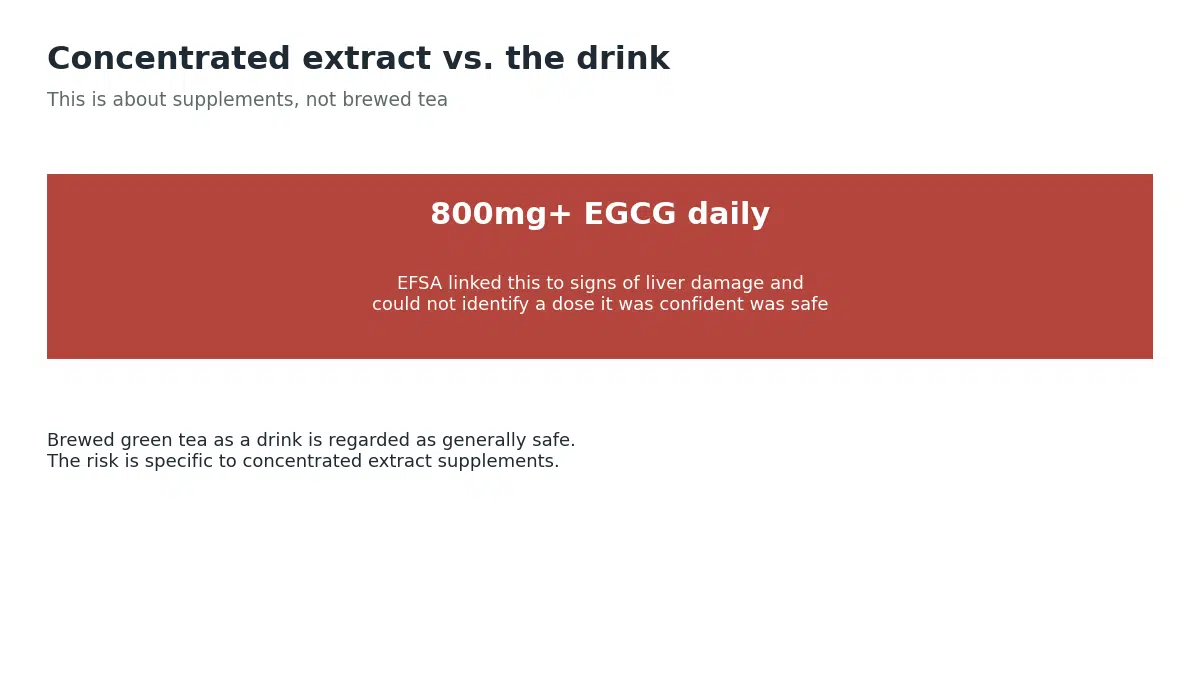
Green tea extract is widely recognized for its potential to assist with weight management. It contains high levels of catechins, which are antioxidants that may help increase thermogenesis. By supporting your body’s ability to burn calories, this extract serves as a popular tool for those seeking a gentle metabolic boost. For those who prefer a daily ritual over capsules, slimming tea is another option worth researching, though it is still wise to check with your doctor first.
The Role of Vitamin D and B-Complex Vitamins
Micronutrients play a vital role in how your cells produce energy. Vitamin D is essential for maintaining a healthy metabolic rate, as deficiencies are often linked to slower energy expenditure. Similarly, B-complex vitamins act as critical cofactors in converting the food you eat into usable fuel for your muscles.
Consulting with Healthcare Professionals Before Starting
Before you add any new supplement to your daily routine, it is essential to speak with your doctor. They can help you determine if a specific product is safe for your unique health profile. Always prioritize professional guidance to ensure you are learning how to speed up metabolism naturally without risking unwanted interactions with existing medications.
Monitoring Progress and Adjusting Your Routine
True metabolic success is measured by how you feel every single day. As you navigate the changes that come with age, it is helpful to look beyond the bathroom scale for signs of improvement. Relying solely on weight can be misleading, as your body composition shifts and muscle mass becomes more vital.

Tracking Energy Levels Instead of Just the Scale
Focusing on your daily energy levels provides a much clearer picture of your metabolic health. When your metabolism is functioning efficiently, you should experience consistent vitality throughout the afternoon rather than a mid-day crash. Pay attention to how quickly you recover after physical activity and how well you sleep at night.
Keeping a simple journal can help you identify patterns in your mood and stamina. If you notice that your energy remains stable, it is a strong indicator that your current nutritional choices are supporting your body well. This shift in focus makes the process of staying healthy at any age much more rewarding and sustainable.
When to Modify Your Intensity and Nutrition
Even the best routines eventually require adjustments to keep moving forward. If you find that your progress has stalled or you feel unusually fatigued, it may be time to re-evaluate your approach. A plateau is often just a signal that your body has adapted to your current level of age-related activity.
Consider the following indicators to determine if your routine needs a change:
| Indicator | What It Suggests | Recommended Action |
|---|---|---|
| Persistent Fatigue | Overtraining or under-fueling | Increase protein or rest days |
| Weight Plateau | Metabolic adaptation | Vary your exercise intensity |
| Poor Sleep Quality | High cortisol levels | Adjust meal timing or stress |
| Stable Energy | Optimal metabolic balance | Maintain current habits |
Listen to your body closely as you age. If you feel strong and capable, you are likely on the right track. However, if you feel drained, do not hesitate to scale back your intensity or adjust your macronutrient intake to better suit your unique needs at this stage of life.
Conclusion
Reaching age 50 marks a powerful new chapter for your physical well-being. You possess the tools to influence your body composition and energy levels through intentional daily choices.
Focus on the small wins that build momentum over time. Whether you choose to add more protein to your breakfast or take a brisk walk after dinner, these habits create lasting change. Your body responds best to steady, patient efforts rather than drastic shifts.
Prioritize your sleep and manage your stress to keep your internal systems running smoothly. Brands like Fitbit or Garmin can help you track your movement patterns, but your own internal feedback remains the most important metric. Listen to how your body feels as you integrate these new routines.
Embrace this journey with a positive mindset. You have the ability to shape your health for the years ahead. Start today by picking one simple habit to improve your vitality and metabolic health.