

Do you remember when you felt like you could conquer the world without a second thought? For many of us, the transition into midlife feels like a quiet shift in the wind. You might notice that your morning energy isn’t what it used to be, or that your focus drifts more easily during the day.
It is easy to dismiss these changes as just another part of getting older. However, recognizing the early signs of low testosterone in men over 50 is a vital step toward reclaiming your natural vitality. Your body is speaking to you, and listening now can make a world of difference for your long-term health.
Taking proactive control of your well-being is not about fighting time; it is about optimizing your health for the years ahead. By understanding these hormonal shifts, you can regain the drive and clarity that define your best self.
Key Takeaways
- Midlife hormonal changes are a natural but manageable part of the aging process.
- Recognizing subtle shifts in energy and mood is the first step toward better health.
- Proactive awareness allows you to take control of your long-term physical well-being.
- Addressing hormonal imbalances can significantly improve your daily quality of life.
- Consulting with a professional helps you navigate these transitions with confidence.
The Reality of Aging and Hormonal Shifts
The narrative surrounding midlife is shifting from one of inevitable loss to one of proactive health management. For many men, the fifth decade of life serves as a critical turning point where biological signals begin to change. Rather than viewing this phase as a period of decline, it is more accurate to see it as a dynamic transition that requires a new approach to wellness.
Redefining the Midlife Experience
Society has long held a rigid view of aging, often associating it with a loss of strength and vitality. However, modern science suggests that men can maintain high levels of performance well into their later years by understanding their body’s changing needs. This shift in perspective allows men to take control of their health trajectory.
“Aging is not lost youth but a new stage of opportunity and strength.”
To better understand this transition, consider how the perception of aging has evolved in recent years. The following table highlights the contrast between outdated beliefs and modern, evidence-based approaches to midlife health.
| Focus Area | Outdated View | Modern Proactive View |
|---|---|---|
| Physical Activity | Rest and inactivity | Consistent resistance training |
| Hormonal Changes | Ignored as “just aging” | Monitored and balanced |
| Mental Outlook | Acceptance of decline | Focus on cognitive longevity |
| Health Goal | Treating symptoms | Optimizing systemic function |
Why Hormonal Health Matters More Than Ever
Hormonal balance acts as the foundation for physical and mental well-being. As testosterone levels naturally fluctuate, the body experiences ripple effects that influence everything from metabolic rate to emotional stability. Recognizing these biological underpinnings is essential for any man who intends to remain active and healthy past the age of 50.
Ignoring these internal shifts can lead to unnecessary fatigue and a diminished quality of life. By prioritizing hormonal health, you are not just chasing youth; you are investing in your future functionality. Taking ownership of these biological markers ensures that your fifties and beyond remain a time of continued growth and vitality.
Identifying the Early Signs of Low Testosterone in Men Over 50
Recognizing the early signs of low testosterone in men over 50 is a vital step toward maintaining long-term vitality. While many individuals assume that feeling sluggish is simply a natural part of aging, these changes often point to a deeper hormonal shift. Identifying these markers early allows for better management of your overall health.
Recognizing Subtle Changes in Daily Vitality
The transition into your fifties often brings a gradual decline in physical and mental energy. You might notice that your usual workout routine feels more demanding or that your recovery time has significantly increased. These subtle shifts are frequently among the most common symptoms of low testosterone men encounter in their daily lives.
Beyond physical fatigue, you may experience fluctuations in mood or a lack of focus that was not present in your younger years. It is important to pay attention to these patterns rather than dismissing them as inevitable. Consistency in your energy levels is a key indicator of hormonal balance.
“Health is not merely the absence of disease, but the presence of vitality and the ability to thrive at every stage of life.”
The Importance of Early Detection for Long-term Wellness
Early detection is not about vanity or chasing youth; it is a proactive strategy for protecting your metabolic and physical health. When testosterone levels drop below the optimal range, the body becomes more susceptible to issues like muscle mass loss and increased body fat. Addressing these early signs of low testosterone in men over 50 can help prevent long-term complications.
By identifying these hormonal markers early, you gain the power to make informed lifestyle adjustments. This approach ensures that you are not just treating symptoms, but supporting your body’s long-term function. Taking action today is the best way to secure your well-being for the years ahead.
Understanding Andropause and Its Impact on Male Health
The term andropause is often misunderstood, yet it represents a significant phase in male health. Unlike the sudden hormonal drop experienced by women, men undergo a much more gradual decline in hormone production. This process often begins in the late forties or early fifties, leading to a variety of physical and emotional shifts.
Many individuals struggle to identify these changes because they mimic the general wear and tear of getting older. However, recognizing the symptoms of low testosterone men face is essential for maintaining long-term vitality. By identifying these patterns early, you can take proactive steps to improve your quality of life.
Defining the Male Menopause
Andropause refers to the clinical decline in androgen levels, specifically testosterone, as men age. While it is not a universal experience for every man, it is a common biological reality that affects metabolic function, muscle mass, and mood. This transition is not merely about getting older; it is a specific hormonal event that requires attention.
Understanding the signs of andropause allows you to distinguish between temporary fatigue and a deeper hormonal imbalance. When your body stops producing sufficient testosterone, it impacts your overall systemic health. This is why medical professionals emphasize the importance of tracking these changes over time.
Distinguishing Between Normal Aging and Hormonal Deficiency
It is vital to separate the natural slowing of bodily functions from a true clinical deficiency. Normal aging involves a slow, steady decline that the body often adapts to over many years. In contrast, a hormonal deficiency creates a noticeable drop in performance and well-being that disrupts your daily routine.
| Feature | Normal Aging | Hormonal Deficiency |
|---|---|---|
| Energy Levels | Gradual reduction | Chronic, persistent fatigue |
| Muscle Mass | Slow loss over decades | Rapid, unexplained atrophy |
| Mood Stability | Occasional irritability | Frequent anxiety or depression |
| Libido | Minor decrease | Significant, sudden loss |
Consulting with a healthcare provider helps you determine if your experiences fall within the range of normal aging or if they require medical intervention. Empowerment comes from having accurate information and clear communication with your doctor. By monitoring these markers, you ensure that your health remains a priority throughout your fifties and beyond.
The Persistent Struggle with Fatigue and Low Testosterone
Fatigue is often dismissed as a simple byproduct of a busy lifestyle, but it is frequently a primary indicator of hormonal decline. Many men assume that feeling drained is just a normal part of aging. However, recognizing low t symptoms over 50 is essential for those who feel they are losing their edge despite maintaining a healthy work-life balance.
Why Energy Levels Plummet
Testosterone plays a critical role in how your body produces and utilizes energy at a cellular level. When levels drop, your metabolism may slow down, leading to a noticeable decrease in physical stamina. This physiological shift often manifests as a heavy, persistent tiredness that does not improve with a standard night of rest.
The connection between fatigue and low testosterone is rooted in how hormones regulate muscle mass and red blood cell production. Without sufficient testosterone, your body struggles to maintain the fuel reserves necessary for daily activity. This creates a cycle where you feel less motivated to move, which further impacts your overall energy output.
Differentiating Between Burnout and Low T
It can be difficult to tell the difference between temporary burnout and a chronic hormonal issue. Burnout is typically linked to specific stressors, such as high-pressure work environments or major life changes. In contrast, low t symptoms over 50 often persist even when you take time off or reduce your stress levels.
If your exhaustion feels constant and is accompanied by other physical changes, it is likely more than just stress. Fatigue and low testosterone often present alongside symptoms like reduced muscle tone or mood shifts. Listening to your body is vital when you feel like you are running on empty despite your best efforts to stay balanced.
Addressing Low Libido Causes in Men
Understanding the root of low libido causes in men is a vital step toward reclaiming your vitality. Many individuals notice a decline in sexual desire as they age, yet they often hesitate to discuss these changes openly. By identifying the underlying factors, you can take proactive steps to improve your intimate life and overall confidence.
The Psychological and Physiological Connection
Sexual health is rarely just about one factor; it is a complex interplay between your body and your mind. When testosterone levels drop, the physiological impact often manifests as reduced physical drive. However, this change can also trigger psychological stress, creating a cycle where anxiety about performance further diminishes interest.
It is important to recognize that your mental state directly influences your physical response. Chronic stress, fatigue, and even minor mood fluctuations can exacerbate the physical symptoms of hormonal decline. Addressing these low libido causes in men requires a holistic approach that considers both your hormonal balance and your emotional well-being.
Breaking the Stigma Around Sexual Health
Society often places unnecessary pressure on men to maintain a specific level of performance regardless of age. This cultural stigma frequently prevents men from seeking the medical guidance they truly need. Open communication with a healthcare provider is the most effective way to distinguish between normal aging and treatable health conditions.
You deserve to feel your best at every stage of life. Seeking help is not a sign of weakness, but rather a proactive commitment to your long-term health. Below is a summary of common factors that contribute to these changes in sexual desire.
| Factor Category | Primary Influence | Impact Level |
|---|---|---|
| Hormonal | Testosterone Decline | High |
| Psychological | Stress and Anxiety | Moderate |
| Lifestyle | Sleep and Diet | Moderate |
| Medical | Chronic Conditions | High |
By understanding these low libido causes in men, you can better navigate your health journey. Prioritizing your sexual wellness is an essential part of maintaining a high quality of life after fifty.
Cognitive Changes and the Fog of Low T
Have you ever felt like your brain is trapped in a thick, persistent fog? Many men assume this lack of sharpness is simply a byproduct of a busy lifestyle or poor sleep habits. However, these cognitive shifts are often among the most common low t symptoms over 50 that go unnoticed.
When your hormones are out of balance, your brain may struggle to process information as quickly as it once did. This mental sluggishness can make even simple daily tasks feel like a significant chore. Recognizing these signs early is essential for maintaining your professional and personal performance.

Memory Lapses and Concentration Issues
Do you find yourself walking into a room and forgetting why you are there? Frequent memory lapses and a reduced ability to concentrate are frequent complaints for men experiencing hormonal decline. These low t symptoms over 50 often manifest as difficulty staying on task during long meetings or struggling to recall names of colleagues.
It is easy to dismiss these moments as simple aging, but they often signal a deeper physiological change. When your focus wavers, it impacts your confidence and your ability to engage with the world around you. Staying sharp requires more than just mental exercises; it requires a balanced internal environment.
The Impact of Hormones on Mental Clarity
Testosterone plays a surprisingly large role in how your brain functions on a daily basis. Research suggests that androgen receptors are present in areas of the brain responsible for memory and executive function. When levels drop, the efficiency of these neural pathways can decline, leading to that frustrating sense of mental cloudiness.
By addressing these low t symptoms over 50, you can often restore a sense of mental clarity and vigor. Maintaining hormonal balance is a key strategy for preserving your cognitive health as you navigate your fifties and beyond. Taking a proactive approach ensures that your mind remains as active and capable as your body.
Physical Transformations and Body Composition Shifts
The physical reflection in the mirror often shifts as testosterone levels begin their natural decline. Many men find that their usual gym routines no longer yield the same results they enjoyed in their thirties or forties. This transition is rarely just about willpower or discipline; it is frequently a direct consequence of hormonal changes.
When hormone levels drop, the body struggles to maintain its previous structure. You might notice that your clothes fit differently or that your energy for intense physical activity feels depleted. Recognizing these shifts is the first step toward addressing them effectively.
Muscle Mass Loss and Increased Body Fat
As men enter their fifties, the body often experiences a decrease in muscle protein synthesis. This process, known as sarcopenia, makes it harder to retain lean muscle tissue even with consistent resistance training. Simultaneously, the body becomes more prone to storing fat, particularly around the midsection.
This combination of muscle loss and fat gain can be incredibly frustrating. It often creates a cycle where lower activity levels lead to further muscle atrophy. Consider these common physical indicators of this shift:
- Reduced muscle definition in the arms and chest.
- An increase in visceral fat around the abdomen.
- A noticeable decrease in overall physical strength and endurance.
- Longer recovery times after standard workouts.
The Role of Testosterone in Metabolic Health
Testosterone acts as a critical regulator of your metabolic health. It influences how your body processes energy, manages insulin sensitivity, and distributes fat stores. When levels are insufficient, the body’s metabolic engine slows down significantly.
Without adequate hormonal support, your body may struggle to burn calories efficiently. This makes it difficult to maintain a lean physique, regardless of how strictly you monitor your caloric intake. Optimizing your hormonal health is essential for supporting a healthy metabolism and preserving your physical vitality as you age.
Ultimately, your body composition is a reflection of your internal hormonal environment. By understanding this connection, you can better tailor your lifestyle choices to support your long-term wellness. Prioritizing metabolic health is a vital component of staying strong and active well into your later years.
Emotional Well-being and Mood Fluctuations
When you find yourself feeling unusually irritable or anxious, it might be more than just a stressful week at the office. Many men dismiss these shifts as a natural part of getting older, yet they are often key signs of andropause. Recognizing these emotional changes is the first step toward reclaiming your sense of self.
Irritability and Anxiety in Midlife
It is common for men to experience a shorter fuse or a persistent sense of unease as they cross the age of 50. You might notice that situations which once seemed manageable now trigger intense frustration or unnecessary worry. This emotional volatility is frequently linked to declining testosterone levels, which influence how the brain processes stress.
Ignoring these signs of andropause can lead to strained relationships and a diminished quality of life. When irritability becomes your default state, it impacts your ability to connect with loved ones and enjoy your daily activities. Addressing these symptoms early allows you to regain control over your emotional landscape.
The Link Between Hormones and Mental Health
The relationship between your endocrine system and your mental health is profound. Testosterone plays a critical role in regulating mood, motivation, and cognitive function. When levels drop, the brain may struggle to maintain its usual emotional equilibrium, leading to feelings of sadness or apathy.
Prioritizing your mental health is just as important as maintaining your physical strength. By viewing these mood fluctuations as potential signs of andropause, you can seek the right support to restore your balance. Emotional stability is a vital component of a healthy, fulfilling life, and it deserves the same attention as any other aspect of your wellness journey.
Sleep Disturbances and Their Link to Hormonal Decline
Many men find that their sleep quality begins to decline just as they notice the onset of fatigue and low testosterone. This transition often goes unnoticed until the cumulative effects of restless nights start to impact daily performance and mood. Recognizing this pattern is the first step toward reclaiming your physical and mental edge.
Insomnia and Poor Sleep Quality
Chronic insomnia is more than just an annoyance; it acts as a significant stressor on the endocrine system. When you fail to achieve deep, restorative sleep, your body remains in a state of heightened cortisol production. This hormonal imbalance creates a vicious cycle where fatigue and low testosterone become increasingly difficult to manage through lifestyle changes alone.
Poor sleep hygiene often stems from modern habits, such as late-night screen exposure or irregular schedules. By prioritizing a consistent bedtime routine, you can mitigate some of the physiological strain associated with aging. Small adjustments to your environment can lead to significant improvements in your overall hormonal health.
How Sleep Cycles Influence Testosterone Production
Testosterone production is not a constant process; it relies heavily on specific stages of the sleep cycle. Most of your daily testosterone is released during deep, slow-wave sleep. If your sleep is fragmented, your body misses these critical windows for hormonal replenishment, which directly contributes to fatigue and low testosterone.
The following table illustrates how different sleep patterns influence your hormonal health and daily energy levels:
| Sleep Quality | Hormonal Impact | Energy Level |
|---|---|---|
| Deep/Restorative | Optimal Production | High Vitality |
| Fragmented | Moderate Decline | Occasional Fatigue |
| Chronic Insomnia | Significant Deficiency | Persistent Exhaustion |
Consistency is key when attempting to stabilize your internal clock. By protecting your sleep cycles, you provide your body with the necessary tools to maintain healthy hormone levels. Taking control of your rest is a powerful, natural intervention for long-term wellness.
How to Test Testosterone Levels Effectively
If you suspect your testosterone levels are dropping, knowing how to test testosterone lev is the first step toward clarity. Many men assume a single blood draw provides a complete answer, but hormonal fluctuations make the process more nuanced. Achieving an accurate diagnosis requires following specific clinical protocols to ensure your results reflect your true baseline.
Understanding Blood Panel Requirements
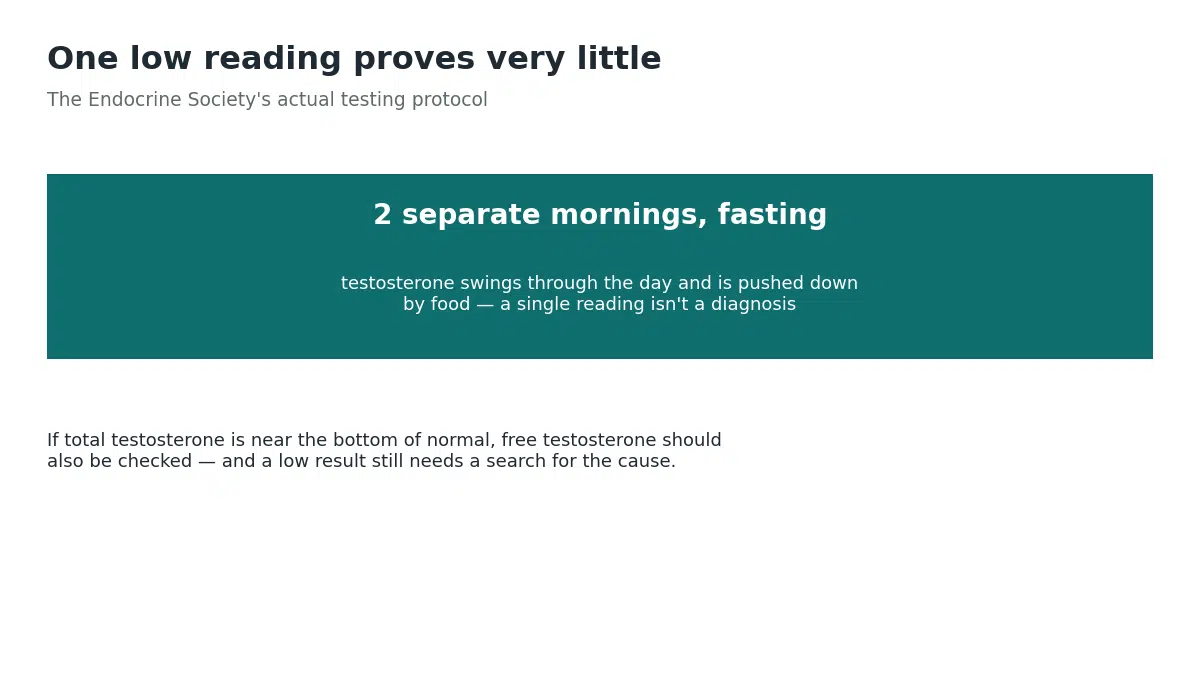
Testosterone levels naturally peak in the early morning hours and decline throughout the day. Because of this circadian rhythm, physicians typically require blood samples to be drawn between 7:00 AM and 10:00 AM. Consistency is vital for obtaining a reliable measurement that your doctor can trust.
Your healthcare provider may also request that you fast before the blood draw to prevent dietary interference with hormone markers. In many cases, a single low reading is not enough for a diagnosis. You might need to provide multiple samples on different days to confirm a persistent deficiency.
Interpreting Results with Your Physician
Once you receive your lab report, it is essential to discuss the findings within the context of your overall health history. A number that falls within the “normal” range on a lab sheet might still be too low for your specific body and symptom profile. You must learn how to test testosterone lev by advocating for a comprehensive review of your physical and emotional symptoms alongside the raw data.
Your physician should look at more than just total testosterone. They should also evaluate free testosterone, albumin, and sex hormone-binding globulin (SHBG) to get a complete picture. Use the following table to understand the key factors that influence your testing accuracy.
| Testing Factor | Optimal Condition | Reasoning |
|---|---|---|
| Time of Day | Early Morning | Hormones peak after sleep |
| Frequency | Two Separate Draws | Confirms consistent levels |
| Preparation | Fasting Required | Reduces metabolic interference |
| Clinical Context | Symptom Review | Aligns data with physical reality |
Always remember that lab results are only one piece of the puzzle. If your symptoms persist despite a “normal” result, do not hesitate to ask for a second opinion or further specialized testing. Taking an active role in your medical consultation ensures you receive the most accurate assessment possible.
Debunking Common Myths About Testosterone Replacement
Separating medical reality from common misconceptions is a vital step for any man considering his health options. Many individuals feel overwhelmed by the conflicting advice found online regarding hormone therapy. Understanding the truth is essential, especially when you are investigating low libido causes men often face as they age.
Separating Fact from Fiction
One of the most persistent myths is that testosterone replacement therapy directly causes prostate cancer. Current clinical research does not support this claim, though physicians always perform thorough screenings before starting any treatment, consistent with guidance from the Urology Care Foundation. Evidence-based medicine focuses on individual risk profiles rather than broad, unfounded fears.
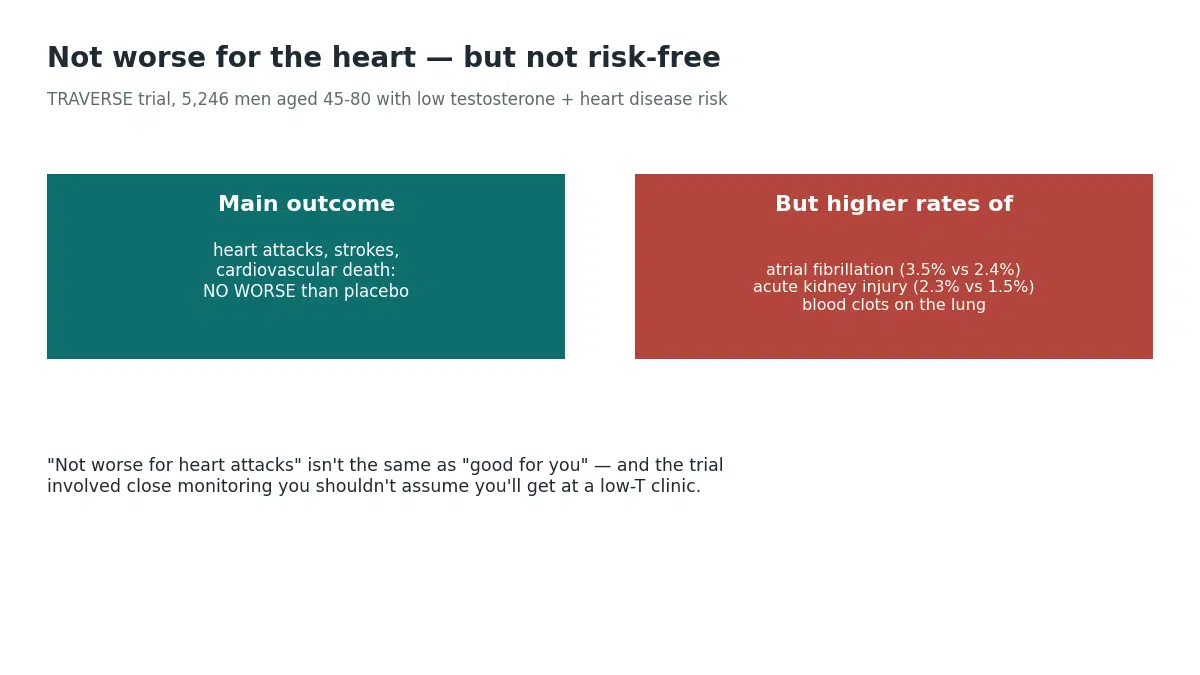
Another common concern involves heart health and the risk of cardiovascular events. While some older studies caused alarm, modern data suggests that properly managed therapy may actually support metabolic health. It is important to distinguish between anecdotal stories and peer-reviewed clinical outcomes.
Safety Considerations for Men Over 50
Safety is the cornerstone of any effective hormone management plan. For men navigating low libido causes men frequently report, the goal is to restore balance through supervised medical intervention. Regular blood panels and consultations ensure that hormone levels remain within a healthy, physiological range.
Your physician will monitor your hematocrit levels and prostate-specific antigen (PSA) to ensure your body responds well to the treatment, which is also a good time to ask about options like saw palmetto vs beta sitosterol for prostate health if you have any prostate concerns. This proactive approach minimizes risks and maximizes the benefits of therapy. Always prioritize working with a qualified specialist who understands the unique needs of aging men.
| Common Myth | Medical Reality | Key Insight |
|---|---|---|
| Testosterone causes cancer | No direct link established | Screening is standard practice |
| Therapy ruins heart health | May improve metabolic markers | Supervision is essential |
| Results are immediate | Gradual improvement over months | Patience is required |
| Only for younger men | Effective for men over 50 | Focus on quality of life |
Lifestyle Adjustments to Support Natural Hormone Production
Before exploring medical interventions, consider how your daily lifestyle choices influence your hormonal health. Small, consistent changes to your routine often serve as the most effective first line of defense against age-related decline. By prioritizing your internal environment, you create a foundation for long-term vitality.
Nutritional Strategies for Hormonal Balance
Your body requires specific building blocks to synthesize hormones efficiently. A diet rich in whole foods provides the essential micronutrients needed to keep your endocrine system functioning at its peak. Focus on incorporating healthy fats, as cholesterol serves as the primary precursor for testosterone production.
Consider these dietary staples to support your hormonal health:
- Healthy Fats: Include avocados, olive oil, and nuts to provide necessary raw materials for hormone synthesis.
- Zinc-Rich Foods: Oysters, pumpkin seeds, and lean beef are vital for maintaining healthy levels.
- Vitamin D Sources: Fatty fish and fortified foods help regulate your endocrine function.
- Cruciferous Vegetables: Broccoli and cauliflower assist in managing estrogen levels naturally.

The Role of Resistance Training in Testosterone Maintenance
Physical activity acts as a powerful signal to your body to maintain muscle mass and hormonal output. Resistance training, in particular, has been shown to stimulate the release of hormones that support metabolic health. Engaging in compound movements like squats, deadlifts, and presses provides the greatest physiological benefit for men over 50.
Consistency remains the most important factor when building a sustainable exercise routine. You do not need to spend hours in the gym to see results; instead, focus on high-intensity, short-duration sessions that challenge your muscles. This approach helps prevent the muscle wasting that often accompanies hormonal shifts.
By combining targeted nutrition with a structured lifting program, you take active ownership of your health. These lifestyle adjustments work together to optimize your body’s natural capacity for balance, and pairing them with the best natural testosterone booster supplements for men over 40 can help accelerate your results. Start with one or two changes this week to begin your journey toward improved energy and wellness.
When to Seek Professional Medical Guidance
Transitioning from self-care to professional medical intervention is a pivotal step for men over 50. While healthy habits form the foundation of wellness, persistent symptoms often require a deeper clinical investigation. Understanding how to test testosterone lev accurately is the first step toward reclaiming your vitality.
Choosing the Right Specialist
Not all physicians approach hormonal health with the same level of expertise. You should look for a provider who specializes in men’s health or endocrinology to ensure you receive evidence-based care. A qualified specialist will listen to your concerns rather than dismissing them as a normal part of aging. If you are also noticing urinary changes, a urologist can help you weigh the best natural supplements for enlarged prostate symptoms alongside your hormone treatment plan.
Consider the following table to help you decide which type of professional might best suit your specific health goals and current symptoms.
| Specialist Type | Primary Focus | Best For |
|---|---|---|
| Urologist | Male reproductive system | Hormonal imbalances and sexual health |
| Endocrinologist | Hormone-producing glands | Complex metabolic and hormonal issues |
| Primary Care Physician | General health management | Initial screenings and referrals |
Preparing for Your First Consultation
Preparation is key to a productive visit. Before your appointment, document your symptoms, including their frequency and severity, to provide your doctor with a clear clinical picture. You should also be prepared to discuss how to test testosterone lev, as your doctor will likely order a morning blood panel to capture peak hormone levels.
Bring a list of all current medications and supplements to avoid potential interactions. Be honest about your lifestyle, diet, and exercise habits, as these factors significantly influence your results. A collaborative relationship with your physician ensures that your treatment plan is both safe and effective for your long-term health.
The Importance of Proactive Health Management After 50
Taking control of your wellness journey after fifty is the most effective way to ensure a vibrant future. Rather than waiting for symptoms to dictate your lifestyle, you can choose to lead with intention. Proactive health management transforms how you experience your later years, turning potential decline into a period of sustained strength.
Taking Ownership of Your Vitality
True vitality requires a shift in perspective where you view your body as a system that needs consistent care. You are the primary advocate for your own well-being, and your daily choices serve as the foundation for your future health. Embracing this responsibility allows you to identify subtle shifts in your energy or mood before they become significant obstacles.
When you take ownership, you move away from a reactive mindset and toward a strategy of prevention. This means staying curious about your hormonal health and being willing to engage in open conversations with medical professionals. By prioritizing your needs today, you protect your ability to enjoy the activities you love tomorrow.
Building a Sustainable Health Roadmap
A sustainable health roadmap integrates physical, mental, and hormonal wellness into a cohesive plan. It is not about quick fixes or temporary solutions, but rather about creating habits that support your body for the long haul. Consistency is the engine that drives this roadmap, ensuring that your efforts yield lasting results.
Your plan should be flexible enough to adapt as your body changes, yet structured enough to keep you on track. Consider how your nutrition, exercise, and stress management routines work together to maintain your hormonal balance. By mapping out these pillars, you create a clear path toward maintaining your vigor and independence throughout your fifties and beyond.
Conclusion
Reclaiming your physical and mental well-being starts with recognizing that your health remains within your control. You possess the power to shift your trajectory by paying attention to the subtle signals your body sends every day.
Aging does not require you to accept a decline in your quality of life. By monitoring your hormonal health, you protect your long-term wellness and maintain the energy levels you deserve. Small, consistent actions lead to significant improvements in how you feel and function.
Many men monitoring their hormonal health also look into targeted prostate-support formulas as part of a broader wellness routine; our ProstaVive Reviews 2026 takes a closer look at one such option for men focused on long-term urological wellness.
Schedule an appointment with your primary care physician or a specialist at a clinic like Mayo Clinic or Cleveland Clinic to discuss your symptoms. Bring your questions and be ready to advocate for your needs. Open communication with medical professionals creates a clear path toward effective solutions.
Your journey toward renewed strength and clarity begins with a single step. Use the knowledge you have gained to start a meaningful conversation about your health today. You have the tools to thrive during your fifties and beyond.
## FAQ
### Q: What are the primary symptoms of low testosterone men should look for after age 50?
A: The symptoms of low testosterone men typically encounter go beyond simple tiredness. Key indicators include a significant loss of muscle mass, increased abdominal fat, persistent irritability, and a noticeable “fog” or difficulty concentrating. While some believe these are just signs of getting older, they are often clinical markers of hormonal decline that can impact long-term metabolic health.
### Q: How can I distinguish between normal aging and the specific signs of andropause?
A: While aging is a gradual slowing of all systems, the signs of andropause—often referred to as “male menopause”—involve a more clinical deficiency in androgen production. Unlike the natural transition, andropause can lead to bone density loss, extreme mood fluctuations, and a sudden drop in motivation. Organizations like the Mayo Clinic emphasize that distinguishing between the two is vital for determining if medical intervention or lifestyle adjustments are necessary.
### Q: Is there a clear link between chronic fatigue and low testosterone?
A: Yes, the connection between fatigue and low testosterone is profound. Men with low T often report feeling “wiped out” even after a full night’s sleep or experiencing a “mid-afternoon crash” that caffeine cannot fix. This is distinct from professional burnout; it is a physiological depletion where the body lacks the hormonal fuel to maintain high energy levels throughout the day.
### Q: What are the most common low libido causes men experience during midlife?
A: When investigating low libido causes men face, testosterone is usually the primary factor. However, the issue is often a combination of physiological hormonal drops and the psychological stress that accompanies these changes. Reducing the social stigma around sexual health is essential, as addressing the hormonal root cause can frequently restore both intimacy and personal confidence.
### Q: What is the best way to determine my levels, and how to test testosterone lev accurately?
A: To understand how to test testosterone lev effectively, you should request a comprehensive blood panel from a provider like Quest Diagnostics or Labcorp. It is crucial to have your blood drawn in the early morning, typically between 7:00 AM and 10:00 AM, when testosterone levels are at their natural peak. A single test is rarely enough; most specialists require at least two separate tests to confirm a diagnosis of hypogonadism.
### Q: Are sleep disturbances and insomnia common low t symptoms over 50?
A: Absolutely. Sleep apnea and fragmented sleep are frequent low t symptoms over 50. There is a cyclical relationship at play: the body produces the majority of its testosterone during deep REM sleep. When sleep is interrupted, testosterone production plummets, which in turn makes it even harder to achieve restful sleep the following night.
### Q: Can lifestyle changes like resistance training help reverse these symptoms?
A: While medical intervention like Testosterone Replacement Therapy (TRT) is sometimes necessary, lifestyle adjustments are the first line of defense. Engaging in consistent resistance training and high-intensity interval training (HIIT) has been shown to naturally support hormone production. Additionally, focusing on a diet rich in zinc and Vitamin D can help provide the raw materials the body needs to maintain healthy endocrine function.
### Q: When should I consult a specialist about my hormonal health?
A: You should seek professional guidance if you experience a cluster of symptoms—such as unexplained weight gain, depression, or a lack of sexual desire—that persist despite improvements in diet and exercise. Consulting a Urologist or an Endocrinologist who specializes in men’s health will allow you to build a sustainable roadmap for your vitality after 50.