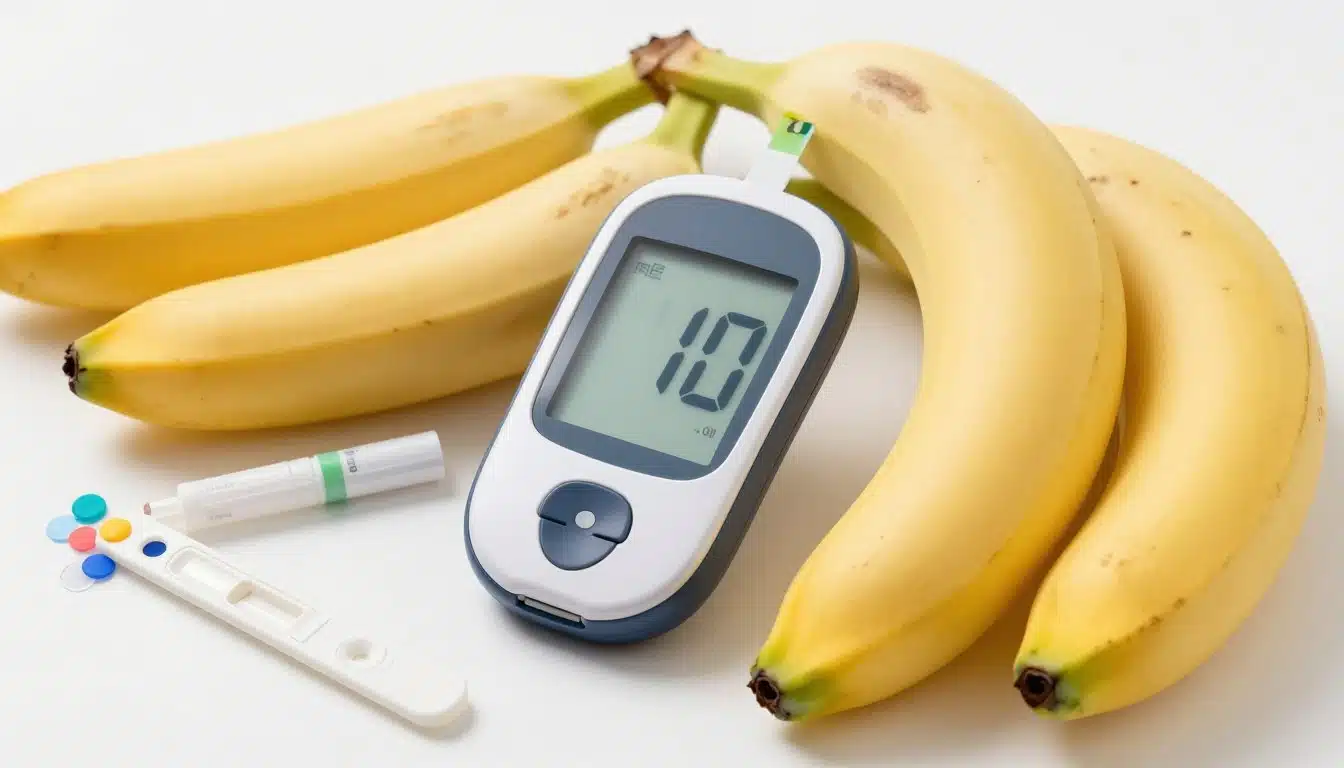
This comprehensive guide examines the relationship between bananas and blood sugar control. You’ll discover the nutritional profile of bananas, their glycemic impact, and practical strategies for incorporating fruit into a diabetic diet safely.
Understanding how bananas affect your body helps you make informed choices. The ripeness of the fruit, portion size, and what you eat alongside it all influence blood sugar responses significantly.
Understanding Diabetes and Fruit Consumption
People with diabetes don’t need to avoid all fruits. The key lies in understanding how different foods affect blood sugar levels and making strategic choices.
Diabetes occurs when your body struggles to regulate blood sugar effectively. Type 2 diabetes, the most common form, involves insulin resistance where cells don’t respond properly to insulin signals.
How Carbohydrates Impact Blood Sugar
All carbohydrates break down into sugars during digestion. These sugars enter your bloodstream and trigger insulin release from your pancreas.
The speed and magnitude of blood sugar rise depends on several factors. Fiber content, protein presence, and fat all slow sugar absorption into your bloodstream.
Fruits contain natural sugars along with beneficial fiber. This fiber helps slow digestion and prevents rapid blood sugar spikes that concern people diabetes.
The Role of Glycemic Index in Food Choices
The glycemic index measures how quickly foods raise blood sugar levels. Foods score from 0 to 100, with pure glucose rated at 100.
Low glycemic foods (55 or below) cause gradual rises in blood sugar. Medium glycemic foods range from 56 to 69, while high glycemic foods score 70 or above.
The banana glycemic index varies based on ripeness. Unripe bananas score lower while fully ripe bananas have higher glycemic values.
Nutritional Profile of Bananas for Diabetics
Bananas pack impressive nutrition into a convenient package. One medium banana contains approximately 27 grams of carbohydrates, making portion awareness essential for blood sugar management.
Macronutrient Content in Bananas
A medium banana (about 118 grams) provides roughly 105 calories. The fruit contains minimal protein and virtually no fat content.
The carbohydrate content includes both natural sugars and dietary fiber. A medium banana delivers about 3 grams of fiber, which helps slow digestion.
| Nutrient | Amount per Medium Banana | % Daily Value |
| Calories | 105 | 5% |
| Total Carbohydrates | 27g | 9% |
| Dietary Fiber | 3.1g | 11% |
| Sugars | 14g | – |
| Protein | 1.3g | 3% |
| Potassium | 422mg | 12% |
| Vitamin B6 | 0.4mg | 20% |
| Vitamin C | 10mg | 17% |
Vitamins and Minerals That Support Health
Bananas deliver potassium, vitamin B6, and vitamin C. These nutrients support heart health, nerve function, and immune system strength.
Potassium helps regulate blood pressure, an important consideration since people diabetes face elevated heart disease risk. The mineral also supports proper muscle and nerve function.
Vitamin B6 aids metabolism and helps your body process protein and carbohydrates. This vitamin also supports brain development and immune system function.
Fiber Content and Digestive Benefits
The fiber in bananas includes both soluble and insoluble types. Soluble fiber dissolves in water and helps slow digestion, which moderates blood sugar rises.
This fiber content helps you feel satisfied longer after eating. Feeling full reduces the temptation to snack on foods with added sugar or excessive carbohydrates.
Resistant starch in less ripe bananas functions similarly to fiber. This starch resists digestion in your small intestine and provides food for beneficial gut bacteria.
How Bananas Affect Blood Sugar Levels

The relationship between banana and diabetes management centers on understanding glycemic response. Several factors determine how eating bananas influences your blood sugar.
Glycemic Index Ratings Across Ripeness Stages
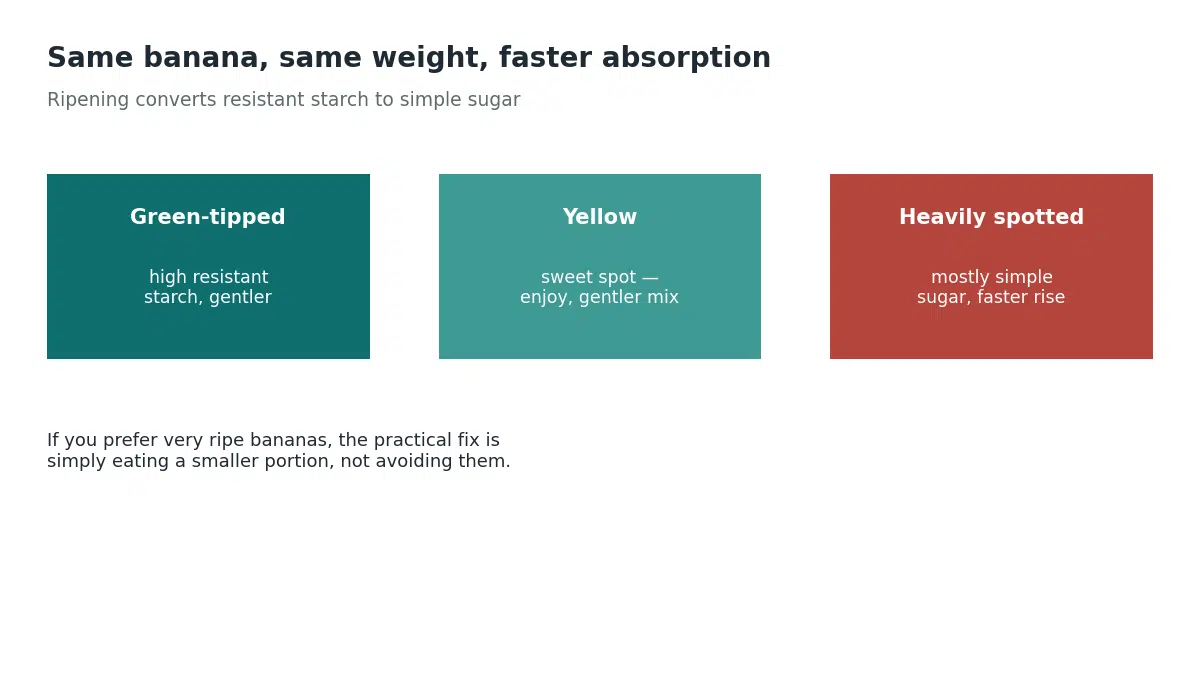
Banana ripeness dramatically affects glycemic impact. Green, underripe bananas contain more resistant starch and score between 30-50 on the glycemic index.
As bananas ripen, resistant starch converts to simple sugars. Fully ripe bananas with brown spots may score 60-70 on the glycemic index scale.
Yellow bananas with slight green tips offer a middle ground. These moderately ripe fruits balance palatability with more controlled blood sugar impact.
Portion Size Guidelines for Safe Consumption
Portion size matters tremendously when managing diabetes. A small banana (6-7 inches) contains about 23 grams of carbohydrates, while a large banana may contain 35 grams.
Most diabetes eating plans recommend 45-60 grams of carbohydrates per meal. A medium banana uses roughly half this carbohydrate budget from a single food.
Half a medium banana provides a more conservative approach. This portion delivers nutrition benefits while leaving room for other healthy foods in your meal.
Recommended Portion Sizes
- Small banana (6 inches): 90 calories, 23g carbs
- Medium banana (7-8 inches): 105 calories, 27g carbs
- Large banana (9+ inches): 135 calories, 35g carbs
- Half medium banana: Ideal portion for blood sugar control
Factors Affecting Individual Response
Blood sugar responses to bananas vary between individuals. Your current blood sugar level, physical activity, medications, and overall health status all influence outcomes.
Some people diabetes tolerate bananas well at breakfast. Others find bananas cause higher blood sugar rises when eaten alone versus with protein.
Testing your blood sugar before eating and two hours after helps identify your personal response. This data guides portion adjustments and timing decisions.
Pairing bananas with foods containing protein or healthy fats often improves blood sugar control. The additional nutrients help slow sugar absorption throughout digestion.
Benefits and Risks of Bananas in a Diabetic Diet
Bananas offer genuine health advantages alongside potential concerns. Weighing both sides helps you make informed choices about including fruit in your eating plan.
Benefits of Bananas for People with Diabetes
- Rich in potassium which supports heart health and blood pressure regulation
- Contains fiber that helps slow digestion and moderate blood sugar rises
- Provides vitamin B6 for improved metabolism and energy production
- Offers vitamin C to support immune function and wound healing
- Naturally portable and convenient for on-the-go snacking
- Contains no added sugar or artificial ingredients
- May help reduce diabetes-related heart disease risk when eaten appropriately
- Provides resistant starch in less ripe forms that benefits gut health
Potential Concerns and Risks
- Higher carbohydrate content compared to berries and some other fruits
- Can cause rapid blood sugar spikes if eaten in large portions
- Ripe bananas have higher glycemic impact than less ripe versions
- Easy to overconsume due to pleasant taste and soft texture
- May not provide adequate satiety when eaten alone as a snack
- Natural sugar content requires careful meal planning and carb counting
Cardiovascular Health Considerations
People with type diabetes face two to four times higher heart disease risk than those without diabetes. Managing this risk requires attention to blood pressure and cholesterol levels.
The potassium in bananas helps counteract sodium’s effects on blood pressure. Adequate potassium intake associates with reduced stroke risk and better cardiovascular outcomes.
Fiber from fruits including bananas may help lower LDL cholesterol levels. This benefit supports overall heart health as part of a balanced eating plan.
How Bananas Compare to Other Fruits for Diabetics
Understanding how bananas stack up against other fruit options helps optimize your diabetic diet. Different fruits offer varying nutritional profiles and blood sugar impacts.
Best Fruits for Blood Sugar Management
Berries rank among the best fruits for people diabetes. Strawberries, blueberries, and raspberries deliver fiber and antioxidants with lower carbohydrate content than bananas.
Apples and pears provide substantial fiber when eaten with their skin. These fruits also contain beneficial plant compounds that may support insulin sensitivity.
Citrus fruits like oranges and grapefruit offer vitamin C and fiber. Their tart flavor comes from citric acid rather than excessive sugars.

| Fruit (1 serving) | Carbohydrates | Fiber | Glycemic Index | Net Carbs |
| Medium Banana | 27g | 3g | 51 | 24g |
| 1 Cup Strawberries | 12g | 3g | 41 | 9g |
| 1 Cup Blueberries | 21g | 4g | 53 | 17g |
| Medium Apple | 25g | 4g | 36 | 21g |
| Medium Orange | 15g | 3g | 43 | 12g |
| 1 Cup Watermelon | 12g | 1g | 76 | 11g |
| 1/2 Cup Grapes | 14g | 1g | 59 | 13g |
Fruits to Approach with Caution
Some fruits pack concentrated sugars and higher glycemic values. Watermelon scores high on the glycemic index despite lower absolute carbohydrate content per serving.
Dried fruits concentrate sugars through water removal. A small handful of raisins contains as many carbohydrates as several cups of fresh grapes.
Fruit juices remove beneficial fiber while concentrating natural sugars. Even 100% fruit juice can cause rapid blood sugar rises similar to sugary beverages.
Strategic Fruit Selection for Optimal Control
Choosing fruits with higher fiber content relative to total carbohydrates optimizes blood sugar control. This ratio indicates how much of the carbohydrate load gets buffered by fiber.
Fresh, whole fruits always outperform processed fruit products. The intact fiber matrix in whole fruit provides superior blood sugar management compared to juices or dried options.
Variety ensures you receive diverse nutrients and plant compounds. Rotating between different fruits prevents boredom while delivering broad nutritional benefits.
Smart Strategies for Eating Bananas with Diabetes
Strategic planning transforms bananas from a questionable choice into a viable part of your diabetes eating plan. These evidence-based approaches help minimize blood sugar impact.
Optimal Timing for Banana Consumption
Eating bananas as part of a balanced meal works better than consuming them alone. The protein and fat in a complete meal help slow sugar absorption.
Post-exercise windows may represent ideal timing for fruit consumption. Physical activity increases insulin sensitivity, allowing your body to handle carbohydrates more effectively.
Avoid eating bananas on an empty stomach first thing in the morning. Starting your day with protein and healthy fats provides more stable blood sugar throughout the morning.
Pairing Bananas with Protein and Healthy Fats
Combining bananas with protein sources dramatically improves glycemic response. The protein helps slow digestion and promotes better blood sugar stability.
Effective protein pairings include Greek yogurt, cottage cheese, or a handful of nuts. These combinations provide satisfying snacks that won’t spike blood sugar excessively.
Nut butters like almond or peanut butter offer both protein and healthy fats. Spreading a tablespoon on banana slices creates a balanced mini-meal.
Breakfast Combinations
Start your day with balanced banana pairings that provide sustained energy and stable blood sugar.
- Half banana with Greek yogurt and walnuts
- Banana slices in oatmeal with cinnamon and almond butter
- Smoothie with half banana, spinach, protein powder, and flaxseed
- Whole grain toast with banana and natural peanut butter
Snack Options
Create satisfying between-meal snacks that prevent blood sugar fluctuations.
- Banana slices with cottage cheese and cinnamon
- Half banana rolled in crushed almonds
- Banana with string cheese and a few whole grain crackers
- Frozen banana chunks with a tablespoon of nut butter
Post-Workout Recovery
Leverage exercise-enhanced insulin sensitivity with strategic banana consumption.
- Small banana with hard-boiled eggs
- Banana smoothie with whey protein and berries
- Banana slices with turkey roll-ups
- Half banana with a protein bar containing minimal added sugar
Dessert Alternatives
Satisfy sweet cravings without compromising blood sugar management.
- Frozen banana “nice cream” blended with cocoa powder
- Baked banana with cinnamon and a dollop of Greek yogurt
- Banana chunks in sugar-free dark chocolate
- Grilled banana slices with a sprinkle of coconut
Choosing Ripeness Levels for Better Control
Selecting less ripe bananas provides a clear advantage for blood sugar management. Green-tipped yellow bananas offer the best balance of palatability and glycemic control.
The resistant starch in firmer bananas resists breakdown in your small intestine. This starch ferments in your colon, feeding beneficial bacteria and producing health-promoting compounds.
If you prefer sweeter, riper bananas, compensate by reducing portion size. A few slices of very ripe banana paired with protein may work better than half a less ripe fruit.
What Healthcare Professionals Say About Bananas and Diabetes
Medical experts and registered dietitians generally support moderate banana consumption for people diabetes. The key involves understanding individual responses and practicing portion control.
Official Dietary Guidelines and Recommendations
The American Diabetes Association doesn’t prohibit any specific fruits from diabetic eating plans. Instead, they emphasize portion sizes and total carbohydrate management throughout the day.
According to guidance from Mayo Clinic’s diabetes nutrition experts, fruits should be part of a balanced diet. They recommend focusing on whole fruits rather than juices and monitoring portion sizes carefully.
Most registered dietitians suggest people diabetes can safely consume one small to medium banana daily. This assumes appropriate distribution of carbohydrates throughout other meals and snacks.
Individualized Nutrition Planning
Working with a registered dietitian helps personalize fruit recommendations. These professionals assess your medication regimen, activity level, and blood sugar patterns to create tailored guidance.
Your response to bananas may differ from someone else with diabetes. Factors including your weight, insulin sensitivity, and overall health status influence optimal fruit intake.
Some people diabetes follow carbohydrate counting systems. In this approach, bananas simply represent one carbohydrate choice that fits within your daily allocation.
“Bananas can absolutely fit into a diabetes meal plan. The key is understanding portion sizes and pairing them strategically with protein or healthy fats to minimize blood sugar spikes. I encourage my patients to test their individual response and adjust accordingly.”
Research-Based Evidence on Fruit and Diabetes
Studies examining fruit consumption in people diabetes show promising results. Research published in medical journals indicates that whole fruit intake associates with better long-term blood sugar control.
A comprehensive analysis found that people who consumed whole fruits regularly had lower hemoglobin A1C values. This measure reflects average blood sugar levels over the previous three months.
The fiber and polyphenols in fruits may contribute to improved insulin sensitivity. These beneficial compounds help your cells respond more effectively to insulin signals.
Integrating Bananas into Your Diabetes Meal Plan
Successful meal planning balances nutrition, blood sugar control, and enjoyment. These practical approaches help you include bananas without compromising your health goals.
Carbohydrate Counting and Exchange Systems
One medium banana equals approximately two carbohydrate servings or exchanges. Each exchange represents about 15 grams of carbohydrate that affects blood sugar similarly.
If your meal plan allocates four carbohydrate servings for breakfast, a medium banana uses half that budget. This leaves room for protein sources, healthy fats, and possibly another small carbohydrate serving.
Smaller portions allow more flexibility in meal planning. Half a banana provides one carbohydrate serving, leaving more room for variety in your eating plan.
Creating Balanced Plates with Fruit
The diabetes plate method simplifies meal planning without extensive carbohydrate counting. This visual approach helps create balanced meals that support blood sugar control.
Fill half your plate with non-starchy vegetables like leafy greens, broccoli, or peppers. These foods provide volume and nutrients with minimal blood sugar impact.
Reserve one quarter of your plate for lean protein sources. Chicken, fish, tofu, or legumes help slow digestion and promote satiety.
The remaining quarter accommodates carbohydrate foods including fruits, whole grains, or starchy vegetables. A small banana or half a medium one fits perfectly in this section.
Sample Meal Plans Featuring Bananas
Practical meal examples demonstrate how bananas integrate into comprehensive eating plans. These balanced options support stable blood sugar while providing adequate nutrition.
Breakfast Example
- 2 scrambled eggs with spinach
- 1 slice whole grain toast
- Half medium banana
- 1 tablespoon almond butter
- Herbal tea or black coffee
Total carbs: ~30g
Lunch Example
- Large salad with mixed greens
- 4 oz grilled chicken breast
- Olive oil and vinegar dressing
- Small banana for dessert
- Water with lemon
Total carbs: ~25g
Snack Example
- Half medium banana
- 2 tablespoons natural peanut butter
- Sprinkle of cinnamon
- 10 raw almonds
Total carbs: ~18g
Monitoring Your Response and Making Adjustments
Personal testing provides the most accurate information about how bananas affect your blood sugar. Individual responses vary considerably based on multiple factors.
How to Test Your Blood Sugar Response
Check your blood sugar immediately before eating a banana-containing meal or snack. Record this baseline reading in a food and glucose diary.
Test again two hours after finishing your meal. This timing captures the peak blood sugar response for most people and foods.
Calculate the difference between your pre-meal and post-meal readings. A rise of 30-50 mg/dL falls within acceptable ranges for most people diabetes.
If your blood sugar increases more than 50 mg/dL, consider adjusting your approach. Try a smaller portion, choose a less ripe banana, or add more protein to the meal.
Keeping a Food and Glucose Diary
Documenting what you eat alongside your blood sugar readings reveals patterns over time. This data helps identify which foods and portion sizes work best for your body.
Note the ripeness of bananas you consume. You may discover that you tolerate slightly green bananas better than fully ripe ones.
Record what you ate with the banana. Meals containing adequate protein and fat typically produce smaller blood sugar rises than fruit eaten alone.
Share this information with your healthcare team during appointments. Your registered dietitian or doctor can spot trends and suggest refinements to your eating plan.
When to Adjust Your Approach
Consistent blood sugar readings above target ranges signal the need for changes. If bananas repeatedly cause excessive rises, reduce portion size or frequency.
Some people find they tolerate bananas better at certain times of day. Morning insulin resistance makes many people more sensitive to carbohydrates early in the day.
Your medication regimen affects how your body handles carbohydrates. Changes to diabetes medications may require adjusting your fruit intake accordingly.
Target Blood Sugar Ranges: The American Diabetes Association recommends maintaining blood sugar between 80-130 mg/dL before meals and less than 180 mg/dL two hours after starting a meal. Individual targets may vary based on your age, overall health, and other factors. Consult your healthcare provider for personalized goals.
Debunking Common Myths About Bananas and Diabetes
Misinformation about fruit consumption in diabetes creates unnecessary confusion and restriction. Understanding the facts helps you make evidence-based decisions.
Myth: Diabetics Must Avoid All Fruit
This widespread misconception causes people diabetes to eliminate nutritious foods unnecessarily. Fruits provide essential vitamins, minerals, and beneficial plant compounds.
The fiber in whole fruits slows sugar absorption and supports digestive health. These benefits make fruit consumption preferable to many processed carbohydrate sources.
Appropriate portions of fruit fit comfortably into diabetes meal plans. The key involves choosing whole fruits over juices and monitoring total carbohydrate intake.
Myth: Bananas Are Too High in Sugar for Diabetics
While bananas contain natural sugars, they also deliver fiber and resistant starch that moderate blood sugar impact. The complete nutritional package matters more than sugar content alone.
Natural fruit sugars behave differently in your body compared to added sugars in processed foods. The fiber matrix in whole fruit prevents the rapid absorption seen with refined sugars.
Many vegetables contain comparable carbohydrate amounts to small bananas. A medium sweet potato or cup of corn delivers similar carbohydrate loads without the same stigma.

Myth: Only Green Bananas Are Safe for Diabetics
Green bananas offer lower glycemic impact, but yellow bananas aren’t forbidden. People diabetes can enjoy moderately ripe bananas in appropriate portions with strategic pairing.
The preference between green and yellow bananas often comes down to palatability. Many people find green bananas less appealing due to their starchy, less sweet flavor.
Choosing slightly less ripe bananas provides a practical middle ground. Yellow bananas with green tips deliver better flavor than completely green ones while maintaining better glycemic control than fully ripe fruits.
Myth: Diabetics Can Eat Unlimited Amounts of Low-Sugar Fruits
Even fruits lower in sugar still contain carbohydrates that affect blood sugar. Portion awareness remains important regardless of which fruits you choose.
Eating excessive amounts of any fruit can overwhelm your body’s ability to manage blood sugar effectively. Balance and moderation apply to all food choices in diabetes management.
The total carbohydrate content throughout your day matters more than individual food choices. Fitting fruits into your overall carbohydrate budget ensures better control.
Special Considerations for Different Types of Diabetes
Different forms of diabetes present unique challenges that may affect fruit consumption strategies. Tailoring your approach optimizes outcomes for your specific situation.
Type 1 Diabetes and Insulin Management
People with type diabetes using insulin therapy can calculate bolus doses based on carbohydrate content. A medium banana’s 27 grams of carbohydrates requires appropriate insulin coverage.
Your insulin-to-carbohydrate ratio determines how much rapid-acting insulin you need. Many people use ratios ranging from 1 unit per 10-15 grams of carbohydrate.
Timing insulin doses appropriately relative to eating bananas prevents both high and low blood sugar episodes. Most people take mealtime insulin 10-15 minutes before eating.
Type 2 Diabetes and Lifestyle Management
Type 2 diabetes management often emphasizes dietary changes and physical activity before medications. Strategic fruit choices support weight management and blood sugar control.
Combining banana consumption with regular exercise improves outcomes. Physical activity increases insulin sensitivity, allowing your body to handle carbohydrates more effectively.
Some people with type diabetes manage their condition entirely through lifestyle modifications. For these individuals, portion control and timing become especially important.
Gestational Diabetes Considerations
Gestational diabetes requires careful carbohydrate management to protect both maternal and fetal health. Bananas can fit into meal plans designed for pregnancy-related diabetes.
The potassium in bananas helps prevent leg cramps common during pregnancy. This benefit makes bananas particularly appealing for pregnant women when consumed appropriately.
Healthcare providers typically recommend more frequent, smaller meals during gestational diabetes. A half banana makes an excellent component of these smaller eating occasions.
Prediabetes and Prevention Strategies
Prediabetes represents a critical intervention window for preventing progression to type 2 diabetes. Appropriate fruit consumption supports prevention efforts through improved nutrition.
The fiber and nutrients in bananas contribute to overall diet quality. Higher diet quality associates with reduced diabetes risk in long-term studies.
Replacing refined carbohydrate snacks with fruit represents a positive dietary change. Choosing a banana over cookies or chips improves your nutritional intake significantly.
Other Banana Products and Their Impact
Processed banana products behave differently than fresh fruit in terms of blood sugar impact. Understanding these differences helps you make informed choices.
Banana Chips and Dried Bananas
Dried banana chips concentrate sugars through water removal. A single serving may contain as much sugar as multiple fresh bananas.
Many commercially produced banana chips include added sugar and are fried in oil. These additions significantly increase calorie content while reducing nutritional value.
If you enjoy banana chips occasionally, check labels carefully. Choose products without added sugar and watch portion sizes strictly.
Banana Bread and Baked Goods
Most banana bread recipes contain substantial amounts of added sugar and refined flour. These ingredients cause rapid blood sugar rises that exceed fresh banana impact.
Traditional banana bread recipes may include 1-2 cups of sugar plus multiple cups of white flour. This combination creates a high-glycemic food despite containing fruit.
Diabetes-friendly banana bread recipes use alternative flours, reduce added sugar, and incorporate nuts or seeds. These modifications improve nutritional value and glycemic impact.
Smoothies and Banana-Based Beverages
Blending bananas breaks down fiber structures, potentially accelerating sugar absorption. Smoothies containing multiple fruits can pack excessive carbohydrates into a single serving.
Adding protein powder, Greek yogurt, or nut butter to banana smoothies improves blood sugar response. These protein sources slow digestion and promote satiety.
Drinking smoothies more slowly helps prevent rapid blood sugar spikes. Consider eating your smoothie with a spoon to pace consumption.
Caution with Processed Products: Banana-flavored products often contain artificial flavoring without actual fruit. These items may include added sugars while lacking the fiber and nutrients of real bananas. Always read ingredient labels carefully and prioritize whole, unprocessed foods.
Practical Tips for Banana Lovers with Diabetes
Creative preparation methods and smart shopping strategies help you enjoy bananas while maintaining blood sugar control. These practical tips make diabetes management easier.
Shopping and Storage Strategies
Purchase bananas at various ripeness stages to extend their usability. Buy some green bananas for consumption later in the week alongside yellower ones for immediate eating.
Store bananas at room temperature away from direct sunlight. Refrigeration slows ripening, though the peel may turn brown while the fruit inside remains fresh.
Freeze overripe bananas for future use in smoothies or baking. Remove peels before freezing, and store banana chunks in airtight containers or freezer bags.
Portion Control Techniques
Pre-portion bananas immediately after shopping to simplify meal planning. Cut medium bananas in half and store wrapped portions in the refrigerator.
Use smaller plates and bowls when serving banana-containing meals. This visual trick helps appropriate portions appear more satisfying.
Slice bananas instead of eating them whole. Taking time to eat individual slices promotes mindful consumption and better portion awareness.
Flavor Enhancement Without Added Sugar
Cinnamon adds sweet flavor perception without contributing carbohydrates or calories. This spice may also support better insulin sensitivity according to some research.
Vanilla extract provides aromatic sweetness that enhances banana flavor. A few drops in smoothies or yogurt bowls creates more indulgent taste without added sugar.
Cocoa powder transforms banana snacks into chocolate treats without excessive carbohydrates. Choose unsweetened cocoa powder and use sparingly for flavor.
Smart Banana Habits
- Choose less ripe bananas with green tips
- Measure portions using a food scale
- Pair with protein or healthy fats
- Test blood sugar to track individual response
- Include as part of balanced meals
- Pre-portion for convenience
- Freeze extras to prevent waste
Habits to Avoid
- Eating very ripe, spotty bananas regularly
- Consuming bananas alone on empty stomach
- Drinking banana smoothies with multiple fruits
- Choosing dried banana chips as snacks
- Eating banana bread with added sugar
- Ignoring portion sizes
- Assuming all fruits affect you identically
Diabetes-Friendly Banana Recipe Ideas
These simple recipes incorporate bananas into satisfying meals and snacks that support blood sugar management. Each option balances carbohydrates with protein and healthy fats.
Breakfast Options
Banana Protein Pancakes
Mash half a ripe banana and mix with two eggs and a scoop of vanilla protein powder. Cook small pancakes in a non-stick pan.
Top with a dollop of Greek yogurt and a sprinkle of cinnamon. This breakfast provides balanced nutrition with approximately 25 grams of carbohydrates.
Overnight Oats with Banana
Combine 1/3 cup rolled oats with unsweetened almond milk, chia seeds, and vanilla extract. Refrigerate overnight.
In the morning, top with banana slices and a tablespoon of almond butter. This make-ahead option simplifies busy mornings while controlling portions.

Snack Recipes
Frozen Banana Bites
Slice a medium banana into rounds and freeze on parchment paper. Once frozen, dip halfway in melted dark chocolate containing at least 70% cocoa.
Return to freezer until chocolate hardens. Store in an airtight container for quick, portion-controlled treats with minimal added sugar.
Banana Nut Energy Balls
Mash half a banana and mix with ground oats, natural peanut butter, and a tablespoon of ground flaxseed. Form into small balls.
Each ball contains balanced macronutrients that prevent blood sugar spikes. Refrigerate for up to one week for convenient grab-and-go snacks.
Dessert Alternatives
Banana Nice Cream
Freeze banana chunks and blend in a food processor until smooth and creamy. The texture resembles soft-serve ice cream without added sugar.
Add unsweetened cocoa powder or a spoonful of nut butter for variety. Serve immediately or refreeze for firmer consistency.
This dessert uses only whole food ingredients while satisfying sweet cravings. Pair with a handful of nuts for added protein and healthy fats.
Bananas, Exercise, and Blood Sugar Management
Physical activity significantly affects how your body processes carbohydrates from food. Understanding this relationship helps optimize banana consumption around exercise.
Pre-Workout Banana Consumption
Eating a small banana 30-60 minutes before exercise provides readily available energy. The natural sugars fuel your workout while fiber prevents rapid blood sugar drops.
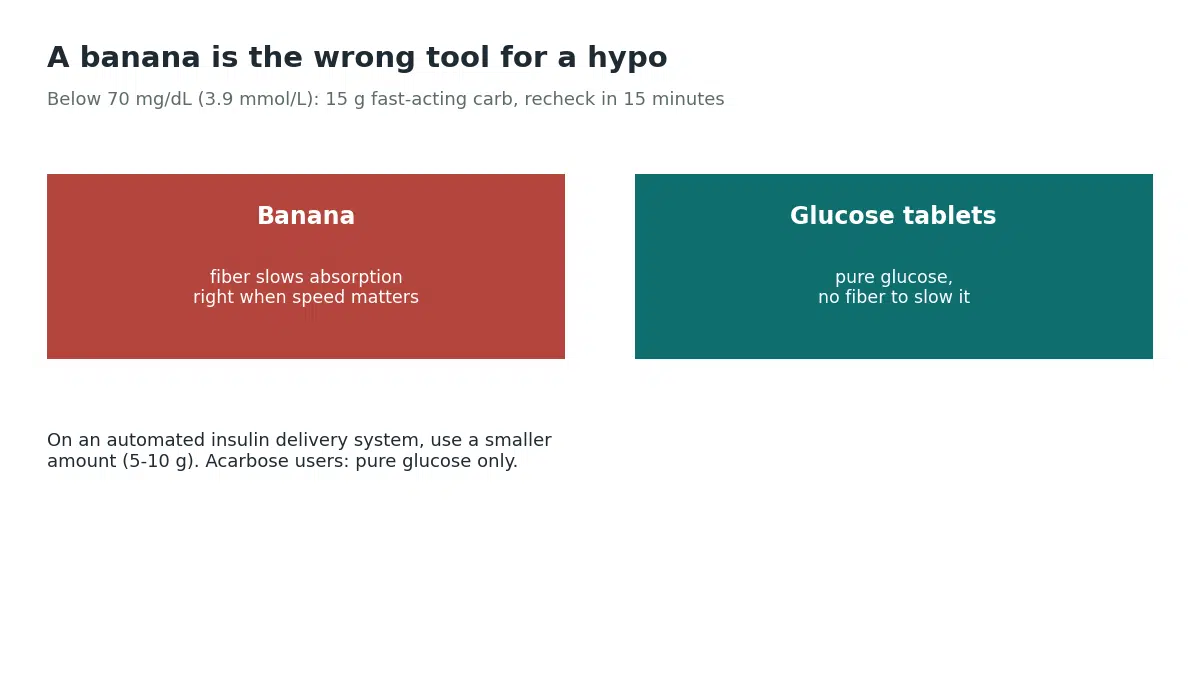
For people using insulin, pre-exercise carbohydrates may prevent hypoglycemia during activity. Always check blood sugar before exercising and adjust insulin doses accordingly.
Pairing a half banana with a small amount of protein creates an ideal pre-workout snack. This combination sustains energy throughout your exercise session.
Post-Workout Recovery Benefits
Exercise depletes muscle glycogen stores that need replenishment. The carbohydrates in bananas help restore these energy reserves efficiently.
The potassium content supports muscle function and helps prevent cramping. This makes bananas particularly valuable after endurance exercise or intense training sessions.
Post-exercise represents a window of enhanced insulin sensitivity. Your muscles absorb glucose more readily during this period, making carbohydrate consumption less likely to cause excessive blood sugar rises.
Timing Considerations for Optimal Results
Monitor your blood sugar before, during, and after exercise to understand your patterns. Some people experience blood sugar drops during activity while others see rises.
Intense exercise may cause blood sugar elevation through stress hormone release. Less intense steady-state cardio typically lowers blood sugar during activity.
Adjust your banana consumption based on exercise intensity and duration. Longer workouts may warrant slightly larger portions while brief sessions require less carbohydrate support.
Signs You Need Personalized Nutrition Counseling
Consistently high blood sugar readings despite dietary efforts indicate the need for professional intervention. A registered dietitian can identify problems you might miss independently.
Difficulty achieving target hemoglobin A1C values suggests your current eating plan needs refinement. Dietitians specializing in diabetes provide evidence-based modifications.
Confusion about carbohydrate counting or meal planning basics makes professional education valuable. One-on-one counseling clarifies concepts and provides personalized strategies.
Questions to Ask Your Healthcare Team
Bring specific questions about fruit consumption to your appointments. Ask about ideal portion sizes based on your medication regimen and activity level.
Discuss whether continuous glucose monitoring might benefit your diabetes management. These devices reveal how different foods affect your blood sugar in real-time.
Inquire about diabetes education classes available in your area. Group programs often provide comprehensive nutrition education and peer support.
Finding Qualified Diabetes Specialists
Look for Certified Diabetes Care and Education Specialists (CDCES) in your area. These professionals complete specialized training in diabetes management.
Registered Dietitian Nutritionists (RDN) with diabetes expertise provide medical nutrition therapy. Many insurance plans cover these services with a physician referral.
Your endocrinologist or primary care physician can recommend qualified nutrition professionals. Building a comprehensive healthcare team improves long-term outcomes.
Long-Term Health Perspectives on Fruit Consumption
Sustainable diabetes management requires a long-term perspective on nutrition choices. Research reveals how fruit consumption affects health outcomes over years and decades.
Whole Fruit vs. Processed Alternatives
Long-term studies consistently show benefits from whole fruit consumption. People who eat whole fruits regularly demonstrate better blood sugar control than those who avoid fruit.
Fruit juice consumption shows opposite associations in research. Regular juice drinking correlates with increased diabetes risk and poorer glycemic control.
The fiber in whole fruits makes the critical difference. This structural component slows sugar absorption and promotes beneficial changes in gut bacteria composition.
Dietary Pattern Quality and Diabetes Outcomes
Overall eating pattern quality matters more than individual food choices. Diets rich in vegetables, fruits, whole grains, and lean proteins support better diabetes management.
Mediterranean-style eating patterns include moderate fruit consumption alongside healthy fats and plant proteins. Research links this approach to reduced cardiovascular complications in people diabetes.
Avoiding nutritious foods like bananas in favor of highly processed “diabetic-friendly” products misses the bigger picture. Focus on whole food quality rather than restrictive elimination.
Balancing Restriction and Quality of Life
Overly restrictive diets prove difficult to maintain long-term. Finding sustainable approaches that include foods you enjoy promotes better adherence.
Many people find that moderate fruit consumption enhances rather than hinders their diabetes management. The satisfaction from enjoying fruit prevents feelings of deprivation.
Your relationship with food affects mental health and overall wellbeing. Working with professionals to develop a balanced, flexible eating plan supports both physical and emotional health.
Frequently Asked Questions About Bananas and Diabetes
Can diabetics eat bananas every day?
People with diabetes can potentially eat bananas daily in appropriate portions. A small to medium banana (about 23-27 grams of carbohydrates) fits into most diabetes meal plans when balanced with other foods. Monitor your individual blood sugar response and adjust frequency or portion size accordingly. Consider alternating bananas with lower-carbohydrate fruits like berries to increase dietary variety.
What is the best time of day for diabetics to eat bananas?
The optimal time varies by individual, but many people with diabetes tolerate bananas best when eaten as part of a balanced meal rather than alone. Post-exercise timing may be advantageous due to enhanced insulin sensitivity. Some people find mid-morning or afternoon snacks work well when paired with protein. Avoid eating bananas on an empty stomach first thing in the morning, as morning insulin resistance may cause larger blood sugar rises.
Are green bananas better than ripe bananas for blood sugar control?
Yes, less ripe bananas generally provide better blood sugar control. Green and yellow-green bananas contain more resistant starch and score lower on the glycemic index (30-50) compared to fully ripe bananas (60-70). As bananas ripen, resistant starch converts to simple sugars. Choose bananas with green tips for the best balance between palatability and glycemic impact. If you prefer sweeter bananas, compensate by reducing portion size or pairing with protein.
How much banana can a diabetic eat at one time?
A half to one small banana (about 12-23 grams of carbohydrates) represents a safe starting portion for most people with diabetes. This amount fits within typical carbohydrate recommendations for snacks (15-20 grams). Individual tolerance varies based on medication, activity level, and insulin sensitivity. Test your blood sugar two hours after eating to determine your personal response, then adjust portions accordingly. Pairing bananas with protein or healthy fats allows for slightly larger portions while maintaining blood sugar control.
Should diabetics avoid bananas completely?
No, diabetics don’t need to avoid bananas completely. While bananas contain carbohydrates that affect blood sugar, they also provide valuable nutrients including potassium, vitamin B6, vitamin C, and fiber. The key involves appropriate portion control, strategic pairing with protein or fat, and monitoring individual response. Complete elimination of nutritious whole foods isn’t necessary for effective diabetes management. Focus on moderation and balance rather than strict avoidance.
What should I eat with a banana to prevent blood sugar spikes?
Pair bananas with protein sources or healthy fats to slow digestion and minimize blood sugar rises. Effective combinations include banana with Greek yogurt, cottage cheese, nut butter (almond or peanut), a handful of nuts, string cheese, or hard-boiled eggs. These pairings help slow digestion, increase satiety, and create a more gradual blood sugar response. The protein and fat help buffer the carbohydrate load from the banana.
How do bananas compare to other fruits for diabetics?
Bananas contain more carbohydrates per serving than berries (strawberries, blueberries, raspberries) and citrus fruits, but less than some other options like grapes or mango. A medium banana has about 27 grams of carbohydrates compared to 12 grams in a cup of strawberries. However, bananas provide more potassium than most fruits. For blood sugar management, berries generally rank as better choices due to lower carbohydrate content and higher fiber-to-carb ratios. Variety ensures you receive diverse nutrients from different fruits.
Can bananas help lower blood sugar levels?
Bananas don’t directly lower blood sugar levels. They contain carbohydrates that raise blood sugar after consumption. However, the fiber in bananas may help improve long-term blood sugar control by slowing digestion and supporting beneficial gut bacteria. The resistant starch in less ripe bananas may also contribute to improved insulin sensitivity over time. While bananas won’t reduce blood sugar acutely, they can be part of an overall eating pattern that supports better diabetes management.
Are banana chips okay for diabetics?
Banana chips are generally not recommended for regular consumption by people with diabetes. Most commercial banana chips are fried and contain added sugar, significantly increasing calorie and carbohydrate content compared to fresh bananas. The drying process concentrates natural sugars, and many products add extra sweeteners. If you occasionally enjoy banana chips, choose brands without added sugar, watch portions carefully (typically 1 ounce or less), and account for their carbohydrate content in your meal plan.
What’s the glycemic index of a banana?
The banana glycemic index ranges from 30 to 70 depending on ripeness. Underripe, greenish bananas score between 30-50 (low to medium glycemic index). Medium-ripe yellow bananas typically score around 51-55 (medium glycemic index). Fully ripe bananas with brown spots may score 60-70 (medium to high glycemic index). The glycemic load also matters—a medium banana has a glycemic load of approximately 13, considered moderate. Choose less ripe bananas for lower glycemic impact.
Do bananas raise blood sugar quickly?
Bananas cause moderate blood sugar rises rather than rapid spikes when eaten in appropriate portions. The fiber content helps slow digestion and sugar absorption compared to refined carbohydrates or fruit juice. Very ripe bananas may cause faster blood sugar rises than less ripe ones due to higher simple sugar content. Eating bananas alone on an empty stomach may result in quicker blood sugar elevation than consuming them with protein or fat. Individual responses vary based on insulin sensitivity, medications, and overall health status.
Can Type 1 diabetics eat bananas?
Yes, people with Type 1 diabetes can eat bananas with appropriate insulin dosing. Calculate bolus insulin based on the carbohydrate content (approximately 27 grams for a medium banana) using your insulin-to-carbohydrate ratio. Consider the banana’s ripeness when estimating blood sugar impact. Monitor blood sugar levels before and after eating to fine-tune insulin doses. Many people with Type 1 diabetes successfully incorporate bananas into their meal plans with proper carbohydrate counting and insulin management.
How many carbs are in a banana?
A small banana (6-7 inches) contains approximately 23 grams of carbohydrates. A medium banana (7-8 inches) has about 27 grams of carbohydrates. A large banana (9 inches or longer) provides roughly 35 grams of carbohydrates. These amounts include both natural sugars (approximately 14 grams in a medium banana) and dietary fiber (about 3 grams in a medium banana). For carbohydrate counting purposes, one medium banana equals approximately two carbohydrate servings or exchanges.
Can diabetics drink banana smoothies?
Diabetics can drink banana smoothies with careful attention to ingredients and portions. Limit smoothies to half a banana and add protein powder, Greek yogurt, or nut butter to slow sugar absorption. Avoid adding multiple high-sugar fruits or fruit juice. Include vegetables like spinach for nutrients without excessive carbohydrates. Use unsweetened almond milk or water as the liquid base. Be aware that blending breaks down fiber structures, potentially speeding sugar absorption compared to eating whole fruit. Drink smoothies slowly or eat with a spoon to pace consumption.
Are frozen bananas better for diabetics?
Freezing doesn’t significantly change a banana’s nutritional content or glycemic impact. Frozen bananas contain the same carbohydrates and fiber as fresh ones. However, freezing provides practical advantages—it prevents overripe bananas from going to waste and creates convenient pre-portioned options. Frozen banana chunks blend well into smoothies and can be processed into “nice cream” desserts. The same portion control principles apply to frozen bananas as fresh ones. Choose bananas at optimal ripeness before freezing for best blood sugar impact.
What are the benefits of bananas for diabetics?
Bananas provide several benefits for people with diabetes when consumed appropriately. They deliver potassium (422mg per medium banana) which supports heart health and blood pressure regulation—important since diabetics face elevated cardiovascular disease risk. The fiber content (3g per medium banana) aids digestion and helps slow blood sugar rises. Vitamin B6 supports metabolism, while vitamin C strengthens immune function. Resistant starch in less ripe bananas may improve insulin sensitivity over time. Bananas offer convenient, portable nutrition without added sugars or artificial ingredients.
Final Thoughts on Bananas and Diabetes Management

The answer to “should diabetics eat banana” isn’t a simple yes or no. People with diabetes can enjoy bananas as part of a balanced, carefully planned eating strategy.
Success comes from understanding how bananas affect your individual blood sugar response. Portion control, ripeness selection, and strategic pairing with protein or healthy fats all influence outcomes.
Bananas deliver valuable nutrients including potassium, fiber, and vitamins that support overall health. These benefits make moderate banana consumption worthwhile for many people diabetes.
Rather than eliminating nutritious whole foods, focus on developing sustainable eating patterns you can maintain long-term. Work with healthcare professionals to create personalized guidance that fits your lifestyle.
Monitor your blood sugar responses, adjust portions as needed, and remember that diabetes management involves overall dietary patterns rather than single food choices. Bananas can absolutely fit into a health-promoting diabetic diet when approached thoughtfully.
Key Takeaways: Choose less ripe bananas with green tips for better blood sugar control. Limit portions to half or one small banana at a time. Always pair bananas with protein or healthy fats. Test your individual response and adjust accordingly. Focus on whole fruits rather than processed banana products. Work with healthcare professionals for personalized guidance.
Medical Disclaimer
This article provides general information about diabetes nutrition and banana consumption for educational purposes only. It does not constitute medical advice and should not replace consultation with qualified healthcare professionals.
Individual responses to foods vary significantly based on diabetes type, medications, overall health status, and other factors. Blood sugar management requires personalized medical guidance from endocrinologists, certified diabetes educators, and registered dietitians.
Always consult your healthcare team before making significant dietary changes or adjusting diabetes medications. Monitor your blood sugar levels as directed by your physician and report any concerning patterns or symptoms.
The information presented here reflects current nutritional science and medical understanding but should not be considered definitive treatment recommendations. Diabetes management protocols evolve as new research emerges.
If you experience symptoms of hypoglycemia (low blood sugar) or hyperglycemia (high blood sugar), seek immediate medical attention. Contact your healthcare provider with questions about incorporating specific foods into your diabetes meal plan.
For medical emergencies related to diabetes, call emergency services immediately. This content is not intended for use in diagnosing or treating any health condition.