healthmaghub
  • HOME
  • BLOG
  • REVIEWS
  • TOOLS
No Result
View All Result
  • HOME
  • BLOG
  • REVIEWS
  • TOOLS
No Result
View All Result
HealthNews
No Result
View All Result

Do Cucumbers Have Electrolytes? Understanding the Nutritional Power of This Hydrating Vegetable

by Jenna Castillo
July 21, 2026
Reading Time: 11 mins read
0

You reach for a cucumber on a hot summer day. Its crisp texture and refreshing taste suggest hydration. But do cucumbers have electrolytes that actually support your body’s needs?

The answer might surprise you. Cucumbers contain more than just water. These green vegetables pack essential minerals that help maintain your body’s electrolyte balance.

Understanding what cucumbers offer can change how you approach daily hydration and nutrition. Let’s explore the science behind this humble vegetable’s electrolyte content.

What Are Electrolytes and Why Do They Matter?

Scientific illustration of electrolyte minerals in human body including potassium, sodium, and magnesium

Electrolytes are minerals that carry an electrical charge when dissolved in body fluids. Your body depends on these charged particles for critical functions.

The main electrolytes include:

  • Potassium – regulates heart rhythm and muscle function
  • Sodium – maintains fluid balance and nerve signals
  • Magnesium – supports bone health and energy production
  • Calcium – essential for bone strength and muscle contraction
  • Chloride – helps maintain proper pH levels in blood

These minerals work together to keep your heart beating, your muscles moving, and your nerves firing properly. When electrolyte levels drop too low, people may experience fatigue, muscle cramps, and irregular heartbeat.

Your body loses electrolytes through sweat, especially during exercise or hot weather. Replacing these minerals becomes crucial for maintaining health and preventing dehydration symptoms.

Do Cucumbers Have Electrolytes? Breaking Down the Nutrition

Yes, cucumbers contain electrolytes, though in modest amounts compared to some other foods. A medium cucumber provides several essential minerals your body needs.

One whole cucumber (approximately 300 grams) delivers:

Nutrient Amount per Cucumber % Daily Value
Potassium 442 mg 9-13%
Magnesium 39 mg 9-12%
Sodium 6 mg <1%
Calcium 48 mg 4-5%

Potassium stands out as the primary electrolyte in cucumber. This mineral helps regulate blood pressure and supports proper muscle function. The potassium content in cucumber makes it a valuable addition to your diet.

Cucumber also provides small amounts of magnesium and calcium. While sodium levels remain very low, this actually benefits people who need to watch their sodium intake.

The Hydration Factor: Water Content in Cucumbers

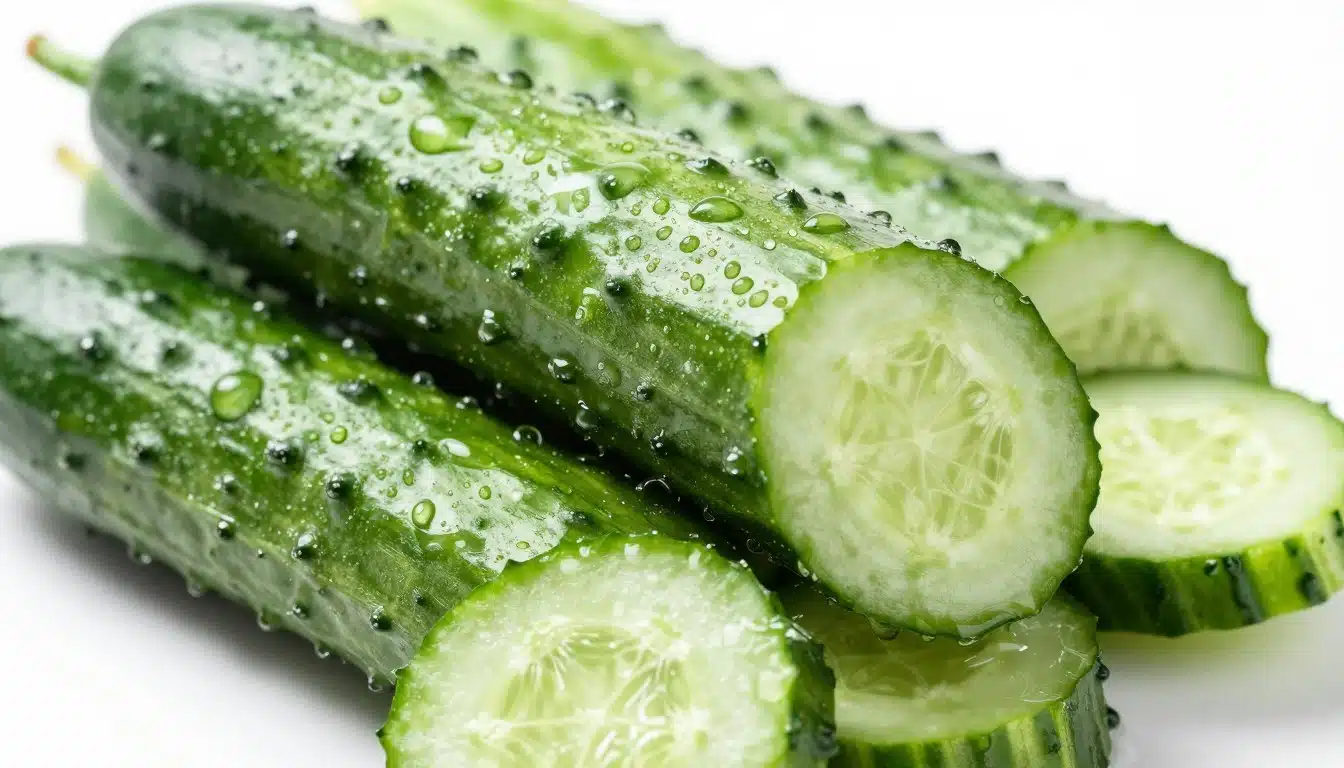
Cross-section of cucumber showing high water content and internal structure

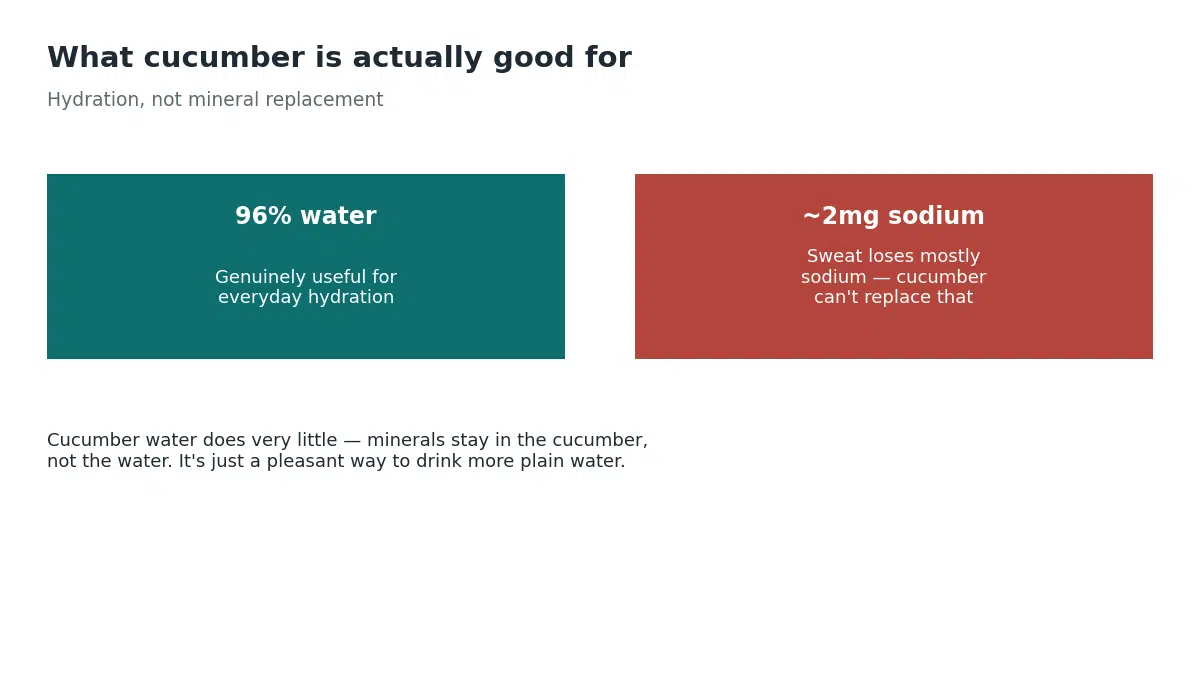
Cucumber contains approximately 96% water. This exceptional water content makes it one of the most hydrating foods available.

The combination of water and electrolytes in cucumber creates natural hydration. When you eat cucumber, your body absorbs both fluid and minerals simultaneously.

Drinking water alone doesn’t always provide complete hydration. Water needs electrolytes to move properly into your cells. Cucumber naturally combines these elements.

Research suggests that foods high in water content may help maintain hydration more effectively than drinking water alone. The fiber and nutrients in cucumber slow absorption, allowing your body more time to utilize the fluid.

This makes cucumber particularly valuable after physical activity or during hot weather when your body needs both fluid replacement and mineral replenishment.

How Cucumbers Compare to Other Hydration Foods

Comparison of various fruits and vegetables with high electrolyte content

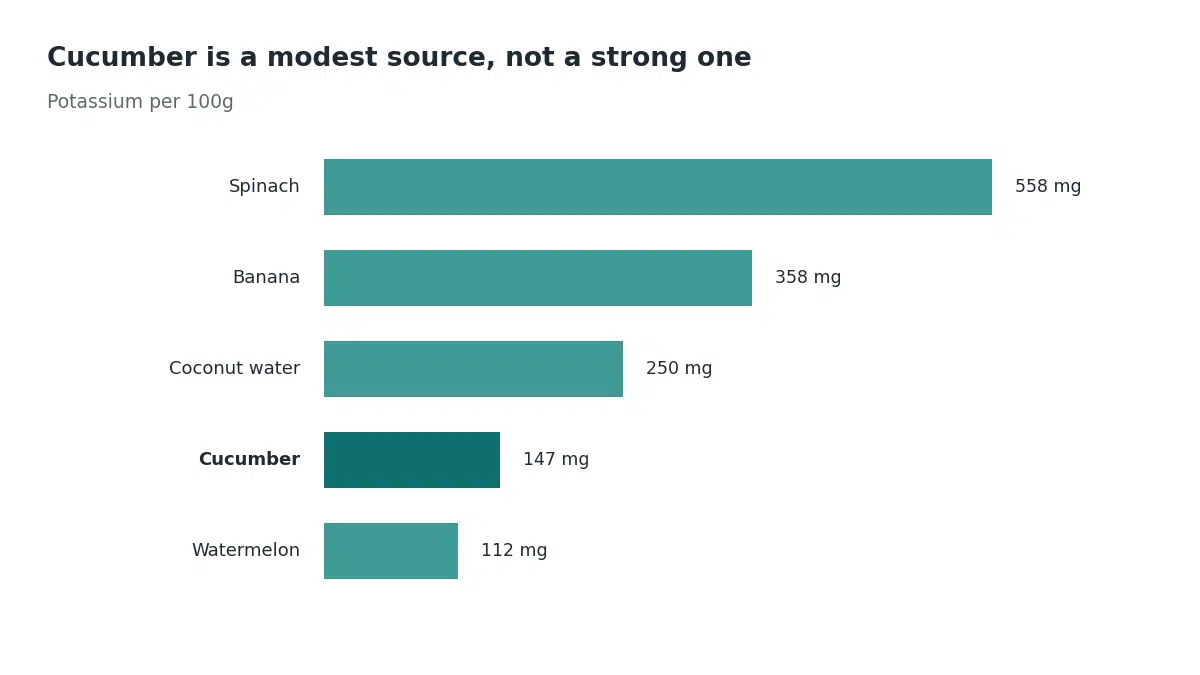
While cucumber provides electrolytes, other foods deliver higher concentrations of specific minerals. Understanding these differences helps you build a balanced diet.

Food (per 100g) Potassium Magnesium Sodium Water Content
Cucumber 147 mg 13 mg 2 mg 96%
Banana 358 mg 27 mg 1 mg 75%
Coconut Water 250 mg 25 mg 105 mg 95%
Spinach 558 mg 79 mg 79 mg 91%
Watermelon 112 mg 10 mg 1 mg 92%

Bananas deliver more than twice the potassium of cucumber per serving. However, cucumber offers superior hydration due to its higher water content and lower calories.

Coconut water provides more sodium than cucumber, making it better for intense exercise recovery. Yet cucumber remains the better choice for everyday hydration without added sugar.

The key lies in variety. Combining cucumber with other electrolytes in vegetables and fruits ensures comprehensive mineral intake throughout the day.

Health Benefits Beyond Electrolytes

Cucumber offers multiple health benefits that extend well beyond its electrolyte content. The nutrients in cucumber work together to support various body functions.

Blood Pressure Support

The potassium in cucumber helps counter sodium’s effects on blood pressure. Regular consumption may help maintain healthy pressure levels, though more research is needed to confirm optimal amounts.

People with high blood pressure often benefit from increasing potassium-rich foods in their diet. Cucumber provides a low calories option for this purpose.

Blood Sugar Management

Cucumber contains very little sugar – less than 2 grams per 100 grams. This low sugar content makes it suitable for people managing blood sugar levels.

Some studies suggest cucumber extract may help improve insulin response. The fiber and water in cucumber slow digestion, preventing rapid blood sugar spikes.

Bone health illustration showing calcium and magnesium support from vegetables

Bone Health Support

While not the richest source, cucumber contributes to bone health through multiple pathways. The calcium and magnesium support bone density.

Vitamin K in cucumber helps body utilize calcium effectively. One cucumber provides about 20% of your daily vitamin K needs.

Antioxidant Properties

Cucumber belongs to the Cucurbitaceae family, which produces compounds with antioxidant properties. These substances help protect cells from damage.

Laboratory research indicates cucumber extracts may help combat oxidative stress. Some studies even explore potential effects against cancer cells, though human trials remain limited.

Practical Ways to Get Benefits from Cucumber

Adding cucumber to your daily routine doesn’t require complex recipes. Simple preparation methods help you get benefits from this versatile vegetable.

Fresh Cucumber Slices

Eat cucumber raw to preserve maximum nutrients. The skin contains additional fiber and minerals, so wash thoroughly but avoid peeling when possible.

A small amount of salt brings out cucumber’s natural flavor. However, watch sodium if you’re monitoring blood pressure.

Cucumber Water

Infusing drinking water with cucumber slices creates a refreshing beverage. This method adds subtle flavor and small amounts of minerals to plain water.

Let cucumber slices steep in water for 2-4 hours. The longer it sits, the stronger the taste. Add mint or lemon for variety.

Cucumber smoothie with green vegetables and fruits in glass

Cucumber Juice and Smoothies

Blending cucumber with other vegetables maximizes mineral intake. Combine with spinach, celery, or apple for a nutrient-rich drink.

Unlike store-bought juice, homemade versions retain fiber. This helps slow sugar absorption and maintains digestive health.

Cucumber in Salads

Mixed salads offer an easy way to combine cucumber with other electrolyte sources. Pair with tomatoes, leafy greens, and avocado for a complete meal.

A simple vinaigrette enhances absorption of fat-soluble vitamins without adding excessive calories.

Who Benefits Most from Cucumber Consumption?

Certain groups of people find cucumber particularly beneficial for their specific health needs. Understanding these advantages helps target cucumber consumption effectively.

People Managing Weight

At just 15-16 calories per 100 grams, cucumber provides volume without excessive energy. This makes it ideal for weight management strategies.

The high water and fiber content promotes fullness. Including cucumber in meals may help reduce overall calorie consumption throughout the day.

Individuals Watching Sodium Intake

People monitoring blood pressure or managing heart conditions benefit from cucumber’s naturally low sodium content. The potassium-to-sodium ratio supports cardiovascular health.

Unlike many processed foods high in salt, cucumber adds flavor and crunch to meals without elevating sodium levels.

Active Individuals

While not a complete electrolyte replacement for intense exercise, cucumber supports daily hydration for moderately active people. The minerals complement regular drinking water.

Athletes needing rapid electrolyte restoration after heavy sweating should combine cucumber with higher-mineral foods or specialized sports drinks.

Those Following Plant-Based Diets

Vegetarians and vegans can incorporate cucumber as part of a varied plant-based diet. The vegetable contributes to overall mineral intake from natural sources.

Pairing cucumber with other vegetables, fruits, nuts, and seeds ensures comprehensive nutrition coverage.

Important Considerations and Precautions

Food allergy and sensitivity concept with vegetables

While cucumber is safe for most people, certain situations warrant caution. Understanding potential issues helps you make informed choices.

Allergy Considerations

Cucumber belongs to the Cucurbitaceae family along with melons and squash. People with allergies to these foods should exercise caution with cucumber.

Allergy avoid symptoms include itching, swelling, or digestive discomfort. If you experience these signs, discontinue consumption and consult a healthcare provider.

Some individuals with pollen allergies experience cross-reactivity with cucumber. This oral allergy syndrome causes temporary mouth or throat irritation.

Digestive Concerns

The content of cucumber can cause gas or bloating in sensitive individuals. Peeling the cucumber or removing seeds may help reduce these effects.

Starting with small amounts allows your digestive system to adapt. Gradually increase portions as tolerance improves.

Medication Interactions

Cucumber’s vitamin K content can interact with blood-thinning medications like warfarin. Maintain consistent cucumber intake rather than varying dramatically day to day.

Consult your healthcare provider if you take medications affected by dietary potassium or vitamin K levels.

Maximizing Nutritional Benefits from Cucumber

Strategic selection and preparation methods preserve cucumber’s nutritional value. Small choices make significant differences in the benefits you receive.

Choosing Quality Cucumbers

Good source cucumbers feel firm with bright, unblemished skin. Avoid those with soft spots, yellowing, or wrinkled surfaces.

Smaller cucumbers typically contain fewer seeds and more concentrated flavor. They often provide better nutrition per serving than oversized varieties.

Storage Methods

Store whole cucumbers in the refrigerator crisper drawer. Proper storage maintains freshness for 5-7 days.

Once cut, wrap cucumber tightly in plastic wrap or store in airtight containers. Use within 2-3 days for best quality.

Preparation Techniques

Wash cucumber thoroughly under running water before consumption. This removes surface pesticides and bacteria.

Keep the skin whenever possible. Much of cucumber’s fiber and nutrients concentrate just beneath the surface.

Avoid soaking cut cucumber in water for extended periods. This leaches water-soluble nutrients like potassium and vitamin C.

Common Myths About Cucumber and Electrolytes

Fact versus fiction concept for cucumber nutrition myths

Several misconceptions about cucumber nutrition persist despite scientific evidence. Clarifying these myths helps set realistic expectations.

Myth: Cucumbers Replace Sports Drinks

Reality: While cucumber contains electrolytes, it doesn’t match the mineral concentration in formulated sports drinks. Athletes engaging in intense, prolonged exercise need higher sodium and potassium levels.

Cucumber works well for everyday hydration and light activity. For serious athletic performance, combine cucumber with other electrolyte sources.

Myth: Cucumber Water Has Same Benefits as Eating Whole Cucumber

Reality: Cucumber-infused water transfers only small amounts of nutrients into the liquid. Most minerals and fiber remain in the solid cucumber pieces.

Eating whole cucumber provides significantly more nutrition. Use cucumber water as a pleasant way to increase fluid intake, not as a replacement for eating the vegetable.

Myth: All Cucumber Varieties Provide Equal Nutrition

Reality: Different cucumber types vary slightly in nutrient content. English cucumbers typically contain marginally more nutrients than standard slicing varieties.

Persian and Kirby cucumbers offer similar nutrition profiles. The differences are minor enough that any fresh cucumber variety provides valuable health benefits.

Building a Balanced Electrolyte-Rich Diet

Balanced meal plate showing variety of electrolyte-rich foods

Cucumber forms one component of comprehensive electrolyte nutrition. Creating variety ensures your body receives all necessary minerals.

Daily Electrolyte Goals

Adults typically need 2,600-3,400 mg of potassium daily. One cucumber provides roughly 400-450 mg, covering 12-17% of this requirement.

Magnesium needs range from 310-420 mg per day. Cucumber contributes a small amount, requiring supplementation from other sources.

Sodium requirements vary based on activity level. Most people consume adequate sodium from their diet without specifically seeking it in vegetables.

Complementary Food Combinations

Pair cucumber with these foods for complete electrolyte coverage:

  • Leafy greens (spinach, kale) for magnesium and calcium
  • Bananas or sweet potatoes for additional potassium
  • Nuts and seeds for magnesium and healthy fats
  • Yogurt or cheese for calcium and sodium
  • Tomatoes for potassium and variety

This approach creates synergy. Different foods provide overlapping and complementary nutrients that work together in your body.

Current Research and Future Directions

Ongoing research continues exploring cucumber’s health impacts beyond basic nutrition. Scientists investigate various compounds and their effects on human health.

Anti-Cancer Properties

Laboratory studies examine cucumber’s potential effects on cancer cells. Certain compounds in the Cucurbitaceae family show promise in test-tube research.

However, these findings don’t automatically translate to human benefits. More clinical trials are needed before making definitive claims about cancer prevention.

Metabolic Health Research

Some research explores how cucumber consumption affects metabolic markers. Studies investigate impacts on blood sugar regulation and insulin sensitivity.

Early results appear promising, but larger human studies will clarify cucumber’s role in metabolic health management.

Hydration Studies

Researchers compare hydration effectiveness of water-rich foods versus plain drinking water. Preliminary data suggests foods with high water content may help maintain hydration longer.

This research could reshape hydration recommendations for various populations and activity levels.

Frequently Asked Questions About Cucumbers and Electrolytes

How many cucumbers should I eat per day for adequate electrolytes?

One medium cucumber provides 10-15% of daily potassium needs. Eating 1-2 cucumbers daily contributes meaningfully to electrolyte intake without providing complete coverage. Combine with other mineral-rich foods for optimal nutrition.

Can cucumber water replace electrolyte drinks after exercise?

Cucumber water works for light activity and daily hydration. However, intense exercise requires higher electrolyte concentrations than cucumber water provides. Use specialized sports drinks or eat whole cucumbers with other electrolyte sources after vigorous workouts.

Does cooking cucumber reduce its electrolyte content?

Heat can cause some mineral loss, particularly if cooking water is discarded. Eating cucumber raw preserves maximum electrolyte content. If cooking, use methods like steaming or stir-frying that minimize nutrient loss.

Are pickled cucumbers as nutritious as fresh ones?

Pickling significantly increases sodium content while maintaining potassium levels. Pickles can provide electrolytes but deliver much more sodium than fresh cucumber. Choose fresh cucumber for better mineral balance unless specifically needing extra sodium.

Which cucumber variety has the most electrolytes?

Nutritional differences between cucumber varieties are minimal. English, Persian, and standard slicing cucumbers all provide similar electrolyte amounts. Choose based on taste preference and availability rather than nutrition variation.

Can eating too much cucumber cause electrolyte imbalance?

Excessive cucumber consumption is unlikely to cause problems for healthy individuals. The body regulates electrolyte levels effectively. People with kidney issues should consult healthcare providers about potassium intake from all sources including cucumber.

Does cucumber help with muscle cramps?

Cucumber’s potassium and magnesium may help prevent cramps caused by electrolyte deficiency. However, muscle cramps have multiple causes. Persistent cramping warrants medical evaluation rather than relying solely on dietary changes.

Is cucumber effective for hangover recovery?

Cucumber provides hydration and electrolytes that may help with hangover symptoms. The water content and minerals support rehydration. However, prevention through moderate alcohol consumption remains more effective than any dietary remedy.

Can diabetics eat cucumber freely?

Cucumber’s low sugar and calorie content makes it excellent for people managing blood sugar. The vegetable has minimal impact on glucose levels. Most individuals with diabetes can include cucumber generously in their diet.

Should I eat cucumber before or after workouts?

Cucumber works well both before and after exercise. Pre-workout consumption provides hydration and light nutrition. Post-workout consumption aids recovery and rehydration. Combine with protein sources after exercise for optimal muscle recovery.

Does cucumber skin contain more electrolytes than the flesh?

The skin contains slightly higher mineral concentrations than the inner flesh. It also provides additional fiber and antioxidants. Wash thoroughly but keep the skin when eating cucumber to maximize nutritional benefits.

Can children get enough electrolytes from cucumber?

Children can benefit from cucumber as part of varied nutrition. However, growing bodies need electrolytes from multiple sources. Include cucumber alongside dairy, fruits, vegetables, and whole grains for complete mineral coverage.

How does cucumber compare to coconut water for electrolytes?

Coconut water provides more sodium and similar potassium levels compared to cucumber. However, whole cucumber offers fiber and fewer calories. Both contribute to hydration; choose based on your specific mineral needs and taste preferences.

Does organic cucumber have more electrolytes than conventional?

Research shows minimal nutritional differences between organic and conventional cucumbers. Both provide similar electrolyte content. Choose organic to reduce pesticide exposure rather than for superior mineral content.

Can cucumber help with high blood pressure?

Cucumber’s potassium content may help support healthy blood pressure as part of a balanced diet. The low sodium and high water content also benefit cardiovascular health. However, cucumber alone cannot treat hypertension; medical guidance remains essential.

Is it better to juice cucumber or eat it whole?

Eating whole cucumber preserves fiber and provides sustained nutrition release. Juicing concentrates minerals but removes beneficial fiber. For electrolyte benefits, both methods work; whole consumption offers additional digestive health advantages.

How long do cucumbers retain their electrolyte content after harvesting?

Properly stored cucumbers maintain most electrolytes for 5-7 days after purchase. Some vitamin degradation occurs over time, but mineral content remains stable. Buy fresh cucumbers and consume within a week for optimal nutrition.

Final Thoughts on Cucumbers and Electrolytes

So, do cucumbers have electrolytes? Absolutely. While not the highest source of any single mineral, cucumber provides a valuable combination of potassium, magnesium, and exceptional hydration.

The true strength of cucumber lies in its versatility and accessibility. This affordable vegetable fits easily into daily meals, contributing to overall nutrition without excessive calories or sugar.

Remember that no single food provides complete nutrition. Cucumber works best as part of a varied diet including multiple fruits, vegetables, whole grains, and protein sources.

For most people, adding cucumber to daily eating patterns supports hydration and mineral intake. The health benefits extend beyond electrolytes to include potential support for blood pressure, blood sugar management, and overall wellness.

Start with simple changes. Add cucumber slices to your water. Include them in salads. Snack on them throughout the day. These small steps accumulate into meaningful health improvements.

Your body will thank you for this refreshing, nutritious choice that delivers both immediate satisfaction and long-term benefits.

Medical Disclaimer

The information provided in this article is for educational and informational purposes only. It is not intended as a substitute for professional medical advice, diagnosis, or treatment. Always seek the advice of your physician or other qualified health provider with any questions you may have regarding a medical condition or dietary changes.

Individual nutritional needs vary based on age, health status, activity level, and other factors. The electrolyte requirements and recommendations discussed may not apply to everyone, particularly those with kidney disease, heart conditions, or other medical issues requiring specialized dietary management.

While cucumber is generally safe for most people, allergic reactions can occur. If you experience any adverse symptoms after consuming cucumber, discontinue use and consult a healthcare professional immediately.

This content has been created based on current nutritional science and research available at the time of publication. Nutrition science continues to evolve, and recommendations may change as new evidence emerges.

“`

Related Posts

Can Ashwagandha Cause Weight Loss?
BLOG

Can Ashwagandha Cause Weight Loss?

July 23, 2026
Best High Fiber Foods for Pregnancy
BLOG

Best High Fiber Foods for Pregnancy for Healthy Moms

July 23, 2026
Food Sources of Tyrosine
BLOG

Food Sources of Tyrosine: Your Complete Guide to This Essential Amino Acid

July 23, 2026
Which Is the Best Tea for Weight Loss?
BLOG

Which Is the Best Tea for Weight Loss? Science-Backed Guide to 12 Effective Teas

July 22, 2026
Best Breakfast Cereals for Diabetics
BLOG

Best Breakfast Cereals for Diabetics: Smart Choices for Blood Sugar Control

July 22, 2026
Should Diabetics Eat Banana?
BLOG

Should Diabetics Eat Banana? A Complete Guide to Blood Sugar and Fruit

July 22, 2026
Natural Remedies for Nose Congestion
BLOG

Natural Remedies for Nose Congestion: Proven Solutions for Clear Breathing

July 22, 2026
freshly brewed green tea in transparent cup showing golden-green color with pH testing strip
BLOG

Is Green Tea Acidic? Understanding pH Levels and Health Implications

July 22, 2026
ProDentim Reviews: What Real Users Are Saying About This Oral Health Supplement
REVIEWS

ProDentim Reviews: What Real Users Are Saying About This Oral Health Supplement

July 24, 2026
How to Get Rid of Fat Neck
BLOG

How to Get Rid of Fat Neck: Complete Solutions Guide

July 22, 2026
Load More

Leave a Reply Cancel reply

Your email address will not be published. Required fields are marked *

I agree to the Terms & Conditions and Privacy Policy.

Our Mission

At HealthMagHub, our mission is to empower individuals and families to make informed health decisions by providing accurate, evidence-based, and easy-to-understand health information. We are committed to delivering high-quality content across a wide range of topics, including nutrition, fitness, weight management, men’s and women’s health, mental wellness, healthy aging, disease prevention, and in-depth health product reviews. Every article is carefully researched, fact-checked, and written with our readers’ well-being in mind. Our goal is to simplify complex health topics, promote healthier lifestyles, and build a trusted resource where people can confidently find reliable guidance, practical wellness tips, and the latest insights to support a healthier, happier life.

Can Ashwagandha Cause Weight Loss?
BLOG

Can Ashwagandha Cause Weight Loss?

by Jenna Castillo
July 23, 2026
0

Affiliate Disclosure: This article contains affiliate links. We may earn a commission from purchases made through these links at no...

Read moreDetails
Best High Fiber Foods for Pregnancy

Best High Fiber Foods for Pregnancy for Healthy Moms

July 23, 2026
Food Sources of Tyrosine

Food Sources of Tyrosine: Your Complete Guide to This Essential Amino Acid

July 23, 2026
Which Is the Best Tea for Weight Loss?

Which Is the Best Tea for Weight Loss? Science-Backed Guide to 12 Effective Teas

July 22, 2026
Best Breakfast Cereals for Diabetics

Best Breakfast Cereals for Diabetics: Smart Choices for Blood Sugar Control

July 22, 2026

Categories

  • BLOG
  • Brain Health
  • General Fitness
  • Hearing Health
  • Joint Health
  • Men's Health
  • Neuropathy Help
  • Oral Health
  • Prostate Health
  • REVIEWS
  • Skin Health
  • Toenail Fungus Help
  • Weight Loss
  • HOME
  • ABOUT
  • PRIVACY POLICY
  • Terms & Conditions
  • Affiliate Disclosure
  • Medical Disclaimer
  • Contact Us
  • SUBMIT YOUR REVIEW

© 2026 HealthMagHub. Trusted Health. Smarter Living. All Rights Reserved.

No Result
View All Result
  • HOME
  • BLOG
  • REVIEWS
  • TOOLS

© 2026 HealthMagHub. Trusted Health. Smarter Living. All Rights Reserved.

This website uses cookies. By continuing to use this website you are giving consent to cookies being used. Visit our Privacy and Cookie Policy.