
Fermented foods for gut health have emerged as one of the most powerful dietary tools for supporting digestive wellness and overall health. These ancient preservation methods create living foods packed with beneficial bacteria that can transform your gut microbiome.
Your digestive system houses trillions of microorganisms that influence everything from nutrient absorption to immune function. When this microbial community falls out of balance, you may experience digestive discomfort, weakened immunity, or even mood changes.
This comprehensive guide explores the science behind fermentation, identifies the most effective fermented foods for gut health, and provides practical strategies for incorporating these gut-friendly foods into your daily routine. Whether you are dealing with specific digestive concerns or simply want to optimize your wellness, understanding fermented foods can be a game-changer.
Why Gut Health Matters More Than You Think

Your Gut Microbiome: A Hidden Ecosystem
The gut microbiome consists of trillions of bacteria, fungi, and other microorganisms living in your digestive tract. This complex ecosystem weighs about three pounds and contains more bacterial cells than your body has human cells.
These microorganisms perform essential functions you cannot accomplish alone. They break down complex carbohydrates, produce vitamins like B12 and K, and create short-chain fatty acids that fuel your intestinal cells.
A balanced microbiome features diverse bacterial species working in harmony. Disruption to this balance, called dysbiosis, can trigger inflammation and compromise multiple body systems.
The Immune System Connection
Approximately 70 percent of your immune system resides in your gut. The gut-associated lymphoid tissue works closely with your microbiome to distinguish between harmful pathogens and beneficial substances.
Beneficial bacteria train your immune cells to respond appropriately to threats while maintaining tolerance to harmless antigens. This education process helps prevent both infections and autoimmune reactions.
Research from Harvard Medical School shows that gut microbiome diversity correlates with stronger immune responses and reduced inflammation markers.
Understanding the Gut-Brain Axis
The gut-brain axis represents bidirectional communication between your digestive system and central nervous system. This connection happens through neural pathways, immune signals, and microbial metabolites.
Your gut produces approximately 90 percent of your body’s serotonin, a neurotransmitter that regulates mood, sleep, and appetite. Gut bacteria influence this production through various metabolic pathways.
Studies indicate that microbiome composition may affect anxiety levels, stress responses, and even cognitive function. The gut-brain axis explains why digestive issues often accompany mood disorders and vice versa.
The Gut-Skin Axis: Your Complexion’s Hidden Partner
The gut-skin axis reveals how internal digestive health manifests externally through skin conditions. Inflammation originating in the gut can trigger or worsen acne, eczema, and psoriasis.
Beneficial gut bacteria produce compounds that reduce systemic inflammation and support skin barrier function. When gut health declines, increased intestinal permeability may allow inflammatory molecules to enter circulation and affect skin tissue.
Research published by the National Institutes of Health demonstrates that probiotic supplementation can improve various skin conditions by modulating gut microbiome composition.
What Fermented Foods Actually Do for Gut Health

The Fermentation Process and Live Cultures
Fermentation occurs when microorganisms convert sugars and starches into acids, gases, or alcohol. This metabolic process preserves food while creating beneficial compounds and live bacterial cultures.
During fermentation, bacteria produce lactic acid that lowers pH levels and creates an environment hostile to harmful pathogens. This natural preservation method extends shelf life without requiring refrigeration in many cases.
The live cultures in unpasteurized fermented foods survive through your stomach acid to colonize your intestines. Once there, these probiotics compete with harmful bacteria for resources and attachment sites on intestinal walls.
Postbiotics: The Hidden Benefit
Postbiotics are bioactive compounds created when probiotic bacteria ferment food substrates. These include short-chain fatty acids, enzymes, peptides, and bacterial cell wall fragments that benefit your health.
Short-chain fatty acids like butyrate serve as primary fuel for cells lining your colon. They reduce inflammation, strengthen gut barrier function, and may protect against colorectal disease.
Unlike probiotics that require live bacteria, postbiotics remain active even after heat treatment. This means even pasteurized fermented foods deliver some gut health benefits through these metabolic byproducts.
Enhanced Nutrient Absorption
Fermentation breaks down complex nutrients into more bioavailable forms. This pre-digestion process makes vitamins, minerals, and proteins easier for your body to absorb and utilize.
The fermentation process can increase B vitamin levels, particularly B12, folate, and riboflavin. It also enhances mineral bioavailability by reducing anti-nutrients like phytic acid that bind to minerals and prevent absorption.
Protein structure changes during fermentation, creating amino acid profiles that are easier to digest. This explains why many people who struggle with dairy can tolerate fermented milk products like yogurt and kefir.
Probiotics vs. Prebiotics vs. Postbiotics: What’s the Difference?
Probiotics
Probiotics are live microorganisms that provide health benefits when consumed in adequate amounts. Think of them as the beneficial bacteria reinforcements for your gut.
- Found in fermented foods like yogurt and kimchi
- Must survive stomach acid to reach intestines
- Provide benefits through colonization and metabolic activity
- Strain-specific effects on different health conditions
Prebiotics
Prebiotics are non-digestible fibers that feed beneficial gut bacteria. They serve as fuel for probiotics, helping them thrive and multiply in your digestive system.
- Found in foods like garlic, onions, and bananas
- Resist digestion in the upper gastrointestinal tract
- Selectively stimulate growth of beneficial bacteria
- Support existing gut microbiome diversity
Postbiotics
Postbiotics are bioactive compounds produced when probiotics ferment prebiotics. These metabolic byproducts provide health benefits independent of live bacteria.
- Include short-chain fatty acids and enzymes
- Remain active even after heat treatment
- Support gut barrier function and reduce inflammation
- More stable than live probiotics during storage
Synbiotics
Synbiotics combine probiotics and prebiotics in a single product or meal. This synergistic approach maximizes the survival and effectiveness of beneficial bacteria.
- Prebiotics help probiotics survive and colonize
- Create optimal conditions for microbial activity
- May provide greater benefits than either alone
- Common in functional foods and supplements
Key Takeaway: For optimal gut health, include all three components in your diet. Fermented foods provide probiotics, fiber-rich vegetables supply prebiotics, and the fermentation process creates postbiotics. This comprehensive approach supports microbiome diversity and digestive wellness.
The Best Fermented Foods for Gut Health
Not all fermented foods deliver the same benefits. The most effective options contain live cultures, minimal added sugars, and beneficial bacterial strains. Here are the top choices backed by research and traditional use.

Yogurt: The Gateway Fermented Food
Yogurt results from milk fermentation by bacterial cultures, primarily Lactobacillus bulgaricus and Streptococcus thermophilus. This process transforms lactose into lactic acid, creating yogurt’s characteristic tangy flavor and thick texture.
Live culture yogurt provides billions of beneficial bacteria per serving. These probiotics support digestive health, enhance immune function, and may improve lactose digestion in people with lactose intolerance.
Choose plain, unsweetened yogurt with “live and active cultures” on the label. Greek yogurt offers higher protein content but may contain fewer live cultures than regular yogurt due to the straining process.
Studies from Mayo Clinic suggest that regular yogurt consumption may help prevent antibiotic-associated diarrhea and support overall gut microbiome diversity.
Kefir: The Probiotic Powerhouse
Kefir is a fermented milk drink made using kefir grains, which contain a complex community of bacteria and yeasts. This symbiotic culture creates a beverage with more diverse probiotic strains than yogurt.
Traditional kefir contains up to 60 different bacterial and yeast strains, including Lactobacillus, Lactococcus, and Saccharomyces species. This diversity may provide broader health benefits than single-strain probiotic foods.
The fermentation process breaks down most lactose, making kefir tolerable for many people with lactose sensitivity. Kefir also contains beneficial yeasts that can help maintain balance between bacteria and fungi in your gut.
Water kefir offers a dairy-free alternative made by fermenting sugar water with water kefir grains. While it contains different bacterial strains than milk kefir, it still provides probiotic benefits.
Sauerkraut: Cabbage Transformed
Sauerkraut consists of finely shredded cabbage fermented by lactic acid bacteria naturally present on the vegetable’s surface. This simple fermentation creates a tangy, crunchy condiment rich in probiotics and vitamins.
The fermentation process increases vitamin C levels and creates vitamin K2, which supports bone health and cardiovascular function. Sauerkraut also provides glucosinolates, sulfur compounds that may have anti-cancer properties.
Raw, unpasteurized sauerkraut contains the highest levels of beneficial bacteria. Pasteurized versions sold in shelf-stable jars lack live cultures but still provide postbiotic benefits and nutrients.
Traditional sauerkraut requires only cabbage and salt. Fermentation naturally produces lactic acid that preserves the vegetables and creates characteristic sour flavor without added vinegar.
Kimchi: Korea’s Probiotic Treasure
Kimchi is a traditional Korean fermented vegetable dish, typically made with napa cabbage, radishes, and a spice paste containing chili peppers, garlic, ginger, and fish sauce or other seasonings.
This complex fermentation produces diverse bacterial species, including Leuconostoc, Weissella, and Lactobacillus strains. The variety of vegetables and seasonings creates a broader spectrum of beneficial compounds than single-vegetable ferments.
Kimchi provides capsaicin from chili peppers, which may boost metabolism and reduce inflammation. The garlic and ginger add additional antimicrobial and anti-inflammatory compounds.
Fresh kimchi contains the most live cultures, though even aged kimchi provides postbiotic benefits. Store kimchi in the refrigerator to slow fermentation and maintain optimal probiotic levels.

Kombucha: The Fermented Tea Phenomenon
Kombucha is a fermented tea beverage made by adding a SCOBY (symbiotic culture of bacteria and yeast) to sweetened tea. The fermentation process creates a slightly effervescent, tangy drink with diverse microbial content.
The bacterial and yeast strains in kombucha produce organic acids, B vitamins, and antioxidants. The tea base provides polyphenols that support cardiovascular health and may reduce oxidative stress.
Commercial kombucha varies widely in sugar content and probiotic density. Choose brands with less than 5 grams of sugar per serving and “raw” or “unpasteurized” on the label for maximum live culture content.
While kombucha provides probiotics, its alcohol content (typically under 0.5 percent) and acidity require moderation. Limit consumption to one serving per day to avoid dental enamel erosion from acid exposure.
Miso: Japan’s Umami-Rich Paste
Miso is a fermented soybean paste made by inoculating cooked soybeans with koji, a mold culture (Aspergillus oryzae), and salt. The fermentation period ranges from weeks to years, creating complex flavors and beneficial compounds.
This fermentation produces enzymes that break down proteins and carbohydrates into easily digestible forms. Miso provides all essential amino acids, making it a complete protein source for plant-based diets.
Different miso varieties offer distinct flavors and probiotic profiles. White miso ferments for weeks and tastes mild and slightly sweet, while red miso ferments for years and develops intense, salty umami flavor.
Avoid boiling miso to preserve live cultures. Add miso paste to dishes after removing them from heat, or use warm (not boiling) water to dissolve miso for soups and dressings.
Tempeh: The Protein-Packed Ferment
Tempeh consists of fermented soybeans bound into a firm cake by Rhizopus mold. This Indonesian staple provides more protein and fiber than tofu while offering probiotic benefits from active fermentation.
The fermentation process reduces antinutrients in soybeans, improving mineral absorption. Tempeh contains higher levels of B vitamins than unfermented soy products, particularly vitamin B12 in trace amounts.
Tempeh’s firm texture and nutty flavor make it versatile for various cooking methods. Unlike some fermented foods, tempeh can be cooked at high temperatures while retaining nutritional benefits, though this destroys live cultures.
Look for tempeh with minimal ingredients: soybeans, water, culture, and possibly grains or vinegar. Avoid products with extensive additives or preservatives that may interfere with probiotic content.
Natto: The Acquired Taste with Major Benefits
Natto is fermented soybeans with a distinctive sticky, stringy texture and strong odor. Created using Bacillus subtilis bacteria, natto is a traditional Japanese breakfast food known for its potent health properties.
This fermentation produces nattokinase, an enzyme that may support cardiovascular health by helping break down blood clots. Natto also contains high levels of vitamin K2, supporting bone density and calcium regulation.
The strong flavor and unusual texture make natto challenging for newcomers. Start with small amounts mixed into rice or topped with soy sauce and mustard to mask the intensity while you adapt.
Fresh natto provides the highest enzyme activity and probiotic content. Store in the refrigerator and consume within a week of opening for optimal benefits.
Traditional Fermented Pickles
Traditional fermented pickles result from cucumbers brined in saltwater and allowed to ferment naturally through lactic acid bacteria. This differs from vinegar pickles, which involve no fermentation.
Lacto-fermented pickles contain probiotics and postbiotics absent from vinegar-pickled versions. They provide the same satisfying crunch with added digestive benefits and lower sodium content than many commercial pickles.
Check labels carefully—most grocery store pickles are made with vinegar, not fermentation. Look for terms like “naturally fermented,” “probiotic,” or “refrigerated” to identify true fermented pickles.
You can ferment any vegetable using the same lacto-fermentation method. Carrots, green beans, beets, and radishes all create delicious, probiotic-rich ferments with minimal effort.

Cultured Buttermilk
Cultured buttermilk is a fermented dairy product made by adding lactic acid bacteria to low-fat milk. Traditional buttermilk was the liquid remaining after churning butter, but modern versions are intentionally cultured.
This tangy beverage provides probiotics similar to yogurt along with calcium, phosphorus, and B vitamins. The fermentation process makes nutrients more bioavailable and lactose easier to digest.
Use cultured buttermilk in smoothies, salad dressings, or baked goods to add probiotic benefits to your meals. The acidity also activates baking soda, creating tender, fluffy baked products.
Always choose cultured buttermilk with live active cultures. Shelf-stable varieties typically contain minimal probiotics due to processing methods that extend shelf life but reduce bacterial counts.
Which Fermented Food Is Actually the Best?
The question of the “best” fermented food depends on your specific health goals, dietary preferences, and tolerance. However, research and traditional use patterns reveal clear frontrunners for different purposes.
Ranked by Overall Gut Health Impact
- Kefir – Tops the list with 30-60 different bacterial and yeast strains, higher probiotic counts than yogurt, and better lactose tolerance. Contains beneficial yeasts absent from most fermented foods.
- Kimchi – Combines diverse vegetables with complex spice profiles, creating multiple beneficial compounds beyond probiotics. Research shows strong anti-inflammatory and metabolic benefits.
- Natto – Delivers unique enzymes like nattokinase and exceptionally high vitamin K2 content. The Bacillus subtilis strain survives stomach acid better than many other probiotics.
- Sauerkraut – Simple yet effective, providing high counts of Lactobacillus plantarum, a strain extensively studied for digestive benefits. Easy to make at home with minimal ingredients.
- Yogurt – Most accessible option with consistent quality and extensive research backing. While less diverse than kefir, still provides significant probiotic benefits.
- Miso – Offers unique koji fermentation benefits and complete protein. The long fermentation period creates complex postbiotic compounds.
- Tempeh – Best plant-based protein option with good probiotic content when consumed fresh. Fermentation improves soy digestibility significantly.
- Kombucha – Provides probiotics but in lower concentrations than food-based ferments. Best viewed as a healthy beverage option rather than primary probiotic source.
- Fermented Pickles – Excellent for adding probiotics to meals but typically consumed in smaller quantities than other fermented foods.
- Cultured Buttermilk – Solid probiotic source but similar benefits available from yogurt and kefir with more research support.
Expert Recommendation: Rather than focusing on a single “best” fermented food, incorporate variety into your diet. Different fermented foods provide different bacterial strains and bioactive compounds. Rotating between 3-5 fermented foods throughout the week maximizes microbiome diversity and comprehensive health benefits.
How Much Fermented Food Should You Eat, and How Often?

Research suggests that consuming fermented foods daily provides the most consistent benefits for gut health. However, the optimal amount varies based on the specific food, your current gut health status, and individual tolerance.
Studies examining fermented food intake typically show benefits with servings ranging from one to three cups total per day. This amount provides sufficient probiotic bacteria to influence gut microbiome composition without overwhelming your digestive system.
Start with smaller portions if you are new to fermented foods. Your gut microbiome needs time to adjust to increased bacterial diversity and fermentation byproducts. Gradually increase portions over two to three weeks.
Recommended Daily Servings by Food Type
- Yogurt or Kefir: 1 cup (240ml) provides approximately 10 billion to 100 billion CFU (colony-forming units) of probiotics
- Sauerkraut or Kimchi: 2-4 tablespoons (30-60g) delivers substantial probiotic benefits without excess sodium
- Miso: 1-2 tablespoons dissolved in warm water or added to dishes provides beneficial cultures and flavor
- Kombucha: 4-8 ounces (120-240ml) offers probiotics without excessive sugar or acid exposure
- Tempeh or Natto: 3-4 ounces (85-115g) provides protein along with probiotic benefits
- Fermented Pickles: 2-3 pickles or equivalent vegetable ferments add diversity to probiotic intake
Sample Weekly Serving Plan
This practical plan incorporates variety while maintaining manageable portions. Adjust based on your preferences and dietary needs.
| Day | Breakfast | Lunch | Dinner | Total Servings |
| Monday | 1 cup yogurt with berries | Salad with 3 tbsp sauerkraut | Miso soup (1 tbsp miso) | 3 fermented foods |
| Tuesday | Smoothie with 1 cup kefir | Rice bowl with 3 tbsp kimchi | Stir-fry with 4 oz tempeh | 3 fermented foods |
| Wednesday | 1 cup yogurt with granola | Sandwich with 2 pickles | Grain bowl with 2 tbsp sauerkraut | 3 fermented foods |
| Thursday | Overnight oats with 0.5 cup kefir | Salad with 3 tbsp kimchi | Miso-glazed vegetables (1 tbsp miso) | 3 fermented foods |
| Friday | 1 cup yogurt parfait | 6 oz kombucha with meal | Natto over rice (2 oz) | 3 fermented foods |
| Saturday | Smoothie with 1 cup kefir | Wrap with 2 tbsp sauerkraut | Tempeh tacos (4 oz tempeh) | 3 fermented foods |
| Sunday | 1 cup yogurt with nuts | Grain bowl with 3 tbsp kimchi | Miso soup (1 tbsp miso) + pickles | 4 fermented foods |
Timing Considerations
The timing of fermented food consumption may influence their effectiveness. Some research suggests specific windows offer advantages for probiotic delivery and colonization.
Consuming probiotics on an empty stomach may allow bacteria to pass through the stomach more quickly, reducing acid exposure. However, some studies show that eating fermented foods with meals protects bacteria by buffering stomach acid.
For most people, consistency matters more than precise timing. Choose times that fit your routine and ensure regular consumption rather than focusing excessively on optimal scheduling.
How to Work Fermented Foods Into Your Daily Meals
Incorporating fermented foods into your routine requires minimal effort once you understand simple integration strategies. These practical approaches make probiotic-rich foods a natural part of every meal.

Breakfast Integration Ideas
- Yogurt Parfaits: Layer plain yogurt with berries, nuts, and seeds for a probiotic-rich breakfast bowl
- Kefir Smoothies: Blend kefir with frozen fruit, leafy greens, and protein powder for a nutrient-dense drink
- Fermented Toppings: Add sauerkraut or kimchi to breakfast scrambles, omelets, or avocado toast
- Overnight Oats: Use kefir instead of milk to ferment oats overnight, creating easier-to-digest grains
- Miso Breakfast Soup: Create a quick savory breakfast by adding miso, tofu, and vegetables to warm water
Lunch and Dinner Applications
- Bowl Toppers: Add kimchi, sauerkraut, or pickled vegetables to grain bowls, salads, or buddha bowls
- Sandwich Additions: Replace mayonnaise with yogurt-based spreads and add fermented pickles for crunch
- Soup Enhancement: Stir miso paste into finished soups after removing from heat to preserve live cultures
- Protein Swaps: Replace meat with tempeh or natto in stir-fries, tacos, and pasta dishes
- Salad Dressings: Create creamy dressings using kefir or yogurt as the base instead of oil and vinegar
- Side Dishes: Serve small portions of sauerkraut or kimchi alongside main courses like you would traditional condiments
Snack Time Solutions
- Veggie Dippers: Use yogurt-based dips with cucumber, carrots, and bell peppers
- Kombucha Break: Replace afternoon coffee or soda with chilled kombucha
- Cheese Alternative: Spread cultured cream cheese or yogurt cheese on crackers
- Quick Pickles: Keep fermented pickles on hand for easy, crunchy snacks
Important: Heat and Live Cultures
Critical Note: High heat destroys beneficial probiotics in fermented foods. Temperatures above 115°F (46°C) begin killing live cultures, and boiling eliminates virtually all beneficial bacteria.
To preserve live cultures, add fermented foods after cooking when possible. For example, stir miso into soup after removing it from heat, add sauerkraut to sandwiches rather than hot dishes, and use yogurt as a cold sauce or topping.
When cooking with fermented foods like tempeh or miso in hot dishes, remember that you still receive nutritional and postbiotic benefits even though live probiotics are reduced. The fermentation process creates beneficial compounds that remain stable at high temperatures.
Consider consuming raw fermented foods at one meal and cooked versions at another to balance convenience with probiotic intake throughout your day.
Store-Bought vs. Homemade: How to Know If It’s Actually Alive

Reading Labels for Live Cultures
Not all products labeled as fermented foods contain live beneficial bacteria. Processing methods and pasteurization can eliminate probiotics while maintaining flavor profiles.
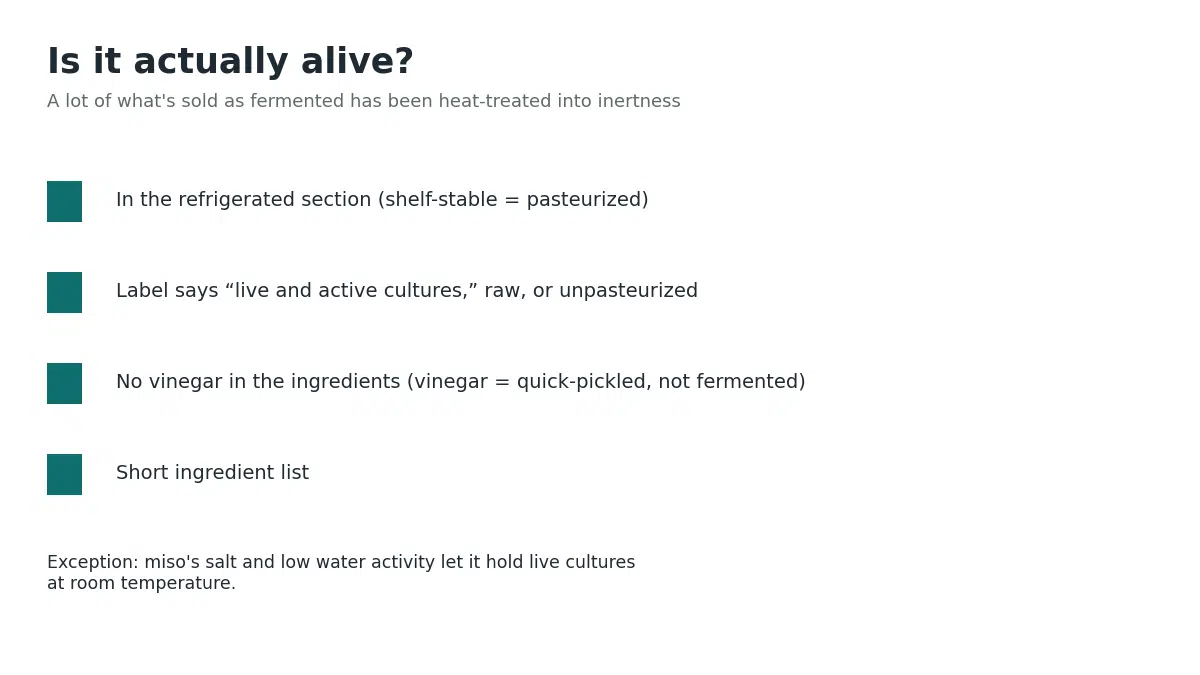
Look for these key phrases on labels to identify probiotic-rich products:
- “Live and active cultures” or “Contains live cultures” – indicates unpasteurized product with viable bacteria
- “Raw” or “Unpasteurized” – confirms the product has not been heat-treated
- “Refrigerated” – most probiotic-rich fermented foods require refrigeration to maintain bacterial viability
- Short ingredient lists – traditional fermented foods require minimal ingredients (vegetables, water, salt, culture)
- Absence of vinegar – in pickles and sauerkraut, vinegar indicates quick pickling rather than fermentation
Avoid products with excessive additives, preservatives, or high sugar content. These ingredients may interfere with probiotic effectiveness and reduce overall health benefits.
Shelf-Stable vs. Refrigerated Products
Shelf-stable fermented foods found in regular grocery aisles typically undergo pasteurization to extend shelf life. This heat treatment kills beneficial bacteria along with potentially harmful ones.
Refrigerated sections often house unpasteurized fermented foods with live cultures. The cold temperature slows but does not stop fermentation, preserving probiotic content while preventing over-fermentation.
Some shelf-stable fermented foods like miso may contain live cultures despite room-temperature storage due to high salt content and low water activity that preserve bacteria. Check labels for culture information.
Benefits of Homemade Fermentation
- Complete control over ingredients and fermentation time
- Significantly lower cost per serving compared to commercial products
- Higher probiotic counts from active, fresh fermentation
- Customizable flavors and spice levels
- Elimination of additives and preservatives
- Connection to traditional food preparation methods
Basic Home Fermentation Method for Vegetables
Making fermented vegetables at home requires minimal equipment and creates highly probiotic-rich foods. This method works for cabbage, carrots, beets, cucumbers, and most other vegetables.
Required Equipment
- Clean glass jar (quart or half-gallon size)
- Non-iodized salt (sea salt or kosher salt)
- Filtered or spring water (chlorine kills beneficial bacteria)
- Weight to keep vegetables submerged (glass weight, small jar, or cabbage leaf)
- Breathable cover (cloth secured with rubber band or specialized fermentation lid)
Step-by-Step Fermentation Process
- Prepare vegetables: Wash and chop vegetables into desired size. Finer cuts ferment faster than large pieces. For cabbage, remove outer leaves and slice thin.
- Create brine: Mix 1 to 3 tablespoons of salt per quart of water. Use more salt for warmer environments or longer fermentation. For dry salting (sauerkraut method), use about 1 tablespoon salt per 2 pounds of vegetables.
- Pack jar: Place vegetables in jar, pressing firmly to remove air pockets. Leave 2 inches of headspace at top. For dry salting, massage salt into vegetables until they release liquid.
- Add brine: Pour brine over vegetables until completely submerged. Vegetables exposed to air may develop mold. Ensure at least 1 inch of liquid covers produce.
- Weight vegetables: Place a weight on top of vegetables to prevent floating. Fermentation produces carbon dioxide that can push vegetables above brine.
- Cover and ferment: Cover jar with cloth or fermentation lid that allows gas escape while preventing contamination. Store at room temperature (65-75°F/18-24°C) away from direct sunlight.
- Monitor fermentation: Check daily for the first week. You should see bubbles forming, indicating active fermentation. White film on surface is normal (kahm yeast) and can be skimmed off.
- Taste and test: Begin tasting after 3 days. Fermentation time varies from 3 days to several weeks depending on temperature and desired sourness. When flavor is right, transfer to refrigerator.
- Store properly: Refrigeration dramatically slows fermentation while maintaining probiotic content. Properly fermented vegetables last several months refrigerated.
Safety Note: Trust your senses. Properly fermented vegetables smell pleasantly sour and tangy. If you detect putrid odors, visible mold (not white kahm yeast), or slimy texture, discard the batch and start fresh. Actual fermentation problems are rare when vegetables stay submerged in brine.
Troubleshooting Common Fermentation Issues
Problem: Mold Growth
Cause: Vegetables exposed to air or contaminated equipment
Solution: Ensure complete submersion under brine. Use clean equipment and filtered water. Increase salt concentration slightly.
Problem: Too Salty
Cause: Excessive salt in brine or dry salting
Solution: Rinse fermented vegetables before eating. Reduce salt in next batch. Balance salty foods with mild ingredients in meals.
Problem: Soft or Mushy Texture
Cause: Over-fermentation or too-warm temperatures
Solution: Ferment at cooler temperatures (60-70°F). Move to refrigerator sooner. Add tannin sources like grape leaves to maintain crunch.
Problem: No Fermentation Activity
Cause: Chlorinated water, too much salt, or too-cold temperature
Solution: Use filtered water. Reduce salt slightly. Move to warmer location. Wait longer—fermentation may be slow.
Who Should Be Cautious with Fermented Foods
While fermented foods benefit most people, certain health conditions require modified approaches or medical supervision. Understanding these considerations helps you make informed decisions about probiotic food consumption.

Histamine Intolerance
Fermented foods naturally contain high levels of histamine, a compound produced by bacteria during fermentation. People with histamine intolerance lack sufficient enzymes to break down histamine efficiently.
Symptoms of histamine reaction include headaches, flushing, digestive distress, nasal congestion, and skin reactions. These typically occur within hours of consuming high-histamine foods.
If you suspect histamine intolerance, work with a healthcare provider to identify trigger foods. Fresh fermented foods generally contain less histamine than aged varieties. Yogurt and kefir may be better tolerated than sauerkraut or aged cheeses.
Consider starting with very small portions of low-histamine fermented foods while monitoring symptoms. Some people gradually improve histamine tolerance as gut health improves, but this process requires professional guidance.
Small Intestinal Bacterial Overgrowth (SIBO)
SIBO occurs when bacteria overgrow in the small intestine, causing bloating, pain, and altered bowel habits. Adding probiotics can temporarily worsen symptoms in some SIBO patients.
The relationship between fermented foods and SIBO remains complex. Some practitioners recommend avoiding probiotic-rich foods during active SIBO treatment, while others suggest specific strains may help.
If you have diagnosed SIBO, consult with a gastroenterologist or functional medicine practitioner before introducing fermented foods. Treatment typically focuses on reducing bacterial overgrowth before rebuilding gut flora.
After successful SIBO treatment, fermented foods can help maintain healthy bacterial balance. Reintroduce these foods gradually under medical supervision to prevent relapse.
Immunocompromised Individuals
People with weakened immune systems from HIV/AIDS, cancer treatment, organ transplants, or immunosuppressive medications face higher risks from unpasteurized fermented foods.
While rare, opportunistic infections can occur when pathogenic bacteria contaminate homemade or improperly stored fermented products. Immunocompromised individuals should prioritize pasteurized options or consult healthcare providers about risks.
Commercial fermented foods from reputable manufacturers undergo quality control that reduces contamination risk. Choose refrigerated products with clear expiration dates and intact packaging.
Individuals undergoing chemotherapy or taking immunosuppressive drugs should discuss fermented food consumption with their oncologist or transplant team before making dietary changes.
Medication Interactions
Certain medications may interact with fermented foods or their probiotic content. These interactions can reduce medication effectiveness or increase side effects.
Monoamine oxidase inhibitors (MAOIs) used for depression can interact with tyramine-rich fermented foods, potentially causing dangerous blood pressure spikes. Aged cheeses, sauerkraut, and soy sauce contain high tyramine levels.
Immunosuppressive medications may be affected by probiotics that stimulate immune function. While this interaction remains theoretical for food sources, immunosuppressed patients should discuss probiotic intake with prescribing physicians.
Antibiotics reduce beneficial bacteria along with harmful ones. While fermented foods can help rebuild gut flora after antibiotic courses, timing matters. Take antibiotics and consume probiotic foods several hours apart to prevent medication from killing beneficial bacteria before they colonize.
Existing Gastrointestinal Conditions
Inflammatory bowel disease (IBD), including Crohn’s disease and ulcerative colitis, requires careful consideration when introducing fermented foods. During active flares, high-fiber fermented vegetables may aggravate symptoms.
Some IBD patients benefit from specific probiotic strains that reduce inflammation and support remission. Work with a gastroenterologist to determine appropriate fermented food types and quantities for your condition.
Irritable bowel syndrome (IBS) shows variable responses to fermented foods. Some IBS subtypes improve with probiotics, while others worsen with fermentation byproducts. The low-FODMAP diet, often used for IBS management, restricts many fermented foods during elimination phases.
Individuals with celiac disease or severe gluten sensitivity should verify that fermented products are gluten-free. Miso, tempeh, and some soy sauces may contain wheat or barley.
Medical Advice: This information provides general guidance but does not replace personalized medical advice. Anyone with chronic health conditions, pregnant women, young children, and elderly individuals should consult healthcare providers before significantly increasing fermented food intake.
Do Fermented Foods Cause Bloating?
Temporary bloating when starting fermented foods is common and usually harmless. This reaction occurs as your gut microbiome adjusts to new bacterial strains and increased fermentation activity.

Why Initial Bloating Happens
When beneficial bacteria colonize your gut, they begin fermenting dietary fibers and resistant starches. This fermentation produces gases including hydrogen, carbon dioxide, and methane as natural byproducts.
Your existing gut microbiome may initially struggle to process the influx of new bacterial species and their metabolic outputs. This transition period typically lasts one to two weeks as your digestive system adapts.
Fermented foods also contain prebiotics and fibers that feed gut bacteria. The combination of new probiotics and their food sources can temporarily increase gas production until bacterial populations stabilize.
Distinguishing Normal from Problematic Bloating
Normal adjustment bloating is mild, occurs after consuming fermented foods, and gradually improves over days to weeks. You should notice other positive changes like improved bowel regularity alongside temporary gas.
Problematic bloating persists or worsens despite gradual introduction. It may accompany severe pain, significant changes in bowel habits, or other concerning symptoms requiring medical evaluation.
If bloating continues beyond three weeks or significantly impacts quality of life, consider SIBO, histamine intolerance, or specific food sensitivities. Professional assessment can identify underlying issues requiring targeted treatment.
Practical Tips to Minimize Bloating
Start Slowly
- Begin with 1 tablespoon of fermented vegetables or quarter cup of yogurt
- Increase portions gradually every 3-4 days
- Allow 2-3 weeks to reach full serving sizes
- Introduce one new fermented food at a time
Choose Lower-Gas Options
- Start with yogurt or kefir rather than vegetable ferments
- Select milder ferments like pickles over kimchi
- Drink liquid ferments slowly to reduce gas swallowing
- Avoid carbonated kombucha initially
Timing Strategies
- Consume fermented foods with meals rather than alone
- Eat smaller portions throughout the day instead of large amounts at once
- Avoid fermented foods late in evening if nighttime bloating occurs
- Experiment with timing to identify your optimal schedule
Complementary Practices
- Stay hydrated to support digestion and bacterial metabolism
- Chew food thoroughly to begin digestion in the mouth
- Include gentle movement or walking after meals
- Practice stress-reduction techniques that support digestion
When to Pause or Reduce Intake
If bloating becomes uncomfortable or interferes with daily activities, temporarily reduce fermented food portions. Return to previously tolerated amounts and increase more gradually.
Some people find they tolerate certain fermented foods better than others. Keep a food and symptom diary to identify patterns and personalize your approach.
Consider working with a registered dietitian specializing in gut health if you struggle to incorporate fermented foods despite careful introduction. They can provide personalized strategies and rule out underlying conditions.
Fermented Foods and Specific Health Goals
Emerging research explores how fermented foods may support various health objectives beyond basic gut function. While evidence remains preliminary in many areas, understanding these connections helps set realistic expectations.

The Gut-Brain Axis and Mental Wellness
The gut-brain axis represents bidirectional communication between your digestive system and central nervous system. Gut bacteria produce neurotransmitters and metabolites that influence brain function and emotional regulation.
Research suggests that fermented foods may help support mood regulation through multiple mechanisms. Beneficial bacteria produce gamma-aminobutyric acid (GABA), a neurotransmitter that promotes relaxation and reduces anxiety.
Studies have shown associations between probiotic consumption and reduced symptoms of depression and anxiety. However, most research uses concentrated probiotic supplements rather than fermented foods, making direct comparisons difficult.
A 2021 study published in Cedars-Sinai found that people who regularly consume fermented foods report better stress management and mood stability. These findings represent associations rather than proven cause-and-effect relationships.
Current evidence supports fermented foods as one component of mental wellness strategies. They should complement, not replace, evidence-based treatments for mood disorders including therapy and medication when appropriate.
Immune Function Support
Your gut houses approximately 70 percent of immune tissue, making gut health inseparable from immune function. Beneficial bacteria train immune cells and produce compounds that modulate inflammatory responses.
Fermented foods may help support immune resilience through several pathways. Probiotics strengthen intestinal barrier function, preventing unwanted substances from entering circulation and triggering immune reactions.
Research indicates that regular fermented food consumption correlates with reduced upper respiratory infection frequency and duration. One study found that probiotic yogurt consumers experienced fewer sick days than non-consumers during cold season.
The relationship between fermented foods and immune function shows promise but requires more research. Individual responses vary significantly based on baseline health status, diet quality, and lifestyle factors.
Fermented foods work best as preventive strategies rather than acute treatments. Consistent, long-term consumption provides the most reliable immune support benefits.
The Gut-Skin Axis and Dermatological Health
Skin conditions often reflect internal health status, particularly gut inflammation. The gut-skin axis describes how digestive health influences skin appearance and inflammatory skin diseases.
Fermented foods may support skin health by reducing systemic inflammation and supporting intestinal barrier integrity. When gut permeability increases, inflammatory compounds can enter circulation and affect skin tissue.
Preliminary research suggests that probiotic consumption may improve acne severity, eczema symptoms, and inflammatory skin conditions. These effects likely stem from reduced systemic inflammation rather than direct action on skin.
Some studies show that specific probiotic strains in fermented foods can enhance skin hydration and reduce sensitivity to environmental stressors. However, results vary widely between individuals.
While promising, current evidence does not support fermented foods as primary acne or eczema treatments. They may serve as complementary approaches alongside conventional dermatological care.
Weight Management and Metabolic Health
Gut microbiome composition influences how your body processes nutrients, stores fat, and regulates appetite. Fermented foods may support healthy weight management through multiple mechanisms.
Some research suggests that diverse gut bacteria improve metabolic function and insulin sensitivity. Certain bacterial strains found in fermented foods may reduce fat storage and increase satiety signaling.
Fermented dairy products like yogurt and kefir have shown associations with lower obesity risk in epidemiological studies. However, these relationships may reflect overall healthy eating patterns rather than isolated effects of fermented foods.
The fermentation process reduces sugar content in foods and creates compounds that may influence appetite regulation. Protein-rich fermented foods like tempeh also support satiety and muscle maintenance during weight management.
Current evidence does not support fermented foods as weight loss solutions. They contribute to overall dietary quality and metabolic health when consumed as part of balanced nutrition patterns.
Research Perspective: Most claims about fermented foods and specific health outcomes come from preliminary research, animal studies, or observational data. While promising, these findings require confirmation through rigorous human clinical trials before drawing definitive conclusions. View fermented foods as health-supporting dietary components rather than targeted treatments for specific conditions.
Fermented Foods Quick Reference Guide
This comprehensive comparison helps you select fermented foods based on your preferences, dietary needs, and health goals. Use this reference to build a diverse probiotic-rich diet.
| Food | Type | Best For | Watch Out For | Best Time to Eat |
| Yogurt | Dairy ferment | Beginners, calcium needs, lactose-intolerant individuals | Added sugars, pasteurized varieties without live cultures | Breakfast, snacks |
| Kefir | Dairy ferment | Maximum probiotic diversity, digestive issues, bone health | Higher lactose than yogurt, tangy flavor may take adjustment | Morning smoothies, between meals |
| Sauerkraut | Vegetable ferment | Vitamin C, digestive enzymes, vegan diets | Sodium content, pasteurized shelf-stable versions | Lunch and dinner as condiment |
| Kimchi | Vegetable ferment | Anti-inflammatory benefits, metabolism support, flavor variety | High sodium, spicy for sensitive stomachs, histamine content | Lunch and dinner with rice or grain bowls |
| Kombucha | Fermented tea | Hydration with probiotics, afternoon energy, antioxidants | Sugar content, acidity affecting tooth enamel, trace alcohol | Afternoon, with or between meals |
| Miso | Soy ferment | Umami flavor, complete protein, digestive enzymes | High sodium, potential soy allergen, heat sensitivity | Soups, dressings, morning or evening |
| Tempeh | Soy ferment | Plant-based protein, B vitamins, meat replacement | Cooking destroys live cultures, soy allergen | Lunch and dinner as protein source |
| Natto | Soy ferment | Vitamin K2, nattokinase enzyme, bone and heart health | Strong flavor and texture, not widely available | Breakfast with rice (traditional Japanese style) |
| Fermented Pickles | Vegetable ferment | Low-calorie probiotic snack, sandwich addition | Vinegar-based versions lack probiotics, sodium content | Snacks, lunch side dish |
| Cultured Buttermilk | Dairy ferment | Baking, smoothies, salad dressings | Dairy allergen, tangy flavor, requires refrigeration | Morning smoothies, cooking ingredient |
Selection Strategy: Choose 3-5 different fermented foods to rotate throughout your week. This variety ensures diverse probiotic strains and prevents palate fatigue. Start with milder options like yogurt before progressing to stronger flavors like natto or aged kimchi.
Frequently Asked Questions About Fermented Foods for Gut Health
Are probiotic supplements better than fermented foods?
Fermented foods offer advantages over supplements in most cases. Food-based probiotics come with nutrients, fiber, and postbiotic compounds that supplements lack. The food matrix protects bacteria through stomach acid better than many capsules.
Supplements provide standardized doses of specific strains, which may benefit certain medical conditions. They also offer convenience and eliminate concerns about flavor or food sensitivities.
For general gut health maintenance, fermented foods provide superior overall nutrition. Supplements work best for targeted therapeutic goals or when food sources are impractical. Many people benefit from combining both approaches.
Can you eat too much fermented food?
Yes, excessive fermented food consumption can cause problems. Very high intakes may lead to bloating, gas, digestive discomfort, or electrolyte imbalances from sodium content.
Most people tolerate one to three servings daily without issues. Individuals with histamine intolerance or SIBO may need to limit intake further or avoid fermented foods during treatment phases.
Listen to your body’s signals. If you experience persistent digestive discomfort, reduce portions and increase gradually. Balance fermented foods with diverse whole foods for optimal nutrition.
Do fermented foods expire or lose their probiotic content?
Live culture fermented foods continue fermenting slowly even when refrigerated. This ongoing process changes flavor, texture, and bacterial populations over time.
Probiotic counts typically peak shortly after fermentation completion, then gradually decline during storage. However, properly stored fermented foods maintain beneficial bacterial levels for weeks to months.
Trust expiration dates on commercial products. Homemade ferments last several months refrigerated but may become too sour or soft with extended aging. Discard any fermented foods showing mold growth or off odors.
Should you eat fermented foods on an empty stomach or with meals?
Research shows mixed results regarding optimal timing. Some studies suggest empty stomach consumption allows faster probiotic transit through stomach acid, while others find that food buffers acid and protects bacteria.
Practical considerations often outweigh theoretical optimal timing. Most people find fermented foods easier to incorporate with regular meals rather than as separate snacks.
Consistency matters more than perfect timing. Choose a schedule you can maintain long-term rather than focusing excessively on optimization. If you notice better results with specific timing, continue that approach.
Are fermented foods safe for children?
Fermented foods are generally safe for children over one year old. Many traditional cultures introduce fermented foods during early childhood with excellent safety records.
Start with mild, familiar options like yogurt before introducing stronger flavors. Watch for allergic reactions when introducing any new food, especially dairy or soy-based ferments.
Avoid honey-fermented products and unpasteurized ferments for infants under 12 months due to botulism risk and immature immune systems. Consult pediatricians before introducing fermented foods to infants or children with compromised immunity.
What is the difference between fermented and pickled foods?
Fermentation uses beneficial bacteria to preserve food and create live cultures. Pickling typically uses vinegar or acid to preserve food without bacterial fermentation.
Fermented pickles undergo natural lactic acid fermentation in brine. Vinegar pickles skip fermentation entirely, using acetic acid for preservation and flavor.
Only naturally fermented foods provide probiotic benefits. Check labels for “naturally fermented” or “contains live cultures” to identify true fermented products versus quick-pickled alternatives.
How long until you notice benefits from fermented foods?
Timeline varies significantly between individuals based on starting gut health, consistency of consumption, and specific outcomes measured.
Some people notice improved digestion within days of starting fermented foods. Others require several weeks of consistent intake before experiencing noticeable changes.
Research suggests that measurable microbiome changes occur within two to four weeks of regular fermented food consumption. Clinical benefits for specific conditions may take longer, typically eight to twelve weeks.
Maintain consistent intake for at least one month before evaluating effectiveness. Keep a symptom diary to track subtle improvements you might otherwise overlook.
Can fermented foods help with antibiotic side effects?
Fermented foods may help reduce antibiotic-associated diarrhea and support gut recovery after antibiotic courses. Research shows that probiotic consumption during and after antibiotics can maintain healthier microbiome diversity.
Take antibiotics and consume fermented foods several hours apart. Antibiotics kill beneficial bacteria along with harmful ones, so timing separation maximizes probiotic survival.
Focus on rebuilding gut flora after completing antibiotic treatment. Increase fermented food intake for at least two weeks post-antibiotics to support microbiome recovery.
The Bottom Line on Fermented Foods for Gut Health

Fermented foods for gut health represent one of the most scientifically supported dietary strategies for supporting digestive wellness and overall health. These traditional foods provide live beneficial bacteria, enhance nutrient absorption, and create bioactive compounds that support multiple body systems.
The evidence supporting fermented food consumption continues growing. Regular intake correlates with improved digestive function, enhanced immune responses, and potentially better mental health outcomes through the gut-brain axis.
Success with fermented foods requires consistency and variety. Start slowly, introduce different types gradually, and build sustainable habits rather than pursuing perfect implementation. Your gut microbiome thrives on diversity, so rotating between multiple fermented foods provides broader benefits than relying on a single source.
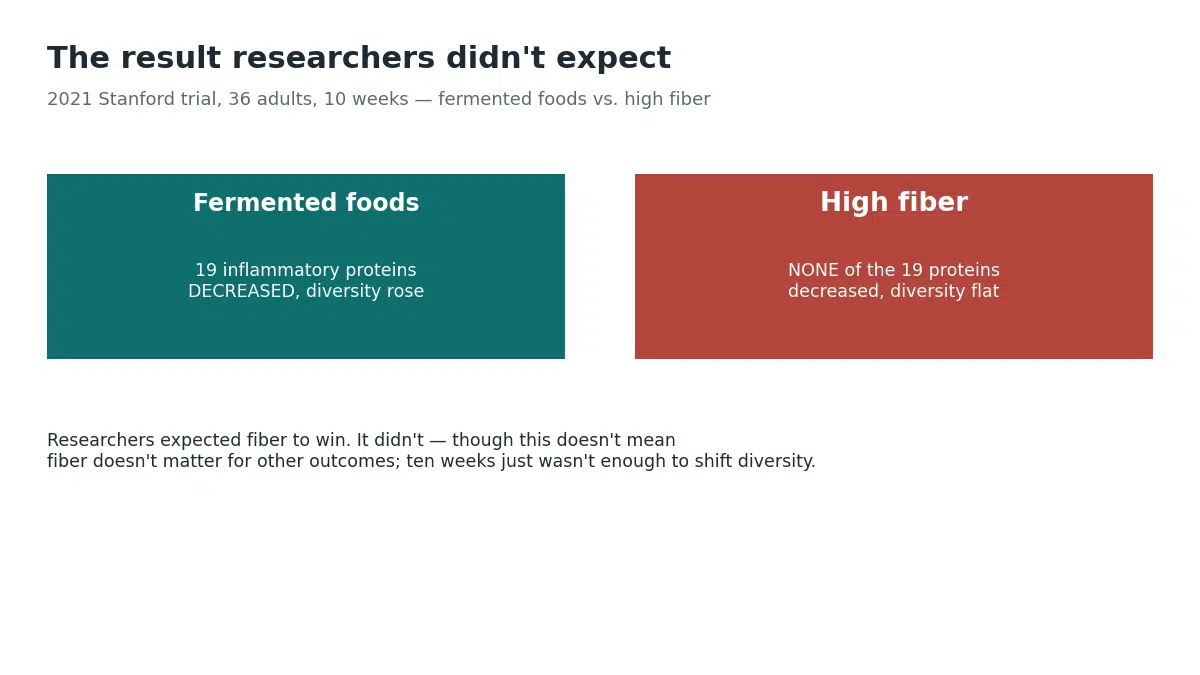
Remember that fermented foods work best as part of comprehensive healthy eating patterns. Combine them with adequate fiber, whole grains, fruits, vegetables, and lean proteins for optimal gut health. No single food or food group creates health in isolation.
Individual responses to fermented foods vary significantly. What works excellently for one person may cause discomfort for another. Pay attention to your body’s signals, adjust accordingly, and consult healthcare providers when dealing with specific health conditions.
The journey to better gut health through fermented foods is a marathon, not a sprint. Small, consistent changes create lasting improvements over months and years. Be patient with yourself as your digestive system adapts to these powerful traditional foods.
Medical Disclaimer
Important Notice: The information provided in this article is for educational and informational purposes only. It is not intended as a substitute for professional medical advice, diagnosis, or treatment.
Always seek the advice of your physician or other qualified health provider with any questions you may have regarding a medical condition, dietary changes, or the use of fermented foods for health purposes. Never disregard professional medical advice or delay seeking it because of information you read in this article.
Individual responses to dietary changes vary significantly. What works for one person may not be appropriate for another. This is especially important for individuals with existing health conditions, those taking medications, pregnant or nursing women, and anyone with compromised immune function.
If you experience adverse reactions, persistent digestive problems, or concerning symptoms when consuming fermented foods, discontinue use and consult a healthcare professional immediately.
The content presented here reflects current understanding of nutrition science and gut health research. However, scientific knowledge evolves continuously, and recommendations may change as new evidence emerges.