healthmaghub
  • HOME
  • BLOG
  • REVIEWS
  • TOOLS
No Result
View All Result
  • HOME
  • BLOG
  • REVIEWS
  • TOOLS
No Result
View All Result
HealthNews
No Result
View All Result

How to Get Rid of Fat Neck: Complete Solutions Guide

by Owen Bradley
July 22, 2026
Reading Time: 21 mins read
0
Discovering excess fat around your neck can feel frustrating and affect your confidence. If you’re wondering how to get rid of fat neck, you’re not alone—this concern affects millions of people regardless of age or fitness level. The accumulation of neck fat develops from various factors including genetics, weight gain, aging, and lifestyle habits.A fuller neck or double chin doesn’t necessarily indicate poor health. However, reducing this area often requires a comprehensive approach combining targeted strategies. Understanding what causes double chin formation helps you select the most effective solutions for your situation.

This guide explores proven methods to lose neck fat through natural lifestyle changes, specific exercises, clinical treatments, and when necessary, surgical options. Whether you prefer non-invasive approaches or want to understand all available choices, these evidence-based strategies will help you achieve your goals safely and effectively.

Understanding Neck Fat and What Causes It

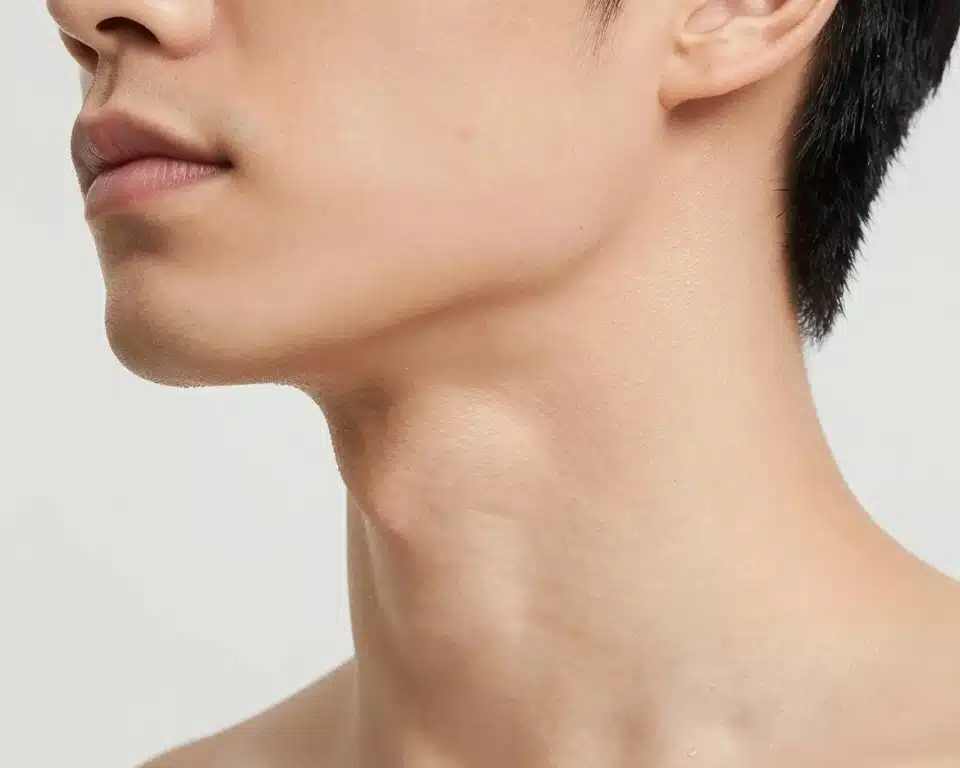
Submental fat—the medical term for fat beneath the chin—accumulates for reasons beyond simple weight gain. While overall body fat certainly contributes, several specific factors influence fat storage in the neck region. Recognizing these causes helps you target the right solutions.

The skin and tissue structure in your neck differs from other body areas. This region contains less muscle mass and more fatty tissue, making it particularly susceptible to fat accumulation and sagging over time.

Primary Causes of Neck Fat Accumulation

Genetic Factors

Your genetic makeup significantly influences where your body stores fat. Some people naturally accumulate more fat in the neck and chin area due to inherited traits. Family patterns often reveal these tendencies—if your parents or siblings have fuller necks, you may share this characteristic.

Age-Related Changes

As you age, your skin loses elasticity and muscle tone decreases. The muscles supporting your jaw and neck weaken, while fat distribution shifts. These changes often become noticeable after age 40, though they can begin earlier depending on individual factors.

Contributing Lifestyle Factors

Beyond genetics and aging, several controllable factors influence neck fat development. Addressing these elements forms the foundation of any effective reduction strategy.

  • Overall weight increase deposits excess fat throughout the body, including the neck
  • Poor posture compresses the neck area and weakens supporting muscles
  • Unhealthy eating patterns high in processed foods and sodium cause inflammation and fat storage
  • Insufficient physical activity reduces overall calorie expenditure and muscle tone
  • Hormonal imbalances affect fat distribution patterns, particularly during menopause or thyroid conditions
  • Inadequate sleep disrupts metabolic hormones that regulate fat storage

Medical diagram showing neck fat anatomy and areas where fat accumulates

Medical Conditions That Affect Neck Appearance

Certain health conditions specifically impact the neck region. Thyroid disorders can cause swelling or fat accumulation around the neck. Cushing’s syndrome leads to characteristic fat deposits in the upper body, including the neck and face. If you notice sudden changes in neck appearance, consulting a healthcare provider rules out underlying medical issues.

Important Distinction: True fat accumulation differs from temporary swelling caused by water retention, allergic reactions, or lymphatic issues. Persistent neck fullness that doesn’t fluctuate day-to-day typically indicates actual fat deposits rather than temporary swelling.

How to Get Rid of Fat Neck Through Weight Loss

Since spot reduction of fat from specific body areas isn’t physiologically possible, overall weight loss remains the most effective natural approach. When you create a caloric deficit and lose weight, your body gradually reduces fat stores throughout, including your neck region.

The pattern of fat loss varies among individuals based on genetics. Some people notice facial and neck changes quickly, while others see results in this area later in their weight loss journey. Consistency with healthy eating and lifestyle habits produces results over time.

Nutrition Strategies for Reducing Neck Fat

Creating sustainable dietary changes supports gradual weight reduction. Extreme restrictions rarely work long-term and can harm your health. Instead, focus on building balanced eating patterns you can maintain.

Caloric Balance

Establish a moderate caloric deficit of 300-500 calories below your maintenance level. This gradual approach supports steady fat loss while preserving muscle tissue and energy levels.

Protein Priority

Adequate protein intake preserves muscle mass during weight loss and increases satiety. Target 0.7-1.0 grams per pound of body weight daily from lean sources.

Whole Foods Focus

Emphasize minimally processed foods including vegetables, fruits, whole grains, lean proteins, and healthy fats. These nutrient-dense choices support overall health while naturally controlling calories.

Dietary Component Benefit for Fat Loss Practical Application
Fiber-Rich Foods Increases fullness and digestive health Include vegetables, legumes, and whole grains at each meal
Lean Protein Preserves muscle and boosts metabolism Choose chicken, fish, tofu, or legumes as main protein sources
Hydration Supports metabolism and reduces water retention Drink 8-10 glasses of water daily, more with exercise
Healthy Fats Supports hormone production and satiety Include nuts, avocado, olive oil, and fatty fish moderately
Limited Processed Foods Reduces empty calories and inflammation Minimize packaged snacks, sugary drinks, and fast food

Sustainable Eating Patterns

Long-term success requires building habits you can maintain indefinitely. Temporary diets produce temporary results. Instead, focus on gradual improvements to your diet that become natural over time.

Avoid Extreme Restrictions: Crash diets promising rapid results often lead to muscle loss, metabolic slowdown, and rebound weight gain. Sustainable fat reduction occurs at 0.5-2 pounds per week through moderate caloric deficits and balanced nutrition.

Targeted Neck Exercises to Tone and Strengthen

While exercises alone won’t eliminate neck fat, they strengthen and tone the underlying muscles. This muscular development improves neck contour and supports better posture. Combined with overall weight loss, chin exercises enhance your results.

The muscles in your neck and jaw area include the platysma, sternocleidomastoid, and various smaller stabilizers. Targeted movements engage these structures, building strength and definition over time.

Effective Exercises for Neck Contouring

Perform these movements 4-5 times weekly for best results. Focus on controlled motion and proper form rather than rushing through repetitions. Each exercise targets different aspects of neck and jaw musculature.

  • Chin Tucks: Stand or sit with your spine straight. Gently pull your chin straight back, creating a double chin appearance intentionally. Hold for 5 seconds, then release. This strengthens deep neck flexors and improves position. Complete 15-20 repetitions.
  • Neck Stretches: Tilt your head back to look at the ceiling, keeping your mouth closed. You should feel gentle tension under your chin and in your neck. Hold for 10 seconds, return to neutral, and repeat 10 times. This stretches and engages the platysma muscle.
  • Jaw Release: Simulate chewing motion with your mouth closed, then open your mouth wide as if yawning. Move your tongue to the roof of your mouth while your mouth is open. Hold for 5 seconds. This works the jaw and chin muscles. Perform 10-12 repetitions.
  • Tongue Press: Press your tongue firmly against the roof of your mouth. While maintaining this pressure, tilt your head back to look upward. You’ll feel engagement under your chin. Hold for 5-10 seconds. Complete 15 repetitions.
  • Ball Squeeze: Place a small exercise ball (or tennis ball) under your chin. Press your chin down into the ball, squeezing it against your chest. Hold for 3-5 seconds per repetition. This directly targets the submental area. Perform 20-25 repetitions.
  • Neck Rotation: Slowly turn your head to look over your right shoulder as far as comfortable. Hold for 5 seconds, return to center, then rotate left. This improves mobility while engaging lateral neck muscles. Complete 10 rotations each side.

Exercise Progression and Consistency

Start with 2-3 exercises if you’re new to targeted neck training. As these movements become easier, add more variations and increase repetitions. Results typically become noticeable after 6-8 weeks of consistent practice combined with overall weight loss.

Creating an Exercise Routine

Dedicate 10-15 minutes daily to these movements. Morning practice works well, as it improves posture awareness throughout the day. Alternatively, perform these exercises during breaks at work to counteract poor sitting positions that contribute to neck issues.

Combine neck-specific movements with full-body strength training and cardiovascular activity. This comprehensive approach maximizes fat loss while building lean muscle tissue throughout your body.

Exercise Tips

  • Perform movements slowly with control
  • Never force positions that cause pain
  • Maintain proper breathing throughout
  • Stay consistent with daily practice
  • Track progress with photos every 2 weeks
  • Combine with posture awareness

Posture Improvement and Skin Care Strategies

Your daily habits significantly impact neck appearance beyond direct fat reduction. Poor posture compresses the neck area, creating the visual impression of more fullness. Meanwhile, skin quality affects how toned and firm your neck looks.

Modern technology use contributes to “tech neck”—the forward head posture from looking down at phones and computers. This position weakens neck muscles and contributes to sagging skin over time.

Posture Correction Techniques

Improving your typical head and neck position provides immediate visual benefits while supporting long-term muscle development. These adjustments become easier with conscious practice until they become automatic.

Screen Position

Raise computer screens to eye level so you look straight ahead rather than down. Hold phones higher when texting or browsing to avoid constant downward neck angle.

Sitting Alignment

Sit with your back against the chair, shoulders relaxed downward, and chin level. Imagine a string pulling the top of your head upward, lengthening your spine.

Standing Posture

Distribute weight evenly on both feet, engage your core gently, and keep your head aligned over your shoulders rather than jutting forward.

Skin Care for Neck Firmness

While skin care products can’t eliminate fat, they improve skin elasticity and firmness. The neck often shows aging signs before the face because people neglect this area in their skincare routines.

  • Extend facial moisturizer and sunscreen down to your neck daily
  • Apply products using upward strokes from collarbone to jaw
  • Use retinol-containing products to support skin cell turnover
  • Consider neck-specific creams with firming ingredients like peptides
  • Stay hydrated to maintain skin plumpness and elasticity
  • Protect from sun damage with SPF 30+ sunscreen daily

Person applying skincare products to neck area for improved skin firmness

Collagen and Elasticity: Your body produces less collagen with age, leading to skin laxity. While topical products provide modest benefits, lifestyle factors like adequate protein intake, vitamin C consumption, and avoiding smoking support natural collagen production more effectively.

Non-Surgical Treatments for Neck Fat Reduction

Medical aesthetics offers several non-invasive treatments specifically targeting submental fat. These procedures provide options for people who haven’t achieved desired results through lifestyle changes alone or want to accelerate their progress.

Unlike surgery, these approaches typically involve minimal downtime and lower risk. However, they still require professional administration and carry considerations regarding cost and effectiveness.

Injectable Fat-Dissolving Treatments

Deoxycholic acid injections (brand name Kybella) represent the only FDA-approved injectable treatment specifically for submental fat. This substance naturally occurs in your body and helps break down dietary fat. When injected into the chin area, it destroys fat cells permanently.

Treatment Process

A trained provider injects the solution in a grid pattern under your chin. Most people require 2-4 treatment sessions spaced 4-6 weeks apart. Each session takes about 15-20 minutes. Results gradually appear over several months as your body processes the destroyed fat cells.

Expected Results

Clinical studies show visible reduction in submental fat for appropriate candidates. The destroyed fat cells don’t regenerate, making results permanent if you maintain stable body weight. However, remaining fat cells can still enlarge with significant weight gain.

Energy-Based Treatments

Several technologies use controlled heat, cold, or radiofrequency energy to reduce fat cells and tighten skin. These procedures work gradually over time as your body naturally processes the affected tissue.

Treatment Type Mechanism Sessions Needed Recovery Time
CoolSculpting Freezes fat cells (cryolipolysis) 1-2 treatments Minimal downtime
Radiofrequency Heats tissue to tighten skin and reduce fat 3-6 treatments None to minimal
Ultrasound Uses focused ultrasound energy 1-3 treatments Minimal downtime
Laser Lipolysis Laser energy melts fat cells 1-2 treatments Few days

Considerations for Non-Surgical Options

These treatments work best for people with moderate fat accumulation and good skin elasticity. They’re not weight loss solutions—ideal candidates are at or near their target weight but have stubborn pockets of fat resistant to diet and exercise.

Important Considerations: Non-surgical treatments cost significantly more than lifestyle approaches, typically ranging from several hundred to several thousand dollars. Insurance rarely covers cosmetic procedures. Research providers carefully, ensuring they have proper credentials and experience. Temporary side effects may include swelling, bruising, numbness, or redness lasting days to weeks.

Surgical Procedures for Neck Contouring

When non-surgical approaches don’t provide desired results, or when significant excess fat and loose skin exist, surgical procedures offer more dramatic transformation. These options involve greater expense, recovery time, and risk but produce more immediate and comprehensive changes.

Surgery addresses not only fat but also skin laxity and muscle positioning—factors that non-invasive treatments cannot fully correct. A qualified plastic surgeon or facial plastic surgeon evaluates your specific anatomy to recommend appropriate procedures.

Liposuction for Neck Fat

Liposuction removes fat through small incisions using a thin tube called a cannula. For neck contouring, surgeons typically use tumescent liposuction or laser-assisted techniques. This procedure works best when skin elasticity is good and will contract smoothly after fat removal.

Procedure Details

Neck liposuction usually takes 1-2 hours under local anesthesia with sedation or general anesthesia. The surgeon makes tiny incisions hidden under the chin or behind the ears. Recovery involves wearing a compression garment for 1-2 weeks, with most swelling subsiding within a month.

Results appear gradually as swelling reduces over 3-6 months. The removed fat cells don’t return, but maintaining results requires stable body weight and healthy habits.

Candidate Criteria

  • Good overall health status
  • Realistic expectations about results
  • Stable weight for several months
  • Good skin elasticity
  • Isolated fat deposits without significant sagging
  • Non-smoker or willing to quit

Neck Lift Surgery

A neck lift (platysmaplasty) addresses both fat and loose skin, tightening underlying muscles for comprehensive rejuvenation. This more extensive procedure suits people with significant skin laxity, prominent neck bands, or jowling along the jawline.

Procedure Type

Full neck lift repositions muscles, removes excess fat, and eliminates redundant skin. Incisions typically run around the ears and possibly under the chin.

Recovery Timeline

Initial recovery takes 2-3 weeks, with return to normal activities in 4-6 weeks. Final results become apparent after several months once all swelling resolves.

Longevity

Results typically last 10-15 years or longer with proper skin care and sun protection. Natural aging continues but from an improved baseline.

Surgical Considerations and Risks

All surgical procedures carry risks including infection, bleeding, scarring, and anesthesia complications. Choosing a board-certified plastic surgeon with extensive facial surgery experience minimizes these risks. According to Mayo Clinic, thorough consultation and realistic expectations are essential before undergoing cosmetic neck surgery.

Surgical Decision Factors: Cosmetic surgery involves significant financial investment, typically $3,000-$8,000 or more depending on the procedure and location. Insurance doesn’t cover cosmetic procedures. Consider the recovery time needed away from work and activities. Choose your surgeon carefully based on credentials, experience, and before-after portfolios rather than price alone.

Common Mistakes When Trying to Reduce Neck Fat

Many people unknowingly sabotage their efforts to reduce neck fat through common errors. Understanding these mistakes helps you avoid wasted effort and frustration. Small adjustments to your approach can significantly improve your results.

The gap between effort and outcome often stems from misconceptions about how fat reduction actually works. Evidence-based strategies produce better results than popular myths or quick-fix promises.

Spot Reduction Expectations

The most prevalent mistake involves expecting targeted exercises alone to eliminate neck fat. While chin exercises strengthen muscles and improve tone, they don’t preferentially burn fat from that specific area. Your body determines fat loss patterns based on genetics, not which muscles you exercise.

Effective fat reduction requires creating an overall caloric deficit through combined nutrition, cardiovascular activity, and strength training. Neck exercises complement this comprehensive approach but can’t replace it.

Dietary and Lifestyle Errors

Ineffective Approaches

  • Extreme calorie restriction causing muscle loss
  • Eliminating entire food groups unnecessarily
  • Relying on supplements or “fat-burning” pills
  • Inconsistent effort with frequent restarts
  • Neglecting sleep and stress management
  • Expecting results within days or weeks

Effective Strategies

  • Moderate caloric deficit with balanced nutrition
  • Sustainable eating patterns you can maintain
  • Focus on whole foods and proper portions
  • Consistent daily habits over months
  • Prioritizing 7-9 hours of quality sleep
  • Patience with gradual, sustainable progress

Treatment-Related Mistakes

When considering professional treatments, people sometimes select procedures based on cost or convenience rather than suitability. Not every treatment works for every person. Factors like skin elasticity, fat volume, and overall health determine which options will be effective.

  • Choosing providers based solely on price rather than credentials
  • Expecting non-surgical treatments to match surgical results
  • Undergoing procedures without addressing underlying weight issues
  • Failing to follow post-treatment care instructions
  • Not researching realistic outcomes for your specific situation
  • Skipping consultation with qualified professionals

Realistic Timeline: Visible reduction in neck fat through lifestyle changes typically requires 8-12 weeks of consistent effort, sometimes longer depending on how much weight you need to lose. Professional treatments show gradual results over 2-6 months as your body processes destroyed fat cells. Surgical results appear faster but still require several months for final outcomes after swelling subsides.

Tracking Your Neck Fat Reduction Progress

Monitoring changes helps maintain motivation and identifies whether your current strategies are working. However, the scale alone provides incomplete information. Multiple measurement methods paint a fuller picture of your progress.

Changes in the neck area can be subtle initially, especially if you see yourself daily. Objective tracking methods reveal progress that might otherwise go unnoticed.

Effective Progress Monitoring Methods

Progress Photos

Take weekly photos from front and side angles in consistent lighting and position. These visual records show changes that daily mirror checks miss. Compare months apart rather than week-to-week.

Neck Measurements

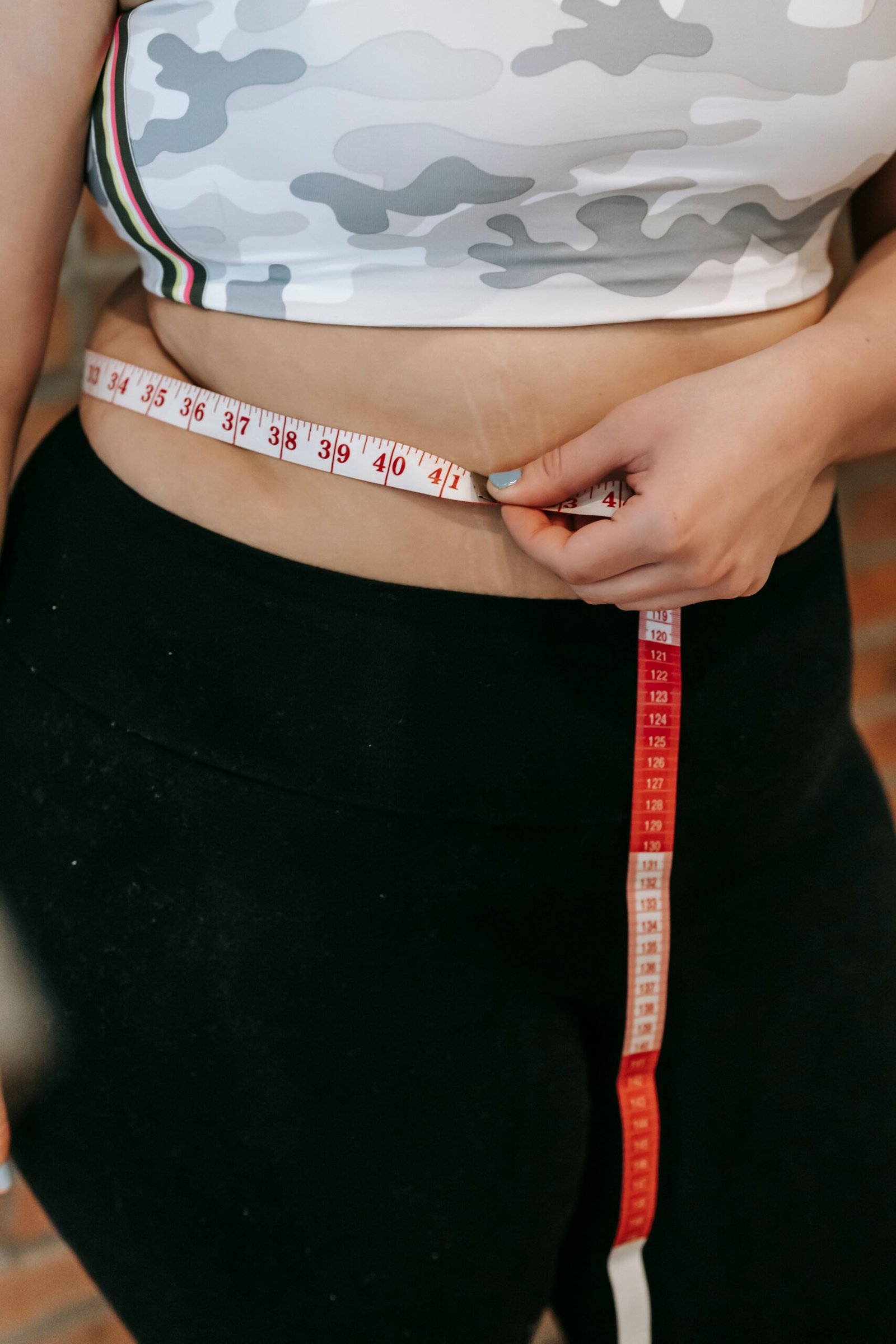
Measure around your neck at the same spot (usually mid-neck) weekly using a flexible tape measure. Record measurements to track the trend over time despite normal fluctuations.

Clothing Fit

Notice how collared shirts or turtlenecks fit around your neck. This practical indicator often reveals changes before measurements show significant differences.

Exercise Performance

Track improvements in exercise ability—more repetitions, longer holds, or better form. These strength gains indicate muscle development even before visible changes.

Overall Weight

Monitor total body weight trends weekly, understanding that neck fat reduces as part of overall fat loss. Don’t expect linear progress—focus on the general trend.

Body Composition

If available, body fat percentage measurements provide better information than weight alone. This distinguishes fat loss from muscle changes.

Progress tracking methods for measuring neck fat reduction results

Interpreting Your Results

Progress rarely follows a perfectly steady downward trend. Normal fluctuations occur due to water retention, hormonal cycles, sodium intake, and other factors. Focus on the overall direction over weeks and months rather than daily or weekly variations.

Expected Changes

With consistent effort, you might notice 0.5-1% reduction in neck circumference per month alongside overall weight loss. Some people see facial and neck changes earlier in their journey, while others notice these areas changing later. Individual variation is completely normal.

Patience Markers

  • Trust the process during plateaus
  • Celebrate non-scale victories
  • Adjust strategies if no change after 6-8 weeks
  • Recognize that last areas to gain fat are often first to lose it

Preventing Neck Fat Accumulation and Maintaining Results

Once you’ve achieved your desired results, maintaining them requires ongoing attention to the same principles that created the changes. Prevention proves easier than correction, making sustainable habits essential.

Whether you’ve lost neck fat through lifestyle changes or underwent professional treatment, the same factors that contributed to the original accumulation can cause recurrence. Long-term success depends on permanent habit changes rather than temporary efforts.

Lifestyle Habits for Long-Term Maintenance

Building sustainable routines prevents the gradual fat accumulation that many people experience with age. Small consistent habits compound into significant effects over years.

  • Maintain stable body weight through balanced nutrition and regular activity
  • Continue neck exercises 2-3 times weekly to preserve muscle tone
  • Practice good posture consistently to support muscle strength
  • Stay adequately hydrated to support skin elasticity and overall health
  • Protect your neck skin from sun damage with daily SPF application
  • Manage stress levels, as chronic stress affects hormone balance and fat storage
  • Prioritize quality sleep for metabolic and hormonal health
  • Limit alcohol consumption, which contributes to facial and neck bloating

Age-Related Considerations

As you age, maintaining results requires adapting your strategies. Metabolic rate naturally decreases, skin elasticity reduces, and hormonal changes affect fat distribution. Adjusting your approach to these realities helps you maintain your achievements.

Nutritional Adjustments

Caloric needs decrease with age. Gradually reduce portions or increase activity to maintain energy balance. Prioritize protein to preserve muscle mass.

Exercise Adaptation

Continue strength training to maintain muscle, which supports metabolism. Add balance work as coordination becomes more important with age.

Skin Care Evolution

Invest more in skin care as natural collagen production decreases. Consider professional treatments like retinoids or periodic cosmetic procedures if desired.

Monitoring for Early Changes

Regular check-ins help you notice and address small changes before they become significant. Monthly progress photos and measurements provide early warning if habits have slipped or weight is creeping upward.

Maintenance Mindset: Think of neck fat prevention as an ongoing practice rather than a finished goal. The habits that helped you get rid of neck fat are the same ones that prevent its return. Integrate these practices into your lifestyle permanently rather than viewing them as temporary measures.

Frequently Asked Questions About How to Get Rid of Fat Neck

How long does it take to get rid of neck fat?

The timeline for reducing neck fat varies based on your starting point and chosen methods. Through diet and exercise alone, most people notice visible changes within 8-12 weeks of consistent effort. However, significant transformation may require 4-6 months or longer if you need to lose substantial overall body weight.

Professional treatments like injectable fat dissolvers show gradual results over 2-4 months as your body processes the destroyed cells. Surgical procedures provide faster visible changes, though final results still take several months to appear after swelling subsides. Patience and consistency are essential regardless of your chosen approach.

Can you get rid of neck fat without surgery?

Yes, many people successfully reduce neck fat through non-surgical approaches. Overall weight loss achieved through balanced nutrition and regular exercise naturally reduces fat stores throughout your body, including the neck region. Combining this with targeted neck exercises strengthens underlying muscles for improved contour.

Non-surgical medical treatments like injectable fat dissolvers or energy-based procedures (CoolSculpting, radiofrequency) offer additional options without surgery. These work best for moderate fat deposits. However, significant loose skin or large volumes of fat may respond better to surgical intervention. Consult with professionals to determine which approach suits your specific situation.

What causes fat accumulation in the neck area?

Neck fat accumulation results from multiple factors. Overall weight gain is the most common cause—as you gain weight, your body stores fat throughout various areas including the neck. Genetics play a significant role in determining where your body preferentially stores fat, with some people naturally accumulating more in the chin and neck region.

Age-related changes contribute as well. Skin elasticity decreases and muscle tone weakens over time, creating the appearance of more neck fullness. Hormonal changes, particularly during menopause or with thyroid conditions, affect fat distribution patterns. Poor posture and “tech neck” from constant downward phone gazing can also contribute to muscle weakening and visual fullness.

Do neck exercises really work to reduce fat?

Neck exercises strengthen and tone the underlying muscles, which improves neck contour and definition. However, exercises alone cannot eliminate fat from the neck through spot reduction—this isn’t physiologically possible. You cannot target fat loss from specific body areas through localized exercise.

That said, chin exercises provide real benefits when combined with overall weight loss. As you reduce total body fat through proper nutrition and cardiovascular activity, neck exercises ensure the revealed muscles are strong and well-defined. This combination approach produces the best aesthetic results—reduced fat layer with toned underlying muscle structure.

What foods should I avoid to lose neck fat?

No specific foods directly cause neck fat accumulation, but certain dietary patterns promote overall fat storage. Minimize processed foods high in added sugars and refined carbohydrates, as these contribute to weight gain and inflammation. Limit sodium intake, which causes water retention that can make your neck appear fuller.

Reduce alcohol consumption, as it adds empty calories and contributes to facial bloating. Avoid trans fats found in many fried and commercially baked goods. Instead, focus on whole foods including vegetables, fruits, lean proteins, whole grains, and healthy fats. Building a sustainable healthy diet that creates a modest caloric deficit supports overall fat reduction, including from the neck area.

Is neck fat a sign of being overweight?

Neck fat often correlates with higher overall body weight, but not always. Some people at healthy weights have genetic predisposition to store more fat in the neck and chin area. This represents normal variation in body composition and fat distribution patterns.

However, significant neck fat can indicate excess body fat overall, which may carry health implications beyond aesthetics. According to research from Harvard Health, fat distribution patterns provide insights into metabolic health. If you’re concerned about weight or associated health risks, consult with a healthcare provider for comprehensive evaluation.

Can posture really affect how much neck fat shows?

Yes, posture significantly impacts neck appearance. Forward head posture—where your chin juts forward and your head tilts downward—compresses the neck area and creates the visual impression of more fullness. This common position from looking at phones and computers weakens neck muscles over time.

Improving posture by keeping your head aligned over your shoulders, chin level, and spine elongated immediately reduces the appearance of neck fat. Over time, better posture strengthens supporting muscles, further improving your neck contour. Consciously practicing proper alignment throughout the day provides both immediate visual benefits and long-term structural improvements.

How much weight do I need to lose to see neck fat reduction?

The amount of weight loss needed varies based on individual factors including starting weight, body composition, and genetic fat distribution patterns. Some people notice facial and neck changes after losing just 5-10 pounds, while others require more significant weight reduction before seeing changes in this area.

Generally, losing 5-10% of your total body weight often produces noticeable changes in appearance. For someone weighing 180 pounds, this means 9-18 pounds of loss. Focus on sustainable, gradual reduction of 0.5-2 pounds weekly rather than rapid weight loss. Track progress through photos and measurements rather than fixating on a specific number, as individual responses vary considerably.

Are injectable treatments for double chin safe?

FDA-approved injectable treatments like deoxycholic acid (Kybella) are generally safe when administered by qualified, trained providers. Clinical studies demonstrate acceptable safety profiles with the most common side effects being temporary swelling, bruising, pain, numbness, or redness at injection sites.

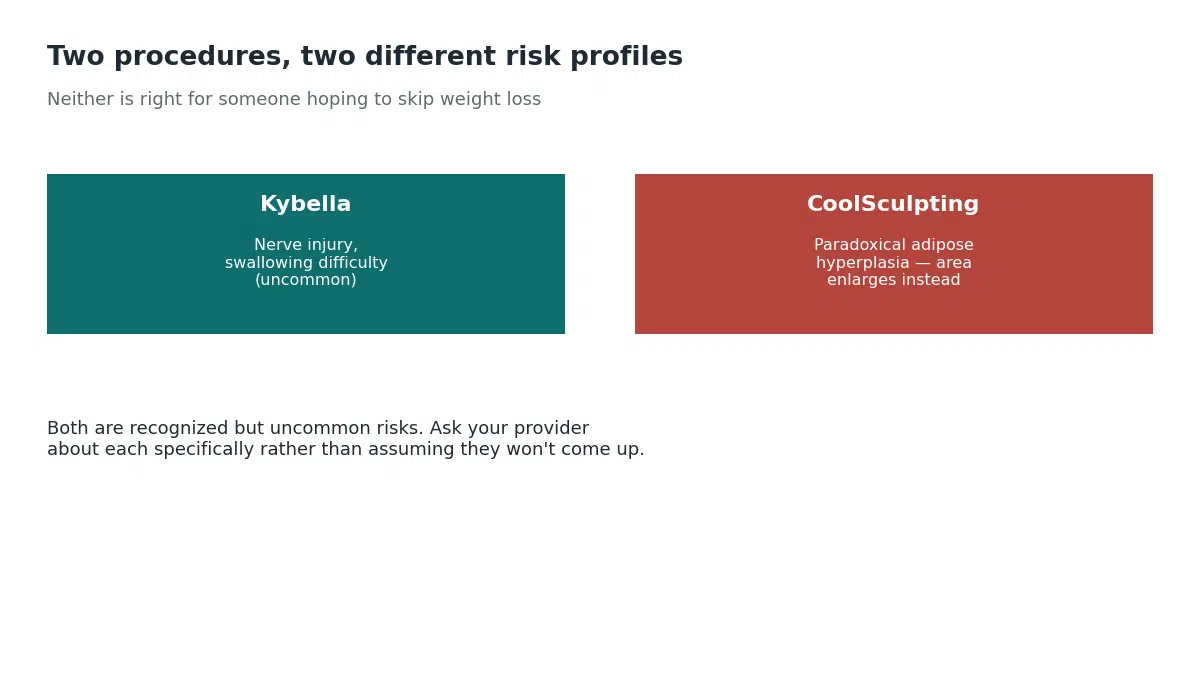
However, like all medical procedures, risks exist. Rare but serious complications can include nerve injury affecting facial muscles, difficulty swallowing, or uneven fat removal. Choose board-certified dermatologists or plastic surgeons with specific experience in these treatments. Discuss your complete medical history, as certain conditions contraindicate these procedures. Never seek treatment from unlicensed providers offering discounted services.

Will losing neck fat make me look older?

Gradual, healthy weight loss typically improves appearance rather than causing aging effects. However, rapid or extreme weight loss, especially in older individuals with reduced skin elasticity, can sometimes result in loose skin that creates an aged appearance.

To minimize this risk, lose weight gradually at 0.5-2 pounds weekly. Stay well-hydrated, consume adequate protein, and practice good skin care including moisturizing and sun protection. If significant loose skin remains after achieving your weight goal, cosmetic procedures like neck lifts can address this issue. For most people pursuing moderate weight loss, improved muscle tone and reduced fat create a more youthful, defined appearance.

Can genetics prevent me from losing neck fat?

Genetics influence where your body preferentially stores and loses fat, but they don’t prevent fat reduction entirely. Some people naturally carry more fat in the neck and chin region due to inherited traits. However, creating an overall caloric deficit through diet and exercise will eventually reduce fat stores throughout your body, including genetically stubborn areas.

You cannot change your genetic blueprint, but you can work with your individual pattern. The neck area might be among the last places you see reduction, requiring more patience and persistence. For some with strong genetic predisposition, professional treatments or surgical options may provide better results than lifestyle changes alone. Focus on overall health improvements rather than comparing your results to others with different genetic backgrounds.

Does chewing gum help reduce neck fat?

Chewing gum exercises jaw muscles but doesn’t specifically reduce neck fat. While it provides some muscle activity, the effect is minimal compared to dedicated neck exercises or overall fat loss strategies. Some people find that chewing gum helps them avoid snacking, which could indirectly support weight loss efforts.

However, excessive gum chewing can cause jaw problems including TMJ disorder or overdeveloped masseter muscles (giving a wider jaw appearance). Instead of relying on gum chewing, focus on proven approaches: creating a caloric deficit through nutrition, regular cardiovascular and strength training activity, and specific neck exercises to tone underlying muscles.

How effective is CoolSculpting for neck fat?

CoolSculpting (cryolipolysis) can effectively reduce submental fat in appropriate candidates. This procedure freezes fat cells, which your body then gradually eliminates over 2-4 months. Clinical studies show average reductions of 20-25% in the treated area after one or two sessions.

However, results vary based on individual factors. The treatment works best for people with good skin elasticity and moderate, pinchable fat deposits. It’s not effective for loose skin without significant fat, nor for very large volumes of fat. Temporary side effects include swelling, redness, and numbness. Rare complications like paradoxical adipose hyperplasia (fat increase instead of decrease) occur in less than 1% of cases. Consult with qualified providers to determine if you’re a good candidate.

What’s the difference between neck fat and a double chin?

The terms often overlap but have slightly different meanings. A double chin specifically refers to the appearance of a second chin below your primary jawline, caused by submental fat accumulation beneath the chin. Neck fat is a broader term describing fat deposits anywhere in the neck region, including under the chin, along the sides, and in the front of the neck.

Both conditions share similar causes including weight gain, genetics, and aging. The distinction matters mainly for treatment planning—some procedures target the specific submental area, while others address broader neck contouring. Your provider will assess your specific anatomy to determine which areas require attention for optimal results.

Can stress cause neck fat accumulation?

Chronic stress indirectly contributes to fat accumulation through several mechanisms. Stress triggers cortisol release, a hormone that promotes fat storage, particularly in the abdominal and upper body regions. Elevated cortisol over extended periods can alter fat distribution patterns and increase overall fat storage.

Additionally, stress often leads to behavioral changes that promote weight gain—increased consumption of comfort foods, reduced physical activity, disrupted sleep patterns, and emotional eating. Managing stress through regular exercise, adequate sleep, mindfulness practices, and healthy coping strategies supports both mental health and weight management. Addressing stress as part of your comprehensive approach may help improve results.

How soon after neck liposuction can I see results?

You’ll notice immediate changes after neck liposuction, though significant swelling initially masks the final outcome. Most swelling subsides within 2-4 weeks, revealing more of your new contour. However, complete results don’t become apparent until 3-6 months post-procedure as residual swelling gradually resolves and skin retracts.

Wearing compression garments as directed during the first 1-2 weeks supports optimal healing and contour development. Following all post-operative instructions regarding activity restrictions, head elevation, and wound care ensures the best possible outcome. Final results are permanent regarding the removed fat cells, though maintaining stable weight through healthy habits prevents remaining cells from enlarging.

Are there any supplements that help reduce neck fat?

No supplements specifically target neck fat reduction. Despite marketing claims, no pills or powders can selectively eliminate fat from particular body areas. The concept of spot reduction through supplementation lacks scientific support and regulatory approval.

Some supplements may support overall weight loss efforts when combined with appropriate diet and exercise—examples include caffeine, green tea extract, or fiber supplements. However, their effects are modest at best and cannot replace fundamental lifestyle changes. Rather than seeking supplement solutions, invest your resources in whole foods, quality sleep, stress management, and regular physical activity. These evidence-based approaches produce genuine, sustainable results.

Will gaining muscle in my neck reduce fat appearance?

Building muscle in your neck and jaw area improves contour and definition, which can enhance appearance even if fat remains. Stronger, more developed muscles create better structural support and more defined lines. However, muscle building alone doesn’t eliminate the fat layer covering those muscles.

The most effective approach combines muscle development through targeted exercises with overall fat reduction through caloric deficit and cardiovascular activity. As you reduce the fat layer while simultaneously strengthening underlying muscles, you reveal a more sculpted, defined neck contour. This combination strategy produces better aesthetic results than either approach alone.

Can thyroid problems cause neck fat?

Thyroid conditions can affect neck appearance in multiple ways. Hypothyroidism (underactive thyroid) slows metabolism, potentially causing overall weight gain including in the neck region. It can also cause myxedema—swelling and puffiness in the face and neck from fluid accumulation and tissue changes.

Conversely, thyroid gland enlargement (goiter) creates visible neck swelling from the gland itself rather than fat accumulation. If you notice sudden changes in neck appearance, unexplained weight changes, or other symptoms like fatigue, temperature sensitivity, or skin changes, consult your healthcare provider. Simple blood tests can evaluate thyroid function, and treating underlying thyroid disorders often improves associated weight and appearance issues.

Taking Action on Your Neck Fat Reduction Journey

Understanding how to get rid of fat neck requires recognizing that multiple approaches exist, each with distinct advantages. For many people, lifestyle modifications combining balanced nutrition, regular exercise, targeted neck movements, and improved posture provide effective, sustainable results without significant expense or risk.

If natural methods prove insufficient or you want to accelerate results, professional treatments ranging from non-invasive energy-based procedures to injectable fat dissolvers offer additional options. For more significant concerns involving substantial fat deposits or loose skin, surgical intervention provides the most dramatic transformation.

The most effective strategy aligns with your specific situation, goals, timeline, and budget. Start with lifestyle fundamentals—these benefit your overall health regardless of their aesthetic impact. If you pursue professional treatments, maintain the healthy habits that prevent recurrence and support long-term results.

Remember that visible changes take time regardless of your chosen path. Patience, consistency, and realistic expectations set you up for success. Focus on sustainable improvements to your health and wellness rather than chasing rapid transformations that rarely last.

Your journey to reducing neck fat and improving your appearance begins with informed decisions and committed action. Whether you choose natural lifestyle approaches, professional treatments, or a combination of strategies, the knowledge in this guide equips you to move forward confidently toward your goals.

Medical Disclaimer

Important Health Information

The information provided in this article serves educational purposes only and should not replace professional medical advice, diagnosis, or treatment from qualified healthcare providers. Always consult licensed physicians, registered dietitians, or certified fitness professionals before beginning any weight loss program, exercise regimen, or cosmetic procedure.

Individual results from strategies to get rid of neck fat vary significantly based on genetics, current health status, body composition, age, medical history, and lifestyle factors. The general information presented here may not apply to your specific circumstances or health condition.

Before pursuing any treatment described in this article—whether lifestyle changes, professional procedures, or surgical options—obtain clearance from your healthcare provider. This is especially critical if you have existing medical conditions including thyroid disorders, heart disease, diabetes, or other chronic illnesses. Certain treatments carry contraindications for specific populations.

If you experience unexplained rapid changes in neck appearance, difficulty swallowing or breathing, persistent pain, or other unusual symptoms, seek immediate medical evaluation. These could indicate serious underlying conditions requiring prompt professional attention.

Pregnant or breastfeeding women should consult healthcare providers before making significant dietary changes, starting exercise programs, or pursuing any cosmetic procedures. Many treatments are contraindicated during pregnancy and lactation.

HealthMagHub does not endorse specific products, services, treatment providers, or commercial interests mentioned in this article. Information aims to educate readers about available options and evidence-based principles. Decisions regarding treatment selection remain solely your responsibility in consultation with qualified professionals.

This article does not establish a patient-provider relationship. For personalized medical guidance, treatment recommendations, or health management, consult directly with licensed healthcare professionals who can examine you, review your complete medical history, and provide advice tailored to your individual needs.

Cosmetic procedures and surgery carry inherent risks including infection, scarring, adverse reactions, and unsatisfactory results. Research providers carefully, verify credentials, and ensure you fully understand all risks before proceeding with any invasive or minimally invasive treatment.

The timelines, strategies, and specific details mentioned represent general guidelines. Your experience may differ substantially based on individual factors. Always verify information with qualified professionals and prioritize health and safety over aesthetic concerns.

Related Posts

Can Ashwagandha Cause Weight Loss?
BLOG

Can Ashwagandha Cause Weight Loss?

July 23, 2026
Best High Fiber Foods for Pregnancy
BLOG

Best High Fiber Foods for Pregnancy for Healthy Moms

July 23, 2026
Food Sources of Tyrosine
BLOG

Food Sources of Tyrosine: Your Complete Guide to This Essential Amino Acid

July 23, 2026
Which Is the Best Tea for Weight Loss?
BLOG

Which Is the Best Tea for Weight Loss? Science-Backed Guide to 12 Effective Teas

July 22, 2026
Best Breakfast Cereals for Diabetics
BLOG

Best Breakfast Cereals for Diabetics: Smart Choices for Blood Sugar Control

July 22, 2026
Should Diabetics Eat Banana?
BLOG

Should Diabetics Eat Banana? A Complete Guide to Blood Sugar and Fruit

July 22, 2026
Natural Remedies for Nose Congestion
BLOG

Natural Remedies for Nose Congestion: Proven Solutions for Clear Breathing

July 22, 2026
freshly brewed green tea in transparent cup showing golden-green color with pH testing strip
BLOG

Is Green Tea Acidic? Understanding pH Levels and Health Implications

July 22, 2026
ProDentim Reviews: What Real Users Are Saying About This Oral Health Supplement
REVIEWS

ProDentim Reviews: What Real Users Are Saying About This Oral Health Supplement

July 24, 2026
Massage for Hair Growth
BLOG

Massage for Hair Growth: Evidence-Based Techniques for Thicker, Healthier Hair

July 23, 2026
Load More

Leave a Reply Cancel reply

Your email address will not be published. Required fields are marked *

I agree to the Terms & Conditions and Privacy Policy.

Our Mission

At HealthMagHub, our mission is to empower individuals and families to make informed health decisions by providing accurate, evidence-based, and easy-to-understand health information. We are committed to delivering high-quality content across a wide range of topics, including nutrition, fitness, weight management, men’s and women’s health, mental wellness, healthy aging, disease prevention, and in-depth health product reviews. Every article is carefully researched, fact-checked, and written with our readers’ well-being in mind. Our goal is to simplify complex health topics, promote healthier lifestyles, and build a trusted resource where people can confidently find reliable guidance, practical wellness tips, and the latest insights to support a healthier, happier life.

Can Ashwagandha Cause Weight Loss?
BLOG

Can Ashwagandha Cause Weight Loss?

by Jenna Castillo
July 23, 2026
0

Affiliate Disclosure: This article contains affiliate links. We may earn a commission from purchases made through these links at no...

Read moreDetails
Best High Fiber Foods for Pregnancy

Best High Fiber Foods for Pregnancy for Healthy Moms

July 23, 2026
Food Sources of Tyrosine

Food Sources of Tyrosine: Your Complete Guide to This Essential Amino Acid

July 23, 2026
Which Is the Best Tea for Weight Loss?

Which Is the Best Tea for Weight Loss? Science-Backed Guide to 12 Effective Teas

July 22, 2026
Best Breakfast Cereals for Diabetics

Best Breakfast Cereals for Diabetics: Smart Choices for Blood Sugar Control

July 22, 2026

Categories

  • BLOG
  • Brain Health
  • General Fitness
  • Hearing Health
  • Joint Health
  • Men's Health
  • Neuropathy Help
  • Oral Health
  • Prostate Health
  • REVIEWS
  • Skin Health
  • Toenail Fungus Help
  • Weight Loss
  • HOME
  • ABOUT
  • PRIVACY POLICY
  • Terms & Conditions
  • Affiliate Disclosure
  • Medical Disclaimer
  • Contact Us
  • SUBMIT YOUR REVIEW

© 2026 HealthMagHub. Trusted Health. Smarter Living. All Rights Reserved.

No Result
View All Result
  • HOME
  • BLOG
  • REVIEWS
  • TOOLS

© 2026 HealthMagHub. Trusted Health. Smarter Living. All Rights Reserved.

This website uses cookies. By continuing to use this website you are giving consent to cookies being used. Visit our Privacy and Cookie Policy.