

healthmaghub
  • HOME
  • BLOG
  • REVIEWS
  • TOOLS
No Result
View All Result
  • HOME
  • BLOG
  • REVIEWS
  • TOOLS
No Result
View All Result
HealthNews
No Result
View All Result

Collagen vs. Glucosamine for Joint Pain: Which Wins?

by Linda Ferraro
July 18, 2026
Reading Time: 20 mins read
0

Do you remember when moving felt effortless? For many of us, the simple act of climbing stairs or taking a morning walk has become a constant reminder of physical limitations. Dealing with persistent discomfort can feel isolating, leaving you searching for any solution that promises relief.

The market is flooded with options, making it difficult to know what actually works. Understanding the difference between structural support and symptomatic relief is vital for your long-term health. This is why evaluating Collagen vs. Glucosamine for Joint Pain is a necessary step in your wellness journey.

We aim to provide an objective, evidence-based comparison to help you navigate these choices. By looking at the science behind these popular supplements, you can make an informed decision tailored to your specific needs.

Key Takeaways

  • Distinguishing between structural support and symptom management is essential for effective care.
  • Many people struggle to find reliable information amidst the vast array of available supplements.
  • Evidence-based research helps cut through marketing noise to find what truly benefits your body.
  • Personalized health decisions require understanding how different compounds interact with your unique physiology.
  • Choosing the right supplement can significantly improve your daily mobility and overall quality of life.

Table of Contents

  • Key Takeaways
  • The Role of Cartilage in Joint Function
  • How Aging and Wear Affect Joint Integrity
  • Types of Collagen Relevant to Joint Health
  • The Biological Process of Collagen Synthesis
  • Glucosamine Sulfate vs. Glucosamine Hydrochloride
  • The Role of Glucosamine in Synovial Fluid Production
  • Primary Differences in Molecular Structure
  • Targeting Inflammation vs. Structural Repair
  • Clinical Studies on Collagen Peptides
  • Impact on Osteoarthritis Symptoms
  • The GAIT Study and Long-term Findings
  • Effectiveness in Managing Chronic Joint Discomfort
  • Identifying Your Primary Joint Pain Symptoms
  • Matching Supplements to Lifestyle and Activity Levels
  • Synergistic Effects of Combined Supplementation
  • Recommended Dosage and Timing for Best Results
  • Common Reactions to Collagen Supplements
  • Considerations for Glucosamine and Shellfish Allergies
  • Factors Influencing How Your Body Processes Supplements
  • The Importance of Vitamin C and Cofactors
  • The Role of Anti-Inflammatory Nutrition
  • Low-Impact Exercise for Joint Preservation
  • Reading Labels and Identifying Third-Party Testing
  • Avoiding Fillers and Low-Quality Ingredients

Understanding the Mechanics of Joint Health

Your joints function as sophisticated mechanical systems that require constant maintenance to perform at their best. Every movement you make, from walking to reaching for an object, relies on the seamless interaction between bones, muscles, and connective tissues. When these components work in harmony, your body moves with fluidity and ease.

However, the internal environment of a joint is highly specialized. It must withstand significant pressure while maintaining a range of motion that allows for complex physical activity. Understanding these biological mechanics is essential for appreciating how specific nutrients can potentially slow or mitigate joint deterioration.

The Role of Cartilage in Joint Function

At the heart of every healthy joint lies articular cartilage. This smooth, firm, and slippery tissue covers the ends of bones where they meet to form a joint. Its primary purpose is to act as a natural shock absorber, cushioning the impact of daily movement.

Without this protective layer, your bones would grind directly against one another during every step. Cartilage also minimizes friction, allowing the joint surfaces to glide effortlessly. This structural integrity is vital for maintaining long-term mobility and preventing the discomfort associated with bone-on-bone contact.

How Aging and Wear Affect Joint Integrity

Over time, the natural aging process begins to alter the composition of your joint tissues. The body’s ability to repair and regenerate cartilage slows down, making the joints more vulnerable to damage. This gradual decline is often compounded by years of repetitive mechanical stress from physical activity.

As the cartilage thins, the joint loses its ability to absorb shock effectively. This leads to increased friction and potential inflammation within the joint capsule. Protecting your joint integrity requires a proactive approach to nutrition and lifestyle, as these tissues do not have a direct blood supply to facilitate rapid healing.

What is Collagen and How Does It Support Joints?

Collagen is a vital structural protein that accounts for approximately 30% of the total protein in the human body. It acts as the primary building block for your connective tissues, including tendons, ligaments, and cartilage. Without this essential protein, your body would lack the structural integrity required for movement and stability.

By providing a scaffold for your tissues, collagen ensures that your joints remain resilient against daily wear and tear. It essentially functions as the internal glue that keeps your musculoskeletal system held together. Maintaining adequate levels of this protein is a foundational step in supporting long-term joint health.

Types of Collagen Relevant to Joint Health

While there are many varieties of collagen found throughout the body, they are not all identical in function. Researchers have identified at least 28 different types, but a few are particularly significant for your joints. Type II collagen is the most abundant form found specifically within your cartilage.

This specific type provides the tensile strength necessary to cushion your bones during physical activity. Other types, such as Type I, are more common in skin and bone, but Type II remains the gold standard for joint-focused support. Choosing the right form is crucial when considering how to best nourish your connective tissues.

The Biological Process of Collagen Synthesis

Your body naturally produces collagen through a complex biological pathway that requires specific nutrients. This synthesis process involves the assembly of amino acids, primarily glycine, proline, and hydroxyproline. When you consume protein, your digestive system breaks it down into these smaller components to be used for tissue repair.

As you age, the natural production of these proteins often slows down, which can lead to thinner cartilage and increased joint discomfort. Supplementation aims to provide your body with the necessary amino acids to stimulate this internal repair mechanism. By supporting the body’s natural synthesis, you help maintain the structural integrity of your joints over time.

What is Glucosamine and How Does It Work?

If you have ever wondered how your joints stay lubricated, the answer often lies in a simple amino sugar called glucosamine. This compound is naturally found in the fluid surrounding your joints and acts as a vital building block for healthy cartilage. By supporting the structural integrity of your connective tissues, it helps maintain the cushioning effect necessary for pain-free movement.

Many people turn to supplements to boost their natural levels of this compound. However, not all versions of this supplement are created equal. Understanding the chemical nuances can help you make a more informed choice for your daily wellness routine.

Glucosamine Sulfate vs. Glucosamine Hydrochloride

When shopping for joint support, you will primarily encounter two forms: glucosamine sulfate and glucosamine hydrochloride. The main difference lies in the salt attached to the molecule, which can influence how your body absorbs the supplement. Glucosamine sulfate is often favored in clinical research for its potential to support cartilage repair.

In contrast, glucosamine hydrochloride is a more concentrated form of the compound. While it lacks the sulfur component found in the sulfate version, it is often easier to manufacture and store. The following table highlights the key differences between these two common options:

FeatureGlucosamine SulfateGlucosamine Hydrochloride
Chemical CompositionContains sulfurLacks sulfur
Clinical ResearchExtensively studiedLimited long-term data
Absorption RateHigh bioavailabilityHigh concentration

The Role of Glucosamine in Synovial Fluid Production

Beyond cartilage repair, this amino sugar is essential for the production of synovial fluid. This thick, viscous liquid acts as a lubricant that reduces friction between the bones during movement. Without adequate viscosity, joints can become stiff and prone to wear over time.

“Joint health is not just about the bones themselves, but the complex environment of fluids and tissues that allow for seamless motion.”

By promoting the synthesis of glycosaminoglycans, glucosamine helps maintain the optimal thickness of this fluid. This ensures that your joints remain well-lubricated, even during periods of high physical activity. Consistent supplementation may help preserve this vital fluid balance, supporting long-term joint comfort and mobility.

Collagen vs. Glucosamine for Joint Pain: A Comparative Analysis

When evaluating Collagen vs. Glucosamine for Joint Pain, it is essential to look at their distinct biological roles. While both are popular choices for those seeking relief, they operate through different pathways to support your mobility.

Primary Differences in Molecular Structure

Collagen is a complex protein that serves as the primary structural component of your connective tissues. It provides the essential framework for cartilage, tendons, and ligaments, acting like the glue that holds your body together.

In contrast, glucosamine is an amino sugar that occurs naturally in the body. It functions more as a biochemical building block rather than a structural protein, specifically aiding in the synthesis of glycosaminoglycans found in joint cartilage.

Targeting Inflammation vs. Structural Repair

The effectiveness of these supplements often depends on your specific health goals. Collagen is primarily used to provide the raw materials needed for structural repair and tissue regeneration.

Glucosamine is often associated with managing the biochemical environment of the joint. It helps maintain the viscosity of synovial fluid, which is crucial for smooth movement and reducing friction.

Understanding the nuances of Collagen vs. Glucosamine for Joint Pain allows you to make an informed decision. By identifying whether you need structural support or help with the joint’s internal environment, you can better tailor your supplement routine to your needs.

Scientific Evidence for Collagen in Cartilage Repair

Modern science has begun to uncover the potential of collagen for cartilage repair in aging populations. As researchers delve deeper into how the body maintains connective tissue, they have identified specific peptides that may support joint longevity. These findings offer a promising outlook for individuals looking to preserve their mobility through targeted nutritional interventions.

Clinical Studies on Collagen Peptides

Recent clinical trials suggest that hydrolyzed collagen acts as a signaling molecule within the body. When ingested, these peptides travel to the joints, where they may stimulate the production of the extracellular matrix. This process is vital because it encourages the body to maintain the structural integrity of cartilage over time.

“The administration of specific collagen peptides has shown a measurable increase in the synthesis of proteoglycans, which are essential components of healthy joint cartilage.”

— Journal of Clinical Rheumatology

Impact on Osteoarthritis Symptoms

Beyond structural support, many studies highlight the role of collagen in managing the daily discomfort associated with osteoarthritis. Participants in various trials often report a significant reduction in joint stiffness after consistent supplementation. By improving the lubrication and resilience of the joint space, these supplements help users regain a better quality of life.

The following table summarizes the typical outcomes observed in clinical research regarding joint health improvements:

MetricShort-term EffectLong-term Benefit
Pain IntensityModerate ReductionSignificant Decrease
Joint StiffnessImproved FlexibilityEnhanced Range of Motion
Cartilage DensityMinimal ChangeStabilized Maintenance

Ultimately, the evidence supporting collagen for cartilage repair continues to grow as more longitudinal studies are published. While individual results may vary, the current data provides a strong foundation for those considering this approach to joint health.

Evaluating Glucosamine for Joint Pain Evidence

Navigating the world of dietary supplements can be confusing, especially when trying to separate marketing hype from clinical reality. When looking at glucosamine for joint pain evidence, it is essential to rely on large-scale, peer-reviewed research rather than anecdotal reports. Scientific scrutiny helps clarify whether these compounds truly offer the structural support many users hope to achieve.

The GAIT Study and Long-term Findings

The Glucosamine/Chondroitin Arthritis Intervention Trial, commonly known as the GAIT study, remains a landmark event in orthopedic research. This massive clinical trial involved 1,583 participants, making it one of the most significant investigations into the efficacy of these specific supplements. Researchers aimed to determine if these substances could effectively reduce pain in patients with symptomatic knee osteoarthritis.

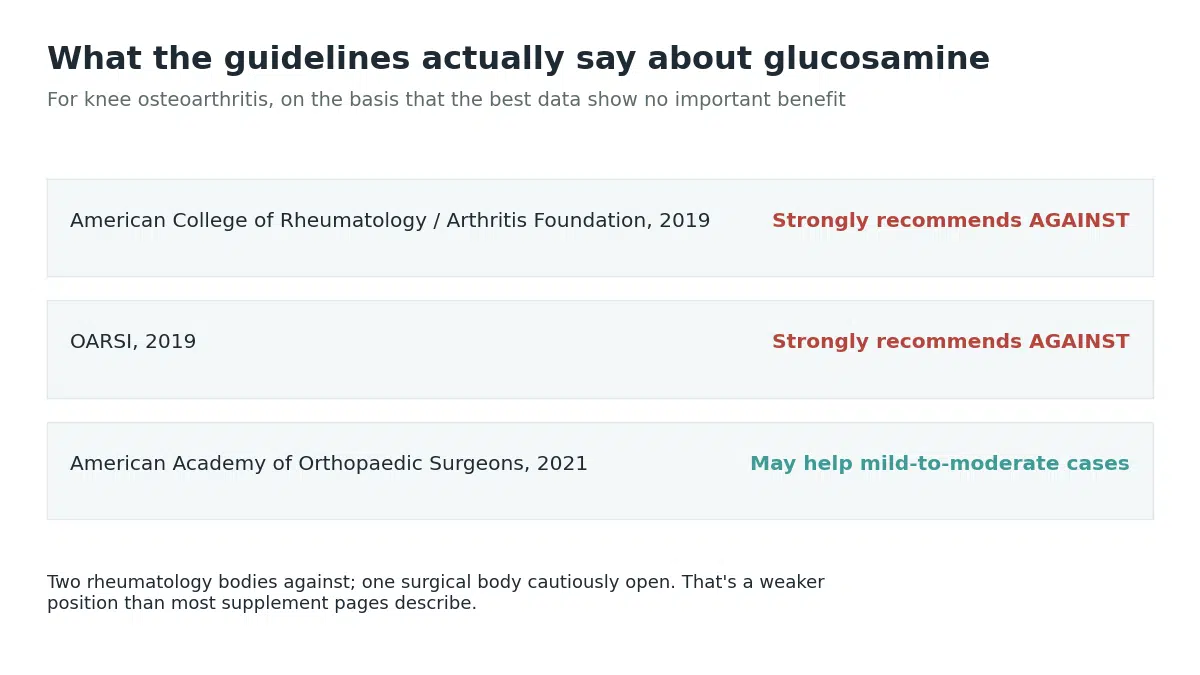
The findings from this study were notably nuanced. While the overall results showed that the combination of glucosamine and chondroitin did not provide significant relief for the entire study population, specific subgroups reported different outcomes. For individuals with moderate to severe pain, the data suggested a more positive response to the intervention compared to the placebo group. Organizations such as the Arthritis Foundation continue to track this evolving research, helping patients weigh supplement options against other evidence-based osteoarthritis treatments.

Effectiveness in Managing Chronic Joint Discomfort

Translating clinical data into daily practice requires an understanding of how individual biology influences results. The glucosamine for joint pain evidence suggests that while some users experience meaningful improvements in mobility, others may notice little change. This variability is common in chronic condition management, where factors like inflammation levels and joint degradation play a major role.

Managing chronic discomfort often involves a multi-faceted approach rather than relying on a single supplement. Many healthcare providers view these supplements as a potential tool for long-term maintenance rather than an immediate cure for acute pain. Consistent use over several months is often necessary to determine if the supplement provides any measurable benefit for your specific joint health needs.

Collagen vs. Glucosamine Which is Better for Your Specific Needs?

Deciding between collagen vs glucosamine which is better for your specific needs often depends on your daily habits and the nature of your discomfort. While both supplements support joint health, they function through different biological pathways. Understanding these differences is the first step toward finding the right relief for your body.

Identifying Your Primary Joint Pain Symptoms

If you are experiencing structural wear or thinning cartilage, collagen may be your best ally. Collagen provides the essential building blocks needed to maintain the integrity of your connective tissues. It is particularly useful for those who notice stiffness or a loss of flexibility in their joints over time.

Conversely, if your primary issue is acute inflammation or swelling, glucosamine often provides more targeted support. Glucosamine is widely recognized for its ability to help maintain synovial fluid, which acts as a cushion for your joints. Identifying whether your pain is mechanical or inflammatory is key to choosing the right supplement.

It’s also worth noting that not all discomfort originates in the joint itself — tingling, burning, or numbness in the feet and hands can point to nerve-related pain rather than joint wear, and exploring the best supplements for neuropathy pain in feet and hands may be more appropriate than joint-focused options in those cases.

Matching Supplements to Lifestyle and Activity Levels

Your daily activity level plays a significant role in determining which supplement will offer the most benefit. Athletes involved in high-impact sports, such as running or weightlifting, place constant stress on their joints. For these individuals, collagen is often recommended to support the ongoing repair of cartilage and tendons.

If you lead a more sedentary lifestyle, your joint needs might focus on maintaining comfort during daily movements. Many people working at desks find that glucosamine helps manage the stiffness that comes from long periods of inactivity. Ultimately, when evaluating collagen vs glucosamine which is better, consider how your routine impacts your joints. Matching your supplement to your lifestyle ensures you get the most effective support for your long-term mobility.

Can You Take Collagen and Glucosamine Together?

Many individuals seeking relief from joint discomfort often ask if can you take collagen and glucosamine together to improve their results. The short answer is yes, as these two supplements target different aspects of joint health. While one focuses on structural integrity, the other emphasizes fluid maintenance.

Synergistic Effects of Combined Supplementation

Combining these supplements creates a dual-action approach to joint care. Collagen provides the essential amino acids needed to maintain the structural framework of cartilage. Meanwhile, glucosamine supports the production of glycosaminoglycans, which are vital for healthy synovial fluid.

When used in tandem, they may offer a more comprehensive solution for those dealing with stiffness or wear. By addressing both the physical tissue and the lubrication within the joint, you create a more supportive environment for movement. Many users find that this synergistic effect helps them maintain an active lifestyle more comfortably.

Recommended Dosage and Timing for Best Results

To get the most out of your regimen, consistency is far more important than the specific time of day. Most experts suggest taking these supplements with a meal to improve absorption and reduce the risk of minor stomach upset. If you are wondering about the best way to start, consider these general guidelines:

  • Consistency: Take your supplements at the same time every day to maintain steady levels in your system.
  • Dosage: Always follow the specific instructions on the product label, as concentrations vary between brands.
  • Patience: Joint health improvements often take several weeks of regular use to become noticeable, so if you’re wondering about how long it takes for collagen supplements to work, timelines vary based on dosage and individual absorption.
  • Hydration: Drink plenty of water throughout the day to help your body process these nutrients effectively.

Always consult with a healthcare provider before starting any new supplement routine, especially if you have underlying health conditions. They can help you determine the right dosage based on your specific needs and medical history. Taking a proactive approach ensures that you are supporting your joints safely and effectively.

Safety Profiles and Potential Side Effects

Before adding new supplements to your daily regimen, it is vital to evaluate their safety profiles. While many people find relief through supplementation, understanding how your body might react is a critical step in maintaining your overall well-being. Always consult with a healthcare provider if you have underlying health conditions or are currently taking prescription medications.

A detailed illustration showcasing safety profiles and potential side effects of joint supplements like collagen and glucosamine. In the foreground, place a sleek glass table displaying a variety of joint supplement bottles, with labels partially visible yet artistically blurred. In the middle, depict an open medical book featuring diagrams of joints and annotations about safety profiles, surrounded by common side effect icons, represented as tasteful line art. In the background, softly lit, an office environment with potted plants and a clinical vibe, suggesting a connection between health and professional advice. Use warm, inviting lighting to create a reassuring atmosphere. The angle is slightly above eye level, capturing all elements harmoniously, devoid of any text or distractions.

Common Reactions to Collagen Supplements

Collagen is generally considered safe for most healthy adults. However, some individuals may experience mild gastrointestinal discomfort, such as a feeling of heaviness in the stomach or occasional bloating. These symptoms are usually temporary and often subside as your body adjusts to the new intake.

Some users also report a lingering aftertaste or a sensitivity to the source of the collagen, such as bovine or marine varieties. If you have specific dietary restrictions, it is important to verify the source on the product label. Choosing high-quality, hydrolyzed collagen can often minimize these minor digestive issues.

Considerations for Glucosamine and Shellfish Allergies

Glucosamine is a popular choice for joint support, but it requires extra caution for those with specific food sensitivities. Many commercial glucosamine supplements are derived from the exoskeletons of shellfish like shrimp, crab, or lobster. If you have a known shellfish allergy, you must be vigilant when selecting your supplement.

While the allergen is typically found in the meat of the shellfish rather than the shell, the risk of cross-contamination remains a concern for highly sensitive individuals. Fortunately, there are vegan-friendly alternatives available that are derived from fermented corn or fungi. Always check the packaging to ensure the product aligns with your specific health needs.

Supplement TypeCommon Side EffectPrimary Precaution
CollagenMild bloatingCheck source (Bovine/Marine)
GlucosamineStomach upsetAvoid if allergic to shellfish
CombinedDigestive sensitivityStart with a lower dose

Bioavailability and Absorption Rates

Bioavailability serves as the bridge between taking a supplement and actually feeling its benefits. It refers to the proportion of a nutrient or compound that enters the circulation when introduced into the body and is able to have an active effect. Maximizing this process is essential for anyone looking to support their joint health through daily supplementation.

Factors Influencing How Your Body Processes Supplements

Several variables dictate how effectively your system absorbs collagen and glucosamine. Your digestive health plays a primary role, as a balanced gut microbiome ensures that nutrients are broken down into forms the body can easily utilize. If your digestive tract is compromised, the absorption of these complex molecules may be significantly reduced.

The physical form of the supplement also matters greatly. For instance, hydrolyzed collagen peptides are broken down into smaller chains, which are generally easier for the body to absorb compared to larger, intact protein structures. Choosing high-quality, bioavailable forms ensures that you get the most value from your daily routine.

The Importance of Vitamin C and Cofactors

Nutrients rarely work in isolation within the human body. Vitamin C is essential for collagen synthesis, acting as a vital cofactor that helps stabilize the structure of collagen fibers. Without adequate levels of this vitamin, the body struggles to produce or maintain healthy cartilage, regardless of how much collagen you consume.

Beyond Vitamin C, other cofactors like manganese and copper can support the enzymatic processes involved in joint tissue repair. By ensuring your diet or supplement stack includes these synergistic nutrients, you create an environment where your body can effectively process and utilize the building blocks necessary for joint integrity. Consistency in providing these cofactors is just as important as the primary supplement itself.

Lifestyle Factors That Enhance Supplement Efficacy

Your journey toward pain-free movement is significantly enhanced by the daily habits you cultivate. While supplements provide essential building blocks for your body, they function most effectively when supported by a holistic approach to wellness. By aligning your daily routine with your health goals, you create an environment where your joints can thrive.

The Role of Anti-Inflammatory Nutrition

What you put on your plate serves as the foundation for managing systemic inflammation. An anti-inflammatory diet focuses on whole foods that naturally soothe the body and protect cartilage from oxidative stress. Incorporating fatty fish like salmon or mackerel provides high levels of omega-3 fatty acids, which are vital for maintaining joint lubrication.

Beyond healthy fats, filling your meals with colorful fruits and vegetables ensures a steady intake of antioxidants. These compounds help neutralize free radicals that often contribute to joint degradation over time. Consistency in your dietary choices acts as a powerful partner to your supplement regimen, amplifying the protective effects on your connective tissues.

Low-Impact Exercise for Joint Preservation

Staying active is crucial, but the type of movement you choose makes a significant difference in long-term joint integrity. Low-impact exercises allow you to maintain mobility and strengthen the muscles surrounding your joints without subjecting them to excessive wear. Activities such as swimming, cycling, or yoga are excellent ways to keep your body moving safely.

These exercises improve blood flow to the joints, which helps deliver nutrients and remove metabolic waste products. By choosing gentle yet effective movement, you protect your cartilage while building the stability needed to support your skeletal structure. Integrating these habits ensures that your joints remain flexible and resilient throughout your life.

Lifestyle HabitPrimary BenefitImpact on Joints
Omega-3 IntakeReduces InflammationHigh
SwimmingZero-Impact MobilityHigh
CyclingStrengthens Support MusclesModerate
Antioxidant DietProtects CartilageModerate

Choosing High-Quality Joint Supplements

Not all joint supplements are created equal, and your health depends on choosing the best options available. When you invest in your mobility, understanding how to evaluate product quality becomes your most important task. A high-quality product ensures that you receive the active ingredients necessary to support your cartilage and synovial fluid effectively. If you’re comparing specific formulas, our Joint Genesis review breaks down how one popular joint supplement stacks up against these quality benchmarks.

A bright, well-lit pharmacy or health store aisle featuring various high-quality joint supplements, with an emphasis on collagen and glucosamine products. In the foreground, a collaborative group of diverse adults, dressed in professional business attire, discusses the supplements enthusiastically, examining labels and ingredients. The middle ground showcases neatly arranged bottles with vibrant labels, some showing benefits and key ingredients. In the background, soft lighting creates a warm and inviting atmosphere, with shelves filled with health-focused products. The entire scene conveys a mood of informed decision-making and empowerment in choosing supplements for joint health, shot from a slightly elevated angle to capture the interaction and products effectively.

Reading Labels and Identifying Third-Party Testing

The first step in your evaluation process is to examine the product label for transparency. Reputable manufacturers clearly list the exact dosage of active ingredients like collagen peptides or glucosamine sulfate. Always look for a “Supplement Facts” panel that provides a breakdown of every component included in the formula.

Third-party testing serves as a gold standard for consumer safety. Organizations such as the USP (United States Pharmacopeia) or NSF International verify that the contents of the bottle match the label claims. Choosing products with these certifications is the best way to ensure you are not consuming contaminants or heavy metals.

“Transparency in labeling is not just a regulatory requirement; it is the foundation of trust between a manufacturer and the consumer who relies on these products for daily comfort.”

— Industry Quality Standards Expert

Avoiding Fillers and Low-Quality Ingredients

Many low-cost supplements rely on unnecessary fillers to bulk up their capsules. Ingredients like magnesium stearate, silicon dioxide, or artificial food dyes provide no therapeutic benefit for your joints. These additives can sometimes interfere with the absorption of the primary nutrients you are trying to consume.

To identify a superior product, compare the ingredient list against common markers of quality. The following table outlines what you should look for when comparing different brands on the market.

FeatureHigh-Quality SupplementLow-Quality Supplement
LabelingClear, transparent, and detailedVague “proprietary blends”
TestingThird-party certified (USP/NSF)No independent verification
AdditivesMinimal or no artificial fillersHigh levels of binders and dyes
PurityTested for heavy metalsUnknown purity standards

By prioritizing these standards, you make the best decision for your long-term joint health. Avoiding cheap, diluted products allows your body to utilize the nutrients efficiently. Always prioritize purity and third-party validation to get the most value from your supplement routine.

Conclusion

Managing joint discomfort requires a clear understanding of how specific nutrients impact your body. Collagen and glucosamine offer distinct pathways to support cartilage and improve mobility. Choosing the right path depends on your unique physical needs and personal health goals.

Scientific research provides a roadmap for selecting effective supplements. Brands like Vital Proteins or Schiff Move Free offer high-quality options that align with clinical findings. Integrating these products into a balanced routine helps maintain long-term structural integrity.

A healthy lifestyle remains the foundation for lasting relief. Regular low-impact movement and anti-inflammatory nutrition amplify the benefits of any supplement regimen. These habits work in harmony to protect your joints against the natural wear of aging.

Speak with a healthcare professional before starting new supplements. A doctor can assess your specific symptoms and medical history to ensure safety. Taking this proactive step empowers you to move with confidence and comfort every single day.

FAQ

Between collagen vs glucosamine which is better for long-term joint health?

The answer depends on your specific health goals. Collagen is a structural protein that serves as a primary building block for cartilage, tendons, and ligaments, making it ideal for those seeking structural repair. In contrast, glucosamine is an amino sugar that aids in the production of synovial fluid and is primarily used for symptomatic relief and lubrication. Many users find that a combination of both provides the most comprehensive support for aging joints.

Is there clinical evidence supporting collagen for cartilage repair?

Yes, clinical research into hydrolyzed collagen and Type II collagen suggests that these supplements can stimulate the body’s chondrocytes to produce new cartilage matrix. Studies have shown that regular supplementation can help reduce joint stiffness and improve mobility in individuals suffering from osteoarthritis and activity-induced joint wear.

What does the scientific community say about glucosamine for joint pain evidence?

The most significant evidence comes from the GAIT study (Glucosamine/Chondroitin Arthritis Intervention Trial), which analyzed over 1,500 participants. The findings indicated that while glucosamine sulfate may not provide significant relief for mild pain, it can be effective for those with moderate-to-severe joint discomfort, especially when used consistently over time to maintain joint fluid viscosity.

Can you take collagen and glucosamine together for better results?

Absolutely. Taking collagen and glucosamine together is often considered the best strategy for a holistic approach to joint care. Because they operate through different biological pathways—collagen providing the “scaffolding” and glucosamine providing the “lubrication”—they offer a synergistic effect that addresses both the physical structure and the inflammatory environment of the joint.

Are there any specific safety concerns or allergies to consider?

Safety is generally high for both, but there are specific precautions. Individuals with shellfish allergies should be extremely careful, as many glucosamine products, such as those from brands like Schiff, are derived from the exoskeletons of crustaceans. For collagen, ensure the source (bovine, marine, or poultry) aligns with your dietary restrictions and look for high-quality brands like Vital Proteins to avoid unnecessary fillers.

How can I improve the absorption and efficacy of these supplements?

To maximize bioavailability, it is essential to include Vitamin C in your regimen, as it is a mandatory cofactor for the biological process of collagen synthesis. Additionally, maintaining an anti-inflammatory diet rich in Omega-3s and engaging in low-impact exercises, like swimming or cycling, helps keep the joints mobile and ensures that the nutrients reach the targeted tissues effectively.

How do I choose the highest quality joint supplements?

Always look for products that have undergone third-party testing by organizations such as NSF International or USP to ensure purity and label accuracy. Avoid supplements with excessive “proprietary blends” that hide the actual dosage of active ingredients. Reputable brands like Thorne or Pure Encapsulations are often recommended by healthcare professionals for their commitment to ingredient transparency and lack of artificial fillers.

Related Posts

Can Ashwagandha Cause Weight Loss?
BLOG

Can Ashwagandha Cause Weight Loss?

July 23, 2026
Best High Fiber Foods for Pregnancy
BLOG

Best High Fiber Foods for Pregnancy for Healthy Moms

July 23, 2026
Food Sources of Tyrosine
BLOG

Food Sources of Tyrosine: Your Complete Guide to This Essential Amino Acid

July 23, 2026
Which Is the Best Tea for Weight Loss?
BLOG

Which Is the Best Tea for Weight Loss? Science-Backed Guide to 12 Effective Teas

July 22, 2026
Best Breakfast Cereals for Diabetics
BLOG

Best Breakfast Cereals for Diabetics: Smart Choices for Blood Sugar Control

July 22, 2026
Should Diabetics Eat Banana?
BLOG

Should Diabetics Eat Banana? A Complete Guide to Blood Sugar and Fruit

July 22, 2026
Natural Remedies for Nose Congestion
BLOG

Natural Remedies for Nose Congestion: Proven Solutions for Clear Breathing

July 22, 2026
freshly brewed green tea in transparent cup showing golden-green color with pH testing strip
BLOG

Is Green Tea Acidic? Understanding pH Levels and Health Implications

July 22, 2026
ProDentim Reviews: What Real Users Are Saying About This Oral Health Supplement
REVIEWS

ProDentim Reviews: What Real Users Are Saying About This Oral Health Supplement

July 24, 2026
How to Get Rid of Fat Neck
BLOG

How to Get Rid of Fat Neck: Complete Solutions Guide

July 22, 2026
Load More

Leave a Reply Cancel reply

Your email address will not be published. Required fields are marked *

I agree to the Terms & Conditions and Privacy Policy.

Our Mission

At HealthMagHub, our mission is to empower individuals and families to make informed health decisions by providing accurate, evidence-based, and easy-to-understand health information. We are committed to delivering high-quality content across a wide range of topics, including nutrition, fitness, weight management, men’s and women’s health, mental wellness, healthy aging, disease prevention, and in-depth health product reviews. Every article is carefully researched, fact-checked, and written with our readers’ well-being in mind. Our goal is to simplify complex health topics, promote healthier lifestyles, and build a trusted resource where people can confidently find reliable guidance, practical wellness tips, and the latest insights to support a healthier, happier life.

Can Ashwagandha Cause Weight Loss?
BLOG

Can Ashwagandha Cause Weight Loss?

by Jenna Castillo
July 23, 2026
0

Affiliate Disclosure: This article contains affiliate links. We may earn a commission from purchases made through these links at no...

Read moreDetails
Best High Fiber Foods for Pregnancy

Best High Fiber Foods for Pregnancy for Healthy Moms

July 23, 2026
Food Sources of Tyrosine

Food Sources of Tyrosine: Your Complete Guide to This Essential Amino Acid

July 23, 2026
Which Is the Best Tea for Weight Loss?

Which Is the Best Tea for Weight Loss? Science-Backed Guide to 12 Effective Teas

July 22, 2026
Best Breakfast Cereals for Diabetics

Best Breakfast Cereals for Diabetics: Smart Choices for Blood Sugar Control

July 22, 2026

Categories

  • BLOG
  • Brain Health
  • General Fitness
  • Hearing Health
  • Joint Health
  • Men's Health
  • Neuropathy Help
  • Oral Health
  • Prostate Health
  • REVIEWS
  • Skin Health
  • Toenail Fungus Help
  • Weight Loss
  • HOME
  • ABOUT
  • PRIVACY POLICY
  • Terms & Conditions
  • Affiliate Disclosure
  • Medical Disclaimer
  • Contact Us
  • SUBMIT YOUR REVIEW

© 2026 HealthMagHub. Trusted Health. Smarter Living. All Rights Reserved.

No Result
View All Result
  • HOME
  • BLOG
  • REVIEWS
  • TOOLS

© 2026 HealthMagHub. Trusted Health. Smarter Living. All Rights Reserved.

This website uses cookies. By continuing to use this website you are giving consent to cookies being used. Visit our Privacy and Cookie Policy.