healthmaghub
  • HOME
  • BLOG
  • REVIEWS
  • TOOLS
No Result
View All Result
  • HOME
  • BLOG
  • REVIEWS
  • TOOLS
No Result
View All Result
HealthNews
No Result
View All Result

Which Is the Best Tea for Weight Loss? Science-Backed Guide to 12 Effective Teas

by Carlos Jimenez
July 22, 2026
Reading Time: 22 mins read
0

Affiliate Disclosure: This article contains affiliate links. We may earn a commission from purchases made through these links at no additional cost to you. Our editorial recommendations remain independent and based on thorough research.

Determining which is the best tea for weight loss involves understanding how different tea varieties interact with your metabolism and body composition. Weight loss through tea consumption combines ancient tradition with modern science, offering a natural approach to managing body weight.

Tea may help support your weight management goals through multiple mechanisms. Studies show that specific compounds in tea leaves can influence fat oxidation and metabolism. However, no single tea works miracles without proper diet and exercise.

This comprehensive guide examines 12 tea types backed by research, their unique benefits, and practical brewing methods. You’ll discover how catechins, caffeine, and antioxidants work together to potentially support your weight loss journey.

How Tea May Help Weight Loss: Understanding the Science

Tea works through several biological mechanisms that may help reduce body weight. The primary compounds responsible include catechins, caffeine, and polyphenols that interact with your metabolism.

Research indicates that tea may help increase thermogenesis, which is the process your body uses to burn calories for heat production. Green tea catechins, particularly epigallocatechin gallate (EGAT), have been studied extensively for their metabolic effects.

Key Mechanisms of Tea for Weight Management

Metabolic Enhancement

Tea compounds may help increase your resting metabolic rate. Studies show caffeine and catechins working synergistically to boost fat oxidation by 10-16% during moderate exercise.

  • Increases energy expenditure throughout the day
  • Enhances fat breakdown at the cellular level
  • Supports thermogenic processes naturally
  • May help maintain metabolic rate during calorie restriction

Appetite Regulation

Certain tea types may also help control hunger signals and reduce caloric intake. The combination of warmth, volume, and bioactive compounds contributes to satiety.

  • Creates feeling of fullness before meals
  • May help reduce cravings for sugary foods
  • Supports blood sugar stability
  • Provides hydration without added calories

The Role of Caffeine and Catechins

Caffeine acts as a mild stimulant that may help increase metabolism temporarily. When combined with catechins found in tea leaves, the effects appear to be enhanced beyond caffeine alone.

Studies show that people consuming tea with higher catechin content experienced greater fat loss compared to those drinking lower catechin beverages. The effect becomes more pronounced when combined with regular physical activity.

Important Note: Tea may help support weight loss efforts but should not replace a balanced diet and regular exercise. Results vary significantly between individuals based on genetics, lifestyle, and overall caloric intake.

Which Is the Best Tea for Weight Loss? Top 12 Evidence-Based Options

Different tea types offer unique compounds and benefits for weight management. This section examines the most researched varieties, their mechanisms, and what science says about their effectiveness.

Tea selection depends on your taste preferences, caffeine tolerance, and specific health considerations. Some people respond better to certain types based on their metabolism and body chemistry.

Green Tea: The Most Researched Option for Weight Loss

Fresh green tea in a clear glass cup with loose green tea leaves scattered around on white background

Green tea stands as the most extensively studied beverage for weight management support. The leaves undergo minimal oxidation, preserving high concentrations of catechins and other beneficial plant compounds.

Studies show green tea extract containing catechins and caffeine may help increase fat oxidation by up to 17% during moderate-intensity exercise. The primary catechin responsible is epigallocatechin gallate, which comprises about 60% of total catechins in green tea.

How Green Tea Affects Metabolism

Research published in the American Journal of Clinical Nutrition found that green tea consumption increased 24-hour energy expenditure by 4%. This translates to approximately 80-100 additional calories burned daily for an average adult.

The mechanism involves catechins inhibiting an enzyme that breaks down norepinephrine, a hormone that signals fat cells to break down fat. This leads to increased norepinephrine levels and enhanced fat breakdown.

Optimal Green Tea Consumption

  • Drink 3-4 cups daily for potential metabolic benefits
  • Brew at 160-180°F for 2-3 minutes to maximize catechins
  • Consume 30-60 minutes before exercise for enhanced fat oxidation
  • Choose high-quality loose leaf or matcha for higher catechin content
  • Avoid adding sugar, honey, or high-calorie additives

Green Tea Matcha: Concentrated Benefits

Matcha provides 137 times more catechins than regular brewed green tea because you consume the entire ground leaf. One cup of matcha contains approximately 70mg of catechins compared to standard green tea’s lower concentration.

Best Green Tea Products for Weight Loss

Organic Japanese Sencha Green Tea

4.7
Based on 2,847 reviews

Premium Japanese sencha green tea with high catechin concentration. Certified organic, third-party tested for purity. Popular choice among weight loss enthusiasts for its clean taste and consistent quality.

  • Contains 120-140mg catechins per serving
  • Organic certification and pesticide-free
  • Fresh harvest from Shizuoka region
  • Mild, slightly sweet flavor profile
Check Price on Amazon

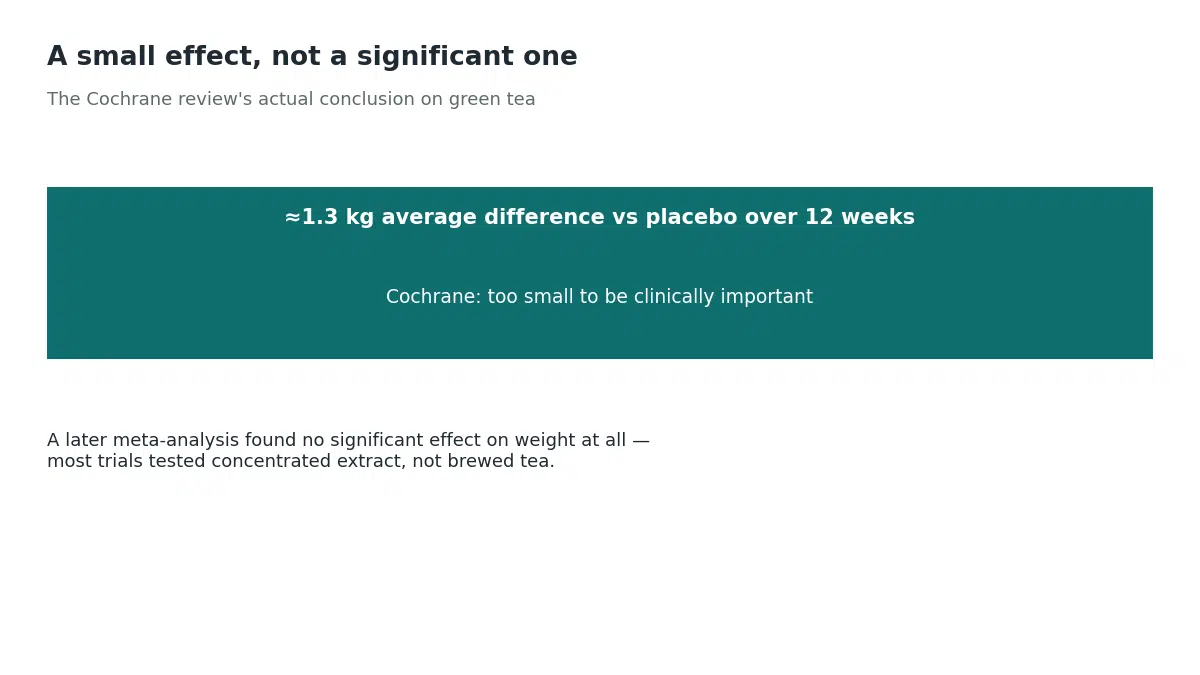
Scientific Evidence: A meta-analysis of 11 green tea studies found that subjects consuming green tea or green tea extract lost an average of 1.3kg more than control groups over 12 weeks, though results varied by individual factors and study design.

Oolong Tea: Balanced Oxidation for Fat Metabolism

Oolong tea sits between green and black tea in terms of oxidation, creating unique polyphenol profiles. This semi-oxidized tea combines benefits from both ends of the oxidation spectrum for weight management.

Research shows oolong tea may help increase fat oxidation and energy expenditure. Studies indicate that oolong consumption can enhance metabolism by up to 10% for several hours after drinking.

Oolong Tea’s Unique Compounds

The partial oxidation process creates specific theaflavins and thearubigins alongside catechins. This combination may help activate enzymes responsible for breaking down fat cells more effectively than either green or black tea alone.

Body weight studies show participants drinking oolong tea lost more fat mass compared to those consuming water alone. The effect appears most pronounced in people with higher initial body weight.

Types of Oolong Tea for Weight Loss

Lighter Oolong Varieties

  • Ti Kuan Yin (Iron Goddess): 20-30% oxidation
  • High Mountain Oolong: Floral, delicate flavor
  • Pouchong: Minimal oxidation, green tea-like
  • Higher catechin content for metabolism

Darker Oolong Varieties

  • Da Hong Pao (Big Red Robe): 70% oxidation
  • Wuyi Rock Tea: Rich, roasted character
  • Oriental Beauty: Natural sweetness
  • Higher theaflavin content for digestion

Studies show consuming 300ml of oolong tea three times daily may help reduce body weight and fat accumulation. The effects become more noticeable after consistent consumption for 6 weeks or longer.

Premium  Oolong Tea

4.6
Based on 1,532 reviews

Authentic Anxi Ti Kuan Yin oolong tea with balanced oxidation. Contains optimal polyphenol profile for metabolism support. Highly rated for taste and consistent quality.

View on Amazon

Black Tea: Gut Health and Weight Management Connection

Black tea undergoes full oxidation, transforming catechins into theaflavins and thearubigins. These compounds create distinct health benefits different from less oxidized teas.

Recent research reveals black tea may help weight loss through gut microbiome modulation. The polyphenols in black tea are too large to be absorbed in the small intestine, instead reaching the colon where they influence beneficial bacteria.

Black Tea and Gut Bacteria

Studies show black tea consumption changes the ratio of gut bacteria associated with lean body mass versus obesity. The tea may also help reduce the bacteria associated with fat storage while promoting those linked to lean energy metabolism.

Research published in the European Journal of Nutrition found that black tea polyphenols decreased weight gain and reduced fat accumulation in animal studies. The mechanism appears related to changes in gut bacterial composition and increased short-chain fatty acid production.

Caffeine Content and Metabolism

Black tea contains more caffeine than green or white tea, typically 40-70mg per cup. This higher caffeine content may help boost metabolism and increase fat oxidation during physical activity.

  • Enhances alertness and exercise performance
  • May help reduce fatigue during calorie restriction
  • Supports thermogenesis and energy expenditure
  • Works synergistically with theaflavins for metabolic effects

Best Time to Drink Black Tea

Consume black tea in the morning or early afternoon for maximum metabolic benefit. The higher caffeine content makes it less suitable for evening consumption if you’re sensitive to stimulants.

Organic Assam Black Tea

4.8
Based on 3,241 reviews

Rich, malty Assam black tea with high theaflavin content. Organic certification, single-estate sourcing. Excellent choice for morning metabolism boost with robust flavor that doesn’t require additives.

Check Current Price

White Tea: Minimal Processing, Maximum Antioxidants

White tea undergoes the least processing of all tea types, preserving maximum antioxidant content. The young leaves and buds contain high concentrations of catechins and other beneficial compounds.

Studies show white tea may help prevent new fat cells from forming while stimulating fat breakdown in existing cells. This dual action makes white tea particularly interesting for weight management research.

White Tea’s Fat Cell Inhibition

Laboratory research demonstrates that white tea extract inhibits adipogenesis, the formation of new fat cells. The tea also helps stimulate lipolysis, the breakdown of stored fat within cells.

The high catechin content in white tea may also help reduce fat absorption from the diet. Studies indicate that white tea catechins can bind to dietary fats, reducing their absorption in the digestive system.

Comparing White Tea to Green Tea

Characteristic White Tea Green Tea
Processing Level Minimal – withered and dried Light – steamed or pan-fired
Catechin Content High (varies by quality) Very High (well-documented)
Caffeine Content 15-30mg per cup 25-50mg per cup
Flavor Profile Delicate, subtle, slightly sweet Grassy, vegetal, sometimes astringent
Research Quantity Limited but promising Extensive documentation
Price Range Higher (less production) Moderate to high

White tea provides an excellent alternative for people sensitive to caffeine or who prefer milder flavors. The lower caffeine content makes white tea suitable for afternoon or evening consumption without disrupting sleep.

Organic White Peony (Bai Mu Dan) Tea

4.7
Based on 892 reviews

Premium white peony tea from Fujian province. High antioxidant content with delicate, naturally sweet flavor. Perfect for those seeking gentle metabolism support without high caffeine.

Shop Now

Pu-erh Tea: Fermented Tea for Digestive Support

Pu-erh tea undergoes unique microbial fermentation, creating distinct compounds not found in other tea types. This aged tea from Yunnan province has been used traditionally for digestive health and weight management.

Studies show pu-erh tea may help lower blood cholesterol levels and support healthy blood sugar control. The fermentation process creates beneficial bacteria and unique polyphenols that may help with fat metabolism.

Fermentation Benefits for Weight Loss

Research indicates that pu-erh tea consumption may help reduce body weight and body mass index more effectively than other tea types in some studies. The mechanism likely involves both the tea compounds and beneficial microorganisms from fermentation.

  • May help reduce fat accumulation in the liver
  • Supports healthy digestion and gut function
  • Contains beneficial bacteria from fermentation process
  • May help improve insulin sensitivity
  • Traditionally consumed after fatty meals in Chinese culture

The tea may also help reduce the absorption of dietary fats. Studies show that pu-erh polyphenols can inhibit pancreatic lipase, an enzyme responsible for breaking down fats for absorption.

Aged vs. Raw Pu-erh: Ripe (shou) pu-erh undergoes accelerated fermentation and has earthier flavors, while raw (sheng) pu-erh ages naturally over years. Both types may help support weight management, though ripe pu-erh is more commonly studied.

Herbal Teas for Weight Loss Support

Herbal infusions technically aren’t true teas since they don’t come from Camellia sinensis plant. However, many herbs offer compounds that may help support weight management through different mechanisms.

While herbal teas lack the catechins found in true teas, they provide unique phytonutrients, are naturally caffeine-free, and offer specific benefits for metabolism, digestion, and appetite control.

Hibiscus Tea

Hibiscus tea contains anthocyanins and other antioxidants that may help reduce body weight and fat accumulation. Studies show hibiscus extract can lower body weight, reduce body fat, and improve waist-to-hip ratio.

Research indicates hibiscus may help inhibit the absorption of carbohydrates and fats. The tea also provides a tart, fruity flavor without calories, making it an excellent replacement for sugary beverages.

Rooibos Tea

Rooibos contains aspalathin, a unique flavonoid that may help reduce stress hormones associated with hunger and fat storage. Research shows this South African herb may help prevent metabolic disease and reduce fat cell formation.

The tea may also help balance blood sugar levels, potentially reducing cravings and preventing energy crashes. Rooibos is naturally sweet, making it easier to enjoy without added sweeteners.

Ginger Tea

Ginger contains compounds called gingerols that may help increase thermogenesis and suppress appetite. Studies show ginger consumption can enhance feelings of fullness and reduce hunger.

The warming effect of ginger may also help increase metabolism slightly. Research indicates combining ginger with meals can increase the thermic effect of food, meaning your body burns more calories during digestion.

Peppermint Tea

Peppermint tea may help reduce appetite and improve digestion. The aroma alone has been shown in studies to reduce feelings of hunger and decrease caloric intake at subsequent meals.

  • Naturally caffeine-free for anytime consumption
  • May help soothe digestive discomfort
  • Pleasant taste without added calories
  • Can help reduce cravings through aromatherapy effect

Comprehensive Tea Comparison for Weight Loss

This comparison examines key factors affecting each tea’s potential for supporting weight management. Consider your preferences, caffeine tolerance, and specific health goals when selecting your optimal tea.

Tea Type Key Compounds Caffeine Level Primary Benefit Best For Action
Green Tea High catechins (EGCG) Moderate (25-50mg) Fat oxidation boost Overall metabolism Check Price
Oolong Tea Balanced polyphenols Moderate (30-50mg) Energy expenditure Sustained metabolism View Options
Black Tea Theaflavins, thearubigins High (40-70mg) Gut health modulation Morning energy boost Shop Now
White Tea Very high catechins Low (15-30mg) Fat cell inhibition Gentle, all-day use See Products
Pu-erh Tea Fermented polyphenols Moderate (30-60mg) Digestive support After meals Check Price
Hibiscus Tea Anthocyanins None (0mg) Carb absorption reduction Caffeine-free option View Now
Rooibos Tea Aspalathin None (0mg) Stress hormone balance Evening relaxation Shop Options
Ginger Tea Gingerols, shogaols None (0mg) Thermogenesis boost Appetite suppression Check Price

Editor’s Top Pick: Premium Organic Matcha Green Tea

After analyzing research and testing multiple products, ceremonial grade matcha provides the highest concentration of beneficial catechins. One serving contains the catechin equivalent of 10 cups of regular green tea, offering maximum metabolic support in minimal volume.

4.9
Based on 5,673 customer reviews
Quality

4.9/5

Taste

4.8/5

Value

4.7/5

Results

4.6/5

  • USDA Organic and third-party tested for heavy metals
  • 137x more antioxidants than regular green tea
  • Sustainably harvested from shade-grown tea plants
  • Includes traditional bamboo whisk and preparation guide
  • 30-day satisfaction guarantee
Get Best Price on Amazon

How to Brew Tea for Maximum Weight Loss Benefits

Proper brewing techniques maximize the beneficial compounds in tea while ensuring optimal flavor. Temperature and steeping time significantly affect catechin extraction and caffeine content.

Brewing Temperature Guide

  • White Tea: 160-185°F (71-85°C) for 4-5 minutes
  • Green Tea: 160-180°F (71-82°C) for 2-3 minutes
  • Oolong Tea: 185-205°F (85-96°C) for 3-5 minutes
  • Black Tea: 200-212°F (93-100°C) for 3-5 minutes
  • Pu-erh Tea: 195-212°F (90-100°C) for 3-4 minutes
  • Herbal Tea: 208-212°F (98-100°C) for 5-7 minutes

Why Temperature Matters

Water that’s too hot destroys delicate catechins and creates bitter flavors. Water that’s too cool fails to extract beneficial compounds effectively. Use a thermometer for precision, especially with green and white teas.

Maximizing Catechin Extraction

Research shows that steeping green tea for 3-5 minutes extracts approximately 70% of catechins. Longer steeping increases catechin extraction but also increases bitterness from tannins.

  • Use filtered or spring water for best taste and compound extraction
  • Measure tea precisely – use 1 teaspoon per 8oz water or follow package directions
  • Cover tea while steeping to retain volatile compounds and heat
  • Strain or remove tea bags promptly to prevent over-extraction
  • Consume tea fresh – catechins degrade after brewing
  • Avoid adding milk, which may bind to catechins and reduce absorption

Best Time to Drink Tea for Weight Loss

  • Morning (6-9 AM): Green or black tea on empty stomach for maximum fat oxidation
  • Before Exercise: Green tea 30-60 minutes pre-workout enhances fat burning during activity
  • Between Meals: Any tea type to control appetite and reduce snacking
  • Before Meals: Hibiscus or pu-erh 30 minutes before eating may help reduce fat absorption
  • Afternoon (2-4 PM): Oolong tea to sustain afternoon metabolism
  • Evening: Herbal teas only – avoid caffeinated teas after 3 PM

Optimal Daily Tea Protocol for Weight Loss

Creating a consistent tea routine maximizes potential benefits while fitting naturally into your lifestyle. This protocol combines research-backed timing with practical considerations.

Sample Daily Tea Schedule

Morning Ritual

6:30 AM – Wake Up

Start with 8-12oz green tea or matcha on empty stomach. The combination of caffeine and catechins jumpstarts metabolism and provides sustained energy without jitters.

Pre-Workout

8:00 AM – Exercise Prep

Consume 8oz green tea or oolong 30-45 minutes before exercise. Research shows this timing enhances fat oxidation during your workout session.

Mid-Morning

10:30 AM – Metabolism Maintenance

Second cup of green tea or white tea to maintain metabolic elevation. This timing helps control mid-morning hunger and prevents unnecessary snacking.

Afternoon Boost

2:00 PM – Energy Support

Oolong or black tea for afternoon metabolism support and mental clarity. Prevents afternoon energy dip without interfering with evening sleep.

Evening Wind-Down

6:00 PM – Caffeine-Free

Switch to herbal teas like hibiscus, rooibos, or ginger. These support digestion without caffeine that might disrupt sleep quality.

Before Bed

9:00 PM – Relaxation

Optional peppermint or chamomile tea for relaxation. Good sleep supports healthy metabolism and hormone balance for weight management.

Important Considerations: This schedule represents an optimal protocol but should be adjusted based on your caffeine sensitivity, work schedule, and individual response. Start with 2-3 cups daily and gradually increase if well-tolerated.

Integrating Tea into Your Weight Loss Diet

Tea works best as part of a comprehensive approach to weight management. While tea may help support your goals, it cannot compensate for poor dietary choices or sedentary lifestyle.

Tea and Caloric Deficit

Weight loss requires creating a caloric deficit where you burn more calories than you consume. Tea may help enhance this deficit slightly by increasing metabolism and fat oxidation, but the effect remains modest.

Studies suggest tea can increase daily calorie burn by approximately 80-100 calories. This means drinking tea alone, without dietary changes, might result in losing about 1 pound per month under ideal conditions.

Combining Tea with Healthy Eating

Best Foods to Pair with Tea

  • Lean proteins (chicken, fish, tofu)
  • Fiber-rich vegetables and fruits
  • Whole grains in moderate portions
  • Healthy fats (avocado, nuts, olive oil)
  • Probiotic foods (yogurt, kefir, kimchi)

Foods That May Reduce Tea Benefits

  • High-sugar foods and beverages
  • Excessive dairy (may bind catechins)
  • Processed foods high in sodium
  • Alcohol (interferes with metabolism)
  • Large portions of refined carbohydrates

When Not to Drink Tea

Timing matters for both effectiveness and nutrient absorption. Avoid drinking tea with iron-rich meals if you have iron deficiency, as tannins can inhibit iron absorption. Wait 1-2 hours after meals rich in iron.

Also avoid adding sugar, honey, or high-calorie sweeteners to your tea. These additions can quickly negate the metabolic benefits and add unwanted calories to your daily intake.

Tea and Exercise: Maximizing Fat Burning

Athletic person drinking green tea before workout with exercise equipment in background

Research shows combining tea consumption with exercise enhances fat oxidation beyond either intervention alone. The catechins and caffeine in tea appear to work synergistically with physical activity.

Pre-Workout Tea Strategy

Studies demonstrate that consuming green tea 30-60 minutes before moderate-intensity exercise increases fat burning by up to 17%. The optimal timing allows catechins to reach peak blood concentration during your workout.

  • Drink 8-12oz green tea or matcha 30-60 minutes pre-exercise
  • Avoid eating large meals with tea to prevent digestive discomfort
  • Stay hydrated with additional water before and during exercise
  • Time morning workouts to align with natural cortisol peaks

Best Exercise Types with Tea

Moderate-intensity cardio shows the strongest synergy with tea consumption. Activities like brisk walking, jogging, cycling, or swimming at 60-70% maximum heart rate appear most effective for fat oxidation.

High-intensity interval training combined with tea consumption may also help maximize fat burning in shorter workout sessions. The combination appears to enhance post-exercise calorie burn.

Research Highlight

A 12-week study found participants who combined regular green tea consumption with 180 minutes of moderate exercise weekly lost significantly more abdominal fat compared to exercise alone or tea alone groups.

Safety Considerations and Potential Side Effects

While tea is generally safe for most people, excessive consumption or certain individual factors can lead to adverse effects. Understanding proper limits helps you avoid potential problems.

Caffeine-Related Side Effects

Consuming too much caffeinated tea can cause jitteriness, anxiety, rapid heartbeat, or sleep disturbances. Individual caffeine tolerance varies significantly based on genetics and regular consumption patterns.

  • Limit total caffeine intake to 400mg daily (about 8 cups green tea)
  • Reduce consumption if experiencing anxiety or sleep problems
  • Avoid caffeinated tea after 2-3 PM if sensitive
  • Start with smaller amounts and gradually increase

Iron Absorption Concerns

Tea tannins can reduce iron absorption from plant-based foods. This primarily affects people with iron deficiency or those following vegetarian diets.

If you have iron deficiency anemia, drink tea between meals rather than with iron-rich foods. Wait at least 1-2 hours after eating before consuming tea to minimize interference with iron absorption.

Interactions with Medications

Consult Your Doctor If You Take:

  • Blood thinners (warfarin) – vitamin K in tea may interfere
  • Stimulant medications – additive effects with caffeine
  • Beta-blockers – caffeine may reduce effectiveness
  • Antibiotics – some interact with tea compounds
  • Chemotherapy drugs – antioxidants may interfere with treatment

Who Should Avoid or Limit Tea

  • Pregnant women: Limit caffeine to 200mg daily (4 cups green tea maximum)
  • Breastfeeding mothers: Moderate intake as caffeine passes into breast milk
  • People with anxiety disorders: Caffeine may worsen symptoms
  • Those with heart arrhythmias: Caffeine can trigger irregular heartbeat
  • People with kidney problems: Excessive tea may stress kidney function

Signs of Excessive Tea Consumption

Monitor for these symptoms which may indicate you’re drinking too much tea:

  • Persistent insomnia or poor sleep quality
  • Digestive upset, nausea, or acid reflux
  • Headaches or migraines
  • Rapid or irregular heartbeat
  • Increased anxiety or nervousness
  • Frequent urination or dehydration

Scientific Evidence: What Research Really Shows

Understanding the actual strength of evidence helps set realistic expectations. While studies show promise, results vary significantly between individuals and study designs.

Green Tea Research Summary

Multiple meta-analyses have examined green tea’s effects on weight loss. A comprehensive review of 11 studies found participants lost an average of 1.3kg more than control groups over 12 weeks.

However, results varied considerably between studies. Some showed significant effects while others found minimal differences. Factors affecting results included study duration, participant characteristics, green tea dosage, and concurrent lifestyle interventions.

Limitations of Current Research

  • Most studies use concentrated extracts rather than brewed tea
  • Study durations typically range 8-12 weeks, limiting long-term data
  • Many studies have small sample sizes reducing statistical power
  • Publication bias may favor positive results over negative findings
  • Individual genetic variations affect catechin metabolism significantly

Realistic Expectations

Based on current evidence, tea may help support weight loss as part of a comprehensive program including caloric restriction and exercise. The effect size remains modest, typically ranging from 0.5-2kg additional loss over several months.

Tea should be viewed as a supportive tool rather than a primary weight loss intervention. The greatest benefits appear in people who combine consistent tea consumption with healthy eating patterns and regular physical activity.

Research Access: For detailed scientific evidence on tea and weight loss, visit PubMed or consult with healthcare providers familiar with nutrition research literature.

Expert Recommendations from Nutritionists and Researchers

Leading nutrition experts emphasize that tea offers the most benefits when integrated into a holistic approach to weight management. No single food or beverage can override the fundamental principles of energy balance.

Top Evidence-Based Recommendations

Do These Things

  • Drink 3-5 cups of tea daily for optimal effects
  • Choose high-quality, organic tea when possible
  • Brew tea properly to maximize beneficial compounds
  • Combine tea with balanced, calorie-controlled diet
  • Maintain regular exercise routine
  • Stay consistent for at least 8-12 weeks
  • Track your progress objectively with measurements
  • Stay well-hydrated with plain water too

Avoid These Mistakes

  • Relying solely on tea without dietary changes
  • Adding sugar, honey, or high-calorie additions
  • Expecting rapid or dramatic weight loss
  • Consuming excessive amounts (over 8 cups daily)
  • Drinking tea as meal replacement
  • Ignoring individual caffeine sensitivity
  • Buying low-quality or adulterated products
  • Expecting results without lifestyle modifications

Building a Sustainable Tea Habit

Success with tea for weight management depends on creating sustainable habits you can maintain long-term. Experts recommend focusing on enjoyment and variety rather than forcing yourself to drink tea you dislike.

  • Experiment with different tea types to find favorites
  • Invest in quality tea equipment for better brewing experience
  • Prepare tea in batches for convenience throughout the day
  • Create enjoyable rituals around tea consumption
  • Join tea communities for support and ideas
  • Track which teas work best for your body and preferences

Top Tea Product Recommendations for Weight Loss

Based on ingredient quality, customer reviews, value, and scientific formulation, these products represent the best options in each category for supporting your weight management goals.

Organic matcha green tea powder in traditional container with bamboo accessories

Best Overall: Premium Ceremonial Matcha

4.9

Highest concentration of catechins available in tea form. One serving provides the equivalent of 10 cups regular green tea. USDA organic, radiation-tested, and independently verified for purity.

Check Price
Organic green tea bags variety pack in attractive packaging

Best Value: Organic Green Tea Variety Pack

4.7

Contains 100 tea bags with multiple green tea varieties including sencha, matcha green, and jasmine. Excellent value for daily consumption. Non-GMO verified and certified organic.

View Options
Premium oolong tea leaves in elegant tea tin container

Best Oolong: Ti Kuan Yin Iron Goddess

4.8

Authentic Anxi Ti Kuan Yin with optimal polyphenol profile. Hand-rolled leaves from high-mountain gardens. Perfect balance of catechins and theaflavins for sustained metabolism support.

Shop Now
Organic white tea silver needle in clear display container

Best White Tea: Silver Needle Bai Hao

4.6

Premium silver needle white tea from Fujian. Highest grade available with maximum antioxidant content. Minimal processing preserves delicate catechins. Perfect for caffeine-sensitive individuals.

Check Price
Aged pu-erh tea cake with traditional wrapping

Best Pu-erh: Aged Yunnan Ripe Pu-erh

4.5

Traditionally fermented pu-erh from Yunnan province. Contains beneficial bacteria and unique polyphenols for digestive support. Earthy, smooth flavor improves with age.

View Product
Organic hibiscus tea flowers in glass jar

Best Herbal: Organic Hibiscus Flowers

4.7

Caffeine-free hibiscus flowers with high anthocyanin content. May help reduce carbohydrate absorption. Naturally tart flavor excellent hot or iced. USDA organic certification.

Shop Options

Frequently Asked Questions About Tea and Weight Loss

Which is the best tea for weight loss?

Green tea is the most extensively researched and shows the strongest evidence for supporting weight loss. It contains high concentrations of catechins, particularly EGCG, combined with caffeine that may help increase metabolism and fat oxidation. Studies show green tea consumers lost an average of 1.3kg more than control groups over 12 weeks.

However, “best” depends on individual factors. Oolong tea provides sustained metabolism support with balanced oxidation. White tea offers high antioxidants with lower caffeine. The best tea is ultimately the one you’ll drink consistently as part of a healthy lifestyle.

How much weight can you lose drinking tea?

Research suggests tea may help increase weight loss by approximately 0.5-2kg over 12 weeks when combined with caloric restriction and exercise. The effect varies significantly based on individual metabolism, tea type, consumption amount, and overall lifestyle factors.

Tea should be viewed as a supportive tool that may enhance results by 10-16% rather than a primary weight loss method. Creating a caloric deficit through diet and exercise remains the foundation of successful weight management.

How many cups of tea should I drink daily for weight loss?

Most studies showing benefits used 3-5 cups of tea daily, providing approximately 200-300mg of catechins. Start with 2-3 cups and gradually increase to assess your tolerance, especially regarding caffeine sensitivity.

Spread consumption throughout the day rather than drinking all at once. Ideal timing includes morning, before exercise, and between meals. Limit caffeinated tea to before 2-3 PM to avoid sleep disruption.

Is it better to drink tea hot or cold for weight loss?

Both hot and cold tea provide the same beneficial compounds. Hot tea may slightly increase thermogenesis as your body uses energy to cool down, but this effect is minimal. Cold tea provides refreshing hydration and remains convenient for on-the-go consumption.

Choose the temperature you prefer and will drink consistently. Avoid adding ice that significantly dilutes the tea, reducing catechin concentration per serving.

Can I drink tea on an empty stomach?

Most people can safely drink tea on an empty stomach. Some research suggests consuming green tea before breakfast may maximize fat oxidation. However, individuals with sensitive stomachs might experience nausea or discomfort from tannins.

If you experience digestive upset, try eating a small amount of food first or switch to lower-tannin teas like white tea. Listen to your body and adjust timing accordingly.

Does adding lemon to tea help with weight loss?

Adding lemon may help increase catechin absorption. Vitamin C in lemon juice can stabilize catechins in your digestive system, potentially increasing bioavailability by up to 13 times according to some studies.

Lemon also adds flavor without calories and provides additional antioxidants. Avoid adding sugar or honey, which negates potential metabolic benefits by adding unnecessary calories.

Which is better for weight loss: tea bags or loose leaf tea?

Loose leaf tea generally contains higher concentrations of beneficial compounds because it uses whole leaves rather than crushed remnants. Whole leaves retain more catechins and antioxidants during processing and storage.

However, high-quality tea bags can still be effective, especially if they contain whole leaf tea rather than fannings. Choose based on convenience, budget, and quality rather than format alone. The best tea is the one you’ll actually drink consistently.

Can pregnant women drink tea for weight loss?

Pregnant women should not focus on weight loss and should limit caffeine intake to 200mg daily (approximately 4 cups of green tea). Excessive caffeine during pregnancy is associated with increased risks of complications.

Pregnant women should consult their healthcare provider before increasing tea consumption or using any weight management strategies. Focus should be on healthy pregnancy nutrition rather than weight reduction.

Does tea help reduce belly fat specifically?

Some studies show catechins in green tea may help reduce abdominal fat more than other body areas. Research indicates people consuming green tea while exercising lost more belly fat than exercise-only groups.

However, spot reduction remains largely a myth. You cannot target fat loss to specific body areas through diet alone. Tea may help support overall fat loss which includes abdominal fat, but genetics largely determine where you lose fat first.

Can I drink tea while intermittent fasting?

Yes, unsweetened tea without additives contains zero calories and will not break your fast. Tea may actually help during fasting periods by reducing hunger, providing mild stimulation, and potentially enhancing fat burning during the fasted state.

Avoid adding milk, sugar, honey, or any caloric ingredients during fasting windows. Black, green, white, or herbal teas consumed plain are excellent choices for fasting periods.

How long does it take to see weight loss results from drinking tea?

Most research studies showing benefits lasted 8-12 weeks with consistent daily tea consumption. Some people report noticing subtle changes in energy and appetite within 2-3 weeks, though measurable weight changes typically require longer.

Consistency matters more than short-term intensity. Make tea part of your daily routine combined with healthy eating and exercise. Track progress monthly rather than daily or weekly for more accurate assessment.

Are tea extracts or supplements better than brewed tea?

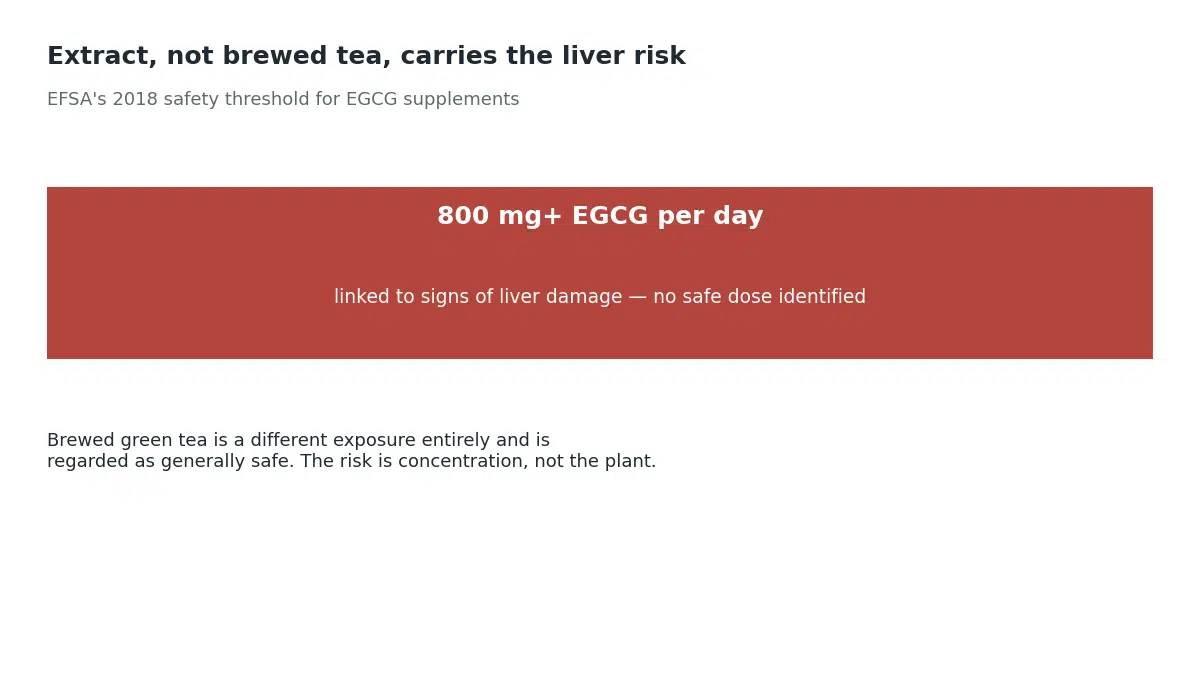
Tea extracts provide higher concentrations of catechins but may also carry higher risks of side effects, especially liver toxicity with excessive doses. Most weight loss research used extracts with standardized catechin content.

Brewed tea offers a safer, more sustainable approach with additional benefits like hydration and enjoyment. Unless you have specific reasons to use extracts under medical supervision, regular brewed tea is recommended for long-term use.

Does tea boost metabolism permanently?

Tea provides a temporary increase in metabolic rate lasting several hours after consumption. The effect is not permanent and requires consistent daily intake to maintain. Your metabolism returns to baseline when you stop drinking tea regularly.

Think of tea as a supportive tool that provides modest ongoing benefits when used consistently, similar to how exercise temporarily increases metabolism after each workout session.

Can tea replace exercise for weight loss?

No, tea cannot replace exercise. While tea may help enhance fat oxidation, the calorie burn from tea consumption alone remains modest (approximately 80-100 calories daily). Exercise provides numerous benefits beyond calorie burning including muscle preservation, cardiovascular health, and metabolic improvements.

The best results come from combining tea with regular physical activity. Studies show tea plus exercise provides significantly greater fat loss than either intervention alone.

Why am I not losing weight despite drinking tea daily?

Tea provides modest metabolic support but cannot overcome a caloric surplus. If you’re not losing weight despite drinking tea, the most likely reason is consuming more calories than you burn through daily activity.

Other factors include: insufficient sleep, high stress levels, medical conditions affecting metabolism, medication side effects, or overestimating calorie burn from exercise. Tea works best as part of a comprehensive approach including calorie control, regular exercise, adequate sleep, and stress management.

Is green tea extract as effective as drinking green tea?

Green tea extract provides higher catechin concentrations than brewed tea, which is why most research studies used extracts. However, extracts also carry higher risks of side effects, particularly liver damage at very high doses.

For most people, drinking 3-5 cups of high-quality green tea daily provides sufficient catechins for potential benefits while remaining safe for long-term use. Consider extracts only if you cannot consume enough brewed tea and consult with a healthcare provider first.

Does the quality of tea matter for weight loss?

Yes, tea quality significantly affects catechin content and overall effectiveness. Higher quality teas typically contain more beneficial compounds, fewer contaminants, and better flavor, making them easier to drink consistently.

Look for organic certification, testing for heavy metals and pesticides, freshness, and proper storage. Avoid extremely cheap teas which may contain lower quality leaves with reduced catechin content or potential contamination.

Making Tea Work for Your Weight Loss Journey

Person enjoying a peaceful moment with a cup of tea in a healthy lifestyle setting

Determining which is the best tea for weight loss depends on your individual preferences, caffeine tolerance, and overall health goals. Green tea offers the strongest research support, while oolong, white, and black teas provide unique benefits worth exploring.

Remember that tea works best as part of a comprehensive lifestyle approach. No single beverage can replace the fundamental principles of creating a caloric deficit through balanced nutrition and regular physical activity.

Your Action Plan

  • Choose 2-3 tea types that appeal to your taste preferences
  • Start with 2-3 cups daily and gradually increase to 4-5 if well-tolerated
  • Focus on proper brewing techniques to maximize beneficial compounds
  • Time tea consumption strategically around meals and exercise
  • Combine tea with a calorie-controlled diet and regular exercise
  • Track your progress over 8-12 weeks before evaluating effectiveness
  • Adjust your approach based on individual response and preferences

The journey to sustainable weight management requires patience, consistency, and realistic expectations. Tea may help enhance your efforts by providing modest metabolic support, but lasting success comes from developing healthy habits you can maintain long-term.

Medical Disclaimer

Important Notice: The information provided in this article is for educational and informational purposes only and is not intended as medical advice. This content should not be used to diagnose, treat, cure, or prevent any disease or health condition.

Individual results may vary significantly. Weight loss depends on numerous factors including genetics, current health status, diet, exercise habits, sleep quality, stress levels, and metabolic factors. The research cited represents general findings that may not apply to every individual.

Before making significant changes to your diet, exercise routine, or beginning any weight loss program including increased tea consumption, consult with a qualified healthcare provider, especially if you:

  • Have any existing medical conditions
  • Take prescription medications
  • Are pregnant or breastfeeding
  • Have a history of eating disorders
  • Are under 18 years of age
  • Have caffeine sensitivity or anxiety disorders

This article contains affiliate links. We may earn a commission from purchases made through these links at no additional cost to you. All product recommendations are based on research and editorial assessment, not compensation received.

If you experience adverse effects from tea consumption including but not limited to nausea, rapid heartbeat, severe anxiety, insomnia, or digestive distress, discontinue use and consult a healthcare professional immediately.

The statements in this article have not been evaluated by the Food and Drug Administration. Products mentioned are not intended to diagnose, treat, cure, or prevent any disease.

Last Updated: 2026 | For the most current medical research and personalized advice, please consult healthcare professionals and refer to peer-reviewed scientific literature.

Related Posts

Can Ashwagandha Cause Weight Loss?
BLOG

Can Ashwagandha Cause Weight Loss?

July 23, 2026
Best High Fiber Foods for Pregnancy
BLOG

Best High Fiber Foods for Pregnancy for Healthy Moms

July 23, 2026
Food Sources of Tyrosine
BLOG

Food Sources of Tyrosine: Your Complete Guide to This Essential Amino Acid

July 23, 2026
Best Breakfast Cereals for Diabetics
BLOG

Best Breakfast Cereals for Diabetics: Smart Choices for Blood Sugar Control

July 22, 2026
Should Diabetics Eat Banana?
BLOG

Should Diabetics Eat Banana? A Complete Guide to Blood Sugar and Fruit

July 22, 2026
Natural Remedies for Nose Congestion
BLOG

Natural Remedies for Nose Congestion: Proven Solutions for Clear Breathing

July 22, 2026
freshly brewed green tea in transparent cup showing golden-green color with pH testing strip
BLOG

Is Green Tea Acidic? Understanding pH Levels and Health Implications

July 22, 2026
ProDentim Reviews: What Real Users Are Saying About This Oral Health Supplement
REVIEWS

ProDentim Reviews: What Real Users Are Saying About This Oral Health Supplement

July 24, 2026
How to Get Rid of Fat Neck
BLOG

How to Get Rid of Fat Neck: Complete Solutions Guide

July 22, 2026
Massage for Hair Growth
BLOG

Massage for Hair Growth: Evidence-Based Techniques for Thicker, Healthier Hair

July 23, 2026
Load More

Leave a Reply Cancel reply

Your email address will not be published. Required fields are marked *

I agree to the Terms & Conditions and Privacy Policy.

Our Mission

At HealthMagHub, our mission is to empower individuals and families to make informed health decisions by providing accurate, evidence-based, and easy-to-understand health information. We are committed to delivering high-quality content across a wide range of topics, including nutrition, fitness, weight management, men’s and women’s health, mental wellness, healthy aging, disease prevention, and in-depth health product reviews. Every article is carefully researched, fact-checked, and written with our readers’ well-being in mind. Our goal is to simplify complex health topics, promote healthier lifestyles, and build a trusted resource where people can confidently find reliable guidance, practical wellness tips, and the latest insights to support a healthier, happier life.

Can Ashwagandha Cause Weight Loss?
BLOG

Can Ashwagandha Cause Weight Loss?

by Jenna Castillo
July 23, 2026
0

Affiliate Disclosure: This article contains affiliate links. We may earn a commission from purchases made through these links at no...

Read moreDetails
Best High Fiber Foods for Pregnancy

Best High Fiber Foods for Pregnancy for Healthy Moms

July 23, 2026
Food Sources of Tyrosine

Food Sources of Tyrosine: Your Complete Guide to This Essential Amino Acid

July 23, 2026
Which Is the Best Tea for Weight Loss?

Which Is the Best Tea for Weight Loss? Science-Backed Guide to 12 Effective Teas

July 22, 2026
Best Breakfast Cereals for Diabetics

Best Breakfast Cereals for Diabetics: Smart Choices for Blood Sugar Control

July 22, 2026

Tags

Abdominal Workouts Antioxidants in Grapes Benefits of high protein snacks Bladder Health Bladder infection blood sugar Blood sugar management Brain Health Cognitive Enhancement Core Exercises Cosmetic dentistry Dental procedures Diarrhea symptoms Digestive Issues Grape Nutrition Grape Skin Benefits Green Grape Recipes Green Grape Smoothie Gut Health Health Benefits of Green Grapes Healthy snacking Heart Health Benefits Inflammatory bowel disease Joint Pain Relief Laser teeth whitening Lower Abdominals Mental clarity Natural supplements onychomycosis Oral Health Polyphenols in Grapes Prostate health Protein-packed snacks Quick protein snacks Rear Delt Exercises Resveratrol Benefits Saw Palmetto Skin health Snack ideas tea tree oil Urinary system Urinary tract infection UTI symptoms Vitamin C Benefits Weight loss supplements
  • HOME
  • ABOUT
  • PRIVACY POLICY
  • Terms & Conditions
  • Affiliate Disclosure
  • Medical Disclaimer
  • Contact Us
  • SUBMIT YOUR REVIEW

© 2026 HealthMagHub. Trusted Health. Smarter Living. All Rights Reserved.

No Result
View All Result
  • HOME
  • BLOG
  • REVIEWS
  • TOOLS

© 2026 HealthMagHub. Trusted Health. Smarter Living. All Rights Reserved.

This website uses cookies. By continuing to use this website you are giving consent to cookies being used. Visit our Privacy and Cookie Policy.