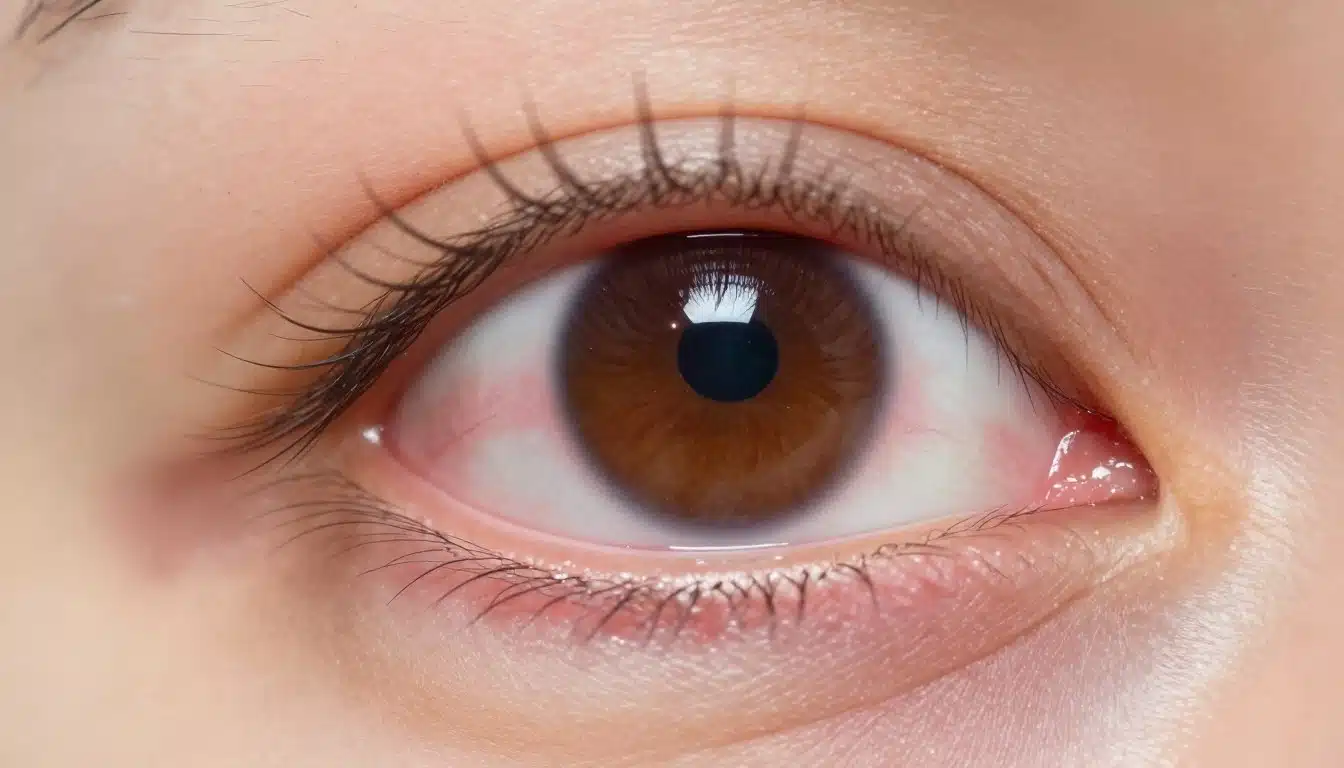
- Dry eyes in pregnancy are hormonal, common and usually settle within weeks to a few months of delivery.
- Artificial tears are safe throughout pregnancy and breastfeeding; choose preservative-free if using them more than about four times a day.
- Watering doesn’t rule out dry eye. Reflex tears are mostly water and often signal an irritated, still-dry surface.
- Blurred vision with headache, flashing lights, or swelling after 20 weeks needs same-day assessment for preeclampsia, not eye drops.
The Eye Symptom That Isn’t Dry Eye
Call your midwife or maternity unit the same day if you have blurred vision, flashing lights, spots or a temporary loss of vision after 20 weeks of pregnancy, particularly alongside a headache that painkillers don’t touch, sudden swelling of the face or hands, pain under the right ribs, or nausea and vomiting that starts late in pregnancy.
Visual disturbance is one of the signs that preeclampsia has become severe, and it is assessed urgently rather than at a routine appointment.[4]
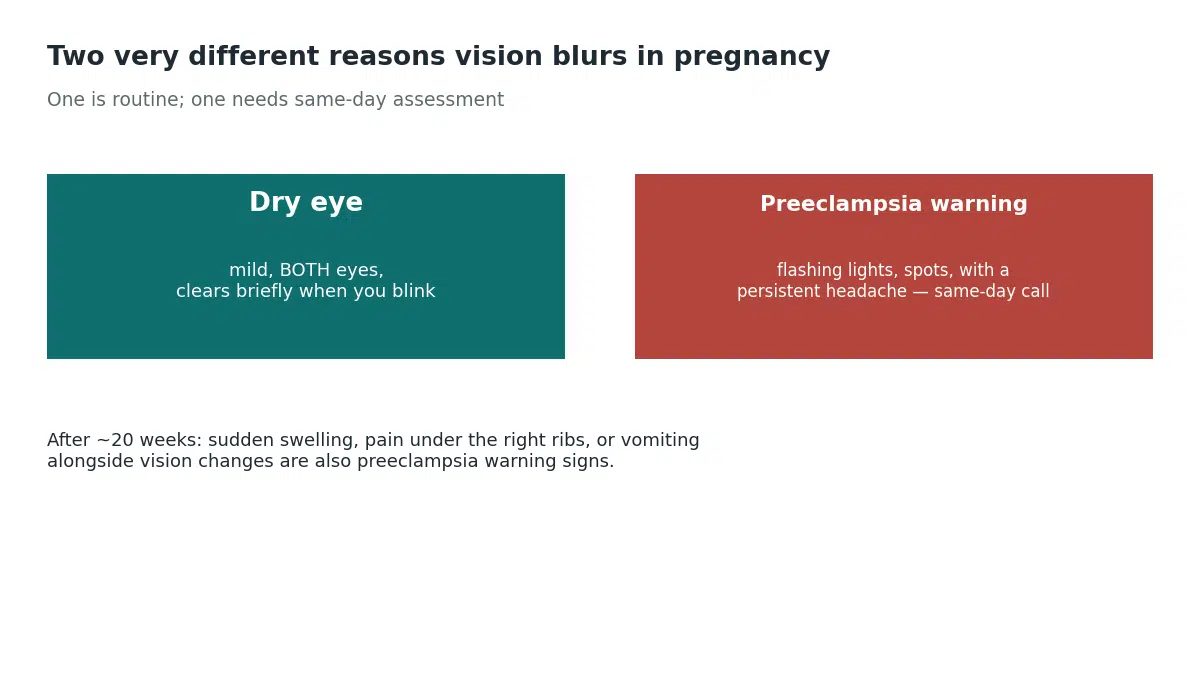
Telling the two apart is usually straightforward once you know what to compare.
Dry eye blurring is mild, affects both eyes, comes and goes through the day, and clears briefly when you blink hard. It sits alongside grittiness and burning rather than a headache.
Preeclampsia visual symptoms don’t clear on blinking. They tend to arrive with something else: the headache, the swelling, the upper abdominal pain. Flashing lights and spots in particular are not a dry eye symptom at all.
If you’re weighing it up and can’t decide, make the call. Everything below assumes none of that applies.
Why Pregnancy Dries Your Eyes Out
Your eyes are coated by a tear film with three layers: an oily outer layer that stops evaporation, a watery middle layer, and an inner mucus layer that helps it all stick. Dry eye happens when that film destabilizes, either because there is too little tear or because it evaporates too fast.
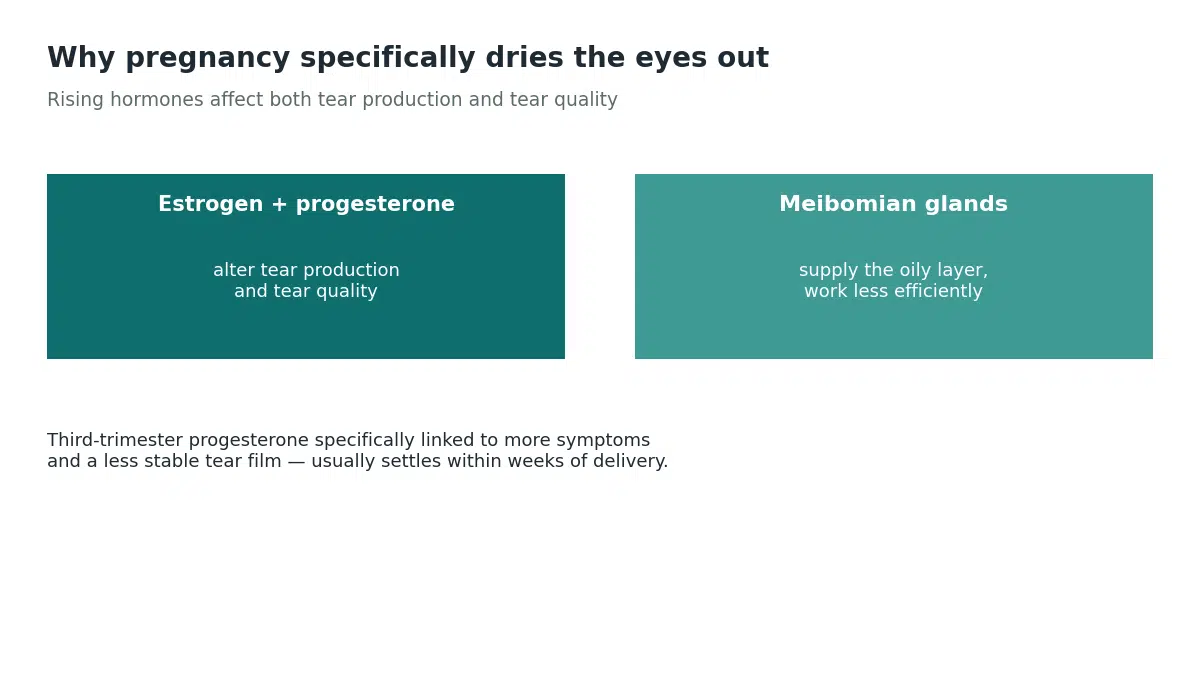
Pregnancy affects both. Rising estrogen and progesterone alter tear production and tear quality, and the meibomian glands along your eyelids, which supply the oily layer, work less efficiently.[1] Rising progesterone in the third trimester has been specifically linked to more dry eye symptoms and a less stable tear film.[2]
Fluid shifts play a part too. The cornea can thicken and change shape slightly during pregnancy, which is why lenses that fitted perfectly in January can feel wrong in June.
And the ordinary contributors still apply: more screen time while resting, less blinking, dry indoor air, and dehydration from morning sickness.
Dry Eyes During Pregnancy: What It Feels Like
The classic description is a gritty or sandy feeling, often worse on waking and again by late afternoon. Burning or stinging, redness by evening, light sensitivity, tired eyes after reading, and contacts that no longer feel comfortable.
And watering. This is the part that confuses people most: dry eyes stream. When the surface is irritated it triggers reflex tears, which are mostly water without the oil that keeps them in place. They spill over the lid instead of coating the eye, so you get wet cheeks and a surface that’s still dry.
Watering is not evidence against dry eye. It’s frequently a symptom of it.
What’s Safe in Pregnancy
Artificial tears are the first thing to reach for and are safe throughout pregnancy and breastfeeding. They act on the eye surface and aren’t absorbed in amounts that matter. If you’re using them more than about four times a day, choose preservative-free, because preservatives themselves irritate with frequent use.[3] Thicker gels last longer but blur briefly, so keep those for bedtime.
Warm compresses. Five to ten minutes over closed eyes, once or twice daily, warms the thickened oil in the eyelid glands so it can flow. Most people stop too soon for it to do anything, and sustained heat is the whole point.
A humidifier in the bedroom, and redirect fans and car vents away from your face.
Screen breaks. Every 20 minutes, look at something around 20 feet away for 20 seconds. Its real value is that it restores blinking.
Hydration helps, though modestly. Drinking more water won’t cure dry eye, but dehydration definitely makes it worse.
What to skip
Redness-relief drops. They constrict blood vessels, treat nothing, and cause rebound redness with regular use.
Essential oils, homemade saline and other improvised remedies. “Natural” is not a safety category, and non-sterile preparations near the eye carry real infection risk.
Rubbing. It worsens irritation and can scratch an already dry surface.
Ask before using any medicated drop, whether antihistamine, antibiotic or steroid, even ones you used before pregnancy.
Contact Lenses and Pregnancy
Lenses need a healthy tear film to sit comfortably, so this is often where pregnancy dry eye first announces itself. Reduce wear time, switch to glasses in the evenings, and use rewetting drops made for lens wearers.
Some women stop altogether for the duration and go back afterwards without difficulty. That’s a sensible response to a temporary change, not a failure.
One related point worth knowing: because the cornea shifts shape during pregnancy and while breastfeeding, laser vision correction is generally deferred until things have settled. If you were considering it, that’s a conversation for after weaning.
And if one eye is painful rather than simply dry, take the lens out and get seen the same day. Corneal infection in lens wearers moves quickly.
Does It Go Away?
Usually, yes. Symptoms typically improve within weeks to a few months of delivery as hormones settle.
Breastfeeding extends the hormonal picture, so many women stay on artificial tears until they wean. That’s fine, since they remain safe throughout.
If dryness persists well beyond weaning, it’s worth investigating as ordinary dry eye rather than assuming it’s still pregnancy-related. Thyroid changes after pregnancy are common and affect tear production.
When to See an Eye Doctor
Separately from the urgent list at the top, book an appointment for:
- Pain that artificial tears don’t touch
- No improvement after two weeks of consistent treatment
- One eye much worse than the other
- Thick discharge or crusted lids
- Light sensitivity severe enough to be limiting
- Symptoms interfering with driving or work
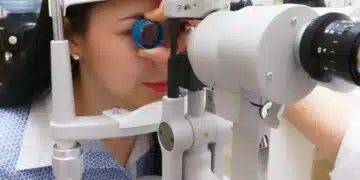
Tell them you’re pregnant and how far along. Examination and tear testing are safe, and prescription options exist that are appropriate in pregnancy. Bring your prenatal vitamin too, since our guide to what belongs in a prenatal covers why the vitamin A form matters.
Common Questions About Dry Eyes During Pregnancy
Are artificial tears safe during pregnancy?
Choose preservative-free if you need them more than about four times a day.
Why do my eyes water if they’re dry?
Using artificial tears regularly often settles the watering.
Will it go away after the baby arrives?
Dryness persisting long after weaning is worth investigating on its own terms.
Can I keep wearing contact lenses?
A painful eye in a lens wearer needs seeing the same day, not managing at home.
Should I worry if only one eye is dry?
That’s worth an appointment rather than more drops.
Is blurry vision in pregnancy always dry eye?
Blurring with headache, flashing lights, spots or swelling needs same-day assessment for preeclampsia. Our guide to blurred vision in one eye covers the other causes.
The Bottom Line
Dry eyes during pregnancy are common, hormonal and temporary. Preservative-free artificial tears, sustained warm compresses, a humidifier and fewer uninterrupted screen hours handle most of it, and all of it is safe.
Expect improvement in the weeks after delivery, and possibly not until after weaning.
The one thing not to file under dry eye: visual disturbance with a headache, swelling or upper abdominal pain. That’s a same-day call to your maternity team.
SOURCESOur Editorial Standards
HealthMagHub is built on primary sources: peer-reviewed research, clinical practice guidelines, and health agencies such as the NIH, CDC, and FDA. Read our editorial standards to see how we research, cite, and update our articles.
- Pregnancy and Dry Eye Syndrome: A Review for Clinical Practice. International Journal of Molecular Sciences. doi.org
- Effects of Elevated Serum Estrogen on Dry Eye: TFOS DEWS II Sex, Gender, and Hormones Report Digest. sciencedirect.com
- Mayo Clinic. Artificial Tears: How to Select Eye Drops for Dry Eyes. mayoclinic.org
- National Institute of Child Health and Human Development. Preeclampsia and Eclampsia. nichd.nih.gov
Disclaimer: This article is general information, not medical advice, and doesn't replace your prenatal care. Contact your midwife or maternity unit the same day for blurred vision, flashing lights or spots with headache, sudden swelling of the face or hands, or pain under the right ribs, since these can indicate preeclampsia. Check with your provider before using any medicated eye drops in pregnancy, and see an eye doctor for a painful eye, one-sided symptoms, or no improvement after two weeks.