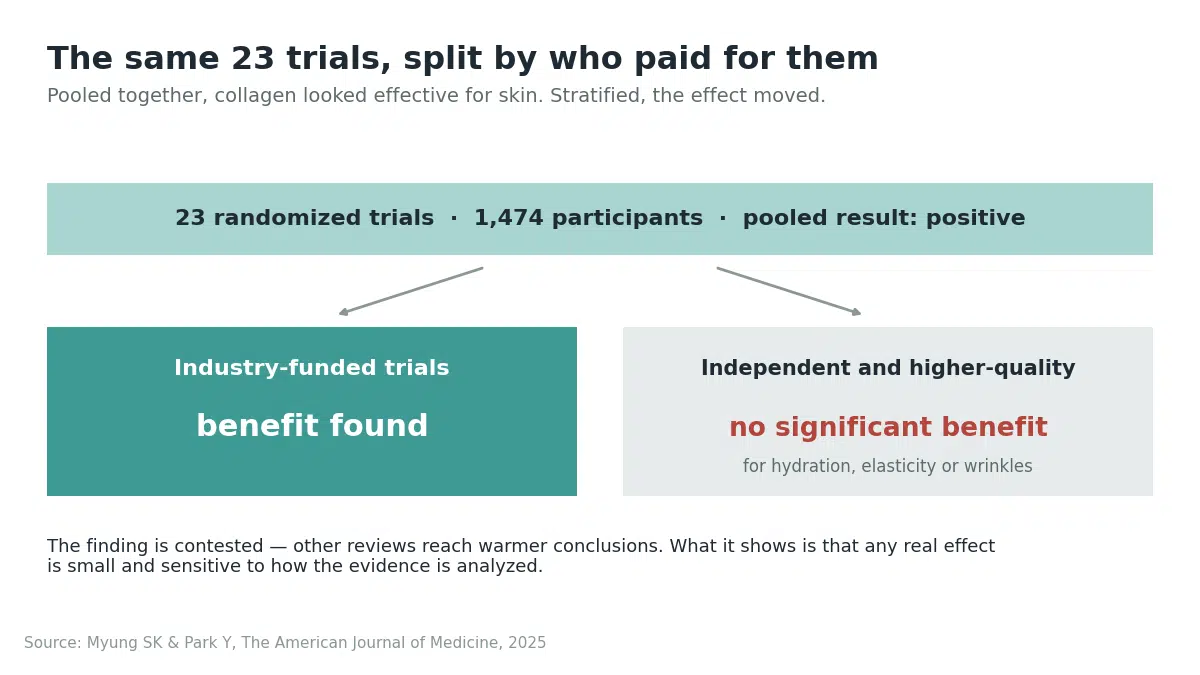

healthmaghub
  • HOME
  • BLOG
  • REVIEWS
  • TOOLS
No Result
View All Result
  • HOME
  • BLOG
  • REVIEWS
  • TOOLS
No Result
View All Result
HealthNews
No Result
View All Result

How Long Does It Take Collagen Supplements To Work

by Natalie Kim
July 18, 2026
Reading Time: 23 mins read
0

We all want to feel vibrant and confident in our own skin. You might have noticed the sudden rise of powders and pills promising a youthful glow, but starting a new routine often brings a sense of uncertainty. Patience is truly a virtue when you decide to invest in your wellness journey.

Many people ask how long does it take collagen supplements to work once they begin their daily intake. While the desire for instant transformation is natural, your body requires time to process these nutrients. Consistency remains the cornerstone of any effective health regimen, as biological changes happen gradually beneath the surface.

Key Takeaways

  • Collagen popularity is surging across the United States wellness market.
  • Visible results depend heavily on daily, consistent usage.
  • Biological processes dictate that skin and joint improvements take time.
  • Patience is essential for achieving long-term health benefits.
  • Understanding your body’s timeline helps manage expectations effectively.

Understanding the Biological Role of Collagen in the Body

Collagen is far more than just a beauty trend; it is the primary protein responsible for your physical framework. It acts as the essential “glue” that holds your connective tissues, skin, and bones together. Without this vital structural protein, your body would lack the necessary strength and flexibility to function properly.

The Natural Decline of Collagen Production with Age

While your body is a master at producing its own protein, this process is not permanent. Most people reach their peak production levels in their early twenties. Once you enter your mid-twenties, the rate of collagen synthesis begins to slow down significantly.

This natural decline is a physiological reality that affects everyone. As production drops, you may notice the first visible signs of aging, such as reduced skin elasticity or minor joint stiffness. Over time, the structural integrity of your tissues weakens, making the replenishment of these proteins a common focus for long-term wellness.

How Supplemental Collagen Interacts with Your System

When you consume collagen supplements, your body does not simply absorb the protein in its whole form. Instead, the digestive system breaks these complex structures down into smaller units known as peptides. These peptides are further processed into individual amino acids that enter your bloodstream.

Once in circulation, these amino acids are redistributed to various parts of the body where they are needed most. This process supports systemic health by providing the building blocks required for tissue repair and maintenance. The following table illustrates how collagen functions across different areas of your body:

Body AreaPrimary FunctionImpact of Decline
SkinProvides structure and hydrationFine lines and sagging
JointsCushions cartilage and bonesIncreased stiffness and discomfort
BonesMaintains density and strengthReduced flexibility and fragility
Connective TissueSupports tendons and ligamentsSlower recovery from strain

How long does it take collagen supplements to work

If you are curious about how long does it take collagen supplements to work, you are not alone. Many wellness enthusiasts start their journey hoping for an overnight transformation in their skin or joint comfort. However, understanding the biological timeline is essential for maintaining a consistent and effective routine.

Setting Realistic Expectations for Your Supplement Journey

Collagen is a structural protein, and your body requires time to process these peptides and integrate them into your tissues. Consistency is the most important factor when you begin your supplementation. Expecting immediate results often leads to frustration, which can cause people to abandon their health goals prematurely.

Instead of looking for instant changes, focus on the cumulative benefits that build over several weeks. Most users find that tracking their progress helps them stay motivated during the initial phase. By viewing this as a long-term investment in your body, you can better appreciate the subtle improvements that occur over time.

The Difference Between Short-Term and Long-Term Results

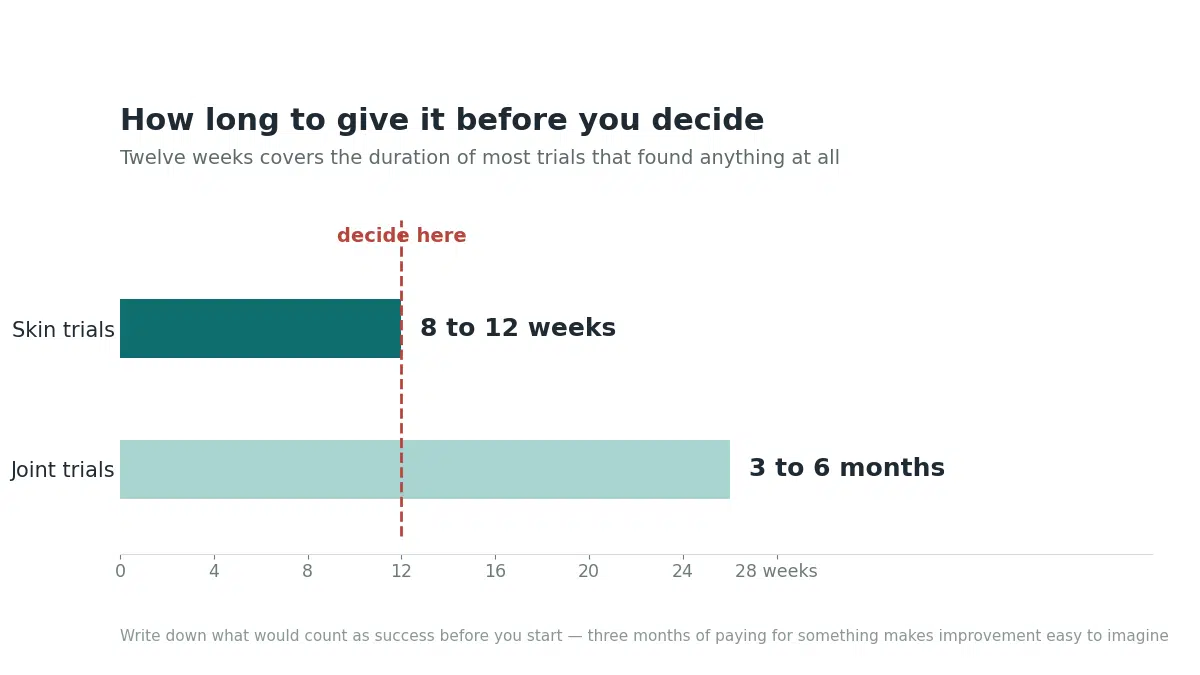
The timeline for results varies depending on whether you are looking for surface-level hydration or deeper structural support. Short-term changes often involve improved skin moisture levels, which can be noticeable within a few weeks. In contrast, deeper structural changes, such as improved joint mobility or skin elasticity, typically require several months of dedicated use.

TimelineExpected BenefitFocus Area
2-4 WeeksIncreased HydrationSkin Surface
8-12 WeeksImproved ElasticityFine Lines
3-6 MonthsJoint ComfortConnective Tissue

Ultimately, knowing how long does it take collagen supplements to work allows you to plan your wellness strategy effectively. While the first month may show minor changes, the most significant transformations usually appear after consistent, long-term use. Stay patient, keep your routine steady, and let your body do the work.

The Collagen Results Timeline for Skin Elasticity

The journey toward improved skin elasticity and hydration is a gradual process that requires patience and consistency. Many individuals prioritize skin health when starting a supplement routine, hoping to restore a youthful glow. Understanding the typical collagen results timeline helps you stay motivated while your body processes these essential proteins.

Early Changes in Skin Hydration and Texture

During the first few weeks of supplementation, you may notice subtle shifts in how your skin feels. Most users report an increase in skin hydration, which often leads to a smoother, more supple texture. This initial phase is crucial as your body begins to replenish its internal stores of amino acids.

By the end of the first month, the epidermis often retains moisture more effectively. You might find that your skin feels less tight or dry, especially in harsh weather conditions. These early signs are positive indicators that the supplement is beginning to support your dermal structure.

Visible Improvements in Fine Lines and Wrinkles

Significant changes in skin structure, such as the reduction of fine lines, generally require more time. As you continue your daily intake, the cumulative effect becomes more apparent between the second and sixth months. During this period, the collagen results timeline shows a noticeable improvement in skin density and firmness.

Deep-set wrinkles may not vanish entirely, but they often appear softer and less pronounced. Consistent supplementation supports the underlying matrix of the skin, which helps maintain a more resilient appearance over time. Tracking these changes can be highly rewarding as you observe your skin’s transformation.

TimeframePrimary BenefitExpected Outcome
Weeks 1-4HydrationImproved moisture retention
Weeks 5-12TextureSmoother skin surface
Months 3-6ElasticityReduced fine lines

When do you see collagen benefits for joint health

If you are curious about when do you see collagen benefits regarding your mobility, you are not alone. Many individuals turn to supplementation to manage the wear and tear that accumulates over time. Unlike surface-level changes, improvements in deep connective tissues require a more consistent and long-term commitment.

Reducing Joint Discomfort and Stiffness

The journey toward reduced joint discomfort often begins after several weeks of daily intake. Collagen peptides work by accumulating in the cartilage, where they help maintain the structural integrity of your joints. Consistency is the most critical factor in noticing a reduction in morning stiffness or general aches.

Most users report that they start to feel a difference in their range of motion between eight and twelve weeks. During this period, the body utilizes the amino acids to support the lubrication of the joint space. When you ask yourself when do you see collagen benefits, remember that your body is busy repairing internal structures that have been stressed for years.

Supporting Cartilage Repair and Mobility

Beyond simple comfort, collagen plays a vital role in the long-term maintenance of cartilage. By providing the necessary building blocks, these supplements help the body preserve the cushioning between bones. This support is essential for maintaining an active lifestyle as you age. If you’re deciding between different joint-support ingredients, our guide on collagen vs. glucosamine for joint pain breaks down which option may work best for you.

While some people notice subtle shifts early on, significant improvements in mobility typically manifest after three to six months of regular use. This timeline allows the body to effectively integrate the peptides into the dense connective tissues. Understanding when do you see collagen benefits helps you stay motivated during the initial weeks of your wellness routine.

Benefit AreaExpected TimelinePrimary Focus
Skin Hydration4–8 WeeksSurface moisture
Joint Comfort8–12 WeeksReduced stiffness
Cartilage Support3–6 MonthsStructural integrity

Collagen before and after weeks: What to track

Evaluating your collagen before and after weeks helps you see the real value of your investment. Because changes often happen at a cellular level, they can be difficult to notice in the mirror from one day to the next. Establishing a consistent tracking method allows you to capture these subtle improvements over time.

Documenting Your Progress Through Photos and Journals

The most effective way to visualize your journey is through a combination of photography and written notes. Taking photos under the same lighting conditions every few weeks provides a clear visual baseline. Consistency is key when you want to compare your skin texture and overall appearance accurately.

Beyond photos, keeping a simple wellness journal can be incredibly rewarding. You should record how you feel and what you observe during your collagen before and after weeks. Consider tracking the following details in your log:

  • The specific brand and dosage of the supplement you are using.
  • Daily notes on skin hydration levels or any visible glow.
  • Observations regarding your energy levels or general well-being.
  • Dates when you notice the first signs of improvement.

Identifying Subtle Changes in Hair and Nail Strength

While skin improvements often grab the headlines, many users find that their hair and nails show signs of change much sooner. You might notice that your nails feel stronger and less prone to breakage after several weeks of consistent use. Similarly, your hair may begin to feel more resilient or appear to have a healthier shine.

Pay close attention to these areas as you move through your routine. It is helpful to check for:

  • Reduced peeling or splitting at the nail tips.
  • A noticeable increase in the speed of nail growth.
  • Less hair shedding when brushing or washing.
  • An overall improvement in the texture and softness of your hair strands.

By documenting these small wins, you create a comprehensive record of your progress. This data helps you stay motivated and confirms that your body is responding positively to the added nutrients.

How fast does collagen work for skin hydration

If you are curious about how fast does collagen work for skin, you are likely looking for quick improvements in your overall moisture levels. Many users report that increased suppleness is the very first benefit they notice after starting a consistent regimen. While deeper structural changes take time, the surface-level hydration often shifts within the first few weeks of daily intake.

The Role of Hyaluronic Acid and Collagen Synergy

Collagen and hyaluronic acid often work as a powerful team to support your skin’s health. While collagen provides the structural framework, hyaluronic acid acts as a moisture magnet that holds water within the cells. When taken together, these two compounds create a synergistic effect that enhances the skin’s ability to retain hydration.

This combination is particularly effective because it addresses both the density of the skin and its water-binding capacity. Many high-quality supplements now include both ingredients to ensure that your skin stays plump and refreshed. By supporting the natural moisture barrier, this duo helps prevent the transepidermal water loss that often leads to a dull or tired appearance.

Measuring Moisture Retention in the Epidermis

Understanding how fast does collagen work for skin requires looking at how the epidermis holds onto water. Clinical studies often use specialized tools to measure the hydration levels in the outer layers of the skin. These measurements frequently show significant improvements in moisture retention after just four to eight weeks of supplementation.

Several factors contribute to these measurable changes in your skin’s texture and feel:

  • Increased Hyaluronic Acid Production: Collagen peptides can stimulate the body to produce more of its own moisture-binding molecules.
  • Improved Barrier Function: A stronger epidermal layer prevents moisture from escaping into the environment.
  • Enhanced Cell Turnover: Better hydration supports the natural shedding process, leading to a smoother surface.

Consistency is key when you are tracking these improvements. By maintaining a daily routine, you allow your body to continuously replenish the nutrients needed to keep your skin hydrated and resilient throughout the day.

Factors that influence the speed of collagen results

Achieving optimal collagen supplement results depends on more than just your daily dose. While consistency is vital, your body requires specific internal conditions to synthesize and utilize these proteins effectively. Various biological and environmental factors can either accelerate your progress or create significant roadblocks.

The Importance of Vitamin C for Collagen Synthesis

Vitamin C acts as a critical cofactor in the production of collagen within your body. Without adequate levels of this nutrient, your system cannot properly stabilize the collagen fibers you ingest. Think of Vitamin C as the essential “glue” that allows your body to build and repair connective tissues efficiently.

Many high-quality supplements now include this vitamin to ensure better absorption. If your chosen product lacks it, consider pairing your daily intake with citrus fruits, bell peppers, or strawberries to maximize your collagen supplement results.

Lifestyle Habits That Degrade Collagen Levels

Your daily choices play a massive role in how fast your body breaks down existing protein structures. External stressors often counteract the benefits of your supplementation routine by accelerating the degradation process. Protecting your skin and body from these triggers is just as important as taking your daily dose.

  • Excessive Sun Exposure: UV rays penetrate the skin and damage collagen fibers, leading to premature aging.
  • Smoking: Tobacco smoke reduces blood flow and limits the oxygen supply to your skin, which hinders repair.
  • High Sugar Intake: Sugar causes glycation, a process that makes collagen stiff and brittle.

The following table outlines how specific lifestyle and nutritional factors impact the efficacy of your supplementation journey.

FactorImpact on CollagenAction Required
Vitamin C IntakeHigh (Positive)Maintain daily intake
Sun ExposureHigh (Negative)Use SPF protection
SmokingHigh (Negative)Avoid for better collagen supplement results
HydrationModerate (Positive)Drink water regularly

Comparing Marine versus Bovine Collagen Absorption

Not all collagen supplements are created equal, especially when comparing marine and bovine sources. The origin of your supplement plays a vital role in how your body processes these proteins. Understanding these nuances is essential for anyone looking to optimize their collagen supplement results.

A close-up, well-lit image comparing marine and bovine collagen supplements. In the foreground, two elegant glass jars, one filled with translucent, pearl-like marine collagen powder and the other with a creamy, beige bovine collagen powder. Both jars are placed on a clean, white marble surface, showcasing their textures. In the middle, a human hand gently scoops a spoonful from each jar, highlighting the contrasting colors and consistencies. In the background, a subtle soft-focus of leafy green plants and light wooden decor creates a fresh, natural atmosphere, symbolizing health and vitality. The lighting is soft and diffuse, emphasizing the purity and appeal of the products, while the angle is slightly overhead to capture the comparison effectively. The mood is optimistic, reflecting the enhancement and benefits of collagen supplementation.

Bioavailability Differences Between Sources

Marine collagen is derived from fish skin and scales, while bovine collagen comes from cow hides. Because marine collagen typically has a smaller molecular weight, it is often absorbed more efficiently by the human body. This high bioavailability means that your system can utilize the peptides faster for tissue repair.

“The structural integrity of collagen peptides determines how effectively they can cross the intestinal barrier and reach target tissues.”

Bovine collagen, on the other hand, is rich in Type I and Type III collagen. These types are highly effective for supporting muscle mass and gut health. While the absorption rate is slightly different, both sources provide significant benefits when consumed consistently.

FeatureMarine CollagenBovine Collagen
Primary SourceFishCattle
Molecular SizeSmallerLarger
Best ForSkin & HydrationJoints & Gut

Choosing the Right Type for Your Specific Goals

Selecting the right source depends largely on your personal health objectives. If your primary focus is skin elasticity and hydration, marine collagen is often the preferred choice. However, if you are targeting joint strength or muscle recovery, bovine collagen may offer more robust support.

Consider these factors when making your decision:

  • Dietary Restrictions: Marine collagen is ideal for pescatarians.
  • Specific Health Needs: Match the collagen type to your desired collagen supplement results.
  • Sustainability: Look for brands that prioritize ethical sourcing practices.

Ultimately, the best supplement is one that fits seamlessly into your daily routine. By choosing a high-quality source, you ensure that your body receives the building blocks it needs to thrive.

The Impact of Dosage on Supplement Efficacy

Achieving visible results from your supplement routine depends heavily on how much you take and how often. When you track your collagen before and after weeks, you will notice that the quantity of peptides consumed plays a vital role in how quickly your body responds to the treatment.

Determining the Optimal Daily Intake

Most clinical studies suggest that a daily intake between 2.5 grams and 15 grams is necessary to trigger a meaningful biological response. Lower doses might provide some support, but higher amounts are often required to see significant changes in skin elasticity or joint comfort.

It is essential to follow the specific guidelines provided by your chosen product. Taking too little may result in no noticeable change, while exceeding the recommended limit does not necessarily speed up the process. Finding your “sweet spot” allows your body to synthesize the amino acids effectively.

Consistency and the Importance of Daily Supplementation

Consistency is the foundation of any successful wellness journey. Because the body processes these peptides over time, missing doses can disrupt the cumulative effect required for long-term improvements.

When you maintain a steady daily habit, you ensure that your system always has the building blocks needed for repair. If you are monitoring your collagen before and after weeks, you will likely find that those who never skip a day experience the most consistent and impressive results.

Daily DosagePrimary BenefitExpected Timeline
2.5g – 5gSkin Hydration4 to 8 weeks
5g – 10gJoint Mobility8 to 12 weeks
10g – 15gDeep Tissue Repair12+ weeks

Collagen supplement results and the role of diet

Many people wonder how fast does collagen work for skin, but the answer often lies in the quality of the food on their plate. While supplements provide a concentrated dose of peptides, your daily diet acts as the essential foundation for internal synthesis. A balanced approach ensures your body has the raw materials needed to utilize those supplements effectively.

Nutrient-Dense Foods That Support Collagen Production

To maximize your results, focus on incorporating foods that naturally boost your body’s structural proteins. Bone broth remains a gold standard, as it provides amino acids like glycine and proline in a highly bioavailable form. Leafy greens, such as spinach and kale, offer the essential vitamins required to stabilize collagen fibers.

Citrus fruits, bell peppers, and strawberries are also vital additions to your routine. These foods are rich in Vitamin C, which acts as a necessary cofactor for the enzymes that build collagen. By pairing these nutrient-dense options with your daily supplement, you create an environment where your skin can thrive.

Avoiding Dietary Triggers That Accelerate Aging

Just as certain foods support your skin, others can actively work against your progress. Excessive sugar intake is a primary culprit, as it leads to a process called glycation. During this process, sugar molecules attach to proteins, causing them to become stiff and brittle, which ultimately accelerates the breakdown of your natural collagen.

Processed foods and refined carbohydrates often trigger inflammation, which can further degrade your skin’s structural integrity. By limiting these triggers, you protect the gains you have made through your supplement routine. Understanding how fast does collagen work for skin requires acknowledging that your lifestyle choices are just as important as the supplements themselves.

Addressing Common Myths About Collagen Speed

Understanding the true timeline of collagen supplementation requires separating marketing hype from scientific reality. Many advertisements promise rapid, visible changes, but the human body operates on a much slower, more deliberate schedule. When you ask when do you see collagen benefits, it is important to remember that biological repair is a cumulative process rather than an instant fix.

Debunking Overnight Transformation Claims

The beauty industry often uses persuasive language to suggest that supplements provide immediate results. However, collagen peptides must be digested, absorbed, and transported to the tissues where they are needed most. This journey takes time, and your body requires consistent intake to trigger meaningful structural changes.

“True wellness is not a sprint; it is a steady commitment to supporting your body’s natural regenerative processes over time.”

You should be wary of any product claiming to erase wrinkles or restore joint mobility in just a few days. Consistency is the true key to success. Most clinical studies indicate that significant improvements in skin elasticity and joint comfort occur only after several weeks or months of daily use.

Why Individual Metabolism Affects Your Timeline

Every person has a unique biological profile that influences how quickly they respond to supplementation. Factors such as your age, current diet, and overall metabolic rate play a significant role in determining when do you see collagen benefits. If your body is already experiencing high levels of oxidative stress, it may prioritize internal repair before showing visible external results.

Several variables can impact your personal timeline:

  • Baseline Health: Individuals with lower starting levels of collagen may notice changes sooner.
  • Metabolic Rate: A faster metabolism can sometimes speed up the absorption and utilization of nutrients.
  • Lifestyle Factors: High sugar intake or smoking can degrade collagen faster than supplements can replace it.

Ultimately, when you wonder when do you see collagen benefits, consider that your body is working hard behind the scenes. By maintaining a steady routine, you provide the necessary building blocks for long-term health and vitality.

The Science of Collagen Peptides and Bioavailability

At the molecular level, collagen supplements undergo a transformation that makes them highly bioavailable. While natural collagen is a large, complex protein, the body struggles to break it down efficiently on its own. Modern science has developed methods to refine these proteins into a form that your system can easily utilize.

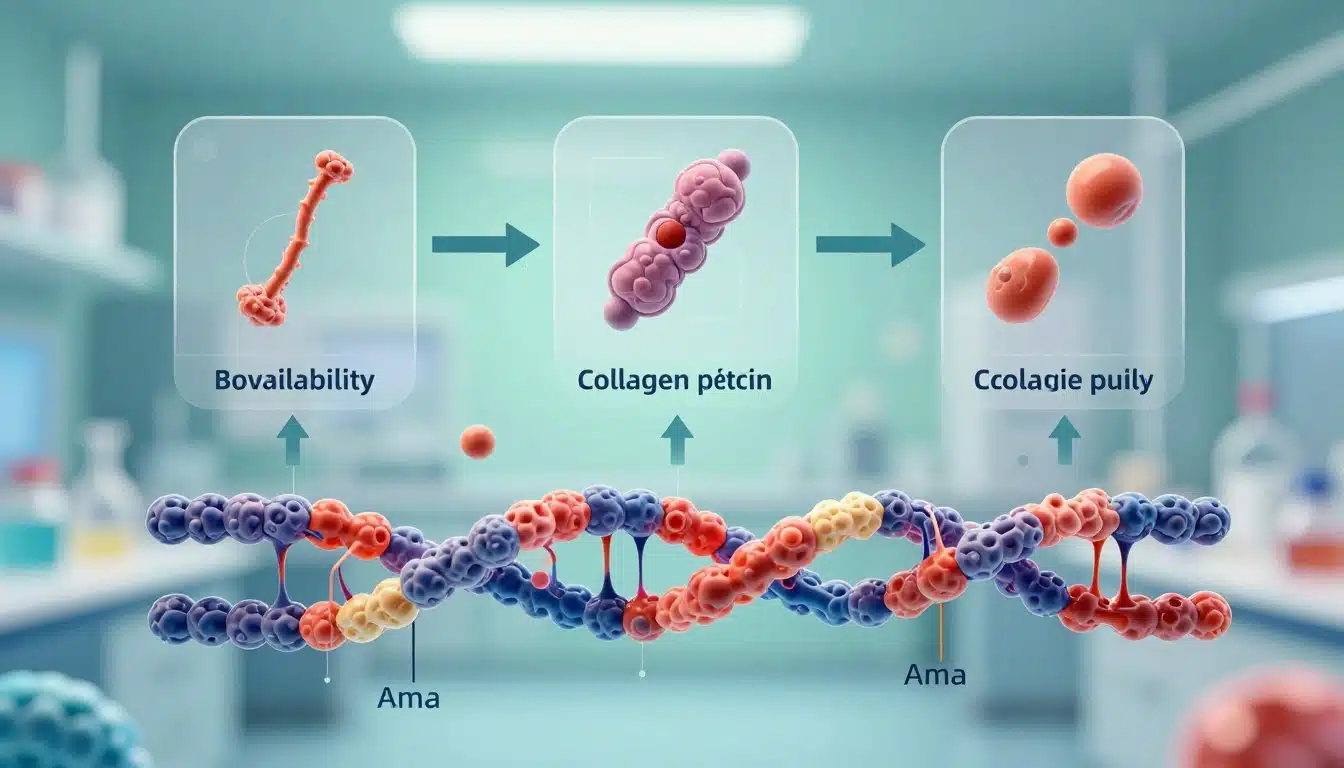
A visually appealing scientific illustration depicting the molecular structure of collagen peptides in vibrant colors. In the foreground, a stylized collagen molecule is rendered in 3D, showcasing its triple helix structure with intricate details and labels highlighting amino acids. The middle ground features transparent, floating diagrams representing bioavailability pathways, demonstrating how collagen peptides are absorbed in the body, interspersed with elegant arrows indicating movement. The background is softly blurred with a gradient of soothing blues and greens, simulating a lab environment with gentle laboratory lighting that casts a soft glow over the elements. The overall mood is informative and inspiring, encapsulating the essence of scientific discovery and health benefits. The composition should be balanced with an emphasis on clarity and understanding.

Hydrolyzed Collagen and Its Ease of Absorption

The process of hydrolysis is the key to creating effective supplements. During this manufacturing stage, large collagen molecules are broken down into smaller chains of amino acids known as peptides. This reduction in size is critical for several reasons:

  • Enhanced Solubility: Smaller peptides dissolve easily in liquids, making them convenient for daily consumption.
  • Improved Bioavailability: Smaller molecules pass through the intestinal wall into the bloodstream much faster than intact proteins.
  • Targeted Delivery: Once in the blood, these peptides are transported to tissues like skin, joints, and bones where they are needed most.

Because these peptides are already “pre-digested,” your body does not need to expend significant energy to break them down. This ensures that a higher percentage of the supplement reaches your target tissues. Efficiency is the hallmark of high-quality hydrolyzed collagen.

How Peptides Signal the Body to Produce More Collagen

Beyond simply providing the building blocks for tissue repair, these peptides act as signaling molecules. When they circulate through your system, they interact with specialized cells called fibroblasts. These cells are responsible for the natural production of collagen in your body.

The presence of these specific peptides tricks the body into thinking that existing collagen is being broken down. In response, the body initiates a repair cycle to synthesize new collagen fibers. This biological feedback loop is what makes supplementation so effective for long-term skin and joint health.

By consistently providing these signals, you encourage your body to maintain higher levels of structural proteins. This process helps counteract the natural decline that occurs as we age. It is not just about adding protein; it is about activating your body’s internal repair mechanisms.

Monitoring Your Progress Over Six Months

A six-month window provides the perfect timeframe to evaluate the true impact of your daily supplement routine. By tracking your collagen results timeline, you can distinguish between temporary placebo effects and genuine physiological changes. Consistent observation helps you understand how your body integrates these peptides into its natural repair processes.

The Cumulative Effect of Long-Term Supplementation

The benefits of collagen are rarely instantaneous, as the body requires time to synthesize new proteins. Over the first few months, you may notice subtle improvements in skin hydration and surface texture. As you reach the six-month mark, these changes often become more pronounced and stable.

This cumulative process relies on maintaining a steady supply of amino acids in your bloodstream. When you provide your system with these building blocks daily, your body can prioritize tissue repair in areas like joints and skin. Many users report that the most significant transformations occur after the 12-week threshold, continuing to improve through the half-year mark.

When to Re-evaluate Your Supplement Routine

If you have reached the six-month milestone without seeing the desired outcomes, it may be time to adjust your strategy. Start by reviewing your daily dosage to ensure you are meeting the recommended intake for your specific goals. Sometimes, a simple switch in the source of your collagen, such as moving from bovine to marine, can improve absorption rates.

You should also consider external factors that might be hindering your progress, such as high sugar intake or lack of vitamin C. If your routine remains stagnant, consult with a healthcare professional to determine if other nutritional gaps exist. Adjusting your approach based on your unique collagen results timeline ensures that you are getting the most value from your wellness investment.

TimeframeExpected FocusKey Observation
Month 1-2HydrationIncreased skin moisture
Month 3-4ElasticityReduced fine lines
Month 5-6Structural SupportImproved joint comfort

Potential Side Effects and Safety Considerations

While collagen supplements are generally considered safe for most healthy adults, it is important to approach any new dietary addition with awareness. Understanding how your body reacts to these proteins helps ensure a positive experience. Most users tolerate these supplements well, but minor issues can occasionally arise during the initial adjustment period.

Understanding Digestive Sensitivity to Supplements

Some individuals may experience mild digestive discomfort when they first begin taking collagen. This often manifests as a feeling of fullness, bloating, or a slight change in bowel habits. These symptoms are usually temporary as your system adapts to the increased protein intake.

To minimize these effects, start with a smaller dose than the recommended serving size. Gradually increasing your intake over several weeks allows your digestive tract to adjust comfortably. If you notice persistent discomfort, consider taking your supplement with a meal rather than on an empty stomach.

Quality Control and Sourcing Standards

The safety of your supplement depends heavily on the manufacturing process and the source of the ingredients. Because the supplement industry is not as strictly regulated as pharmaceuticals, you must prioritize third-party testing. Look for products that provide a Certificate of Analysis to verify purity and potency.

High-quality brands often disclose their sourcing methods, such as grass-fed bovine or wild-caught marine sources. Avoiding products with unnecessary fillers, artificial sweeteners, or heavy metal contaminants is essential for long-term safety. Always check the label for certifications from reputable organizations to ensure you are consuming a clean, reliable product. If you’re also considering a dedicated joint-support formula, our Joint Genesis Reviews 2026 breakdown examines the ingredients and quality standards of one popular option.

Safety FactorAction to TakeBenefit
Digestive ComfortStart with half-dosesReduces bloating risk
Product PurityCheck third-party labelsEnsures no contaminants
Ingredient SourceVerify origin transparencyConfirms ethical standards
Daily ConsistencyMonitor body reactionsHelps identify sensitivities

Integrating Collagen into Your Daily Wellness Routine

Transforming your daily habits into a powerful anti-aging ritual starts with simple, consistent steps. When you prioritize your health, you create a foundation for better collagen supplement results over time. By weaving these nutrients into your existing schedule, you ensure that your body receives the support it needs to thrive.

Best Times of Day to Take Collagen

Many people wonder if there is a perfect moment to consume their supplements. While consistency is more important than the exact hour, some users find that taking collagen on an empty stomach improves absorption. This allows the peptides to pass through the digestive system without competing with other proteins.

If you have a sensitive stomach, you might prefer taking your dose with a meal. Consider these tips for success:

  • Morning boost: Mix your powder into a smoothie or coffee to start your day with a protein kick.
  • Evening ritual: Stir collagen into herbal tea before bed to support overnight recovery.
  • Consistency check: Keep your supplement near your toothbrush or coffee maker to build a reliable habit.

Combining Collagen with Other Skincare Practices

True beauty comes from a holistic approach that addresses both internal and external needs. While your supplement works from the inside out, your topical skincare routine protects the surface of your skin. Pairing these methods often leads to faster, more noticeable collagen supplement results.

To maximize your efforts, consider these synergistic habits:

  • Hydration focus: Apply a high-quality moisturizer immediately after washing your face to lock in hydration.
  • Sun protection: Always wear SPF, as UV rays are the primary cause of collagen degradation.
  • Active ingredients: Use serums containing Vitamin C or retinol to complement the structural support provided by your supplements.

By aligning your internal nutrition with external care, you create a comprehensive strategy for long-term skin health. Remember that patience is key, as your collagen supplement results will become more apparent as you maintain these healthy daily practices.

Conclusion

Building a healthier version of yourself requires a steady commitment to your daily habits. Collagen supplementation serves as a powerful tool for supporting your skin and joints over time. You should view this process as a marathon rather than a quick sprint toward better health.

Brands like Vital Proteins or Ancient Nutrition provide high-quality options to support your body. Your dedication to a daily routine creates the foundation for lasting physical changes. Small, incremental improvements often lead to the most significant results in your overall vitality.

Patience remains your greatest asset while you wait for your body to process these nutrients. Keep track of how you feel and look as you move through your wellness journey. Your persistence will pay off as you notice the cumulative benefits of consistent care.

Stay focused on your long-term health objectives. Trust the biological process of repair and renewal. Your body will reward your consistency with improved resilience and comfort in the months ahead.

FAQ

How long is the typical collagen results timeline for noticeable changes?

The collagen results timeline varies depending on the specific health goal, but generally, you can expect to see initial improvements in skin hydration within 4 to 6 weeks. For more significant structural changes, such as a reduction in the appearance of fine lines or improved joint mobility, it typically takes 12 to 24 weeks of daily, consistent supplementation. Patience is key, as the body must first break down the peptides and redistribute them to the tissues that need repair.

When do you see collagen benefits for joint health compared to skin?

When considering when do you see collagen benefits, it is important to note that joint tissue tends to repair more slowly than the skin. While skin may look more radiant in a month, users looking for joint discomfort relief often need to maintain a routine for at least 3 to 6 months. High-quality supplements, such as those from Vital Proteins or Sports Research, provide the necessary amino acids to support cartilage density, but the biological process of strengthening connective tissue is gradual.

What should I track during my collagen before and after weeks?

To accurately measure your collagen before and after weeks, it is recommended to keep a wellness journal and take consistent, high-resolution photos in the same lighting every four weeks. Look for subtle shifts, such as increased nail strength, faster hair growth, and a smoother skin texture. Tracking these markers helps you stay motivated during the first two months when internal structural changes are happening beneath the surface of the epidermis.

How fast does collagen work for skin hydration and glow?

If you are wondering how fast does collagen work for skin moisture, the answer is often quite rapid. Because collagen peptides—especially when paired with Hyaluronic Acid—improve the moisture-holding capacity of the skin, many users report a “glow” and increased suppleness within the first 2 to 4 weeks. This is typically the first benefit noticed before the longer-term effects on skin elasticity and wrinkle depth become apparent.

Which factors can accelerate or hinder my collagen supplement results?

Your collagen supplement results are heavily influenced by lifestyle and nutrition. Vitamin C is a mandatory cofactor for collagen synthesis; without it, the body cannot effectively process the peptides. Conversely, factors like excessive sun exposure, smoking, and a high-sugar diet can cause glycation, which breaks down collagen fibers and slows your progress. Ensuring you use a third-party tested brand like Garden of Life helps ensure you are getting the purity required for optimal absorption.

Is there a difference in absorption between Marine and Bovine collagen?

Yes, Marine collagen (sourced from fish like those used by Nordic Naturals) is often considered to have superior bioavailability because its peptides are smaller, allowing for easier absorption into the bloodstream. Marine collagen is primarily Type I, which is excellent for skin. Bovine collagen contains both Type I and Type III, making it a versatile choice for overall body health, including gut and muscle support. The speed of your results may be slightly faster with Marine sources due to this higher absorption rate.

Why is daily consistency so important for the collagen timeline?

Collagen works through a cumulative effect. Missing doses disrupts the “signaling” process where ingested peptides tell your body to ramp up its own natural collagen production. To see the best collagen supplement results, you should aim for a daily dosage of 10g to 20g. Consistency ensures a steady supply of amino acids like proline and glycine, which are essential for maintaining the integrity of the extracellular matrix over time.

Can collagen supplements cause side effects or digestive issues?

While collagen is generally considered safe, some individuals may experience mild digestive sensitivity, such as bloating or a feeling of heaviness. This is often due to the protein load or the source of the collagen. To mitigate this, start with a half-dose and gradually increase to the full serving. Choosing hydrolyzed collagen peptides ensures the protein is already broken down into smaller pieces, making it much gentler on the stomach and easier to digest.

Does my age affect how long it takes to see results?

Yes, because the body’s natural collagen production begins to decline significantly after age 25, older individuals may notice more dramatic “before and after” changes, though the timeline to achieve those results might be slightly longer. Since the baseline levels of collagen are lower in older skin and joints, the body may take more time to replenish these systemic stores before the results become visible on the surface.

Related Posts

Can Ashwagandha Cause Weight Loss?
BLOG

Can Ashwagandha Cause Weight Loss?

July 23, 2026
Best High Fiber Foods for Pregnancy
BLOG

Best High Fiber Foods for Pregnancy for Healthy Moms

July 23, 2026
Food Sources of Tyrosine
BLOG

Food Sources of Tyrosine: Your Complete Guide to This Essential Amino Acid

July 23, 2026
Which Is the Best Tea for Weight Loss?
BLOG

Which Is the Best Tea for Weight Loss? Science-Backed Guide to 12 Effective Teas

July 22, 2026
Best Breakfast Cereals for Diabetics
BLOG

Best Breakfast Cereals for Diabetics: Smart Choices for Blood Sugar Control

July 22, 2026
Should Diabetics Eat Banana?
BLOG

Should Diabetics Eat Banana? A Complete Guide to Blood Sugar and Fruit

July 22, 2026
Natural Remedies for Nose Congestion
BLOG

Natural Remedies for Nose Congestion: Proven Solutions for Clear Breathing

July 22, 2026
freshly brewed green tea in transparent cup showing golden-green color with pH testing strip
BLOG

Is Green Tea Acidic? Understanding pH Levels and Health Implications

July 22, 2026
ProDentim Reviews: What Real Users Are Saying About This Oral Health Supplement
REVIEWS

ProDentim Reviews: What Real Users Are Saying About This Oral Health Supplement

July 24, 2026
How to Get Rid of Fat Neck
BLOG

How to Get Rid of Fat Neck: Complete Solutions Guide

July 22, 2026
Load More

Leave a Reply Cancel reply

Your email address will not be published. Required fields are marked *

I agree to the Terms & Conditions and Privacy Policy.

Our Mission

At HealthMagHub, our mission is to empower individuals and families to make informed health decisions by providing accurate, evidence-based, and easy-to-understand health information. We are committed to delivering high-quality content across a wide range of topics, including nutrition, fitness, weight management, men’s and women’s health, mental wellness, healthy aging, disease prevention, and in-depth health product reviews. Every article is carefully researched, fact-checked, and written with our readers’ well-being in mind. Our goal is to simplify complex health topics, promote healthier lifestyles, and build a trusted resource where people can confidently find reliable guidance, practical wellness tips, and the latest insights to support a healthier, happier life.

Can Ashwagandha Cause Weight Loss?
BLOG

Can Ashwagandha Cause Weight Loss?

by Jenna Castillo
July 23, 2026
0

Affiliate Disclosure: This article contains affiliate links. We may earn a commission from purchases made through these links at no...

Read moreDetails
Best High Fiber Foods for Pregnancy

Best High Fiber Foods for Pregnancy for Healthy Moms

July 23, 2026
Food Sources of Tyrosine

Food Sources of Tyrosine: Your Complete Guide to This Essential Amino Acid

July 23, 2026
Which Is the Best Tea for Weight Loss?

Which Is the Best Tea for Weight Loss? Science-Backed Guide to 12 Effective Teas

July 22, 2026
Best Breakfast Cereals for Diabetics

Best Breakfast Cereals for Diabetics: Smart Choices for Blood Sugar Control

July 22, 2026

Categories

  • BLOG
  • Brain Health
  • General Fitness
  • Hearing Health
  • Joint Health
  • Men's Health
  • Neuropathy Help
  • Oral Health
  • Prostate Health
  • REVIEWS
  • Skin Health
  • Toenail Fungus Help
  • Weight Loss
  • HOME
  • ABOUT
  • PRIVACY POLICY
  • Terms & Conditions
  • Affiliate Disclosure
  • Medical Disclaimer
  • Contact Us
  • SUBMIT YOUR REVIEW

© 2026 HealthMagHub. Trusted Health. Smarter Living. All Rights Reserved.

No Result
View All Result
  • HOME
  • BLOG
  • REVIEWS
  • TOOLS

© 2026 HealthMagHub. Trusted Health. Smarter Living. All Rights Reserved.

This website uses cookies. By continuing to use this website you are giving consent to cookies being used. Visit our Privacy and Cookie Policy.