The relationship between protein powder and bowel movements is more complex than a simple yes or no answer. Your digestive response depends on multiple factors including the type of protein you consume, your overall diet composition, and your body’s individual tolerance levels.
Understanding this connection helps you make informed decisions about protein supplementation. You can enjoy the benefits of increased protein intake while maintaining healthy digestive function and regular bowel habits.
The Science Behind Protein Powder and Digestive Issues
Protein supplements can affect your digestive system in several ways. The impact largely depends on how your body processes different protein types and what else you consume alongside your protein powder.
How Protein Affects Your Digestive System
When you increase protein intake significantly, your body must work harder to break down and absorb these nutrients. This process requires adequate water and fiber to move efficiently through your digestive tract.
High protein consumption can slow down intestinal transit time. Your gut needs more time to process protein molecules compared to simple carbohydrates, which may contribute to slower bowel movements.
Many people experience digestive issues when they dramatically increase protein without adjusting other dietary components. Your gut microbiome must adapt to this nutritional shift, which takes time.
Why Protein Powders May Trigger Constipation
Several mechanisms explain why protein powder might cause constipation in some individuals. Understanding these factors helps you prevent or address digestive discomfort effectively.
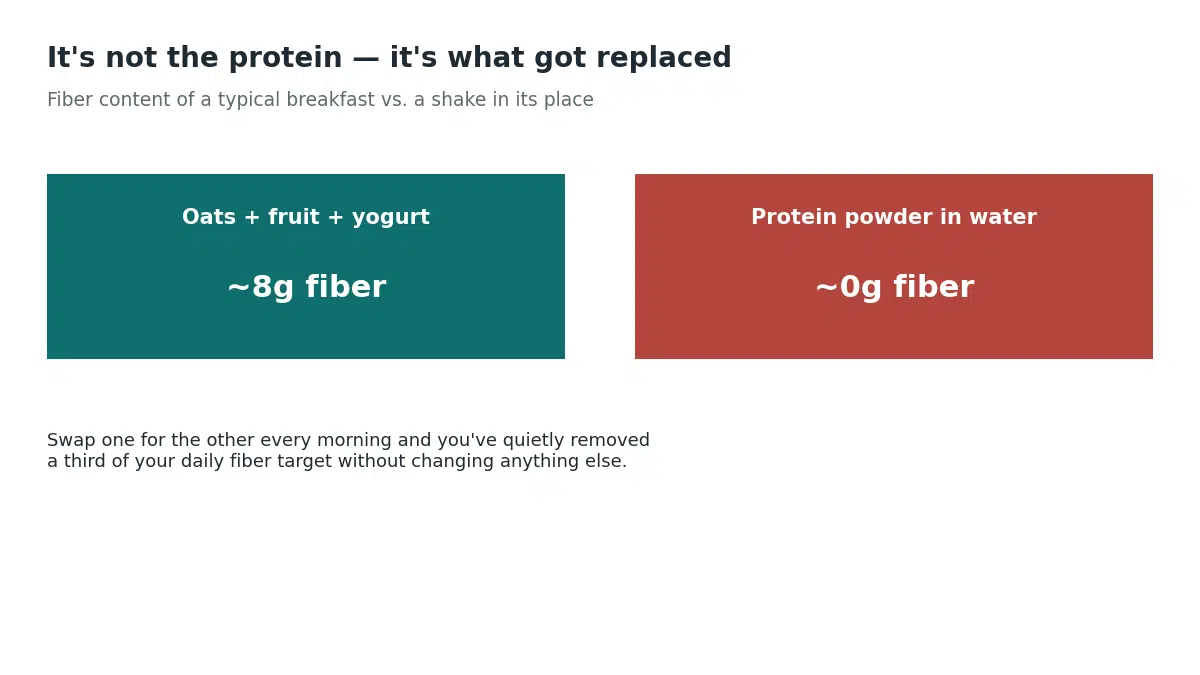
- Displacement of fiber-rich foods: When protein shakes replace whole meals, you miss out on essential dietary fiber that promotes regular bowel movements
- Inadequate fluid intake: Protein metabolism requires substantial water, and insufficient hydration leads to harder stools
- Rapid dietary changes: Suddenly adding large amounts of protein shocks your digestive system before it can adapt
- Low fiber content: Most protein powders contain minimal fiber unless specifically fortified
- Lactose sensitivity: Whey protein contains lactose that causes digestive issues in intolerant individuals
- Artificial ingredients: Some protein powders include additives that disrupt normal gut function
Important Note: Not everyone experiences constipation from protein powder. Individual responses vary based on gut health, diet composition, and the specific protein supplement consumed.
Different Protein Powders and Their Digestive Effects
The type of protein powder you choose significantly impacts your digestive experience. Each protein source has unique characteristics that affect how your body processes and responds to supplementation.
Whey Protein and Digestive Concerns
Whey protein ranks among the most popular protein supplements. This dairy-based protein digests quickly and provides excellent amino acid profiles for muscle recovery and growth.

However, whey contains lactose, which poses problems for people with lactose intolerance. Those individuals may experience bloating, gas, and constipation after consuming whey-based protein powders.
Whey protein isolate contains less lactose than whey concentrate. If you suspect lactose sensitivity contributes to your digestive issues, switching to isolate forms may help reduce symptoms.
Plant-Based Protein Alternatives
Plant protein powders offer dairy-free options for those seeking alternatives. Common sources include pea protein, hemp protein, rice protein, and soy protein.
These plant-based proteins typically contain more fiber than whey products. The additional fiber content often helps promote regular bowel movements rather than causing constipation.
- Pea protein: Generally well-tolerated with moderate fiber content
- Hemp protein: High in fiber and omega-3 fatty acids supporting gut health
- Brown rice protein: Hypoallergenic but lower in fiber
- Soy protein: Complete amino acid profile but may cause gas in some people
Some individuals find plant proteins easier to digest. However, others experience bloating from certain plant sources, particularly if they contain high amounts of oligosaccharides.
Collagen and Other Specialty Proteins
Collagen protein has gained popularity for skin and joint health benefits. This protein type generally causes fewer digestive issues compared to whey or plant proteins.
Egg white protein represents another alternative with excellent digestibility. Most people tolerate egg-based protein powders well unless they have specific egg allergies.
| Protein Type | Lactose Content | Fiber Level | Digestive Impact |
| Whey Concentrate | High | Very Low | May cause issues in lactose-intolerant individuals |
| Whey Isolate | Low | Very Low | Better tolerated than concentrate |
| Pea Protein | None | Moderate | Generally well-tolerated |
| Hemp Protein | None | High | Supports digestive health |
| Collagen | None | None | Minimal digestive effects |
Primary Causes of Constipation from Protein Powder
Understanding the specific mechanisms that link protein powder to constipation helps you address the root causes. Multiple factors work together to affect your digestive system and bowel regularity.
Insufficient Fiber Intake
Low fiber intake represents the most common cause of protein-related constipation. When protein shakes replace whole food meals, your daily fiber consumption often drops significantly.

Your digestive system needs adequate fiber to maintain healthy bowel movements. Fiber adds bulk to stool and helps move waste through your intestinal tract efficiently.
Most adults need 25-35 grams of fiber daily. Yet the average American consumes only about 15 grams per day, creating a significant deficit that worsens when protein powder displaces fiber-rich foods.
Dehydration and Water Balance
Protein metabolism requires substantial water. Your body needs extra fluid to process protein and eliminate nitrogen waste products through urine.
When you increase protein intake without increasing water consumption, your body pulls moisture from your colon. This leads to harder, drier stools that are difficult to pass.
Many people don’t realize they need more water when consuming protein supplements. This oversight contributes significantly to protein powder digestive issues and constipation symptoms.
Gut Microbiome Disruption
Your gut microbiome contains trillions of bacteria that help digest food and maintain intestinal health. Sudden dietary changes can disrupt this delicate bacterial balance.
High protein diets may alter the composition of gut bacteria. Some studies suggest that excessive protein intake reduces beneficial bacteria while increasing potentially harmful species.
This microbial shift can affect bowel regularity and overall digestive comfort. Your gut needs time to adjust to new protein sources and amounts.
Food Displacement and Nutritional Imbalance
Protein shakes often replace complete meals containing diverse nutrients. This displacement creates nutritional gaps that extend beyond just fiber deficiency.
Whole foods provide vitamins, minerals, and phytonutrients that support digestive health. When protein powder becomes a meal replacement, you miss these essential compounds that help maintain regular bowel function.
Additionally, consuming too much protein relative to other macronutrients can create metabolic stress. Your body functions best with balanced nutrition rather than extreme emphasis on any single nutrient.
Proven Ways to Prevent Protein Powder Constipation
You can enjoy the benefits of protein supplementation while maintaining healthy digestion. Strategic adjustments to your diet and habits prevent constipation and support overall gut health.
Optimize Your Fiber Intake
Increasing fiber intake represents the most effective strategy for preventing protein-related constipation. Aim to consume fiber-rich foods throughout your day alongside protein supplements.

Include both soluble and insoluble fiber sources in your diet. Soluble fiber dissolves in water and forms a gel-like substance, while insoluble fiber adds bulk to stool.
Soluble Fiber Sources
These foods dissolve in water and help soften stools for easier passage through your digestive system.
- Oats and oatmeal
- Beans and legumes
- Apples and citrus fruits
- Carrots and sweet potatoes
Insoluble Fiber Sources
These foods add bulk to stool and speed up movement through your intestinal tract.
- Whole grain breads and cereals
- Wheat bran and brown rice
- Nuts and seeds
- Green leafy vegetables
High-Fiber Fruits
Fresh fruits provide fiber along with vitamins and natural sugars that support energy and digestion.
- Berries (raspberries, blackberries)
- Pears with skin
- Prunes and dried figs
- Avocados
Fiber-Rich Vegetables
Vegetables offer substantial fiber content with minimal calories, supporting both digestion and weight management.
- Broccoli and Brussels sprouts
- Artichokes
- Dark leafy greens
- Cauliflower and cabbage
Maintain Proper Hydration
Adequate water intake is crucial when consuming protein supplements. Your body requires extra fluid to process protein and maintain soft, easily passed stools.
Aim for at least 8-10 glasses of water daily when using protein powder regularly. Increase this amount if you exercise heavily or live in hot climates.
- Drink a full glass of water with each protein shake
- Carry a water bottle throughout the day
- Monitor urine color – pale yellow indicates good hydration
- Consume water-rich foods like cucumbers and watermelon
- Limit dehydrating beverages like coffee and alcohol
Gradual Protein Increase
Allow your digestive system time to adapt when starting protein supplementation. Sudden large increases in protein shock your gut and often trigger digestive problems.
Start with small amounts of protein powder and gradually increase over 2-3 weeks. This gentle approach gives your gut microbiome time to adjust to new protein sources.
Begin with half servings and monitor your digestive response. If you tolerate the initial amount well, slowly increase to your target protein intake level.
Choose High-Quality Protein Sources
Select protein powders with minimal artificial ingredients and additives. Many commercial products contain thickeners, sweeteners, and fillers that can disrupt digestion.
Look for protein supplements that include digestive enzymes. These added enzymes help break down protein more efficiently and reduce digestive stress.
Consider trying different protein types to find what your body tolerates best. What works well for one person may cause issues for another based on individual digestive capabilities.
Time Your Protein Consumption
Spreading protein intake throughout the day rather than consuming large amounts at once helps maintain digestive comfort. Your body can only process limited protein quantities at one time.
Avoid drinking protein shakes on an empty stomach if they cause discomfort. Consuming protein powder with or after meals often improves tolerance and reduces digestive issues.
Consider your overall daily protein distribution. Aim for 20-30 grams per meal rather than concentrating protein intake at one or two meals.
Diet Adjustments to Support Healthy Digestion with Protein Powder
Strategic dietary modifications work synergistically with protein supplementation. These adjustments support regular bowel movements while allowing you to meet your protein goals.
Balance Your Macronutrients
Maintaining appropriate ratios of protein, carbohydrates, and fats supports optimal digestive function. Extreme imbalances in any direction can trigger digestive problems.
Don’t let protein completely crowd out other macronutrients. Your diet should include adequate healthy fats and complex carbohydrates that provide fiber and support gut health.
| Dietary Goal | Protein Range | Carbohydrate Range | Fat Range |
| General Health | 20-30% | 45-55% | 20-30% |
| Muscle Building | 25-35% | 40-50% | 20-25% |
| Weight Loss | 30-40% | 30-40% | 25-30% |
Incorporate Probiotic Foods
Probiotic-rich foods support healthy gut bacteria that aid digestion. These beneficial microorganisms help process protein and maintain regular bowel function.
Include fermented foods in your daily diet to strengthen your gut microbiome. These foods naturally contain billions of beneficial bacteria that support digestive health.
- Plain yogurt: Contains live cultures that aid protein digestion
- Kefir: Provides more bacterial strains than yogurt
- Sauerkraut: Fermented cabbage rich in probiotics
- Kimchi: Spicy Korean fermented vegetables
- Kombucha: Fermented tea with beneficial bacteria
- Miso: Fermented soybean paste with digestive benefits
Add Digestive Enzyme Support
Digestive enzymes help break down protein into amino acids your body can absorb. Some protein powders include these enzymes, or you can take them separately.
Natural enzyme sources include pineapple (bromelain) and papaya (papain). These fruits contain compounds that specifically help digest protein and reduce digestive stress.
Consider enzyme supplements if you consistently experience digestive discomfort with protein powder. Protease enzymes specifically target protein breakdown and may alleviate symptoms.
Emphasize Whole Food Protein Sources
Supplement protein powder with whole food protein sources rather than relying solely on supplements. Whole foods provide complete nutrition packages that support overall health.
Lean meats, fish, eggs, legumes, and dairy products offer protein along with essential nutrients. These foods contain natural compounds that facilitate digestion and nutrient absorption.
Use protein powder to complement your diet rather than replace whole food meals. This balanced approach prevents nutritional deficiencies while meeting protein requirements.
Lifestyle Habits That Support Digestive Health
Beyond dietary adjustments, several lifestyle factors significantly influence how your body responds to protein supplementation. These habits work together to promote regular bowel function.
Regular Physical Activity
Physical activity stimulates intestinal contractions that move waste through your digestive system. Exercise represents one of the most effective natural remedies for constipation.
Aim for at least 30 minutes of moderate exercise most days of the week. Activities like walking, jogging, swimming, or cycling all support healthy digestion and bowel regularity.
Even gentle movement helps. If intense exercise isn’t possible, simple activities like walking after meals can stimulate digestive function and prevent constipation.
Establish Consistent Meal Timing
Your digestive system thrives on routine. Eating meals and consuming protein powder at consistent times each day helps regulate bowel movements.
Don’t skip meals or drastically vary your eating schedule. Regular meal patterns support your body’s natural digestive rhythms and promote predictable bathroom habits.
Consider consuming your protein shake at the same time daily. This consistency helps your body anticipate and prepare for protein digestion.
Manage Stress Levels
Chronic stress significantly impacts digestive function. Your gut contains an extensive nervous system that responds directly to psychological stress.
High stress levels can slow digestion and contribute to constipation. Practice stress management techniques like meditation, deep breathing, or yoga to support gut health.
The gut-brain connection means that reducing stress often improves digestive symptoms. Prioritize mental wellness as part of your overall digestive health strategy.
Get Adequate Sleep
Quality sleep supports healthy digestion and regular bowel function. Your body performs important digestive processes during rest periods.
Aim for 7-9 hours of sleep nightly. Poor sleep quality or insufficient rest can disrupt digestive rhythms and contribute to constipation.
Maintain consistent sleep schedules to support your body’s circadian rhythms. This regularity extends to digestive function and bowel movement patterns.
When to Consult Healthcare Professionals
While occasional digestive discomfort is common when adjusting to protein supplementation, certain symptoms warrant professional medical attention.
Warning Signs Requiring Medical Evaluation
Some digestive issues indicate problems beyond simple protein intolerance. Recognize these warning signs that suggest you should consult a healthcare provider.
- Severe abdominal pain: Sharp or persistent pain beyond mild discomfort
- Blood in stool: Any visible blood requires immediate medical attention
- Unexplained weight loss: Losing weight without dietary changes
- Chronic constipation: No bowel movements for more than three days
- Persistent bloating: Severe distension that doesn’t resolve
- Nausea and vomiting: Regular occurrence with protein consumption
Don’t ignore persistent digestive problems. What seems like simple protein intolerance might indicate underlying conditions like irritable bowel syndrome, food allergies, or other gastrointestinal disorders.
Professional Nutritional Guidance
Working with registered dietitians or nutritionists helps optimize your protein strategy. These professionals can design personalized plans that meet your nutritional goals while maintaining digestive comfort.
A nutrition specialist can analyze your complete diet and identify specific factors contributing to constipation. They provide evidence-based recommendations tailored to your individual needs and health status.
Consider professional guidance if you’ve tried multiple adjustments without improvement. Expert support often identifies issues that aren’t obvious through self-assessment alone.
Special Populations and Protein Powder Use
Certain groups face unique considerations when using protein supplements. Understanding these special circumstances helps prevent digestive issues in vulnerable populations.
Athletes and High-Protein Requirements
Athletes often consume substantially more protein than average individuals. This increased intake requires careful attention to fiber, hydration, and overall dietary balance.
Endurance athletes and bodybuilders may need 1.6-2.2 grams of protein per kilogram of body weight. Meeting these goals through protein powder alone often leads to digestive problems.
Combine protein supplements with whole food sources to maintain nutritional diversity. This approach provides necessary protein while delivering fiber and micronutrients that support gut health.
Older Adults and Digestive Function
Aging naturally slows digestive processes. Older adults often experience reduced stomach acid production and slower intestinal transit times.
Senior citizens using protein powder should pay extra attention to hydration and fiber intake. Age-related changes in gut function increase susceptibility to protein-related constipation.
Smaller, more frequent protein doses often work better than large single servings for older adults. This distribution pattern reduces digestive stress while meeting protein requirements.
Pregnancy and Postpartum Periods
Pregnant and postpartum women have increased protein needs but also commonly experience constipation due to hormonal changes. Adding protein powder requires careful consideration.
Choose protein sources that include digestive support and emphasize gentle, easily tolerated options. Consult with prenatal healthcare providers before starting new supplements during pregnancy.
Postpartum recovery benefits from adequate protein, but new mothers should prioritize whole food sources complemented by moderate protein powder use.
What Research Says About Protein and Digestive Health
Scientific studies provide valuable insights into how protein intake affects digestive function. Understanding this research helps you make evidence-based decisions about supplementation.
Clinical Evidence on High-Protein Diets
Research indicates that high-protein diets can affect bowel movement frequency, though individual responses vary significantly. Some studies show increased constipation risk, while others find minimal effects.
A study published in the American Journal of Clinical Nutrition found that protein intake above 35% of total calories sometimes correlates with reduced bowel movement frequency. However, this effect depends heavily on fiber and water consumption.
Research from Harvard Medical School suggests that dietary protein source matters more than total amount. Animal proteins may have different digestive effects compared to plant-based protein sources.
Gut Microbiome Research Findings
Emerging research explores how protein supplementation affects gut bacterial composition. High protein intake may alter the ratio of beneficial to potentially harmful gut bacteria.
Studies show that excessive protein consumption can reduce populations of bacteria that ferment fiber into beneficial short-chain fatty acids. These compounds play crucial roles in colon health and regular bowel function.
However, research also demonstrates that adequate fiber intake alongside increased protein can maintain healthy gut microbiome diversity. The key lies in balanced nutrition rather than protein restriction.
For more information on protein’s effects on digestive health, visit the Harvard Medical School Nutrition Resource.
Practical Daily Strategies for Digestive Comfort
Implementing simple daily habits creates a foundation for comfortable protein supplementation. These practical strategies address common causes of protein-related constipation.
Morning Routine Optimization
Start your day with digestive-friendly habits that set a positive tone. Morning choices significantly influence how your body processes protein throughout the day.
- Drink a large glass of water upon waking to jumpstart digestion
- Consume fiber-rich breakfast foods like oatmeal or whole grains
- Add ground flaxseed or chia seeds to morning meals for extra fiber
- Include probiotic yogurt with your breakfast routine
- Take a morning walk to stimulate digestive function
Smart Protein Shake Preparation
How you prepare protein shakes affects their digestive impact. Simple modifications can dramatically improve tolerance and prevent constipation.
Blend protein powder with high-fiber ingredients like spinach, berries, or oats. These additions boost fiber content while improving nutritional value and taste.
Use adequate liquid in your shakes. Thicker isn’t always better – sufficient liquid helps protein move through your digestive system more easily.
- Add 1-2 tablespoons of ground flaxseed or chia seeds
- Include a handful of fresh or frozen fruits
- Blend in leafy greens like spinach or kale
- Use plant-based milk for additional nutrients
- Include a tablespoon of nut butter for healthy fats
Timing and Meal Spacing
Strategic timing of protein consumption optimizes digestion. Avoid consuming large amounts of protein too close together.
Space protein shakes at least 3-4 hours apart from other high-protein meals. This distribution allows your digestive system adequate time to process each protein dose.
Don’t consume protein powder right before bed unless necessary. Late-night protein consumption can disrupt sleep and slow overnight digestion.
Hydration Tracking Methods
Monitoring your water intake ensures you meet increased hydration needs from protein supplementation. Use practical tracking methods that fit your lifestyle.
- Fill a large water bottle in the morning and finish by evening
- Set hourly phone reminders to drink water
- Use hydration tracking apps for accountability
- Drink a glass of water before and after each meal
- Keep water bottles in convenient locations throughout your space
Choosing the Right Protein Powder for Your Digestive System
Selecting appropriate protein supplements dramatically affects your digestive experience. Understanding label information and quality indicators helps you make informed purchasing decisions.
Reading Protein Powder Labels
Product labels reveal crucial information about digestibility and potential constipation risks. Learn to identify red flags and positive indicators.

Check the ingredient list length and complexity. Products with long lists of artificial ingredients often cause more digestive issues than simple, clean formulations.
Look for added fiber content in the nutritional panel. Some protein powders include prebiotic fiber or other digestive support ingredients that help prevent constipation.
Positive Label Indicators
- Added digestive enzymes (protease, amylase)
- Prebiotic or fiber inclusion
- Minimal artificial ingredients
- Third-party testing certification
- Probiotic strains listed
- Clean protein source identification
Warning Signs to Avoid
- Excessive artificial sweeteners
- Long lists of unknown additives
- Proprietary blends hiding ingredients
- High sugar content
- Multiple thickening agents
- Lack of third-party verification
Quality Certifications and Standards
Third-party certifications indicate higher quality standards and better manufacturing practices. These certifications often correlate with better digestive tolerance.
Look for certifications like NSF Certified for Sport, Informed Choice, or USP Verified. These programs test products for purity, quality, and accurate labeling.
Organic certifications ensure protein sources come from animals or plants raised without synthetic pesticides or hormones. These cleaner sources may reduce digestive irritation.
Protein Concentration and Purity
Higher protein concentration per serving generally indicates fewer fillers and additives. Pure protein isolates typically cause fewer digestive issues than lower-grade concentrates.
Compare protein content per serving across different products. Quality protein powders typically provide 20-30 grams of protein per serving with minimal additional ingredients.
Consider trying sample sizes before purchasing large containers. This approach lets you test digestive tolerance without significant financial investment.
Creating Your Personalized Digestive Health Plan
Combining multiple strategies creates a comprehensive approach to preventing protein-related constipation. Your individualized plan should address your specific needs and circumstances.
Step-by-Step Implementation Guide
Follow this systematic approach to optimize protein supplementation while maintaining digestive comfort. Gradual implementation ensures sustainable habit formation.
- Assess your baseline: Track current protein intake, fiber consumption, water intake, and bowel movement frequency for one week
- Identify gaps: Compare your current habits against recommended guidelines to pinpoint specific areas needing improvement
- Set realistic goals: Establish achievable targets for protein intake, fiber consumption, and hydration based on your body weight and activity level
- Choose appropriate protein: Select a protein powder type that matches your dietary needs and digestive sensitivities
- Start gradually: Begin with small protein powder amounts and slowly increase over 2-3 weeks while monitoring digestive response
- Boost fiber simultaneously: Increase fiber intake gradually alongside protein to prevent digestive shock
- Monitor and adjust: Track symptoms and bowel movements, making adjustments as needed based on your body’s feedback
- Maintain consistency: Stick with successful strategies for at least 4-6 weeks before making major changes
Tracking Your Progress
Regular monitoring helps you identify patterns and optimize your approach. Keep a simple log of key metrics related to protein intake and digestive function.
Record daily protein intake, fiber consumption, water intake, and bowel movement quality. This data reveals connections between your habits and digestive outcomes.
Note any digestive discomfort, bloating, or constipation episodes. Include details about what you ate and when to identify specific triggers.
Making Sustainable Adjustments
Long-term success requires sustainable habits rather than extreme temporary measures. Focus on gradual improvements you can maintain indefinitely.
Don’t try to change everything at once. Select 2-3 priority areas and master those before adding new strategies.
Be patient with your digestive system. Meaningful improvements typically take several weeks as your gut adapts to new dietary patterns.
Frequently Asked Questions About Protein Powder and Constipation
Can protein powder directly cause constipation?
Protein powder itself doesn’t directly cause constipation, but it can contribute to digestive issues when consumed without adequate fiber and water. The problem typically arises when protein shakes replace whole food meals that would normally provide fiber, or when protein intake increases without corresponding increases in hydration. Most constipation issues stem from these dietary imbalances rather than protein powder being inherently constipating.
How much water should I drink with protein powder?
Drink at least 8-10 ounces of water with each protein shake, and increase your total daily water intake by 2-3 glasses when regularly using protein supplements. Your body needs extra fluid to metabolize protein and eliminate nitrogen waste products. A good rule is to consume an additional 8 ounces of water for every 25 grams of protein powder consumed beyond your normal dietary protein intake.
Which type of protein powder is least likely to cause constipation?
Plant-based protein powders, particularly hemp and pea protein, generally cause less constipation because they contain more natural fiber than whey products. Hemp protein stands out with approximately 7-8 grams of fiber per serving. If you prefer whey protein, choose whey isolate over concentrate, as it contains less lactose and may be easier to digest for those with dairy sensitivities.
How much fiber do I need when taking protein powder daily?
Aim for at least 25-35 grams of fiber daily when regularly consuming protein powder. If you’re using protein shakes as meal replacements, pay extra attention to fiber intake since you’re losing the fiber those whole food meals would have provided. Consider adding 1-2 tablespoons of ground flaxseed or chia seeds to your protein shakes to boost fiber content by 3-5 grams per serving.
Can I take fiber supplements with protein powder?
Yes, fiber supplements can help prevent protein-related constipation, but whole food fiber sources are preferable. If you choose supplements, psyllium husk, inulin, or methylcellulose work well. Take fiber supplements at different times from your protein powder – separated by at least 2 hours – to avoid potential interference with protein absorption. Always increase your water intake when adding fiber supplements.
How long does it take for constipation from protein powder to resolve?
Most people experience relief within 2-5 days of addressing the underlying causes – increasing fiber and water intake, reducing protein powder amounts, or switching protein types. If constipation persists beyond one week despite these changes, consult a healthcare provider. Chronic constipation lasting more than two weeks requires medical evaluation to rule out other conditions.
Should I stop taking protein powder if I experience constipation?
Don’t immediately stop protein powder – instead, try adjustments first. Reduce your serving size by half, increase water and fiber intake significantly, and monitor your response for 3-5 days. Many people resolve constipation through these simple modifications without eliminating protein supplements. If symptoms persist despite adjustments, temporarily discontinue use and consult a healthcare professional.
Does whey protein cause more constipation than other types?
Whey protein may cause more digestive issues in lactose-intolerant individuals, but it’s not inherently more constipating than other protein types for people who tolerate dairy well. The constipation risk depends more on total protein intake relative to fiber and water consumption. Whey protein concentrate contains more lactose than isolate, so switching to isolate may help if you suspect lactose sensitivity.
Can I prevent constipation by mixing protein powder with certain foods?
Yes, blending protein powder with high-fiber foods helps prevent constipation. Add fresh or frozen berries, spinach, oats, ground flaxseed, chia seeds, or avocado to your protein shakes. These ingredients boost fiber content while adding valuable nutrients. A shake containing protein powder plus one cup of berries and one tablespoon of chia seeds provides an additional 10-12 grams of fiber.
How does protein powder affect gut bacteria?
High protein intake can alter gut microbiome composition, potentially reducing beneficial bacteria that ferment fiber. This microbial shift may contribute to constipation. Combat this by consuming probiotic-rich foods like yogurt, kefir, or fermented vegetables alongside protein supplements. Prebiotic fibers from foods like garlic, onions, and bananas feed beneficial gut bacteria and help maintain healthy microbial balance.
Is constipation from protein powder a sign of too much protein?
Not necessarily. Constipation often indicates inadequate fiber and water rather than excessive protein. However, consuming more than 2 grams of protein per kilogram of body weight daily may stress your digestive system. Most people experience optimal results with 1.6-2.0 grams per kilogram for muscle building or 0.8-1.2 grams per kilogram for general health, combined with adequate fiber and hydration.
Can digestive enzymes help prevent protein powder constipation?
Digestive enzymes, particularly protease enzymes that break down protein, may help reduce digestive stress and prevent constipation for some individuals. Look for protein powders that include added enzymes, or take enzyme supplements separately. Natural enzyme sources include pineapple and papaya. However, enzymes address protein breakdown, not fiber deficiency, so they work best combined with adequate fiber and water intake.
Does the timing of protein powder consumption affect constipation?
Timing affects digestion but doesn’t directly cause or prevent constipation. Consuming protein powder with meals often improves digestive comfort compared to drinking shakes on an empty stomach. Avoid taking large protein doses late at night, as this may slow overnight digestion. Spread protein intake throughout the day rather than concentrating it in one or two large doses for optimal digestive function.
Are there protein powders specifically designed to prevent constipation?
Some protein powders include added fiber, prebiotics, probiotics, or digestive enzymes specifically to support digestive health. Look for products labeled as “digestive support” or “gut health” formulas. These typically contain 3-5 grams of added fiber per serving plus beneficial ingredients like inulin or probiotic strains. However, you can achieve similar benefits by adding fiber-rich ingredients to regular protein powder.
Can exercise help prevent protein powder constipation?
Yes, regular physical activity stimulates intestinal contractions and helps prevent constipation regardless of protein intake. Aim for at least 30 minutes of moderate exercise most days. Even gentle activities like walking promote healthy bowel function. Exercise works synergistically with adequate fiber and water intake to maintain regular digestive function when consuming protein supplements.
Should I avoid protein powder if I have a history of digestive issues?
Having a history of digestive issues doesn’t mean you must avoid protein powder completely, but it requires extra caution. Start with very small amounts (half servings) and choose easily digestible options like egg white protein or hydrolyzed whey. Work with a healthcare provider or dietitian to develop a plan that meets your protein needs while managing your digestive sensitivity. Monitor your response carefully and make adjustments as needed.
Taking Control of Your Digestive Health with Protein Supplementation
The question “will protein powder cause constipation” doesn’t have a simple yes or no answer. Your digestive response depends on multiple interconnected factors including protein type, fiber intake, hydration levels, and overall dietary balance.
Most constipation issues related to protein powder stem from inadequate fiber consumption and insufficient water intake rather than protein itself being problematic. When you address these underlying causes through strategic dietary adjustments, you can successfully use protein supplements while maintaining comfortable digestion.

Remember that gradual implementation works better than dramatic overnight changes. Give your gut time to adapt to increased protein intake by starting with small amounts and slowly building to your target level over several weeks.
Choose high-quality protein sources that match your digestive tolerance. Experiment with different protein types to identify what works best for your body, and don’t hesitate to seek professional guidance if digestive issues persist.
Your protein supplementation strategy should support your overall health goals rather than creating new problems. By combining protein powder with adequate fiber, proper hydration, regular physical activity, and balanced nutrition, you create a sustainable approach that delivers the benefits of protein supplementation without digestive discomfort.
Listen to your body’s signals and make adjustments as needed. What works perfectly for someone else may need modification for your unique digestive system. The key lies in finding your personal balance point where you meet protein goals while maintaining comfortable, regular bowel movements.
For additional information on digestive health and nutrition, visit the Mayo Clinic Nutrition Resources.
Medical Disclaimer: This article provides general information about protein supplementation and digestive health. It is not intended as medical advice and should not replace consultation with qualified healthcare professionals. Individual responses to protein supplements vary significantly. Always consult your doctor, registered dietitian, or other qualified healthcare provider before starting new supplements, especially if you have existing digestive conditions, food allergies, or other health concerns. If you experience severe or persistent digestive symptoms, seek immediate medical attention. The information presented here represents general guidelines and may not apply to your specific situation.