
healthmaghub
  • HOME
  • BLOG
  • REVIEWS
  • TOOLS
No Result
View All Result
  • HOME
  • BLOG
  • REVIEWS
  • TOOLS
No Result
View All Result
HealthNews
No Result
View All Result

Best High Fiber Foods for Pregnancy for Healthy Moms

by Owen Bradley
July 23, 2026
Reading Time: 16 mins read
0

Embarking on the journey of motherhood is both thrilling and challenging. During this transformative time, the importance of nutrition cannot be overstated. Many expectant mothers face digestive discomfort, making it crucial to understand how dietary choices can alleviate these issues. Incorporating high fiber options into your meals can be a game-changer, providing natural relief and supporting overall health.

This article will delve into the causes of constipation often experienced during this period. We will explore the types of fiber, recommended daily intake, and a comprehensive list of the best options available. You’ll discover practical meal planning tips and lifestyle recommendations tailored to pregnant women.

Additionally, we’ll highlight the significance of consulting healthcare providers before making significant dietary changes. By understanding both soluble and insoluble sources, you can empower yourself with knowledge that supports your digestive system. Join us as we navigate the top categories of fruits, vegetables, whole grains, and more to ensure a smooth and healthy pregnancy journey.

Key Takeaways

  • Understanding the role of nutrition is vital during pregnancy.
  • High fiber options can alleviate digestive discomfort.
  • Consulting healthcare providers is essential before dietary changes.
  • Both soluble and insoluble fibers play important roles.
  • Meal planning can simplify incorporating these foods into your diet.

Understanding High Fiber Foods for Pregnancy

Navigating the path of motherhood requires understanding the importance of nutrition. One key component of a healthy diet is dietary fiber. This term refers to plant-based carbohydrates that the body cannot fully digest. As dietary fiber moves through your body intact, it aids in managing and passing waste effectively.

There are two main types of fiber: soluble and insoluble. Each type plays a distinct role in promoting digestive health during this crucial time. Insoluble fiber does not dissolve in water and is not broken down by the body. Instead, it absorbs water as it travels through the digestive system, reaching the large intestine. Here, it adds bulk to stools, making them easier to pass.

On the other hand, soluble fiber dissolves in water to form a gel-like substance. This slows digestion, helping you feel fuller for a longer period. Additionally, soluble fiber absorbs fluid, softening stools and facilitating their movement through the bowel.

Understanding why fiber matters during this time is essential. It helps prevent constipation, a common discomfort among expectant mothers. Moreover, adequate fiber intake supports healthy blood sugar levels, which is particularly important for those at risk for gestational diabetes.

Incorporating fiber-rich options into your meals also provides essential vitamins and minerals that support both fetal development and maternal health. A high-fiber diet can help keep cholesterol levels in check and reduce the risk of complications like preeclampsia.

Furthermore, fiber promotes a healthy gut microbiome, which plays a significant role in immune function and overall wellness during pregnancy. Recognizing the role of fiber is the first step toward building a diet that supports both mom and baby throughout this transformative journey.

Why Constipation is Common During Pregnancy

Pregnancy often introduces new physical sensations, including issues related to bowel movements. Many women experience constipation during this time. Research indicates that approximately 35-39% of women face this issue in the first and second trimesters, while the rate drops to 17-20% in the third trimester.

One major factor contributing to constipation is hormonal changes. Higher levels of progesterone relax smooth muscle tissue throughout the body, including the digestive tract. This relaxation slows down bowel movements significantly, making it more challenging for stools to pass.

Additionally, as the uterus expands, it exerts pressure on the intestines. This pressure can hinder the digestive system’s ability to function efficiently, leading to further complications with bowel movements.

Physical activity also plays a crucial role. Many expectant mothers find themselves less active due to fatigue or discomfort, which can contribute to sluggish bowel function. Furthermore, food aversions and changes in appetite may result in insufficient fiber intake, exacerbating digestive issues.

Iron supplements and prenatal vitamins are essential during pregnancy, but they can lead to constipation as a side effect. Medications for heartburn, commonly used during this time, can also contribute to the problem.

Common symptoms of constipation include:

  • Three or fewer bowel movements weekly
  • Painful or difficult bowel movements
  • Hard or dry stools
  • Excessive straining during bowel movements

Understanding these causes helps pregnant women take targeted steps to alleviate constipation through diet and lifestyle adjustments. While constipation can be uncomfortable, it does not harm the baby. However, addressing it can prevent complications like hemorrhoids.

Types of Fiber: Soluble vs Insoluble

Understanding the different types of dietary fiber is essential for supporting digestive health during pregnancy. Fiber comes in two main forms: soluble and insoluble. Both types play a vital role in maintaining a healthy digestive system.

Characteristics and Benefits of Soluble Fiber

Soluble fiber dissolves in water, forming a gel-like substance. This characteristic helps to slow digestion, which can be beneficial for blood sugar control and cholesterol management. By drawing more water to the stool, soluble fiber makes it easier to pass. Common sources include:

  • Oats
  • Beans
  • Apples
  • Citrus fruits
  • Barley
  • Brussels sprouts
  • Eggplant
  • Peas

Characteristics and Benefits of Insoluble Fiber

In contrast, insoluble fiber does not dissolve in water. Instead, it adds bulk to the stool, which helps food move more quickly through the digestive system. This type of fiber is crucial for promoting regularity and reducing the likelihood of constipation. Key sources include:

  • Whole wheat flour
  • Root vegetables like potatoes and carrots
  • Cauliflower
  • Nuts
  • Beans

How Both Types Support Digestive Health in Pregnancy

Both soluble and insoluble fibers work together to enhance digestive health. Soluble fiber softens stools, while insoluble fiber adds bulk, making bowel movements easier to pass. This synergy is especially important for pregnant women, as it helps stabilize blood sugar levels and promotes regularity.

A balanced intake of both types is crucial. Most fiber-rich options include a mix of soluble and insoluble fibers, allowing pregnant women to benefit from their combined effects. Understanding these differences empowers expectant mothers to make informed food choices that support their digestive comfort.

Type of Fiber Characteristics Benefits Top Sources
Soluble Fiber Dissolves in water, forms gel-like substance Helps with blood sugar control, softens stools Oats, beans, apples, citrus fruits, barley
Insoluble Fiber Does not dissolve, adds bulk to stool Promotes regularity, speeds up transit time Whole wheat flour, potatoes, cauliflower, nuts

Recommended Fiber Intake for Pregnant Women

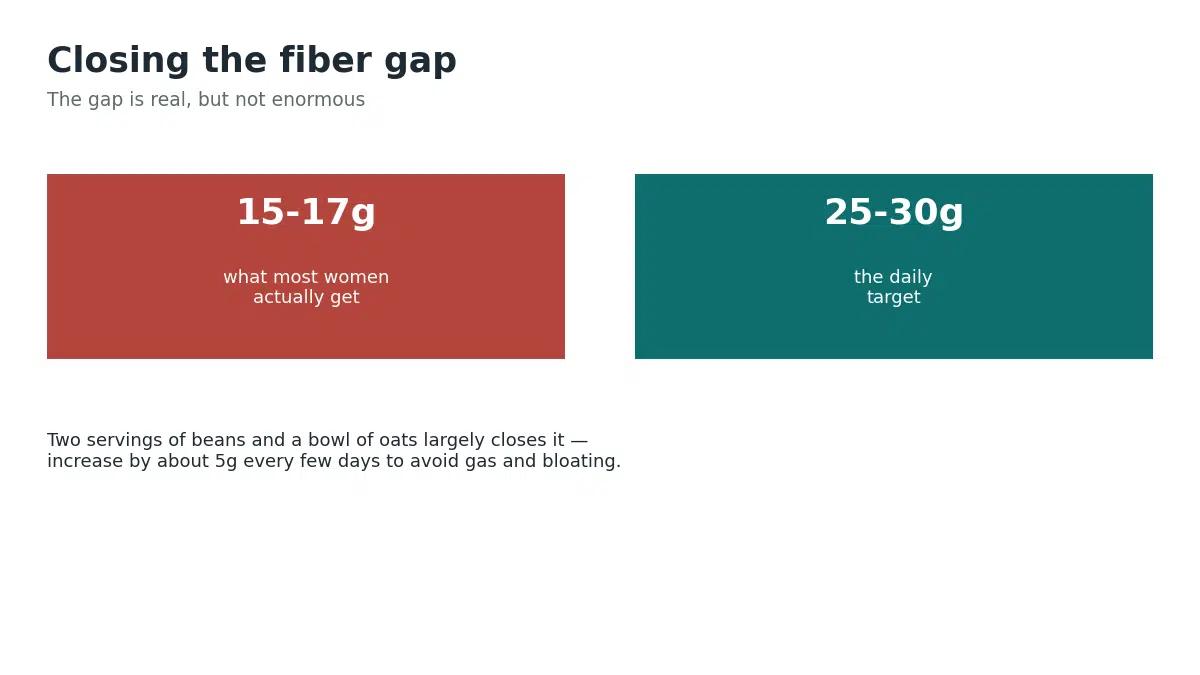
Aiming for the right amount of fiber intake is crucial for pregnant women. Experts recommend a daily goal of 25 to 30 grams. Many health professionals suggest targeting around 28 grams specifically. However, research shows that most women only consume about 15 to 17 grams each day. This gap highlights the need for intentional dietary adjustments during this important time.

To meet these daily fiber goals, consider incorporating a variety of options into each meal and snack. Spreading fiber intake throughout the day is more effective than consuming large amounts at once. This approach helps avoid discomfort and allows the digestive system to adjust more easily.

It’s important to be cautious when increasing fiber intake. Sudden or excessive increases can lead to digestive issues such as bloating, gas, and abdominal discomfort. If fiber intake exceeds 50 to 60 grams daily, it may even cause diarrhea. Therefore, it’s essential to increase fiber gradually over several weeks.

In addition to fiber, adequate water intake is non-negotiable. Fiber needs water to function properly and to prevent dry, bulky stools. Meeting fiber goals can also support healthy blood sugar levels and help prevent constipation, a common concern during pregnancy.

Tracking fiber intake initially can ensure that you are meeting the recommended levels. A balanced diet rich in fiber not only aids digestion but also provides essential nutrients for fetal development and maternal health.

Daily Fiber Goals Average Intake Recommended Intake
Grams per Day 15-17 grams 25-30 grams
Expert Suggested Goal N/A 28 grams

Top High Fiber Foods for Pregnancy: Fruits

Fruits are nature’s sweet gifts, providing essential nutrients and fiber to support health during pregnancy. They offer a delicious way to alleviate constipation while delivering vital vitamins and antioxidants. Including a variety of fruits in your diet can significantly enhance your overall well-being.

Prunes, Apples, Pears, and Berries

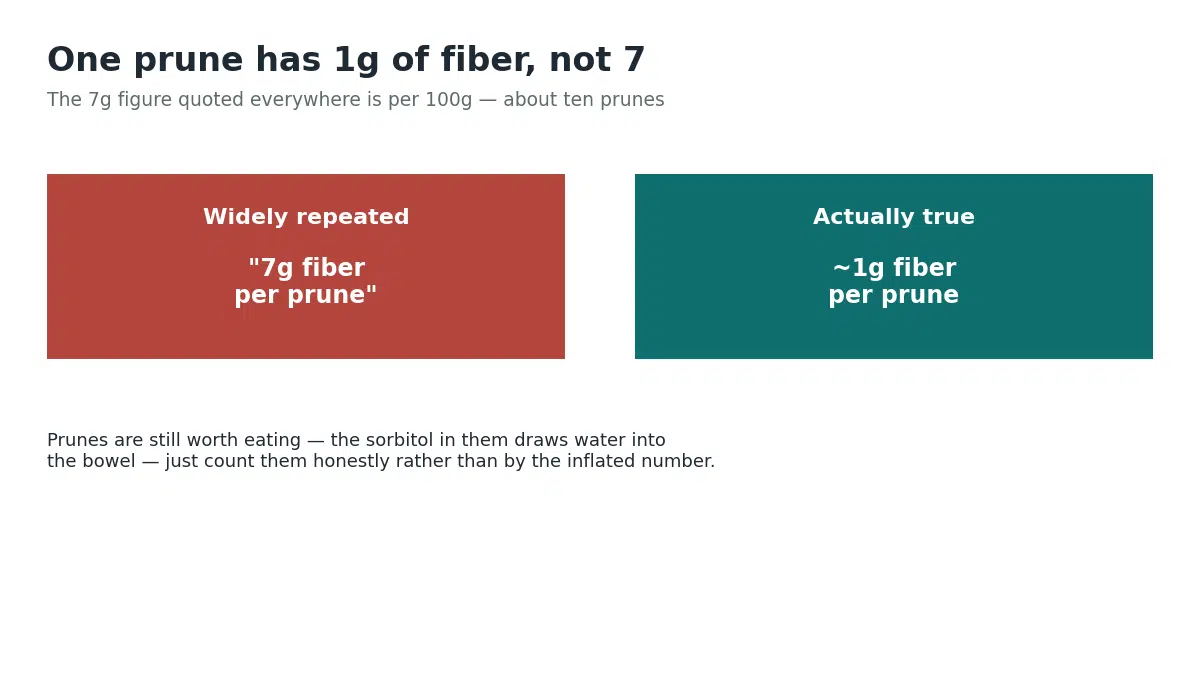
Prunes are a top choice, packing an impressive 7.1 grams of fiber per fruit. They also contain sorbitol, a natural sugar alcohol that helps promote gentle bowel movements. This makes them an excellent option for relieving constipation.

Apples, another fantastic option, provide about 4 to 4.4 grams of fiber per medium fruit, especially when the skin is consumed. The skin is rich in insoluble fiber, which is essential for digestive health.

Pears are juicy and sweet, offering 5.5 grams of fiber when eaten with the skin. Their high fiber content makes them a great addition to your diet.

Raspberries are among the highest-fiber fruits available, delivering 8 grams of fiber per cup, along with vitamin C and antioxidants. Blueberries, with 2.4 grams of fiber per cup, are versatile and nutrient-dense, perfect for adding to yogurt, smoothies, or oatmeal.

How to Incorporate Fruits into Your Diet

Incorporating fruits into your daily meals can be simple and enjoyable. Here are some practical tips:

  • Add berries to your breakfast cereals or oatmeal for a nutritious start to your day.
  • Pack apples as on-the-go snacks to keep your energy levels up.
  • Blend prunes into smoothies for a delicious and fiber-rich drink.
  • Top salads with sliced pears for added sweetness and crunch.

Pairing fruits with protein sources like nut butter or cheese can create balanced snacks that help maintain stable blood sugar levels. Remember to choose whole fruits over fruit juices to maximize fiber intake and minimize added sugar consumption.

Including a colorful variety of fruits in your diet ensures a broad spectrum of nutrients beneficial for both you and your developing baby. Embrace these delicious options to support your health during this important time.

Top High Fiber Foods for Pregnancy: Vegetables

Vegetables play a vital role in a balanced diet, especially during the transformative time of motherhood. They are essential for providing significant amounts of fiber, along with vital nutrients like folate, vitamin A, and potassium. Including a variety of vegetables in your meals can greatly enhance your overall health and well-being during this period.

Leafy Greens, Brussels Sprouts, Broccoli, and Root Vegetables

Among the best options are leafy greens, which are packed with nutrients. Kale, for instance, offers 4.75 grams of fiber per boiled cup, making it an excellent choice for supporting digestion. Sweet potatoes are another fantastic option, containing nearly 6 grams of fiber in a large baked potato, along with calcium and vitamin A, crucial for fetal development.

Brussels sprouts provide about 6 grams of fiber per cooked cup, contributing to overall digestive health. Additionally, artichokes stand out as one of the highest-fiber vegetables, delivering an impressive 10 grams per medium artichoke. Broccoli is also a pregnancy superfood, with 5 grams of fiber per cooked cup, along with compounds that support digestion.

Incorporating root vegetables like carrots and parsnips into your meals adds further benefits, as they provide insoluble fiber that helps bulk up stools and promote regularity.

Preparation Tips to Maximize Fiber Intake

To get the most fiber from your vegetables, consider these preparation tips:

  • Leave the skins on potatoes and root vegetables to retain fiber content.
  • Roast or steam vegetables instead of boiling to preserve their nutrients.
  • Add leafy greens to soups and stews for an easy nutrient boost.
  • Try sautéing, steaming, or roasting vegetables for quick and delicious meals.

A colorful plate of vegetables ensures a diverse intake of both soluble and insoluble fiber, which is vital for optimal digestive health. By making these vegetables a staple in your diet, you can support your health and that of your baby during this important time.

A vibrant array of high fiber vegetables ideal for pregnancy, displayed in a well-lit kitchen setting. In the foreground, rich green broccoli and plush spinach leaves are prominently arranged alongside colorful bell peppers—red, yellow, and green. In the middle ground, freshly harvested carrots, sweet potatoes, and peas add depth with their earthy tones. Various textures create an inviting atmosphere, enhanced by soft natural sunlight streaming in from a nearby window. The background is subtly blurred, showcasing wooden shelves filled with healthy cookbooks and a bowl of assorted fruits, hinting at a wholesome lifestyle. The scene exudes a warm, nurturing mood, emphasizing the importance of nutrition for expectant mothers. The composition should be captured at eye level for an intimate perspective, creating a sense of connection to the viewer.

Top High Fiber Foods for Pregnancy: Whole Grains

Whole grains serve as essential building blocks in a nutritious diet, especially during the transformative phase of motherhood. They provide sustained energy and significant fiber, which is vital for digestive health.

Oats, Brown Rice, Quinoa, and Whole Wheat Options

Steel-cut oats are a true fiber powerhouse, delivering 8 grams per half-cup serving. They also offer protein and iron, supporting maternal health. Oatmeal, a gentle breakfast choice, promotes regularity with about 4 grams of fiber per cup when cooked.

Brown rice is another excellent option, containing approximately 3 grams of fiber per cooked cup. It is versatile and can be used in stir-fries, salads, or as a side dish for curries and stews. Quinoa stands out as a complete protein source, offering 5 grams of fiber per cooked cup, making it ideal for nutrition during this time.

Incorporating these whole grains into your meals can be easy and delicious. Consider preparing overnight oats for a quick breakfast or substituting quinoa for white rice in your favorite dishes. Whole wheat bread, pasta, and crackers are also great alternatives that can enhance your daily fiber intake without requiring major dietary changes.

Choosing Whole Grains Over Refined Carbohydrates

It’s essential to choose whole grains over refined carbohydrates. Refining removes the fiber-rich bran and germ layers, stripping away many nutrients. By selecting whole grain options, you ensure that you are getting the most fiber and nutrients possible.

To maximize your fiber intake, check food labels and choose products that list whole grains as the first ingredient. Blending raw oats into smoothies or baking them into homemade granola bars can provide portable, fiber-rich snacks that fit into your busy lifestyle.

Top High Fiber Foods for Pregnancy: Legumes and Beans

Legumes and beans are nutritional champions that offer a wealth of benefits during pregnancy. These foods are packed with essential nutrients, including fiber, protein, and iron. They are among the best options to support digestive health and overall well-being.

Chickpeas, Lentils, Black Beans, and More

Chickpeas, also known as garbanzo beans, contain a large amount of fiber. One cup of chickpeas provides you with 12.5 grams of fiber, along with protein and iron. Black beans are another excellent choice, offering about 15 grams of fiber per cup. They are also a great source of protein, which is vital for tissue growth during pregnancy.

Lentils are particularly noteworthy, delivering 15.5 grams of fiber per cooked cup. They also provide plant-based iron, crucial for preventing anemia during this time. Other beans, such as pinto and kidney beans, are outstanding sources of fiber as well, making them versatile additions to your meals.

Delicious Ways to Add Legumes to Your Meals

Incorporating legumes into your diet can be both easy and delicious. Here are some creative ideas:

  • Toss chickpeas into salads for added texture and flavor.
  • Blend lentils into soups and dals for a hearty meal.
  • Use black beans in vegetarian tacos for a nutritious twist.
  • Mash beans into patties for veggie burgers that satisfy cravings.
  • Roast chickpeas with spices for a crunchy, fiber-rich snack.

These legumes are not only high in fiber but also rich in protein, iron, and folate, making them nutritional powerhouses for expectant mothers. If you are new to beans, start with small servings to help your digestive system adjust gradually. Canned beans are convenient, but rinsing them can reduce sodium content. Dried beans offer the most fiber and nutrient density, making them an excellent choice.

Top High Fiber Foods for Pregnancy: Nuts and Seeds

Nuts and seeds are small but mighty additions to a pregnant woman’s diet. They are packed with essential nutrients, healthy fats, and protein, making them ideal for supporting both maternal and fetal health.

Almonds, Walnuts, Chia Seeds, and Their Benefits

Almonds are among the highest sources of fiber, providing nearly 18 grams per cup. They are also rich in protein, healthy fats, and potassium. Enjoy munching on them throughout the day as a healthy snack or adding them to salads and yogurt.

Walnuts are another excellent choice, containing almost 8 grams of fiber per cup. They also provide omega-3 fatty acids, which are crucial for fetal brain development.

Chia seeds may be tiny, but they are nutritional giants. They offer about 10 grams of fiber per ounce (2 tablespoons). When mixed with liquid, they absorb water and form a gel that aids digestion.

Snack Ideas and Meal Enhancements

Incorporating nuts and seeds into your meals can be both simple and delicious. Here are some creative ideas:

  • Enjoy a handful of almonds as a portable snack.
  • Sprinkle chia seeds over yogurt or oatmeal for added texture and nutrition.
  • Add chopped walnuts to salads and breakfast bowls for a crunchy boost.
  • Make chia pudding by soaking chia seeds in milk overnight for a fiber-rich breakfast or dessert.
  • Blend almonds into almond butter and spread it on whole-grain toast or apple slices for a balanced snack.

While nuts and seeds are calorie-dense, they offer numerous health benefits. It’s important to be mindful of portion sizes to maximize their fiber and nutrient content. Incorporating a variety of nuts and seeds into your daily diet can diversify your nutrient intake and keep meals interesting during this transformative time.

How to Gradually Increase Fiber Intake Safely During Pregnancy

Understanding how to safely increase fiber intake can make a significant difference in your digestive health. Gradually boosting your fiber consumption is essential to avoid uncomfortable digestive issues like bloating, gas, and cramping. If you have been consuming a low-fiber diet, it’s important not to suddenly jump to 30+ grams daily.

Instead, aim to increase your fiber intake by about 5 grams every few days. This gradual approach allows your digestive system to adapt, minimizing any uncomfortable side effects while improving regularity.

Hydration plays a critical role in this process. Fiber needs plenty of water to function properly and to form soft, easy-to-pass stools. Pregnant women should aim for at least 8-10 glasses of water daily, especially when increasing fiber intake. Without adequate hydration, consuming more fiber can actually worsen constipation by creating dry, bulky stools that are harder to pass.

Here are some step-by-step guidelines to help you increase your fiber intake safely:

  • Start with one high-fiber food addition per day and monitor how your body responds.
  • Track both your fiber intake and water consumption for the first few weeks to ensure a safe transition.
  • Spread your fiber intake evenly across meals and snacks rather than consuming large amounts at once.
  • Be patient; it may take 3-7 days to notice improvements in bowel regularity after increasing fiber.

Remember, a well-planned approach can help you enjoy the benefits of fiber while keeping your digestive system comfortable. As you make these changes, listen to your body and adjust as needed.

Additional Lifestyle Tips to Prevent Constipation During Pregnancy

Incorporating healthy habits can make a notable difference in managing digestive issues. Beyond diet, several lifestyle factors play a crucial role in preventing constipation, a common concern during pregnancy. Here are some effective strategies to consider:

Regular Physical Activity and Its Digestive Benefits

Engaging in regular physical activity stimulates intestinal contractions, which helps move things along in your digestive system. Even a simple 15-20 minute walk after meals can make a significant difference. Pregnancy-safe options include:

  • Walking
  • Swimming
  • Prenatal yoga

These activities support digestive health without putting excessive strain on your body.

Creating Consistent Bathroom Habits

Establishing a routine can help train your body’s natural rhythm. Try to have a bowel movement at the same time each day. This consistency can aid in preventing constipation.

Additionally, don’t ignore the urge to go. Delaying can lead to harder stools as more water is absorbed in the colon. Consider using the Squatty Potty position: elevating your feet on a small stool while on the toilet straightens the anorectal angle, making it easier to pass stools.

Hydration is essential as well. Make sure to drink plenty of water throughout the day, as it keeps stools soft and easy to pass. If you consume caffeine (up to 200mg daily), consider having it in the morning, as it can stimulate bowel movements for some people.

Combining these lifestyle tips with a fiber-rich diet creates a comprehensive approach to digestive wellness. Remember, consistency and patience are key, as lifestyle adjustments may take time to show results but are effective for long-term health during pregnancy.

When Fiber Isn’t Enough: Supplement and Medical Options

Despite best efforts with diet and lifestyle, some women may still face persistent digestive challenges. If you find that constipation lingers after 2-3 weeks of increased fiber and water intake, it might be time to explore additional options.

Before taking any supplements or over-the-counter remedies, it’s essential to consult your healthcare provider. They can help determine the best course of action tailored to your needs.

Consulting Healthcare Providers Before Taking Fiber Supplements

Always check with your doctor or dietitian before starting any fiber supplements. Generally safe options during pregnancy include:

  • Stool softeners like docusate (Colace), which help water mix with stools, making them softer.
  • Psyllium husk (Metamucil), a fiber supplement that can assist with regularity.
  • Lactulose, a prescription osmotic laxative considered safe for more stubborn cases of constipation.

However, it’s crucial to avoid certain laxatives during pregnancy. Steer clear of:

  • Stimulant laxatives (senna, bisacodyl)
  • Castor oil
  • Mineral oil

Safe Over-the-Counter Remedies During Pregnancy

Fiber supplements like psyllium husk, methylcellulose (Citrucel), and wheat dextrin (Benefiber) are typically safe. However, getting fiber from whole foods is preferable. Foods provide essential vitamins, minerals, and antioxidants that supplements lack.

It’s wise to wait 2-3 weeks after increasing your dietary fiber and water intake before considering supplements. This allows your body time to adjust. Open communication with your midwife, doctor, or prenatal dietitian about ongoing digestive concerns is encouraged.

While constipation can be uncomfortable, it does not harm the baby. Addressing it properly supports overall maternal health and comfort. A prenatal dietitian can provide personalized guidance on optimizing fiber intake and managing constipation safely.

A serene, inviting kitchen scene in soft, natural light, showcasing a wooden table cluttered with various supplements and medical options for constipation during pregnancy. In the foreground, a visually appealing arrangement of fiber-rich supplements, such as psyllium husk and magnesium citrate, alongside healthy snacks like nuts and dried fruits. In the middle, a glass of water with a slice of lemon, symbolizing hydration. In the background, a shelf lined with medical pamphlets about pregnancy health. The atmosphere should feel informative yet comforting, visually representing the caring aspect of pregnancy wellness. Capture the essence of support and nourishment in a warm, professional indoor setting.

Meal Planning: Sample High Fiber Day for Pregnant Women

Designing a daily meal plan can enhance nutrition for pregnant women. A well-thought-out approach can help ensure that you exceed the recommended fiber intake while enjoying a variety of delicious options. Below is a sample meal plan that illustrates how to easily incorporate high-fiber options throughout the day.

Breakfast, Snacks, Lunch, and Dinner Suggestions

Start your day with a nutritious breakfast that sets the tone for healthy eating. Here’s a sample high-fiber day:

  • Breakfast: Overnight oats with chia seeds and raspberries (11g fiber).
  • Morning Snack: Apple slices with almond butter (6.4g fiber).
  • Lunch: Chickpea salad wrap with mixed greens (11g fiber).
  • Afternoon Snack: Prunes and almonds (6.5g fiber).
  • Dinner: Grilled salmon with brown rice and steamed broccoli (10.5g fiber).

This meal plan totals approximately 45 grams of fiber, comfortably exceeding the recommended daily intake of 25-30 grams!

Balancing Fiber With Other Nutrients

While focusing on fiber, it’s important to balance your meals with other essential nutrients. Aim to include:

  • Protein: Incorporate sources like chicken, fish, or legumes.
  • Healthy Fats: Use nuts, seeds, and avocados to enhance meals.
  • Complex Carbohydrates: Choose whole grains and starchy vegetables.

Drinking plenty of water throughout the day is crucial. Adequate hydration supports high fiber intake and helps prevent digestive discomfort. Remember, meal planning can be flexible. Feel free to swap in your favorite fruits, vegetables, beans, and whole grains to keep things interesting while meeting your fiber goals.

Meal Food Item Fiber Content (grams)
Breakfast Overnight oats with chia seeds and raspberries 11
Morning Snack Apple slices with almond butter 6.4
Lunch Chickpea salad wrap with mixed greens 11
Afternoon Snack Prunes and almonds 6.5
Dinner Grilled salmon with brown rice and steamed broccoli 10.5

Conclusion

Pregnancy brings many changes that can lead to constipation, making it essential to focus on nutrition. A diet rich in fiber is a natural solution to alleviate discomfort. Incorporating fruits, vegetables, whole grains, nuts, and legumes can significantly support digestive health.

To achieve the recommended daily intake of 25-30 grams of fiber, consider a few practical steps. Aim for 8-10 glasses of water daily to aid digestion. Prioritize star foods like prunes, raspberries, lentils, and chia seeds. Daily walks can also stimulate digestion.

Remember, patience is key; it may take 3-7 days to notice improvements in bowel regularity after increasing fiber intake. Consulting a prenatal dietitian can provide personalized guidance, especially if constipation persists. A fiber-rich diet not only helps prevent constipation but also supports overall maternal health and fetal development.

Thank you for engaging with this article. Feel free to share these tips with other expectant mothers who may benefit from this information!

FAQ

What are the benefits of consuming fiber during pregnancy?

Consuming fiber helps support a healthy digestive system, prevents constipation, and can contribute to better overall health for both the mother and baby.

How much fiber should pregnant women aim to consume daily?

Pregnant women should aim for about 25 to 30 grams of fiber each day to support their digestive health and overall well-being.

Can increasing fiber intake help with constipation?

Yes, increasing fiber intake can help prevent and alleviate constipation by adding bulk to the stool, making it easier to pass.

What are some easy ways to add more fiber to my diet?

Incorporate fruits, vegetables, whole grains, and legumes into your meals. Snacking on nuts and seeds can also boost your fiber intake.

Are there any risks associated with consuming too much fiber during pregnancy?

Yes, sudden increases in fiber can lead to digestive discomfort, such as bloating or gas. It’s best to increase fiber gradually and drink plenty of water.

What types of fiber are most beneficial during pregnancy?

Both soluble and insoluble types are beneficial. Soluble fiber helps regulate blood sugar levels, while insoluble fiber aids in digestion and bowel health.

Should I consult a healthcare provider about my fiber intake?

Yes, it’s advisable to consult with a healthcare provider to ensure your dietary choices align with your health needs during pregnancy.

How can I ensure I’m drinking enough water while increasing fiber?

Aim to drink at least 8-10 cups of water daily, especially when increasing fiber intake, to help prevent constipation and support digestion.

What are some high-fiber snacks I can enjoy during pregnancy?

Consider snacks like apple slices with almond butter, carrot sticks with hummus, or a handful of mixed nuts to boost your fiber intake.

Are there specific fruits that are particularly high in fiber?

Yes, fruits like prunes, pears, apples, and berries are excellent sources of fiber and can easily be included in your diet.

Related Posts

Can Ashwagandha Cause Weight Loss?
BLOG

Can Ashwagandha Cause Weight Loss?

July 23, 2026
Food Sources of Tyrosine
BLOG

Food Sources of Tyrosine: Your Complete Guide to This Essential Amino Acid

July 23, 2026
Which Is the Best Tea for Weight Loss?
BLOG

Which Is the Best Tea for Weight Loss? Science-Backed Guide to 12 Effective Teas

July 22, 2026
Best Breakfast Cereals for Diabetics
BLOG

Best Breakfast Cereals for Diabetics: Smart Choices for Blood Sugar Control

July 22, 2026
Should Diabetics Eat Banana?
BLOG

Should Diabetics Eat Banana? A Complete Guide to Blood Sugar and Fruit

July 22, 2026
Natural Remedies for Nose Congestion
BLOG

Natural Remedies for Nose Congestion: Proven Solutions for Clear Breathing

July 22, 2026
freshly brewed green tea in transparent cup showing golden-green color with pH testing strip
BLOG

Is Green Tea Acidic? Understanding pH Levels and Health Implications

July 22, 2026
ProDentim Reviews: What Real Users Are Saying About This Oral Health Supplement
REVIEWS

ProDentim Reviews: What Real Users Are Saying About This Oral Health Supplement

July 24, 2026
How to Get Rid of Fat Neck
BLOG

How to Get Rid of Fat Neck: Complete Solutions Guide

July 22, 2026
Massage for Hair Growth
BLOG

Massage for Hair Growth: Evidence-Based Techniques for Thicker, Healthier Hair

July 23, 2026
Load More

Leave a Reply Cancel reply

Your email address will not be published. Required fields are marked *

I agree to the Terms & Conditions and Privacy Policy.

Our Mission

At HealthMagHub, our mission is to empower individuals and families to make informed health decisions by providing accurate, evidence-based, and easy-to-understand health information. We are committed to delivering high-quality content across a wide range of topics, including nutrition, fitness, weight management, men’s and women’s health, mental wellness, healthy aging, disease prevention, and in-depth health product reviews. Every article is carefully researched, fact-checked, and written with our readers’ well-being in mind. Our goal is to simplify complex health topics, promote healthier lifestyles, and build a trusted resource where people can confidently find reliable guidance, practical wellness tips, and the latest insights to support a healthier, happier life.

Can Ashwagandha Cause Weight Loss?
BLOG

Can Ashwagandha Cause Weight Loss?

by Jenna Castillo
July 23, 2026
0

Affiliate Disclosure: This article contains affiliate links. We may earn a commission from purchases made through these links at no...

Read moreDetails
Best High Fiber Foods for Pregnancy

Best High Fiber Foods for Pregnancy for Healthy Moms

July 23, 2026
Food Sources of Tyrosine

Food Sources of Tyrosine: Your Complete Guide to This Essential Amino Acid

July 23, 2026
Which Is the Best Tea for Weight Loss?

Which Is the Best Tea for Weight Loss? Science-Backed Guide to 12 Effective Teas

July 22, 2026
Best Breakfast Cereals for Diabetics

Best Breakfast Cereals for Diabetics: Smart Choices for Blood Sugar Control

July 22, 2026

Tags

Abdominal Workouts Antioxidants in Grapes Benefits of high protein snacks Bladder Health Bladder infection blood sugar Blood sugar management Brain Health Cognitive Enhancement Core Exercises Cosmetic dentistry Dental procedures Diarrhea symptoms Digestive Issues Grape Nutrition Grape Skin Benefits Green Grape Recipes Green Grape Smoothie Gut Health Health Benefits of Green Grapes Healthy snacking Heart Health Benefits Inflammatory bowel disease Joint Pain Relief Laser teeth whitening Lower Abdominals Mental clarity Natural supplements onychomycosis Oral Health Polyphenols in Grapes Prostate health Protein-packed snacks Quick protein snacks Rear Delt Exercises Resveratrol Benefits Saw Palmetto Skin health Snack ideas tea tree oil Urinary system Urinary tract infection UTI symptoms Vitamin C Benefits Weight loss supplements
  • HOME
  • ABOUT
  • PRIVACY POLICY
  • Terms & Conditions
  • Affiliate Disclosure
  • Medical Disclaimer
  • Contact Us
  • SUBMIT YOUR REVIEW

© 2026 HealthMagHub. Trusted Health. Smarter Living. All Rights Reserved.

No Result
View All Result
  • HOME
  • BLOG
  • REVIEWS
  • TOOLS

© 2026 HealthMagHub. Trusted Health. Smarter Living. All Rights Reserved.

This website uses cookies. By continuing to use this website you are giving consent to cookies being used. Visit our Privacy and Cookie Policy.