
Prostate health quietly becomes a bigger concern for most men somewhere in their 40s and 50s, often showing up first as changes in urination rather than pain. Frequent nighttime bathroom trips, a weaker stream, or a nagging sense of incomplete emptying are common early signs tied to benign prostatic hyperplasia, or BPH—a non-cancerous enlargement of the prostate gland that becomes more common with age. Diet is not a cure for BPH, prostatitis, or prostate cancer, and no single food or meal plan can replace medical care. But a growing body of nutrition research suggests that what fills your plate day after day can meaningfully influence inflammation, hormone balance, and urinary symptoms tied to prostate health.
This guide walks through the foods to avoid for better prostate health, the science behind each one, and what to eat instead. It also covers foods that reduce prostate inflammation, lifestyle habits that support a prostate-friendly diet, and answers to the most common questions men have about prostate nutrition.

Understanding Prostate Health
The prostate is a small, walnut-shaped gland located just below the bladder in men. Its main job is producing part of the fluid that carries and protects sperm. Because the prostate surrounds the urethra—the tube that carries urine out of the body—any swelling or enlargement of the gland can press on that tube and affect urination.
What the Prostate Does
Beyond its reproductive role, the prostate is hormonally active tissue, meaning it responds to testosterone and its byproducts. This hormonal sensitivity is part of why the gland tends to grow larger with age, and it’s one reason diet—which can influence hormone metabolism and inflammation—has drawn research interest as a modifiable factor in prostate health.
Benign Prostatic Hyperplasia (BPH)
Benign prostatic hyperplasia, or BPH, is a non-cancerous enlargement of the prostate that affects a large share of men as they age, becoming increasingly common from the 50s onward. It is not a form of cancer, but it can cause bothersome urinary symptoms: frequent urination, a weak or interrupted stream, difficulty starting urination, and waking up multiple times at night to urinate. If you’re already noticing these symptoms, our guide to natural options for enlarged prostate symptoms covers additional non-dietary approaches some men explore alongside diet changes.
Prostatitis
Prostatitis refers to inflammation of the prostate gland, which can be caused by a bacterial infection or, more often in chronic cases, by mechanisms that are not fully understood. Symptoms can include pelvic pain, discomfort during urination, and urinary urgency. Diet’s role here is less about the prostate tissue itself and more about avoiding foods that irritate the bladder and worsen urinary symptoms generally.
Prostate Cancer Overview
Prostate cancer is one of the most common cancers among men. Risk is shaped by age, family history, and genetics, but researchers have also studied dietary patterns—particularly diets high in processed and red meat versus diets rich in vegetables and fish—as factors that may influence risk and disease progression. It’s important to be clear: no food or diet has been shown to prevent or cure prostate cancer. Diet is a supporting factor, not a substitute for screening and medical care.
Common Symptoms Across Prostate Conditions
- Increased urinary frequency, especially at night (nocturia)
- Weak or interrupted urine stream
- A feeling of incomplete bladder emptying
- Urgency to urinate
- Discomfort in the pelvic area or lower back
Risk Factors
Age is the strongest risk factor for both BPH and prostate cancer. Family history, obesity, sedentary behavior, and metabolic conditions like type 2 diabetes are also associated with higher risk or worse urinary symptoms. Several of these factors—weight, activity level, and metabolic health—are directly influenced by diet, which is why nutrition keeps coming up in prostate health research.
The Role of Nutrition
Diets high in processed foods, saturated and trans fats, and added sugar are linked to chronic low-grade inflammation and insulin resistance, both of which have been associated with worse BPH symptoms and, in some studies, prostate cancer progression. Conversely, dietary patterns like the Mediterranean diet—rich in vegetables, fruit, whole grains, legumes, fish, and olive oil—are associated with lower inflammation markers and better urinary symptom scores in observational research.
Side view cross-section showing the bladder above the prostate gland, which surrounds the urethra as it carries urine out of the body.
Bladder
Holds urine before release
Prostate gland
Surrounds the urethra
Urethra
Carries urine and semen out
Simplified diagram for general education — not to scale
Foods to Avoid for Better Prostate Health
None of the foods below need to be eliminated entirely and permanently—for most men, the goal is reducing frequency and portion size rather than pursuing an all-or-nothing ban. Below is a rundown of the foods most consistently flagged in prostate nutrition research, organized by why they matter, what the evidence shows, and what to swap in instead.
Processed Meats
Processed meats—bacon, sausage, deli meats, hot dogs—are cured, smoked, or salted for preservation, a process that generates compounds called nitrosamines and heterocyclic amines. These compounds have been studied for their potential role in promoting oxidative stress and inflammation in body tissue, including the prostate.
Scientific evidence: Several large cohort studies have found associations between frequent processed meat consumption and both worse BPH symptoms and higher prostate cancer risk. The World Health Organization has classified processed meat as a Group 1 carcinogen based on colorectal cancer evidence, and researchers have extended similar concerns to other cancers, including prostate cancer, though the prostate-specific evidence is considered moderate rather than definitive.
Potential mechanisms: High sodium content, preservative compounds, and saturated fat may all contribute to inflammation and oxidative stress in prostate tissue.
Practical advice: Treat bacon, sausage, and deli meats as occasional foods rather than daily staples. Reading labels for sodium and nitrate content can help identify lower-risk options.
Healthier alternatives: Grilled chicken breast, fresh (unprocessed) turkey, fatty fish like salmon, or plant-based proteins such as lentils and beans.
Red Meat
Red meat itself—beef, pork, lamb—sits in a more nuanced category than processed meat. Moderate amounts as part of a balanced diet appear to carry lower risk than daily, large-portion consumption.
Scientific evidence and limitations: Some cohort studies link high red meat intake to increased BPH symptoms and prostate cancer risk, largely attributed to saturated fat content and high-temperature cooking methods (like grilling and pan-frying) that produce heterocyclic amines. However, findings are inconsistent across studies, and red meat is often a marker for an overall dietary pattern (fewer vegetables, more refined carbohydrates) rather than a standalone cause. Current evidence here is best described as moderate, not conclusive.
Practical advice: Limiting red meat to a few servings per week, choosing leaner cuts, and using lower-temperature cooking methods (braising, roasting) rather than charring can reduce potential risk factors.
Healthier alternatives: Fatty fish, poultry, legumes, and tofu can replace some red meat meals each week.
Fried Foods
Deep-frying at high temperatures creates oxidized fats and, in the case of starchy foods, compounds like acrylamide. Regularly eating fried foods is associated with higher calorie intake, weight gain, and increased inflammatory markers.
Scientific evidence: Diets high in fried food have been associated with obesity and metabolic syndrome, both of which are independently linked to worse BPH symptoms. Some studies have specifically found associations between frequent fried food consumption and prostate cancer risk, though the evidence is considered limited and would benefit from more research.
Potential mechanisms: Oxidized oils and excess calories contribute to systemic inflammation and weight gain, both risk factors for urinary symptoms.
Practical advice: Baking, air-frying, grilling, or roasting can deliver similar textures with far less oxidized fat.
Healthier alternatives: Air-fried vegetables, oven-roasted potatoes, grilled fish.
Fast Food
Fast food typically combines several of the concerns above—processed meat, fried preparation, high sodium, and refined carbohydrates—in a single meal, along with large portion sizes.
Scientific evidence: Frequent fast-food consumption correlates with higher body mass index, insulin resistance, and elevated inflammatory markers in numerous studies, all of which are tied to worse BPH symptom scores.
Practical advice: When fast food is unavoidable, grilled options, side salads instead of fries, and water instead of soda can reduce some of the impact.
Healthier alternatives: Meal-prepped lunches, simple sandwiches on whole-grain bread with lean protein and vegetables.
Sugary Drinks
Sodas, sweetened teas, energy drinks, and many fruit “drinks” (as opposed to whole fruit) deliver large amounts of added sugar with little nutritional value.
Scientific evidence: High intake of sugar-sweetened beverages is linked to obesity, type 2 diabetes, and elevated insulin levels—all associated with worse urinary symptoms in men with BPH. Some research also associates high sugar intake with increased inflammation markers relevant to prostate tissue.
Practical advice: Gradually replacing sugary drinks with water, unsweetened tea, or sparkling water with citrus can cut a significant amount of daily added sugar.
Healthier alternatives: Water infused with fruit, green tea, or plain sparkling water.
Excess Sugar (Added Sugar Generally)
Beyond drinks, added sugar hides in sauces, breakfast cereals, and snack foods. Excess added sugar intake is tied to insulin resistance, a metabolic state associated with chronic inflammation.
Scientific evidence: Elevated insulin and insulin-like growth factor levels are hypothesized to influence prostate cell growth, an area of active but still-limited research.
Practical advice: Reading nutrition labels for “added sugars” and limiting sweetened snacks to occasional treats helps manage overall intake.
Ultra-Processed Foods
Ultra-processed foods—packaged snacks, instant meals, sweetened cereals—are engineered for shelf life and palatability, often at the expense of fiber, vitamins, and minerals.
Scientific evidence: Large cohort studies have linked high ultra-processed food consumption to increased risk of obesity, cardiovascular disease, and some cancers. Evidence specific to prostate outcomes is still emerging but points in a similar direction as the broader inflammation and metabolic concerns discussed above.
Practical advice: Building meals around whole or minimally processed ingredients—vegetables, whole grains, lean proteins—naturally reduces ultra-processed food intake.
High-Sodium Foods
Canned soups, packaged snacks, and restaurant meals often carry high sodium loads. Excess sodium is primarily a concern for blood pressure and cardiovascular health, which indirectly affects prostate health through shared inflammatory and vascular pathways.
Scientific evidence: High sodium intake is associated with hypertension, and hypertension has been linked in some studies to worse lower urinary tract symptoms.
Practical advice: Cooking at home allows more control over sodium; using herbs and spices instead of salt for flavor is an easy substitution.
Excess Alcohol
Alcohol is a bladder irritant and diuretic, meaning it increases urine production while also potentially irritating the bladder lining—both relevant to men already dealing with urinary symptoms from BPH.
Scientific evidence: Heavy alcohol use is associated with worse urinary symptom scores in men with BPH, largely through its diuretic effect and irritant properties. Moderate intake shows a more mixed picture in the research.
Practical advice: Limiting alcohol, particularly in the hours before bedtime, can reduce nighttime urination.
Excess Caffeine
Caffeine is both a diuretic and a bladder stimulant, meaning it can increase urine production and urgency.
Scientific evidence: Studies on men with BPH and overactive bladder symptoms have found that reducing caffeine intake, particularly from coffee and energy drinks, can lessen urinary frequency and urgency.
Practical advice: Switching some daily coffee to decaf or herbal tea, especially in the afternoon and evening, is a common recommendation from urologists for symptom management.
High-Fat Dairy
Full-fat dairy products are a source of saturated fat and, in some research, have been associated with slightly higher calcium intake beyond recommended levels, which some studies have tentatively linked to prostate cancer risk.
Evidence discussed carefully: The dairy-prostate cancer link remains one of the more debated areas in nutrition research. Some studies suggest an association between very high dairy and calcium intake and increased prostate cancer risk, while others find no meaningful link, and moderate dairy intake as part of a balanced diet is not typically discouraged by major health organizations. This is an area where more research is genuinely needed, and the evidence should be considered limited to moderate rather than settled.
Practical advice: Choosing low-fat or moderate portions of dairy, rather than eliminating it outright, aligns with the current, still-developing evidence.
Trans Fats
Trans fats, found in some margarines, packaged baked goods, and fried fast food, are strongly linked to inflammation and cardiovascular disease.
Scientific evidence: Trans fats are one of the more consistently supported dietary concerns across many chronic disease outcomes, including inflammatory markers relevant to prostate health. Many countries have restricted or banned artificial trans fats in food manufacturing because of this consistent evidence.
Practical advice: Checking ingredient labels for “partially hydrogenated oil” helps identify and avoid remaining sources of trans fat.
| Food to Limit | Better Choice | Why It Matters |
|---|---|---|
| Bacon, sausage, deli meat | Grilled chicken, salmon, lentils | Lower sodium, fewer preservative compounds |
| Fried chicken, French fries | Air-fried or roasted vegetables and proteins | Less oxidized fat, fewer calories |
| Soda and sweetened tea | Water, sparkling water, unsweetened tea | Less added sugar, lower insulin spikes |
| Packaged snack cakes | Fresh fruit, nuts | More fiber, fewer additives |
| High-sodium canned soup | Homemade vegetable soup | Controlled sodium, more nutrients |
| Heavy pour of hard liquor | One moderate drink or none | Less bladder irritation |
| Three cups of coffee late in the day | Coffee earlier in the day, decaf after noon | Fewer nighttime bathroom trips |
Best Foods to Eat Instead
Rather than framing prostate nutrition purely around restriction, most urologists and dietitians emphasize what to add. A prostate-friendly diet is, in practice, very close to a standard heart-healthy or Mediterranean eating pattern.

Tomatoes and Tomato Products (Lycopene)
Tomatoes are the best-known dietary source of lycopene, a carotenoid antioxidant that has been studied extensively for its potential role in prostate health. Cooked and processed tomato products (sauce, paste) actually have more bioavailable lycopene than raw tomatoes because heat and processing break down cell walls.
Cruciferous Vegetables
Broccoli, cauliflower, Brussels sprouts, and cabbage contain sulforaphane and other compounds studied for antioxidant and anti-inflammatory activity relevant to prostate tissue.
Berries
Blueberries, strawberries, and raspberries are rich in antioxidants called anthocyanins, which have been studied for anti-inflammatory effects throughout the body.
Fatty Fish
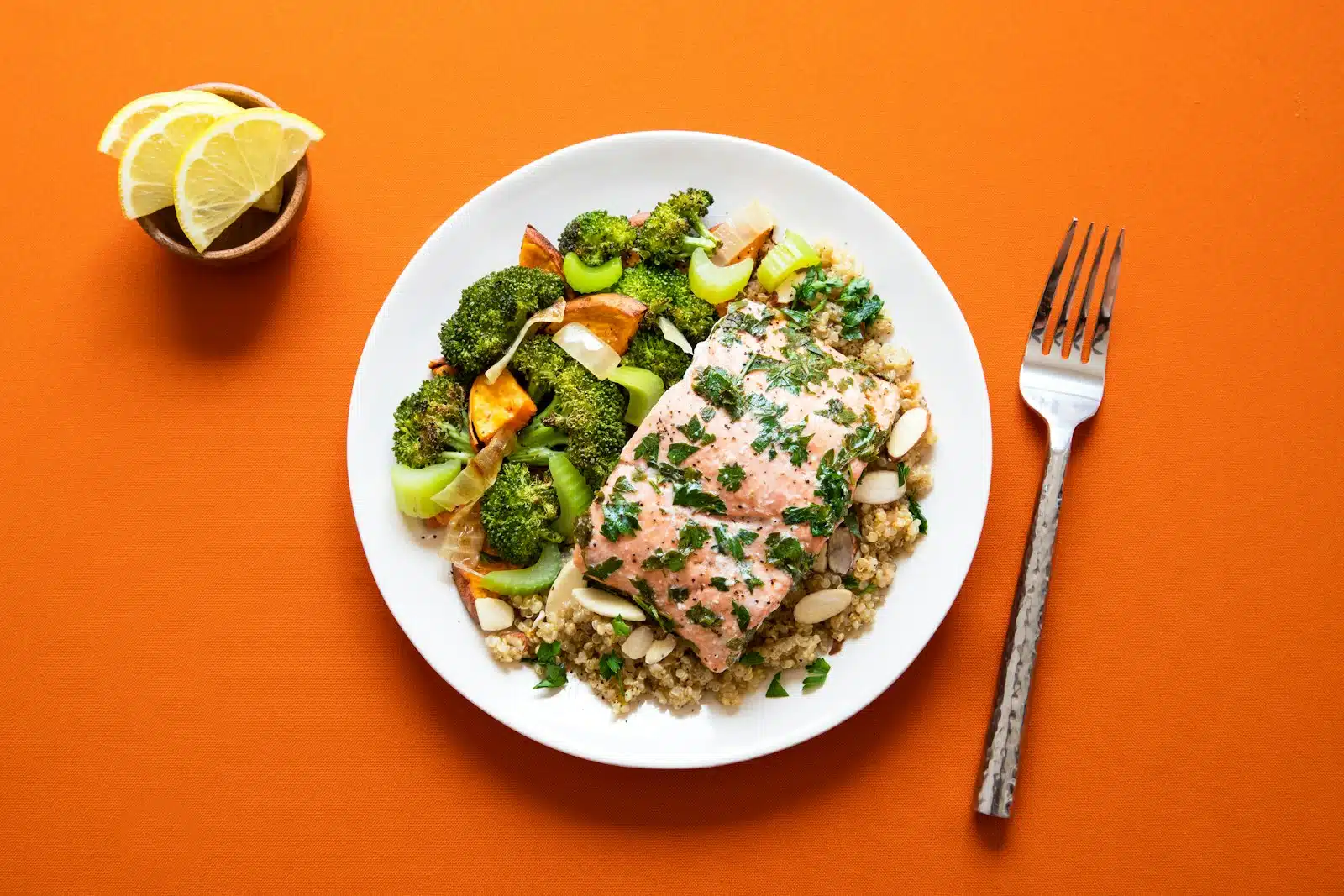
Salmon, mackerel, and sardines supply omega-3 fatty acids, which are associated with reduced inflammation markers in numerous studies and are a cornerstone of the Mediterranean diet.
Nuts and Seeds
Walnuts, almonds, and pumpkin seeds provide healthy fats, zinc, and selenium—two minerals studied for their role in prostate tissue function. Pumpkin seeds in particular are a notably concentrated source of zinc.
Olive Oil
As the primary fat source in the Mediterranean diet, olive oil is rich in monounsaturated fats and polyphenol antioxidants, both associated with lower systemic inflammation.
Legumes
Beans, lentils, and chickpeas offer fiber and plant protein as alternatives to red and processed meat, supporting both gut and metabolic health.
Whole Grains
Oats, brown rice, and quinoa provide fiber that supports healthy digestion and more stable blood sugar than refined grains.
Green Tea
Green tea contains catechins, antioxidant compounds studied in early research for potential anti-inflammatory effects relevant to prostate tissue, though clinical evidence in humans remains limited.
Fruits and Vegetables (Broadly)
Beyond specific standout foods, the overall pattern matters most: diets high in a wide variety of fruits and vegetables consistently associate with lower inflammation and better long-term health outcomes, including urinary symptom scores in men with BPH.
| Food | Category | Potential Effect | Evidence Strength |
|---|---|---|---|
| Tomatoes/tomato sauce | Antioxidant-rich | May support lower inflammation | Moderate |
| Fatty fish (salmon, sardines) | Omega-3 source | Associated with reduced inflammation | Moderate to strong |
| Broccoli/cruciferous vegetables | Antioxidant-rich | Studied for anti-inflammatory compounds | Limited to moderate |
| Green tea | Antioxidant beverage | Early research on anti-inflammatory catechins | Limited |
| Processed meat | Preserved protein | Associated with worse BPH symptoms | Moderate |
| Sugary drinks | Added sugar | Associated with insulin resistance, inflammation | Moderate to strong |
| Trans fats | Processed fat | Associated with systemic inflammation | Strong |
Lifestyle Habits That Support Prostate Health
Diet is only one lever. Several lifestyle factors have evidence behind them as well, and they often reinforce the benefits of dietary changes.
Physical Activity
Regular exercise is associated with lower BPH symptom severity and a reduced risk of prostate cancer progression in several studies, likely through effects on inflammation, hormone levels, and weight management.

Healthy Weight
Excess body weight, particularly abdominal fat, is linked to higher levels of inflammatory markers and worse urinary symptoms. Weight management through diet and activity is one of the more consistently supported prostate health strategies—our guide to natural ways to boost metabolism after 50 covers practical strategies that pair well with the dietary changes above.
Sleep
Poor sleep and disrupted sleep patterns are associated with hormonal imbalances and increased inflammation, both relevant to prostate health, and nocturia (nighttime urination) can itself worsen sleep quality, creating a cycle worth addressing.
Smoking Cessation
Smoking is associated with increased oxidative stress and inflammation throughout the body, including in prostate tissue, and quitting is one of the most impactful health changes available regardless of prostate status.
Stress Management
Chronic stress elevates cortisol and other stress hormones that can influence inflammation and urinary symptoms; practices like regular exercise, mindfulness, and adequate sleep can help manage stress levels.
Hydration
Adequate hydration supports overall urinary tract health, though timing matters for men with nocturia—spreading fluid intake earlier in the day and reducing intake a few hours before bed can help manage nighttime symptoms without under-hydrating overall.
Regular Medical Checkups
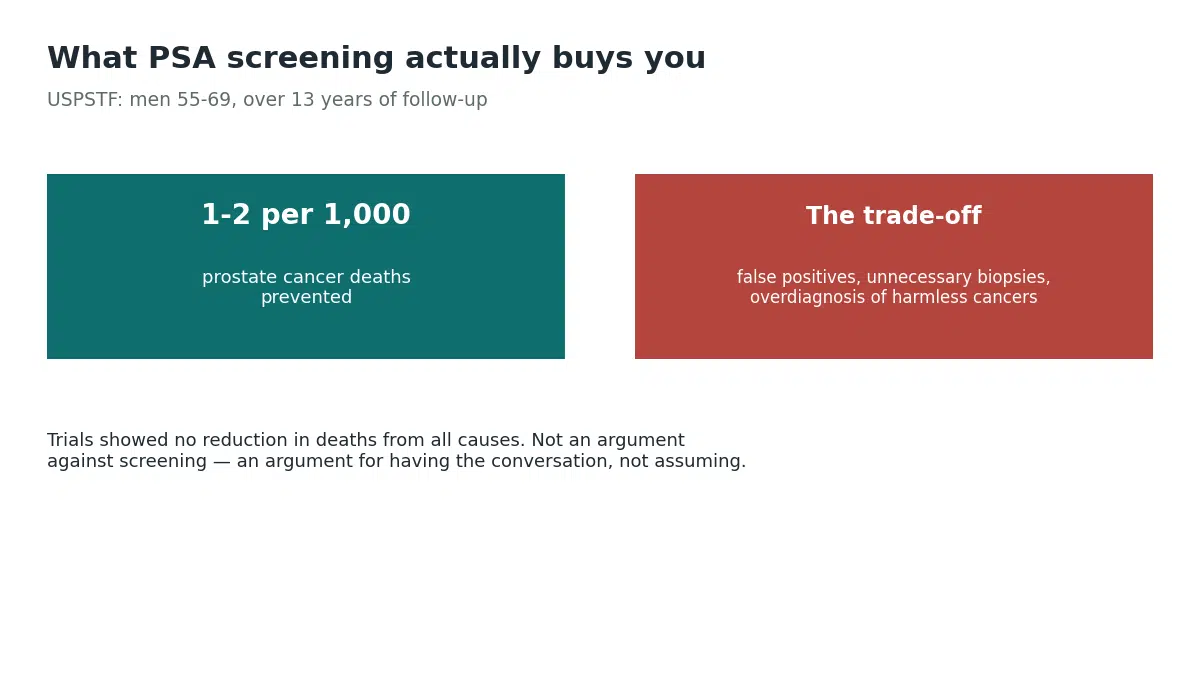
Diet and lifestyle changes complement, but do not replace, regular screening and checkups with a healthcare provider, particularly for men over 50 or those with a family history of prostate conditions.
A checklist of seven weekly habits that support prostate health: regular movement, fish or omega-3s, vegetables and fruit, limiting caffeine after midday, adequate sleep, stress relief, and scheduled checkups.
Weekly prostate-friendly habits
Move most days — walk, swim, or light strength work
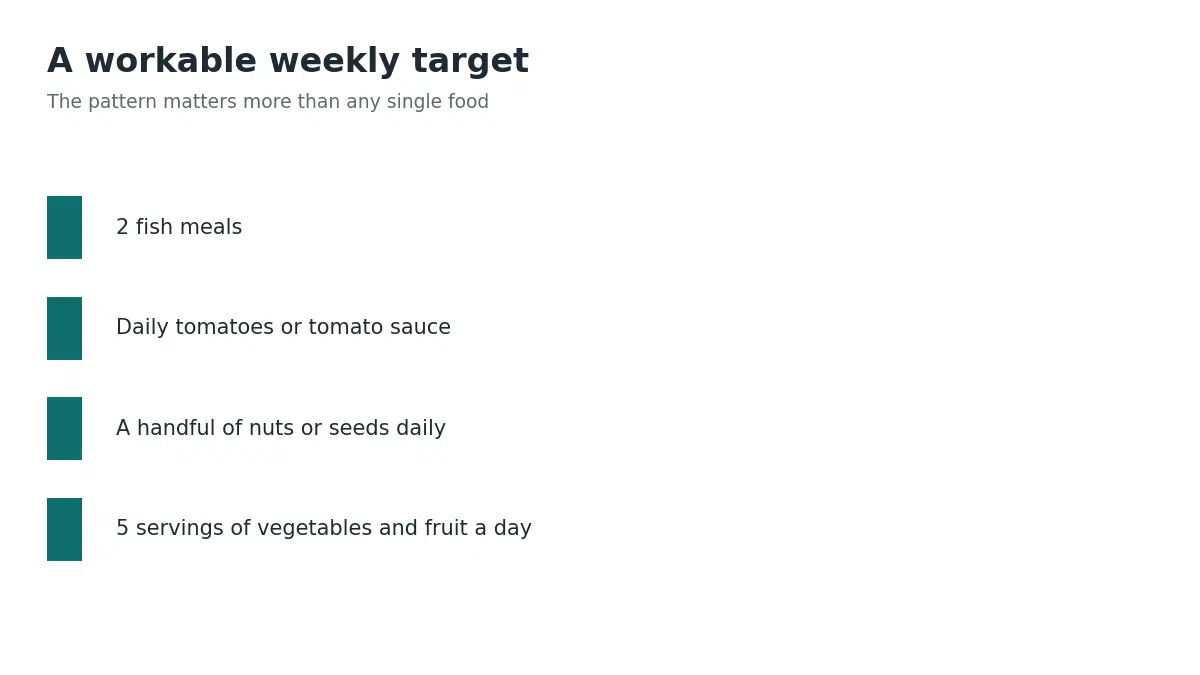
Two servings of fish or omega-3s this week
Five servings of vegetables and fruit, daily
Water or decaf tea after midday
Seven to eight hours of sleep most nights
A few minutes daily for stress relief
Keep scheduled medical checkups
Myth vs. Fact
| Myth | Fact |
|---|---|
| “Tomatoes can cure prostate cancer.” | No food cures prostate cancer. Lycopene-rich foods like tomatoes are associated with lower risk in observational research, but this is not the same as a cure or guaranteed prevention. |
| “All red meat must be eliminated completely.” | Moderate red meat intake, prepared without charring, is not the same risk category as daily heavy consumption. Portion and frequency matter more than total elimination. |
| “Coffee causes prostate cancer.” | Coffee is not established as a cancer risk factor for the prostate. Its main effect is on urinary symptoms through bladder stimulation, not on cancer risk. |
| “Dairy should never be eaten by men over 50.” | Moderate dairy intake is not typically discouraged by major health organizations; the dairy-cancer link remains debated and evidence is limited to moderate. |
| “Supplements can replace a prostate-friendly diet.” | Whole foods provide combinations of nutrients and fiber that isolated supplements do not replicate; supplements are not a substitute for dietary pattern. |
Do vs. Don’t Checklist & Decision Tree
- Do: Build meals around vegetables, fish, whole grains, and healthy fats.
- Don’t: Rely on fried, fast, or heavily processed food as a daily default.
- Do: Choose water, herbal tea, or decaf in the afternoon and evening.
- Don’t: Load up on caffeine or alcohol close to bedtime if nighttime urination is a problem.
- Do: Read labels for added sugar, sodium, and “partially hydrogenated oil.”
- Don’t: Assume a food is healthy just because it’s labeled “low-fat” or “natural.”
- Do: Aim for a few fish meals and a daily serving of tomatoes or cruciferous vegetables each week.
- Don’t: Try to overhaul your entire diet overnight—gradual, sustainable changes tend to stick better.
Decision Tree: Are Your Food Choices Supporting Prostate Health?
→ If yes: consider swapping one of those meals for fish, poultry, or legumes this week.
→ If no: continue to Step 2.
Step 2: Do you drink more than 2–3 cups of coffee or any alcohol in the evening?
→ If yes: try shifting caffeine earlier in the day and limiting evening alcohol to see if nighttime urination improves.
→ If no: continue to Step 3.
Step 3: Do you eat vegetables, fruit, or fish most days of the week?
→ If yes: your overall pattern aligns well with current prostate health research—keep it up.
→ If no: adding just one extra serving of vegetables or fish per day is a reasonable starting goal.
Who Should Talk With a Healthcare Professional?
Diet and lifestyle changes are a supportive part of prostate health, not a substitute for medical evaluation. Consider speaking with a healthcare provider if you experience any of the following:
- Persistent or worsening urinary symptoms, such as frequent urination, weak stream, or a sense of incomplete emptying
- Blood in the urine or semen
- Pain or burning during urination, or pelvic pain
- Sudden inability to urinate
- Unexplained weight loss alongside urinary changes
- Questions about how a new medication may interact with prostate symptoms or dietary changes
- A family history of prostate cancer and questions about screening timing
Frequently Asked Questions
1. What foods should men avoid for prostate health?
Processed meats, fried and fast food, sugary drinks, ultra-processed snacks, high-sodium foods, excess alcohol and caffeine, high-fat dairy, and trans fats are the main categories to limit based on current research.
2. Can diet shrink an enlarged prostate?
No dietary change has been shown to shrink an already-enlarged prostate. Diet may help manage symptoms and support overall urinary tract health, but medical treatment is needed for significant BPH.
3. Are eggs bad for prostate health?
Evidence on eggs and prostate health is mixed and generally limited; moderate egg consumption as part of a balanced diet is not typically flagged as a major concern.
4. Is dairy bad for the prostate?
The relationship between dairy and prostate cancer risk is still debated in the research community. Moderate dairy intake is not usually discouraged, but very high intake, particularly of calcium, has been studied as a possible concern in some cohorts.
5. Does caffeine make BPH symptoms worse?
Yes, for many men. Caffeine’s diuretic and bladder-stimulating effects can increase urinary frequency and urgency, so reducing intake—especially in the afternoon and evening—is a common recommendation.
6. What foods reduce prostate inflammation?
Fatty fish, tomatoes, cruciferous vegetables, berries, nuts, seeds, olive oil, and green tea are among the foods most often studied for anti-inflammatory potential relevant to prostate tissue.
7. Is red meat worse than processed meat for the prostate?
Processed meat generally has stronger and more consistent evidence linking it to worse outcomes than unprocessed red meat, largely due to preservatives, sodium, and curing byproducts.
8. Does alcohol affect the prostate?
Heavy alcohol use is associated with worse urinary symptoms in men with BPH, mainly through its diuretic and bladder-irritant effects; moderate intake shows a more mixed picture.
9. What is the best overall diet for prostate health?
A Mediterranean-style diet—rich in vegetables, fruit, whole grains, legumes, fish, and olive oil, with limited processed and red meat—has the strongest overall support in current research.
10. Can spicy food irritate the prostate or bladder?
Spicy foods can irritate the bladder in some men, worsening urgency and discomfort, though this varies significantly from person to person.
11. Do foods that irritate the bladder also affect the prostate?
Bladder irritants like caffeine, alcohol, and spicy or acidic foods primarily worsen urinary symptoms rather than affecting prostate tissue directly, but the symptom overlap with BPH makes them worth managing together.
12. Should men over 50 change their diet for prostate health?
Given that BPH risk rises sharply after 50, shifting toward a more plant-forward, anti-inflammatory diet at this stage aligns with both prostate-specific research and broader healthy-aging guidance.
13. Are supplements like saw palmetto a substitute for dietary changes?
Evidence for saw palmetto and similar supplements in treating BPH symptoms is mixed and generally weaker than for dietary and lifestyle changes, according to American Urological Association guidance; supplements should be discussed with a healthcare provider rather than used as a substitute for medical care. If you’re evaluating a specific formulated product, our ProstaVive review breaks down one such supplement’s ingredients, safety profile, and evidence base in detail.
14. Can weight loss improve BPH symptoms?
Yes. Weight loss, particularly reduction of abdominal fat, is associated with improved BPH symptom scores in several studies, likely through reduced inflammation and hormonal changes.
15. How quickly can dietary changes affect prostate symptoms?
There’s no fixed timeline established in research; some men report symptom changes within weeks of reducing bladder irritants like caffeine and alcohol, while broader anti-inflammatory dietary shifts may take longer to show measurable effects.
Key Takeaways
- No single food causes or cures prostate conditions; overall dietary pattern matters most.
- Processed meat, fried food, sugary drinks, ultra-processed snacks, trans fats, and excess sodium are the clearest foods to limit.
- Excess alcohol and caffeine can worsen urinary symptoms through bladder irritation, separate from prostate tissue itself.
- Tomatoes, fatty fish, cruciferous vegetables, nuts, seeds, and olive oil are consistently studied for potential benefit.
- A Mediterranean-style diet has the strongest overall evidence as a prostate-friendly eating pattern.
- Diet works best alongside exercise, healthy weight, good sleep, stress management, and regular medical checkups.
- Persistent or worsening urinary symptoms should always be evaluated by a healthcare provider.
Bottom Line
If you take one thing from this guide: dietary pattern matters more than any single food. Cutting back on processed meat, fried and fast food, sugary drinks, and trans fats—while adding more fish, vegetables, olive oil, and whole grains—is the change most consistently backed by research for supporting prostate health and easing BPH-related urinary symptoms. It won’t replace a doctor’s care, but it’s a solid, low-risk step you can start today.
Conclusion
Prostate health is shaped by many factors working together—age, genetics, hormones, and everyday habits. Diet won’t replace medical treatment for BPH, prostatitis, or prostate cancer, but the foods to avoid for better prostate health outlined here—processed meats, fried and fast food, sugary drinks, ultra-processed snacks, excess alcohol and caffeine, high-fat dairy, and trans fats—are consistently linked in research to worse inflammation and urinary symptoms. Shifting toward a Mediterranean-style pattern built around vegetables, fruit, fish, whole grains, and healthy fats is a reasonable, evidence-supported step any man can take. If you’re experiencing new or worsening urinary symptoms, pelvic discomfort, or other prostate-related concerns, talk with a healthcare provider for a proper evaluation and personalized guidance.
Related Reading
- Best Natural Supplements for Enlarged Prostate Symptoms
- Saw Palmetto vs Beta Sitosterol for Prostate Health
- ProstaVive Reviews 2026
- Early Signs of Low Testosterone in Men Over 50
- Natural Ways to Boost Metabolism After Age 50
- More Prostate Health Articles
- More Men’s Health Guides
Sources & Further Reading
- NIH/NIDDK – Prostate Enlargement (BPH)
- National Cancer Institute – Prostate Cancer
- American Cancer Society – Prostate Cancer
- American Urological Association – BPH Guideline
- World Health Organization – Red and Processed Meat Carcinogenicity Q&A
This article is for general educational purposes and does not replace personalized medical advice. Consult a healthcare provider for diagnosis and treatment of prostate conditions.