

healthmaghub
  • HOME
  • BLOG
  • REVIEWS
  • TOOLS
No Result
View All Result
  • HOME
  • BLOG
  • REVIEWS
  • TOOLS
No Result
View All Result
HealthMagHub
No Result
View All Result

Is Slimming Tea Safe to Drink Every Day for Weight Loss?

by Owen Bradley
July 18, 2026
Reading Time: 18 mins read
0

We have all been there, standing in the grocery aisle, wondering if a simple cup of tea could be the missing piece in our wellness journey. The trend of using herbal blends for weight management has swept across the United States, promising an easy path to our fitness goals. It is natural to feel hopeful when you see these colorful packages promising quick results.

However, before you make this a part of your morning ritual, it is vital to pause and reflect. Evaluating health claims is a necessary step for anyone serious about their long-term well-being. While these teas are popular, you must ask if daily consumption is truly a safe practice for your body. The aim of the article is to to answer the following question : is slimming tea safe to drink everyday for weight loss?

Understanding the ingredients and their effects on your system helps you make an informed choice. We want to help you navigate the noise and find clarity. Let’s explore whether these drinks are a helpful tool or a potential risk to your health.

See Our Full All Day Slimming Tea Review

Ingredients, real results, pricing, and safety notes — all in one place before you decide.

Read the Full Review

Table of Contents

  • Key Takeaways
  • What is Slimming Tea?
  • Types of Slimming Teas
  • Common Ingredients
  • Mechanisms of Action
  • Effects on Metabolism
  • Appetite Suppression
  • Recommended Daily Intake
  • Potential Risks
  • Common Side Effects
  • Serious Health Concerns
  • Comparison with Diet and Exercise
  • Effectiveness Compared to Supplements
  • Benefits of Caffeine for Weight Loss
  • Potential Downsides of Caffeine
  • Natural vs. Artificial Ingredients
  • Effective Herbal Components
  • Importance of Staying Hydrated
  • Can Slimming Teas Dehydrate You?
  • Positive Outcomes
  • Negative Experiences
  • Studies Supporting Slimming Tea
  • Critiques of Existing Research
  • Nutritionists’ Insights
  • Doctors’ Recommendations
  • Evaluating Daily Habits
  • Empowering Your Decisions

Key Takeaways

  • Many Americans turn to herbal teas as a convenient tool for weight management.
  • It is essential to verify the safety of ingredients before starting a daily habit.
  • Not all weight loss products are regulated with the same strict standards as medications.
  • Daily consumption of certain herbal blends may lead to unexpected side effects.
  • Consulting with a healthcare professional is the best way to ensure your routine is safe.

Understanding Slimming Tea

The market for weight loss beverages has expanded rapidly, leading many consumers to seek an informational overview of what these products actually offer. Slimming tea refers to a broad category of herbal infusions specifically marketed to assist with weight management and metabolic health.

What is Slimming Tea?

At its core, slimming tea is a blend of herbs, leaves, and roots designed to provide metabolic support. These beverages are often consumed as a supplement to a balanced diet rather than a standalone solution. Manufacturers frequently claim that these blends help the body process nutrients more efficiently while promoting a feeling of fullness.

Types of Slimming Teas

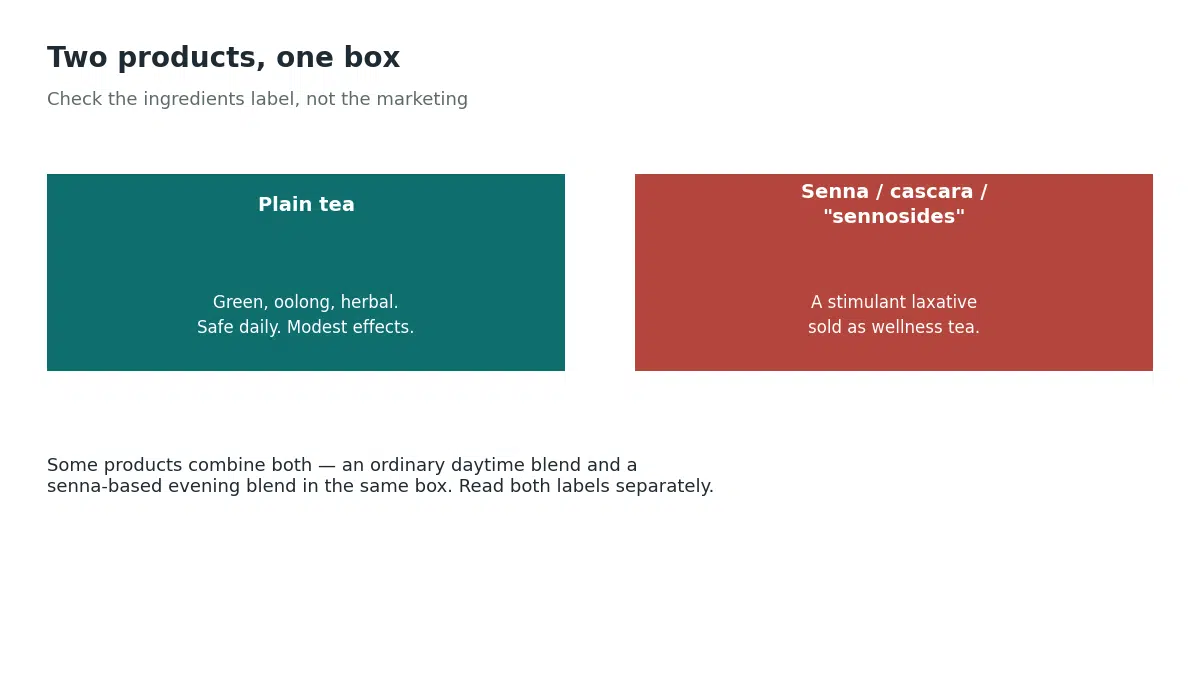
Not all slimming teas are created equal, as they often fall into two distinct categories. The first type relies on natural antioxidants found in traditional tea leaves, such as green or oolong tea. These are generally considered milder and focus on long-term health benefits.

The second category often includes laxative-based herbs intended to produce a rapid, though temporary, reduction in water weight. These blends are more aggressive and require careful consideration before daily use. Understanding the difference between these two types is essential for any consumer.

Common Ingredients

Most slimming teas utilize a combination of botanical elements to achieve their desired effects. While formulas vary by brand, you will frequently find the following ingredients listed on the packaging:

  • Green Tea Extract: A primary source of natural caffeine and catechins.
  • Ginger Root: Often included to support healthy digestion and reduce bloating.
  • Dandelion Root: Frequently used for its natural diuretic properties.
  • Senna Leaf: A common herbal laxative found in many detox-style blends.

By reviewing these components, you can gain an informational perspective on how these teas interact with your body. Always check the label to ensure you understand exactly what you are consuming on a daily basis.

Curious Which Ingredients Are in All Day Slimming Tea?

Our full review breaks down every ingredient, what it does, and how it compares to other slimming teas.

See the Ingredient Breakdown

How Slimming Tea Promotes Weight Loss

The biological impact of slimming tea on the human body is a subject of growing interest. These beverages often contain bioactive compounds that interact with internal systems to support weight management goals. This informational overview explores how these natural infusions function at a cellular level.

Mechanisms of Action

Most slimming teas rely on specific plant-based compounds to influence body composition. Ingredients like catechins and polyphenols are often the primary drivers of these effects. These substances work by modulating how the body processes nutrients and stores energy.

When consumed regularly, these compounds may help reduce the absorption of dietary fats in the digestive tract. This process is a key informational component for those looking to understand the efficacy of herbal blends. By limiting fat uptake, the body may naturally shift toward using stored energy reserves.

Effects on Metabolism

A major goal of many slimming teas is the stimulation of thermogenesis. This is the process by which the body generates heat and burns calories to maintain its temperature. Certain ingredients, such as green tea extract, are known to boost metabolic rate temporarily.

Increased metabolic activity allows the body to process energy more efficiently throughout the day. This informational insight highlights why consistent intake is often suggested by proponents. By keeping the metabolism active, individuals may find it easier to maintain a caloric deficit.

Appetite Suppression

Managing hunger is often the most difficult part of any weight loss journey. Some herbal teas contain natural fibers or compounds that promote a feeling of fullness after consumption. This helps individuals reduce their overall caloric intake without feeling deprived.

By stabilizing blood sugar levels, these teas can prevent the sudden cravings that often lead to overeating. This informational approach to appetite control is a popular reason for the widespread use of slimming teas. The following table summarizes how these different mechanisms contribute to weight management.

MechanismPrimary EffectBenefit
ThermogenesisIncreases body heatHigher calorie burn
Lipid InhibitionBlocks fat absorptionLower caloric intake
Appetite ControlPromotes satietyReduced snacking
Metabolic SupportSpeeds up processingImproved energy use

Understanding these biological pathways provides an informational foundation for evaluating the potential benefits of slimming teas. While these mechanisms are scientifically documented, individual results may vary based on lifestyle and diet. Always consider these factors as part of an informational approach to your health.

Daily Consumption: Is It Safe?

Navigating the world of weight loss teas starts with understanding how much is truly safe to consume. While these beverages are popular, the long-term impact of daily consumption remains a topic of debate. This informational overview helps you balance your wellness goals with your physical health.

Recommended Daily Intake

Most manufacturers suggest starting with one cup per day to see how your body reacts. It is crucial to follow the specific instructions on the product label rather than assuming more is better. Over-consumption of active ingredients can lead to unwanted physiological stress.

To maintain a healthy balance, consider these general guidelines for daily use:

  • Limit intake to the manufacturer’s suggested serving size.
  • Avoid drinking these teas late in the evening if they contain stimulants.
  • Cycle your usage by taking breaks every few weeks to prevent tolerance.
  • Consult with a healthcare provider if you plan to use these products for more than a month.

Check Our Review: Is All Day Slimming Tea Safe to Use Long-Term?

See our full breakdown of ingredients, real customer results, pricing, and long-term safety considerations before you buy.

Read the Full Review

Potential Risks

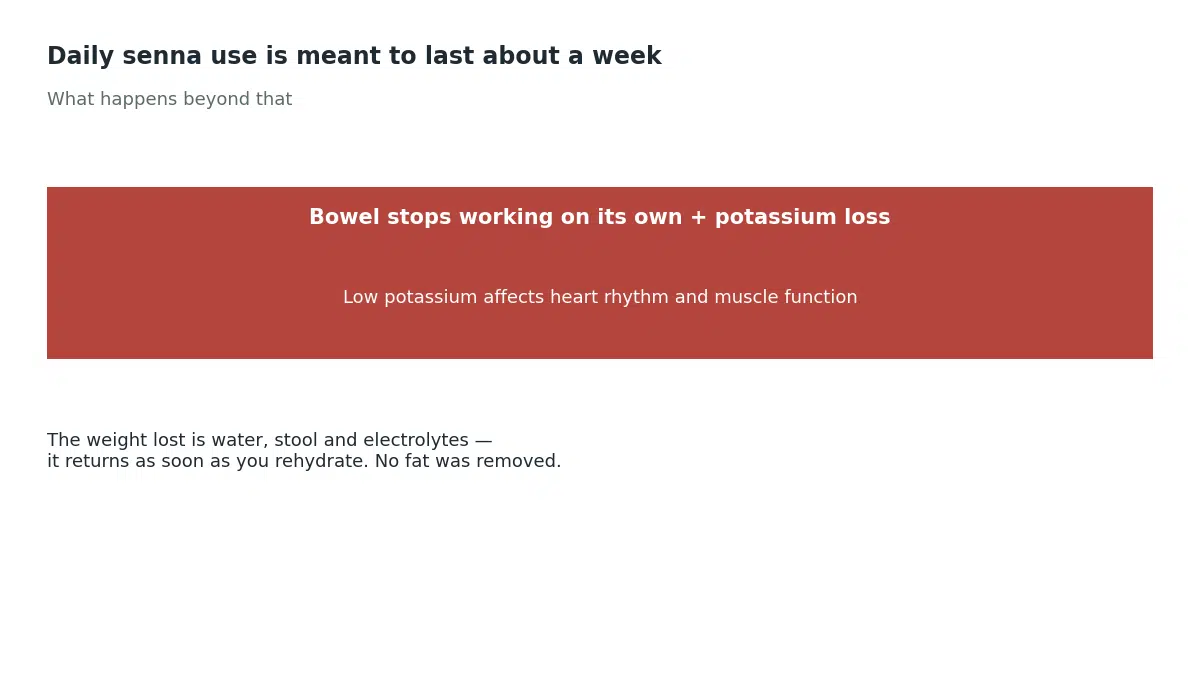
Habitual use of slimming teas is not without its drawbacks. Relying on these products for an extended period may lead to digestive dependency, where your body struggles to function normally without the herbal assistance. This is an important informational point for anyone considering a long-term regimen.

Furthermore, excessive consumption can disrupt your internal chemistry. The following table highlights common concerns associated with improper or long-term use:

Risk FactorPotential ImpactSeverity
Electrolyte ImbalanceDehydration and muscle crampsModerate
Digestive IssuesDependency on laxative effectsHigh
Nutrient AbsorptionReduced vitamin uptakeModerate

Always prioritize your long-term health over rapid results. If you experience persistent discomfort, stop usage immediately and seek professional advice. Staying informational and aware of your body’s signals is the best way to ensure your weight loss journey remains safe.

Weigh the Risks: Read the All Day Slimming Tea Review

Get the full picture — pros, cons, who should avoid it, and the 60-day money-back guarantee details.

View the Full Review

Possible Side Effects of Slimming Tea

Before you make slimming tea a part of your daily routine, you should be aware of the possible side effects. While these beverages are often marketed as natural solutions, they can trigger unexpected physical reactions in many users. This informational overview helps you weigh the benefits against the potential for discomfort.

Common Side Effects

Many individuals report mild gastrointestinal issues when they first start drinking these herbal blends. Ingredients like senna or other laxative herbs often cause cramping, bloating, or frequent bowel movements. It is important to monitor how your body responds during the first few days of use.

Furthermore, many slimming teas contain high levels of caffeine or other stimulants. These ingredients can lead to several noticeable issues, including:

  • Jitteriness or a feeling of being “on edge.”
  • Increased heart rate or heart palpitations.
  • Difficulty falling asleep or staying asleep at night.
  • Headaches caused by stimulant withdrawal or sensitivity.

Serious Health Concerns

Beyond minor discomfort, some users may face more significant health risks. One major concern is the potential for chronic dehydration, which occurs when the body loses too much water through the diuretic effects of certain tea ingredients. Staying hydrated is essential, but it may not be enough if the tea forces excessive fluid loss.

Additionally, you must consider how these teas interact with other substances. Many herbal components can interfere with the absorption of prescription medications, potentially rendering them less effective or causing dangerous spikes in blood levels. Always consult with a healthcare provider to ensure this informational guidance aligns with your specific medical history.

“Herbal supplements are not always benign; they can have potent physiological effects that mimic pharmaceutical drugs, especially when consumed in high concentrations.”

— Clinical Nutritionist

Slimming Tea vs. Other Weight Loss Methods

Evaluating the effectiveness of slimming tea requires a clear look at how it performs against standard health practices. While these beverages are popular, they serve a different purpose than foundational lifestyle changes. This informational overview helps clarify where tea fits into a healthy routine.

Comparison with Diet and Exercise

A balanced diet and regular physical activity remain the gold standard for sustainable weight management. Slimming teas are best viewed as a secondary aid rather than a primary solution. They cannot replace the caloric deficit created by healthy eating or the metabolic benefits of consistent exercise.

Relying solely on tea without adjusting your lifestyle often leads to temporary results. True health improvements come from long-term habits that support your body’s natural functions. Using tea as a supplement to a structured plan provides an informational advantage by keeping you hydrated and focused on your goals.

Effectiveness Compared to Supplements

When compared to other weight loss supplements, such as pills or synthetic powders, tea offers a more traditional approach. Many supplements contain concentrated stimulants that may cause jitteriness or heart palpitations. In contrast, most teas provide a milder experience through natural herbal ingredients.

The following table provides an informational breakdown of how these methods compare in terms of impact and sustainability:

MethodPrimary BenefitSustainabilityRisk Level
Diet & ExerciseLong-term healthHighLow
Slimming TeaMetabolic supportModerateLow to Moderate
Weight Loss PillsRapid suppressionLowHigh
Meal ReplacementsCalorie controlModerateModerate

Ultimately, the most effective strategy is one that you can maintain over time. While tea can be a helpful tool, it should never be the only component of your weight loss journey. This informational perspective ensures you prioritize habits that offer the best long-term results for your body.

The Role of Caffeine in Slimming Teas

The presence of caffeine in weight loss teas offers both distinct advantages and notable drawbacks for the body. Many manufacturers include this stimulant to enhance the overall informational profile of their products, as it is a well-studied compound in the wellness industry.

Understanding how this ingredient interacts with your system is vital for maintaining a healthy routine. Whether you are sensitive to stimulants or looking for a morning boost, knowing the facts helps you make better choices.

Benefits of Caffeine for Weight Loss

Caffeine is widely recognized for its ability to provide a temporary metabolic boost. By stimulating the central nervous system, it encourages the body to burn calories more efficiently during short periods.

Beyond metabolism, it serves as a powerful tool for increased alertness and focus. Many users find that this mental clarity helps them stick to their dietary goals throughout the day. This informational perspective highlights why caffeine remains a staple in many herbal blends.

“Caffeine acts as a double-edged sword; it can sharpen the mind and ignite the metabolism, but it requires a mindful approach to avoid overstimulation.”

— Wellness Nutritionist

Potential Downsides of Caffeine

While the benefits are clear, there are significant risks for those who are sensitive to stimulants. Consuming high amounts of caffeine can lead to an increased heart rate and feelings of jitteriness that may be uncomfortable.

Furthermore, drinking these teas late in the day often results in sleep disruption. Poor sleep quality can actually hinder your weight loss progress by affecting hunger hormones. Maintaining an informational balance is key to ensuring that your tea consumption supports your health rather than detracting from it.

Ingredients to Look For

Navigating the world of slimming teas requires a keen eye for quality ingredients. This informational guide helps you decode complex labels so you can choose products that align with your wellness goals. By focusing on what is inside the bag, you protect your body from unnecessary additives.

Natural vs. Artificial Ingredients

When you examine a tea label, prioritize products that feature whole, plant-based ingredients. Natural components like dried leaves, roots, and flowers offer a clean profile without synthetic chemicals. These items are generally safer for daily consumption and provide a more authentic experience.

Conversely, be wary of labels listing artificial flavors, sweeteners, or mysterious “proprietary blends.” These fillers often serve to mask poor-quality herbs or provide a temporary boost that lacks long-term health benefits. Always look for transparency in the ingredient list to ensure you are getting exactly what you pay for.

Effective Herbal Components

Certain herbs have earned a reputation for supporting weight management through natural metabolic support. Choosing teas that highlight these specific components can make your routine more effective. This informational approach ensures you select blends backed by traditional use and modern interest.

  • Green Tea (Camellia sinensis): Rich in catechins, this is a staple for boosting metabolic rate.
  • Ginger Root: Known for aiding digestion and reducing inflammation in the gut.
  • Peppermint: Helps soothe the digestive tract and may assist in curbing appetite.
  • Dandelion Root: Often used to support healthy fluid balance in the body.

By selecting teas that prioritize these potent botanicals, you create a more reliable foundation for your health journey. Remember that the best results come from consistent, high-quality choices rather than quick fixes. Staying informed about your tea’s contents is the most effective way to maintain your well-being.

Slimming Tea and Hydration

Maintaining proper hydration is a vital component of any health-conscious lifestyle, especially when you consume herbal teas. While these beverages offer various benefits, they should never replace your primary source of hydration: plain water. Providing an informational perspective on this topic helps you make safer choices for your daily routine.

Importance of Staying Hydrated

Water serves as the foundation for nearly every biological process in your body. It regulates your temperature, supports digestion, and ensures that your cells receive necessary nutrients. When you are well-hydrated, your metabolism functions more efficiently, which is a key goal for many people seeking weight management support.

Consistent water intake is essential to help your kidneys filter waste products effectively. If you neglect your water consumption, you may experience fatigue, headaches, or decreased mental clarity. These symptoms can often be mistaken for other health issues, making it even more important to track your daily fluid levels.

Can Slimming Teas Dehydrate You?

Some herbal teas contain ingredients that act as natural diuretics. These components encourage your body to expel excess fluid, which can lead to a temporary reduction in weight. However, this process can sometimes cause dehydration if you do not replenish those lost fluids throughout the day.

Ingredients like caffeine or senna leaf are common in many blends and are known for their impact on fluid balance. To maintain a healthy equilibrium, consider these informational tips for your daily routine:

  • Aim to drink at least one glass of water for every cup of herbal tea you consume.
  • Monitor your urine color; pale yellow is a sign of good hydration.
  • Listen to your body and increase your water intake if you feel thirsty or sluggish.

By staying mindful of your total fluid intake, you can enjoy the benefits of your chosen tea without compromising your health. Balancing your habits is the most effective way to support your wellness journey in an informational and sustainable manner.

User Experiences and Testimonials

Real-world feedback provides a unique window into how different bodies react to popular herbal blends. While clinical data offers a broad perspective, this informational overview focuses on the personal journeys of everyday consumers. By examining these accounts, you can better understand the potential variability in results.

Positive Outcomes

Many users report feeling lighter and more energized after incorporating specific teas into their daily routines. A common theme in positive testimonials is the reduction of bloating, which often provides a quick sense of relief. Some individuals also note that the ritual of drinking tea helps them stay mindful of their overall dietary choices.

  • Increased daily energy levels without the “jitters” associated with coffee.
  • Noticeable decrease in abdominal puffiness after consistent use.
  • Improved hydration habits due to the increased intake of fluids.

This informational feedback suggests that for many, the benefits are often tied to improved digestion and better water intake. These users frequently highlight that the tea acts as a helpful supplementary tool rather than a standalone solution.

Negative Experiences

Not every consumer reports a positive outcome, and it is important to consider the full spectrum of feedback. Some individuals experience digestive distress, such as cramping or frequent trips to the restroom, particularly with blends containing senna or other laxative herbs. Others express frustration when they do not see the weight loss results they initially expected.

This informational data serves as a reminder that individual biology plays a significant role in how one reacts to herbal ingredients. It is common for users to report a lack of progress if they do not pair the tea with a balanced diet. The following table summarizes the most frequently reported experiences found in consumer reviews.

Reported EffectFrequencyPrimary Benefit/IssueInformational Context
Reduced BloatingHighDigestive ComfortCommonly reported
Energy BoostModerateMetabolic SupportCaffeine-related
Digestive CrampsLowLaxative SensitivityIngredient specific
No Weight ChangeModerateExpectation GapLifestyle dependent

Scientific Research and Evidence

Understanding the science behind herbal infusions is essential for making informed health decisions. This informational overview examines how current clinical data evaluates the efficacy of popular weight management teas.

Studies Supporting Slimming Tea

Many researchers focus on the role of green tea extracts, specifically catechins and epigallocatechin gallate (EGCG). These compounds are frequently studied for their potential to increase fat oxidation and improve metabolic rates.

Clinical trials often highlight that consistent consumption of these specific antioxidants may lead to modest improvements in body composition. This informational data suggests that when combined with a balanced diet, these ingredients provide a supportive role in weight management efforts.

Critiques of Existing Research

Despite promising laboratory results, the broader scientific community remains cautious about the current state of human trials. Many studies suffer from significant limitations that make it difficult to draw definitive conclusions about long-term safety or effectiveness.

Common critiques of this informational body of research include:

  • Small sample sizes that do not represent the general population.
  • Short study durations, often lasting only a few weeks, which fail to capture long-term health impacts.
  • Lack of standardized dosages, making it hard to compare results across different brands.
  • Confounding variables, such as participants simultaneously changing their exercise or eating habits.

Because of these gaps, experts emphasize that consumers should view current findings as preliminary. Relying solely on these teas for weight loss without considering the limitations of the data may lead to unrealistic expectations.

Expert Opinions

Understanding the perspective of nutritionists and doctors can help clarify the role of herbal teas in a healthy lifestyle. This informational overview highlights why professionals often suggest caution regarding daily consumption of weight loss supplements.

Nutritionists’ Insights

Most registered dietitians emphasize that sustainable weight loss stems from long-term habits rather than quick fixes. They often point out that relying on teas can lead to a false sense of security regarding dietary quality.

“True health is built on the foundation of whole, nutrient-dense foods, not on the temporary effects of herbal infusions or stimulants.”

Registered Dietitian

Nutritionists frequently warn that these products may mask underlying issues. Instead of focusing on tea, they recommend prioritizing fiber, lean proteins, and adequate hydration to support natural metabolic processes.

Doctors’ Recommendations

Medical professionals generally advise patients to approach slimming teas with significant skepticism. Many doctors express concern over the lack of standardized regulation in the supplement industry, which can lead to unpredictable health outcomes.

Before starting any new regimen, it is vital to consult with a healthcare provider. A doctor can review your medical history to ensure that specific ingredients do not interact with existing medications or conditions. This informational step is crucial for maintaining your long-term safety.

Ultimately, experts agree that personalized care is superior to generic weight loss trends. By working with a professional, you can create a plan that is both effective and safe for your unique body.

Ready to Choose a Slimming Tea? Read Our Review First

All Day Slimming Tea Reviews 2026 — ingredients, real customer feedback, pricing, and safety notes in one place.

Read the Full Review

Conclusion

Navigating the world of weight management requires a focus on long-term health rather than temporary fixes. Relying on tea blends often masks the need for balanced nutrition and consistent physical activity. This informational guide highlights the importance of viewing supplements as minor tools in a much larger lifestyle picture.

Evaluating Daily Habits

Daily consumption of herbal blends carries risks that often outweigh the perceived benefits. True wellness stems from sustainable choices that support your body over many years. Prioritize whole foods and proper hydration to reach your goals safely.

Empowering Your Decisions

You hold the power to shape your health journey through careful research and professional guidance. Use this informational perspective to question marketing claims and focus on evidence-based practices. Your commitment to a balanced approach remains the most effective path toward lasting vitality.

FAQ

What exactly is slimming tea and what are its common ingredients?

Slimming tea is a category of herbal beverages formulated to support weight management and metabolic health. These blends typically include a mix of green tea, black tea, or oolong tea, combined with botanical ingredients like ginger, dandelion root, and caffeine. Some potent formulations, such as those produced by Traditional Medicinals or FitTea, may also contain senna, a natural laxative herb used to reduce bloating and encourage digestive regularity.

How does slimming tea promote weight loss biologically?

These beverages primarily work through mechanisms of action like thermogenesis, which is the process of heat production in the body that helps burn calories. Active compounds like EGCG (epigallocatechin gallate) found in green tea-based brands such as Bigelow help increase metabolic rates. Additionally, certain herbal components act as natural appetite suppressants, helping consumers manage their caloric intake more effectively throughout the day.

Is it safe to drink slimming tea every day for an extended period?

While daily consumption can be safe for many, it depends heavily on the ingredients. Teas containing senna or other stimulant laxatives should not be used long-term, as they can lead to digestive dependency and electrolyte imbalances. To ensure safety, it is vital to follow the recommended daily intake on the packaging of products like Yogi DeTox and avoid over-consuming blends with high caffeine content to prevent heart palpitations or restlessness.

What are the most common side effects associated with these teas?

Some users may experience gastrointestinal discomfort, including cramping or diarrhea, particularly if the tea contains laxative properties. The caffeine content in many slimming blends can also lead to jitteriness, sleep disruption, and an increased heart rate. More serious health concerns can arise from chronic dehydration if the consumer does not compensate for the diuretic effects of ingredients like dandelion root or juniper berry.

Can slimming tea cause dehydration?

Yes, many slimming teas contain diuretics that encourage the body to expel excess water. While this can result in a temporary reduction in “water weight” and decreased bloating, it can lead to dehydration if not balanced with adequate water consumption. Brands like Teami Blends often suggest maintaining high hydration levels to support the body’s natural detoxification pathways while using their products.

How does slimming tea compare to traditional diet and exercise?

Nutritionists generally view slimming tea as a secondary aid rather than a primary weight loss solution. While these teas can provide a minor boost to metabolism, they are not nearly as effective as a balanced diet and regular physical activity. Clinical research, such as studies found in the American Journal of Clinical Nutrition, indicates that while tea polyphenols support fat oxidation, sustainable results require a holistic lifestyle approach rather than relying solely on supplements.

What specific ingredients should I look for on a product label?

When shopping for a high-quality tea, look for natural ingredients such as Garcinia Cambogia, hibiscus, and Peppermint, which are known for supporting digestion and satiety. Avoid products that list vague “artificial flavors” or excessive chemical additives. Effective herbal components like Pu-erh tea or Yerba Mate are preferred by many health-conscious consumers for their high antioxidant content and natural energy-boosting properties.

Do medical professionals recommend slimming teas for weight loss?

Most doctors and dietitians recommend caution. While they may support the use of pure green tea or herbal infusions for their antioxidant benefits, they often advise against “detox” teas that promise rapid results through fluid loss. Professionals emphasize that users should consult a healthcare provider before starting a daily regimen, especially if they are taking medications that could interact with concentrated herbal extracts.
Previous Post

How to Tell If a ClickBank Supplement Is Legit Before Buying

Next Post

Best Supplement for Brain Fog and Memory in Your 40s

Related Posts

Can Ashwagandha Cause Weight Loss?
BLOG

Can Ashwagandha Cause Weight Loss?

July 23, 2026
Best High Fiber Foods for Pregnancy
BLOG

Best High Fiber Foods for Pregnancy for Healthy Moms

July 24, 2026
Food Sources of Tyrosine
BLOG

Food Sources of Tyrosine: Your Complete Guide to This Essential Amino Acid

July 25, 2026
Which Is the Best Tea for Weight Loss?
BLOG

Which Is the Best Tea for Weight Loss? Science-Backed Guide to 12 Effective Teas

July 24, 2026
Best Breakfast Cereals for Diabetics
BLOG

Best Breakfast Cereals for Diabetics: Smart Choices for Blood Sugar Control

July 24, 2026
Should Diabetics Eat Banana?
BLOG

Should Diabetics Eat Banana? A Complete Guide to Blood Sugar and Fruit

July 24, 2026
Natural Remedies for Nose Congestion
BLOG

Natural Remedies for Nose Congestion: Proven Solutions for Clear Breathing

July 22, 2026
freshly brewed green tea in transparent cup showing golden-green color with pH testing strip
BLOG

Is Green Tea Acidic? Understanding pH Levels and Health Implications

July 24, 2026
ProDentim Reviews: What Real Users Are Saying About This Oral Health Supplement
REVIEWS

ProDentim Reviews: What Real Users Are Saying About This Oral Health Supplement

July 24, 2026
How to Get Rid of Fat Neck
BLOG

How to Get Rid of Fat Neck: Complete Solutions Guide

July 22, 2026
Load More

Leave a Reply Cancel reply

Your email address will not be published. Required fields are marked *

I agree to the Terms & Conditions and Privacy Policy.

Our Mission

At HealthMagHub, our mission is to empower individuals and families to make informed health decisions by providing accurate, evidence-based, and easy-to-understand health information. We are committed to delivering high-quality content across a wide range of topics, including nutrition, fitness, weight management, men’s and women’s health, mental wellness, healthy aging, disease prevention, and in-depth health product reviews. Every article is carefully researched, fact-checked, and written with our readers’ well-being in mind. Our goal is to simplify complex health topics, promote healthier lifestyles, and build a trusted resource where people can confidently find reliable guidance, practical wellness tips, and the latest insights to support a healthier, happier life.

Can Ashwagandha Cause Weight Loss?
BLOG

Can Ashwagandha Cause Weight Loss?

by Jenna Castillo
July 23, 2026
0

Affiliate Disclosure: This article contains affiliate links. We may earn a commission from purchases made through these links at no...

Read moreDetails
Best High Fiber Foods for Pregnancy

Best High Fiber Foods for Pregnancy for Healthy Moms

July 24, 2026
Food Sources of Tyrosine

Food Sources of Tyrosine: Your Complete Guide to This Essential Amino Acid

July 25, 2026
Which Is the Best Tea for Weight Loss?

Which Is the Best Tea for Weight Loss? Science-Backed Guide to 12 Effective Teas

July 24, 2026
Best Breakfast Cereals for Diabetics

Best Breakfast Cereals for Diabetics: Smart Choices for Blood Sugar Control

July 24, 2026

Categories

  • BLOG
  • Brain Health
  • General Fitness
  • Hearing Health
  • Joint Health
  • Men's Health
  • Neuropathy Help
  • Oral Health
  • Prostate Health
  • REVIEWS
  • Skin Health
  • Toenail Fungus Help
  • Weight Loss
  • HOME
  • ABOUT
  • PRIVACY POLICY
  • Terms & Conditions
  • Affiliate Disclosure
  • Medical Disclaimer
  • Contact Us
  • SUBMIT YOUR REVIEW

© 2026 HealthMagHub. Trusted Health. Smarter Living. All Rights Reserved.

No Result
View All Result
  • HOME
  • BLOG
  • REVIEWS
  • TOOLS

© 2026 HealthMagHub. Trusted Health. Smarter Living. All Rights Reserved.

This website uses cookies. By continuing to use this website you are giving consent to cookies being used. Visit our Privacy and Cookie Policy.